

If you are looking to bring the heart of Valencian cuisine into your own kitchen, there is nothing quite like an Authentic Spanish Monkfish Stew: All i Pebre Recipe. This Mediterranean treasure stands out for its luscious, bold sauce, where garlic and paprika meld in a perfect embrace with the monkfish.
Authentic Spanish Monkfish Stew: All i Pebre Recipe

Authentic Spanish Monkfish Stew: All i Pebre Recipe
There is a specific kind of magic that happens in a Spanish kitchen when a simple fish stew begins to bubble on the stove. Our Authentic Spanish Monkfish Stew: All i Pebre isn’t just a recipe; it is a testament to the wisdom of Mediterranean grandmothers who knew that the best flavors don’t come from complexity, but from respecting the ingredients.
What makes this dish truly special is the soul of the “majada”—that humble paste of garlic, almonds, and bread that transforms a clear broth into something velvety and profound. It is the perfect companion for those evenings when you want to bring the authentic, sun-drenched flavors of Valencia to your table.
If you enjoy the comforting, rustic essence of this stew, you will find a similar joy in my other kitchen staples. If you are craving more of that signature Spanish potato magic, you must try my How to Make Traditional Patatas Bravas with Alioli, or keep things simple and delicious with my Easy Roasted Baby Potatoes with Garlic & Paprika.
For those who love the interplay of textures and high-quality ingredients, my Authentic Spanish Huevos Rotos with Iberico Ham offers that same sense of indulgence that makes Spanish home cooking so iconic. And, if you have fallen in love with the depth of a slow-simmered fish dish, I highly recommend exploring the secrets of a perfect One-Pot Spanish Cod Stew: The Secret to a Perfect Murcian Jarullo.
Each of these recipes tells a story of tradition, patience, and the simple beauty of eating well. I invite you to keep exploring the vibrant world of Spanish flavors and to make these classics a part of your own culinary repertoire.
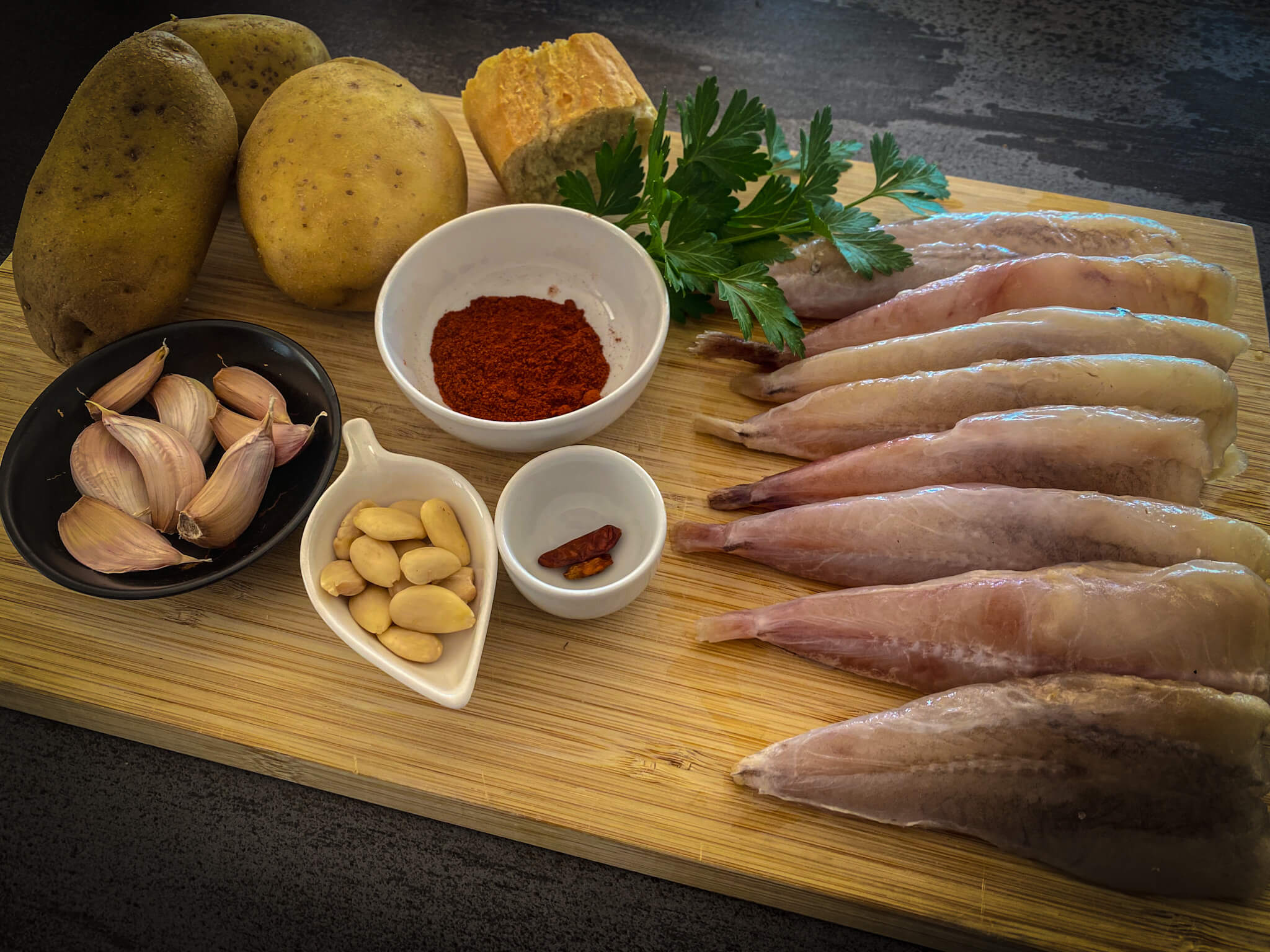
Ingredients
| Metric Amount | Imperial Amount | Core Ingredient | Preparation |
| 800 g | 28 oz | Monkfish (Rape) | Cleaned, cut into thick medallions, and seasoned |
| 600 g | 21 oz | Potatoes (approx. 3 units) | Medium size, peeled and cracked (chascadas) to release starch |
| 700 ml | 24 fl oz | Fish stock (Fumet) | High quality, kept hot for building the stew base |
| 8 units | 8 units | Garlic cloves | Peeled; some left whole for frying, others for the picada |
| 12 units | 12 units | Almonds | Raw or toasted, skinless for the traditional majado base |
| 1 slice | 1 slice | Bread | Preferably day-old, fried in olive oil for thickening |
| 1 tbsp | 1 tbsp | Sweet Paprika (Pimentón dulce) | High quality Spanish paprika, added carefully to avoid burning |
| 1 unit | 1 unit | Cayenne pepper (Guindilla) | Whole, adjusted to taste for that characteristic spicy kick |
| To taste | To taste | Fresh parsley | Leaves only, finely chopped and incorporated into the majado |
| As needed | As needed | Flour | For lightly dusting the monkfish medallions before searing |
Instructions
1. Preparing the ingredients
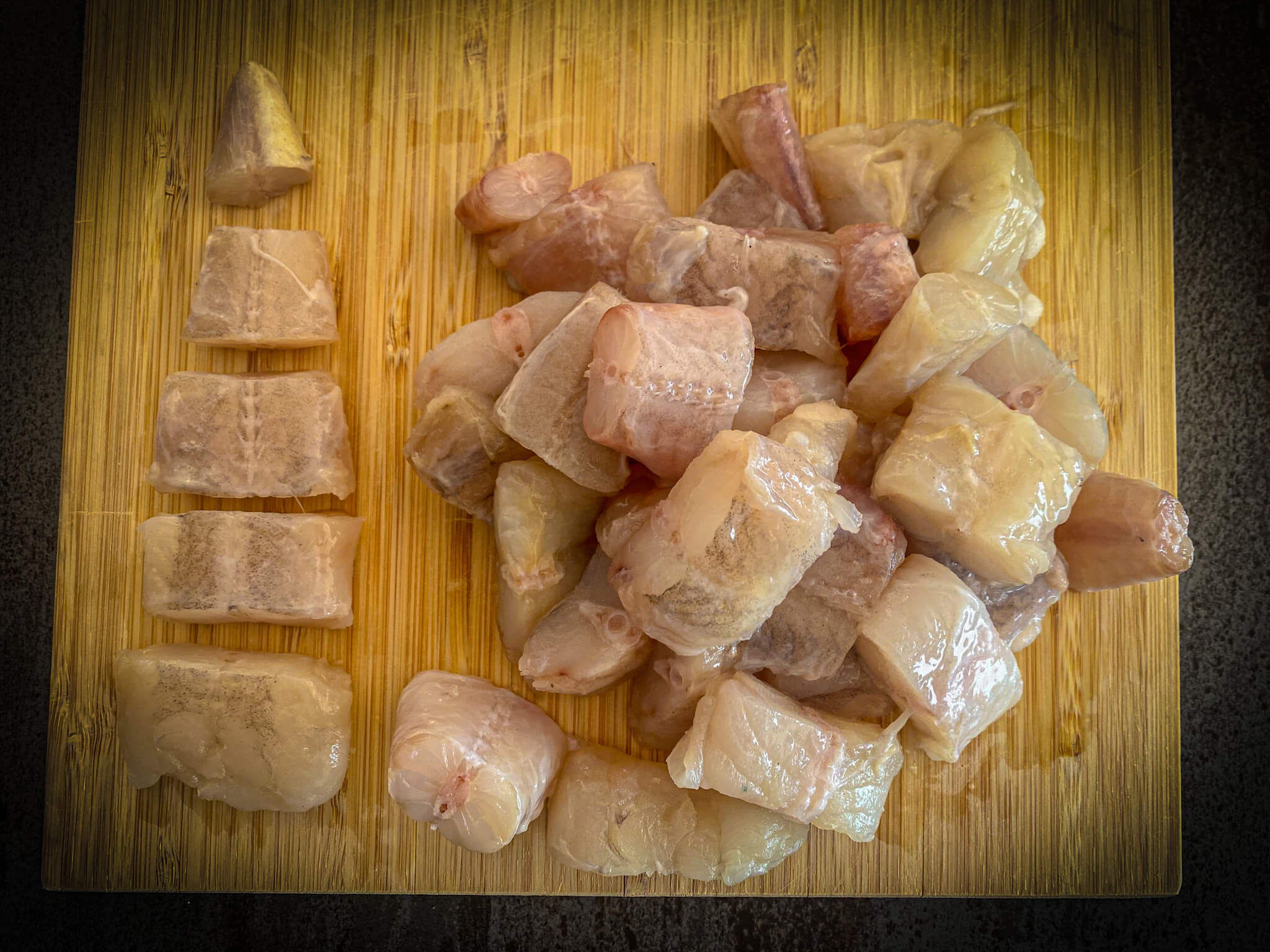
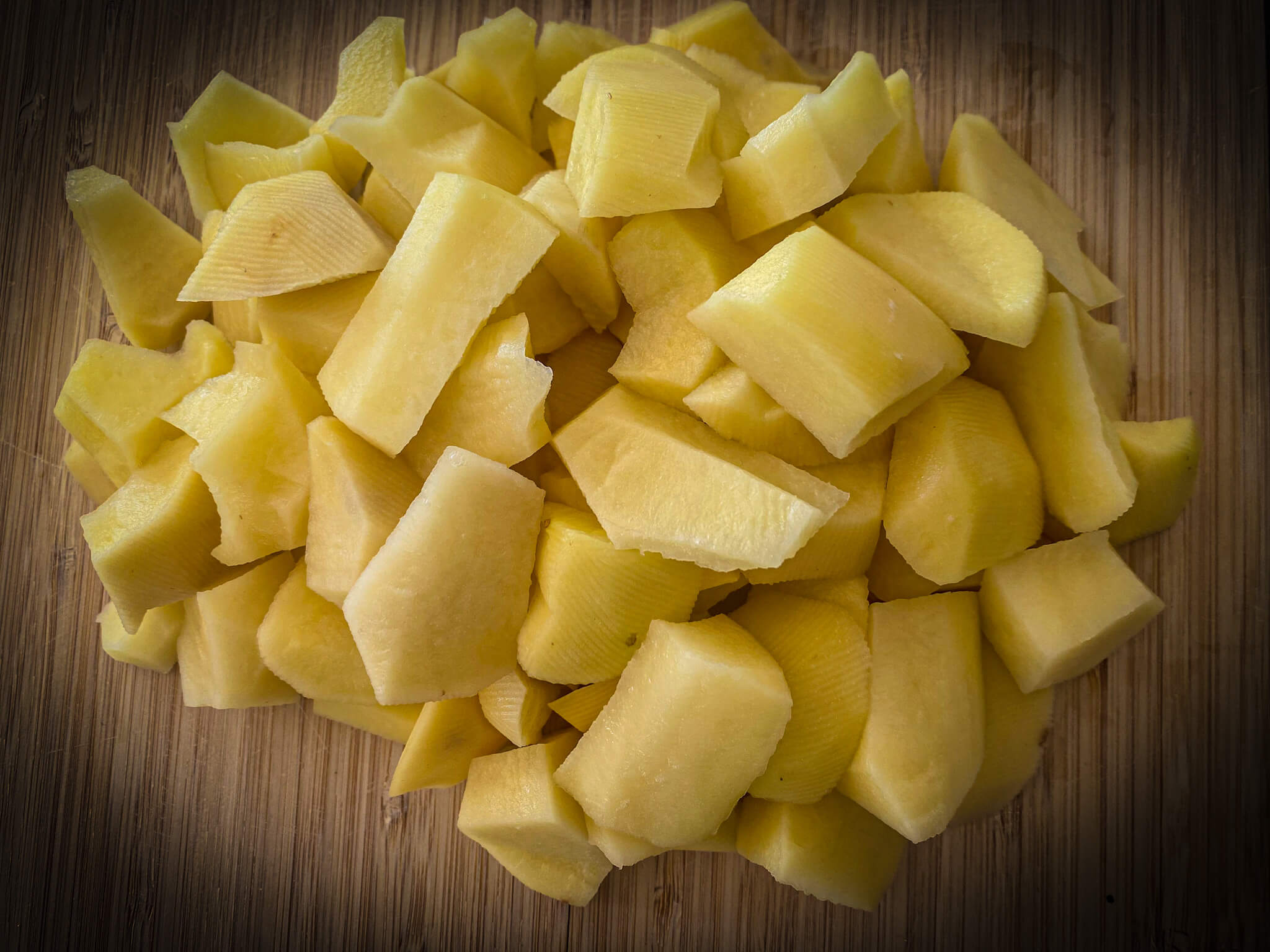
We begin the process by organizing the elements for a stew of this caliber. We peel and crack the potatoes, a vital step where we snap the potato instead of slicing it cleanly so it releases all its starch. We crush the garlic cloves with a firm blow, chop the fresh parsley leaves, and slice the monkfish into rounds, ensuring we keep the central bone to add depth to the stew’s flavor.
2. Making the “Majada”
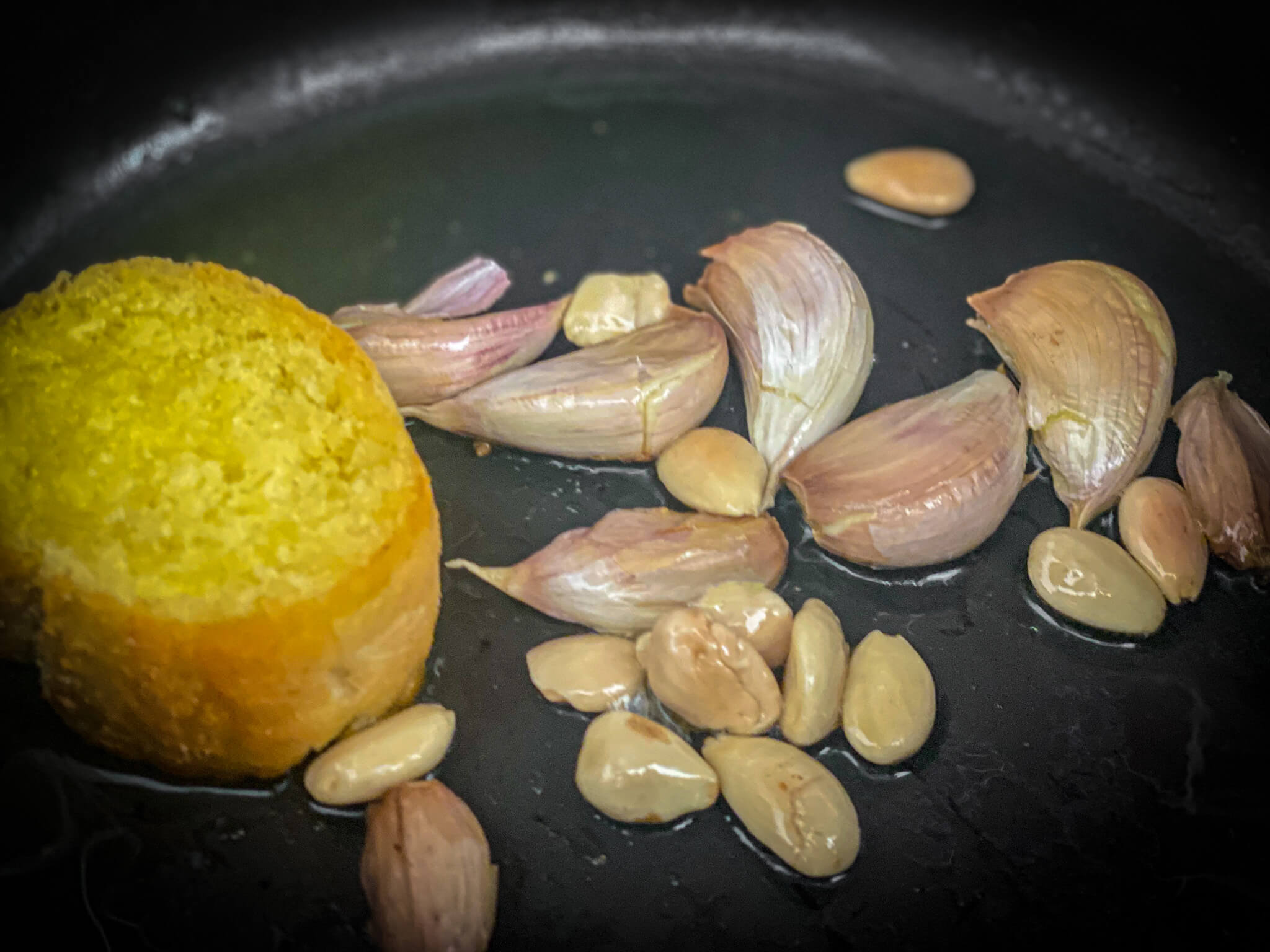
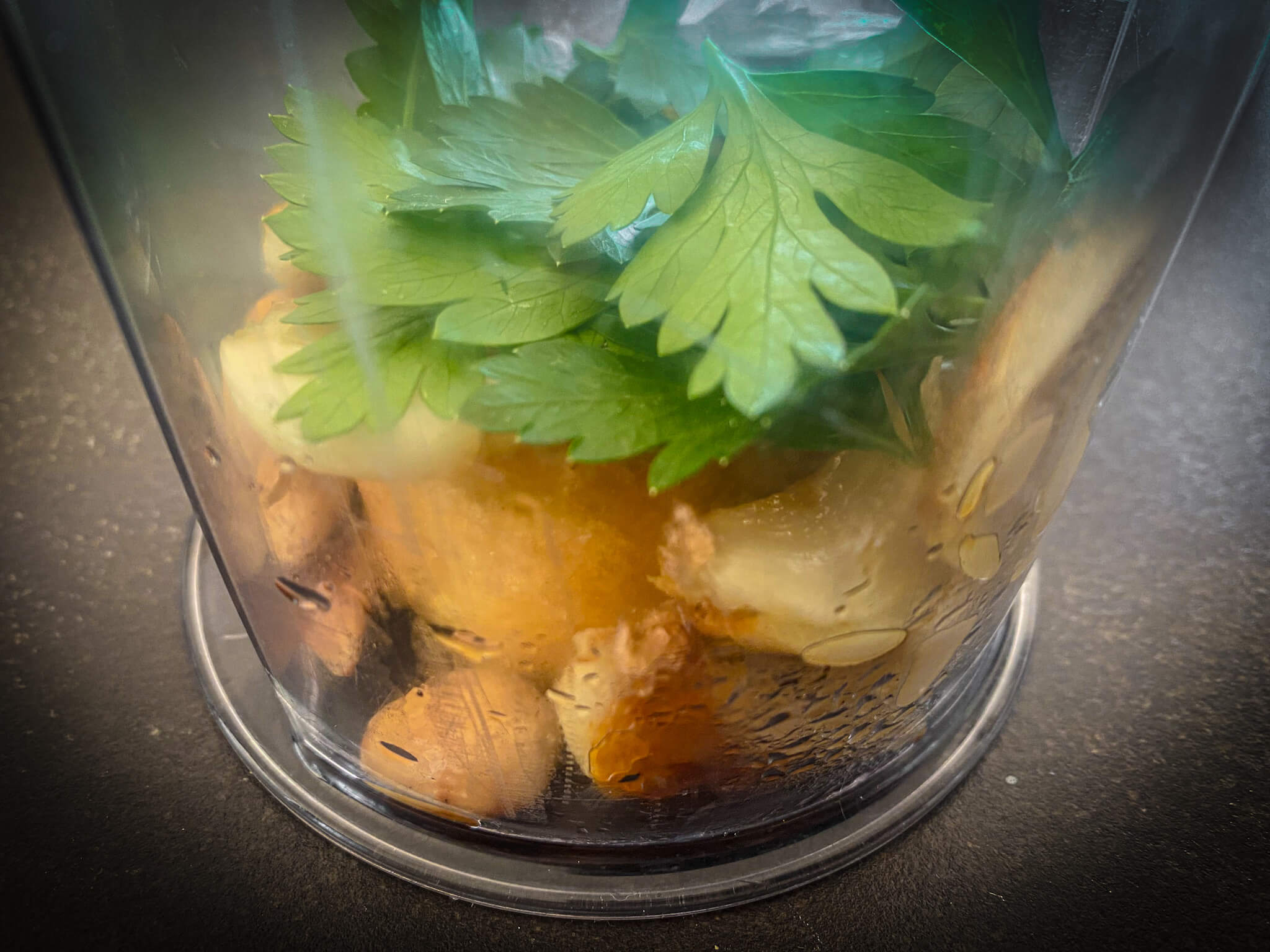
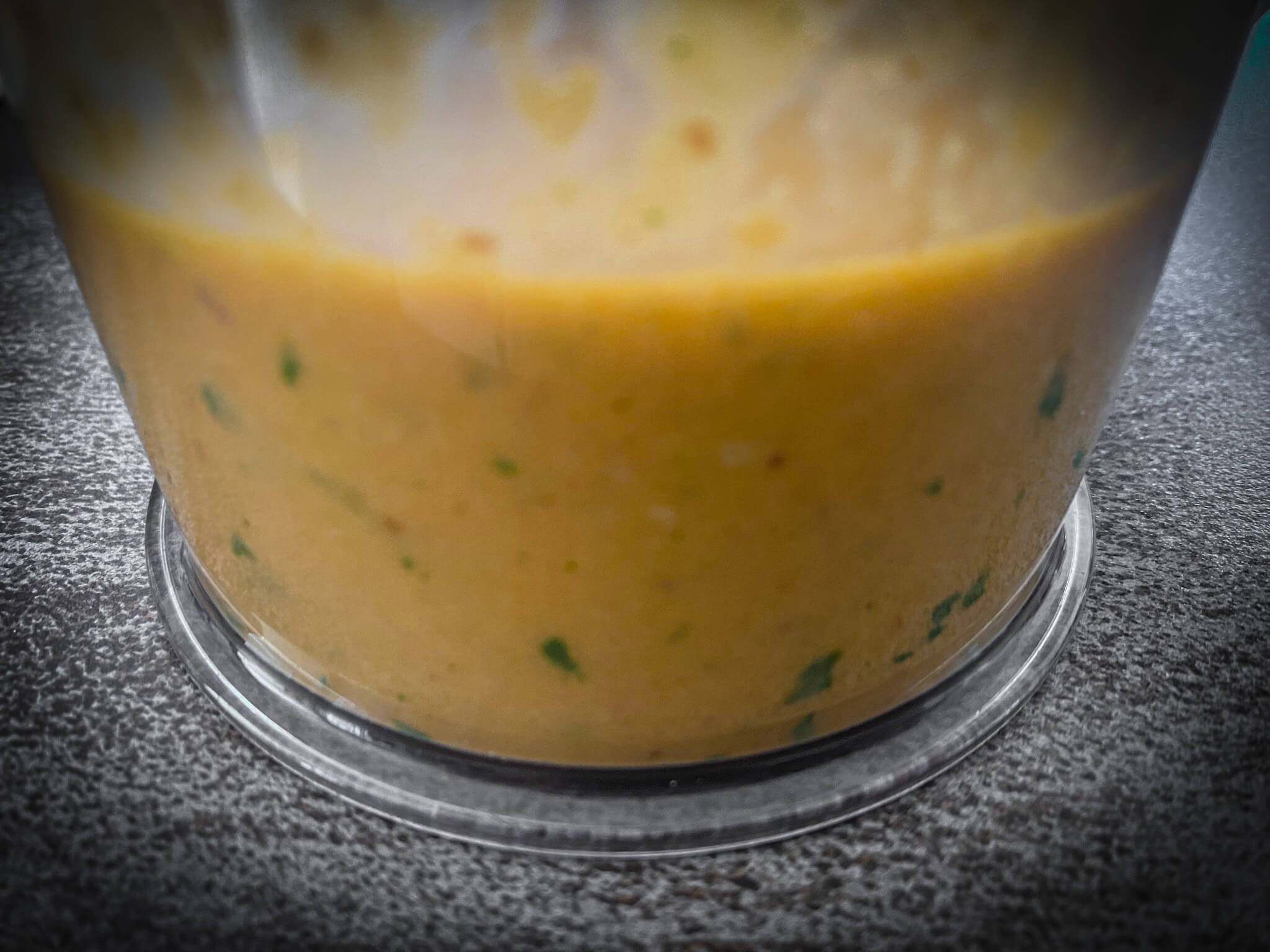
In a pan with a base of hot oil, we lightly brown the almonds, garlic, and the slice of bread. It is essential to control the heat to achieve a golden color without burning the ingredients, as any trace of burnt bits would turn the sauce bitter. Once ready, we remove these elements and grind them together with the parsley leaves to create our “majada”, which will be the aromatic heart of the dish.
3. Searing the fish
We heat a fresh splash of oil in the pan. We pat the monkfish rounds dry with paper towels to ensure a clean sear and pass them lightly through flour. We fry the fish in the hot oil for about 2 minutes per side just to sear the exterior while keeping the inside succulent. We remove and set the fish aside while we continue with the base of our sauce.

4. 5Integration and final cooking
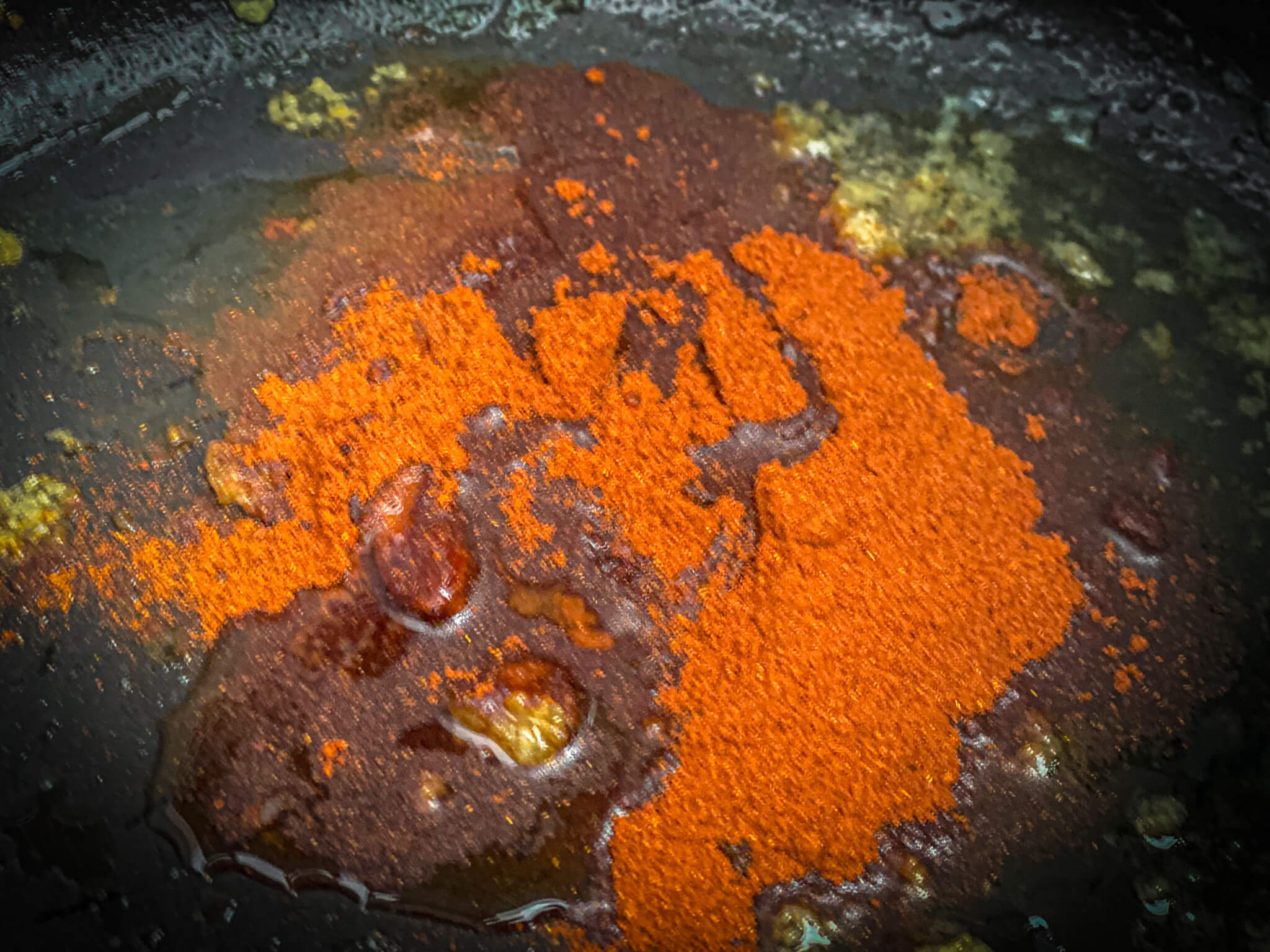
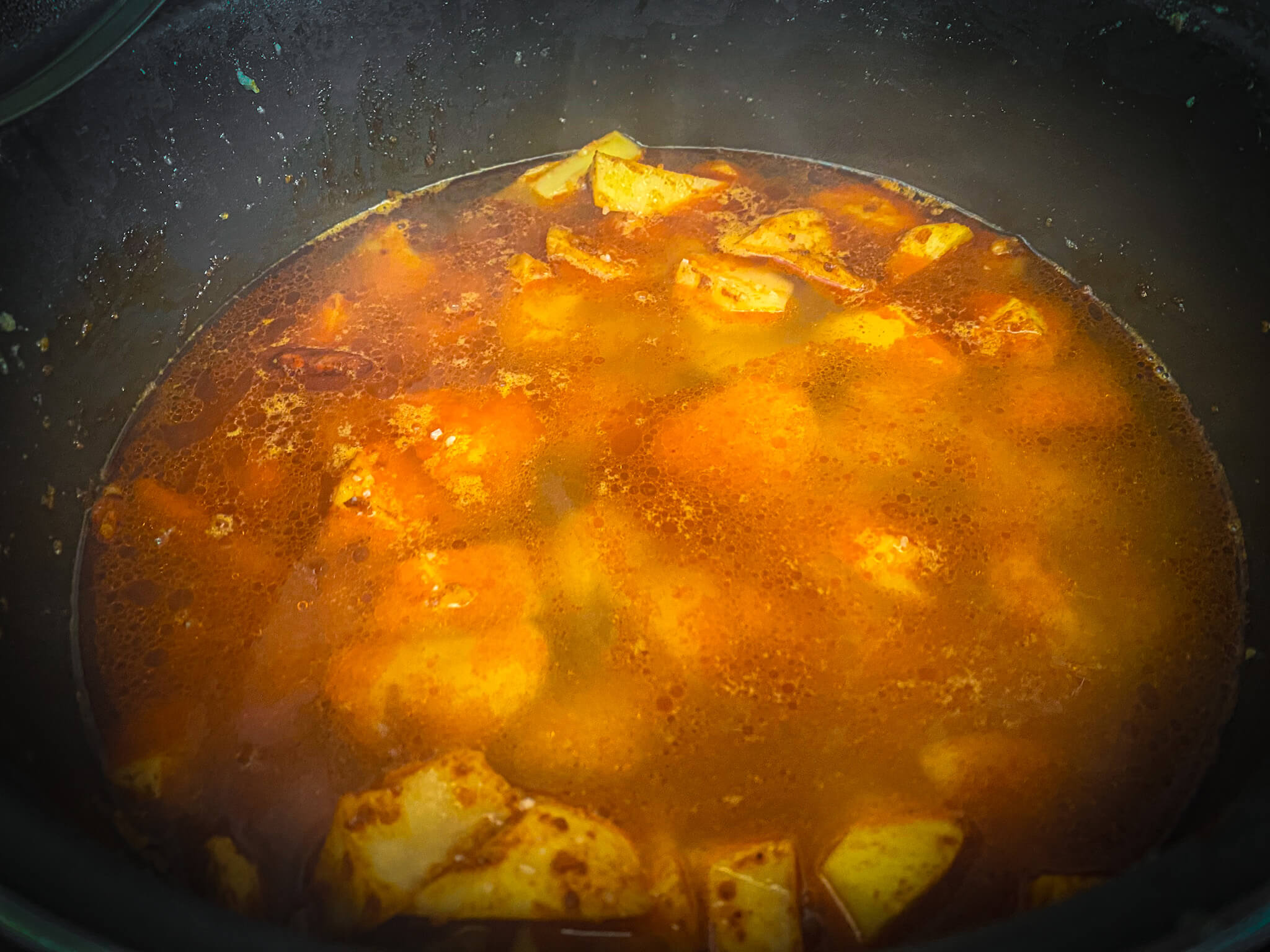
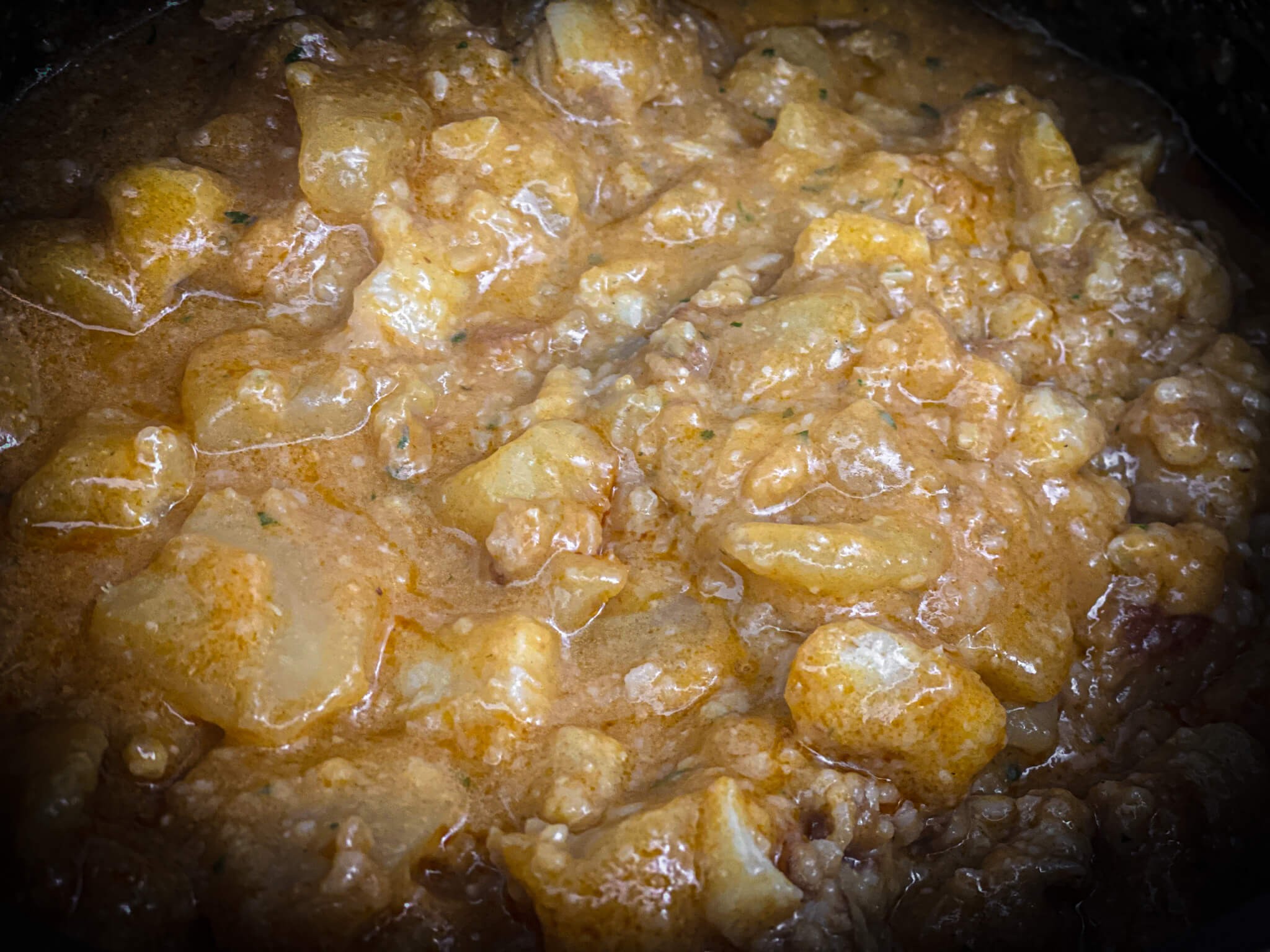
In the same pan, we add the sweet paprika and stir for just a few seconds to prevent burning. We immediately incorporate the cracked potatoes and add the fish stock. We let the potatoes cook in the stock for 18 minutes over medium heat. After this time, we add the previously prepared “majada,” letting the flavors meld for another 5 minutes, at which point we will observe how the sauce gains a thick and glossy texture thanks to the starch of the cooked potatoes.



5. Resting and serving
We turn off the heat and let the stew rest for 10 minutes. This time is critical for the collagen from the fish to finish emulsifying the sauce. It is imperative to serve this dish piping hot, as the texture of the sauce depends on the temperature; if it cools down too much, the collagen will lose its lightness and we will get an unwanted gelatinous texture.


Chef’s Notes for the Perfect Monkfish All i Pebre
Can I use another type of fish if I cannot find monkfish? Although monkfish is the absolute star due to its firmness and ability to release collagen, you can opt for fresh cod or even thick-cut hake, though remember these fish require less cooking time than monkfish.
Why is it so important to crack the potato rather than cut it with a knife? By breaking the potato fiber through the cracking technique, we ensure the starch is exposed directly to the stock, which allows the sauce to thicken naturally and silkily without needing artificial thickeners.
What should I do if the sauce becomes too thick? If after resting you notice the sauce is too dense, you can lighten it by adding a splash of hot fish stock, stirring gently to restore the desired texture without breaking the potato pieces.
Common Mistakes to Avoid When Cooking Monkfish All i Pebre
Failing to control the bread and garlic: The most common mistake when making the “majada” is allowing the bread or garlic to toast excessively. The cause is heat that is too high or a momentary lapse in attention. The solution is to brown them over medium-low heat. The result will be a sweet and aromatic “majada” that elevates the stew instead of giving it a bitter aftertaste.
Adding the paprika with the heat too high: It is very common for the paprika to burn upon contact with hot oil, causing an unpleasant flavor. The cause is poor heat control. The solution is to remove the pan from the heat for a second when adding the paprika. The result will be a vibrant color and an intense aroma without a trace of burning.
Serving the dish lukewarm: This stew is designed to be enjoyed steaming hot. The cause is often leaving it to rest for too long in a cold environment. The solution is to warm the serving plates. The result when served hot is that the sauce remains silky and the collagen enhances the quality of the fish on the palate.
Monkfish All i Pebre Ingredient Swaps & Variations
-
Cayenne: If you prefer a less intense touch, replace the whole cayenne with a pinch of hot paprika. The impact on the flavor will be more distributed throughout the sauce.
-
Almonds: You can use toasted hazelnuts for a earthier and deeper flavor profile. No adjustment in quantities is needed, but the final aroma will be slightly more pronounced.
-
Fish Stock: In case of emergency, a good vegetable stock can work, but the impact on the depth of marine flavor will be notable. If using vegetable stock, add a pinch more salt or a sheet of nori seaweed to compensate.
Recipe Summary & Resources
Recipe Card
Authentic Spanish Monkfish Stew: All i Pebre Recipe

If you are looking to bring the heart of Valencian cuisine into your own kitchen, there is nothing quite like an Authentic Spanish Monkfish Stew: All i Pebre Recipe. This Mediterranean treasure stands out for its luscious, bold sauce, where garlic and paprika meld in a perfect embrace with the monkfish.
Ingredients
- 800 g (28 oz) Monkfish
- 600 g (21 oz) Potatoes (approximately 3 medium ones)
- 700 ml (24 fl oz) Fish Stock
- 8 units Garlic Cloves
- 12 units Almonds (raw or toasted)
- 1 slice Bread (preferably day-old)
- 1 tbsp Sweet Paprika
- 1 unit Cayenne Pepper
- A few sprigs Fresh Parsley (leaves only)
- Sufficient amount Flour (for searing the fish)
Instructions
Preparing the ingredients
We begin the process by organizing the elements for a stew of this caliber. We peel and crack the potatoes, a vital step where we snap the potato instead of slicing it cleanly so it releases all its starch. We crush the garlic cloves with a firm blow, chop the fresh parsley leaves, and slice the monkfish into rounds, ensuring we keep the central bone to add depth to the stew's flavor.
Making the “Majada”
In a pan with a base of hot oil, we lightly brown the almonds, garlic, and the slice of bread. It is essential to control the heat to achieve a golden color without burning the ingredients, as any trace of burnt bits would turn the sauce bitter. Once ready, we remove these elements and grind them together with the parsley leaves to create our "majada", which will be the aromatic heart of the dish.
Searing the fish
We heat a fresh splash of oil in the pan. We pat the monkfish rounds dry with paper towels to ensure a clean sear and pass them lightly through flour. We fry the fish in the hot oil for about 2 minutes per side just to sear the exterior while keeping the inside succulent. We remove and set the fish aside while we continue with the base of our sauce.
Integration and final cooking
In the same pan, we add the sweet paprika and stir for just a few seconds to prevent burning. We immediately incorporate the cracked potatoes and add the fish stock. We let the potatoes cook in the stock for 18 minutes over medium heat. After this time, we add the previously prepared "majada," letting the flavors meld for another 5 minutes, at which point we will observe how the sauce gains a thick and glossy texture thanks to the starch of the cooked potatoes.
Resting and serving
We turn off the heat and let the stew rest for 10 minutes. This time is critical for the collagen from the fish to finish emulsifying the sauce. It is imperative to serve this dish piping hot, as the texture of the sauce depends on the temperature; if it cools down too much, the collagen will lose its lightness and we will get an unwanted gelatinous texture.
Notes
Can I use another type of fish if I cannot find monkfish? Although monkfish is the absolute star due to its firmness and ability to release collagen, you can opt for fresh cod or even thick-cut hake, though remember these fish require less cooking time than monkfish.
Why is it so important to crack the potato rather than cut it with a knife? By breaking the potato fiber through the cracking technique, we ensure the starch is exposed directly to the stock, which allows the sauce to thicken naturally and silkily without needing artificial thickeners.
What should I do if the sauce becomes too thick? If after resting you notice the sauce is too dense, you can lighten it by adding a splash of hot fish stock, stirring gently to restore the desired texture without breaking the potato pieces.
Nutrition Information:
Yield:
4Serving Size:
1Amount Per Serving: Calories: 404Total Fat: 7gSaturated Fat: 0gUnsaturated Fat: 7gCholesterol: 65mgSodium: 209mgCarbohydrates: 40gFiber: 5gSugar: 3gProtein: 45g
