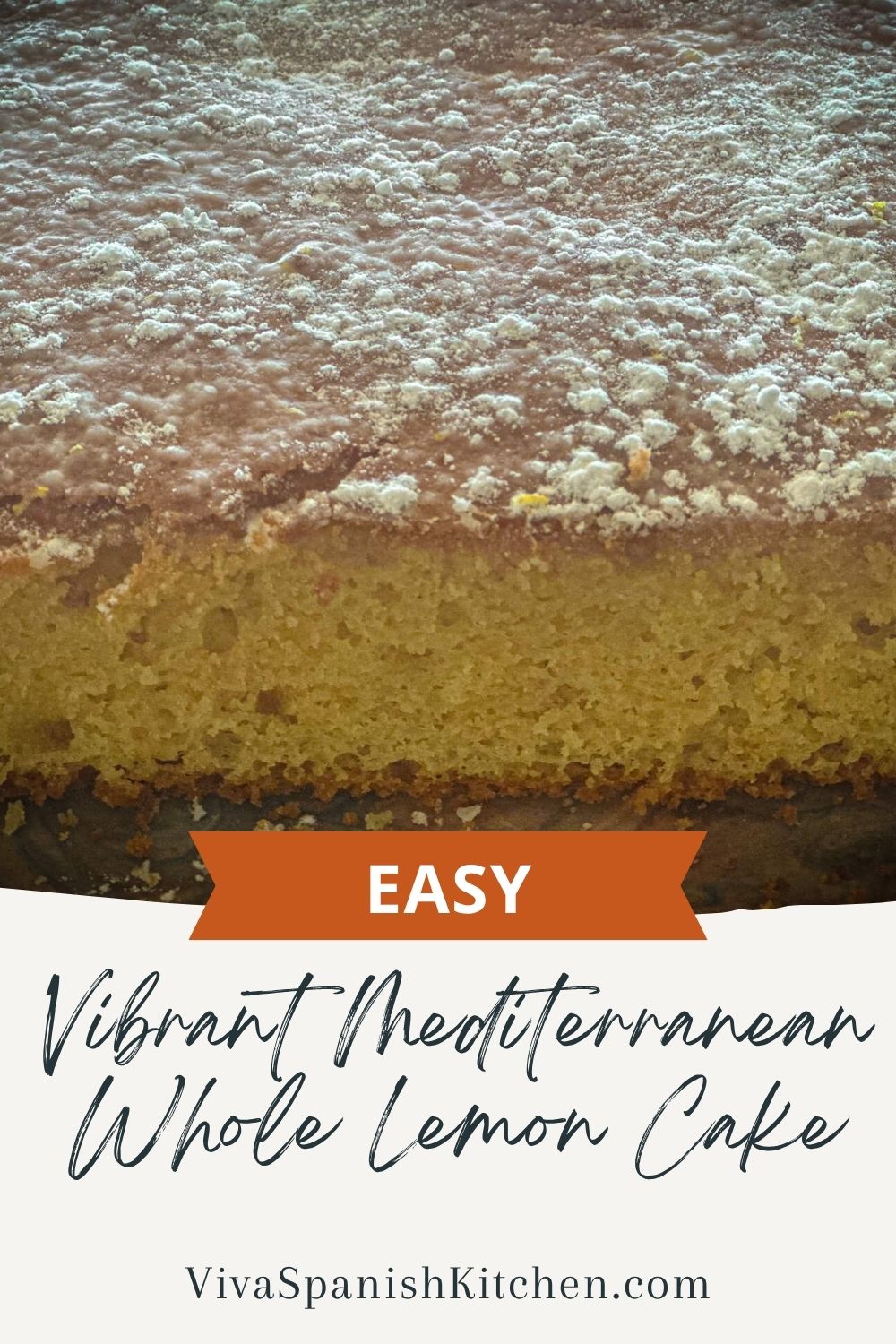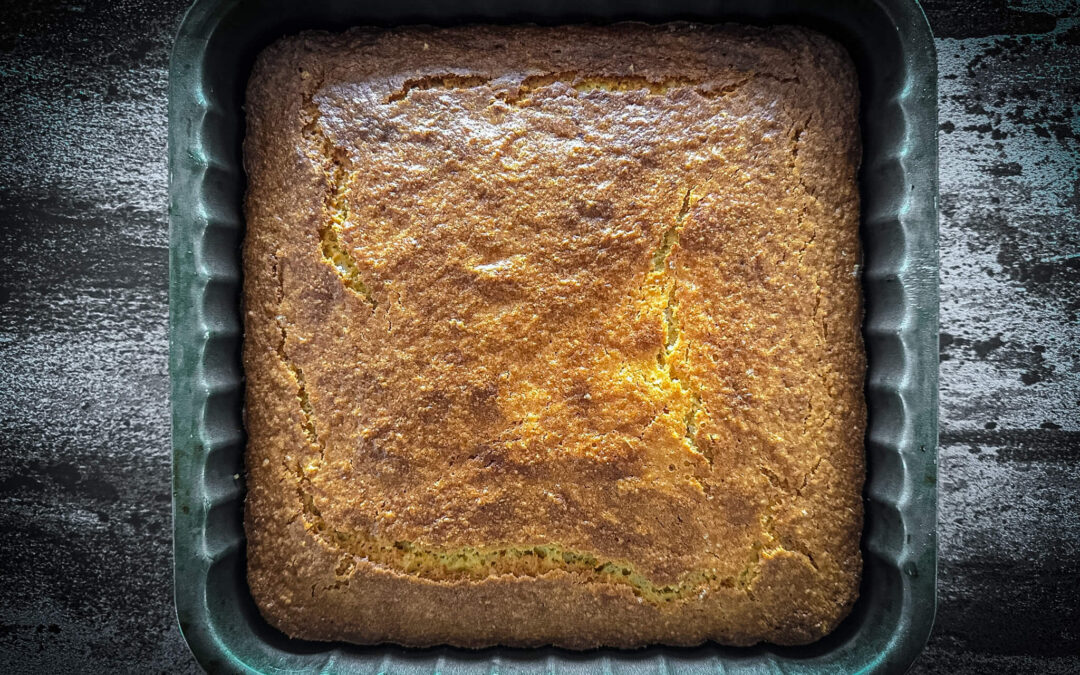
This Authentic Mediterranean Whole Lemon Cake is an absolute revelation for bakers looking to capture the true, sun-drenched essence of coastal Spain. Unlike traditional sponge cakes that only use zest or juice, this unique recipe blends entire boiled lemons directly into the batter. This traditional technique eliminates the harsh bitterness of the rind while concentrating the natural essential oils, resulting in an incredibly moist, aromatic loaf that smells exactly like a Mediterranean lemon grove.
Authentic Mediterranean Whole Lemon Cake: Ultra-Moist and Fragrant
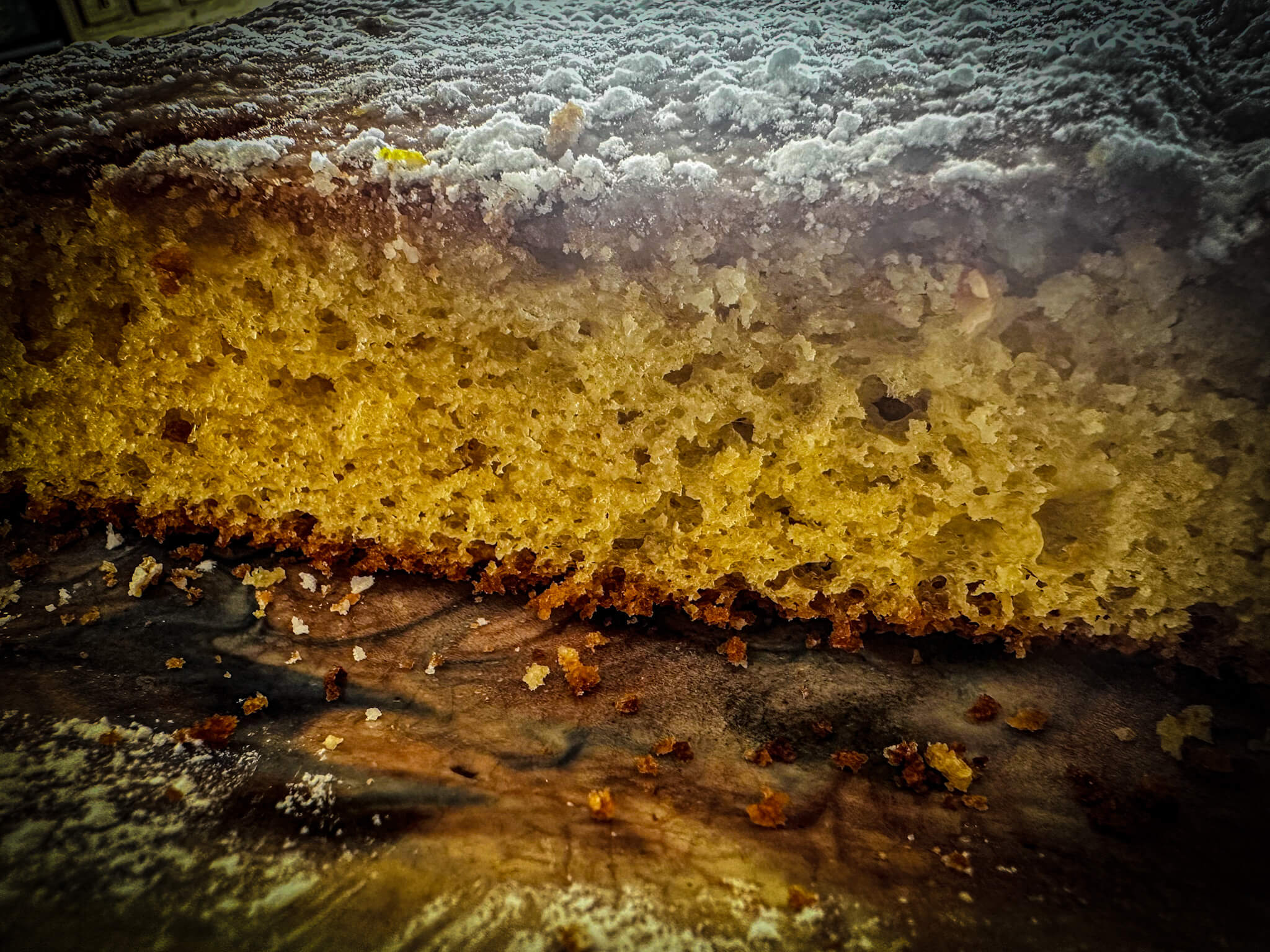
Authentic Mediterranean Whole Lemon Cake Recipe
This recipe is a fascinating exploration of traditional Mediterranean baking, showcasing how simple, raw ingredients can completely transform a dessert. What makes it a must-try is the brilliant technique of boiling whole lemons before blending them into the batter. This method extracts the rich essential oils from the rind while naturally mellowing out the sharp bitterness, resulting in an incredibly fragrant cake with an intensely aromatic crumb. It is a beautiful celebration of Spanish citrus orchards, proving that you don’t need artificial flavorings to achieve a bold, unforgettable citrus punch.
Furthermore, opting for a light sunflower oil instead of butter keeps the sponge remarkably airy, giving it a characteristic Mediterranean texture that pairs beautifully with an afternoon espresso or tea. If you find yourself captivated by this style of fruit-forward, dairy-free Spanish baking, you absolutely must try making my Galician Almond Cake Recipe. Also known as Tarta de Santiago, it shares that same rustic elegance, relying on ground nuts instead of flour to create a rich, naturally gluten-free masterpiece that has comforted travelers along the Camino de Santiago for centuries.
The beauty of this whole lemon cake also lies in its calculated balance of sweetness, keeping the internal sugar low so that the double-action glaze can provide a vibrant contrast without overwhelming the palate. If you love desserts that masterfully balance sweet elements with unexpected textures and earthy undertones, you should definitely add my Chocolate and Pistachio Pumpkin Pie to your baking list. It is a wonderful way to see how traditional autumn ingredients can be elevated with a sophisticated, nutty European twist.
Finally, mastering this simple stovetop-to-oven routine connects you directly to the cozy, sweet aromas of a traditional Spanish home. For those who want to dive deeper into the comfort food side of Iberian sweets, no collection is complete without my authentic Torrijas Recipe. Much like how our lemon cake breathes new life into whole citrus fruits, making torrijas is a time-honored tradition that elevates humble bread into a custardy, cinnamon-spiced delight, rounding out your journey through the very best of Spain’s home-baking heritage.

Ingredients
| Metric Amount | Imperial Amount | Core Ingredient | Preparation |
| 2 units | 2 units | Fresh lemons | Thoroughly washed, to be boiled whole |
| 3 units | 3 units | Eggs | Large size, room temperature |
| 200 ml | 6.8 fl oz | Sunflower oil | High quality, neutral flavor |
| 100 g | 3.5 oz | Granulated sugar | White variety |
| 200 g | 7 oz | All-purpose flour | Sifted |
| 16 g | 1 tbsp | Baking powder | Standard chemical leavener |
| 15 ml | 1 tbsp | Baking spray or extra oil | For coating and greasing the baking pan |
| 0.5 unit | 0.5 unit | Fresh lemon juice | Squeezed from half a lemon |
| 0.5 unit | 0.5 unit | Fresh lemon zest | Finely grated from that same half lemon |
| 5 g | 1 tsp | Powdered sugar | For the first moisture-locking glaze layer |
| 60 g | 0.5 cup | Powdered sugar | Added to taste for the final snowy white layer |
Instructions
1. Softening and Puréing the Whole Lemons
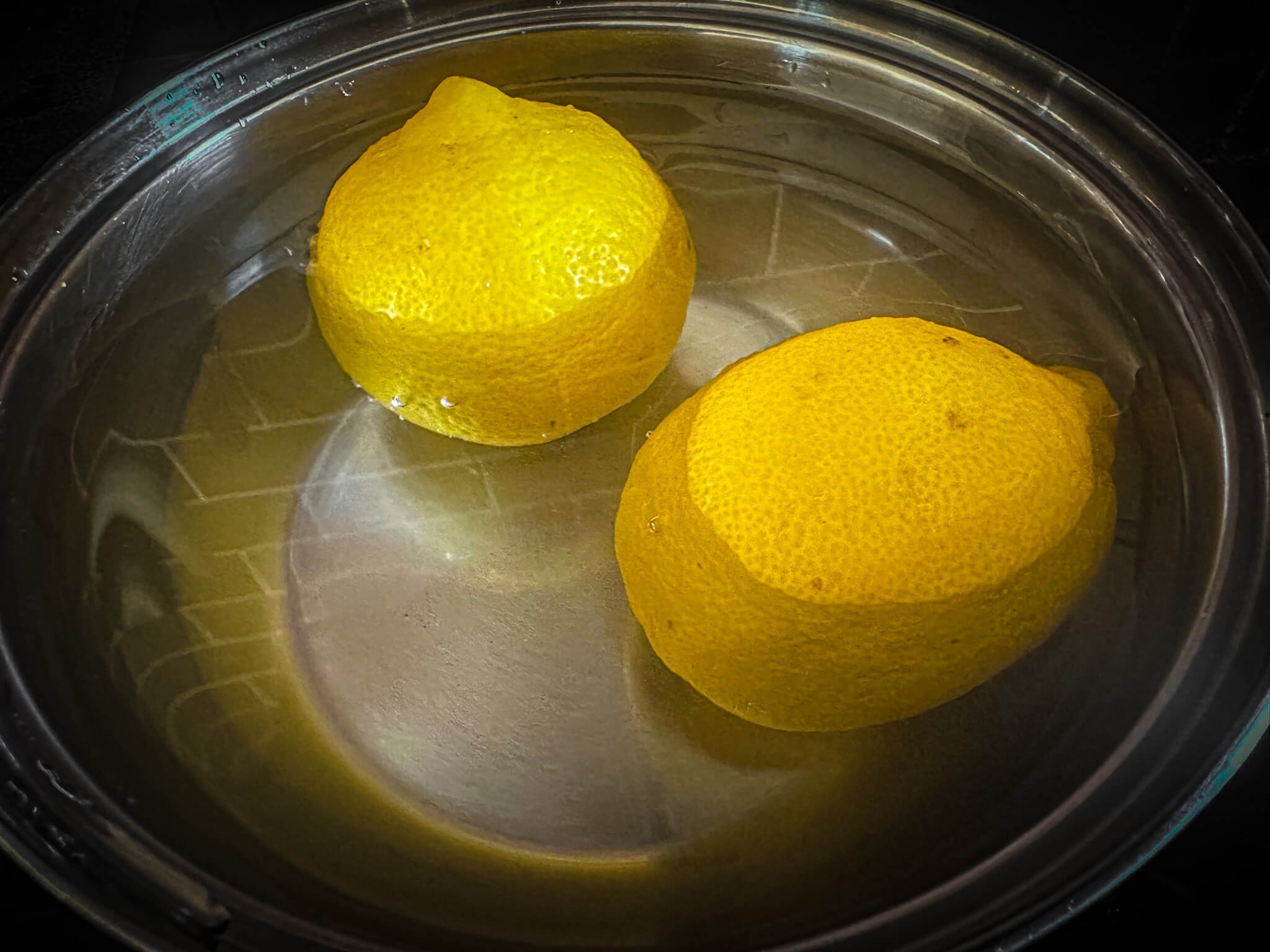
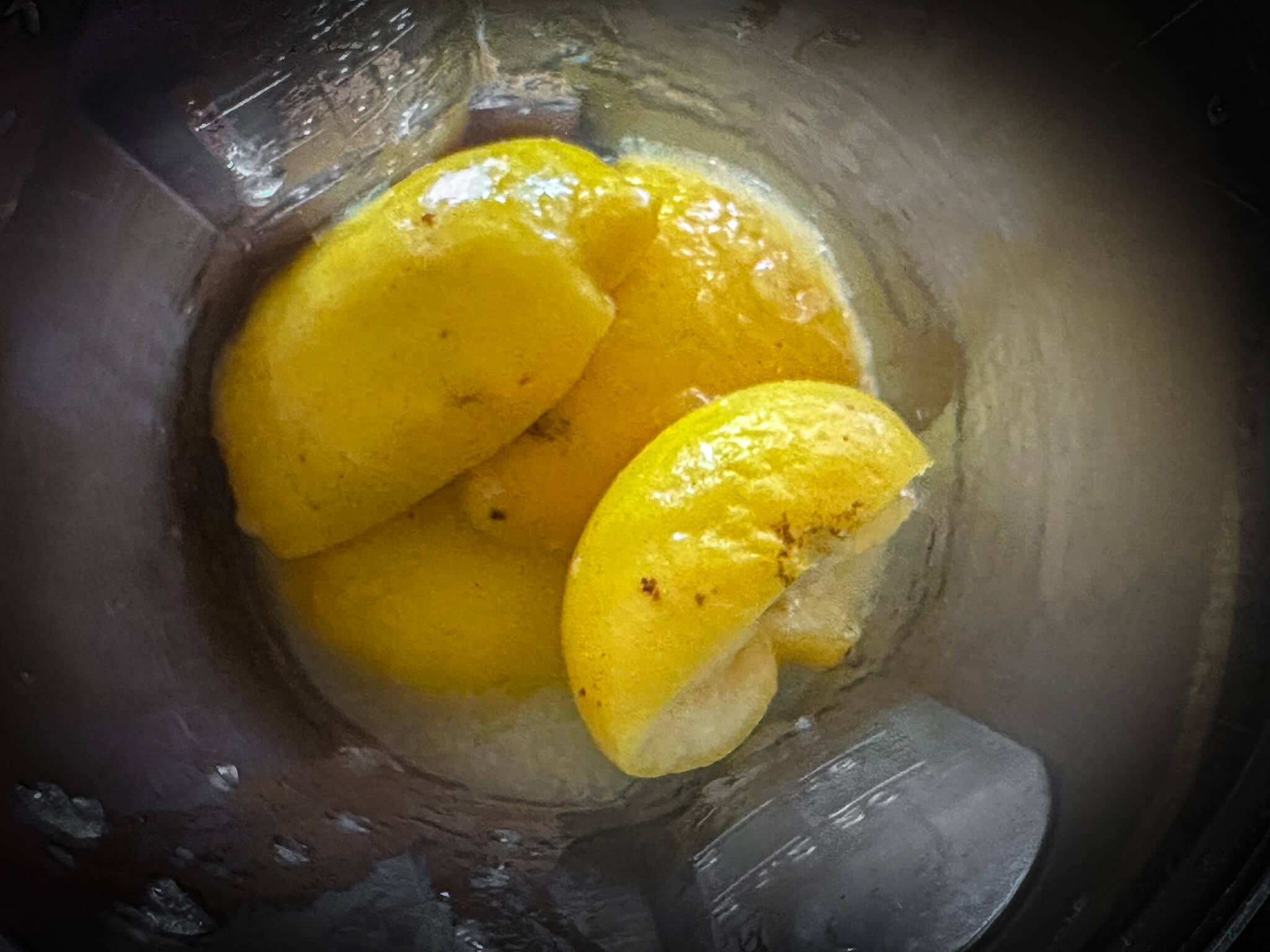
Start by thoroughly cleaning the lemons under running water to remove any surface impurities. Place the whole lemons in a pot of boiling water and cook them for 10-12 minutes until they are soft and easily pierced with a fork. While they boil, you can go ahead and preheat your oven to 180°C (350°F). Once softened, cut the lemons open, carefully remove and discard all the seeds, and transfer the fruit into a high-powered blender, processing until it transforms into a smooth, uniform lemon soup.

2. Whipping the Liquid Emulsion
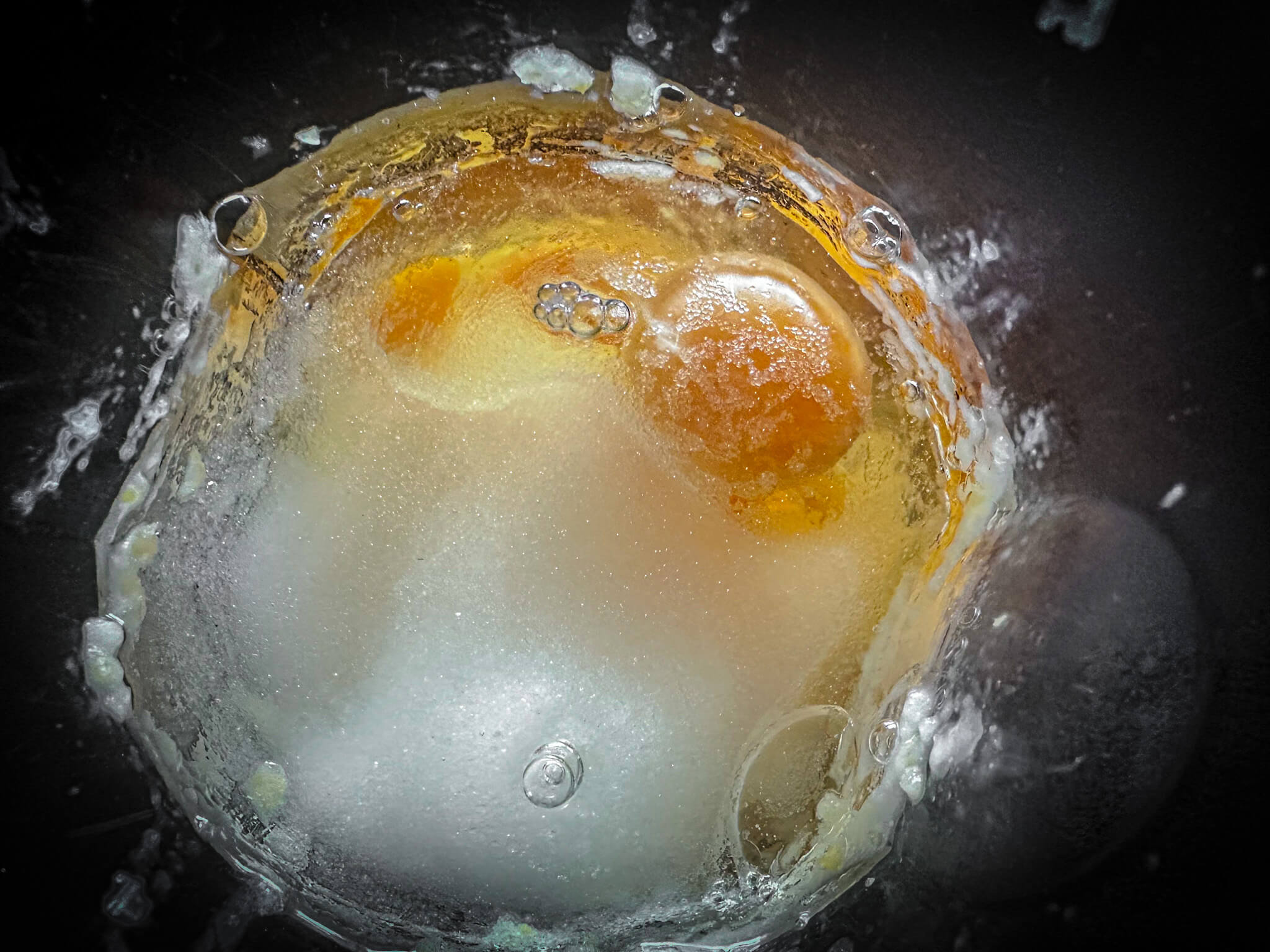
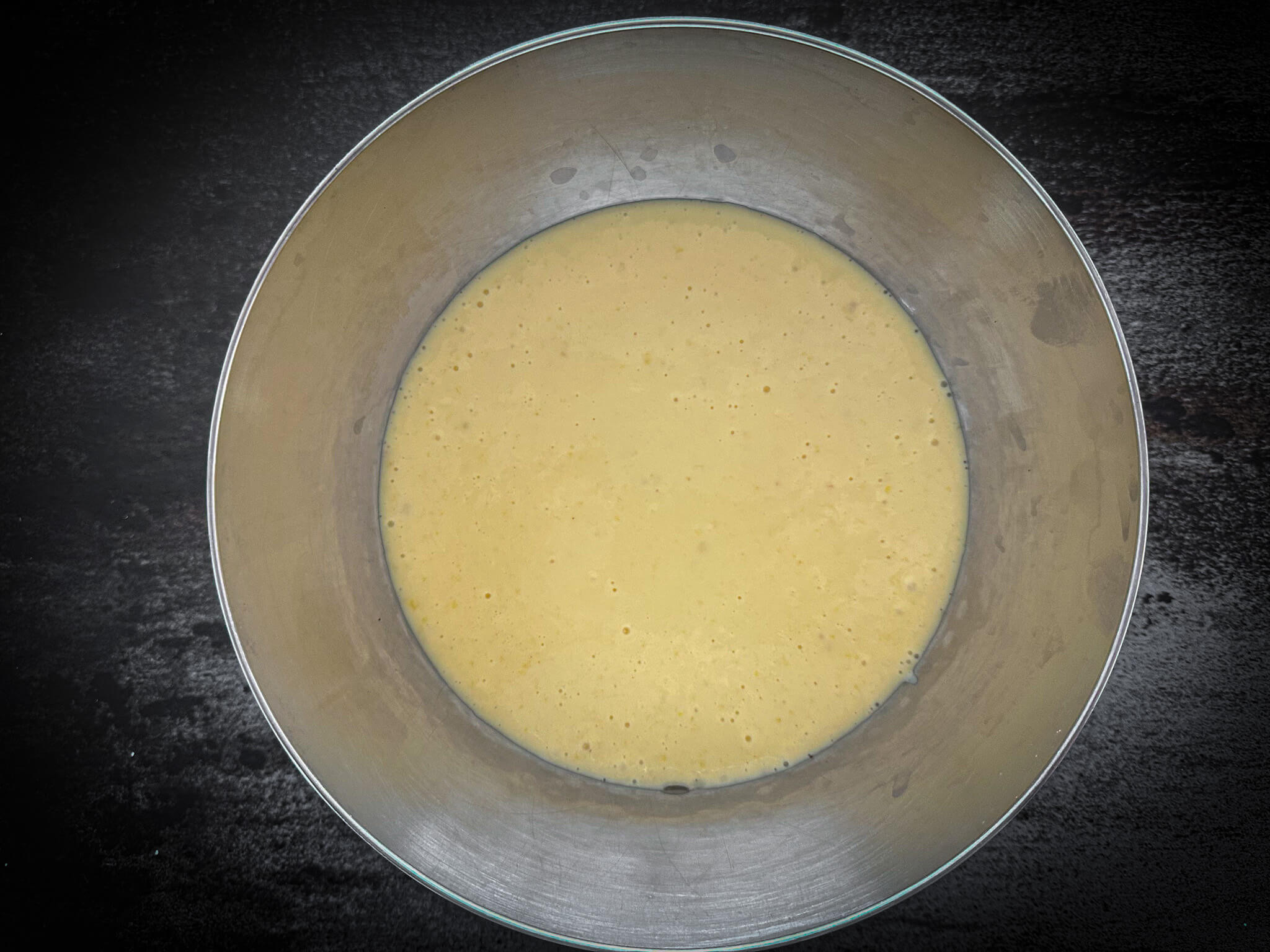
In a large mixing bowl, combine the eggs, sunflower oil, and granulated sugar. Whisk energetically for 3-4 minutes until the mixture becomes pale, slightly frothy, and completely uniform. Pour the warm puréed lemon soup directly into this bowl and stir gently to combine. This step is critical because the natural fats in the oil wrap around the citrus fibers, locking in the aromatic oils before the dry ingredients are introduced.
3. Folding the Batter and Baking
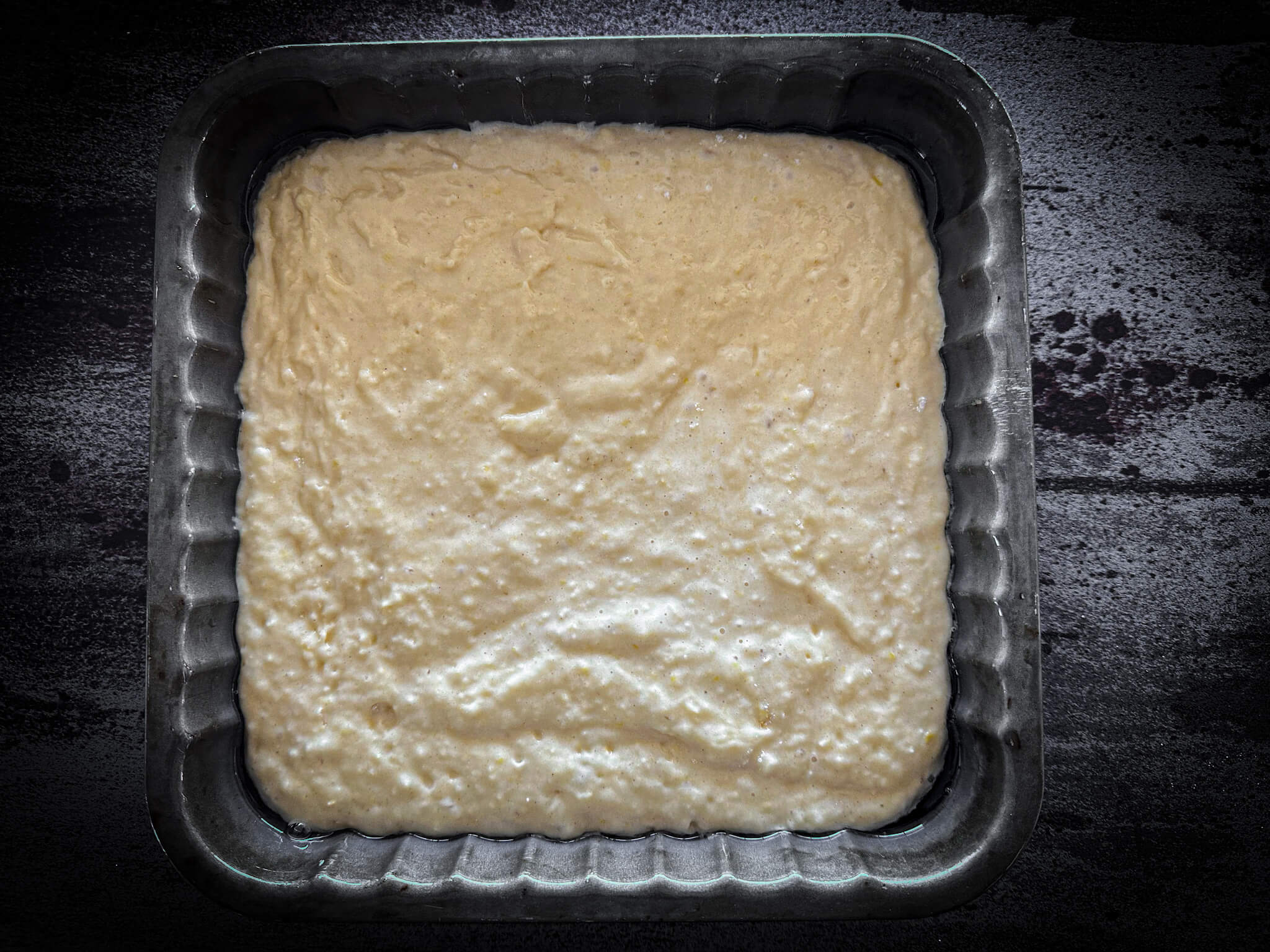
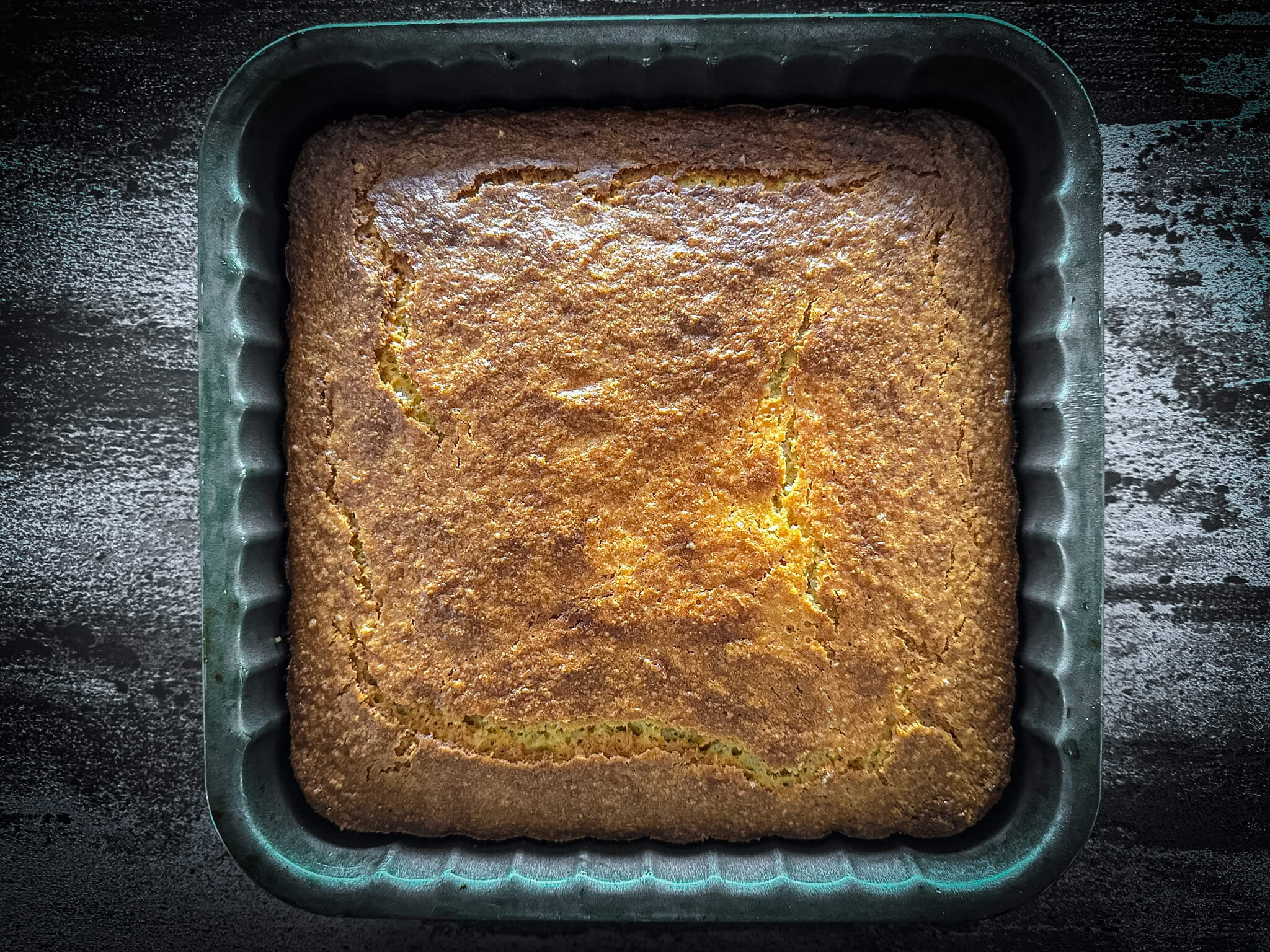
Sift the all-purpose flour and baking powder together, then add them to the liquid mixture. Stir gently using a spatula just until a smooth, thick paste forms, making sure not to overmix so the sponge stays fluffy. Generously coat the walls and base of your baking pan with baking spray or oil, pour in the batter, and bake at 180°C (350°F) for 35 minutes. Check the center with a toothpick; if it comes out clean, the cake is ready, though it may need an extra couple of minutes depending on your oven.
4. Applying the Double-Action Glaze
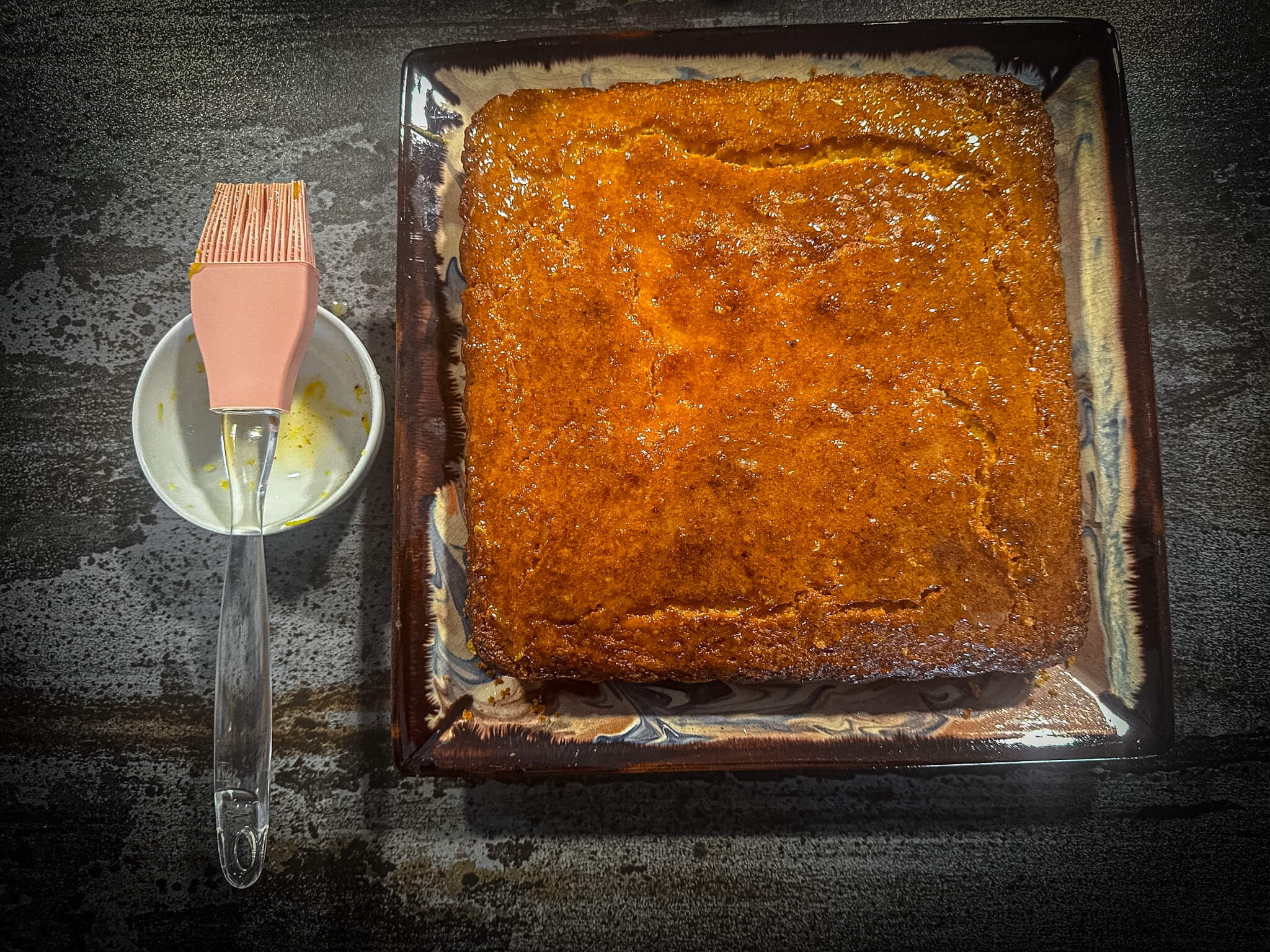
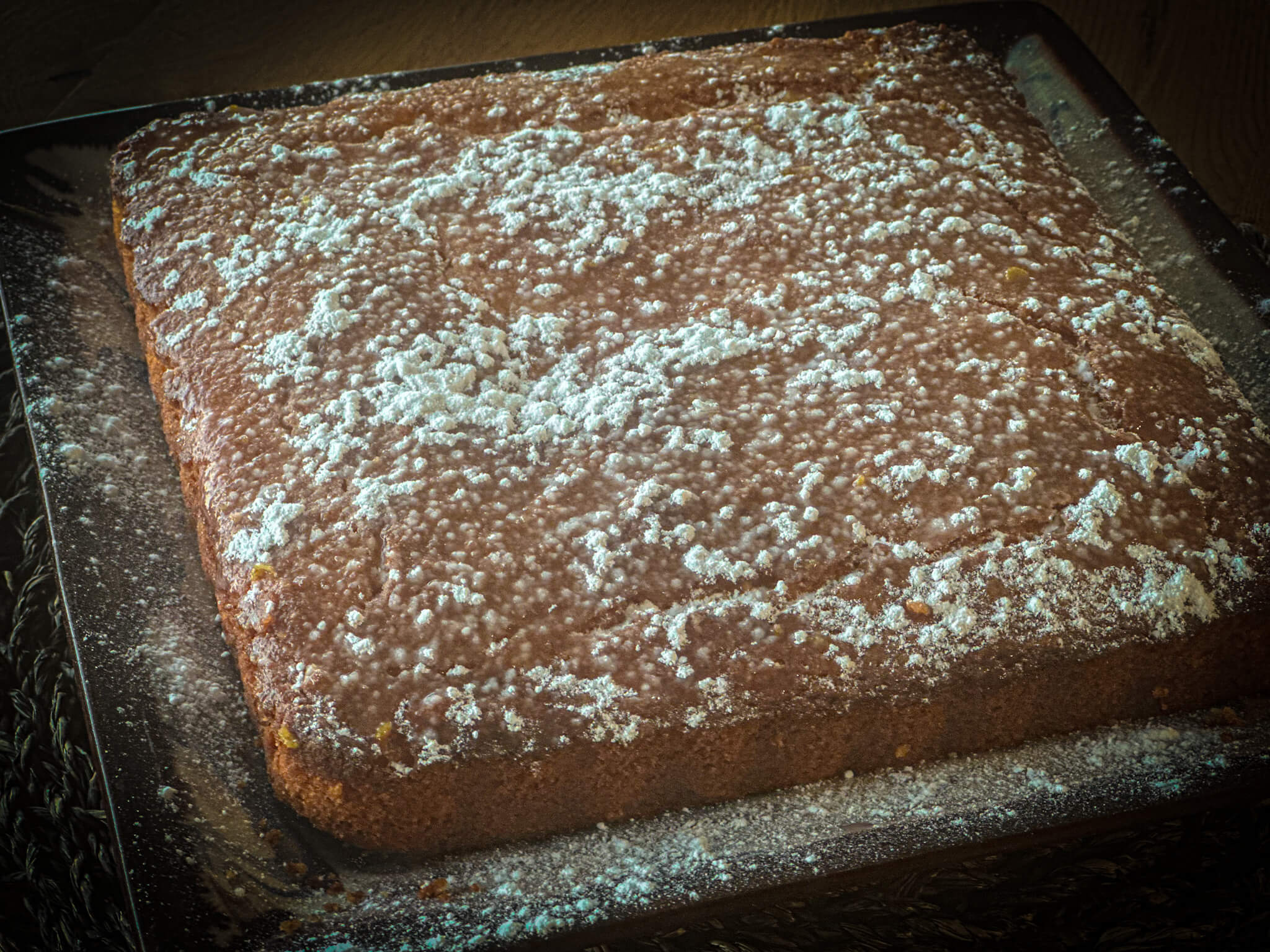
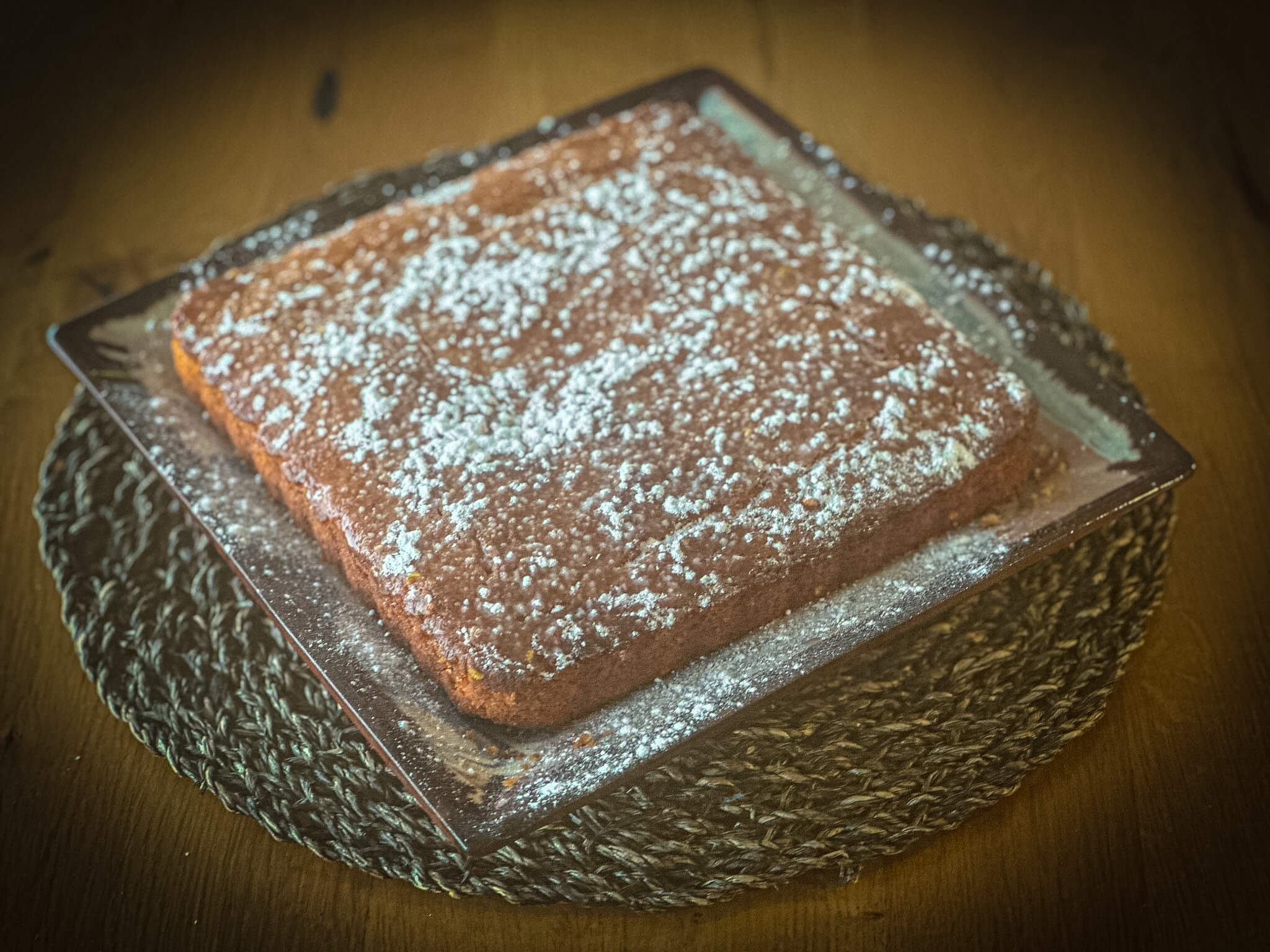
Remove the cake from the oven and let it cool inside the pan for 10-15 minutes before carefully flipping it onto a wire rack. In a small bowl, mix the juice of half a lemon, its finely grated zest, and one teaspoon of powdered sugar to create a sharp, aromatic citrus syrup. Brush this mixture evenly over the warm surface of the cake to moisten the crust and lock in the flavor. To finish, wait 2 minutes and then generously dust a thick, snowy layer of extra powdered sugar over the top to create a gorgeous sweet contrast that sticks perfectly to the glaze.
Chef’s Notes for the Perfect Whole Lemon Cake
Why do we boil the whole lemons instead of just using the juice? Boiling the lemons is a game-changing technique because it breaks down the bitter compounds in the white pith while softening the essential oils in the yellow skin. This allows you to use the entire fruit, creating an intense, deep lemon flavor and an incredibly moist texture that you could never achieve with juice alone.
What is the best way to ensure the cake doesn’t stick to the pan? Since this batter is very moist, it is best to use a high-quality baking spray or a thin layer of oil combined with a dusting of flour on the walls and base of the pan. If you are using a standard loaf pan, lining the bottom with parchment paper with two overhanging edges will allow you to lift the cake out effortlessly after it cools for 10 minutes.
How long does this whole lemon cake stay fresh? Because this recipe uses oil instead of butter and incorporates the natural moisture of the puréed fruit, it stays incredibly soft and fresh for up to 4 or 5 days. Just keep it under a cake dome or wrapped in foil at room temperature; the moisture will actually settle, making it taste even better on the second day!
Common Mistakes to Avoid When Baking This Whole Lemon Cake
Overcooking the lemon purée step: Leaving seeds inside the blender can ruin your dessert. This happens because blended citrus seeds release intensely bitter compounds into the fruit soup. To fix this, slice the boiled lemons completely open and double-check the core with a knife before blending, ensuring a final crumb that is intensely fragrant and sweet rather than unpleasantly sharp.
Using a heavy extra virgin olive oil: Choosing a strongly flavored oil for the main batter can backfire. The robust, peppery notes of a robust olive oil will fight against the delicate citrus aroma of the boiled peel. By substituting a neutral oil like sunflower oil, you ensure the pure lemon flavor takes center stage while keeping the crumb perfectly light and springy.
Adding too much sugar to the initial batter: Increasing the sugar inside the bowl before baking changes the balance of the recipe. The excessive sweetness will overwhelm the natural tanginess of the boiled lemons and clash with the final powdered topping. Keeping the internal sugar low allows the citrus glaze to contrast beautifully with the moist cake, creating a professional bakery finish.
Whole Lemon Cake Ingredient Swaps & Variations
Gluten-Free Alternative: You can easily swap the all-purpose flour for a 1-to-1 gluten-free baking blend or even use 200 g (7 oz) of fine almond flour. The almond variation pairs beautifully with the whole lemon purée, yielding a dense, decadent texture reminiscent of traditional Spanish country cakes.
Oil Substitution: If you prefer not to use sunflower oil, melted coconut oil or a very mild, light-tasting olive oil work wonderfully. Coconut oil adds a subtle tropical note that enhances the freshness of the lemon without clouding the flavor.
Aniseed Twist: For an authentic Spanish village touch, add half a teaspoon of crushed aniseeds to the flour mixture. The combination of lemon and anise is deeply rooted in Mediterranean baking and adds an unforgettable aroma.
Recipe Summary & Resources
Recipe Card
Authentic Mediterranean Whole Lemon Cake Recipe

This Authentic Mediterranean Whole Lemon Cake is an absolute revelation for bakers looking to capture the true, sun-drenched essence of coastal Spain. Unlike traditional sponge cakes that only use zest or juice, this unique recipe blends entire boiled lemons directly into the batter. This traditional technique eliminates the harsh bitterness of the rind while concentrating the natural essential oils, resulting in an incredibly moist, aromatic loaf that smells exactly like a Mediterranean lemon grove.
Ingredients
- For the Cake Batter:
- 2 units Fresh lemons, thoroughly washed (to be boiled)
- 3 units Large eggs
- 200 ml (6.8 fl oz) Sunflower oil
- 100 g (3.5 oz) Granulated sugar
- 200 g (7 oz) All-purpose flour
- 16 g (1 tbsp) Baking powder
- 15 ml (1 tbsp) Baking spray or extra oil (for coating the pan)
- For the Double-Action Lemon Glaze:
- 0.5 unit Fresh lemon juice (from half a lemon)
- 0.5 unit Fresh lemon zest (finely grated from that same half lemon)
- 5 g (1 tsp) Powdered sugar (for the first moisture-locking layer)
- 60 g (0.5 cup) Powdered sugar to taste (for the final snowy white layer)
Instructions
Softening and Puréing the Whole Lemons
Start by thoroughly cleaning the lemons under running water to remove any surface impurities. Place the whole lemons in a pot of boiling water and cook them for 10-12 minutes until they are soft and easily pierced with a fork. While they boil, you can go ahead and preheat your oven to 180°C (350°F). Once softened, cut the lemons open, carefully remove and discard all the seeds, and transfer the fruit into a high-powered blender, processing until it transforms into a smooth, uniform lemon soup.
Whipping the Liquid Emulsion
In a large mixing bowl, combine the eggs, sunflower oil, and granulated sugar. Whisk energetically for 3-4 minutes until the mixture becomes pale, slightly frothy, and completely uniform. Pour the warm puréed lemon soup directly into this bowl and stir gently to combine. This step is critical because the natural fats in the oil wrap around the citrus fibers, locking in the aromatic oils before the dry ingredients are introduced.
Folding the Batter and Baking
Sift the all-purpose flour and baking powder together, then add them to the liquid mixture. Stir gently using a spatula just until a smooth, thick paste forms, making sure not to overmix so the sponge stays fluffy. Generously coat the walls and base of your baking pan with baking spray or oil, pour in the batter, and bake at 180°C (350°F) for 35 minutes. Check the center with a toothpick; if it comes out clean, the cake is ready, though it may need an extra couple of minutes depending on your oven.
Applying the Double-Action Glaze
Remove the cake from the oven and let it cool inside the pan for 10-15 minutes before carefully flipping it onto a wire rack. In a small bowl, mix the juice of half a lemon, its finely grated zest, and one teaspoon of powdered sugar to create a sharp, aromatic citrus syrup. Brush this mixture evenly over the warm surface of the cake to moisten the crust and lock in the flavor. To finish, wait 2 minutes and then generously dust a thick, snowy layer of extra powdered sugar over the top to create a gorgeous sweet contrast that sticks perfectly to the glaze.
Nutrition Information:
Yield:
10Serving Size:
1Amount Per Serving: Calories: 189Total Fat: 4gSaturated Fat: 1gUnsaturated Fat: 4gCholesterol: 56mgSodium: 192mgCarbohydrates: 34gFiber: 1gSugar: 17gProtein: 4g