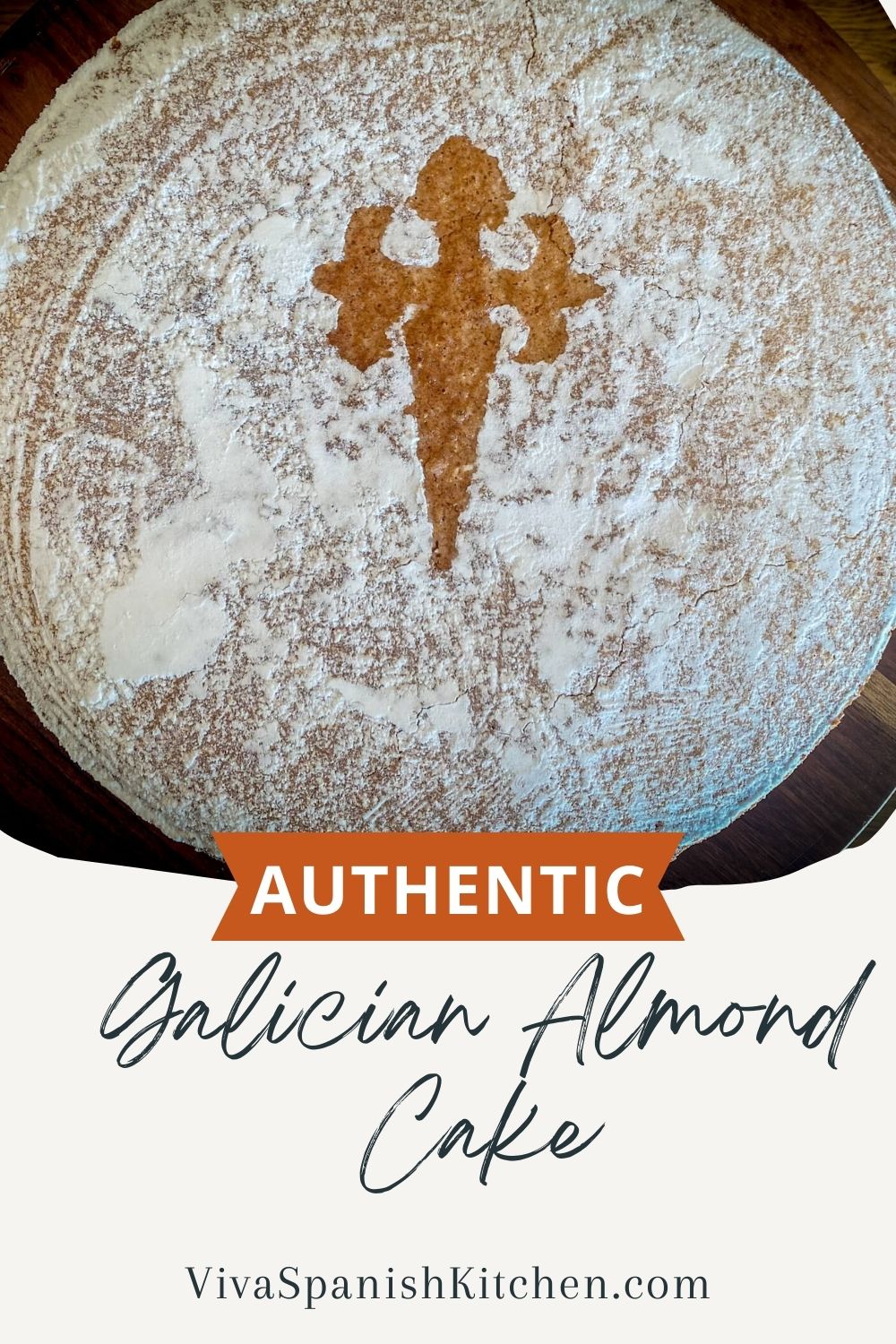
Discover the authentic taste of Spain with this traditional Galician Almond Cake Recipe, also known as Tarta de Santiago. Made with simple ingredients like ground almonds, eggs, and sugar, this gluten-free dessert has been a beloved treat in Galicia for centuries. With its iconic powdered sugar cross of Saint James, it’s not only delicious but also a beautiful symbol of Spanish culture. Whether you’re planning a festive meal or just want to try something new, this easy-to-make Spanish almond cake will impress with its rich flavor and history.
Galician Almond Cake Recipe
What Is the History of Tarta de Santiago?
Tarta de Santiago, also known as Galician Almond Cake, is one of Spain’s most iconic desserts. Its origins date back at least to the 16th century, when almond-based cakes first appeared in Spanish cookbooks. However, the version we know today became closely associated with Santiago de Compostela, the final destination of the famous Camino de Santiago (Way of St. James) pilgrimage.
Made with just ground almonds, eggs, sugar, and a touch of lemon zest, this naturally gluten-free cake reflects the simplicity of traditional Galician baking. Rich, moist, and incredibly aromatic, it became a favorite among both pilgrims and locals thanks to its long shelf life and satisfying flavor.
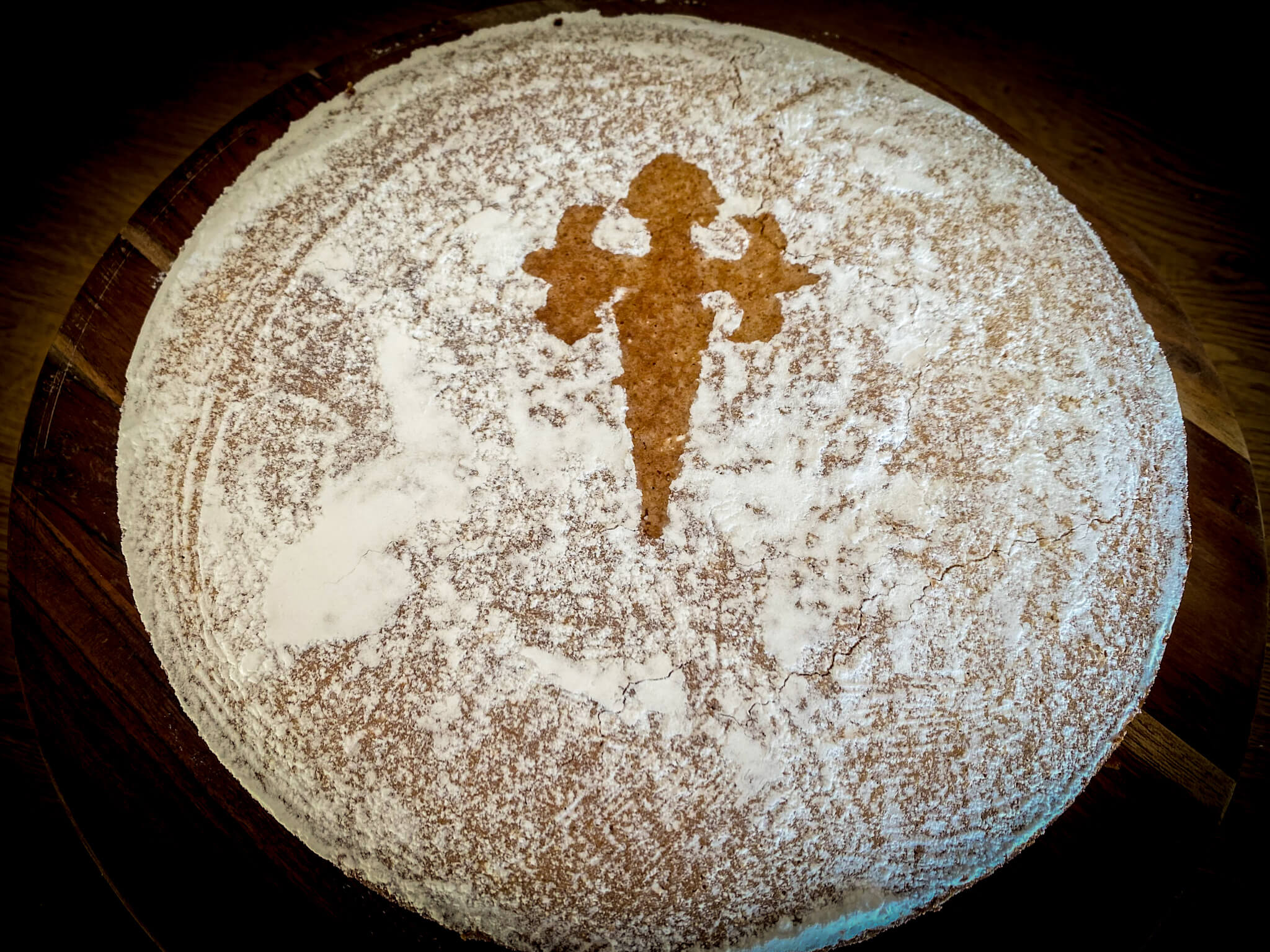
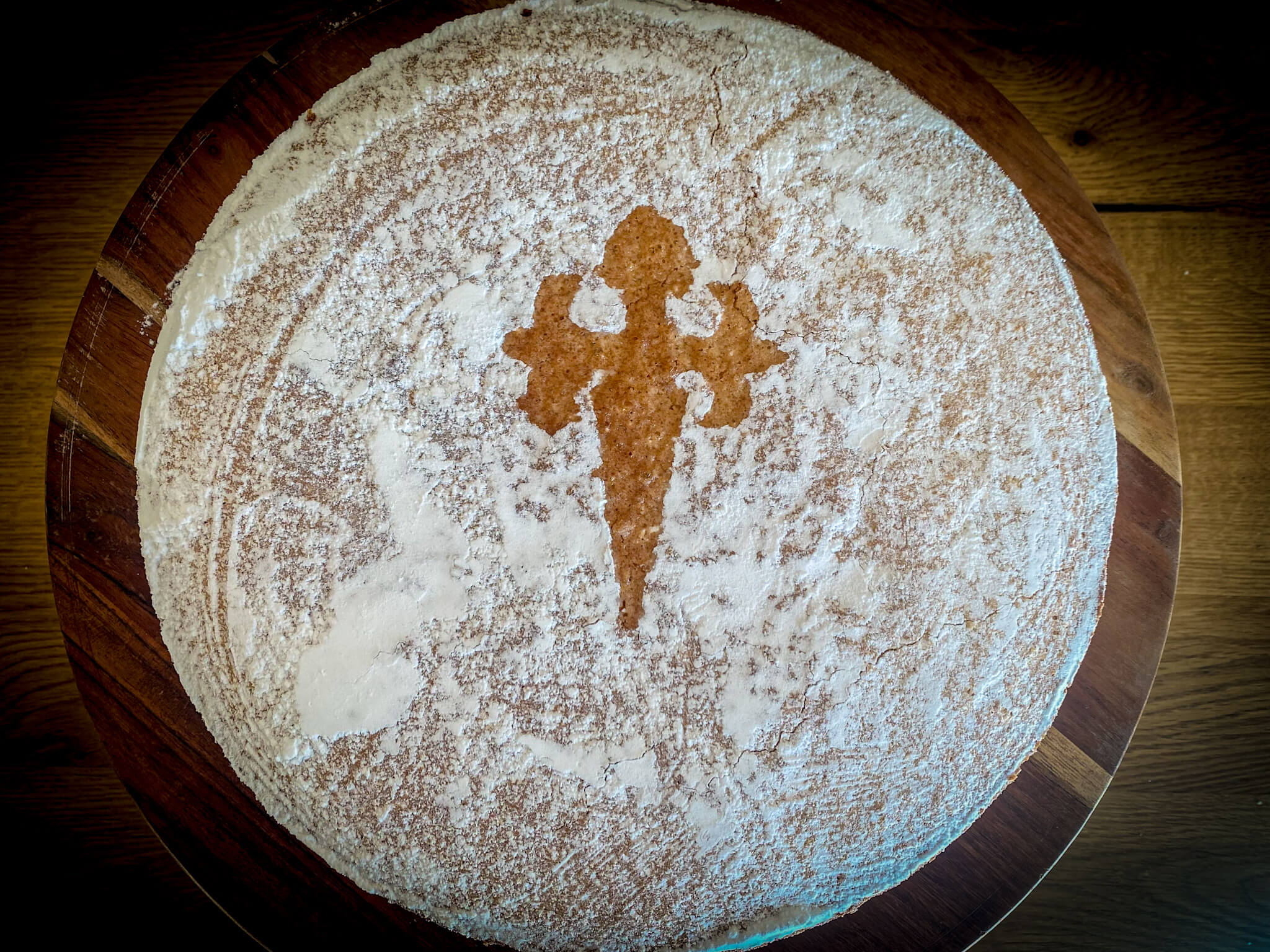
What truly makes Tarta de Santiago unmistakable is the layer of powdered sugar decorated with the Cross of Saint James (Cruz de Santiago). This iconic design became popular in the 1920s, when the historic Casa Mora bakery began using a stencil of the cross as a tribute to the city’s patron saint. Today, decorating the cake this way is part of its identity.
This is exactly how we prepare it in our Spanish kitchen: following the traditional recipe with ground almonds, fresh eggs, sugar, and lemon zest, then finishing it with the famous Cross of Saint James before serving. Few desserts capture the history and spirit of Galicia so beautifully while remaining so wonderfully simple to make.
Today, Tarta de Santiago is protected by PGI (Protected Geographical Indication) status, guaranteeing that authentic cakes are produced according to traditional methods. Whether enjoyed after completing the Camino de Santiago or simply shared with family over coffee, it remains one of Spain’s most treasured desserts.

Ingredients
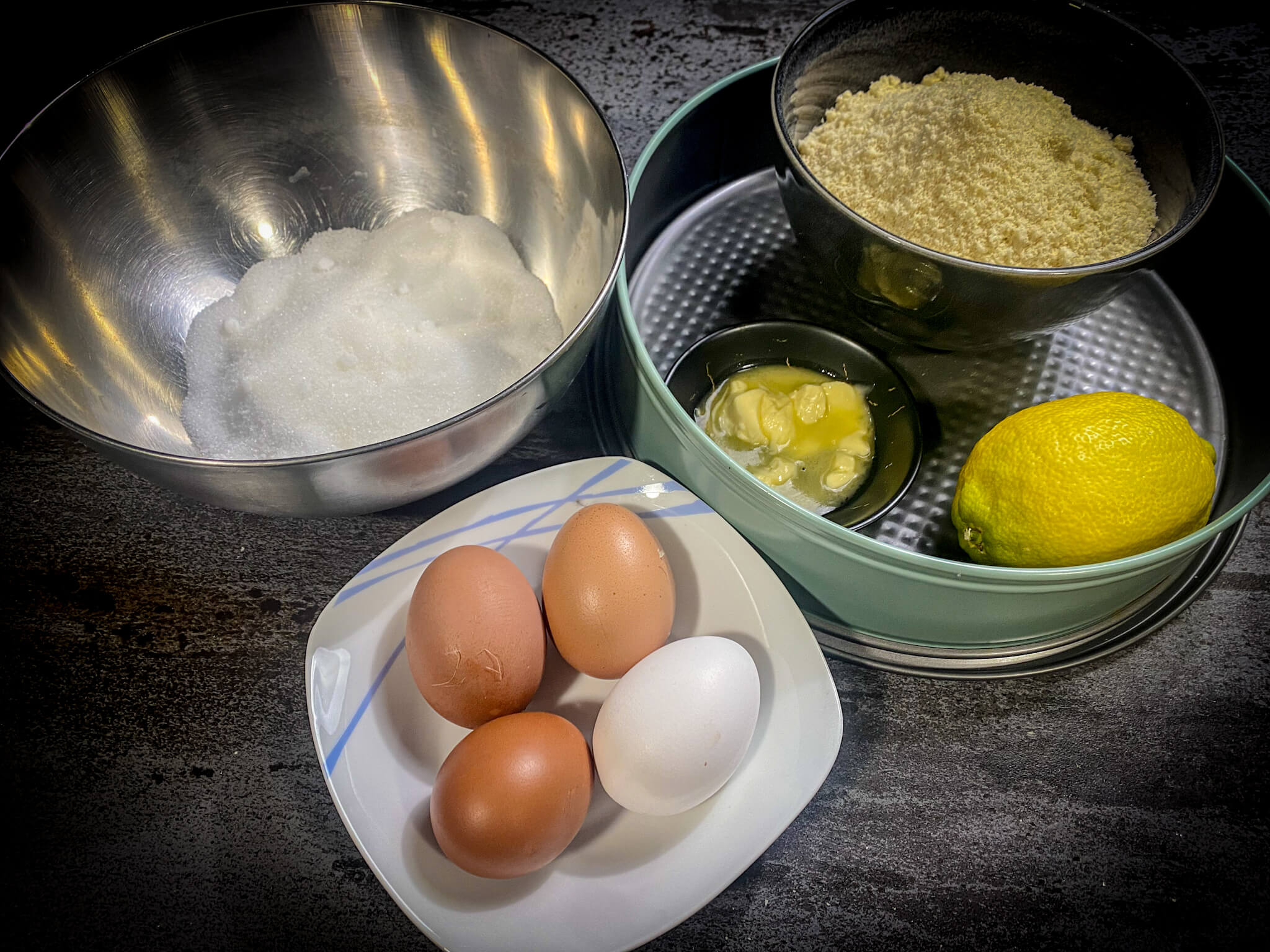
| Metric Amount | Imperial Amount | Core Ingredient | Preparation |
| 300 g | 1.5 cups | Granulated sugar | Dry |
| 300 g | 3 cups | Almond flour | Finely ground |
| 4 units | 4 units | Eggs | Large |
| 1 unit | 1 unit | Lemon | Zest only |
| 50 g | 0.5 cup | Powdered sugar | For decoration |
Instructions
1. Prepare the Cake
Preheat the oven to 170°C (340°F). Grease a 22–24 cm (9–10 inch) round cake pan with butter and, if desired, line the base with parchment paper for easier removal.
2. Make the Batter
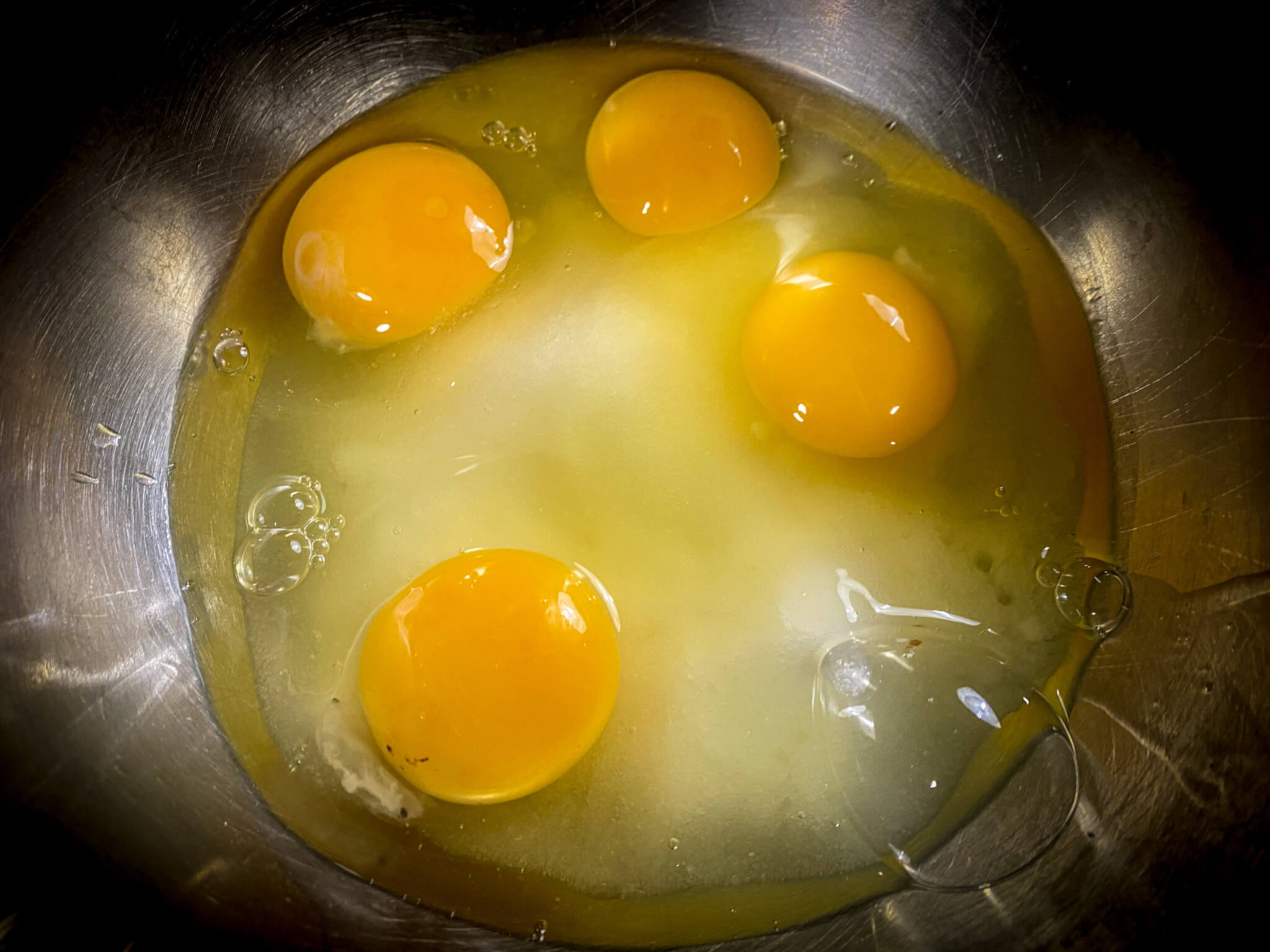
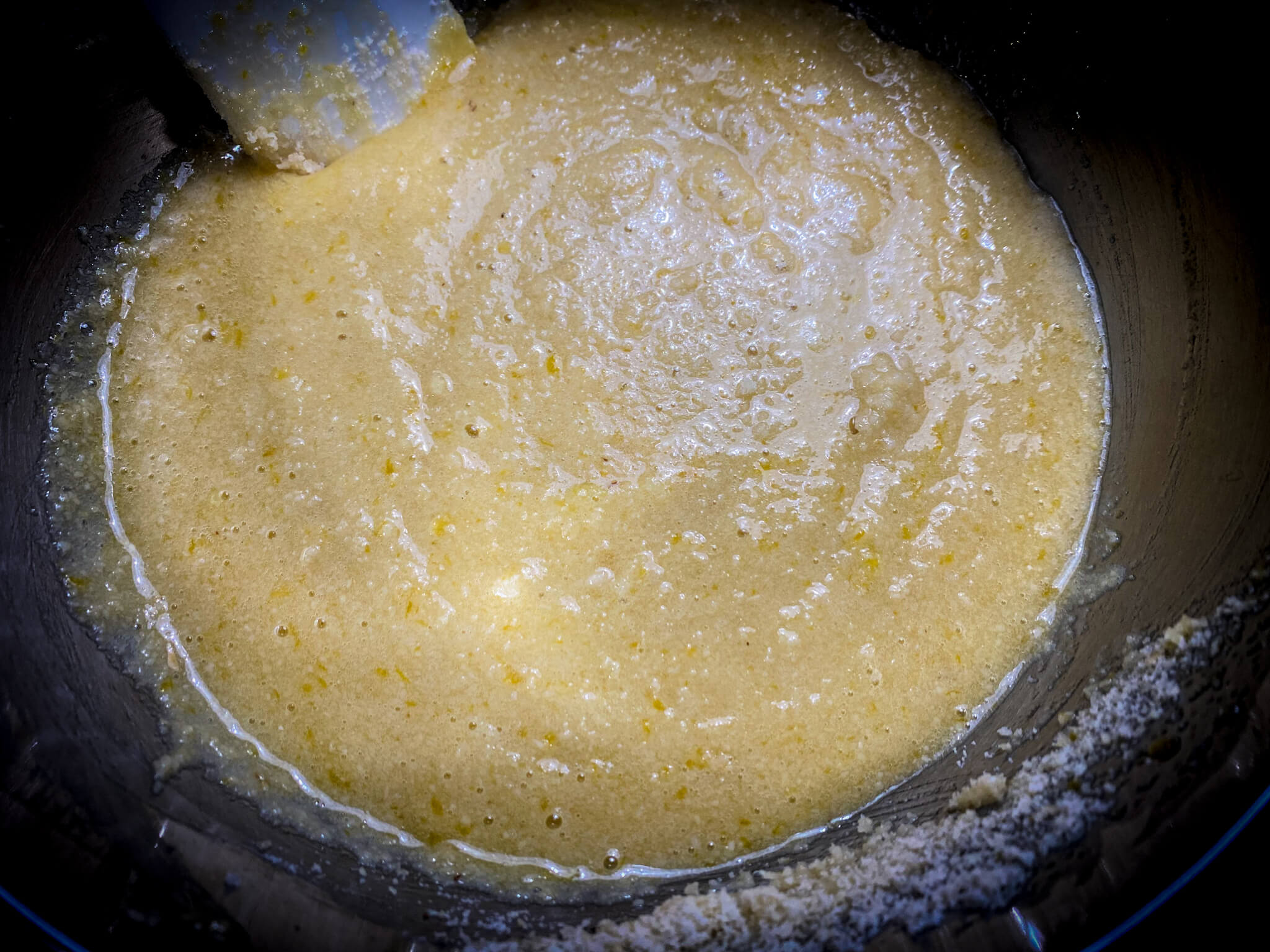
In a large bowl, beat the eggs and sugar until the mixture becomes pale and slightly thickened. Add the lemon zest and ground almonds, then stir gently until everything is fully incorporated. The batter should be thick with a slightly grainy texture.
3. Bake
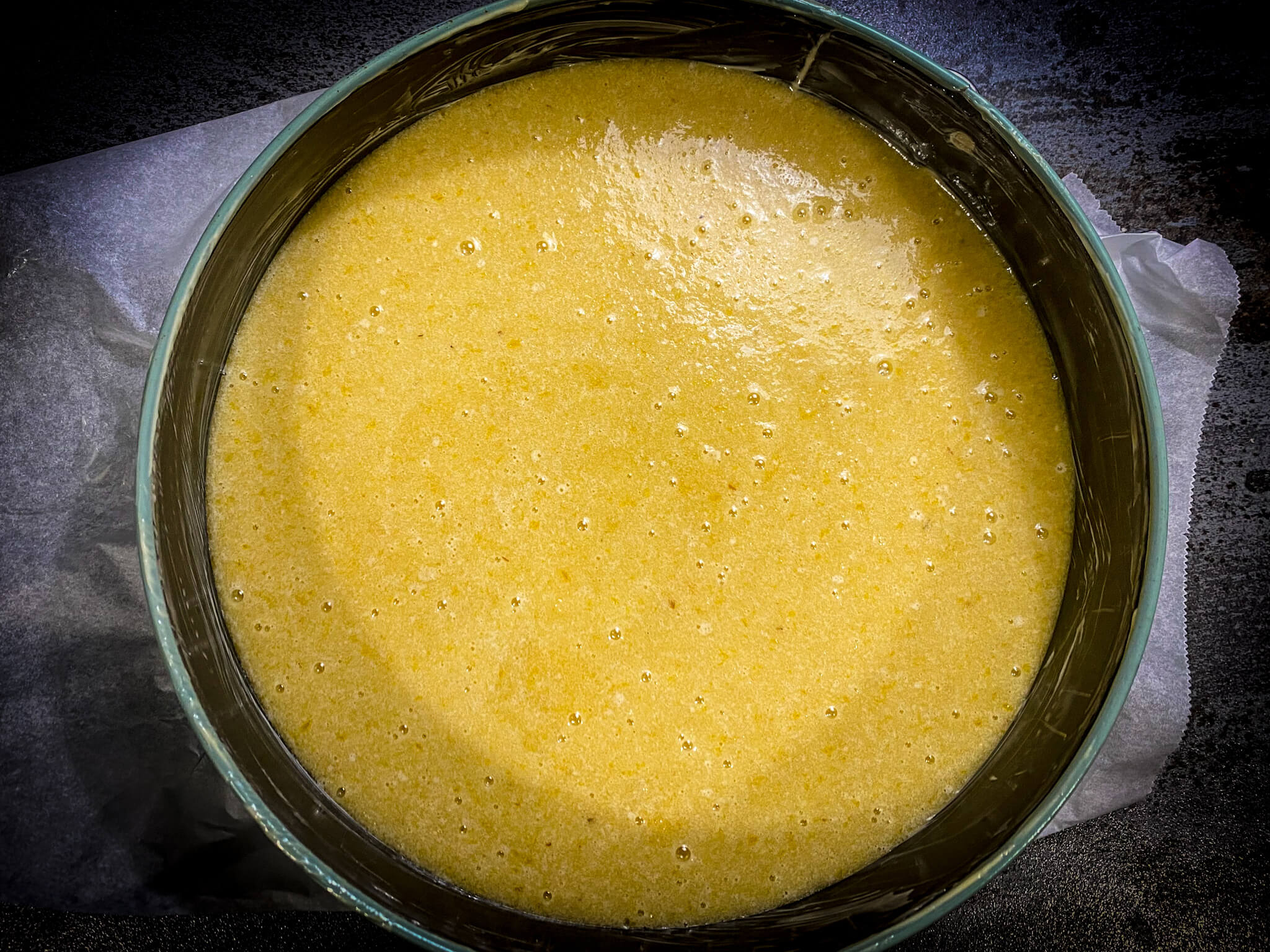
Pour the batter into the prepared cake pan and smooth the surface with a spatula. Bake for 30 minutes, or until the cake is golden brown and a toothpick inserted into the center comes out clean.
4. Cool and Serve
Let the cake cool in the pan for 10 minutes, then carefully remove it and transfer it to a wire rack to cool completely before serving. Traditionally, it is dusted with icing sugar, often using the Cross of Saint James (Cruz de Santiago) as a stencil.

Chef’s Notes for Tarta de Santiago
Why doesn’t Tarta de Santiago contain flour? One of the defining characteristics of authentic Tarta de Santiago is that it’s made with ground almonds instead of wheat flour. The almonds provide all the structure, creating the cake’s signature moist, tender texture and rich nutty flavor. This also makes the traditional recipe naturally gluten-free.
Why should I beat the eggs and sugar until pale? Beating the eggs and sugar until light and fluffy incorporates air into the batter, giving the cake its delicate texture. Since the recipe contains no baking powder or other leavening agents, this step is essential for achieving a light, evenly baked cake.
Why is lemon zest added? Lemon zest brightens the rich almond flavor with a fresh citrus aroma. It balances the sweetness of the cake and gives Tarta de Santiago its classic Mediterranean character without overpowering the almonds.
Common Mistakes Cooking Tarta de Santiago
Using coarsely ground almonds. Almond flour or very finely ground almonds are essential for the traditional soft, moist texture. Coarse almonds produce a heavier, crumbly cake.
Over-mixing the batter. Once the almonds are added, mix only until everything is combined. Excessive mixing deflates the beaten eggs and produces a denser cake.
Removing the cake from the pan too soon. Let it cool for about 10 minutes before unmolding. The cake is delicate while hot and can easily crack.
Overbaking the cake. Bake just until the center is set and a toothpick comes out clean. Too much time in the oven will dry out the almonds and reduce the cake’s characteristic moist texture.
Variations on Tarta de Santiago
Orange Zest Version: Replace the lemon zest with fresh orange zest for a sweeter, softer citrus aroma that pairs beautifully with the almonds.
Cinnamon Touch: Add ½ teaspoon of ground cinnamon for a subtle warm spice that complements the almond flavor without changing the traditional character of the cake.
Pedro Ximénez Version: Stir 1 tablespoon of Pedro Ximénez sherry into the batter for a richer, more aromatic cake with delicate notes of dried fruit and caramel.
Recipe Card
Galician Almond Cake Recipe

Discover the authentic taste of Spain with this traditional Galician Almond Cake Recipe, also known as Tarta de Santiago. Made with simple ingredients like ground almonds, eggs, and sugar, this gluten-free dessert has been a beloved treat in Galicia for centuries. With its iconic powdered sugar cross of Saint James, it's not only delicious but also a beautiful symbol of Spanish culture. Whether you're planning a festive meal or just want to try something new, this easy-to-make Spanish almond cake will impress with its rich flavor and history.
Ingredients
- 300 g (1 ½ cups) granulated sugar
- 300 g (3 cups) ground almonds (almond flour)
- 4 large eggs
- Zest of 1 lemon
- 50 g (½ cup) powdered sugar (for decoration)
Instructions
- Prepare the Cake
Preheat the oven to 170°C (340°F). Grease a 22–24 cm (9–10 inch) round cake pan with butter and, if desired, line the base with parchment paper for easier removal. - Make the Batter
In a large bowl, beat the eggs and sugar until the mixture becomes pale and slightly thickened. Add the lemon zest and ground almonds, then stir gently until everything is fully incorporated. The batter should be thick with a slightly grainy texture. - Bake
Pour the batter into the prepared cake pan and smooth the surface with a spatula. Bake for 30 minutes, or until the cake is golden brown and a toothpick inserted into the center comes out clean. - Cool and Serve
Let the cake cool in the pan for 10 minutes, then carefully remove it and transfer it to a wire rack to cool completely before serving. Traditionally, it is dusted with icing sugar, often using the Cross of Saint James (Cruz de Santiago) as a stencil.
Nutrition Information:
Yield:
12Serving Size:
1Amount Per Serving: Calories: 289Total Fat: 15gSaturated Fat: 2gUnsaturated Fat: 13gCholesterol: 63mgSodium: 146mgCarbohydrates: 34gFiber: 3gSugar: 30gProtein: 7g
Pin it