

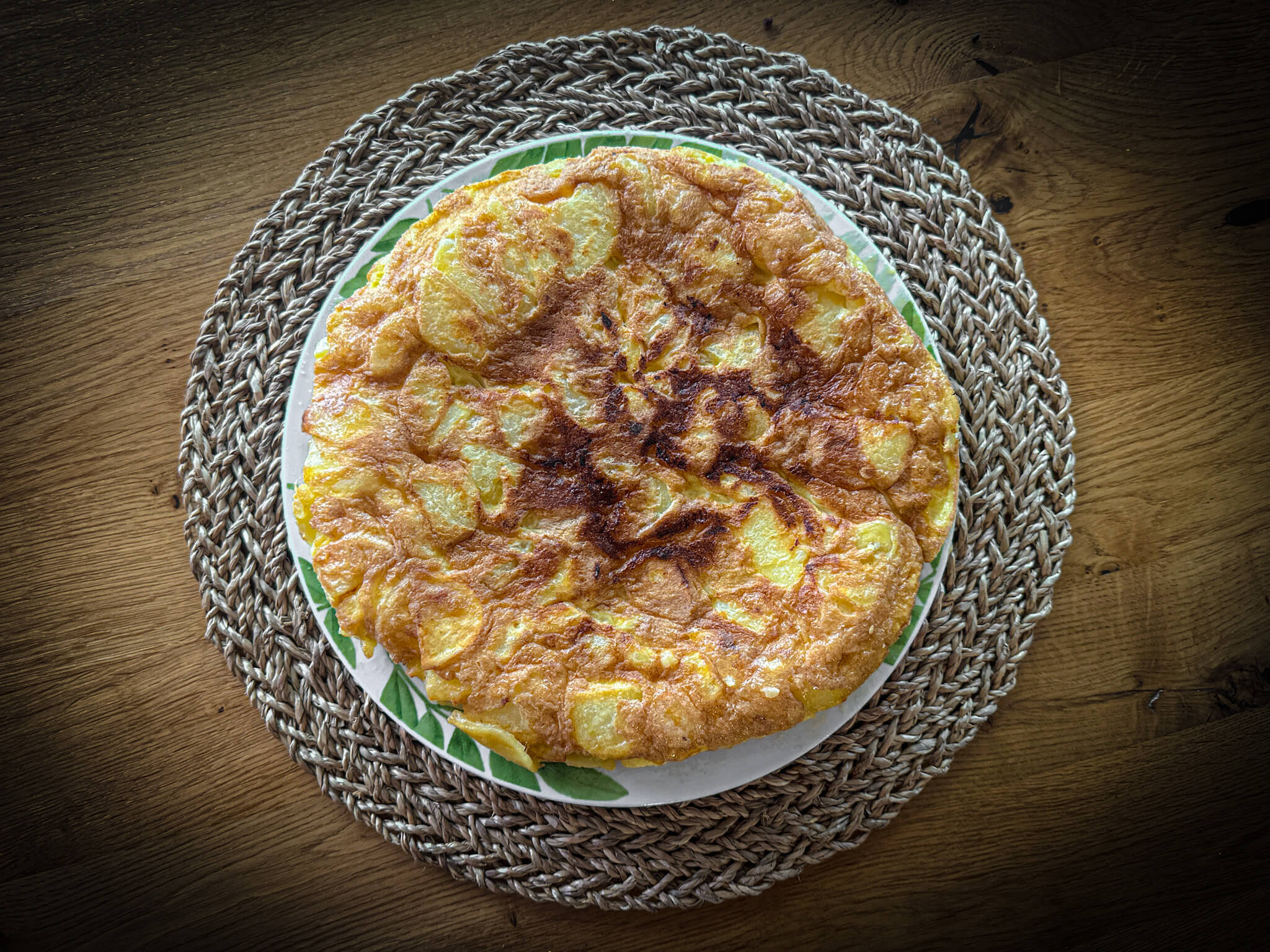
Here’s my recipe for an authentic Spanish Omelette tortilla de patata (potato omelette) – simple and delicious. It’s a true delicacy that captivates everyone who visits Spain, and you can easily make it at home by following this easy recipe along with tips to make it perfect.
Authentic Spanish Omelette Recipe
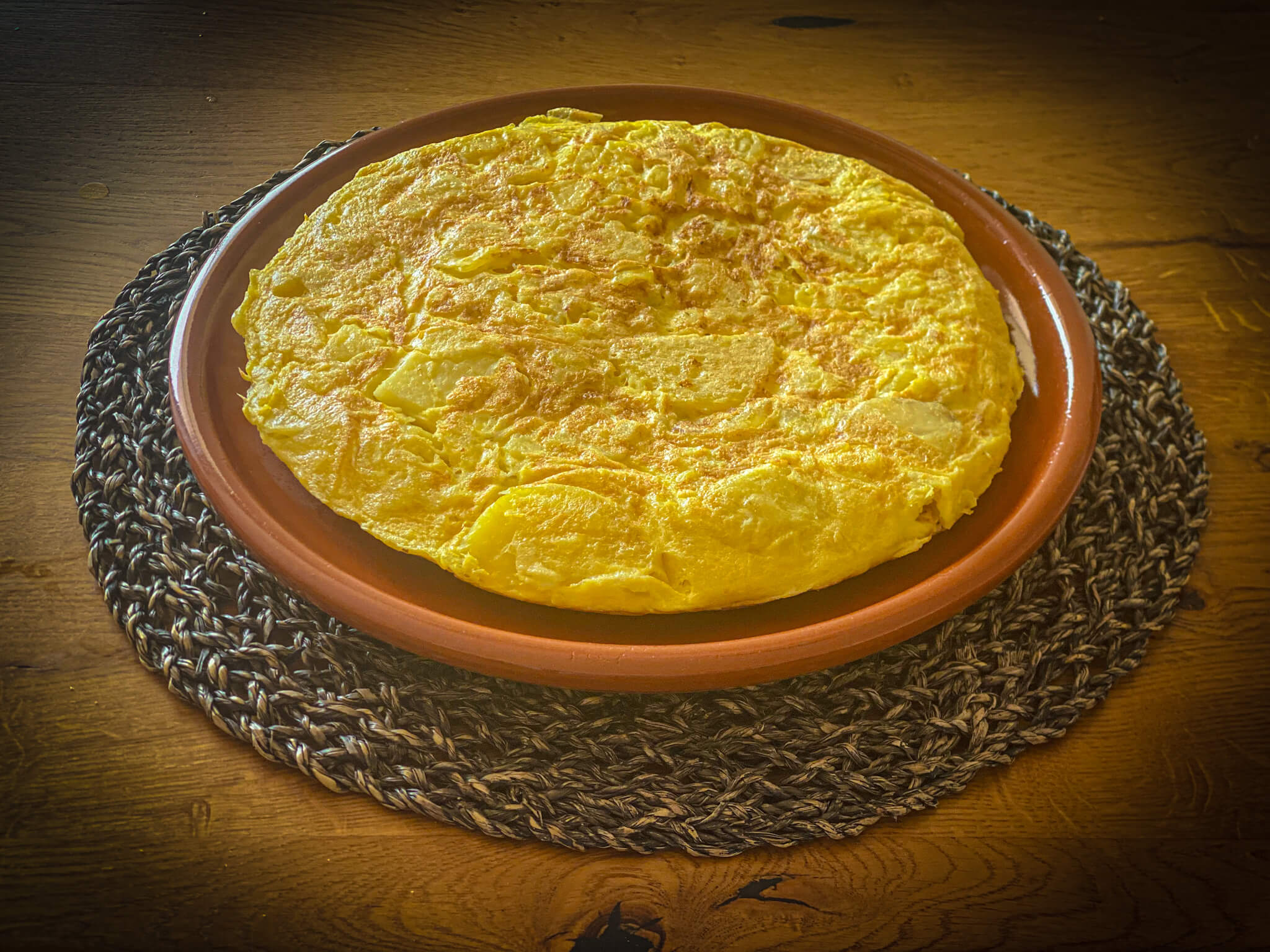
The Origins of the Spanish Omelette
To understand the origins of the Spanish omelette (tortilla de patatas), we first need to look at the history of its main ingredient: the potato. Native to the Andes Mountains in South America, potatoes were introduced to Europe by the Spanish during the 16th century. Despite their importance today, they were not immediately embraced as food. For many years, potatoes were considered suitable mainly for livestock or the poorest communities, and it wasn’t until the 18th century that they became a regular part of everyday cooking across Europe.
As potatoes gained popularity in Spain, they found their way into stews, soups, and fried dishes before eventually becoming the star ingredient of one of the country’s most iconic recipes. The exact origin of the Spanish omelette remains uncertain, although one of the most popular theories places its creation in the region of Extremadura during the late 18th century as an inexpensive, filling meal made with eggs and potatoes. Like many traditional recipes, it likely evolved gradually in different parts of Spain rather than being invented by a single person.
Today, the Spanish omelette is one of the country’s greatest culinary symbols. Found everywhere from family kitchens to neighborhood bars and fine restaurants, it is enjoyed as a tapa, a light meal, or even tucked into a sandwich. Its simple ingredients, satisfying flavor, and endless regional variations have made tortilla de patatas one of Spain’s most recognizable and beloved dishes around the world.
The Perfect Spanish Omelette
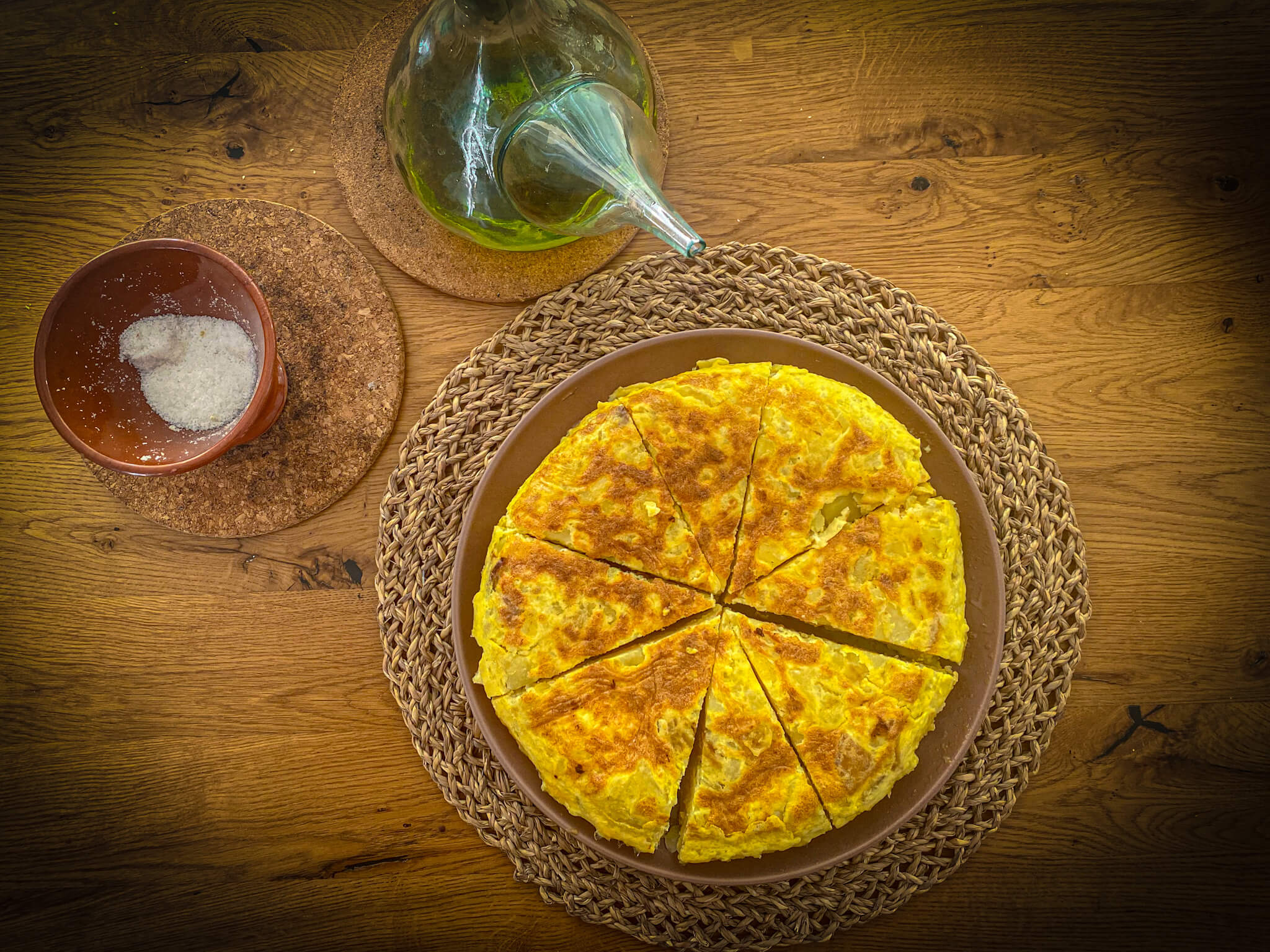
There is no such thing as the perfect Spanish omelette, but surely the traditional one, or one of its variations, is our favorite.
In Spain, every household has its own recipe and way of making it, which sometimes results in quite different versions. The same goes for bars, where it is a dish that is always on the menu, whether for breakfast, lunch, or dinner.
There is much debate over whether a Spanish omelette should include onion or just potatoes. When it includes onion, it tends to have a sweeter flavor and a contrast of textures from the added onion. However, some people like to add other ingredients: zucchini to make it sweeter, others prefer the salty touch of salted cod to pair with the potato, and more carnivorous types may go for chorizo.
As is traditional in many regions of northern Spain, stuffed Spanish omelettes are also common. After cooking, they’re typically cut in half and filled with ingredients like cheese, ham, cured meats, tuna, or roasted peppers. In our home, we love adding garlic and bell pepper to the classic tortilla recipe, but we enjoy all versions! Feel free to experiment with different takes on these delicious Spanish egg dishes to discover your own favorites.
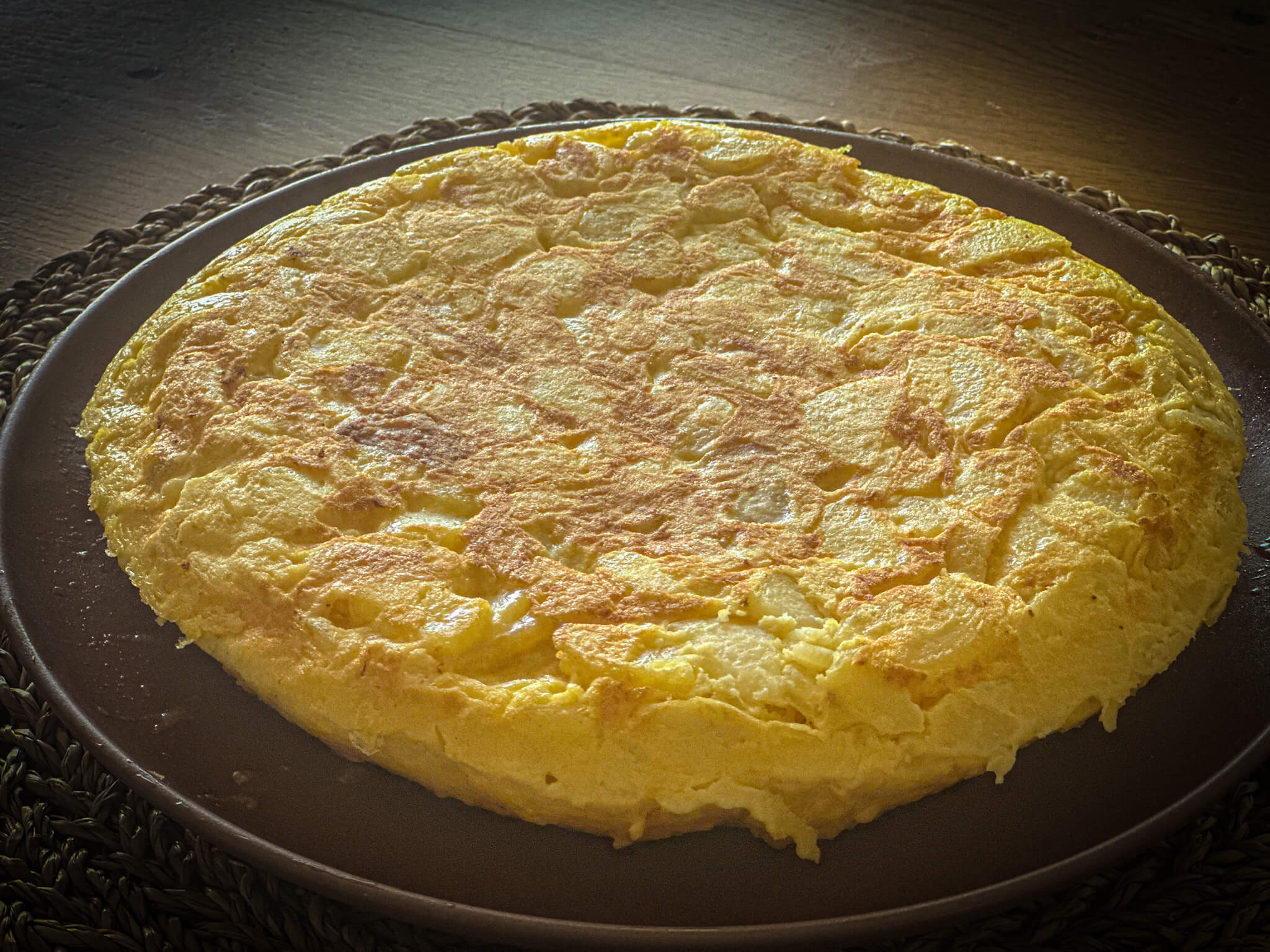
There are also different finishes or textures; right now, the trend is those with a semi-liquid interior, like the one in this recipe. But some people prefer it more set, even with a slight burnt (or fried) crust on the surface. Others prefer to crush the potatoes instead of slicing them, making them larger and more irregular chunks.
I’ve even tried a version with grated potatoes, which allows them to absorb more egg. As for the size, there are no hard rules, but we always appreciate it when the tortilla is at least 2 or 3 centimeters thick – it makes each bite more satisfying. Ultimately, I believe there’s no such thing as the perfect Spanish omelette. Rather, the beauty of the Spanish omelette lies in its simplicity, which is why it’s one of the most beloved and iconic dishes in Spain.

Ingredients
| Metric Amount | Imperial Amount | Core Ingredient | Preparation |
| 600–700 g | 1.3–1.5 lb | Potatoes | Peeled and sliced |
| 5–6 units | 5–6 units | Eggs | Large, at room temperature |
| 150 ml | 0.6 cup | Extra Virgin Olive Oil | High quality |
| 1 pinch | 1 pinch | Sea Salt | Fine |
Instructions
1. Cook the Potatoes
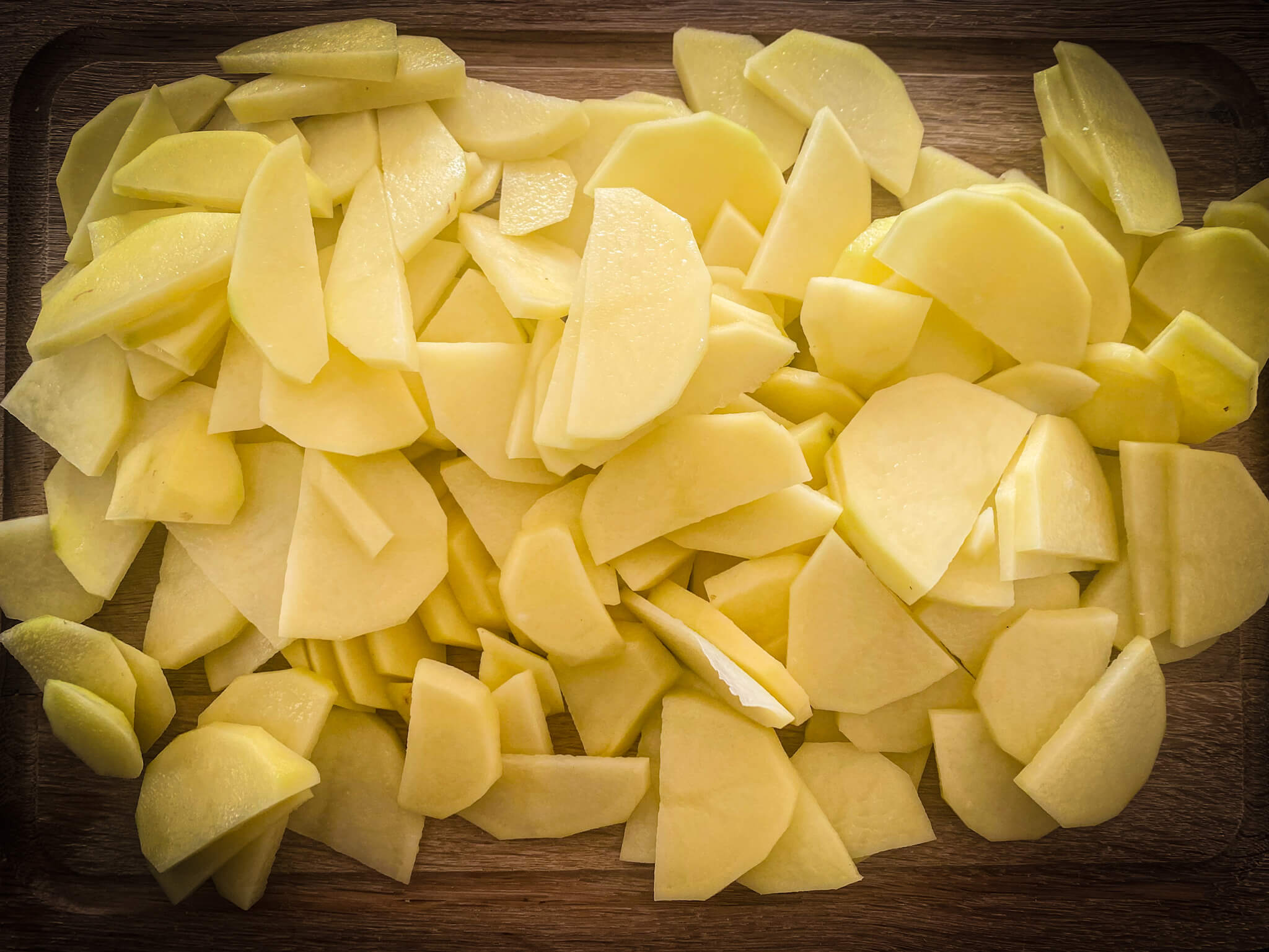
Heat the olive oil in a non-stick frying pan over low heat. Peel the potatoes and cut them into thin slices, keeping them slightly thicker rather than paper-thin so they soften without becoming overly fried. Add the potato slices gradually to the pan as you cut them, stirring occasionally so the first slices do not remain at the bottom. Season with salt, cover the pan, and cook over medium-low heat for about 25 minutes, allowing the steam to gently cook the potatoes until tender.

2. Prepare the Eggs and Combine
While the potatoes are cooking, crack the eggs into a large bowl and whisk well until slightly frothy to incorporate some air. Check the potatoes by piercing the thickest slice with a fork; they should be very tender and break apart easily. If needed, cook for another 5 minutes.
Once the potatoes are ready, remove them from the pan and add them to the beaten eggs. Mix gently, allowing the egg to coat and flow between the potato slices. Let the mixture rest for a couple of minutes so the flavors combine.

3. Shape and Cook the Tortilla
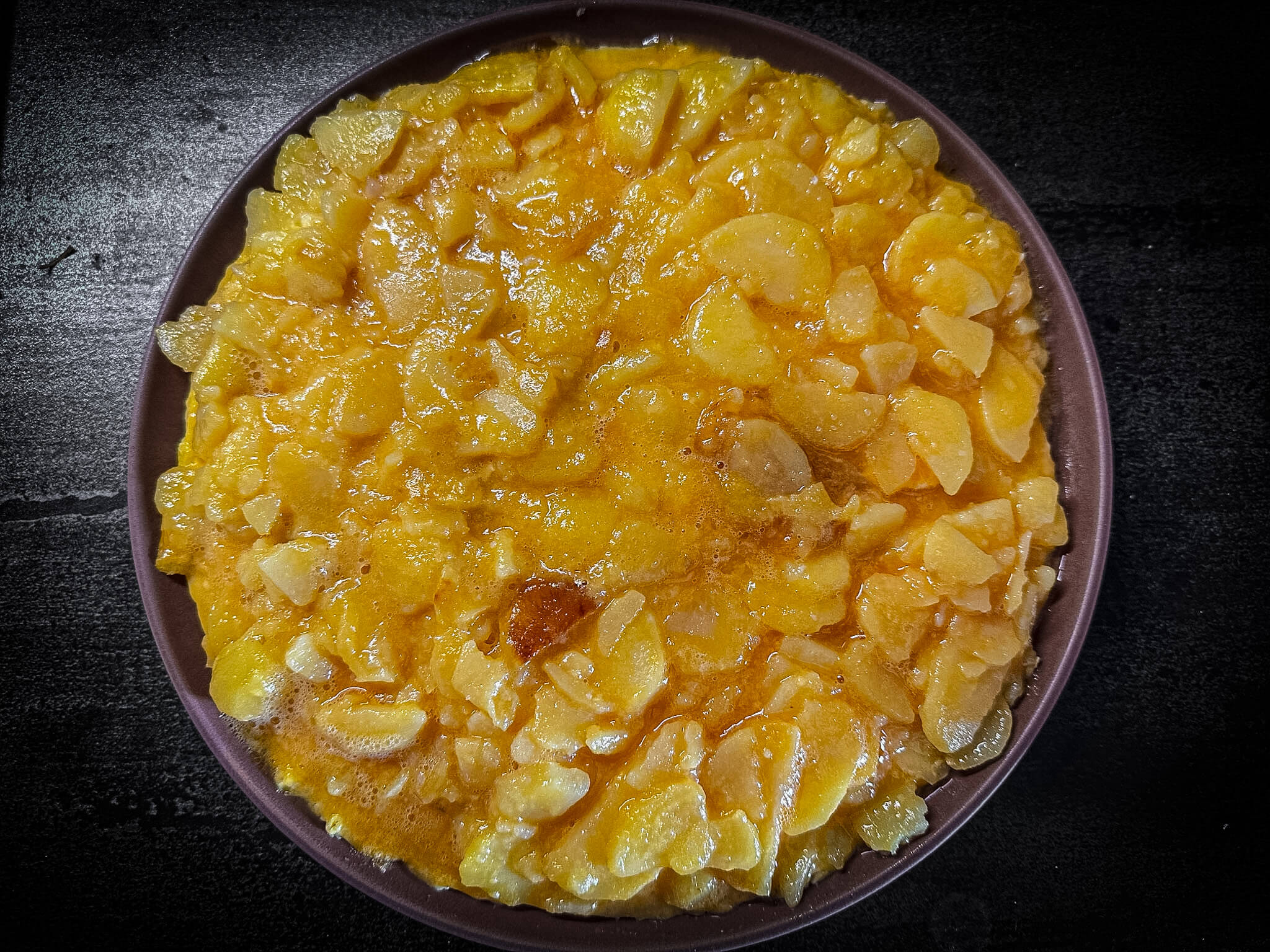
Heat the same pan over medium-high heat. Add a little extra olive oil if needed, then pour in the potato and egg mixture once the pan is hot but the oil is not smoking. Cook for about 5 minutes, until the bottom is set and lightly golden.

4. Flip the Tortilla
Place a large plate or lid over the pan and carefully flip the tortilla in one quick movement. Alternatively, slide the tortilla onto a plate, then gently return it to the pan upside down. Choose the method that feels safest and most comfortable for you.

5. Finish and Serve
Cook the tortilla for another 2–3 minutes, depending on whether you prefer the center slightly creamy or fully set. Remove from the pan and serve warm or at room temperature, cut into wedges or small portions as a traditional Spanish tapa.

Chef’s Notes for Authentic Spanish Potato Omelette
Why is the quality of the olive oil so critical in this recipe? The olive oil does more than just fry the potatoes; it acts as a primary flavor carrier. Since this dish relies on very few ingredients, using a high-quality Extra Virgin Olive Oil provides the necessary depth and fruitiness that defines the classic Spanish flavor profile. Think of the oil as a cooking medium and an essential seasoning simultaneously.
What is the ideal thickness for the potato slices? Consistency is key. You want slices that are neither paper-thin (which turn into mush) nor too thick (which take too long to cook and won’t integrate with the egg). Aim for about 3–4mm. This allows them to soften and absorb the egg mixture while maintaining enough structural integrity to give the tortilla that iconic “rústico” texture.
Is the seasoning as important as the technique? Absolutely. The balance of salt is the soul of the omelette. Because potatoes and eggs are naturally neutral, a lack of salt will make the dish taste flat, no matter how perfectly you flip it. Season the potatoes well while they are softening in the pan—this ensures the flavor penetrates the starch before it meets the eggs.
Common Mistakes Cooking Authentic Spanish Potato Omelette
Starting with a cold pan: Never add the egg-and-potato mixture to a cold or lukewarm pan. The skillet must be properly hot to immediately seal the exterior of the egg. A cold pan will cause the eggs to stick, ruin your flip, and result in a greasy, sad omelette rather than a golden, structured one.
Using the wrong equipment: A high-quality non-stick pan is non-negotiable. Without it, you are fighting a losing battle against gravity and heat. Additionally, ensure you have a large, sturdy plate or a specific tortilla-flipper lid ready before you start cooking. Fumbling for a plate at the moment of the flip is the number one cause of kitchen disasters.
Over-agitating the potatoes: While you need to stir them occasionally to ensure even cooking, be careful not to break them into a purée while they are in the pan. You want tender slices, not mashed potatoes. Treat the potatoes with care, allowing the steam to do the hard work while they are covered.
Variations on Authentic Spanish Potato Omelette
-
The “Cebolla” Debate (Onion Version): If you prefer the classic Tortilla de Patatas con Cebolla, finely dice one medium onion and sauté it along with the potatoes until caramelized. The onion adds a natural sweetness that balances the richness of the egg.
-
The Chorizo Twist: For a bolder, punchier version, add 50g of finely diced, high-quality chorizo when you mix the potatoes with the eggs. The rendered pimentón-infused oil from the chorizo will permeate the entire omelette.
-
The Roasted Pepper and Garlic Twist: For a sweeter, more Mediterranean variation, add caramelized red peppers and garlic to the tortilla. Slowly cook thin strips of red pepper with sliced garlic in a little olive oil until soft, tender, and naturally sweet. Add them to the beaten eggs before combining with the potatoes. The peppers bring a subtle sweetness and vibrant color, while the garlic adds a deep, savory aroma that pairs beautifully with the creamy texture of the tortilla.
Recipe Card
Authentic Spanish Omelette

The authentic Spanish potato omelette, simple and delicious. A true delicacy that captivates everyone who visits Spain and that you can make at home by following this easy recipe and the tips to make it perfect.
Ingredients
- 4 large eggs
- 5 medium potatoes
- 4 tablespoons of olive oil
- 3 teaspoons of salt
Instructions
1. Cook the Potatoes
Heat the olive oil in a non-stick frying pan over low heat. Peel the potatoes and cut them into thin slices, keeping them slightly thicker rather than paper-thin so they soften without becoming overly fried. Add the potato slices gradually to the pan as you cut them, stirring occasionally so the first slices do not remain at the bottom. Season with salt, cover the pan, and cook over medium-low heat for about 25 minutes, allowing the steam to gently cook the potatoes until tender.
2. Prepare the Eggs and Combine
While the potatoes are cooking, crack the eggs into a large bowl and whisk well until slightly frothy to incorporate some air. Check the potatoes by piercing the thickest slice with a fork; they should be very tender and break apart easily. If needed, cook for another 5 minutes.
Once the potatoes are ready, remove them from the pan and add them to the beaten eggs. Mix gently, allowing the egg to coat and flow between the potato slices. Let the mixture rest for a couple of minutes so the flavors combine.
3. Shape and Cook the Tortilla
Heat the same pan over medium-high heat. Add a little extra olive oil if needed, then pour in the potato and egg mixture once the pan is hot but the oil is not smoking. Cook for about 5 minutes, until the bottom is set and lightly golden.
4. Flip the Tortilla
Place a large plate or lid over the pan and carefully flip the tortilla in one quick movement. Alternatively, slide the tortilla onto a plate, then gently return it to the pan upside down. Choose the method that feels safest and most comfortable for you.
5. Finish and Serve
Cook the tortilla for another 2–3 minutes, depending on whether you prefer the center slightly creamy or fully set. Remove from the pan and serve warm or at room temperature, cut into wedges or small portions as a traditional Spanish tapa.
Notes
Have a lid ready for the pan and a plate at least the size of the pan to flip it over
The perfect Spanish tortilla depends on personal preference. Some people enjoy it fully set, while others prefer a slightly creamy center. Adjust the final cooking time according to your taste.
Nutrition Information:
Yield:
4Serving Size:
1Amount Per Serving: Calories: 394Total Fat: 19gSaturated Fat: 4gUnsaturated Fat: 16gCholesterol: 188mgSodium: 1731mgCarbohydrates: 46gFiber: 5gSugar: 3gProtein: 12g
Pint it

Aw, this was an incredibly nice post. Taking the time
and actual effort to make a really good article… but what can I say… I put
things off a lot and never manage to get anything done.
Hi, just wanted to tell you, I liked this blog post. It was helpful.
Keep on posting!
Hello, everything is going fine here and ofcourse every one is
sharing information, that’s really fine, keep up writing.
whoah this blog is magnificent i love reading
your posts. Stay up the great work! You understand, many individuals are hunting around
for this info, you can help them greatly.