
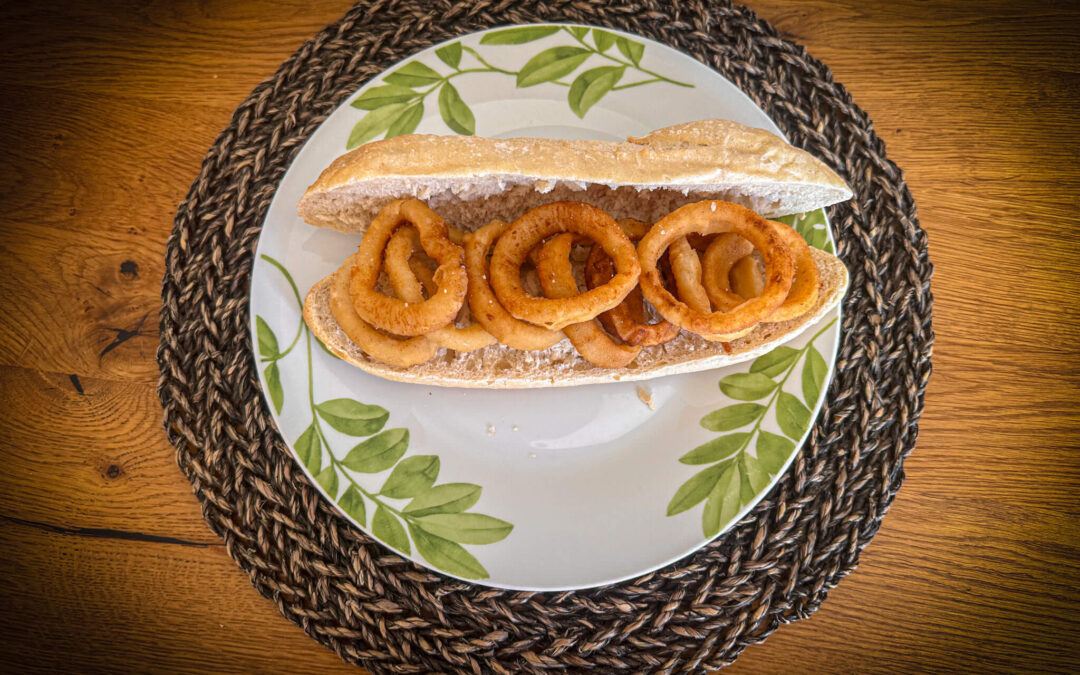
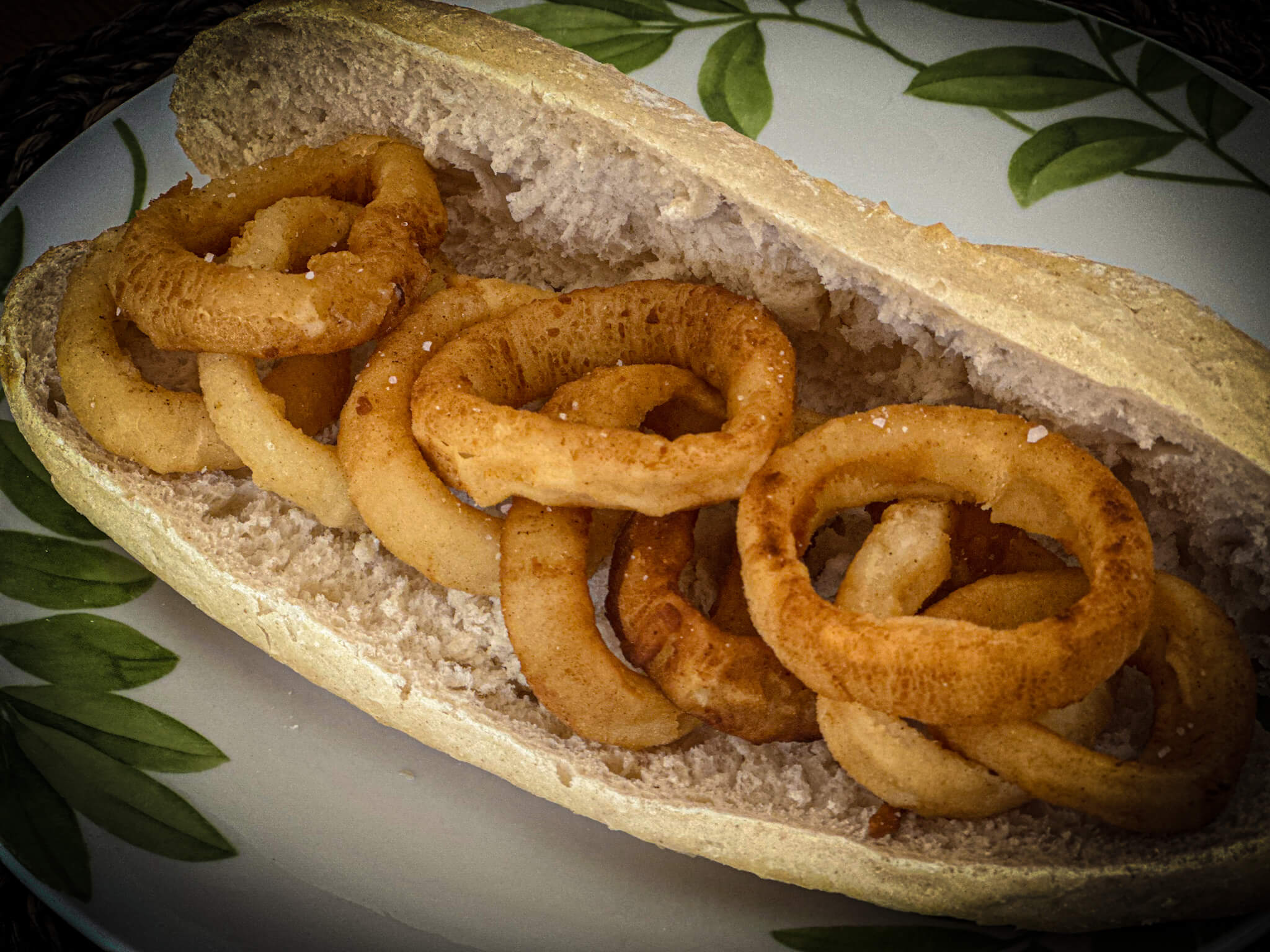
The best Madrid Style Calamari Sandwich Bocadillo de Calamares is all about perfectly crisp calamari, a light flour coating and plenty of good bread. This Madrid classic needs very few ingredients, but a few simple tricks make all the difference.
The Best Madrid Style Calamari Sandwich Bocadillo de Calamares

A Taste of Madrid in Every Bite
Few sandwiches are as closely associated with Madrid as the bocadillo de calamares. Around Plaza Mayor and the historic city centre, this humble combination of fried squid and crusty bread has become a fixture of traditional Madrid bars and tabernas. Its appeal lies in its simplicity: tender calamari, a thin golden coating and a generous piece of bread, with no elaborate sauces or unnecessary additions.
The bocadillo de calamares is more than a quick lunch. It is part of Madrid’s bar culture, where people meet for a beer, share a few simple bites and enjoy the lively atmosphere of the city. You don’t need a reservation at a famous bar to experience that tradition. With properly dried calamari, a light flour coating and plenty of hot oil, you can recreate the same spirit in your own kitchen.
What makes this sandwich so satisfying is the contrast of textures and flavours. The coating should be crisp enough to crunch with every bite, while the squid remains tender and savoury. Good bread holds everything together and catches a little of the delicious oil from the freshly fried calamari. The result is wonderfully uncomplicated, yet difficult to resist.
If you want to bring a little more Spanish bar culture to your table, serve your sandwich with a very cold beer and a small dish of olives. Their salty, tangy flavour makes a lovely contrast to the crispy calamari. Whether you’re enjoying lunch on a terrace in Madrid or recreating the experience at home, serve the sandwich immediately while the coating is still hot and crunchy.
And if you’re planning a Spanish-style evening with friends, there are plenty of ways to build on this simple pleasure. Explore my Spanish Tapas Recipes for a tapas party night filled with small plates to share. For another way to enjoy squid, try my Andalusian Style Squid, which offers a different approach to cooking this popular seafood. And no Spanish bar-inspired spread would feel quite complete without a tortilla: my Authentic Spanish Omelette is another classic to bring to the table.
Good bread, crispy calamari, a cold beer and a few Spanish bar snacks. Sometimes, the simplest things make the best Spanish food experiences.

Ingredients
| Metric Amount | Imperial Amount | Core Ingredient | Preparation |
|---|---|---|---|
| 1 | 1 | Sandwich roll, about 30 cm(12-inch) | Preferably wider than a baguette |
| 150–180 g | 5.3–6.3 oz | Calamari rings | Cleaned and ready to cook |
| 30 g | 1.1 oz | Wheat flour | Plain flour |
| 20 g | 0.7 oz | Chickpea flour | Fine chickpea flour |
| As needed | As needed | Vegetable oil | For deep frying |
| To taste | To taste | Salt | Added after frying |
Instructions
1. Dry the Calamari Thoroughly
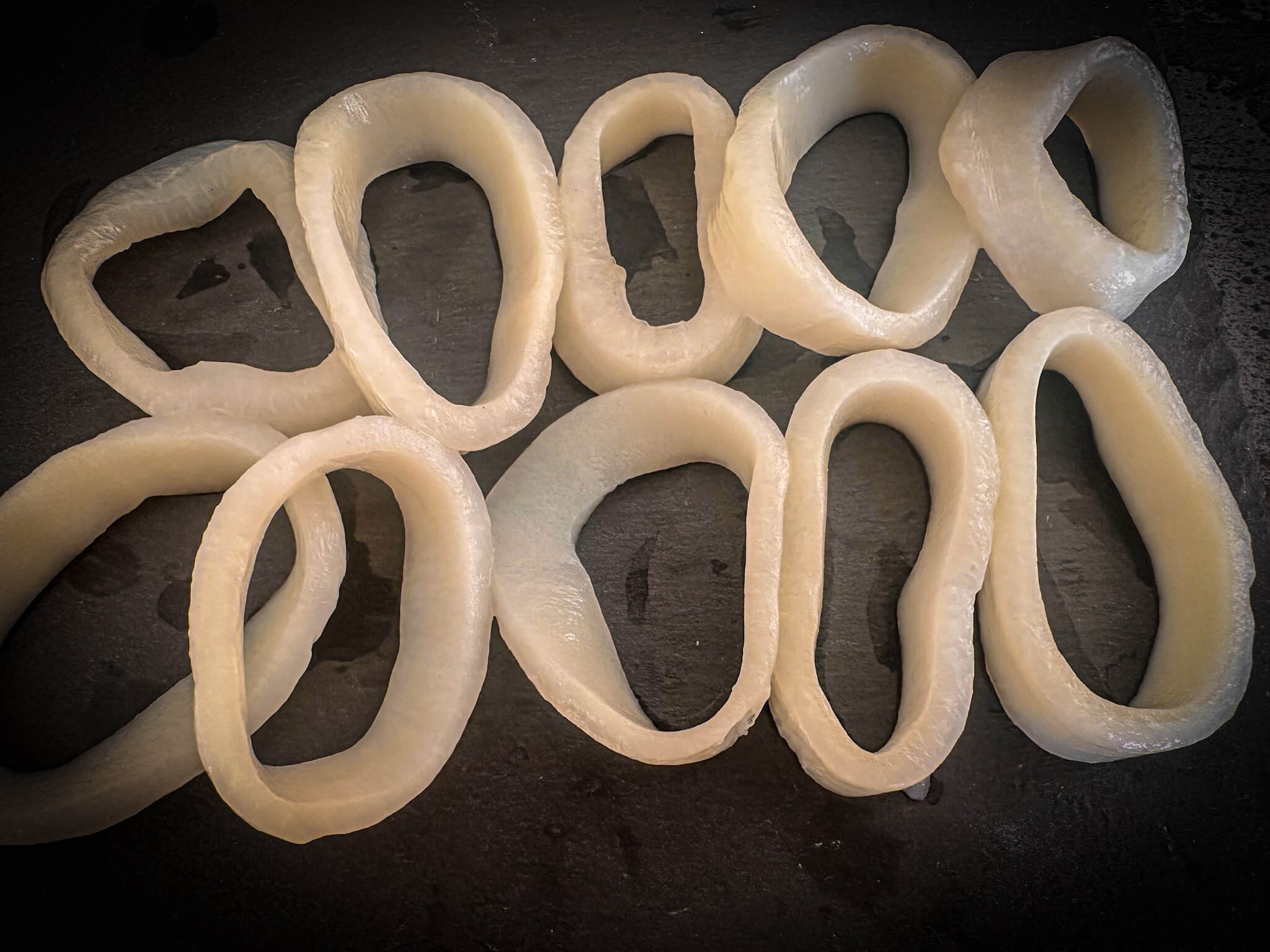
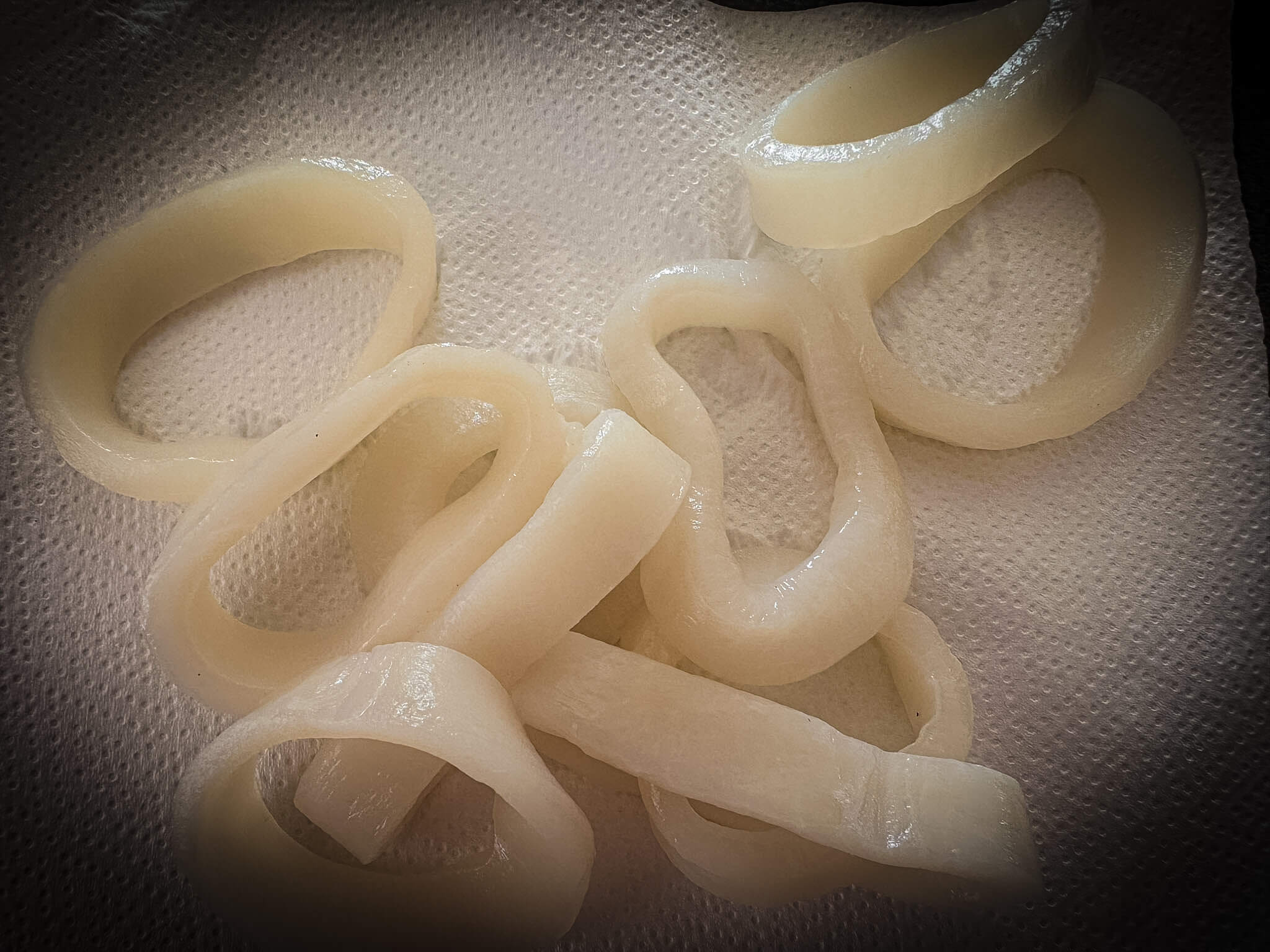
Pat the calamari rings very well with paper towels, removing as much moisture as possible from their surface.
Don’t skip this step. Dry calamari allows the flour to stick properly instead of sliding off and spreading through the oil. Removing excess moisture also helps the coating become much crispier when it hits the hot oil.
2. Coat the Calamari with Flour
Mix the wheat flour and chickpea flour together in a bowl.
Add the thoroughly dried calamari rings and toss until they are evenly coated with a thin layer of flour.
For a quick and particularly clean method, put the flour and calamari into a food container with a lid, close it tightly and shake well. It is fast, effective and saves you from getting flour all over the kitchen.
Shake off any obvious excess flour before frying.

3. Heat Plenty of Oil
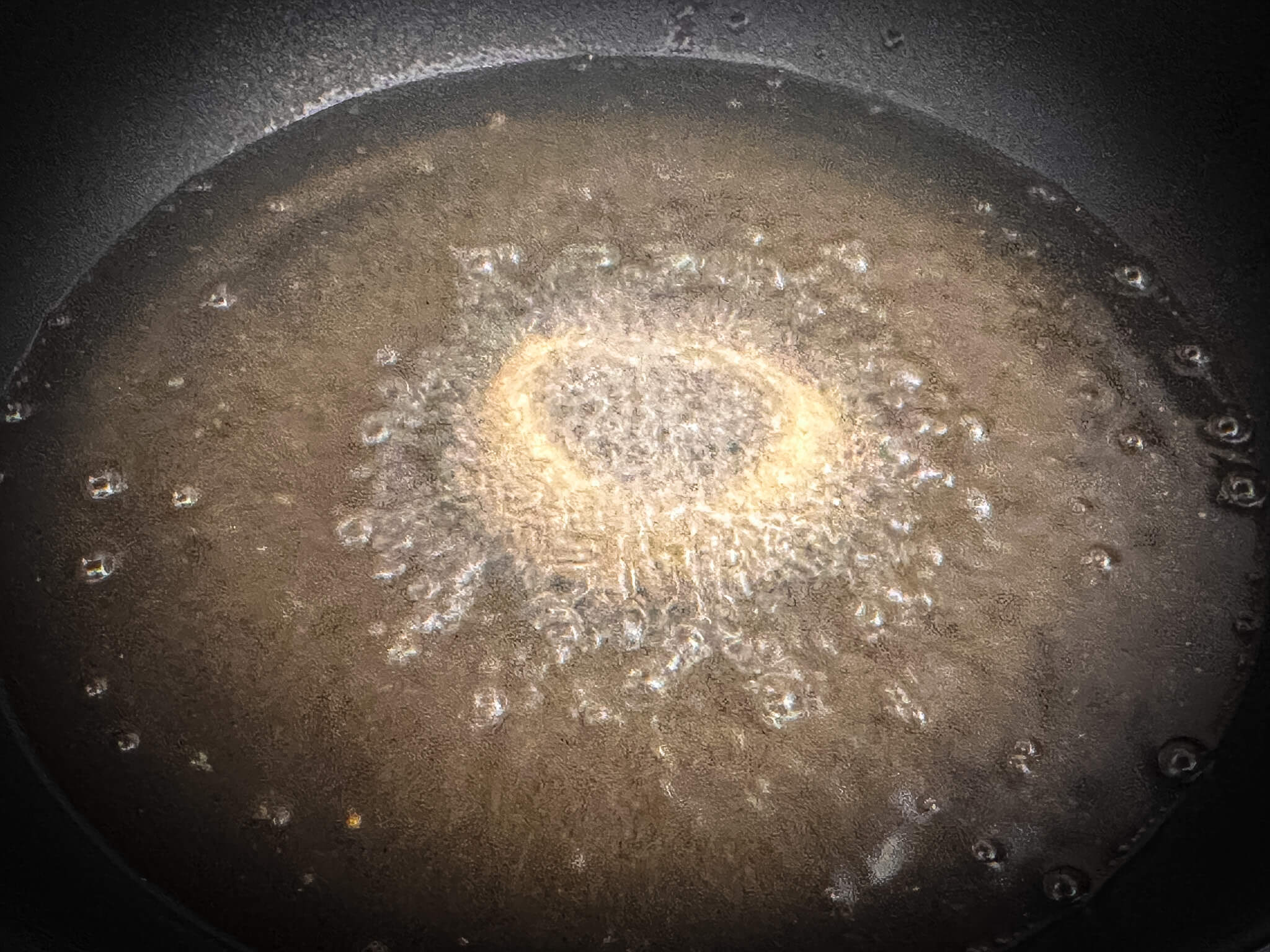
While coating the calamari, heat plenty of vegetable oil in a deep frying pan, deep sauté pan or wok-style pan.
You want enough oil for the calamari to float freely rather than sit on the bottom of the pan. This is also important because the calamari will absorb some oil during frying, so using too little can leave the pan short of oil and increase the risk of the coating catching on the bottom.
Heat the oil over medium-high heat, around 7 out of 10 on your stovetop. It should be hot enough to fry the calamari immediately without smoking. Use plenty of oil so the calamari can float freely rather than resting on the bottom of the pan.
4. Fry the Calamari in Small Batches
Add the coated calamari to the hot oil one ring at a time, working in small batches so the pieces do not overcrowd the pan or stick together.
Fry for about 1–2 minutes on each side, or until the coating is lightly golden and crisp.
Remove the calamari with a slotted spoon and place it on a plate lined with paper towels to absorb the excess oil.
Continue frying the remaining calamari in batches, making sure there is enough room for the rings to move freely in the oil.

5. Season and Build the Sandwich
Season the calamari with salt immediately after frying. This is when you want to add it, rather than before cooking. Salting the raw calamari can draw out moisture and work against the crisp coating.
Open the bread along one side and pile the freshly fried calamari generously inside.
And when I say generously, I mean it. The best bocadillo de calamares should be packed with calamari and practically overflowing from the bread.
Serve immediately while the coating is still crisp. The bread will catch some of the delicious oil from the freshly fried calamari, and every bite should give you that contrast between crusty bread, crunchy coating and tender, savoury squid.

Chef’s Notes for a Perfect Madrid Style Calamari Sandwich
Dry the calamari really well: This is one of the most important steps. Removing surface moisture helps the flour adhere properly and gives you a much crispier coating.
Use plenty of hot oil: The calamari should be able to float freely. Hot oil cooks the coating quickly and helps prevent the sandwich from becoming greasy.
Fry in small batches: Adding too many rings at once lowers the temperature of the oil and makes the calamari more likely to stick together.
Serve immediately: This sandwich is at its best straight from the fryer. The longer the calamari sits, the more the crisp coating softens.
Common Mistakes When Preparing a Madrid Style Calamari Sandwich
Skipping the drying stage: If the calamari is wet, the flour will not cling properly and loose flour can spread through the oil.
Using too little oil: The calamari should float freely rather than sit against the bottom of the pan.
Overcrowding the pan: Too many rings at once can lower the oil temperature and stop the coating from becoming properly crisp.
Ingredient Swaps & Variations for a Madrid Style Calamari Sandwich
- Bread: Use a sandwich roll of around 30 cm (12-inch) that is preferably wider than a baguette. You want enough bread to hold a generous amount of calamari without being too thin or fragile.
- Mayonnaise: Some people like to spread a little mayonnaise inside the bread. It can be delicious, but it is an optional addition rather than something you need for a classic bocadillo de calamares.
- Flour: The combination of wheat flour and chickpea flour gives the calamari a light, crisp coating. I prefer to keep the seasoning simple rather than adding spices that would take away from the flavour of the calamari.
Recipe Card
The Best Madrid Style Calamari Sandwich Bocadillo de Calamares

Dry the calamari thoroughly. Mix the two flours and coat the rings evenly. Heat plenty of vegetable oil to medium-high heat, approximately 7 out of 10 on your stovetop. Fry the calamari in small batches for 1–2 minutes per side until golden and crisp. Drain briefly, season with salt and pile generously into the bread. Serve immediately.
Ingredients
- 1 sandwich roll, approximately 30 cm (12 inches) long
- 150–180 g (5.3–6.3 oz) calamari rings, cleaned
- 30 g (1.1 oz) plain wheat flour
- 20 g (0.7 oz) chickpea flour
- Vegetable oil, enough for deep frying
- Salt, to taste
Instructions
Dry the Calamari Thoroughly
Pat the calamari rings thoroughly with paper towels, removing as much surface moisture as possible. This step is essential for a crisp coating. Dry calamari allows the flour to adhere properly instead of sliding off and spreading through the oil. It also helps prevent excess moisture from interfering with the frying process.
Coat the Calamari with Flour
Mix the wheat flour and chickpea flour in a bowl. Add the dried calamari rings and toss until they are evenly coated with a thin layer of flour. For a quicker and cleaner method, put the flour and calamari into a lidded food container, close it and shake well. Before frying, shake off any excess flour so the coating stays light and crisp.
Heat Plenty of Oil
Pour plenty of vegetable oil into a deep frying pan, deep sauté pan or wok-style pan. Heat it over medium-high heat, aiming for approximately 7 out of 10 on your stovetop. The oil should be hot enough to fry the calamari immediately without smoking. Use enough oil for the rings to float freely rather than rest on the bottom of the pan.
Fry the Calamari Until Golden and Crisp
Add the coated calamari to the hot oil one ring at a time and in small batches, preventing the pieces from sticking together or overcrowding the pan. Fry for approximately 1–2 minutes per side, depending on their size, until the coating is lightly golden and crisp and the squid is cooked through. Remove the calamari with a slotted spoon and transfer it to a plate lined with paper towels. Allow the oil to return to temperature between batches if necessary.
Season and Assemble the Sandwich
Season the freshly fried calamari with salt immediately after removing it from the oil. Always add the salt after frying, rather than before coating, to help keep the calamari dry. Open the bread along one side and pile the hot calamari generously inside until the sandwich is practically overflowing. Serve immediately while the coating is still crisp and the bread can catch a little of the delicious oil from the freshly fried squid.
Notes
Servings: 1 generous sandwich
Nutrition Information:
Yield:
1Serving Size:
1Amount Per Serving: Calories: 330Total Fat: 4gSaturated Fat: 1gUnsaturated Fat: 3gSodium: 314mgCarbohydrates: 61gFiber: 5gSugar: 3gProtein: 12g
