

Here’s our take on some of Spain’s most iconic dishes – ones we love and cook at home as a Spanish family – along with local tips and recipes so you can recreate them yourself. From classic Spanish staples to lesser-known regional delicacies, there’s something here for every Spanish food lover.
Best Foods to Try in Spain
Must-try Famous Spanish Dishes
Spain is a country bursting with culinary delights, and its regional dishes perfectly reflect the diversity of its landscapes, culture, and history. While international visitors are often drawn to jamón and paella, every corner of Spain has something unique and delicious to offer.
If you’re planning a trip to Spain, you won’t want to miss these 44 famous dishes that showcase the very best of Spanish cuisine. While many of them are globally recognized staples, as a Spanish family we cook regional dishes every day – so I’ve also included a few local favorites that are hugely popular here in Spain but often overlooked by international travelers.
1. Paella Valenciana
Paella is undoubtedly one of the most iconic and beloved dishes in Spanish cuisine, often seen as a true symbol of the country’s culinary heritage. This vibrant, flavor-packed rice dish takes its name from the special pan it’s cooked in – a wide, shallow pan called a paellera. Paella originated in the region of Valencia, where the traditional version, paella valenciana, was first created.
The authentic recipe combines chicken, rabbit, green and white beans, snails, and paella rice, all infused with saffron and smoked paprika. As the dish spread across Spain, countless regional variations emerged, each reflecting local ingredients and traditions. You can see how we still prepare authentic Valencian paella the traditional way at our family countryside house here, or try an easy-to-follow recipe in this post.
Beyond the classic Valencian paella, it’s worth highlighting the incredible variety of rice-based dishes found throughout Spain – from arroz al horno (traditional Spanish baked rice) to arroz negro (black rice with alioli).

2. Tortilla de patata
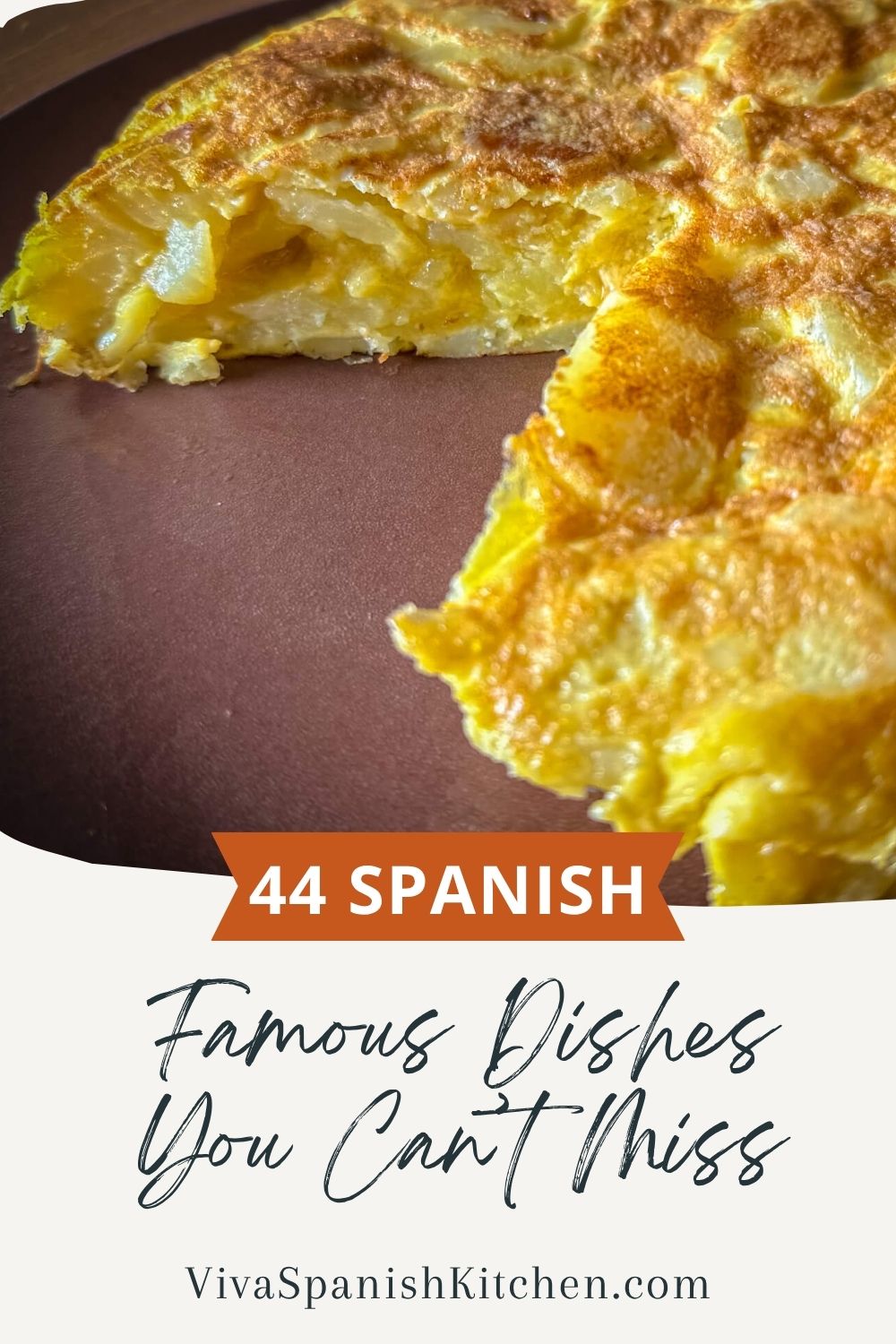
The Spanish omelette, known locally as tortilla española or tortilla de patatas, is one of the most beloved staples of Spanish cuisine. Traditionally made with just eggs, potatoes, and olive oil, some people like to add onions for a touch of sweetness.
In Spain, tortilla de patatas is a favorite snack often served as a tapa on a slice of bread. You can find our family’s tortilla de patatas recipe here. It’s also a wonderfully versatile dish – you can get creative and add your favorite ingredients like bell peppers, chorizo, or tomatoes to give it your own personal twist. In our family, we especially love making tortilla with garlic and bell peppers or an asparagus omelette version.

3. Gazpacho
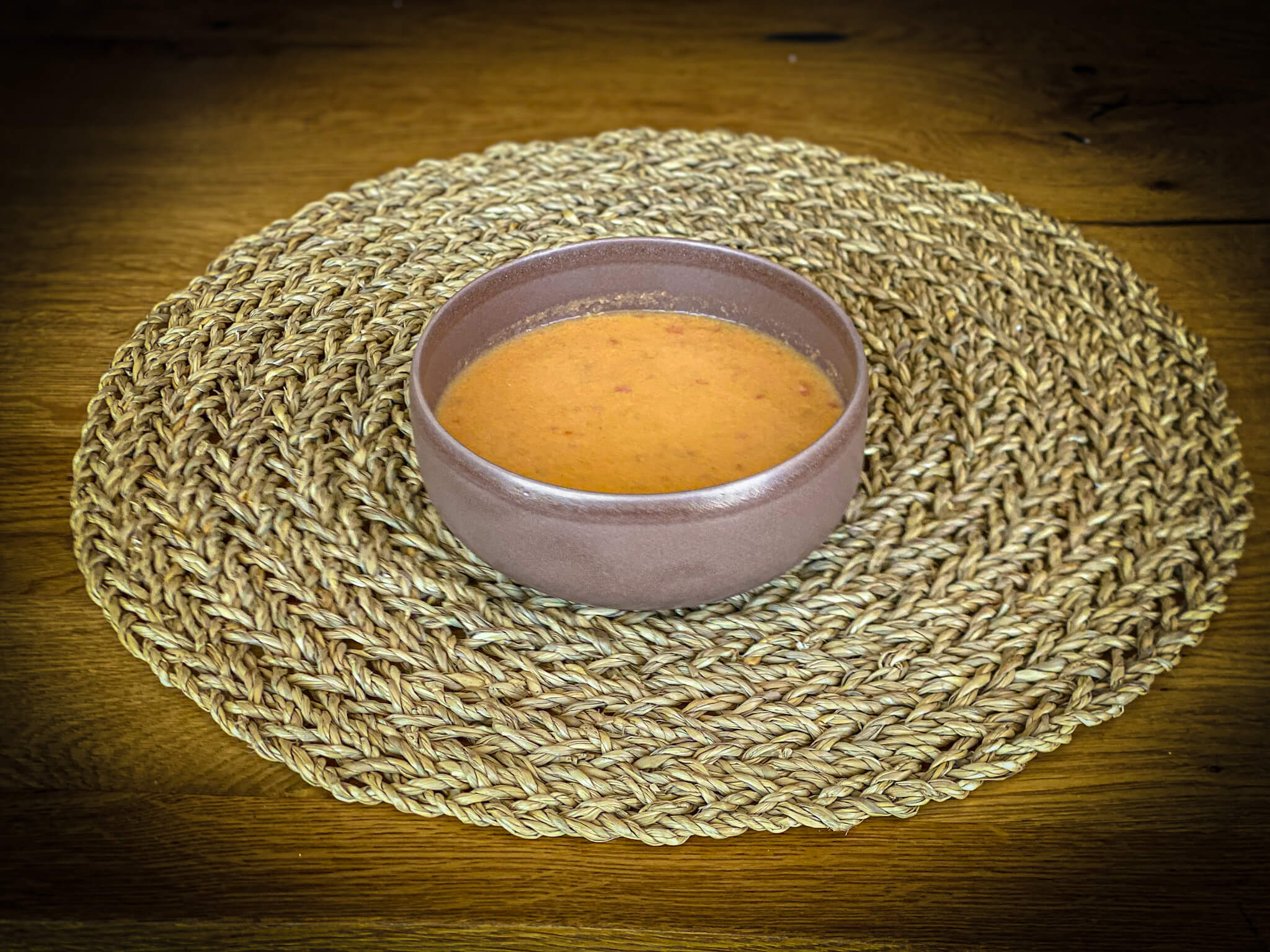
Gazpacho is a refreshing cold soup that originates from Andalusia, which is why it’s often called gazpacho andaluz. What began as a humble local dish has become a beloved staple across Spain, especially during the hot summer months.
Whether served as an appetizer, a light meal, or even enjoyed as a cooling drink, it’s the perfect way to stay refreshed and satisfied in the heat. You can find our gazpacho recipe in this post.
4. Salmorejo
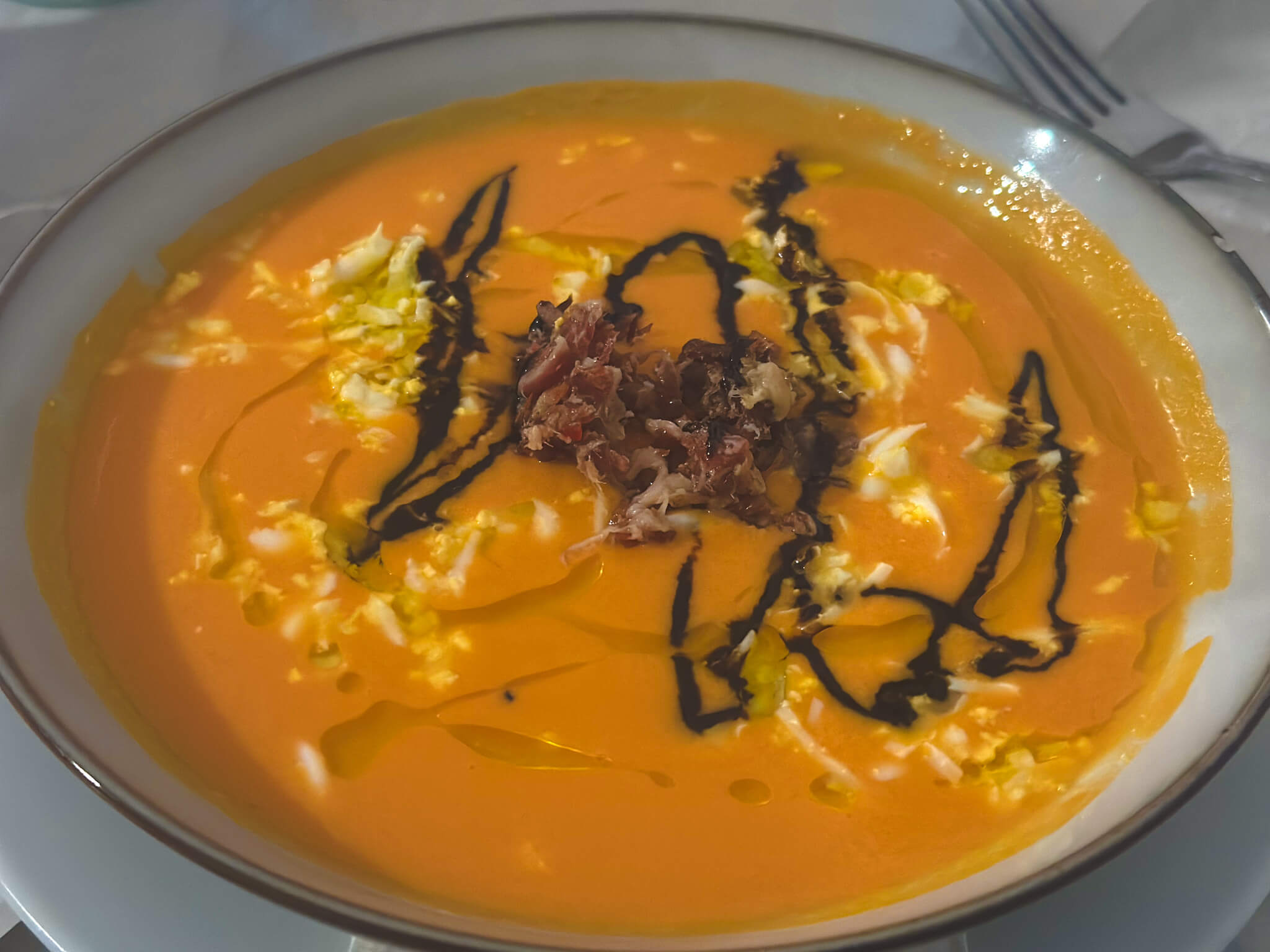
Salmorejo is a refreshing cold tomato soup that originates from Córdoba in Andalusia, often called salmorejo cordobés. Today, you can enjoy it in nearly every Andalusian city, from Seville to Cádiz, and even beyond.
While similar to gazpacho, salmorejo is thicker and creamier, and it’s traditionally served topped with chopped hard-boiled egg and diced jamón (ham). In our family, Carlos loves gazpacho, while I lean slightly toward salmorejo – probably because I’ve had it less often, and gazpacho is more widely known and enjoyed across Spain.
5. Jamón
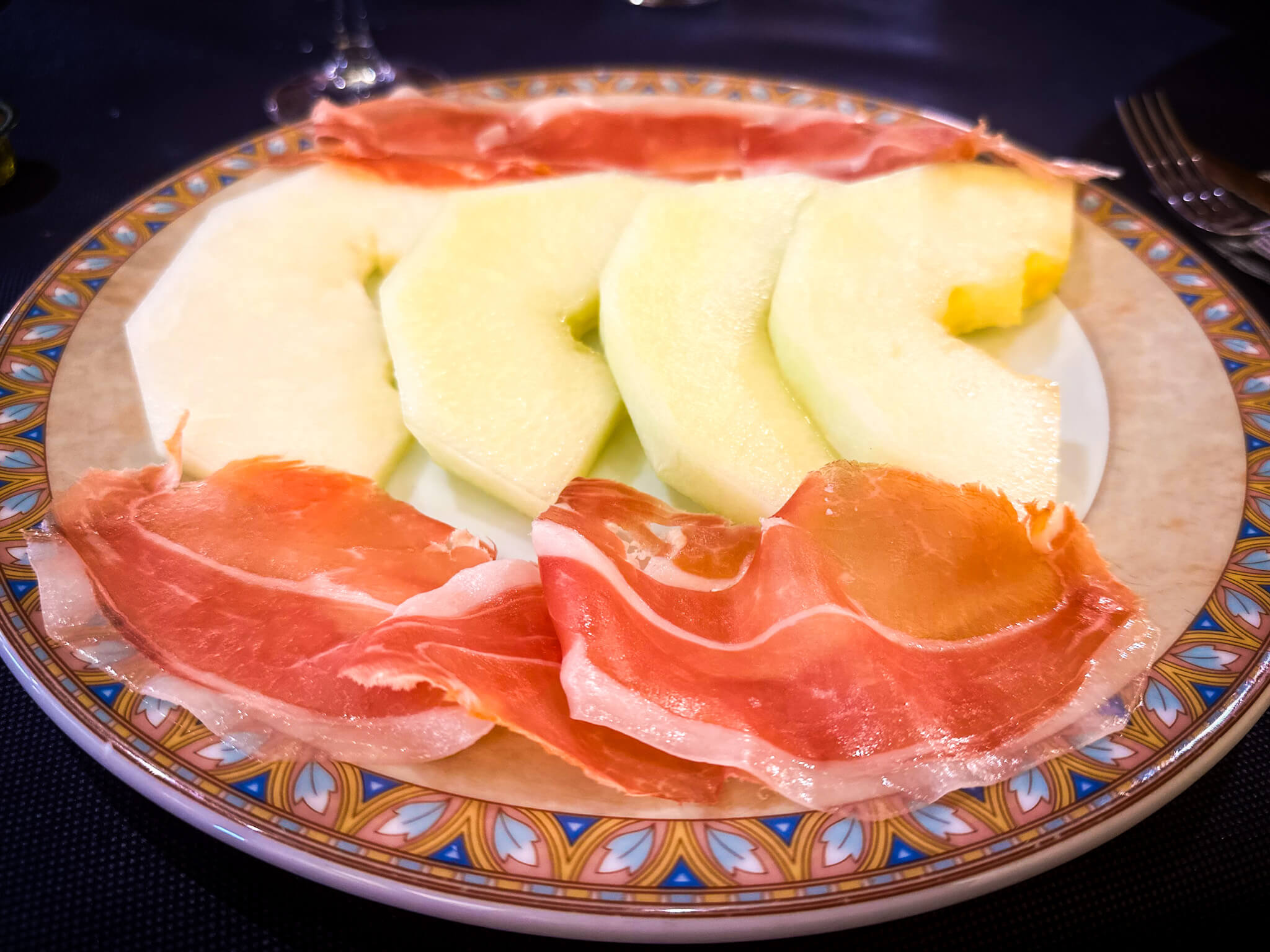
Jamón Ibérico or Iberian ham is a dry-cured ham produced in Spain and is one of the most iconic ingredients in Spanish cuisine, as well as a popular food souvenir. It’s important to note the difference between Jamón Serrano and Jamón Ibérico. Although they may look similar, they differ greatly in quality, flavor, texture, color, and price. Jamón Serrano is made from so-called “white pigs” (such as Duroc), while Jamón Ibérico comes from the black Iberian pig, which roams freely and feeds mainly on acorns (bellotas in Spanish).
Almost every restaurant in Spain offers a plate of jamón as a starter, but it’s also a staple ingredient in many classic dishes, such as huevos rotos con jamón or artichokes with ham.
In the photo below, you can see jamón con melón, another beloved traditional pairing in Spain. I love it for how the savory jamón complements the refreshing sweetness of watermelon.
6. Croquetas
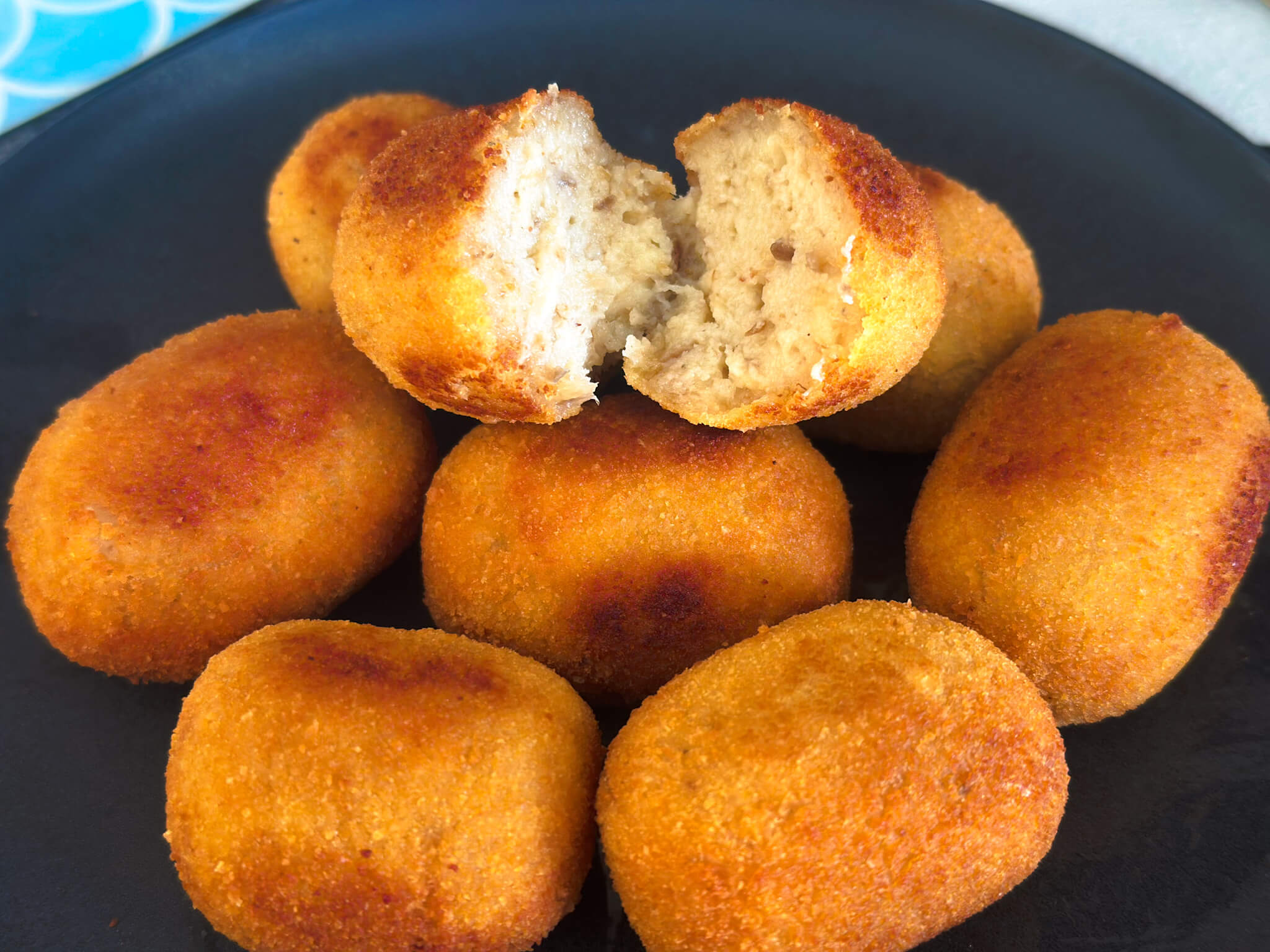
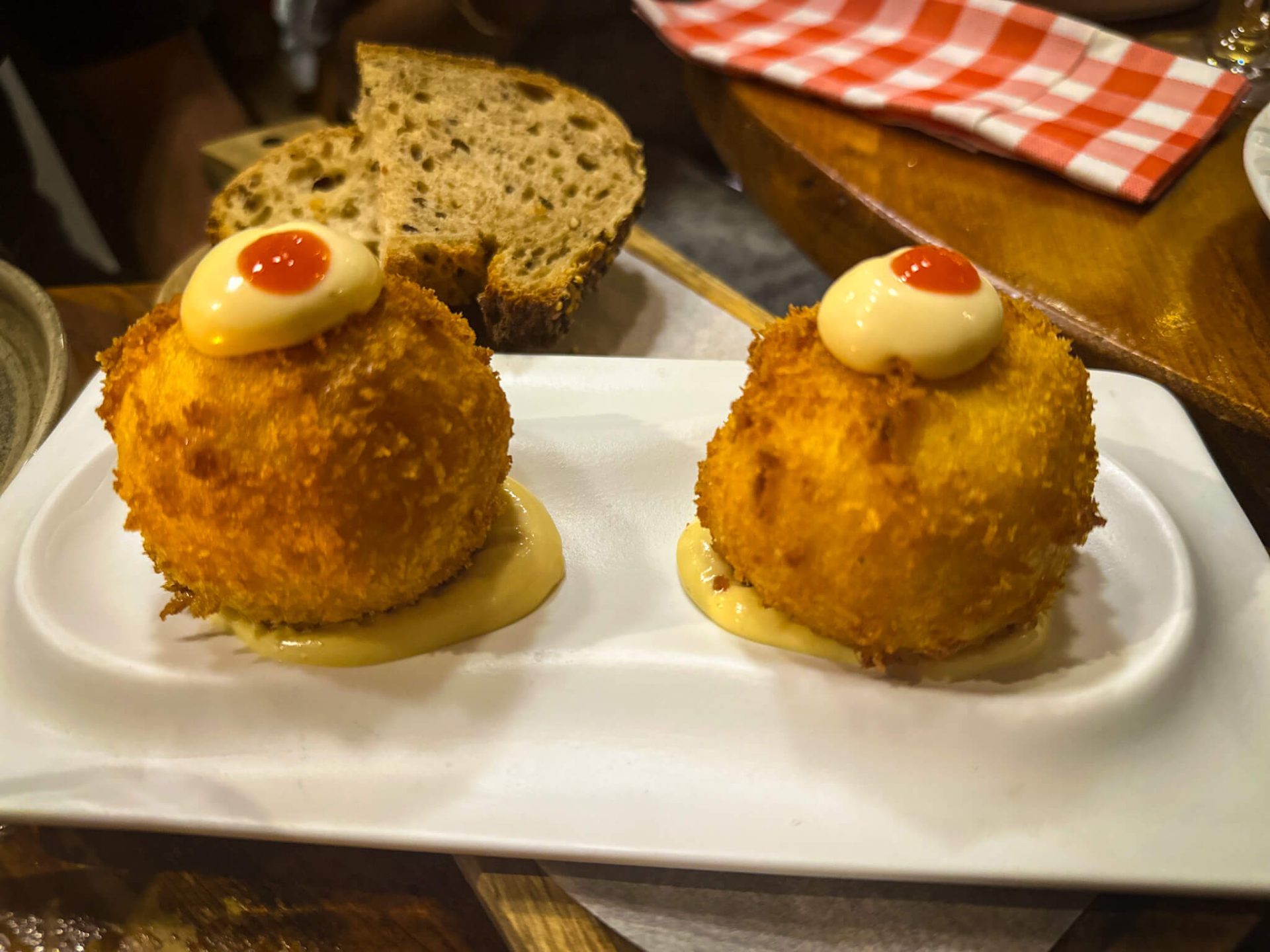
One Spanish dish you’ll almost always find at any restaurant or tapas bar is croquetas, or croquettes. These small, golden bites are among the most beloved tapas in Spain and have become a true staple of Spanish cuisine.
Shaped like small ovals, croquetas are made with a rich béchamel sauce – a creamy mixture of flour, milk, and butter – combined with a flavorful filling. This could be anything from Spanish ham or chorizo to bacalao (salted cod), cheese, or seafood. The croquettes are then deep-fried until perfectly golden and crispy on the outside, while remaining smooth and creamy inside.
The most popular variety you’ll see on menus is croquetas de jamón, or ham croquettes – a true classic that’s hard to resist, and one I learned to make during a cooking class in Madrid.
7. Churros con Chocolate
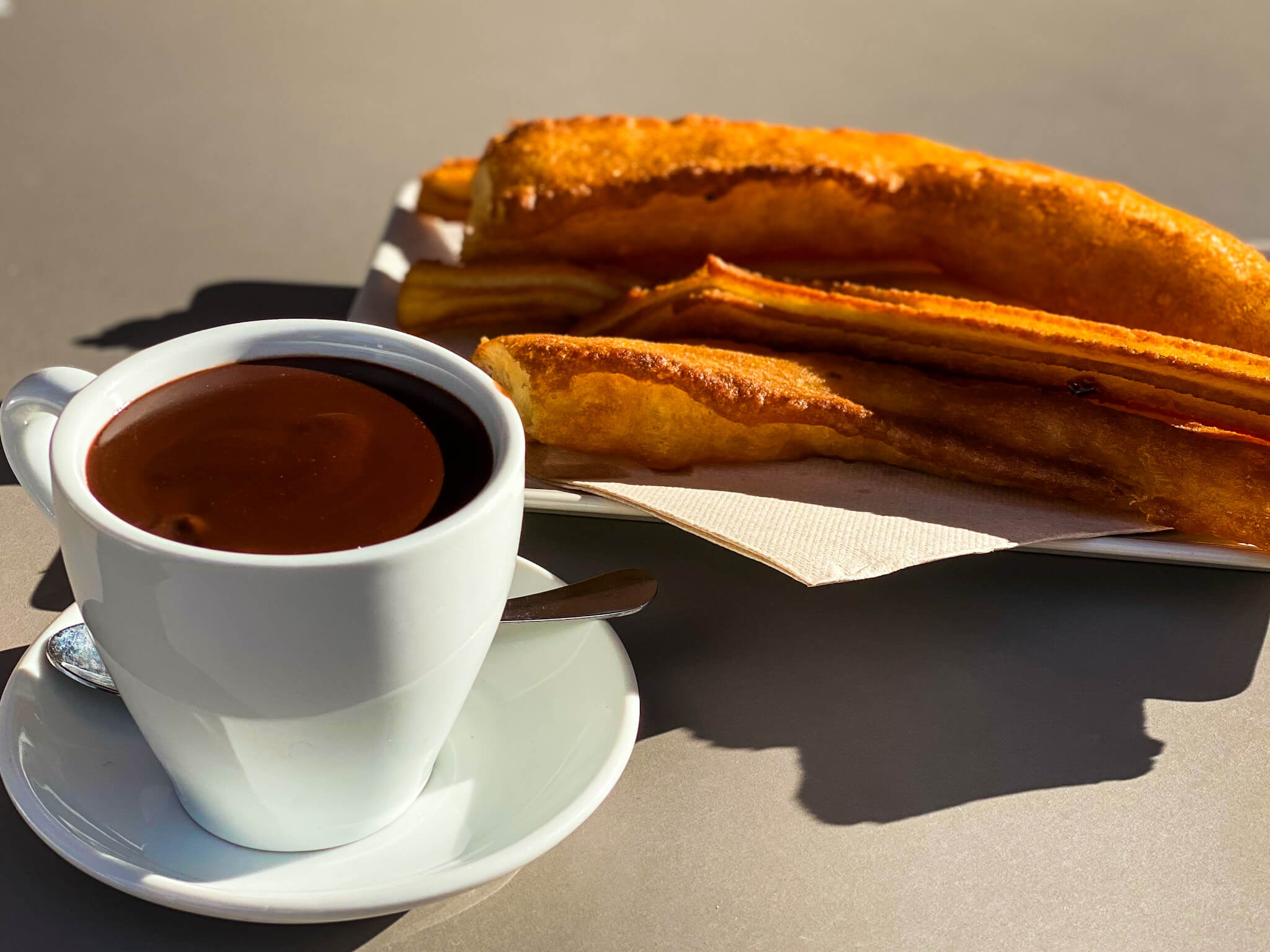
Churros are adored worldwide and are undeniably one of Spain’s most iconic pastries. Often enjoyed as a tasty street treat, they are a must-try on any Madrid itinerary, with San Ginés standing out as one of the busiest and most popular spots to sample this classic sweet.
8. Pulpo a la Gallega
Pulpo a la Gallega is one of the most popular dishes from northern Spain.This delicious recipe highlights octopus as the star ingredient and is loved throughout the country. Beyond Pulpo a la Gallega, there are many other tasty ways to prepare octopus in Spain, including Pilgrim’s Pulpo con Patatas. You can check out our recipe here.

9. Pisto Manchego
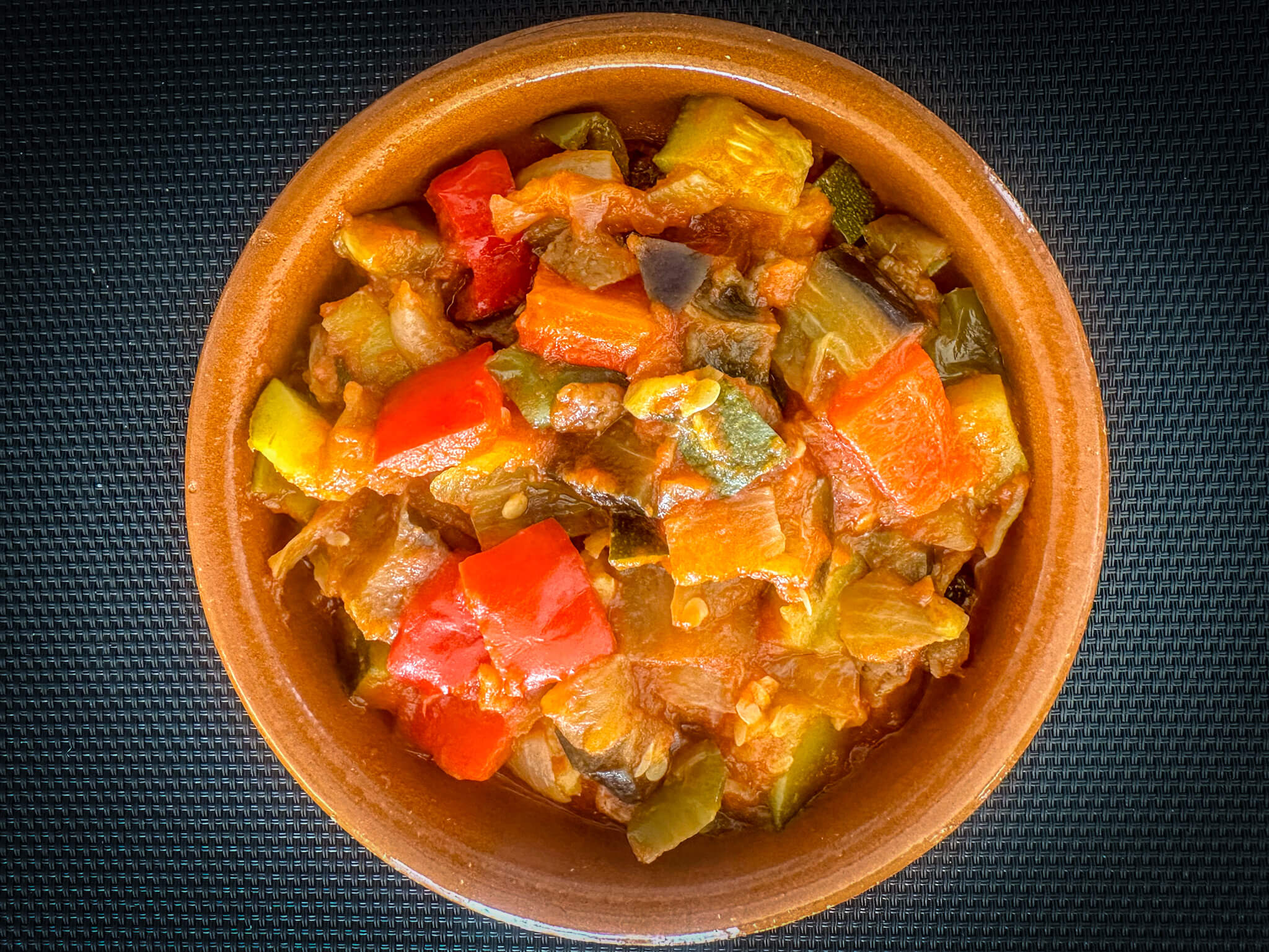
Pisto Manchego is a famous Spanish dish from the La Mancha region in central Spain. Its origins lie in the simple, rustic meals of peasants, who made do with whatever fresh vegetables were available.
Today, you can enjoy pisto in many ways across Spain – as a starter, a light main, served on toast, or as a flavorful vegetable side dish. You can find our Pisto Manchego recipe here.
10. Patatas Bravas
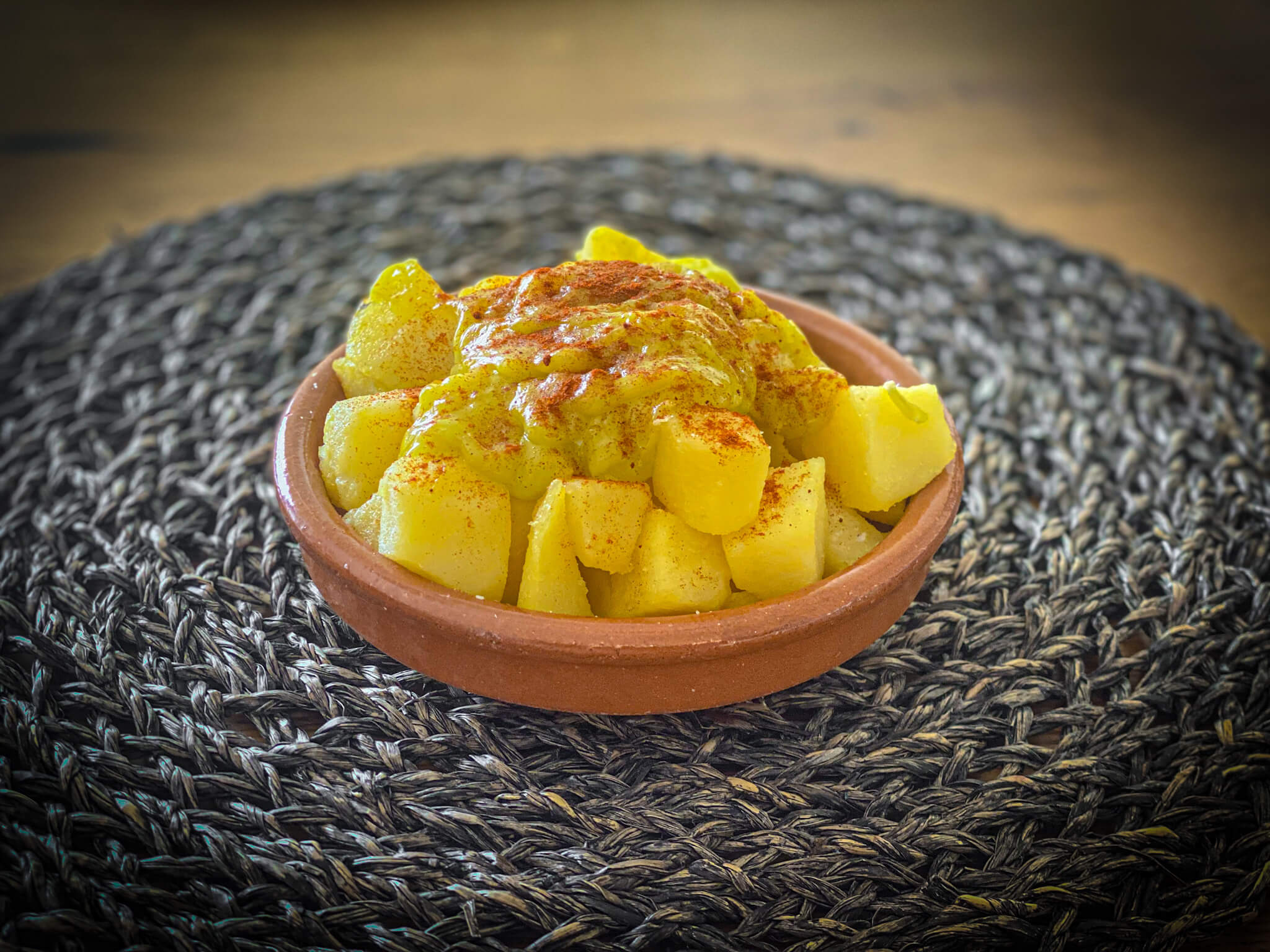
Patatas Bravas is a classic Spanish tapa found in almost every bar and restaurant across Spain. Originating in Madrid, this dish has been a national favorite since the 1960s. Traditionally, the potatoes are cut into irregular, bite-sized cubes and fried in olive oil until golden and crispy.
Patatas Bravas are typically served with two sauces: the fiery salsa brava and a smooth, garlicky aioli (a garlic-infused mayonnaise). You can check out our recipe here.

11. Cocido Madrileño
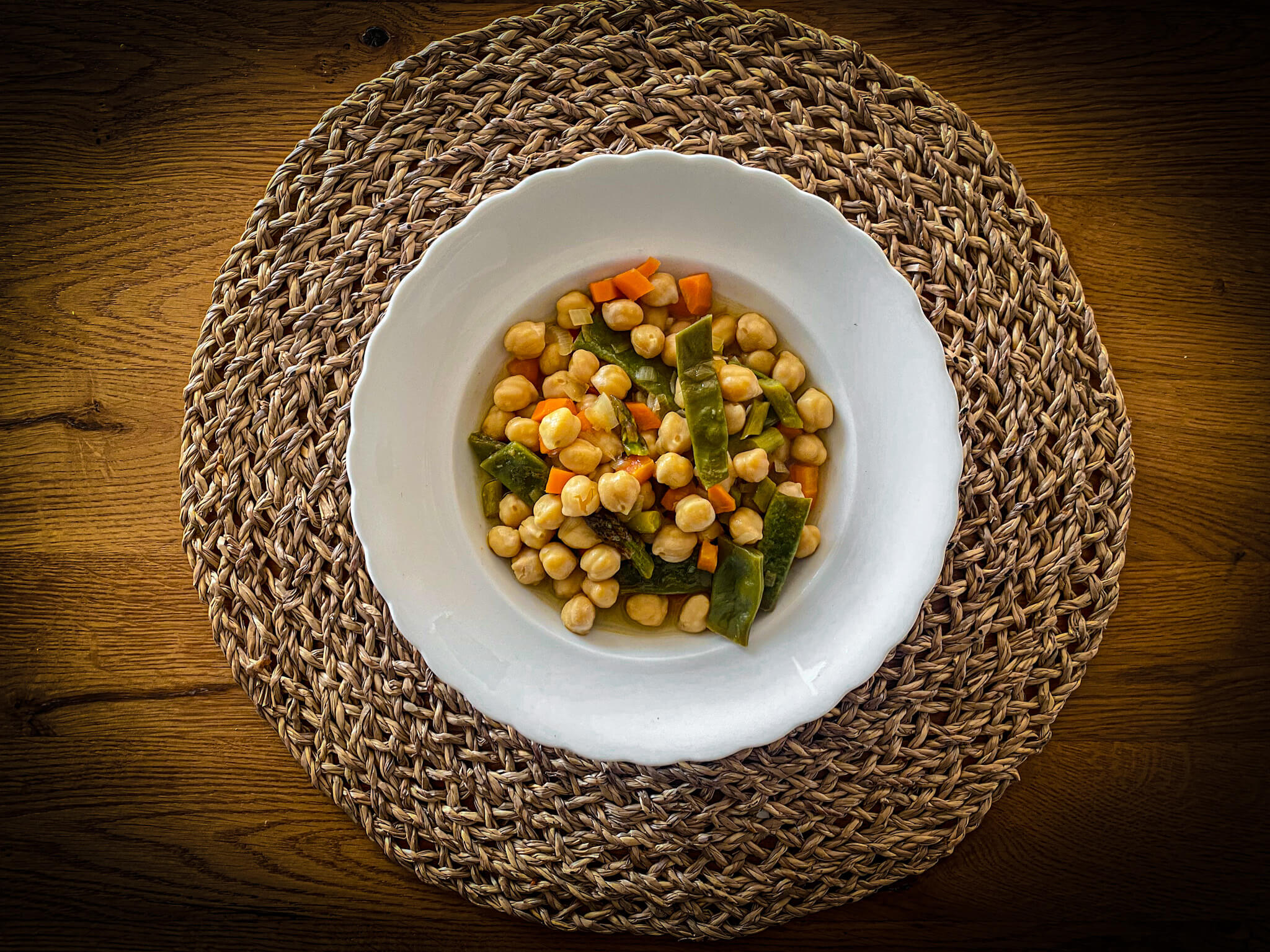
Cocido Madrileño is one of the most iconic dishes to try when visiting Madrid. Although it’s traditionally enjoyed in winter, many locals prepare it throughout the year on chilly days. At its heart, this comforting stew combines chickpeas, hearty vegetables, and tender cuts of meat into a rich, flavorful meal.
While Cocido Madrileño is perhaps the most famous Spanish dish featuring chickpeas, there are plenty of other traditional recipes across Spain that showcase this wholesome ingredient – from hearty vegetarian chickpea stews and Manchego roasted pepper salads to refreshing cabbage and chickpea salads, and even the rustic Olla Gitana.

12. Fabada Asturiana
Fabada Asturiana is a hearty, comforting bean stew that originates from the Asturias region in northern Spain. In our family, we love preparing it as the colder seasons of fall and winter set in. This traditional dish is made with large white beans known as fabes, which are slowly simmered with rich, flavorful ingredients such as chorizo, morcilla (blood sausage), and tender pieces of pork or bacon. It’s one of the most beloved examples of Spanish comfort food.
You can check out the recipe we use to make Fabada at home here. There’s also another favorite among locals in Asturias called Pote Asturiano (here’s the recipe) – equally delicious, though a bit lesser known.

13. Empanadas Gallegas
Empanadas Gallegas are a beloved traditional dish from the Galicia region in northern Spain, an area renowned for its rich culinary heritage and El Camino de Santiago. These savory pastries feature a flaky, golden crust filled with a variety of delicious ingredients – the most popular being a mixture of tuna, bell peppers, onions, and hard-boiled eggs.
You can easily find frozen Empanadas Gallegas in most Spanish supermarkets and simply deep-fry them at home. But for those who prefer the homemade touch, we’ll be sharing our own Empanada Gallega recipe on the Viva Spanish Kitchen blog very soon!
14. Pan con Tomate
While Pan con Tomate (“bread with tomato”) is considered a staple of Catalan cuisine, it’s affectionately known as pa amb tomàquet or pan tumaca. In fact, it has become one of the most typical Spanish breakfast dishes enjoyed across the entire country.
Although churros con chocolate may sound like the perfect morning treat, most Spaniards actually prefer lighter breakfasts – except in Valencia, where the almuerzo tradition calls for a heartier mid-morning meal. So, if you want to have breakfast like a true Spaniard, head to a local bar and order toasted bread with tomato. Depending on the place, you might also be offered toppings like jamón, cheese, or a touch of garlic rubbed on the toast. Still, the classic grated tomato version is the one you’ll find everywhere.
In some parts of Spain, pan tumaca is also served as a small starter before lunch, often accompanied by a bit of alioli. While it’s a delicious way to begin a meal, I try to avoid it when traveling in Spain with my kids – they absolutely love bread with both tomato and alioli, and by the time the main dishes arrive, they’re already full!

15. Calamares a la Romana
Calamares a la Romana are rispy fried calamari rings, often served with a wedge of lemon and a cold beer – another of Spain’s most famous tapas.
There are also other traditional calamari dishes that locals love, such as Calamares Encebollados (calamari with onions) and Calamares a la Andaluza (Andalusian-style fried calamari). I should also admit that calamari is one of those dishes our family sometimes enjoys with sauces.

16. Chorizo Dishes
Chorizo is a beloved Spanish sausage made from pork and seasoned with smoked paprika (pimentón), which gives it its signature smoky flavor and vibrant red color. You’ll often find it adding depth to stews and soups – and it’s also fantastic when cooked in red wine or cider.
While chorizo is delicious on its own, in our Spanish family we especially love the hearty, spicy touch it brings to some traditional Spanish dishes. Our current favorites are chorizo lentil soup and chorizo macaroni. And for family gatherings, our spicy “devil chorizos” recipe is always a hit!

17. Rabo de Toro
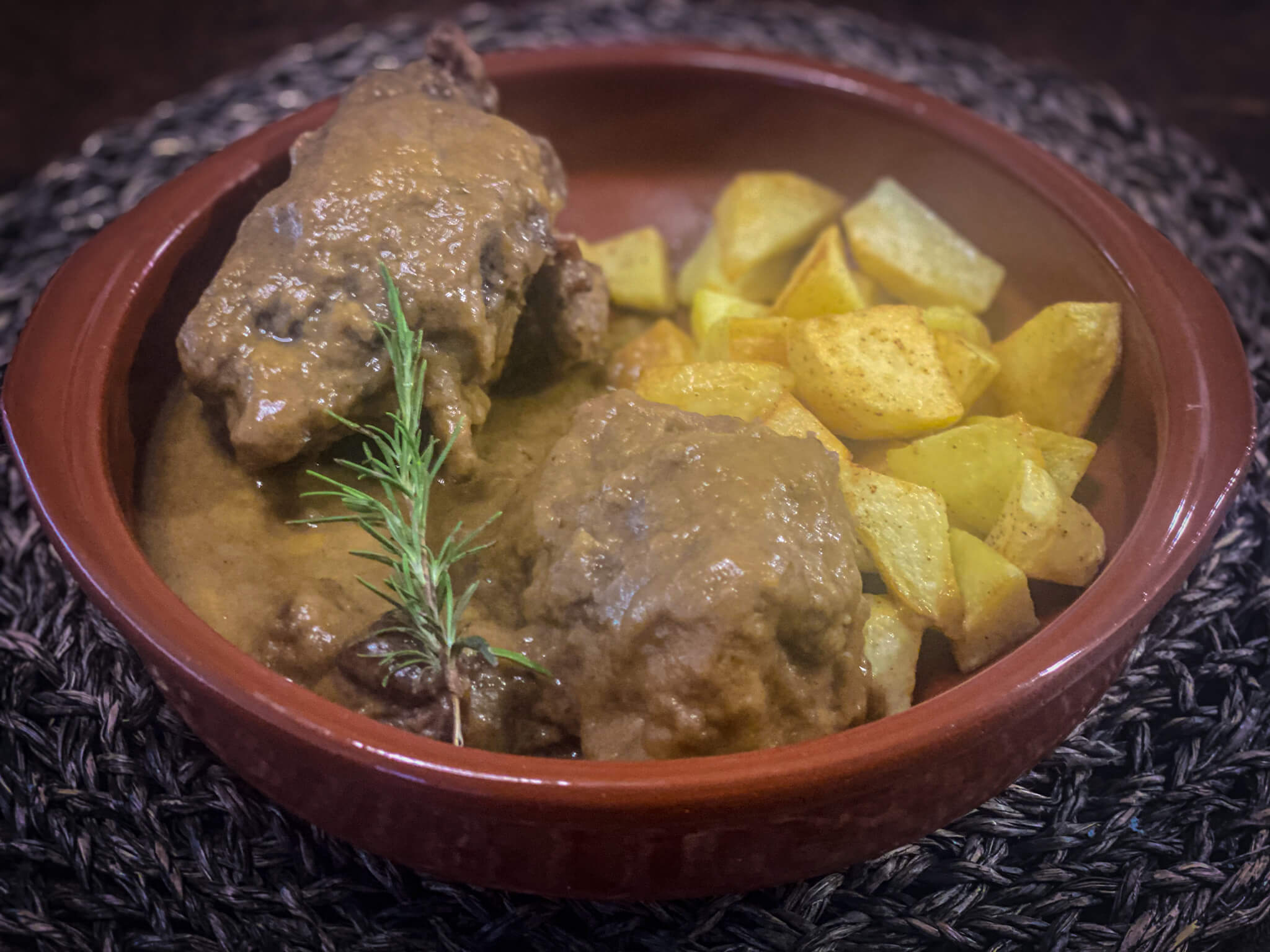
Rabo de Toro is a flavorful oxtail stew, slow-cooked in a rich sauce of wine, vegetables, and aromatic spices. It’s one of Spain’s most popular fall dishes, considered a true delicacy and often found in traditional Spanish restaurants. Our detailed recipe is available in this post.
18. Boquerones
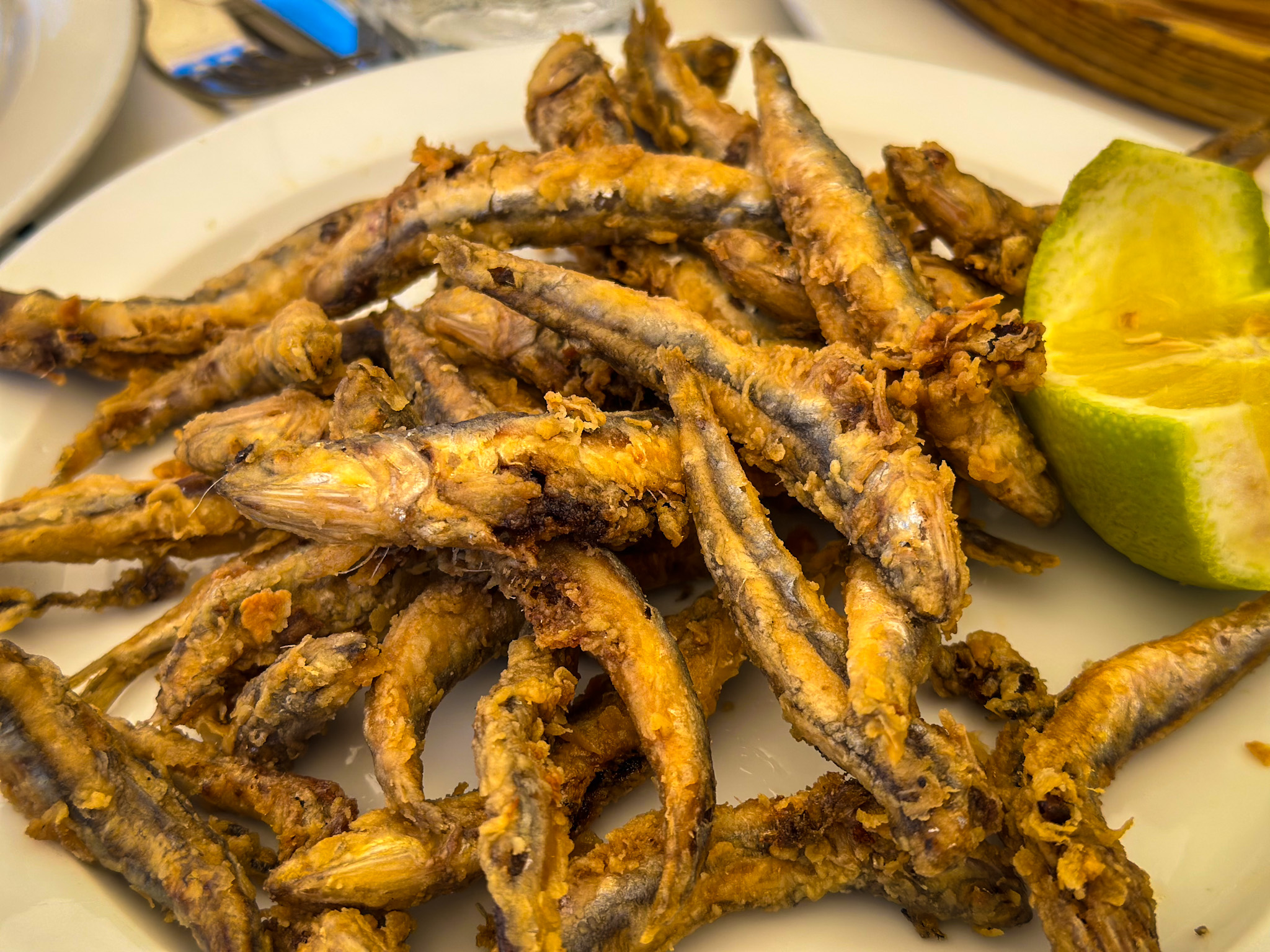
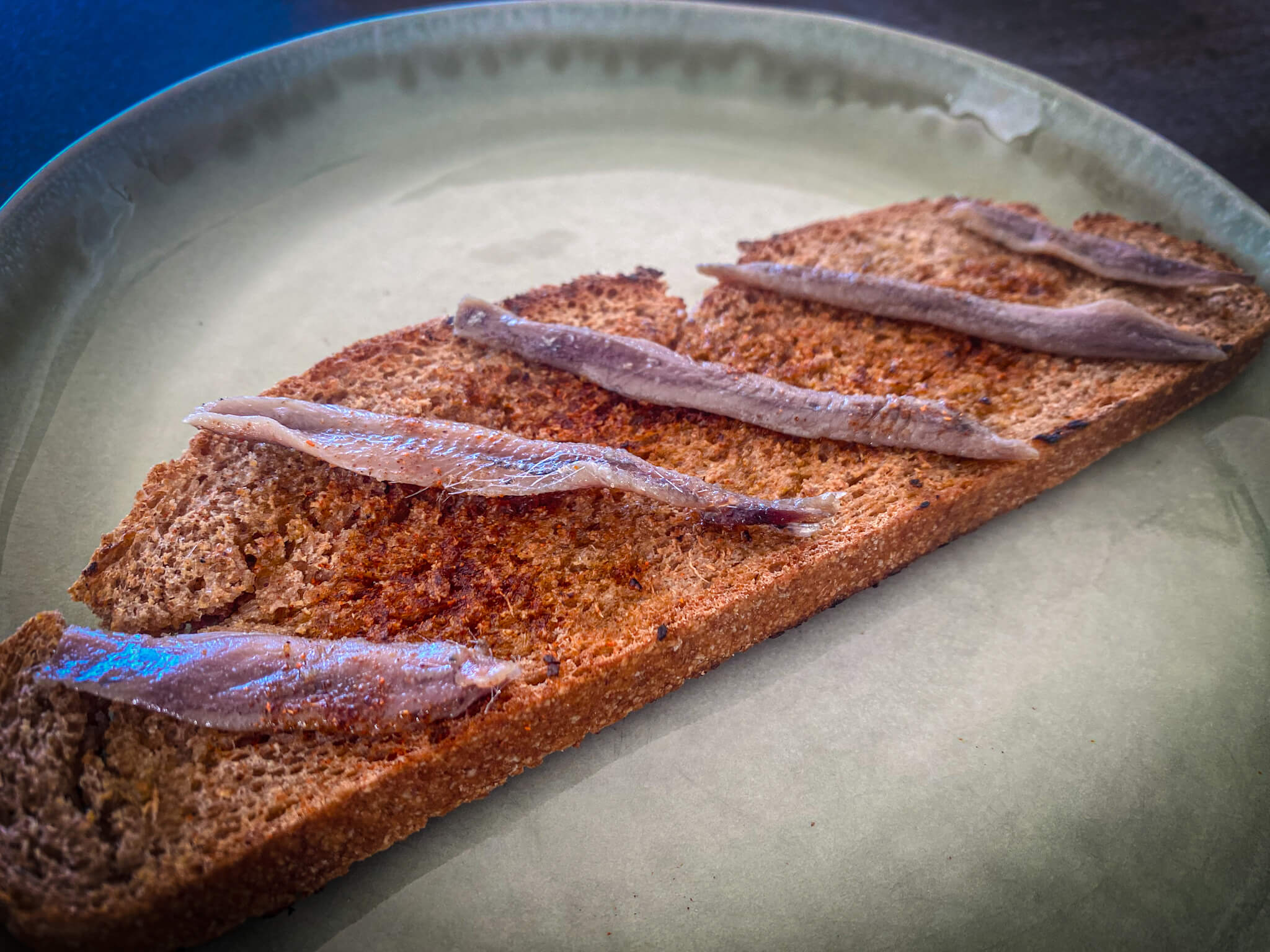
Boquerones are fresh anchovies, a delightful treat found throughout Spain, whether served as tapas or on a seafood platter. There are two popular ways to enjoy them: lightly battered and fried as boquerones fritos, or marinated in a tangy mix of vinegar, olive oil, garlic, and parsley, known as boquerones en vinagre.
In our Spanish family, Carlos loves boquerones en vinagre, while I prefer boquerones fritos (fried anchovies) or torrada de anchoa (anchovies served on grilled toast) and anchovy & eggplant toast.
19. Huevos Rotos
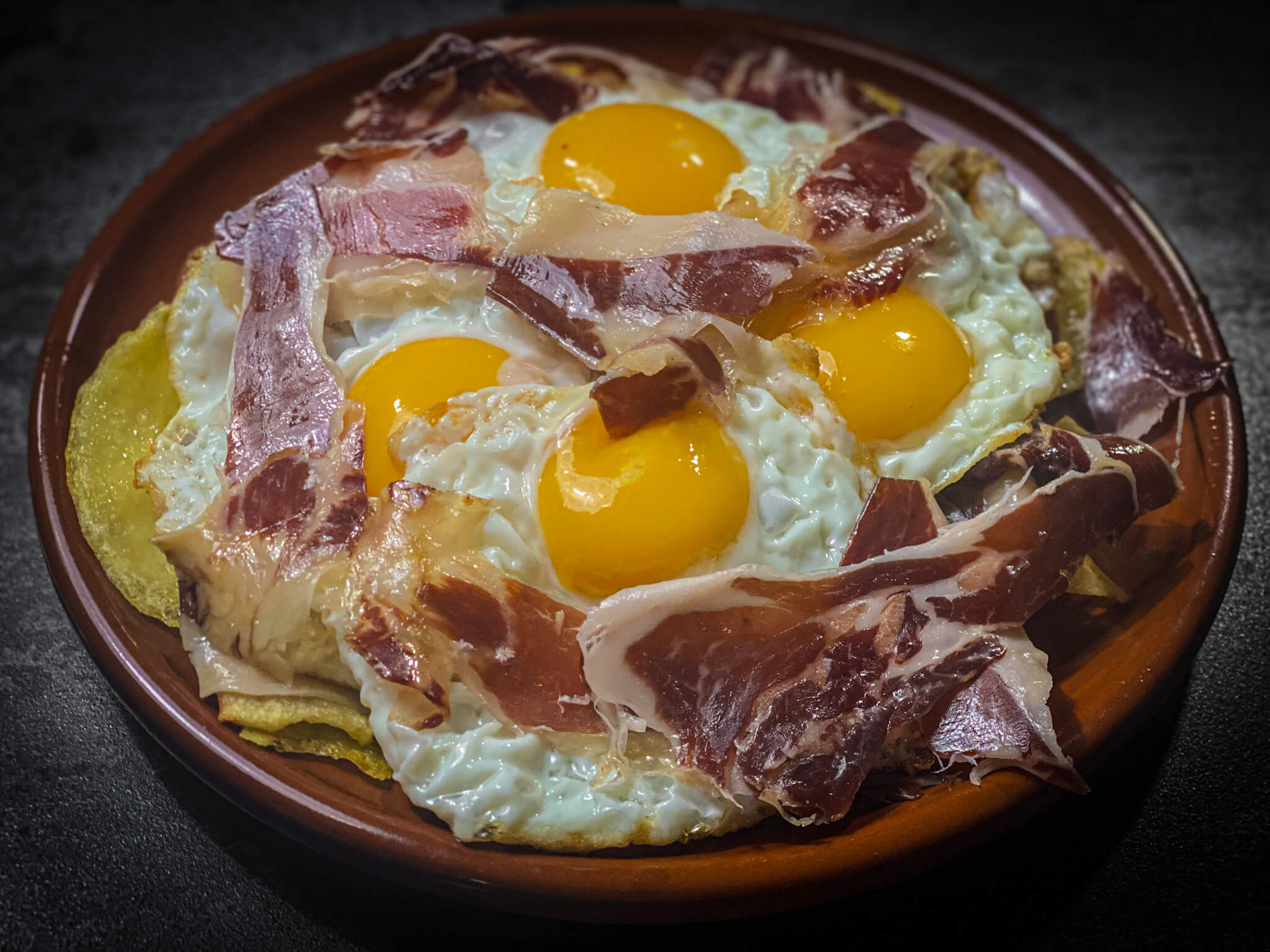
Huevos Rotos is one of my all-time favorite traditional Spanish dishes. Literally meaning “broken eggs,” it consists of fried eggs served over crispy fried potatoes, often accompanied by ham or chorizo. The yolks are broken and mixed with the other ingredients, creating a rich, comforting, and savory meal. You can find the recipe here.

20. Fideuà
Fideuà is a traditional Spanish dish originating from the coastal town of Gandia, near Valencia. Similar to the famous paella, it swaps rice for small, thin wheat noodles, which take center stage in this flavorful dish. The name “fideuà” comes from the Valencian word for noodles, fideos. You can find our Fideuà recipe here.

21. Gambas al Ajillo
You can hardly visit any corner of Spain without finding seafood on the menu, and Gambas al Ajillo is one of the most popular dishes across the country. This beloved tapa features shrimp sautéed in fragrant olive oil with plenty of garlic (ajillo), often garnished with a sprinkle of sweet paprika for an extra kick. Typically served in a charming clay dish, you can find the detailed recipe for Gambas al Ajillo in this post.

22. Albondigas
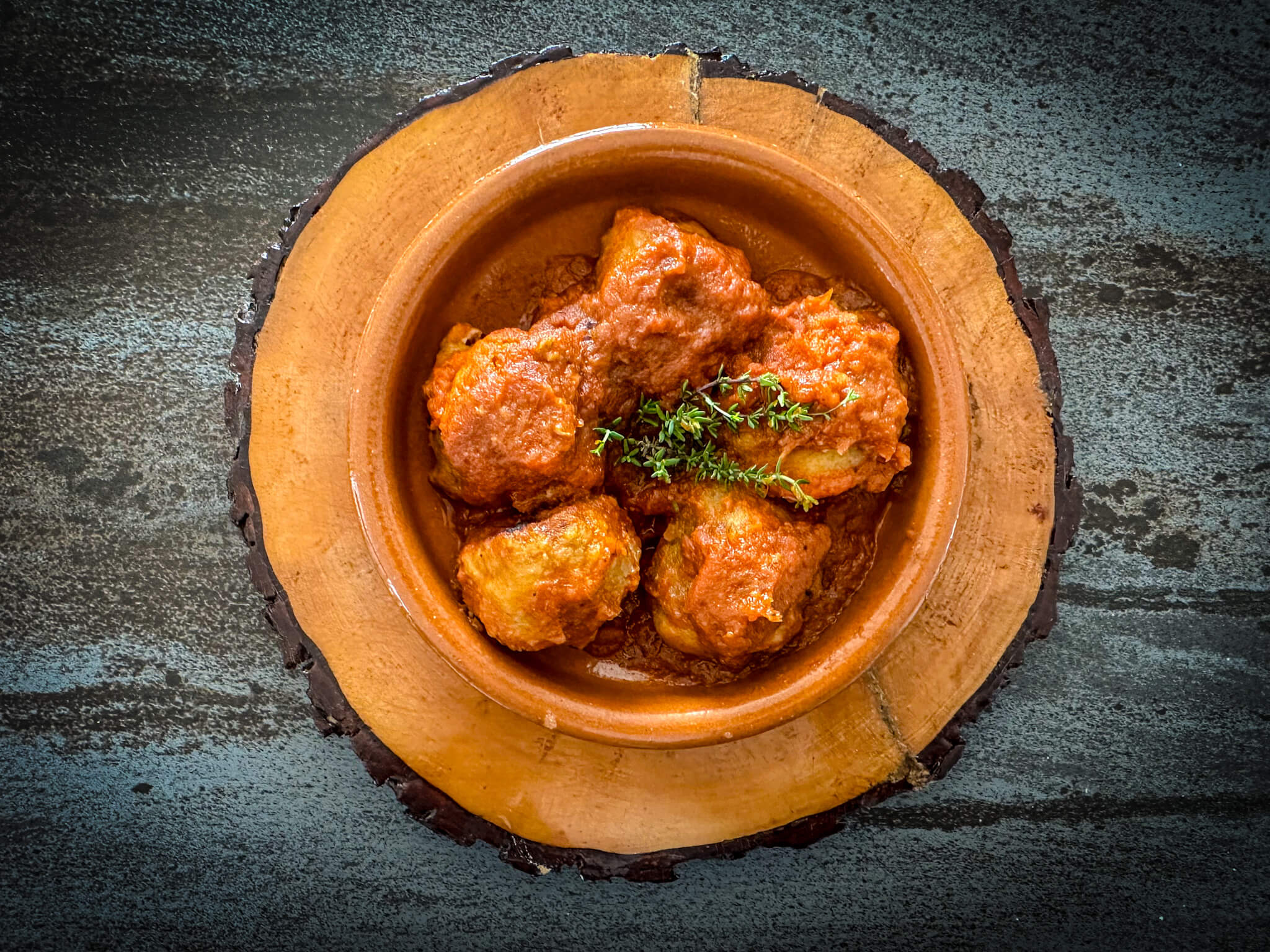
When it comes to classic Spanish cuisine, albondigas, or Spanish meatballs, hold a special place -especially since even kids love them, making them a win-win for a healthy yet hearty meal. This delicious dish is often served as tapa or as a main course, bringing a taste of authentic Spanish homemade cuisine to the table.
The most popular version you’ll find across Spain is albondigas con tomate – Spanish meatballs in a rich tomato sauce. You can try our recipe here.
23. Turrón
Turrón is a beloved Spanish sweet, most commonly enjoyed during Christmas. This nougat is made from honey, sugar, egg whites, and almonds, and can range in texture from soft and chewy to firm and crunchy. Turrón also makes one of the best food souvenirs to bring back from Spain, even though locals primarily enjoy it during the holiday season.
As the festive season approaches, we’ll soon share a detailed post on the best types of Spanish turrón.

25. Cheese in Spain
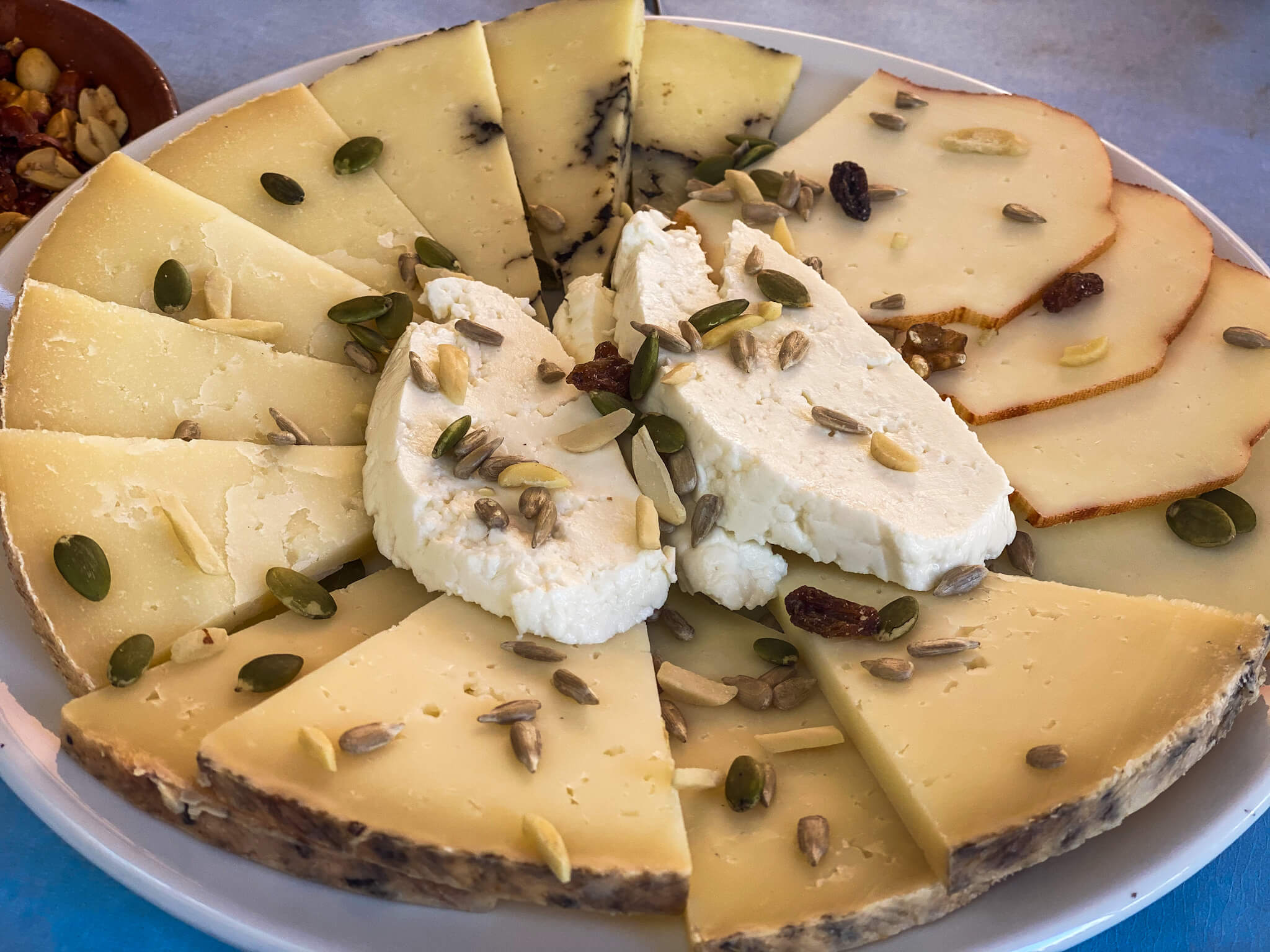
While Spanish cheese may not be as internationally famous as French cheese, it is truly underrated, offering a rich variety of flavors and textures. Queso Manchego is perhaps the most well-known among travelers and is almost always available on a cheese plate in Spanish restaurants.
Depending on the region, however, you may also find local cheeses, which provide a wonderful way to explore Spain’s culinary diversity. Popular varieties include Queso de Cabrales from Asturias, Queso de Tetilla from Galicia, Idiazábal from the Basque Country, Mahón from Menorca, and Torta del Casar from Extremadura, each reflecting the unique traditions and landscapes of their region.
You can find a detailed guide to the best cheeses in Spain in this post.
26. Pimientos de Padrón
Pimientos de Padrón, or Padrón peppers, come from the charming town of Padrón in Galicia. These small green peppers, typically 2-4 inches long (5–10 cm), have a distinctive, slightly bulbous shape. While they originate from the north, Padrón peppers are now a beloved staple on menus across Spain, especially as a classic tapas dish.
Most peppers are mild, sweet, and subtly grassy – making them one of the gentlest peppers you can enjoy. But occasionally, you’ll bite into a fiery one! This unpredictability inspired the famous Spanish saying: “Unos pican y otros no” – “some are spicy, and some are not.” It’s this playful element of surprise that makes sharing a plate of Pimientos de Padrón so much fun. You can find our recipe here.

27. Cochinillo Asado
Roasted suckling pig, or cochinillo asado, is a dish with origins dating back to Roman times. While it’s a cherished delicacy, it’s not found everywhere in Spain – its fame is especially rooted in regions like Segovia, a popular day trip destination from Madrid. The traditional preparation involves slow-roasting the pig in a clay oven, resulting in meat so tender it practically melts off the bone. It’s a popular dish that we don’t often make at home as a Spanish family, but one we always enjoy ordering for special family dinners at restaurants.
28. Basque-style cod
Bacalao a la Vizcaína, or Basque-style cod, is a beloved dish that captures the essence of the Basque Country in northern Spain. If you’re ever exploring the Basque region, particularly in vibrant cities like Bilbao or San Sebastián, make sure to try cod dishes. You’ll also find inventive variations of cod, like the pistachio sauce cod pintxo I had in San Sebastián – a delicious twist on the traditional.
Salted cod has deep roots in Spanish and Portuguese cuisine, so you’ll come across it all over Spain. Here in Valencia, for instance, we have a dish called Esgarraet (here’s the recipe), while another incredibly popular cod dish in Spain is Bacalao al Pil Pil.

29. Calcots
Calçots are a special variety of green onion, resembling miniature leeks, but with a uniquely mild and sweet flavor that makes them stand out. Native to Catalunya, these flavorful bulbs are a proud symbol of the region’s culinary tradition. Their season runs from November to April.
Once grilled to perfection, the charred outer skins are peeled away to reveal the tender, sweet onion inside. They’re typically enjoyed by dipping them in a rich romesco sauce made from roasted tomatoes, red peppers, and nuts. While calçots are beloved across Spain, they’re especially popular in Catalunya (where they originate) and the neighboring Valencian Community.

30. Cachopo
Cachopo is a beloved dish from the northern region of Asturias in Spain, celebrated for its rich, hearty flavors. This indulgent treat features two large pieces of beef fillet, stuffed with a savory combination of cured ham and melted cheese – often a local Asturian variety like Cabrales or Afuega’l Pitu.
Once assembled, the cachopo is breaded and deep-fried to a golden, crispy perfection, offering a satisfying contrast between the crunchy exterior and the juicy, flavorful filling. It’s one of my favorite Spanish comfort foods – absolutely delicious! Our own cachopo recipe will be up on the blog soon.

31. Flan
Flan is one of Spain’s most iconic desserts, renowned for its rich caramel custard and velvety, creamy texture. Made with just a few simple ingredients – eggs, sugar, and milk – it comes together to create a truly classy Spanish treat.
While the traditional flan is the most common dessert, Spanish restaurants often offer a variety of delicious twists on the traditional recipe, such as chocolate flan or flan with turrón (which happens to be my personal favorite).

32. Torrija
Torrija is one of the simplest yet most delicious desserts in Spain. Often compared to French toast, this sweet treat is made by soaking slices of bread in a mixture of milk, sugar, and cinnamon, then dipping them in beaten eggs and frying until golden brown. The result is a warm, custardy interior with a crispy, golden exterior, typically dusted with cinnamon and sugar or drizzled with honey – or sometimes a rich vanilla sauce. You can find our torrija recipe here.

33. Cabello de Angel
Cabello de ángel is a unique filling made from pumpkin strands simmered with sugar and lemon zest, creating a one-of-a-kind flavor and texture. You can find it in a can in Spain or prepare it yourself. The detailed recipe will be live on the Viva Spanish Kitchen blog soon!
Cabello de ángel is one of the most beloved fillings in traditional Spanish pastries, like Pastissets de Cabello de Ángel, a delightful pastry especially popular in the Valencian region, or as a filling in the Christmas treat Roscón de Reyes.

34. Lentil & Potato stews
One type of traditional Spanish dish I rarely see food bloggers highlight is the humble lentil and potato stew, even though it’s something we, as a Spanish family, eat quite often. My husband’s grandmother, who lived through the tough post-Civil War era in Spain, relied on these simple, hearty stews as the staples of her Spanish kitchen.
While dishes with lentils and potatoes aren’t as internationally famous as patatas bravas or paella, and aren’t typically what most travelers seek out when visiting Spain, they’re the comforting, everyday meals we genuinely love – especially during the colder fall and winter months. Some of our family favorites include pork rib stew with potatoes, cuttlefish & potato stew, and mushroom potato stew.
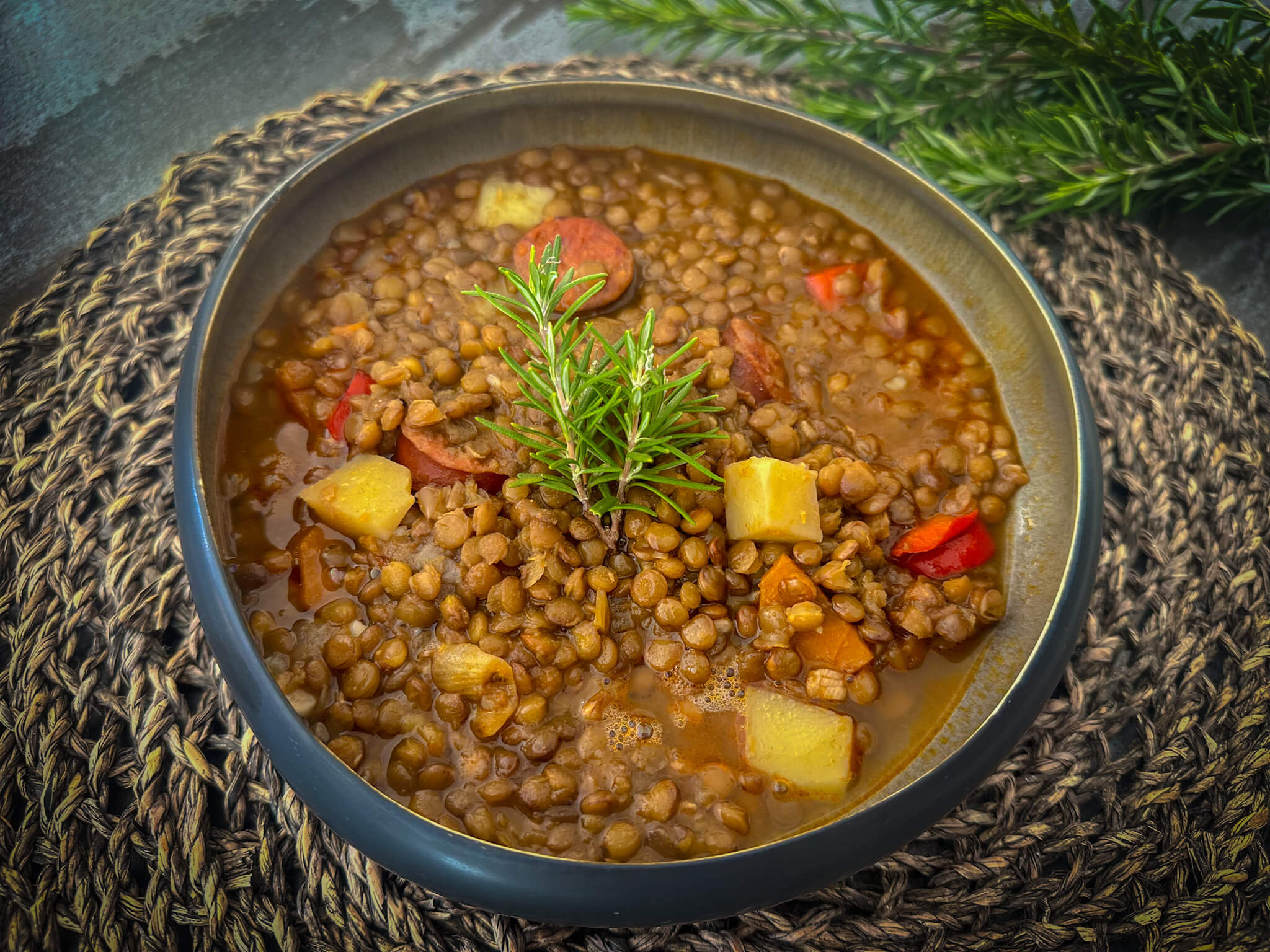
When it comes to lentils, two standout dishes are chorizo lentil soup and lentil stew. Another humble but beloved vegetable dish from Valencia is bullit.
35. Peras al vino
As one of the world’s most iconic wine-producing countries, known for its legendary La Rioja wineries, Spain boasts a rich culinary tradition that often incorporates wine-based sauces, especially in hearty meat stews like carillera al vino. However, one of the most famous traditional recipes is peras al vino – pears cooked in wine, a truly unique Spanish dessert.
In Carlos’ family, this dish was a special treat, often prepared for Christmas or during family gatherings. You can find the recipe in this post.

36. Tarta de Santiago
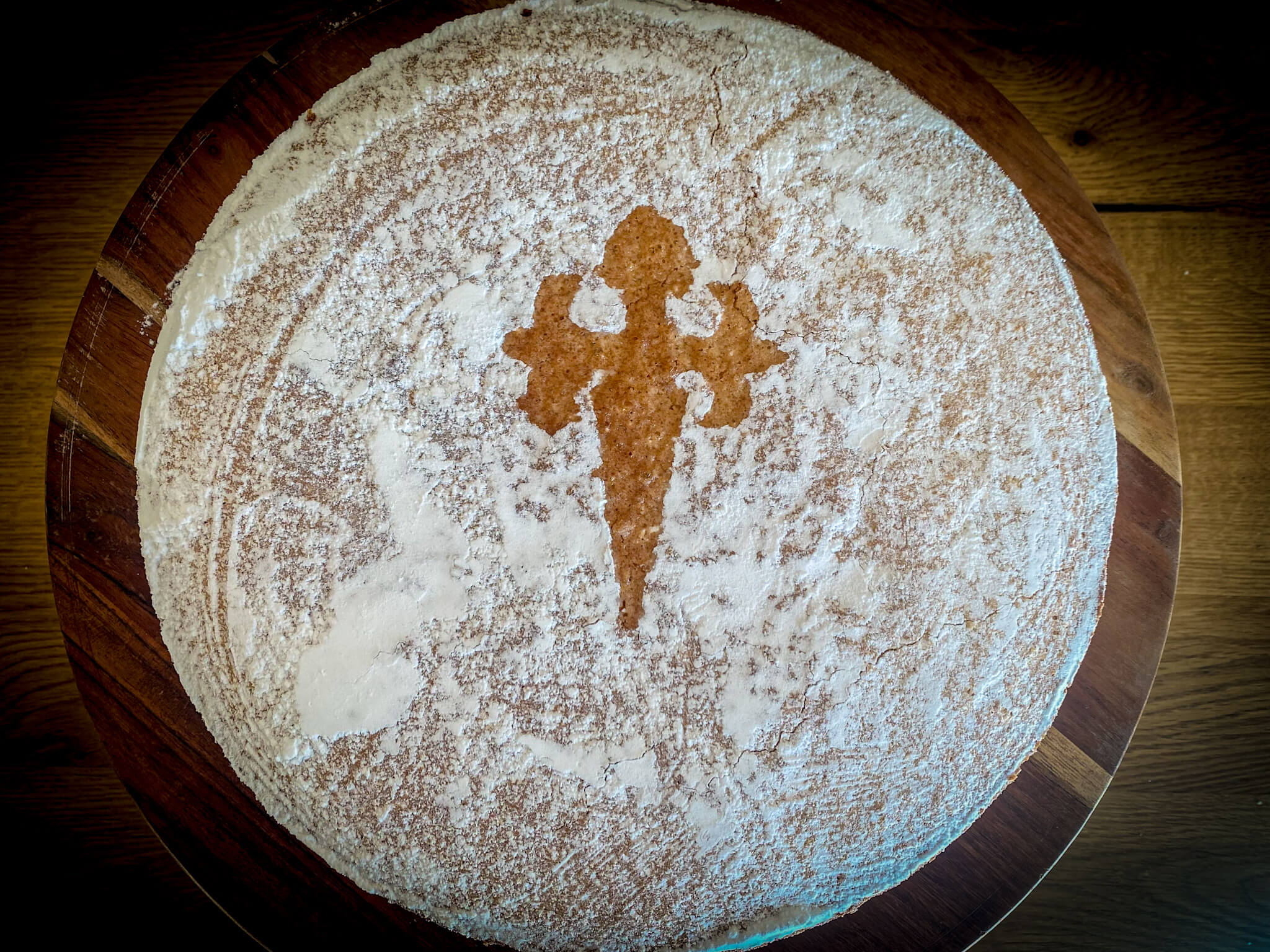
Tarta de Santiago is a traditional Galician almond cake made with simple ingredients like ground almonds, eggs, and sugar. This gluten-free dessert has been a beloved treat in Galicia for centuries, and it’s often adorned with the iconic powdered sugar cross of Saint James, a symbol of Spain’s deep Catholic traditions. While it’s a simple cake, it’s one of my all-time favorite Spanish desserts – and it’s easy to prepare at home. (Here’s our recipe!)
37. Cuajada
Cuajada is a traditional Spanish dessert made from goat or sheep milk curd, making it a great option for those who love healthy foods. Typically served with walnuts and honey, it offers a perfect balance of creamy, herbal, sweet, and nutty flavors. It’s a popular dessert across Spain, loved for its simple yet satisfying taste. You can check out our cuajada recipe here.

39. Sobrasada
Sobrasada is a cured sausage from Mallorca, made with pork and seasoned with paprika, salt, and a blend of spices. Its most distinctive features are its soft, spreadable texture and rich reddish color, which comes from the paprika – an essential ingredient in its making. Unlike other cured meats like chorizo, sobrasada is air-cured, giving it its unique consistency.
Many traditional Spanish recipes feature sobrasada, often spread on toast, like in Cojonudos toasts with sobrasada or Almussafes. It’s also used as a filling, such as in Mallorcan stuffed eggplant with sobrasada.

40. Sepia en Salsa Verde
Sepia en Salsa Verde (cuttlefish in green sauce) is likely one of the easiest and quickest dishes in traditional Spanish cuisine. This flavorful dish can be found in nearly every bar or traditional restaurant across Spain, often served as a tapa or as a main course. You can check out our recipe here!

41. Ensalada mixta
The most well-known salad in Spain is probably Ensalada Mixta, also known as the Spanish Mixed Salad. It’s a simple yet visually appealing dish made with fresh vegetables and tuna, dressed with just salt, olive oil, and vinegar. This wholesome salad is a perfect choice for anyone looking to maintain a balanced and nutritious diet. You can find our recipe here!

42. Illustrated salad
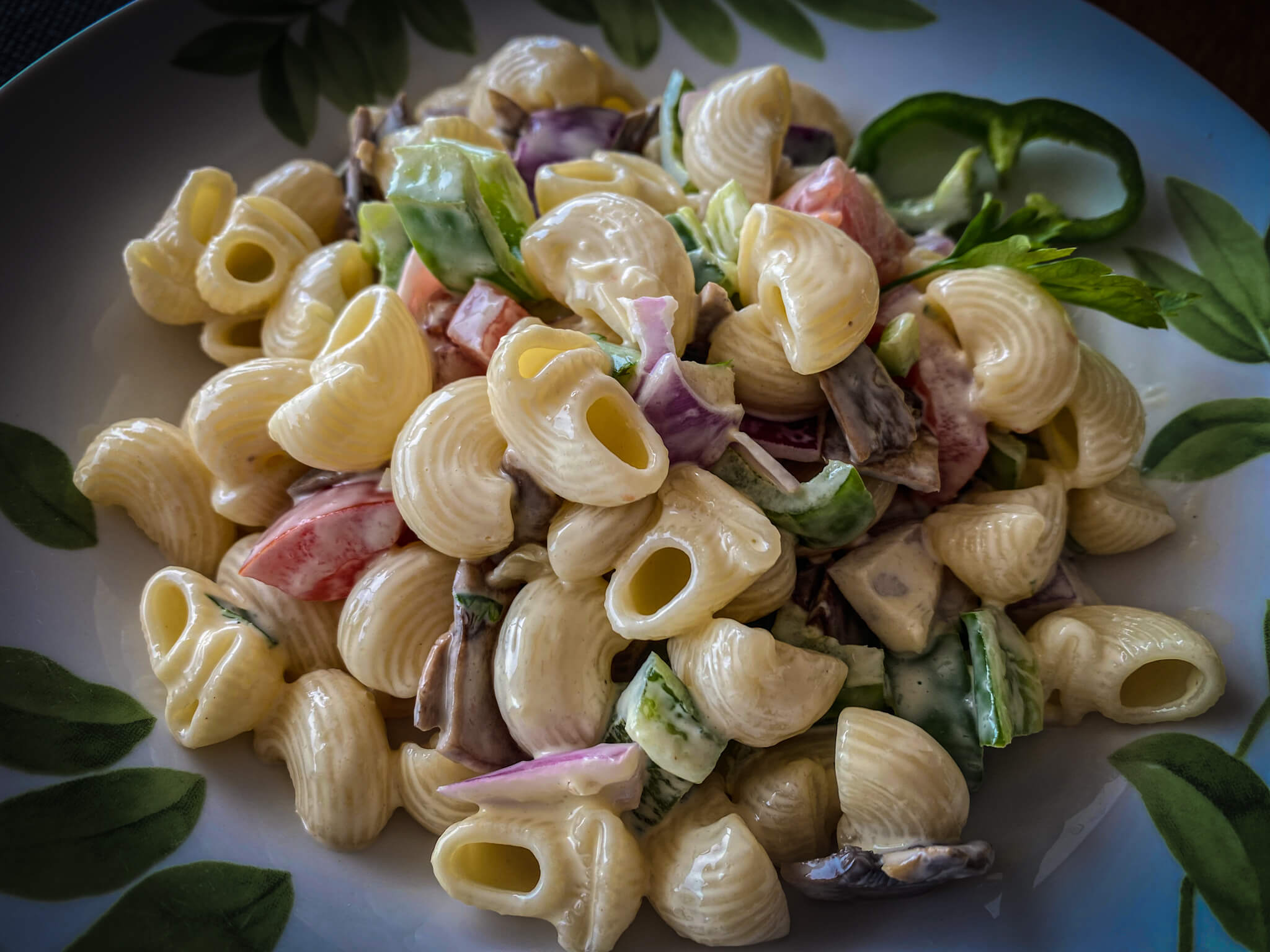
You’ve probably never heard of Ensalada Ilustrada (Illustrated Salad), and honestly, until we started our blog on Spanish food, neither Carlos nor I had ever tried it – it’s not widely known here in Valencia. But while exploring local food blogs, we stumbled upon this Spanish dish considered one of the classic staple dishes of Spanish cuisine.
Intrigued, we decided to make it at home and share the exact recipe in this post. Ensalada Ilustrada is a versatile dish made with pasta, vegetables, and a flavorful sauce. Another extremely popular salad in Spain is ensaladilla rusa.
43. Conejo al Ajillo
Conejo al Ajillo (Garlic Rabbit) is a dish I absolutely love. A staple of Spanish countryside cuisine, it’s often served as a tapa or main dish in traditional Spanish restaurants. During my travels across Europe, I’ve noticed that Spain really stands out for its rabbit dishes – rabbit is a key ingredient in the classic Valencian paella, as well as in conejo al ajillo.
Interestingly, Spain was once known as Hispania during Roman times, which is believed to translate as “the land of rabbits,” giving rabbit dishes in Spain a fascinating historical significance that even captured the Romans’ attention.
You can find our traditional Braised Rabbit and Snails in Almond Sauce recipe in this post.

44. Arroz con Leche
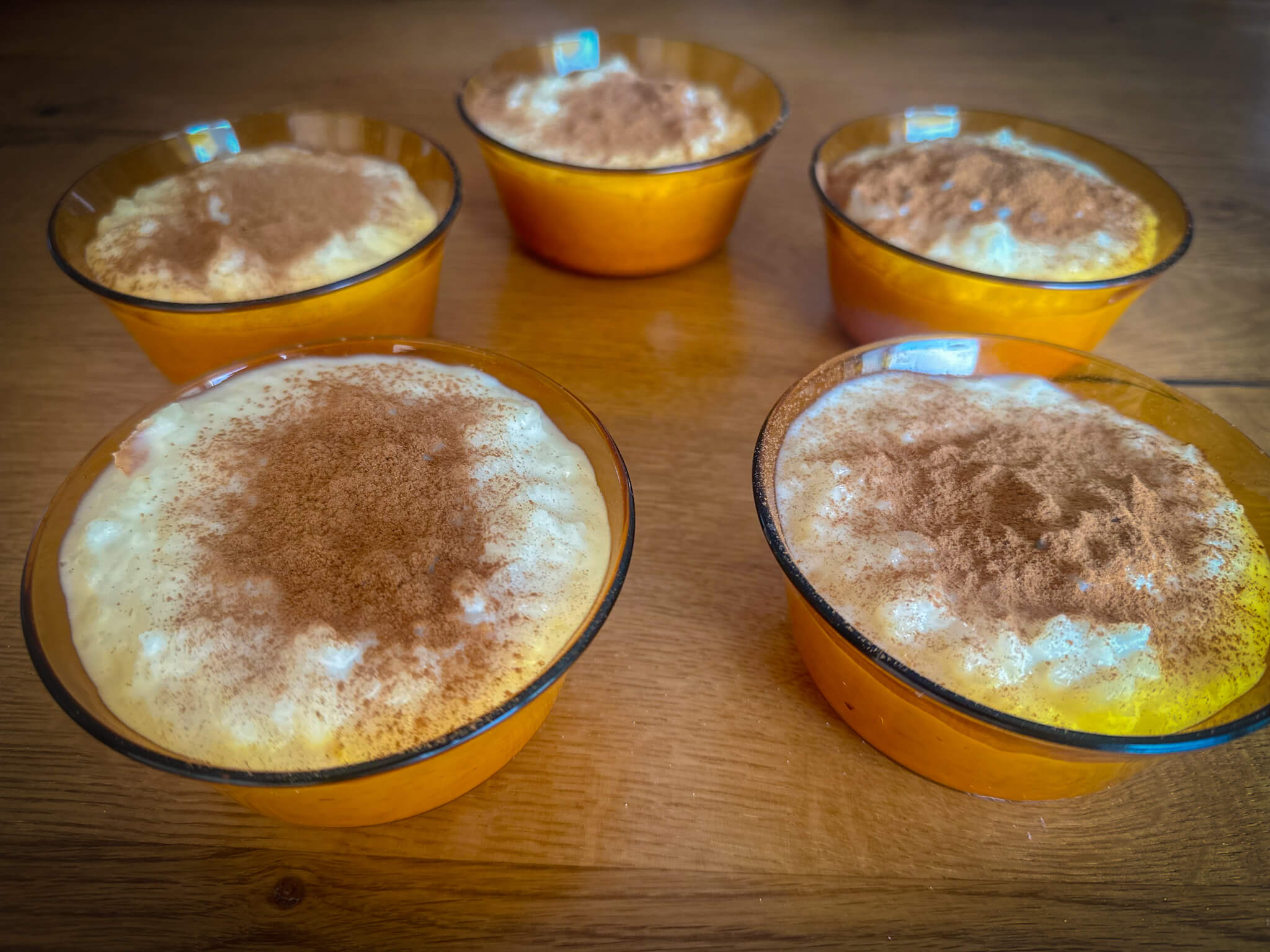
Arroz con leche, or Spanish rice pudding, is a cherished traditional dessert in Spain, particularly in Asturias, a region famous for its fresh dairy products, including milk and cheeses. You can find our authentic recipe for this classic treat in this post.
45. Flamenquín
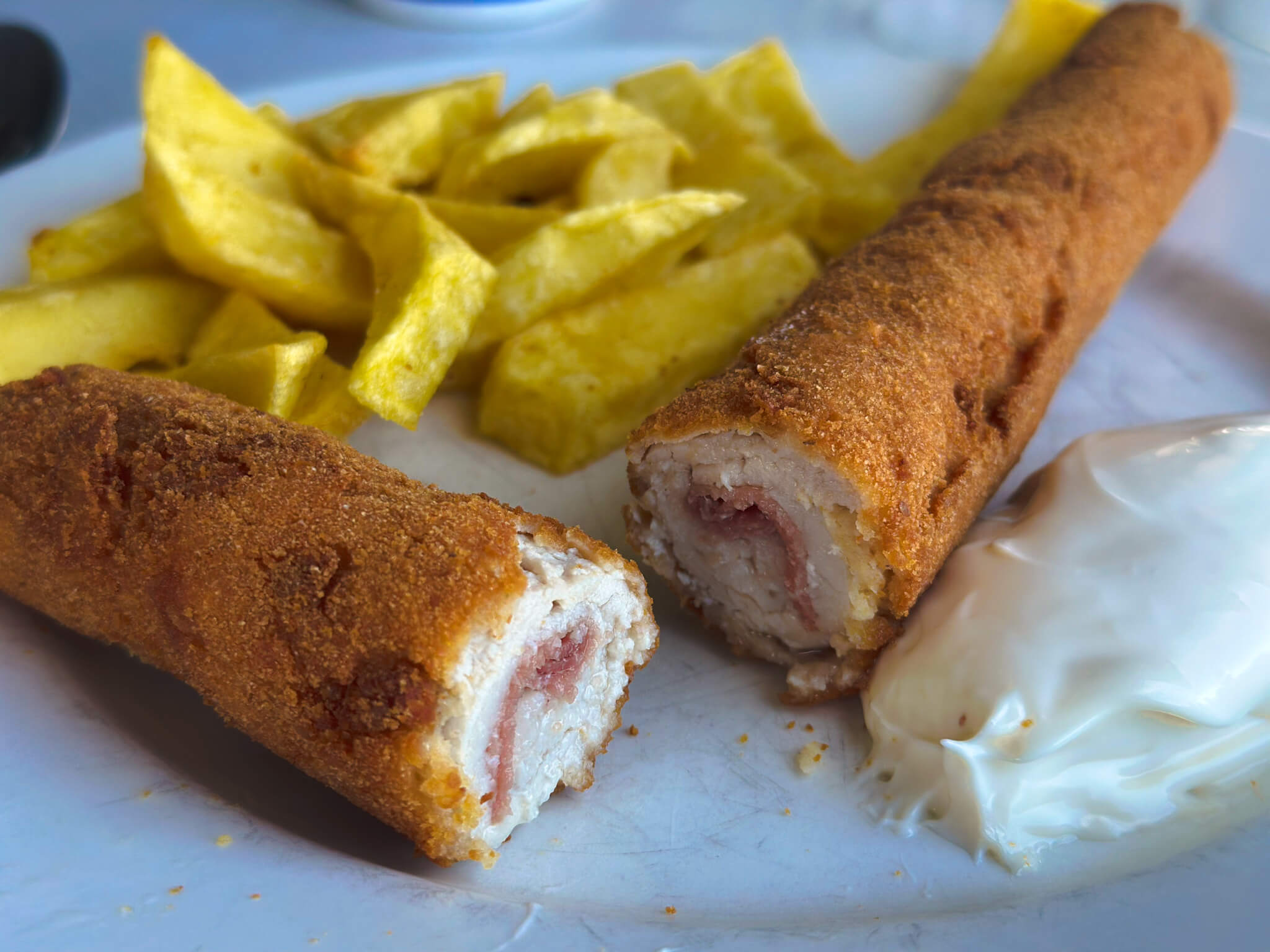
Flamenquín is a beloved traditional dish, especially typical of Córdoba in Andalusia. It consists of pork loin wrapped in cured ham, then breaded and fried until golden and crispy. It may seem simple, but it’s incredibly delicious – I wish it were easier to find across the rest of Spain, not just in the southern regions.
Pin it:
Though it’s quite simple, the Spanish omelette is one of our family favorites. Looking forward to trying out more of your recommended foods on our next Spanish trip this spring.