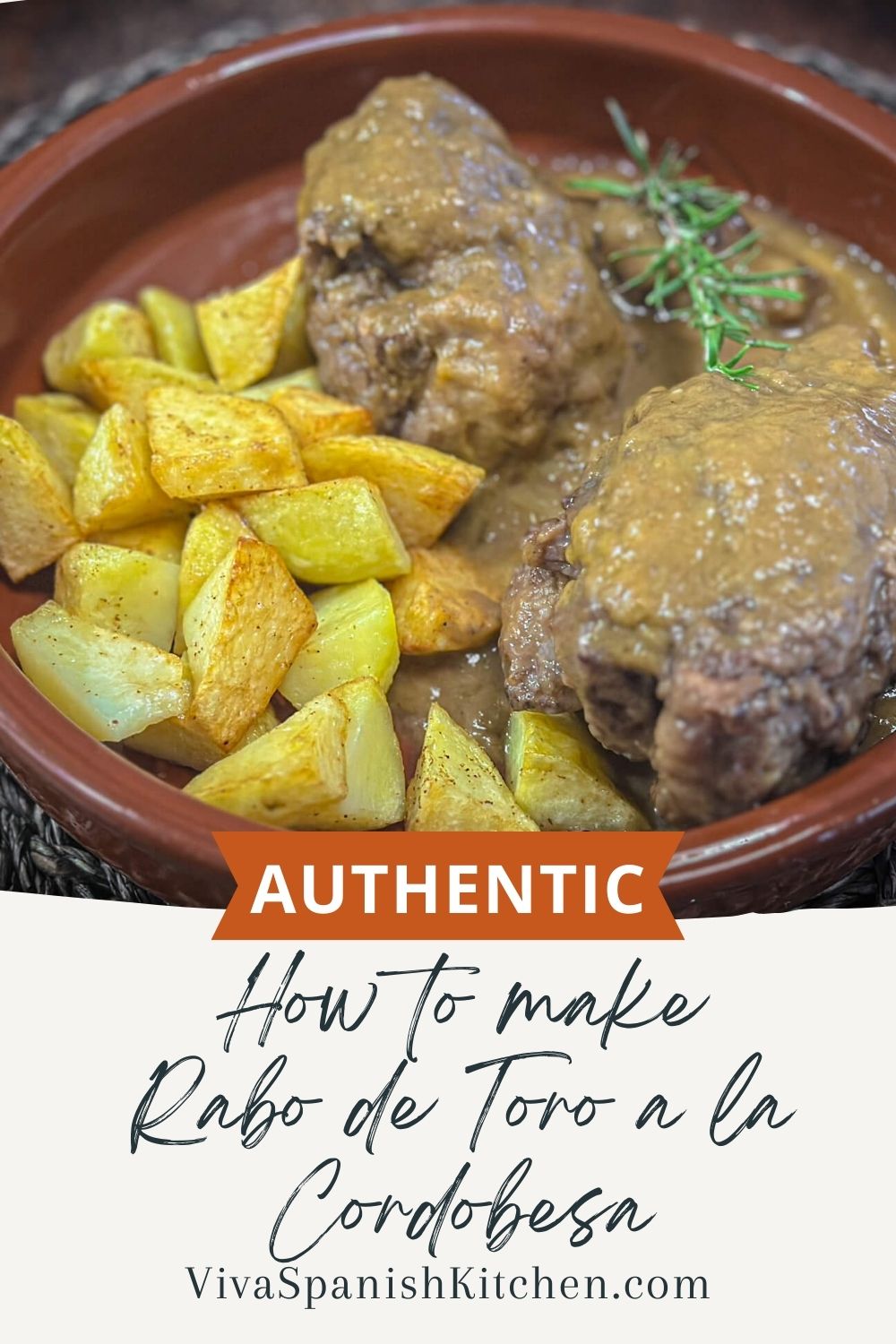
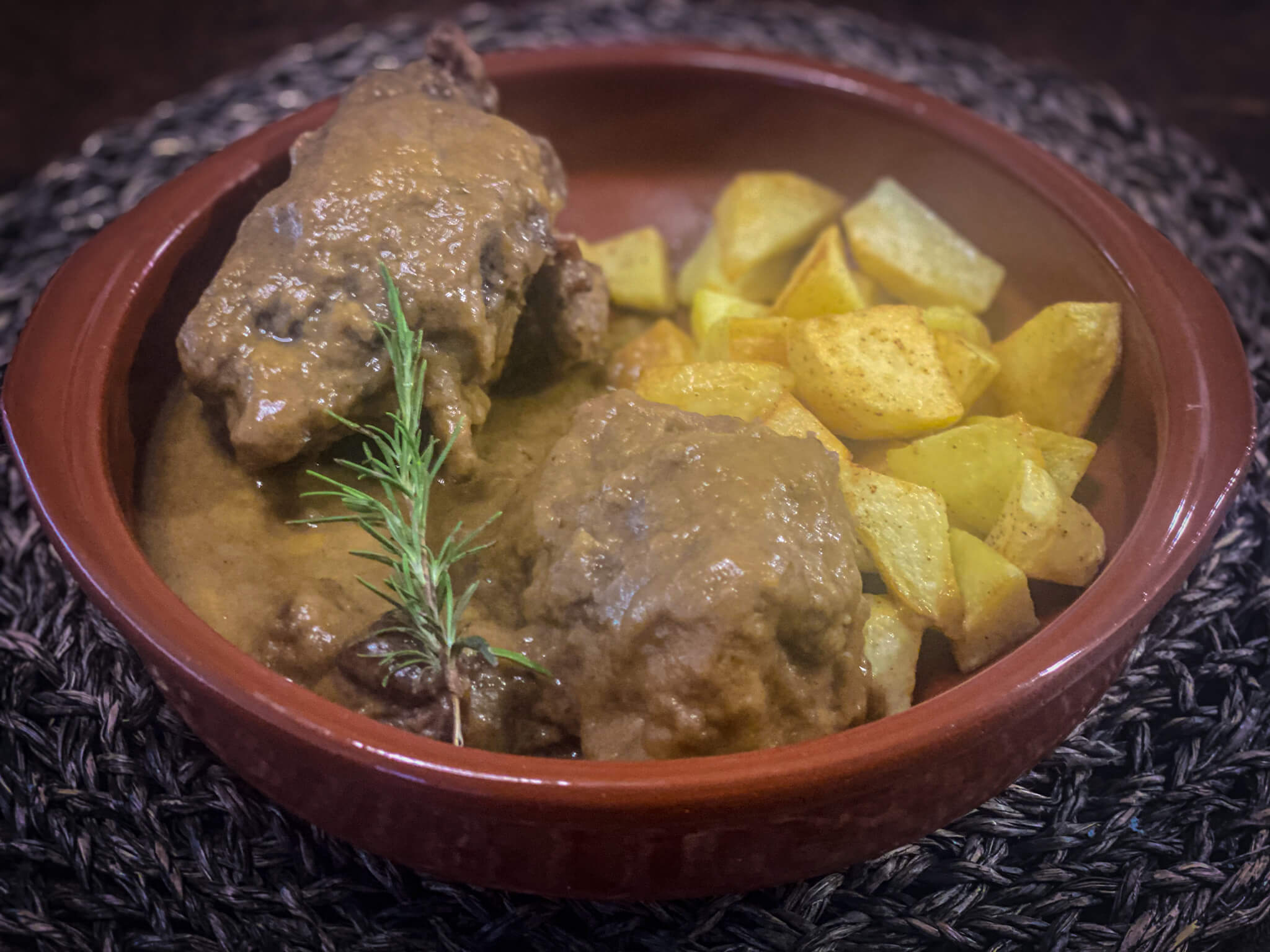
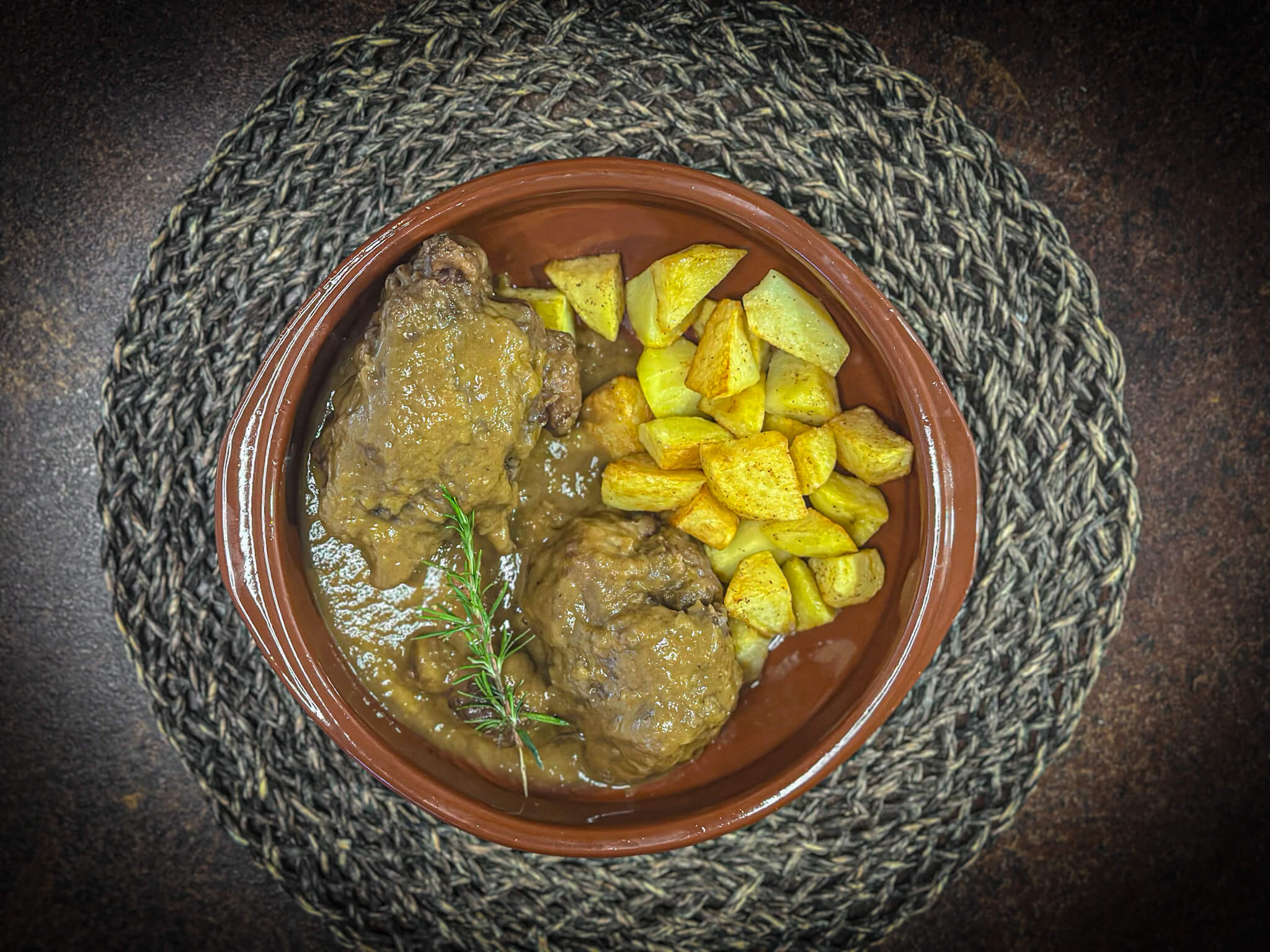
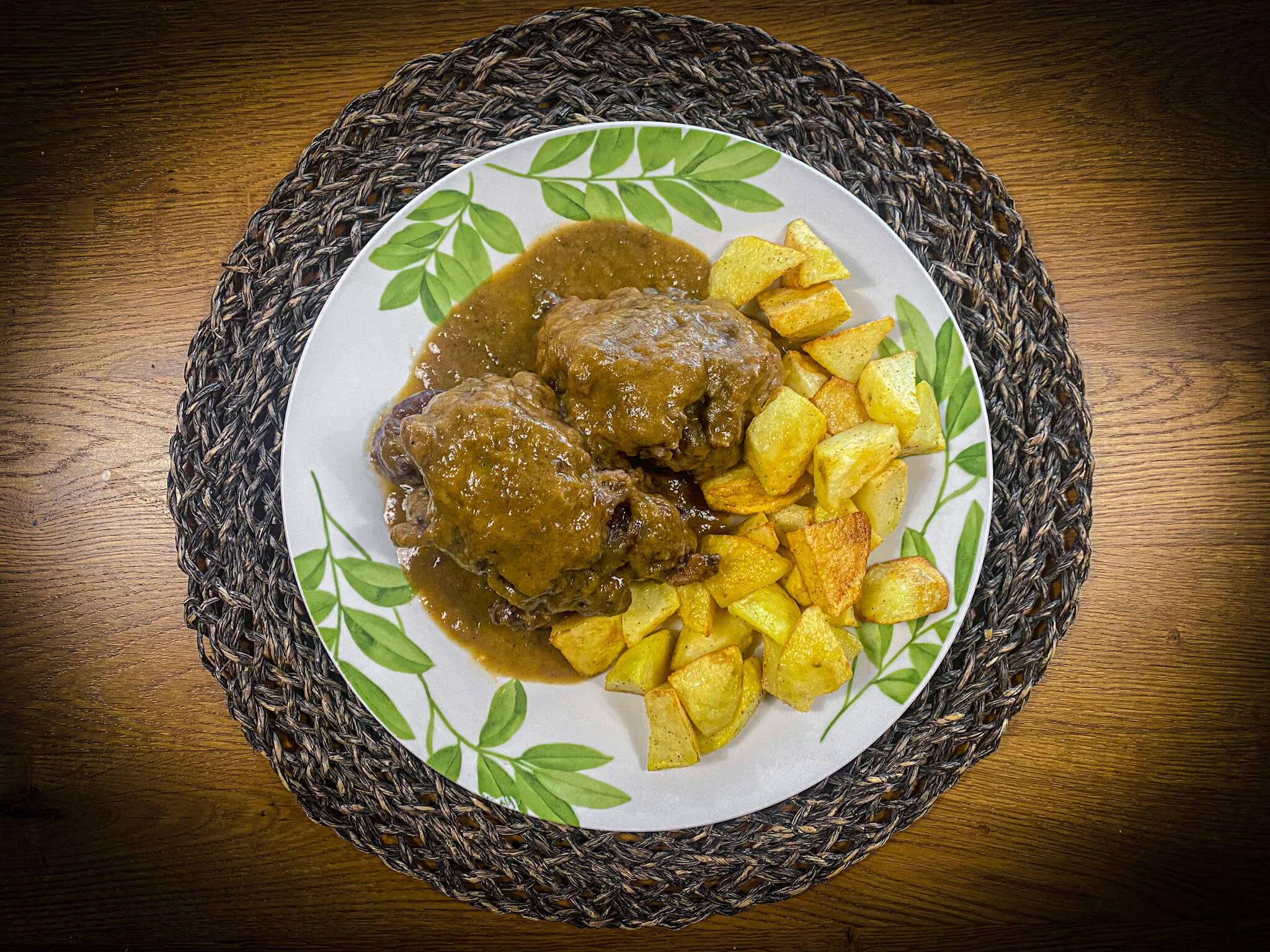
Rabo de Toro a la Cordobesa is one of the most iconic Andalusian stews, slowly cooked until the oxtail becomes incredibly tender and the sauce turns rich, deep, and silky. This historic dish was once prepared after bullfights in Córdoba, and today remains a luxurious comfort classic of Spanish gastronomy. Slow-cooked, hearty, and full of Mediterranean flavor, it’s the kind of recipe that brings the soul of southern Spain to your table
How to Make Authentic Rabo de Toro a la Cordobesa
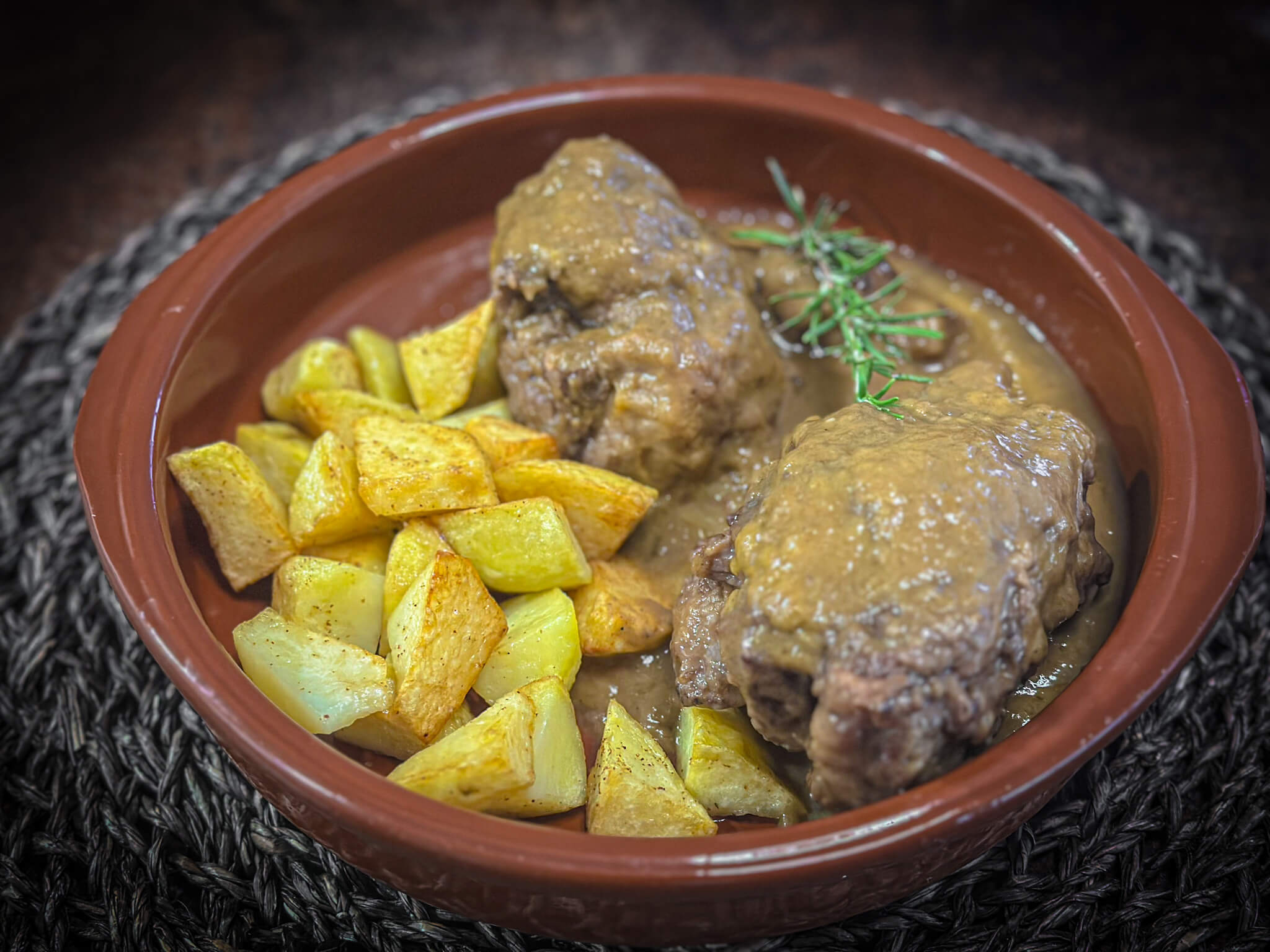
How to Make Authentic Rabo de Toro a la Cordobesa Recipe
There are recipes that fill the kitchen with aromas of memory, tradition, and patience. Rabo de Toro a la Cordobesa is one of those dishes that remind us why slow cooking is part of Spanish heritage. Originating in Córdoba and historically linked to bullfighting culture, this stew became famous for transforming a humble cut into a luxurious, silky, deeply flavorful dish. Hours of gentle cooking allow the oxtail to release collagen, giving the sauce its unmistakable velvety texture without adding cream or thickening agents.
What makes it especially interesting is its authentic Mediterranean base: olive oil, fresh vegetables, red wine, and aromatic spices. When you prepare it at home, you are not just cooking—you’re recreating a piece of culinary history that has been shared across generations. While the recipe is not vegan or vegetarian, it can be gluten-free if you substitute regular flour with a gluten-free alternative or skip the flour coating altogether.
If you love comforting, slow-cooked dishes, you’ll find this stew belongs in the same family as other warming Spanish favorites like Spanish Rice with Iberian Secreto and Wild Mushrooms or Authentic Spanish Huevos Rotos with Iberico Ham. Just like them, this is a dish best enjoyed with good bread, a glass of red wine, and the pleasure of unhurried cooking.
Rabo de Toro doesn’t just feed—it celebrates tradition, patience, and the deep flavors that define Mediterranean cuisine.


Ingredients
| Metric Amount | Imperial Amount | Core Ingredient | Preparation |
| For the Main Meat & Coating | |||
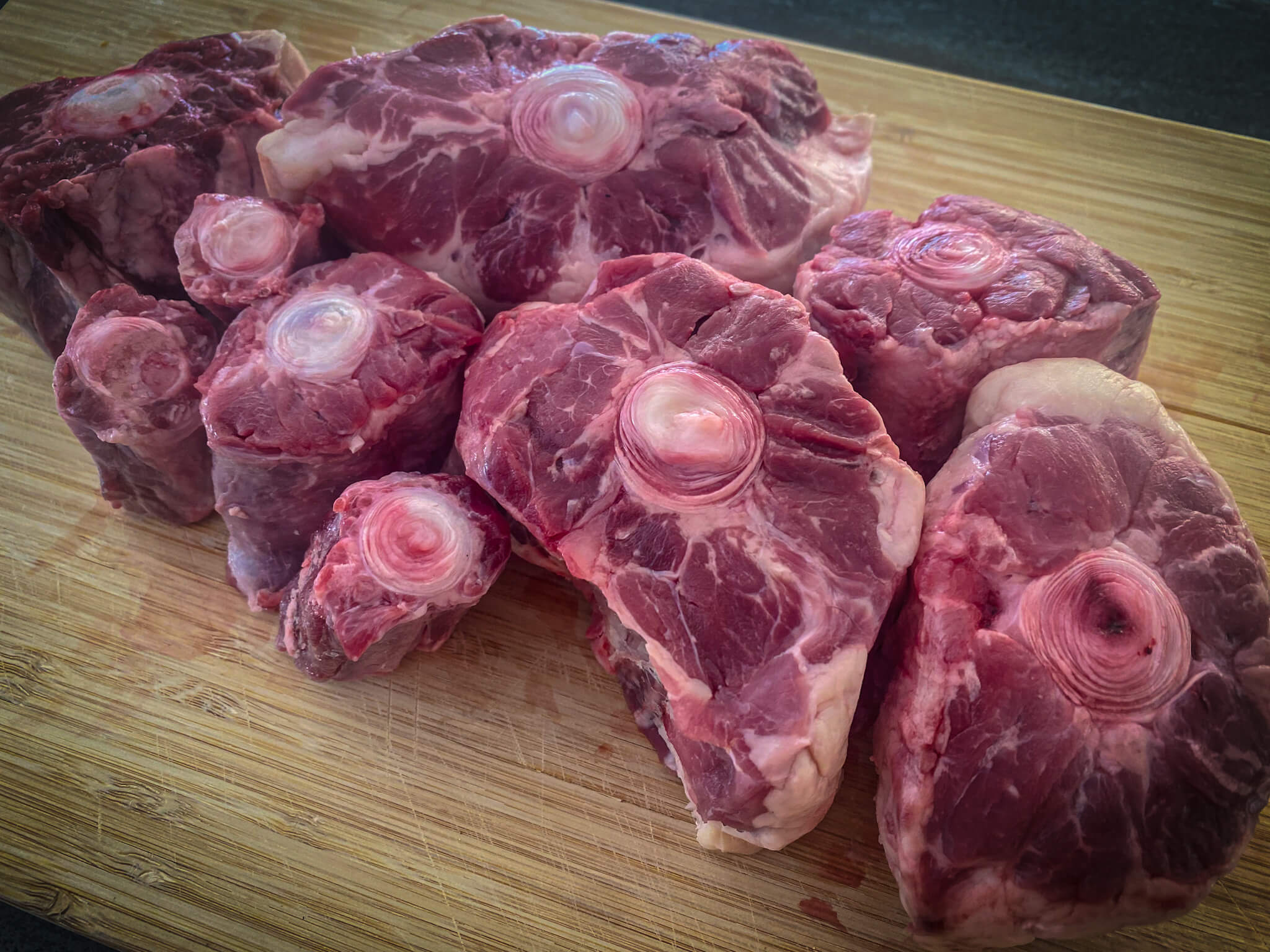
| 1.5 kg | 3.3 lb | Oxtail | Cut into thick, uniform segments and thoroughly patted dry |
| 70 g | 0.5 cup | All-purpose flour | Used for light dredging (optional; omit for gluten-free variant) |
| For the Aromatic Sofrito Base | |||
| 375 ml | 1.5 cups | Olive oil | Extra virgin preferred, divided equally for searing and sautéing |
| 6 units | 6 units | Garlic cloves | Peeled and sliced into clean, uniform thin sheets |
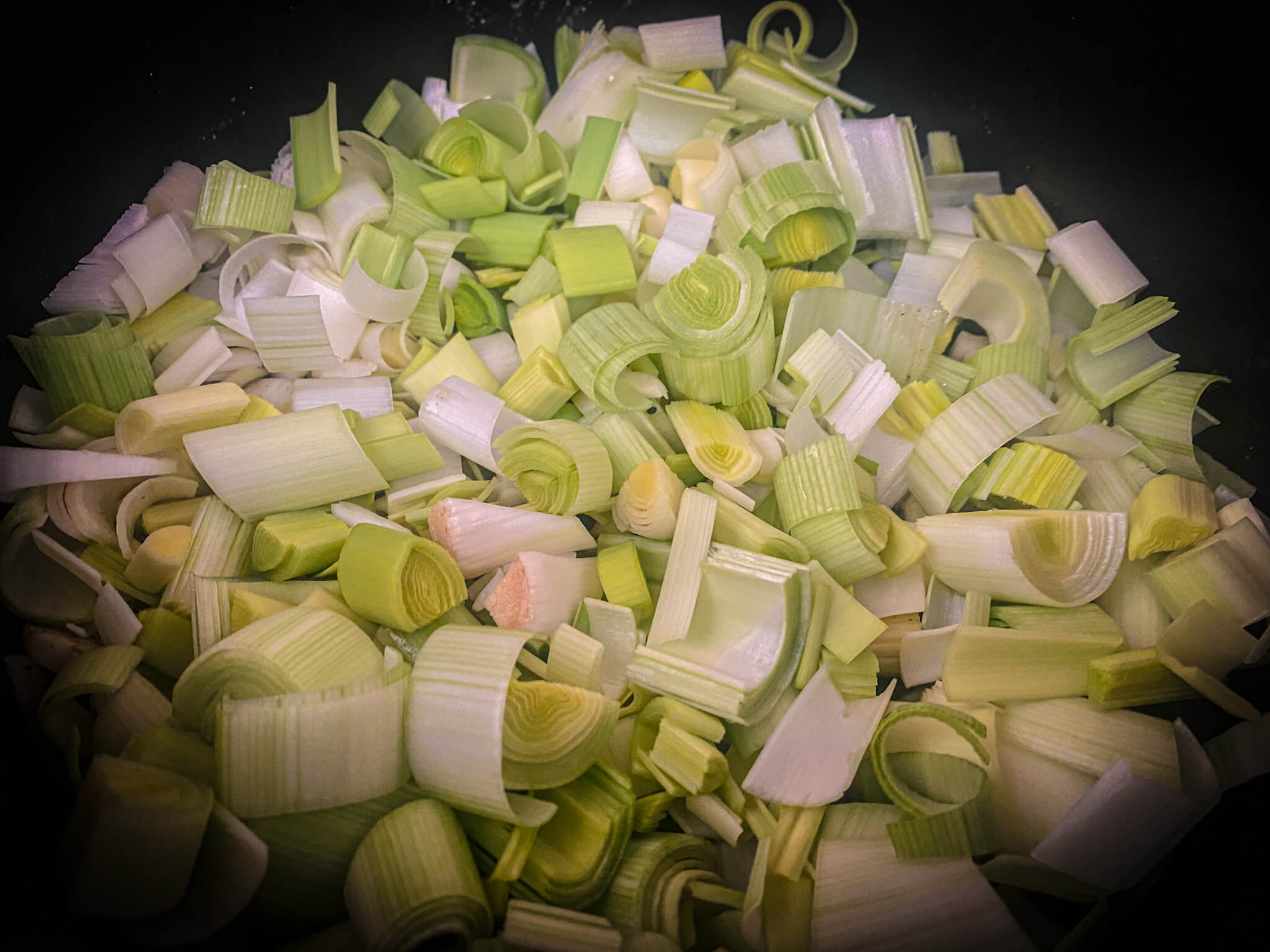
| 250 g | 9 oz | Leeks | White and light green parts only, washed and cut into medium chunks |
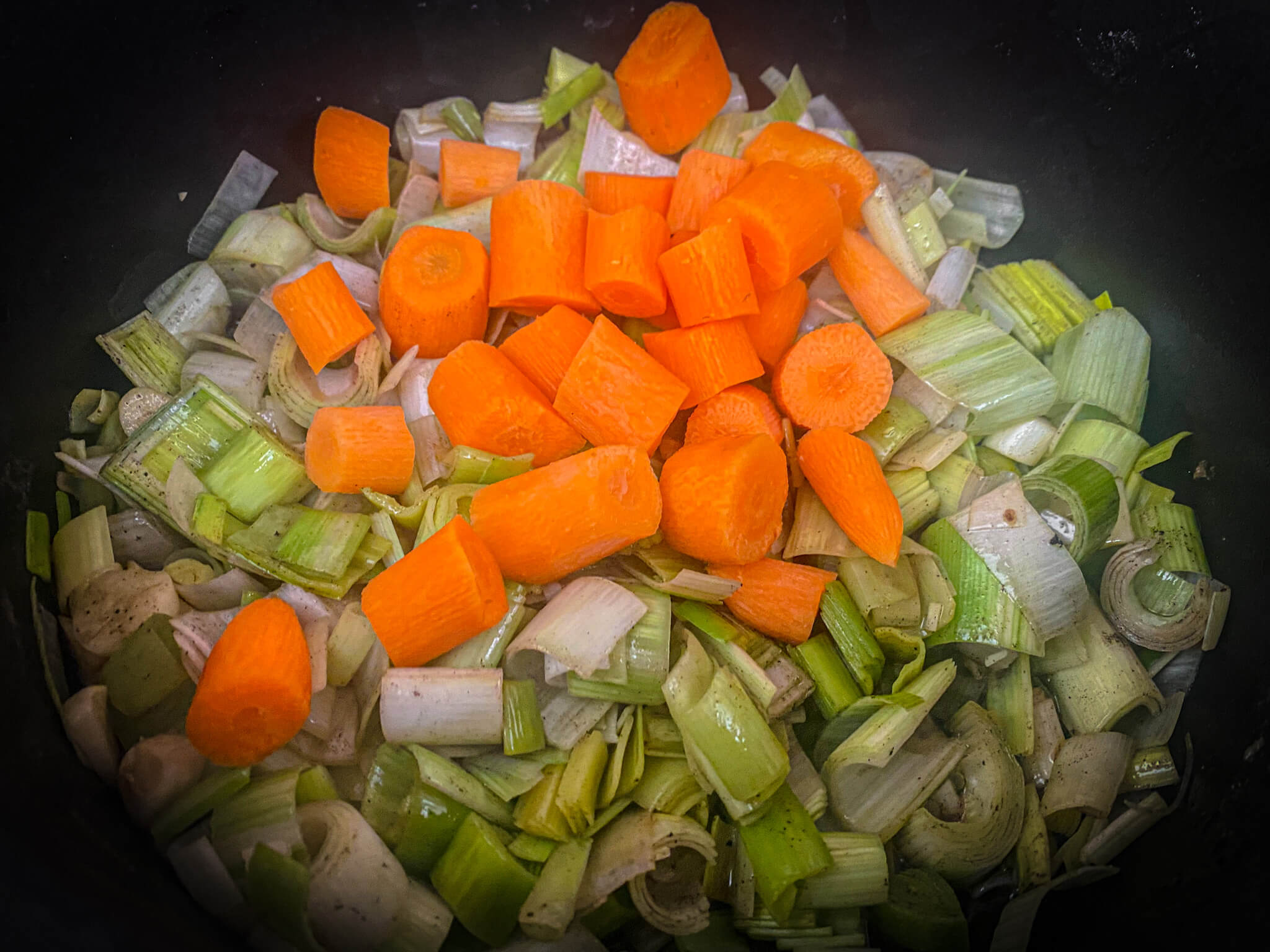
| 200 g | 7 oz | Carrots | Peeled and cut into uniform rustic medium rounds |
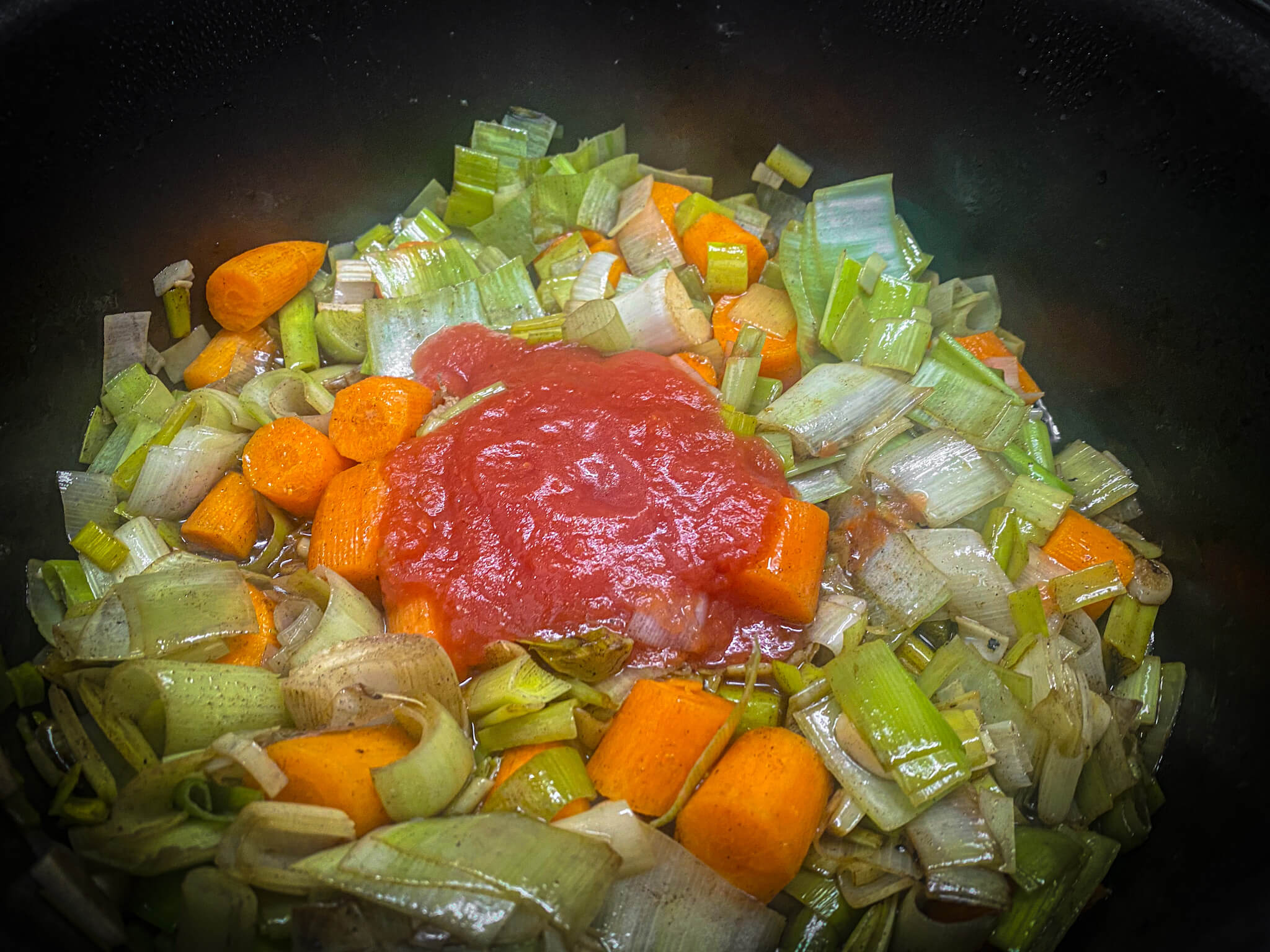
| 100 g | 0.5 cup | Crushed tomato | High-quality canned or freshly pureed tomatoes |
| For the Braising Liquid & Spices | |||
| 300 ml | 1.25 cups | Red wine | Full-bodied Spanish variety like a Rioja, Ribera, or Tempranillo |
| 700 ml | 3 cups | Water or broth | Beef broth or water, adjusted to completely submerge the meat |
| 2 units | 2 units | Whole cloves | Injected directly into the meat or dropped loose into the pot |
| 2 units | 2 units | Bay leaves | Whole, dried Mediterranean bay leaves |
| To taste | To taste | Salt and black pepper | Freshly cracked, applied directly onto the raw meat segments |
| For the Traditional Side | |||
| 250 g | 9 oz | French fries | Cubed or thickly cut potatoes, fried right before serving |
Instructions
1. Prep Vegetables
Peel garlic, carrots, and leeks.
Slice garlic thinly; cut carrots and leeks into medium chunks.


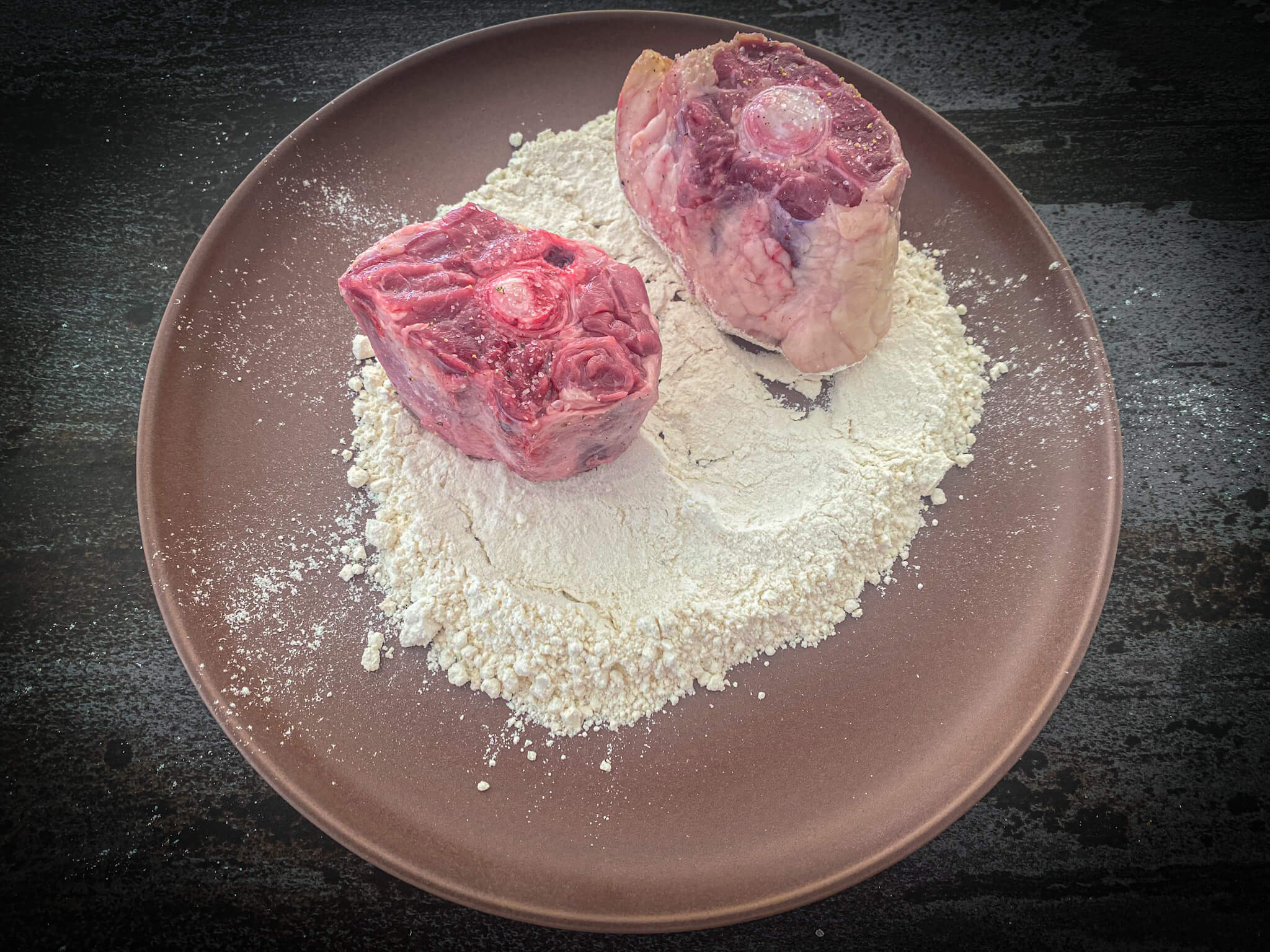
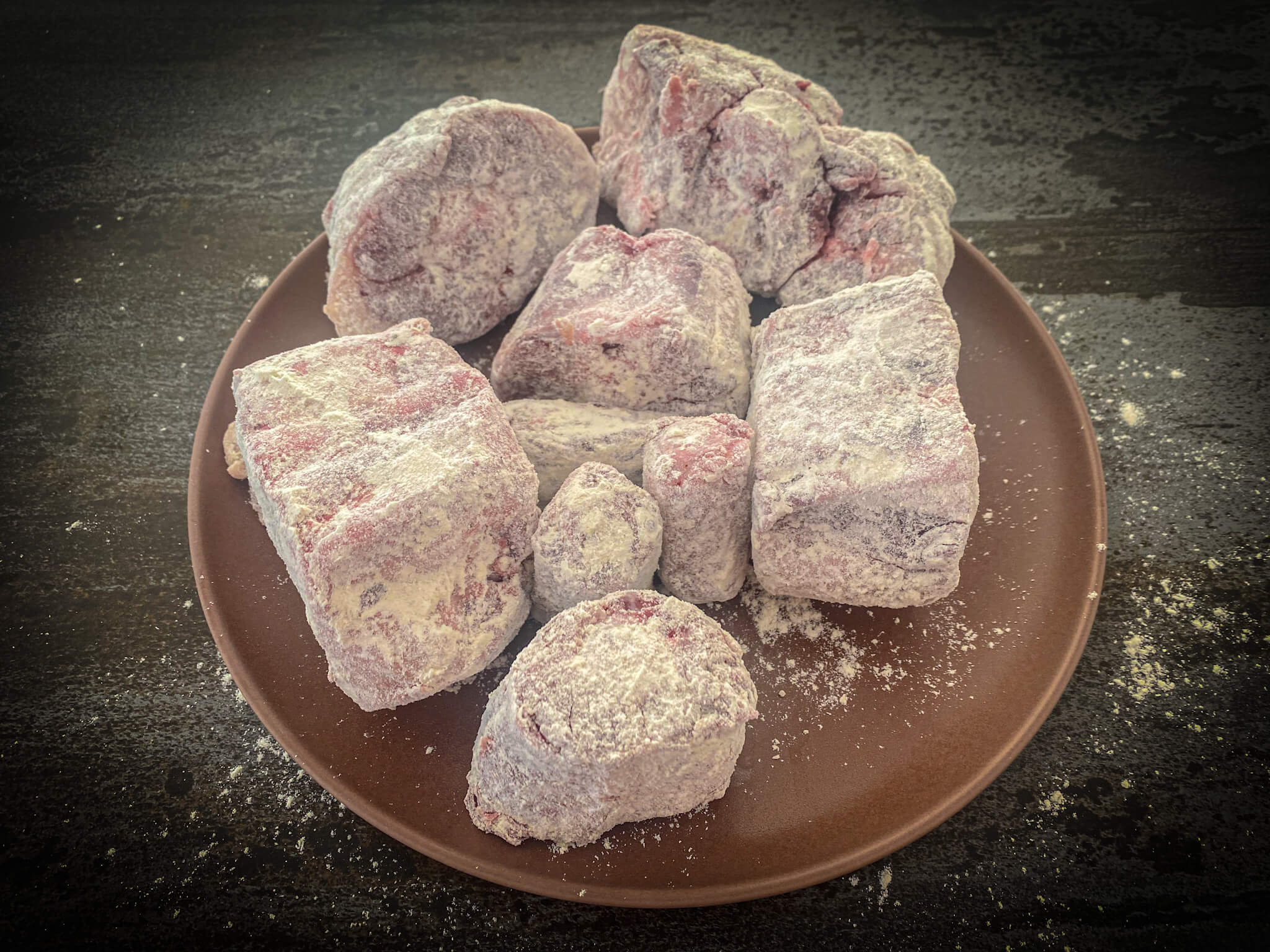
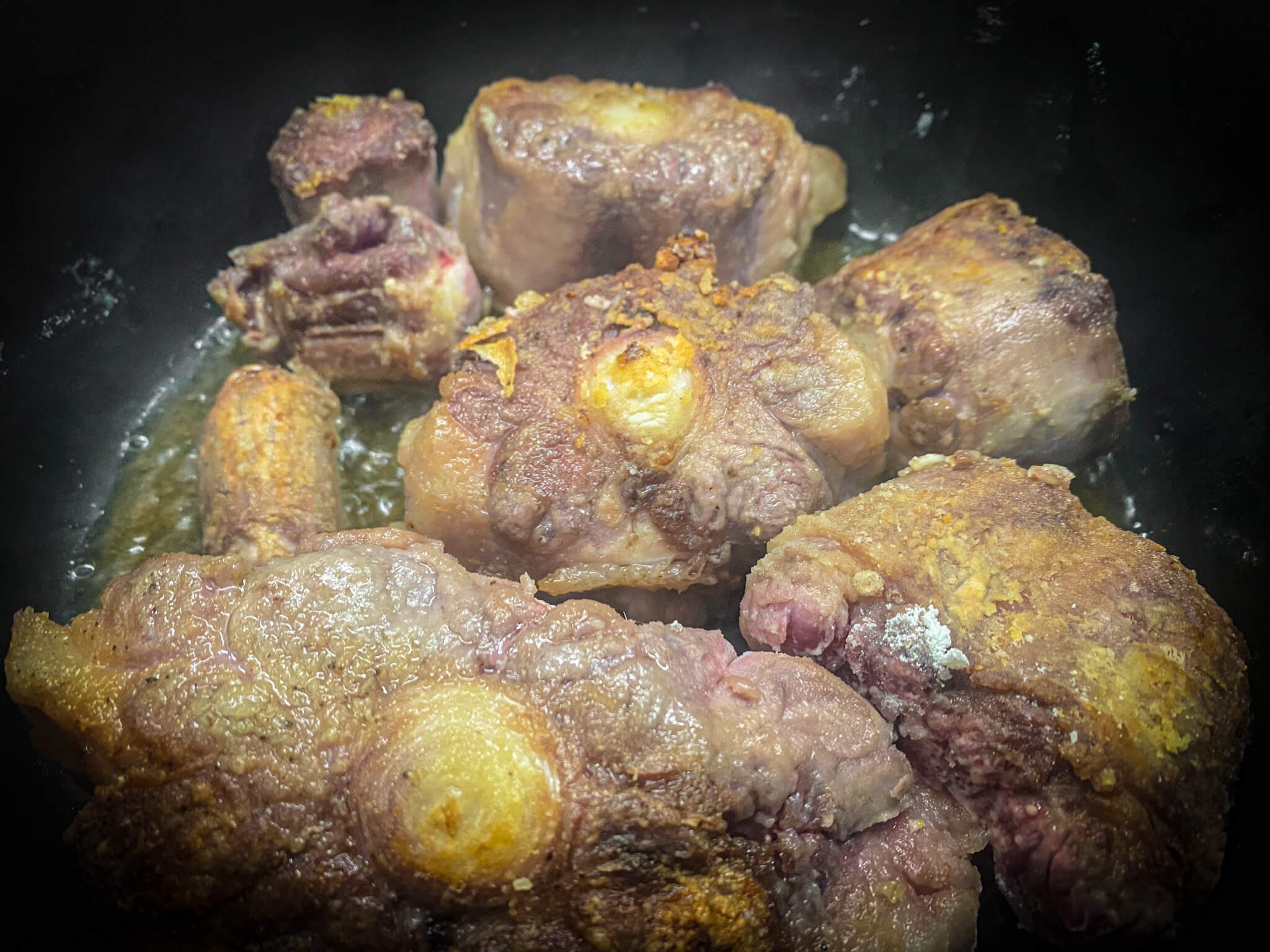
2. Season & Sear the Oxtail
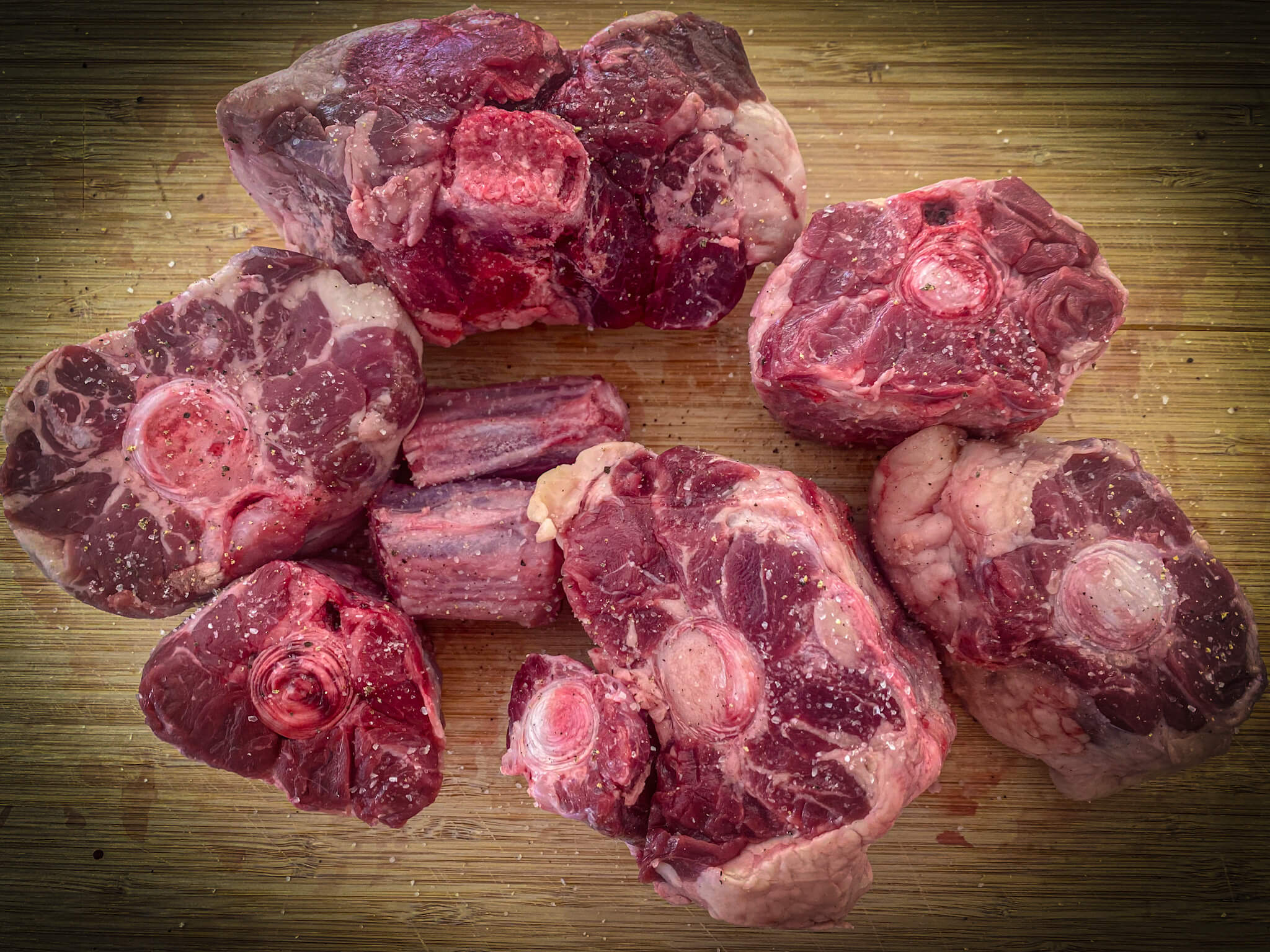
Salt and pepper the oxtail.
Heat half of the oil (about 180 ml | ¾ cup) in a large pot.
Dredge the oxtail lightly in flour (optional).
Sear on high heat until browned on all sides. Remove and set aside.
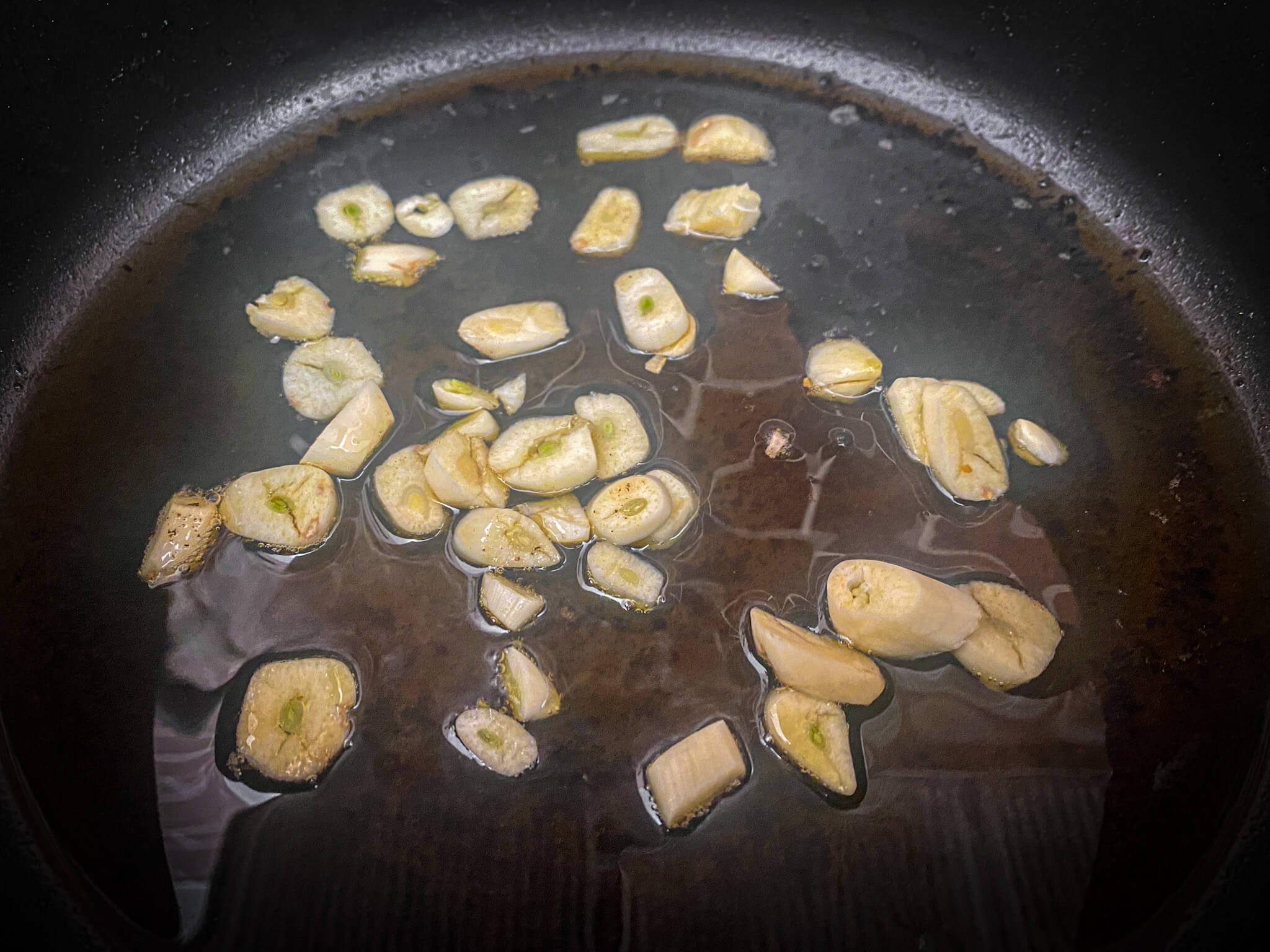
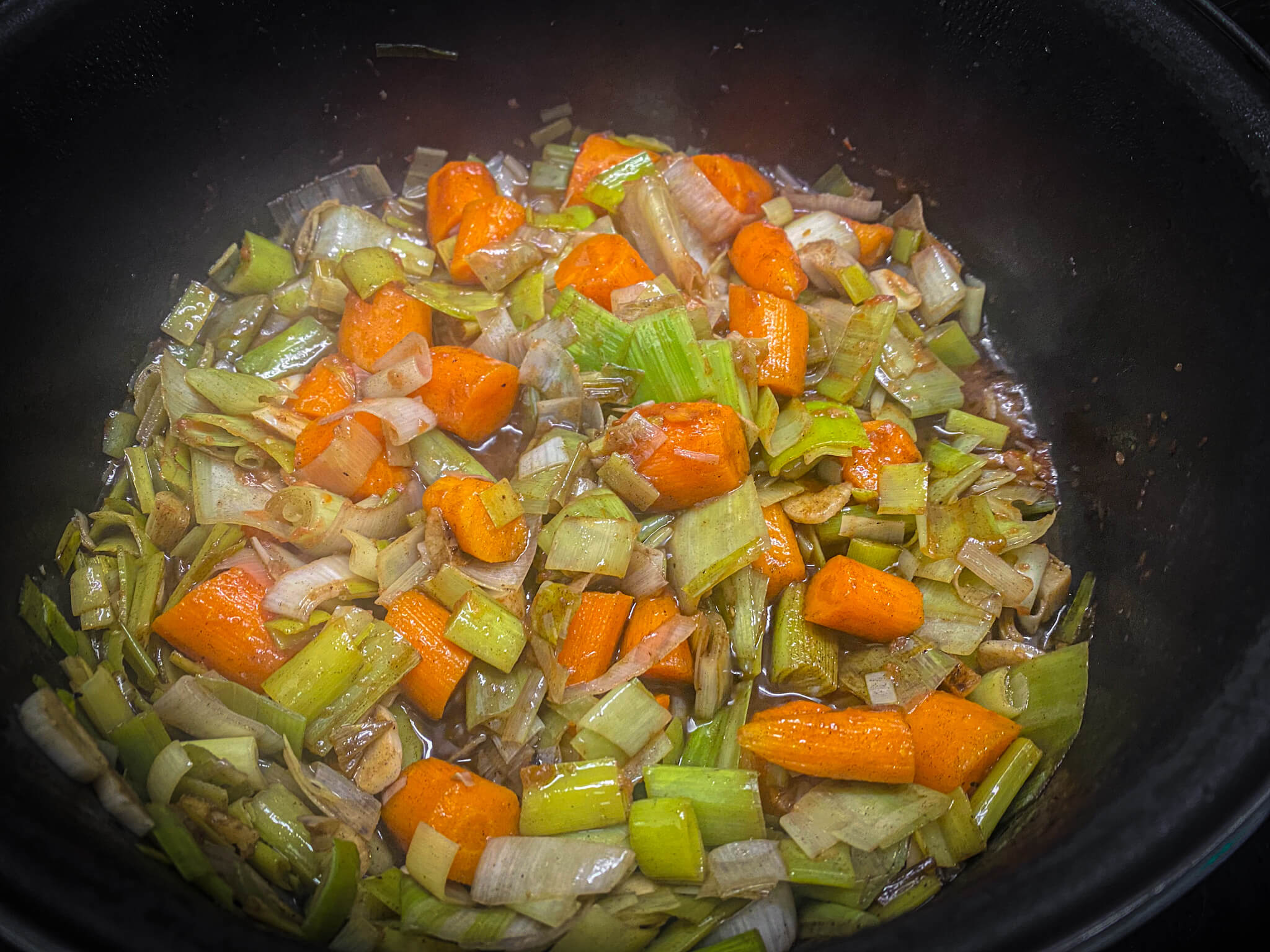
3. Make the Sofrito
Add remaining olive oil to the same pot.
Lightly sauté the garlic.
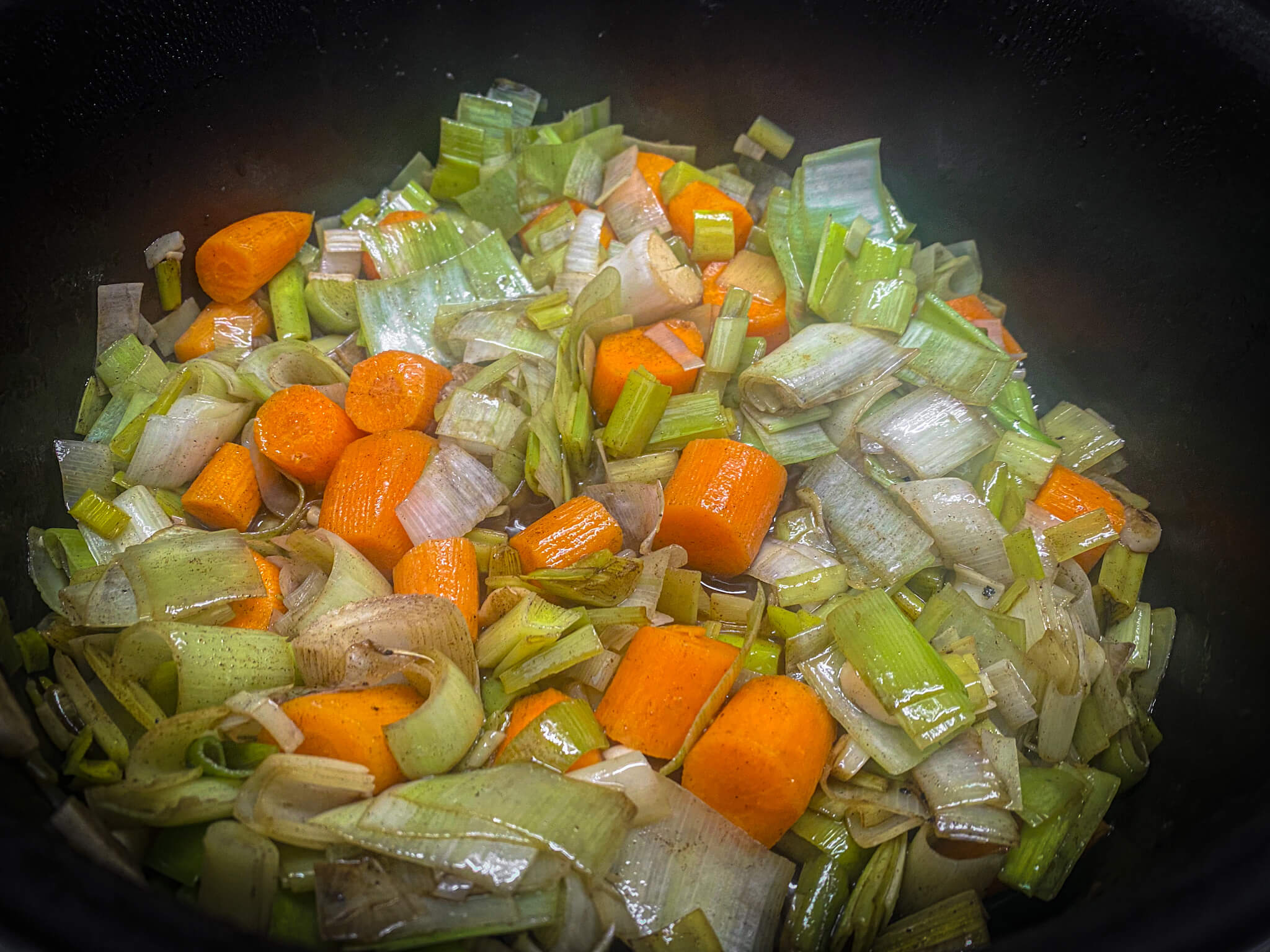
Add leeks, cook 3–4 minutes.
Add carrots, cook 2 more minutes.
Add crushed tomato and cook for 5 minutes.
4. Add Oxtail & Liquids
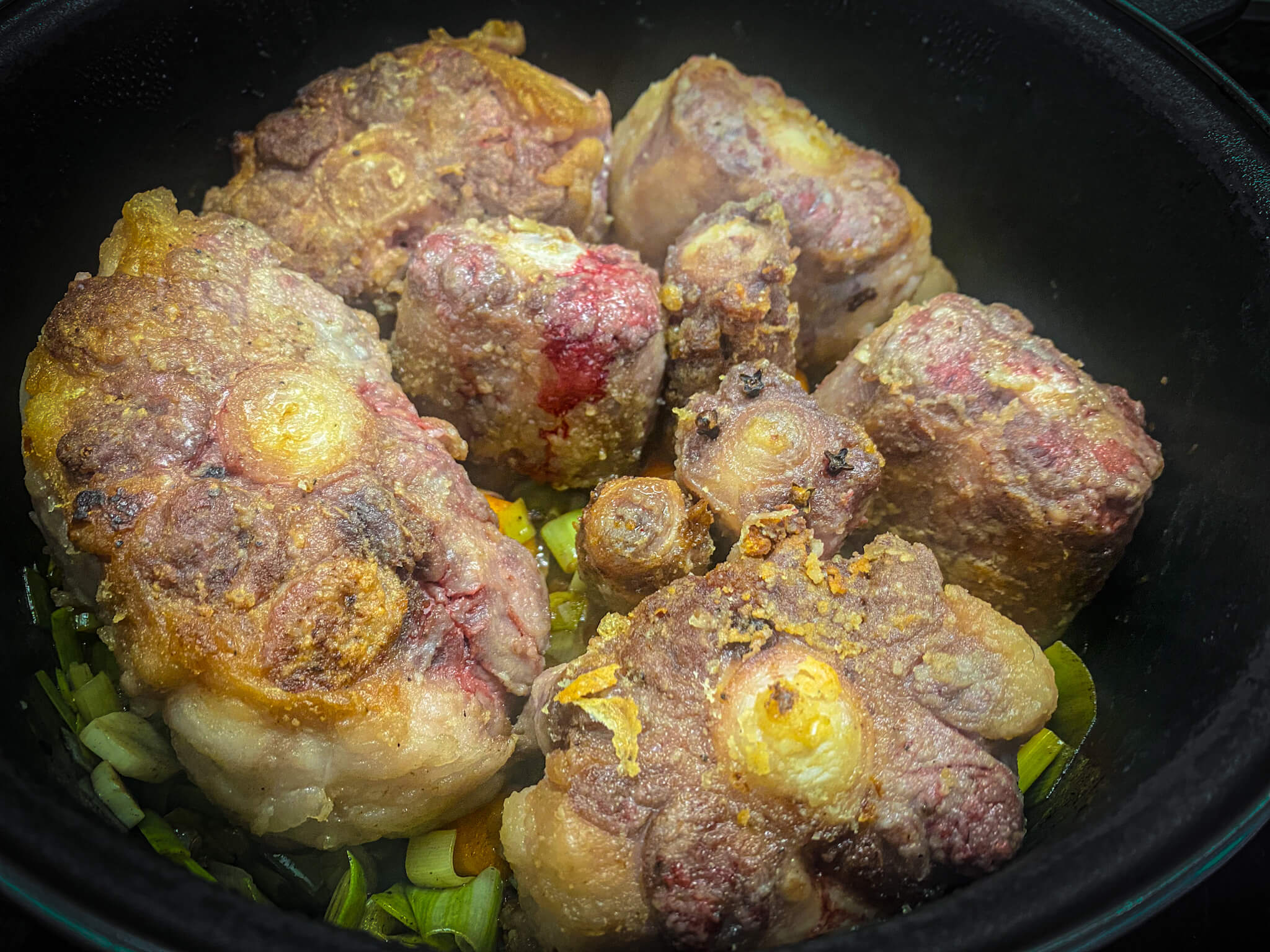
Return oxtail to the pot.
Pierce the meat with the cloves or add them loose.
Pour in red wine and cook on high for 5 minutes to evaporate alcohol.
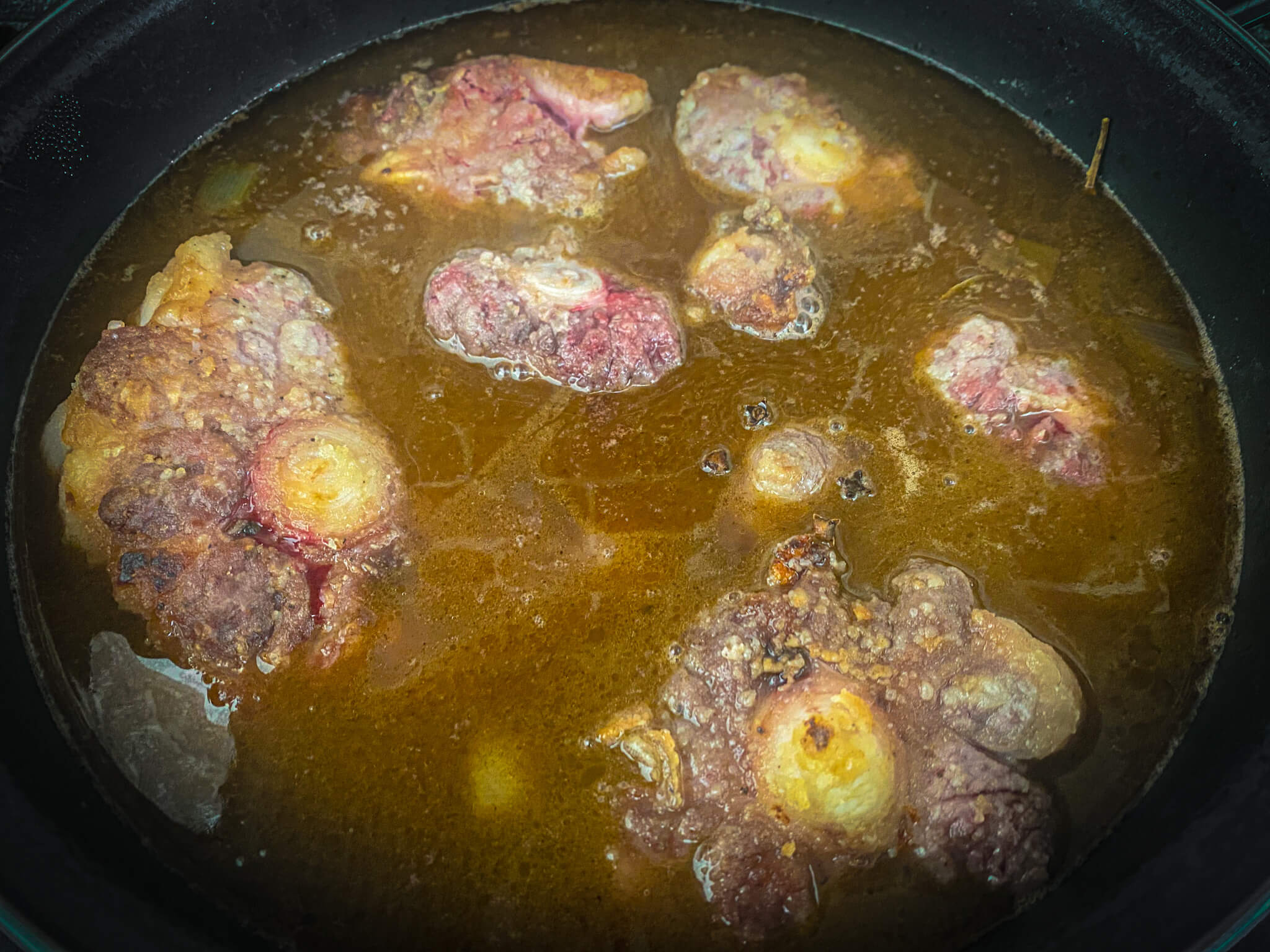
Add water (or broth) and bay leaves. Mix well.

5. Slow Cooking
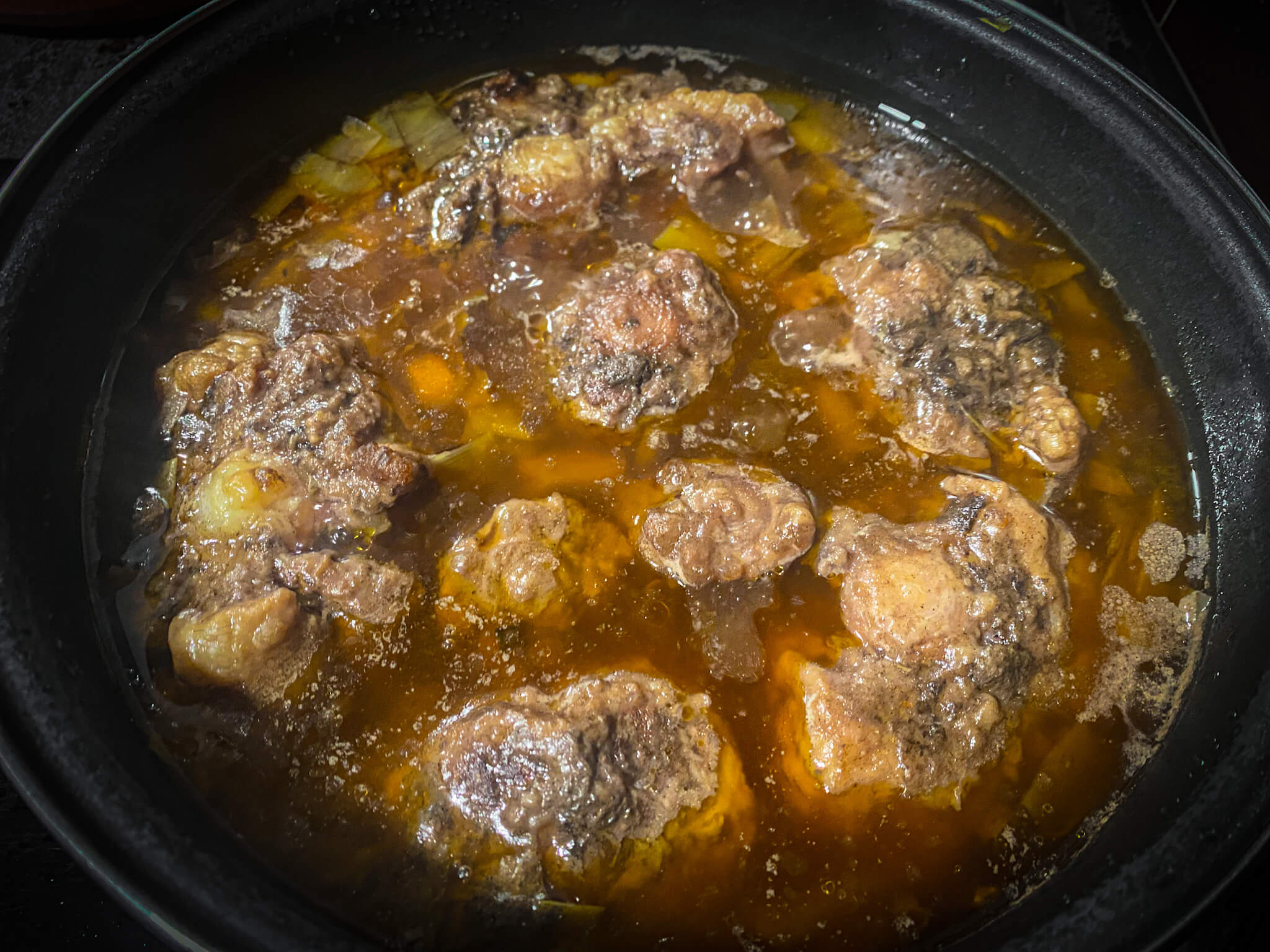
Cover the pot and cook 2.5 hours on low heat, never allowing it to boil aggressively.
Alternatively: Pressure cooker: 60–70 minutes.
6. Prepare the Fries
Before the stew finishes, fry potatoes for 8 minutes until golden.

7. Finish the Sauce & Serve
Remove the oxtail pieces and set aside.
Blend half or more of the vegetables to thicken the sauce.
Return sauce and meat to the pot, cook 10 more minutes to combine.
Plate oxtail covered with thick sauce.
Add a portion of crispy fries on the side.
Chef’s Notes for Assembling the Perfect Rabo de Toro a la Cordobesa
How do I achieve a perfectly thick, velvety gravy without adding starch or artificial thickeners? The absolute secret here lies in the natural chemical reaction between the oxtail’s extracted gelatin and the blended sofrito. As the oxtail simmers gently over low heat, the collagen hidden within its connective tissues breaks down into gelatin and melts directly into the red wine broth. When you lift the meat out and blend a portion of the long-cooked carrots and leeks with this gelatin-rich broth, it creates a naturally stable emulsion. If your sauce ever looks too thin, simply let it simmer uncovered for an extra 10–15 minutes on medium-low heat to reduce the liquids and concentrate the natural sugars into a glossy glaze.
Why does my braised oxtail sometimes turn out tough and stringy instead of meltingly tender? This happens when the stew is allowed to boil aggressively or isn’t cooked long enough. Oxtail is a heavily exercised muscle packed with dense collagen fibers that require a steady, low-temperature environment to slowly unravel and tenderize. If your stove heat is too high, the muscle fibers will contract violently, squeezing out their internal moisture and turning dry and rubbery. Keep the heat on absolute low—where only a few lazy bubbles surface every few seconds. If the timer goes off and the meat isn’t effortlessly pulling away from the bone, do not panic and never increase the heat; simply put the lid back on and give it another 30 minutes of patient simmering.
Can I prepare this decadent Andalusian stew a day in advance without ruining the texture? Not only can you make it ahead, but doing so is highly recommended by traditional Andalusian chefs. Like most classic Spanish stews, Rabo de Toro tastes significantly better the following day because the resting period allows the complex molecules of the red wine, garlic, and cloves to completely mature and penetrate deep into the bone marrow. Furthermore, chilling the stew overnight causes the excess fats to solidify into a clean white layer on the surface, allowing you to easily skim them off with a spoon. When your guests arrive, simply reheat the pot gently on low heat for twenty minutes until the sauce melts back into a silky liquid.
Common Mistakes to Avoid When Making This Authentic Cordoban Stew
Using a light, cheap, or highly acidic white or red table wine: It is incredibly easy to assume that any leftover bottle of cooking wine will suffice, but using a low-quality wine is a fatal flaw for this dish. Because the red wine reduces down significantly over two and a half hours, its foundational flavor profile becomes intensely concentrated within the final gravy. A cheap, highly acidic, or overly sweet wine will yield a bitter or unpalatably sour sauce that ruins the expensive cut of meat. To ensure a professional, bakery-quality depth, always invest in a full-bodied, oak-aged Spanish red wine with smooth tannins—such as a quality Rioja or Tempranillo—that will transform into a sweet, woody glaze.
Skipping or rushing the initial high-heat meat searing stage: When you are short on time and looking to move quickly, it is tempting to simply throw the raw oxtail segments directly into the braising liquids. This mistake robs your stew of its vital umami foundation. Searing the floured oxtail pieces over high heat triggers the Maillard reaction, developing a deep, caramelized crust on the beef while leaving a complex layer of caramelized sugars stuck to the bottom of your Dutch oven. This crust locks in the internal juices and provides the dark, signature mahogany color that characterizes a true Cordoban recipe.
Aggressively blending every single vegetable into a completely uniform puree: When finishing the sauce, many home cooks instinctively dump the entire contents of the pot into a food processor, transforming the rustic stew into a flat, baby-food-like texture. A traditional Andalusian presentation should display a masterful contrast of textures; blending exactly half of the carrots and leeks yields the perfect structural thickness to coat the back of a spoon, while leaving the remaining half whole provides beautiful, tender bursts of rustic vegetable chunks throughout each bite.
Rabo de Toro a la Cordobesa Ingredient Swaps & Variations
The Sherry Twist (The Jerez-Style Alternative): If you want to explore a fascinating geographical variation from western Andalusia, swap out the traditional red table wine for an equal volume of dry, complex Spanish Oloroso or Amontillado Sherry wine. This substitution introduces a remarkably deep, nut-forward, and woody flavor profile characterized by notes of toasted hazelnut and dried fruits, providing a sophisticated, historical twist that pairs spectacularly with roasted root vegetables.
The Slow-Cooked Osso Buco Adaptation: If authentic bulltail or high-quality oxtail isn’t readily available at your local butcher, or if you are looking for a slightly meatier alternative with an identical cooking architecture, swap the oxtail out for an equal weight of thick-cut veal shanks (osso buco) or bone-in beef short ribs. Both cuts are rich in the exact same necessary collagens and bone marrows, meaning they will soften beautifully during a 2.5-hour simmer while soaking up the rich tomato and leek sofrito.
The Modern Tapas Pastry Upgrade: To transform any leftover oxtail meat into a show-stopping, modern Spanish tapas presentation for a weekend dinner party, strip the tender meat entirely away from the cold bones and shred it finely into the thick sauce. Spoon the rich, concentrated beef mixture into delicate sheets of buttery puff pastry or crispy empanada dough, brush with an egg wash, and bake at 200°C (400°F) for fifteen minutes until puffed and golden brown, serving alongside a dollop of roasted garlic aioli.
Recipe Card
How to Make Authentic Rabo de Toro a la Cordobesa

Rabo de Toro a la Cordobesa is one of the most iconic Andalusian stews, slowly cooked until the oxtail becomes incredibly tender and the sauce turns rich, deep, and silky. This historic dish was once prepared after bullfights in Córdoba, and today remains a luxurious comfort classic of Spanish gastronomy. Slow-cooked, hearty, and full of Mediterranean flavor, it’s the kind of recipe that brings the soul of southern Spain to your table
Ingredients
- 1.5 kg oxtail
- 70 g all-purpose flour (optional, for dredging)
- 375 ml olive oil
- 6 garlic cloves, thinly sliced
- 100 g crushed tomato
- 250 g leeks
- 200 g carrots
- 300 ml red wine
- 700 ml water or broth
- 2 whole cloves
- 2 bay leaves
- 250 g French fries
- Salt and pepper, to taste
Instructions
Prep Vegetables
Peel garlic, carrots, and leeks.
Slice garlic thinly; cut carrots and leeks into medium chunks.
Season & Sear the Oxtail
Salt and pepper the oxtail.
Heat half of the oil (about 180 ml | ¾ cup) in a large pot.
Dredge the oxtail lightly in flour (optional).
Sear on high heat until browned on all sides. Remove and set aside.
Make the Sofrito
Add remaining olive oil to the same pot.
Lightly sauté the garlic.
Add leeks, cook 3–4 minutes.
Add carrots, cook 2 more minutes.
Add crushed tomato and cook for 5 minutes.
Add Oxtail & Liquids
Return oxtail to the pot.
Pierce the meat with the cloves or add them loose.
Pour in red wine and cook on high for 5 minutes to evaporate alcohol.
Add water (or broth) and bay leaves. Mix well.
Slow Cooking
Cover the pot and cook 2.5 hours on low heat, never allowing it to boil aggressively.
Alternatively: Pressure cooker: 60–70 minutes.
Prepare the Fries
Before the stew finishes, fry potatoes for 8 minutes until golden.
Finish the Sauce & Serve
Remove the oxtail pieces and set aside.
Blend half or more of the vegetables to thicken the sauce.
Return sauce and meat to the pot, cook 10 more minutes to combine.
Plate oxtail covered with thick sauce.
Add a portion of crispy fries on the side.
Notes
Do not let the stew boil hard — slow cooking extracts collagen, making the meat melt-in-your-mouth.
Skip the flour to make it 100% gluten-free.
Use a full-bodied red wine (Rioja, Tempranillo) for deeper flavor.
Blending only half the vegetables gives texture without losing chunks.
If the meat doesn’t fall off the bone… cook it longer, never increase heat!
Fry potatoes at the end so they remain crispy.
Nutrition Information:
Yield:
4Serving Size:
1Amount Per Serving: Calories: 1252Total Fat: 63gSaturated Fat: 22gUnsaturated Fat: 40gCholesterol: 348mgSodium: 400mgCarbohydrates: 52gFiber: 6gSugar: 4gProtein: 107g
Pin it