

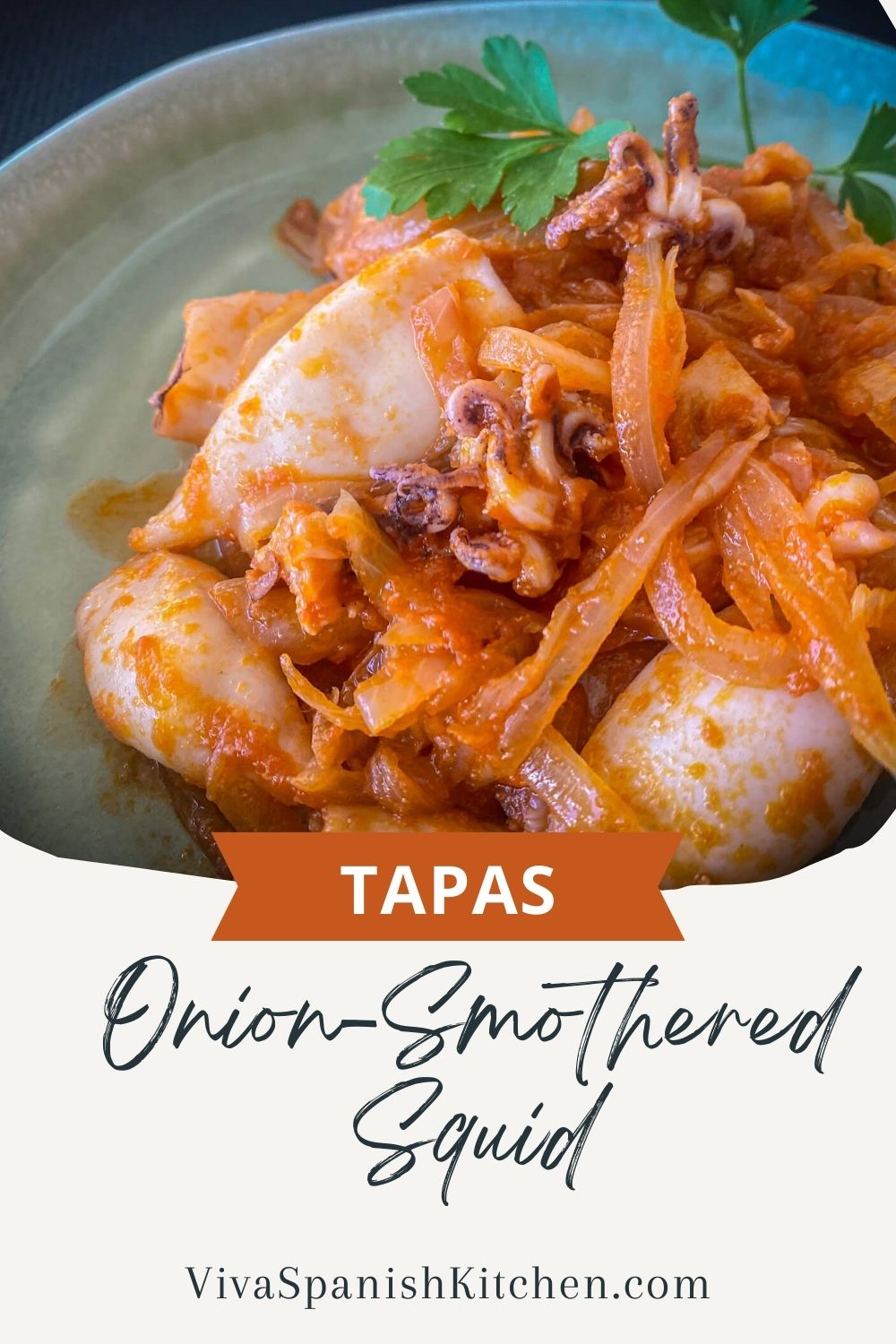
Spanish Squid with Caramelized Onions and White Wine is a quintessential Mediterranean tapa that transforms humble seafood into a meltingly tender masterpiece. This step-by-step recipe guides you through slow-sweating sweet julienne onions, reducing crisp Spanish white wine, and gently simmering fresh squid rings until they absorb every layer of the rich, savory tomato sofrito. Packed with practical chef’s notes to prevent rubbery seafood, common pitfalls to avoid, and easy ingredient swaps like dry sherry, this foolproof guide ensures a flawless, restaurant-quality braise every single time.
Easy Spanish Squid with Caramelized Onions and White Wine
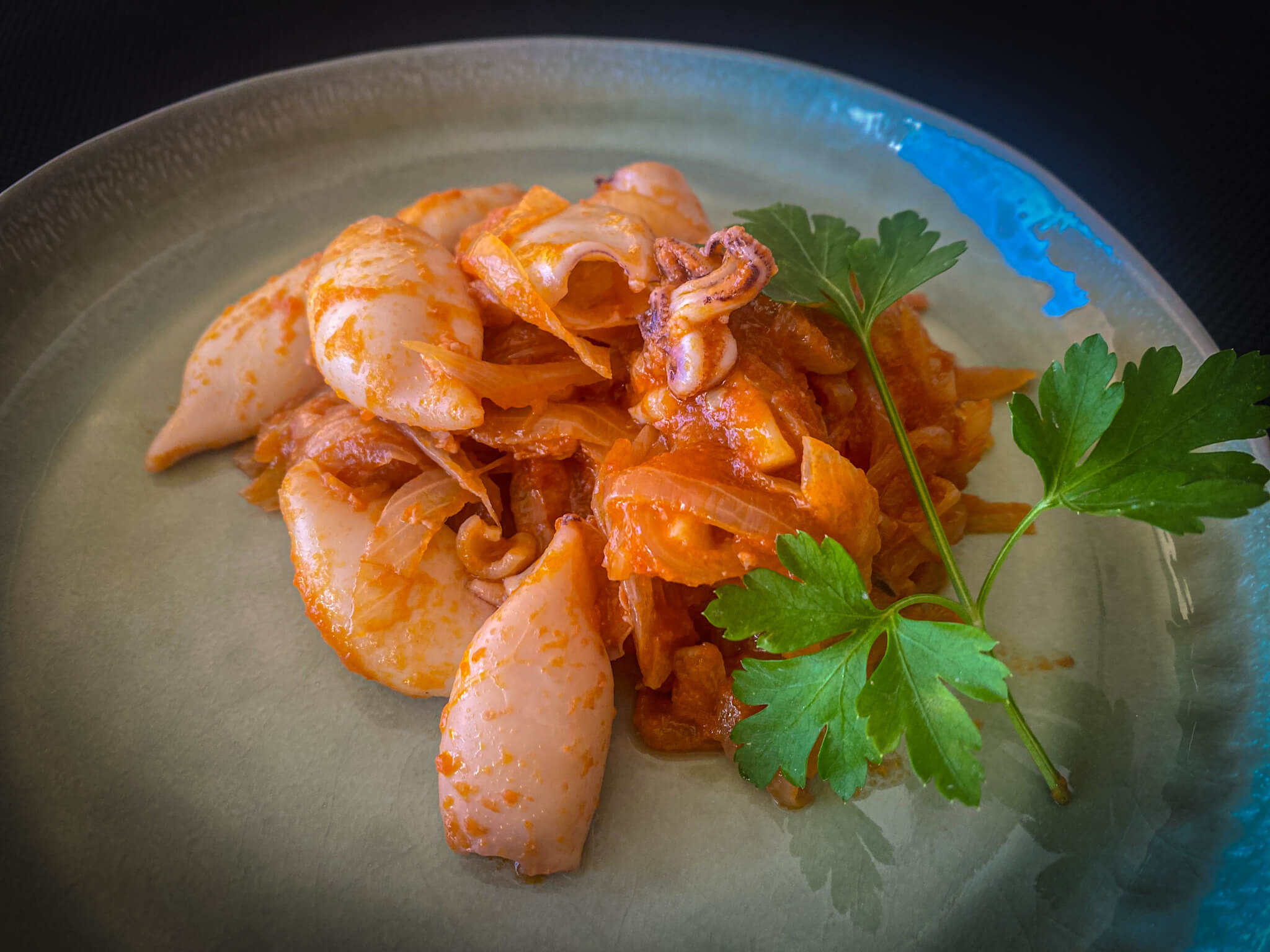
Cooking Spanish Squid with Caramelized Onions and White Wine
Spanish Squid with Caramelized Onions and White Wine is a quintessential Mediterranean tapa that transforms humble seafood into a meltingly tender masterpiece. While many home cooks associate seafood with quick, high-heat frying—like the crispy rings you will find in our recipe for Andalusian style squid—this slow-braised approach takes the exact opposite route. It relies on patience and low heat to break down tough collagen fibers, resulting in a texture so soft it melts in your mouth. If you enjoy rich, deeply concentrated seafood stews like our squid in American sauce, this traditional recipe is destined to become a new favorite in your culinary repertoire.
What makes this particular tapa so fascinating is the culinary chemistry behind its flavor profile. It relies entirely on a foundational base of sweet julienne onions and finely chopped garlic. By sweating these aromatics slowly in extra virgin olive oil for up to fifteen minutes, you extract their natural sugars without browning or burning them. This slow caramelization creates a luscious, sweet foundation that perfectly balances the natural brine of the seafood.
The magic intensifies when you introduce a crisp, dry Spanish white wine, such as a Rueda Verdejo or Albariño. Pouring the wine into the pan and letting it reduce by half allows the harsh alcohol vapors to evaporate, leaving behind a vibrant acidity. This acidity is structurally essential; it cuts right through the heavy sweetness of the melted onions and prevents the final sauce from tasting cloying. Combined with a purée of crushed tomatoes, the mixture concentrates into a thick, glossy, and deeply savory sofrito before the squid even touches the pan.
Another remarkable aspect of this dish is its efficiency and practicality for home cooks. Unlike delicate fish fillets that require precise timing to avoid drying out, squid cooked this way is incredibly forgiving once you understand its rules. Simmering the rings gently in the acidic tomato and wine reduction for a full thirty minutes guarantees flawless results without the risk of a rubbery texture.
Furthermore, this is a recipe that actually rewards you for making it ahead of time. When left to rest in the refrigerator overnight, the natural starches and gelatins from the seafood emulsify into the onion and tomato base. The flavors meld together, deeply intensifying the savory umami depth of the entire dish. Whether you serve it hot with crusty bread on a busy weeknight or present it as part of a weekend tapas spread, this straightforward braise delivers an authentic, restaurant-quality Mediterranean experience with minimal effort.
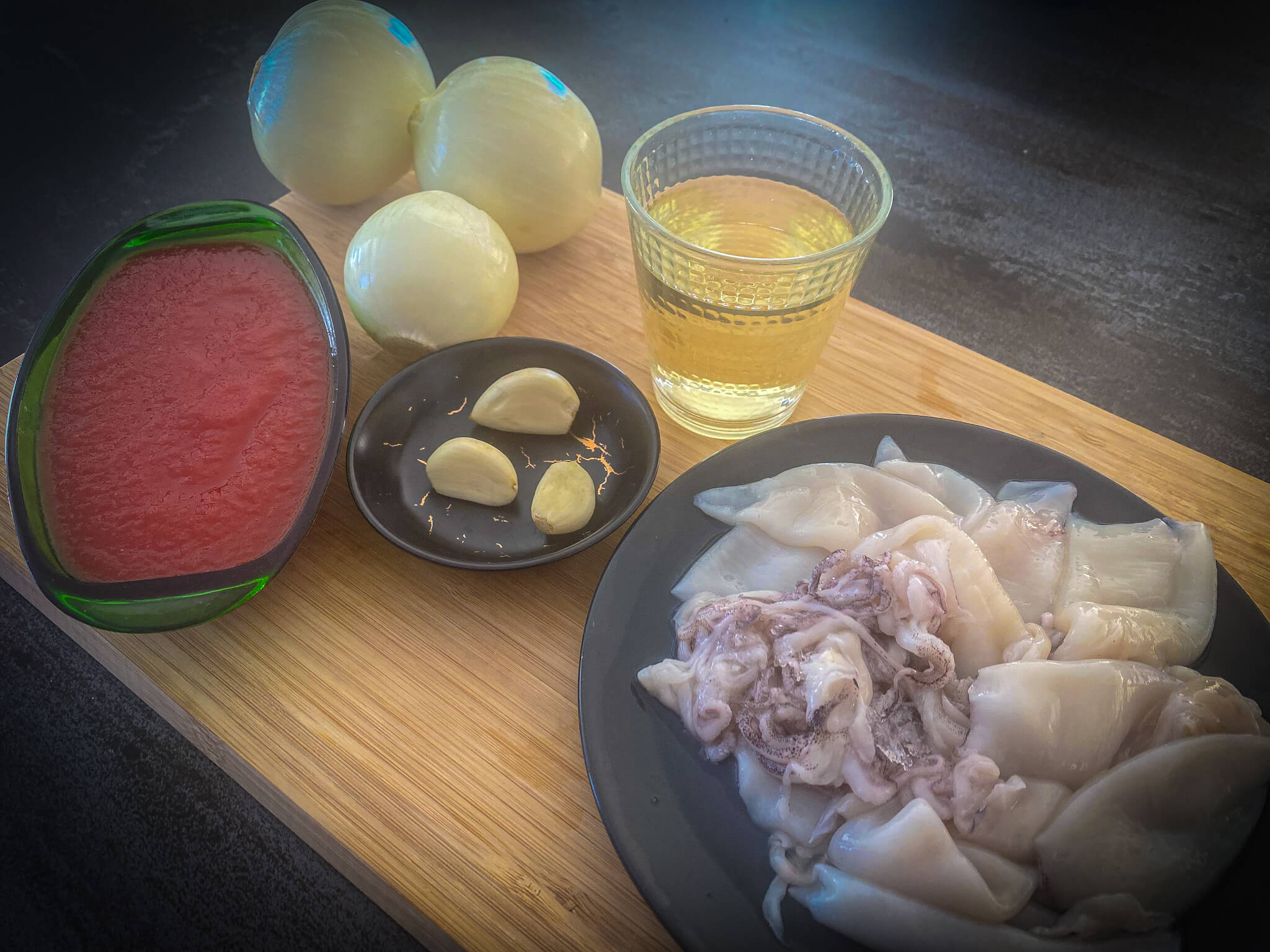
Ingredients
| Metric Amount | Imperial Amount | Core Ingredient | Preparation |
| 600 g | 1.3 lb | Squid | Whole, cleaned |
| 3 units | 3 units | Onion | Peeled, cut into thin julienne strips |
| 3 cloves | 3 cloves | Garlic | Peeled, finely chopped |
| 3 tbsp | 3 tbsp | Olive oil | Extra virgin preferred for sautéing |
| 1 glass | 1 cup | White wine | Dry Spanish style (Verdejo or Albariño) |
| 200 g | 7 oz | Crushed tomato | Canned or fresh purée |
| 1 pinch | 1 pinch | Salt | Fine sea salt to taste |
Instructions
1. Sauté the Aromatics
Pour the extra virgin olive oil into a large, deep skillet or traditional clay pot and heat it over medium-low heat. Add the thinly sliced julienne onions and finely chopped garlic. Stir well to coat them thoroughly with the oil.
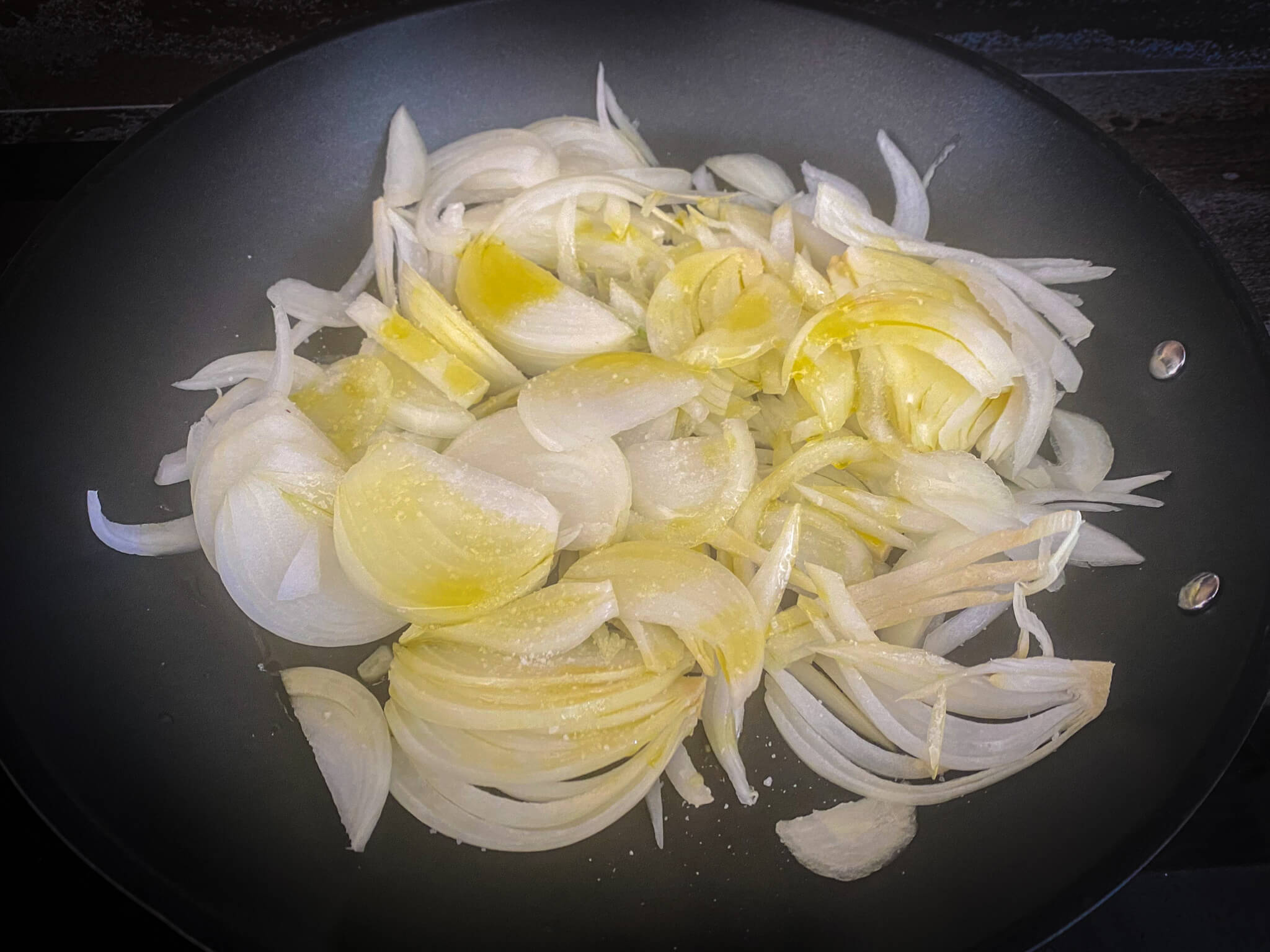
2. Caramelize the Onions Slowly
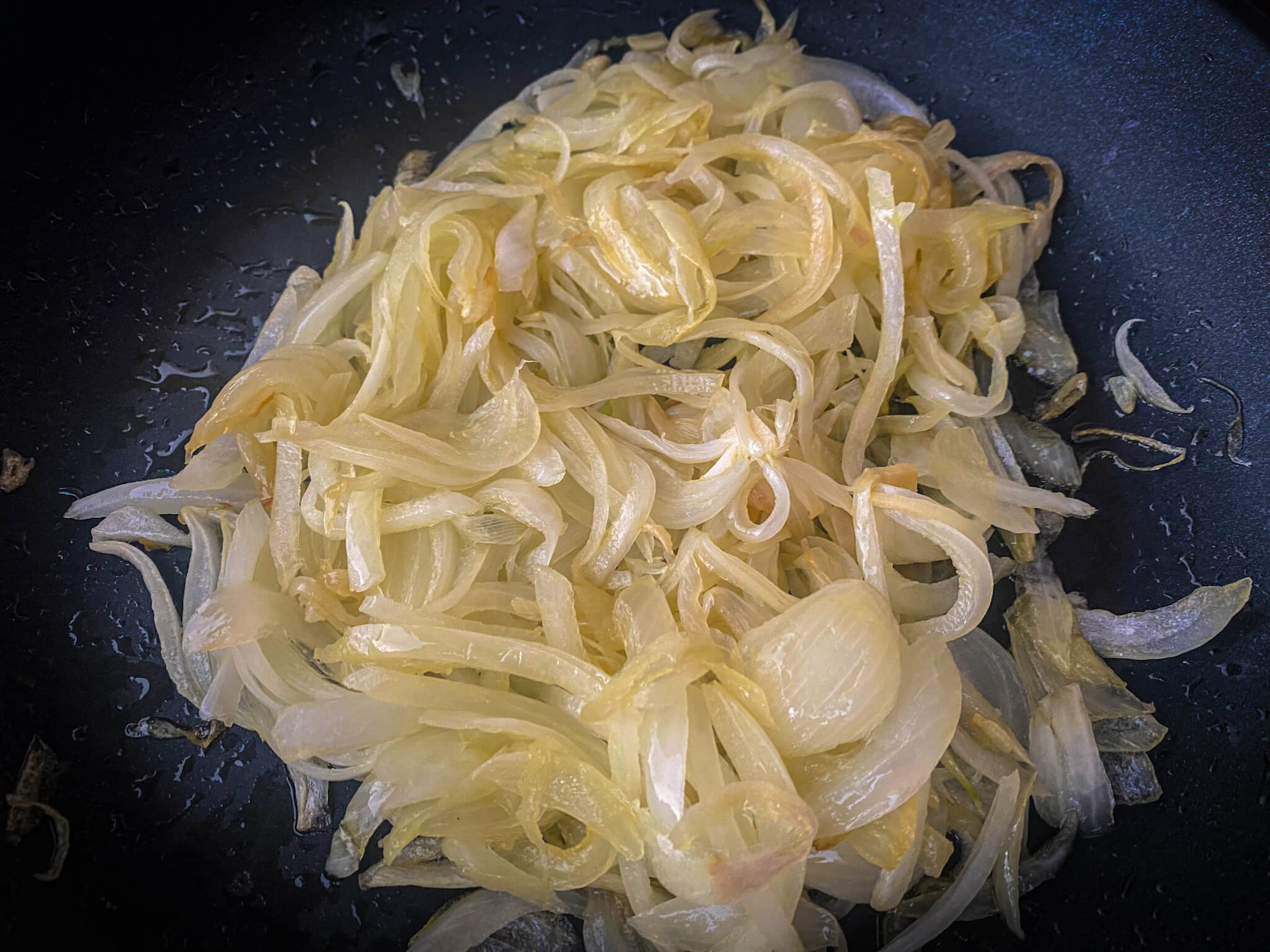
Reduce the heat to low and let the onions and garlic sweat slowly. Cook them undisturbed for 10 to 15 minutes, stirring occasionally, until the onions lose their sharpness, break down completely, and become beautifully translucent and sweet without developing a dark brown color.
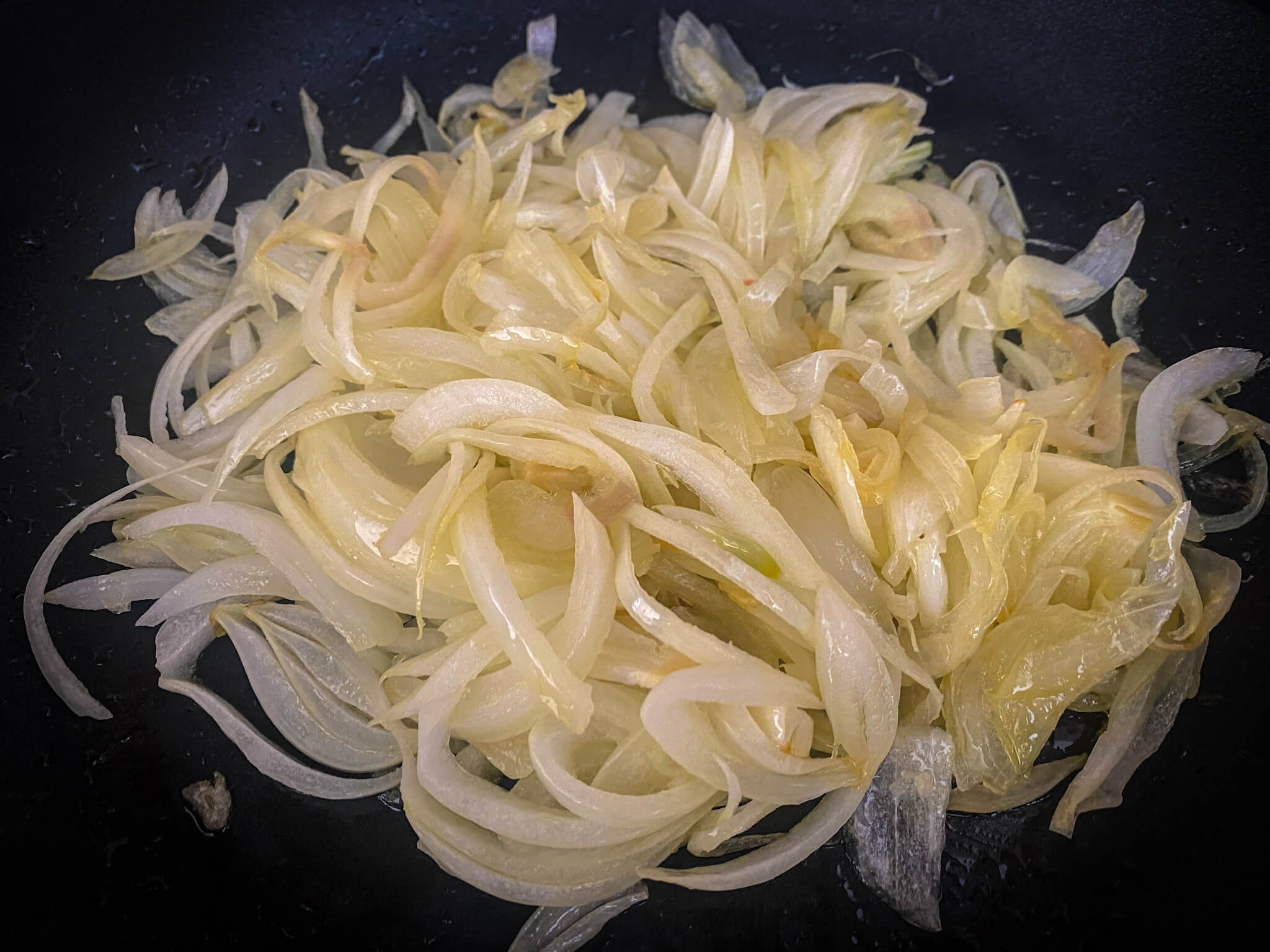
3. Reduce the White Wine
Pour in the dry white wine and immediately turn the heat up to medium-high to bring the liquid to a lively simmer. Allow the alcohol to cook off and evaporate for about 5 minutes, letting the sharp aroma mellow down while the liquid reduces by half.
4. Build the Sauce Base
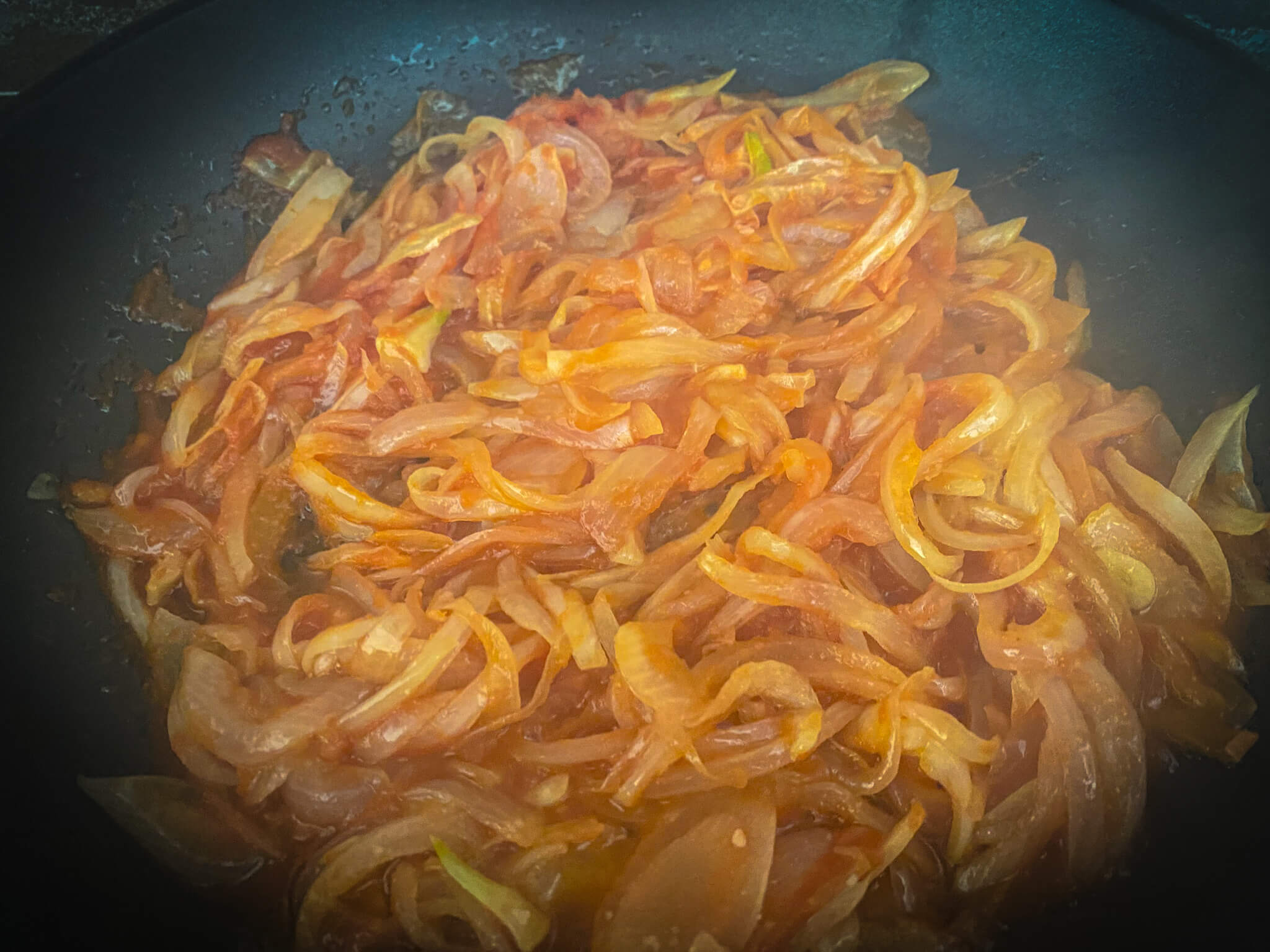
Reduce the heat back to low and pour in the crushed tomato purée, followed by a generous pinch of fine sea salt. Stir the mixture well to combine the sweet onions with the tomatoes. Let the sauce gently simmer and concentrate for 10 minutes until it darkens slightly and thickens into a rich sofrito.
5. Simmer the Squid until Tender
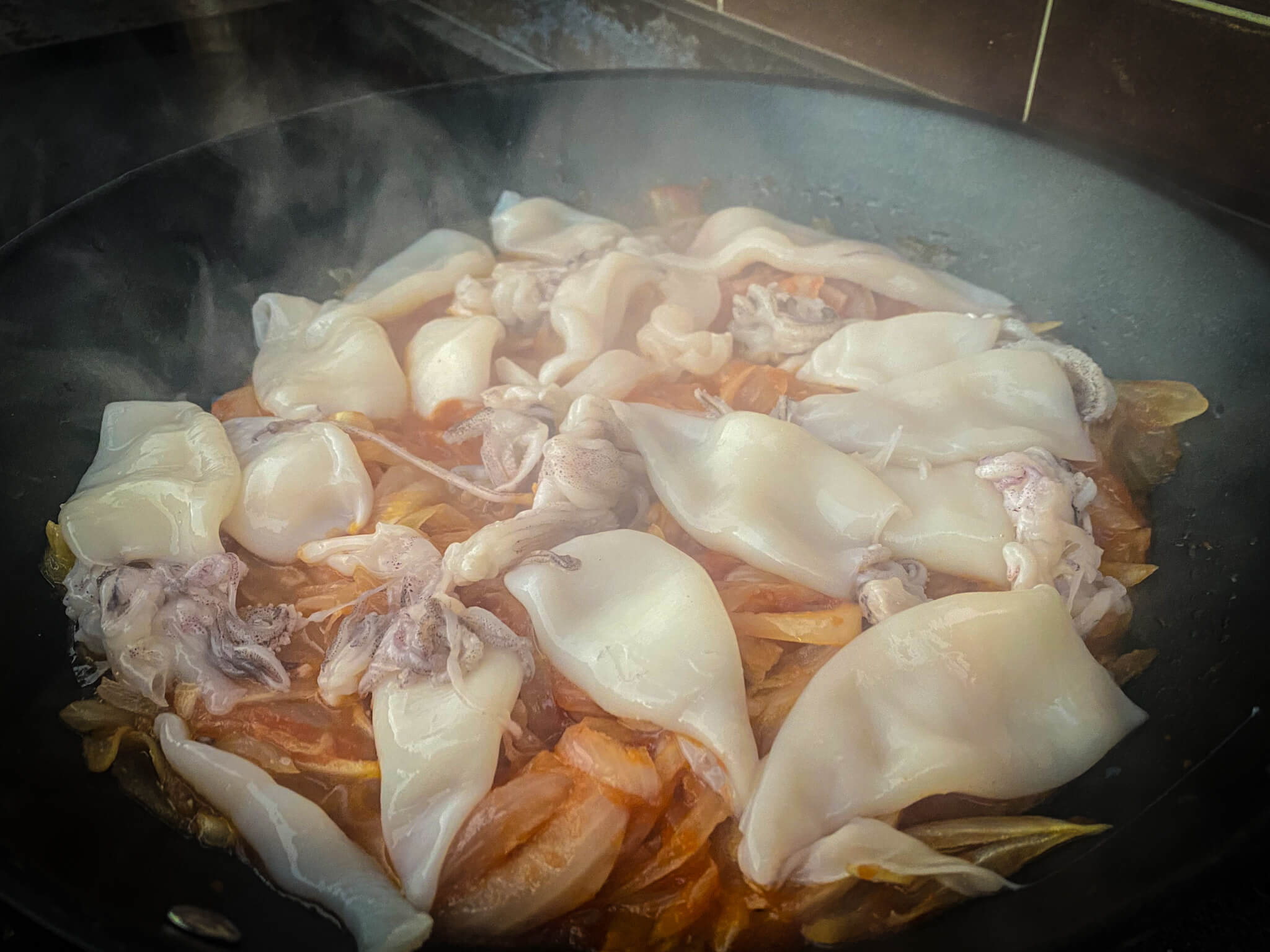
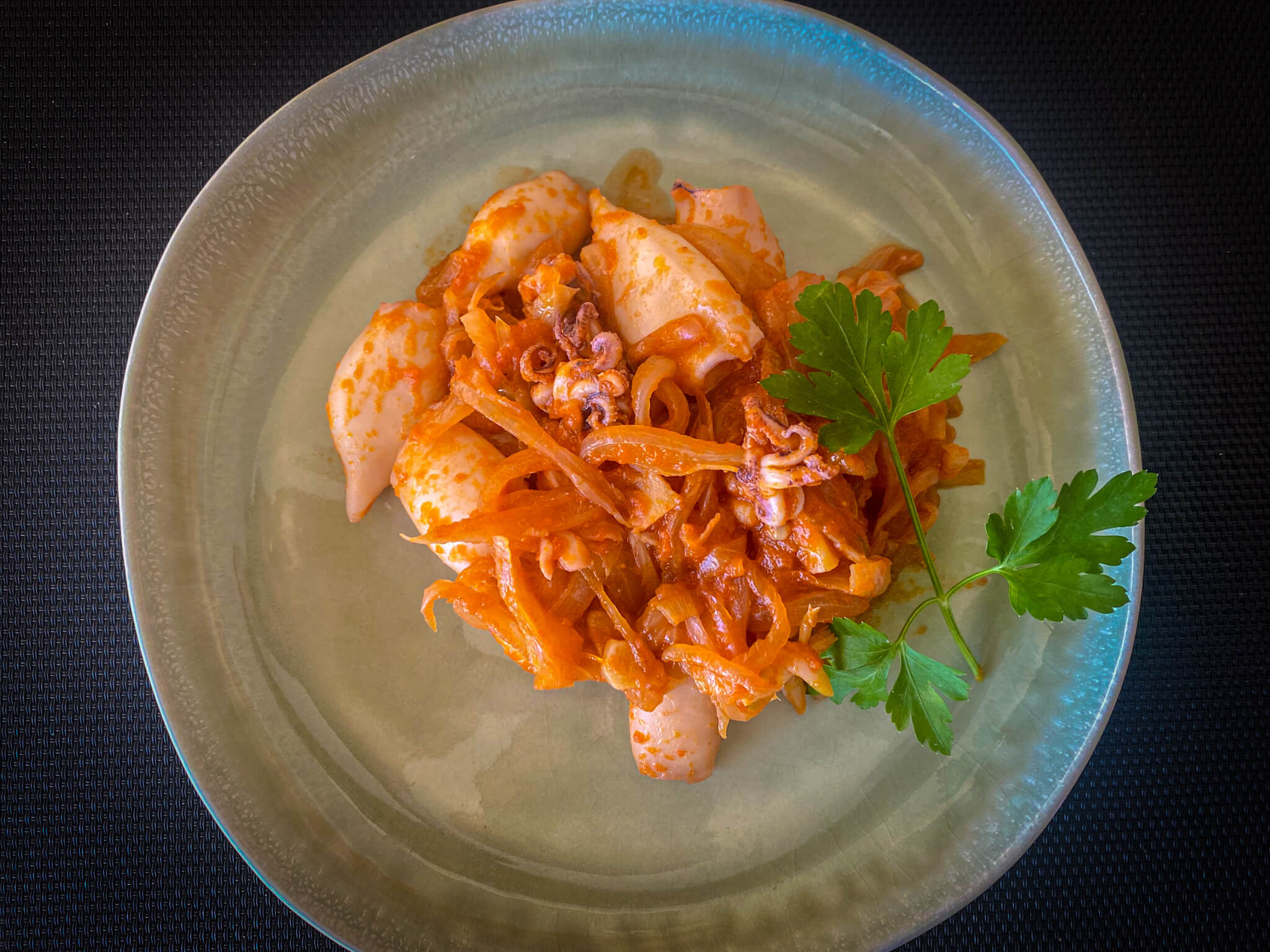
Gently slide the cleaned squid directly into the bubbling tomato and onion sauce. Stir to submerge the seafood completely. Cover the pan and let everything simmer together on low heat for around 30 minuteS, allowing the squid to absorb all the rich Mediterranean flavors and become meltingly tender.
Chef’s Notes for Spanish Squid with Caramelized Onions
How do I prevent my squid from turning tough and rubbery during the cooking process? Squid follows a very strict culinary law: it must be cooked either incredibly fast over high heat or very slowly on low heat. For this traditional braised dish, the secret lies in patience, as simmering the squid gently in the acidic tomato and wine reduction for a full 30 minutes breaks down the tough collagen fibers, transforming its texture into something remarkably tender that melts in your mouth.
What type of white wine works best to achieve the perfect balance of flavors in this sauce? You should always reach for a crisp, dry white wine with decent acidity, ideally a Spanish variety like Rueda Verdejo, Albariño, or a dry Godello. Avoid sweet or overly oaked wines, as the slow-cooking process naturally concentrates the sugars in the large volume of onions, meaning an aromatic, crisp wine is essential to cut through that heavy sweetness and elevate the seafood’s natural brine.
Can this dish be made ahead of time, and how does resting affect its overall flavor profile? This is one of those magical Mediterranean stews that actually tastes significantly better the following day. When you allow the dish to rest in the refrigerator overnight, the starches and natural gelatin from the squid emulsify with the caramelized onions and tomato sauce, deeply intensifying the savory umami depth of the entire dish.
Common Mistakes cooking Spanish Squid with Caramelized Onions
Rushing the onion cooking process. Rushing the initial step by cranking up the heat will instantly scorch the garlic and char the edges of your onions, creating a bitter background note rather than the sweet, melt-in-your-mouth foundation that defines this classic tapa. You must let the onions sweat patiently on low heat so they release their natural sugars smoothly.
Adding the squid too early to the skillet. Tossing the seafood into the pan before the wine has completely reduced and the tomato sauce has concentrated will boil the squid in harsh alcohol vapors. This mistakes results in an unpleasant, metallic-tasting sauce and leaves the squid with an unappealing, rubbery texture instead of a rich, integrated braise.
Using pre-salted tomato sauce or excess seasoning early on. Adding too much salt at the very beginning of the recipe can ruin the dish because the long 30-minute simmer heavily concentrates the liquids. It is vital to only add a tiny pinch with the tomatoes and save your final adjustments for the very end of the cooking process.
Ingredient Swaps & Variations on Spanish Squid with Caramelized Onions
The Andalusian Sherry Twist: If you want to introduce a deeper, nuttier complexity to the sauce, swap out the standard dry white wine for an equal amount of dry Fino or Manzanilla sherry. This substitution introduces a sharp, briny undertone that cuts through the caramelized sweetness of the onions beautifully.
The Cuttlefish or Octopus Alternative: In case high-quality fresh squid is difficult to source at your local market, you can substitute it with clean cuttlefish (sepia) or even pre-cooked octopus tentacles cut into thick discs. Both seafood alternatives thrive in long, slow stews and will absorb the rich wine and tomato reduction perfectly without losing their structural integrity.
A Spicy Mediterranean Kick: For home cooks who enjoy a vibrant, warming touch to their seafood tapas, adding a single dried cayenne pepper (guindilla) or a pinch of hot Spanish smoked paprika to the hot olive oil along with the garlic creates an incredible contrast against the sweet caramelized onions.
Recipe Card
Easy Spanish Squid with Caramelized Onions and White Wine

Easy Spanish Squid with Caramelized Onions and White Wine is a quintessential Mediterranean tapa that transforms humble seafood into a meltingly tender masterpiece. This step-by-step recipe guides you through slow-sweating sweet julienne onions, reducing crisp Spanish white wine, and gently simmering fresh squid rings until they absorb every layer of the rich, savory tomato sofrito. Packed with practical chef's notes to prevent rubbery seafood, common pitfalls to avoid, and easy ingredient swaps like dry sherry, this foolproof guide ensures a flawless, restaurant-quality braise every single time.
Ingredients
- 600 g (1.3 lb) Squid, whole, cleaned
- 3 units Onion, peeled, cut into thin julienne strips
- 3 cloves Garlic, peeled, finely chopped
- 3 tbsp Olive oil, extra virgin preferred for sautéing
- 1 glass (1 cup) White wine, dry Spanish style (Verdejo or Albariño)
- 200 g (7 oz) Crushed tomato, canned or fresh purée
- 1 pinch Salt, fine sea salt to taste
Instructions
- Sauté the Aromatics: Pour the extra virgin olive oil into a large, deep skillet or traditional clay pot and heat it over medium-low heat. Add the thinly sliced julienne onions and finely chopped garlic. Stir well to coat them thoroughly with the oil.
- Caramelize the Onions Slowly: Reduce the heat to low and let the onions and garlic sweat slowly. Cook them undisturbed for 10 to 15 minutes, stirring occasionally, until the onions lose their sharpness, break down completely, and become beautifully translucent and sweet without developing a dark brown color.
- Reduce the White Wine: Pour in the dry white wine and immediately turn the heat up to medium-high to bring the liquid to a lively simmer. Allow the alcohol to cook off and evaporate for about 5 minutes, letting the sharp aroma mellow down while the liquid reduces by half.
- Build the Sauce Base: Reduce the heat back to low and pour in the crushed tomato purée, followed by a generous pinch of fine sea salt. Stir the mixture well to combine the sweet onions with the tomatoes. Let the sauce gently simmer and concentrate for 10 minutes until it darkens slightly and thickens into a rich sofrito.
- Simmer the Squid until Tender: Gently slide the cleaned squid directly into the bubbling tomato and onion sauce. Stir to submerge the seafood completely. Cover the pan and let everything simmer together on low heat for 30 minutes, allowing the squid to absorb all the rich Mediterranean flavors and become meltingly tende
Nutrition Information:
Yield:
4Serving Size:
1Amount Per Serving: Calories: 312Total Fat: 13gSaturated Fat: 2gUnsaturated Fat: 11gCholesterol: 356mgSodium: 310mgCarbohydrates: 17gFiber: 2gSugar: 6gProtein: 25g
Greatly appreciated!
Cheers!
Thanks a bunch!
Thank you kindly!
Thank you very much!