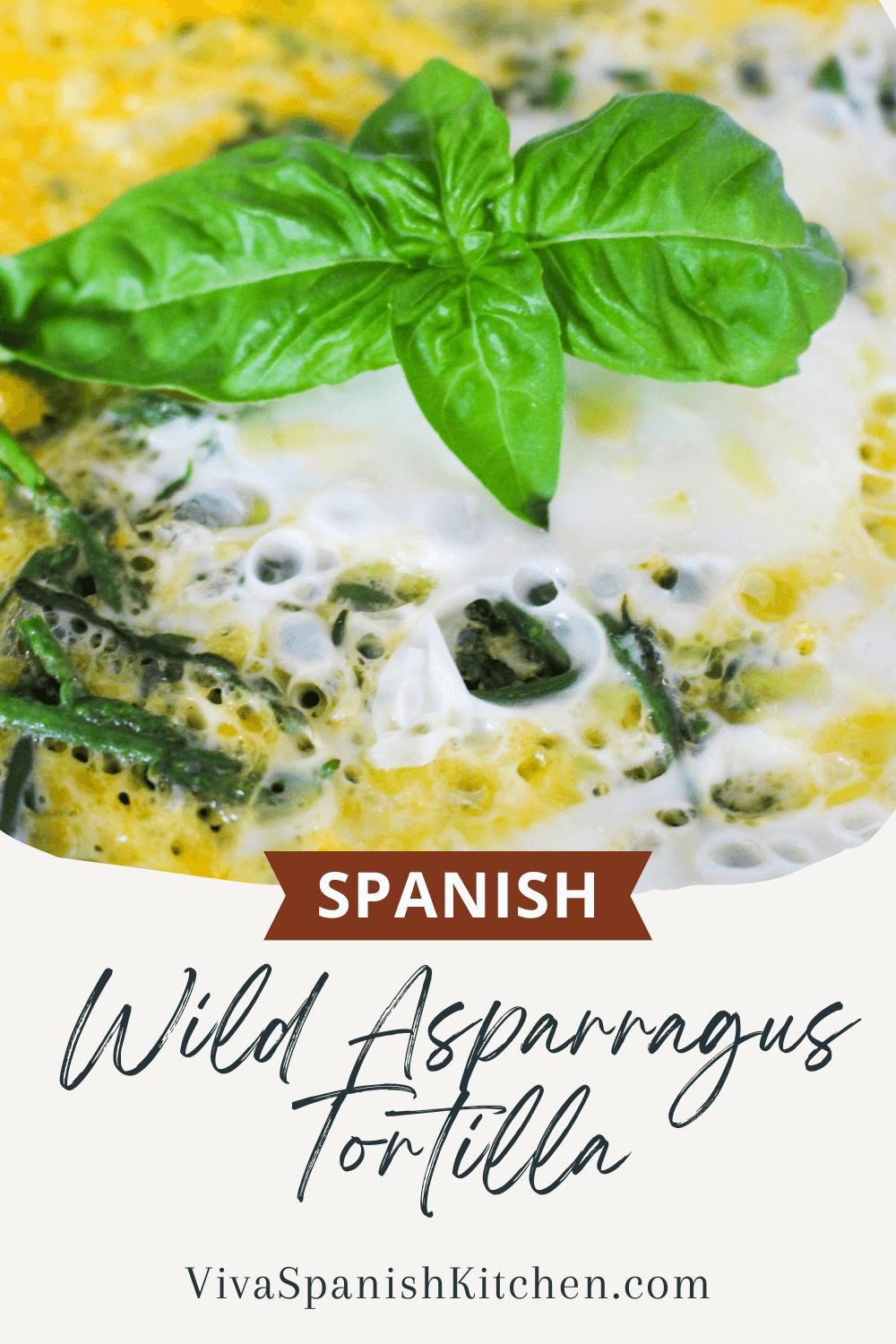
Spanish Wild Asparagus Omelette
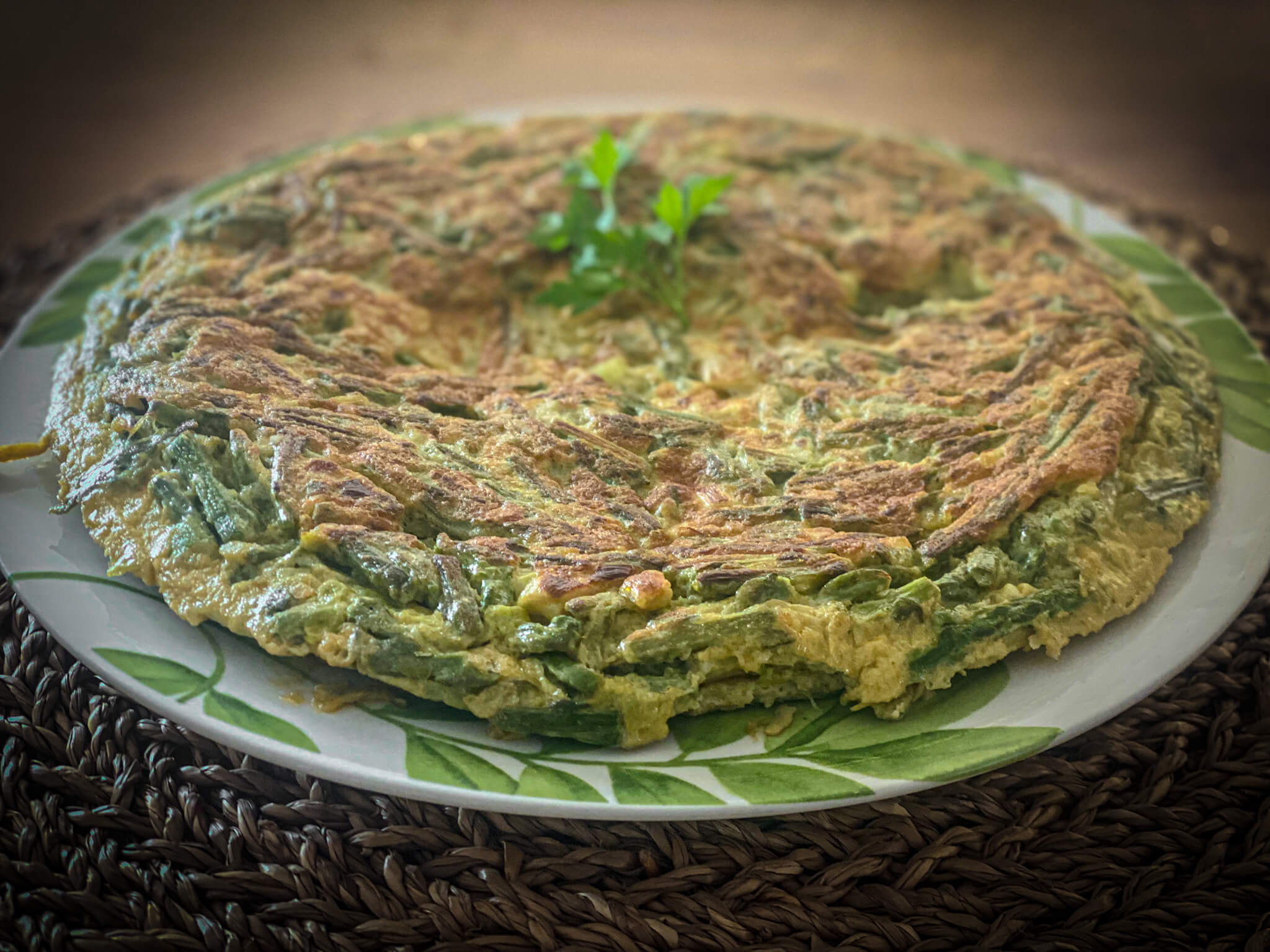
Cooking Wild Asparagus Omelette
The Wild Asparagus Omelette, or Tortilla de Espárragos Trigueros, is one of the most authentic recipes in Spanish home cooking. Made with just a few humble ingredients—wild asparagus, eggs, extra virgin olive oil, and a little salt—it perfectly captures the Mediterranean philosophy of letting fresh, seasonal produce take center stage. Every bite offers a balance of creamy eggs and the distinctive, slightly bitter flavor of wild asparagus, making it a true celebration of spring.
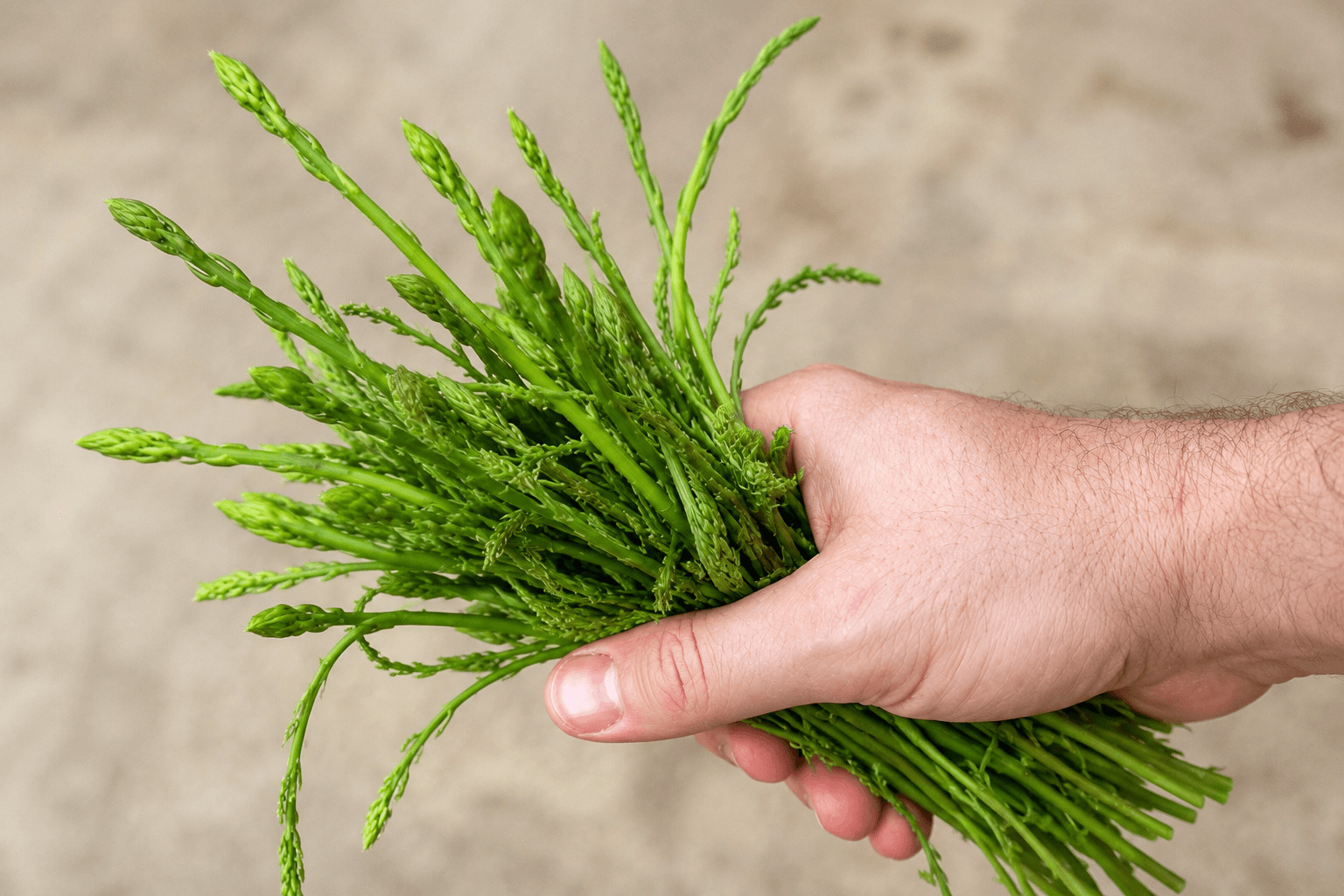
For generations, families across rural Spain have headed into the countryside after the first spring rains to forage for wild asparagus. These slender green shoots grow naturally along olive groves, vineyards, country paths, and woodland edges, especially in regions such as Andalusia, Extremadura, Castilla-La Mancha, and Murcia. Unlike cultivated asparagus, wild asparagus is thinner, firmer, and more intensely flavored, with earthy, herbaceous notes and a pleasant natural bitterness that becomes wonderfully mellow when cooked.
What makes this omelette so special is its remarkable flavor. The rich, silky eggs soften the asparagus’ slight bitterness, creating a delicious contrast that is both rustic and elegant. Extra virgin olive oil adds fruity richness, while optional ingredients like garlic, jamón serrano, or a pinch of smoked paprika deepen the flavor without overpowering the star ingredient. The result is a tortilla that is light yet satisfying, with a taste that reflects the Spanish countryside itself.
Like many of Spain’s most beloved traditional dishes, this recipe proves that exceptional food doesn’t require a long list of ingredients. It’s naturally gluten-free, high in protein, and quick enough for a weeknight meal, yet impressive enough to serve as a tapa, light lunch, or picnic dish. Whether enjoyed warm straight from the pan or at room temperature, a Wild Asparagus Omelette is one of the best ways to experience the authentic flavors of rural Spain and discover why this seasonal delicacy has been treasured for generations.
Ingredients
| Metric Amount | Imperial Amount | Core Ingredient | Preparation |
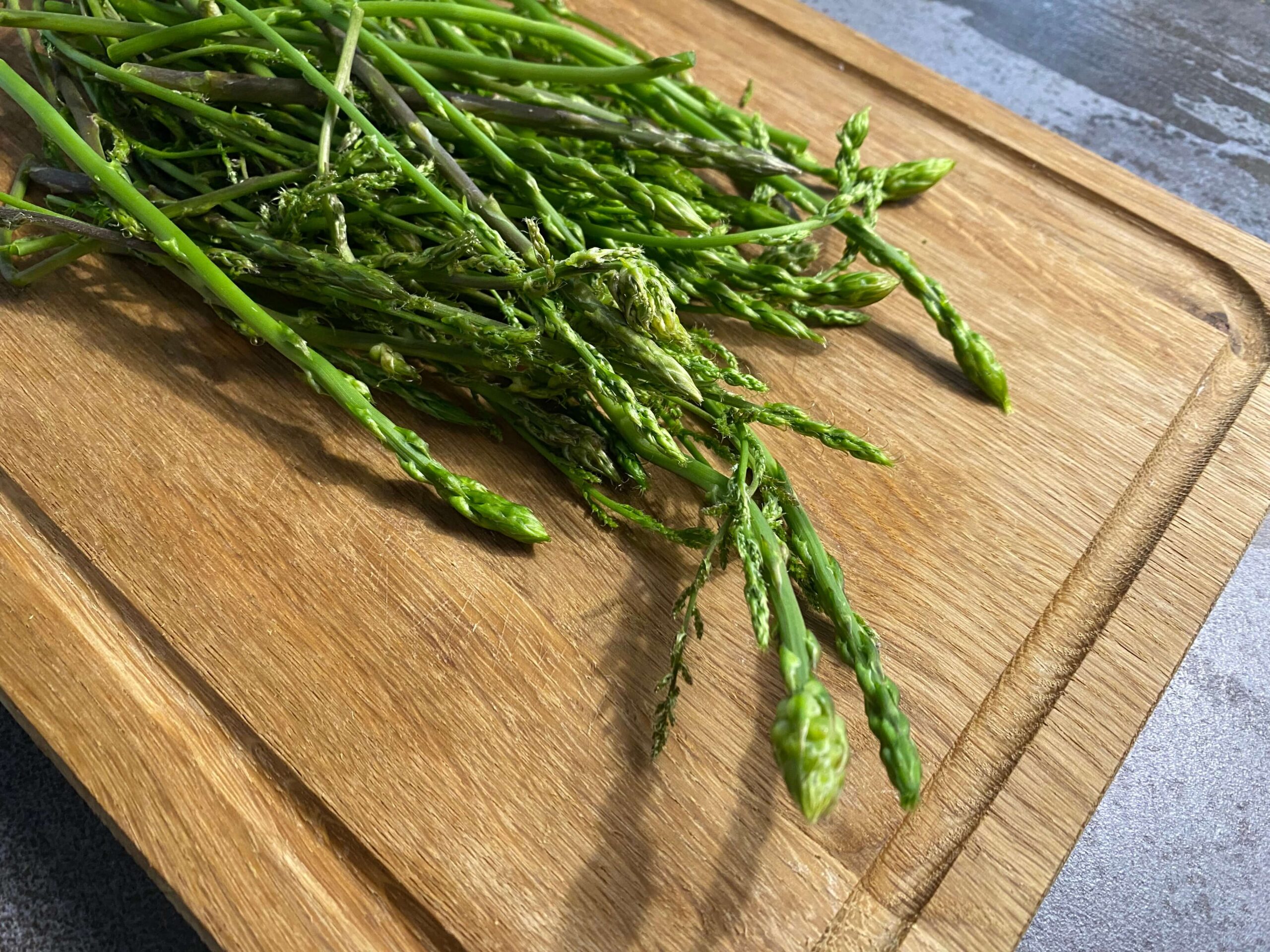
| 1 bunch | 1 bunch | Wild asparagus | Cleaned, woody ends snapped, cut into 2-3 cm pieces |
| 4 units | 4 units | Eggs | Large, lightly beaten |
| 30 ml | 2 tbsp | Extra virgin olive oil | For sautéing |
| 1 clove | 1 clove | Garlic | Finely sliced (optional) |
| 1 pinch | To taste | Salt | Fine |
| 1 pinch | To taste | Black pepper | Freshly ground |
| 2-3 leaves | 2-3 leaves | Fresh basil | Roughly torn (optional garnish) |
Instructions


Recipe Card
Wild Asparagus Omelette

The wild asparagus omelette (or "Tortilla de Espárragos Trigueros") is a classic Spanish dish, particularly popular in rural regions. It's simple, flavorful, and highlights the natural, slightly bitter taste of wild asparagus, which grows abundantly in the Spanish countryside.
Ingredients
- 1 bunch of wild asparagus (espárragos trigueros)
- 4 large eggs
- 2 tablespoons of extra virgin olive oil
- 1 clove of garlic (optional)
- Fresh basil (optional)
- Salt to taste
- Freshly ground black pepper to taste
Instructions
1. Prepare the Wild Asparagus
Wash the wild asparagus thoroughly under cold running water to remove any dirt. Bend each spear gently until the tough woody end snaps off naturally, then discard the tough pieces. Cut the tender asparagus into bite-sized pieces, about 2–3 cm (1 inch) long.
2. Sauté the Asparagus
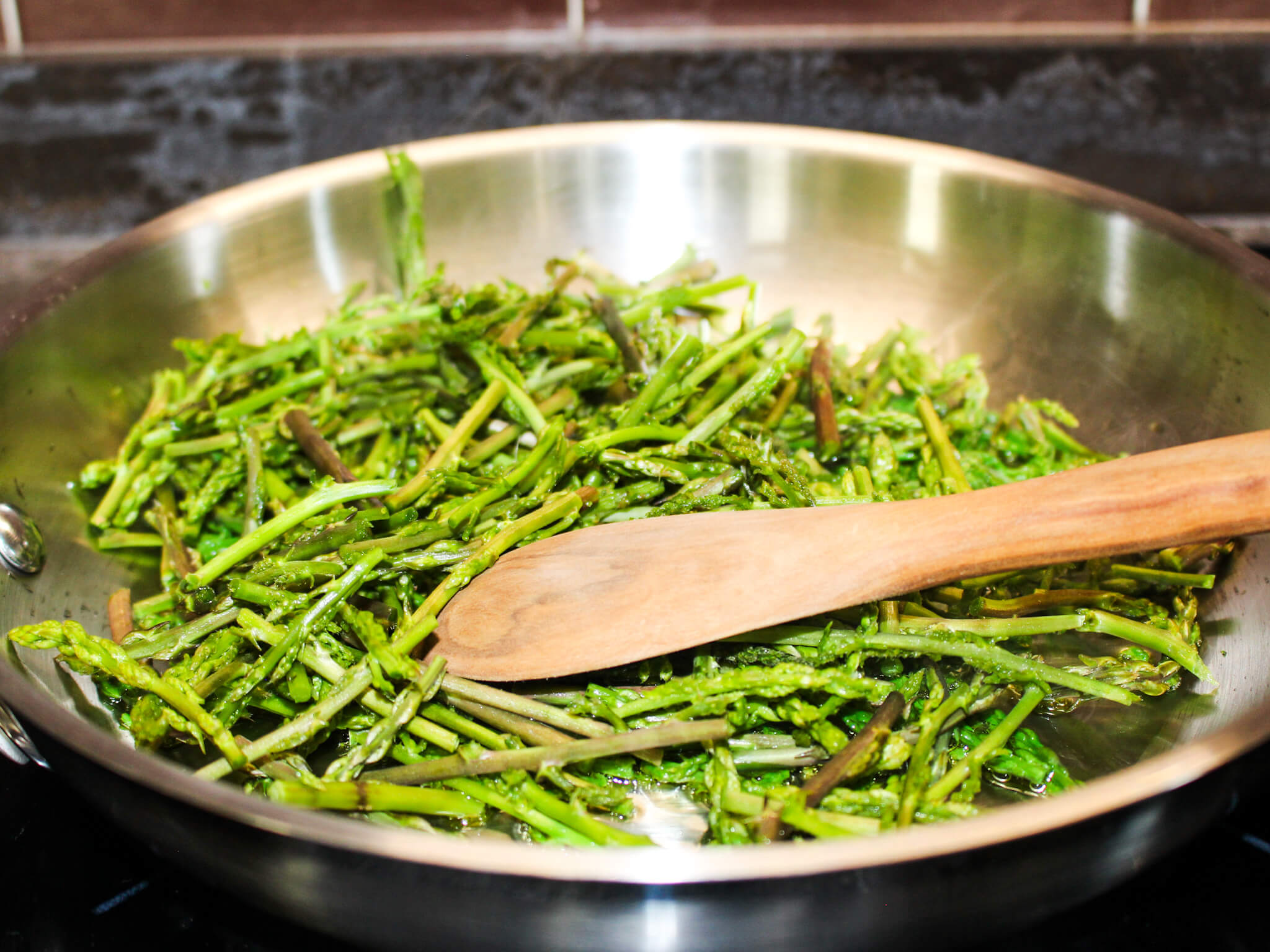
Heat the olive oil in a non-stick frying pan over medium heat. If using garlic, add the sliced clove and cook for about 1 minute until lightly golden and fragrant. Add the asparagus, season with a pinch of salt and pepper, and cook for 8–10 minutes, stirring occasionally, until tender but still slightly crisp.
3. Add the Eggs
Beat the eggs in a bowl with a pinch of salt until the yolks and whites are fully combined. Pour the beaten eggs evenly over the cooked asparagus, stirring gently so the asparagus is distributed throughout the mixture.
4. Cook and Flip the Omelette
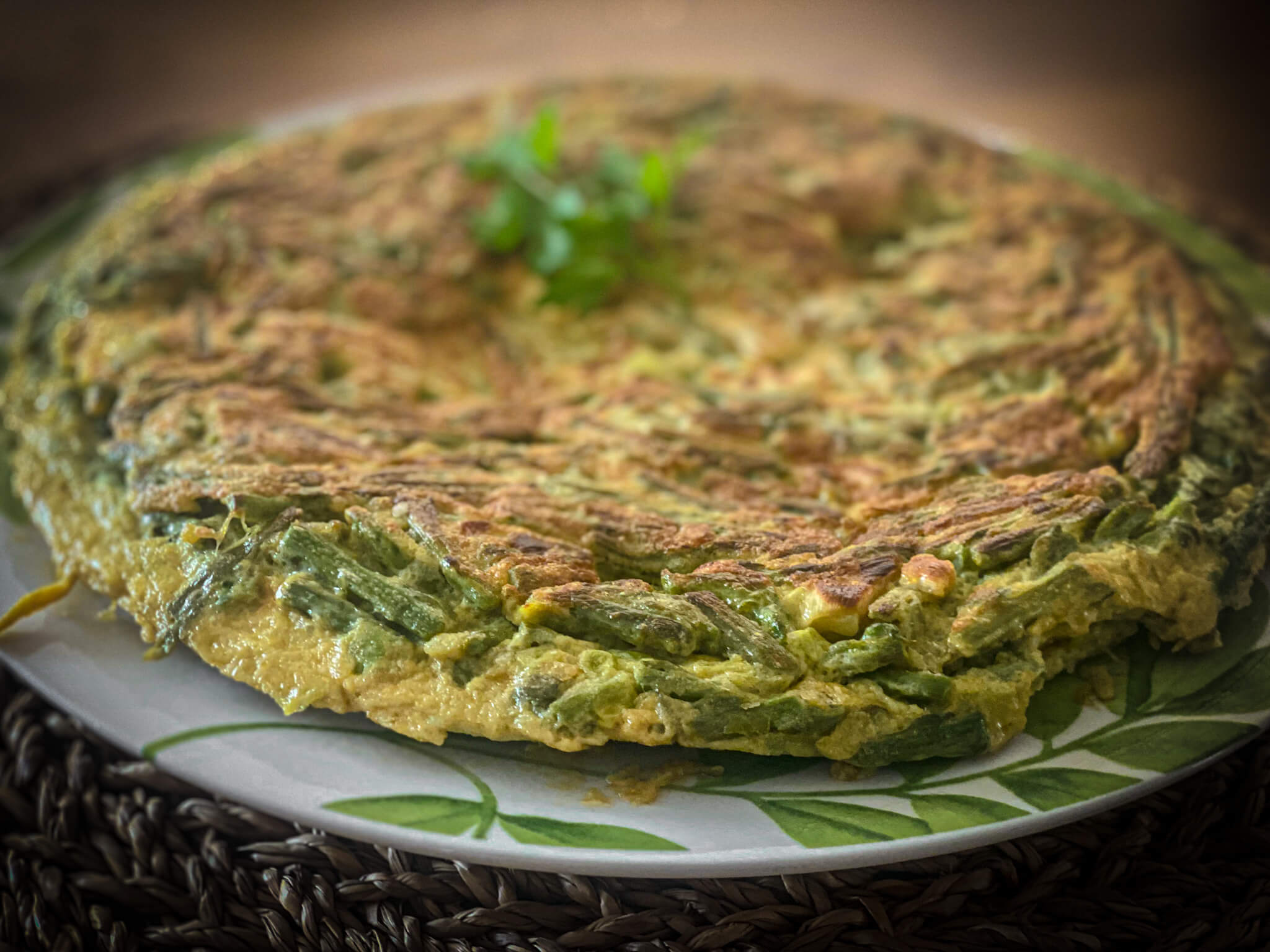
Reduce the heat to low and cook the omelette slowly. As the edges begin to set, lift them gently with a spatula so any uncooked egg can flow underneath. Once the omelette is mostly set but still slightly runny on top, place a large plate over the pan, carefully flip the omelette onto the plate, then slide it back into the pan to cook the other side for 1–2 minutes, or until fully set.
5. Serve
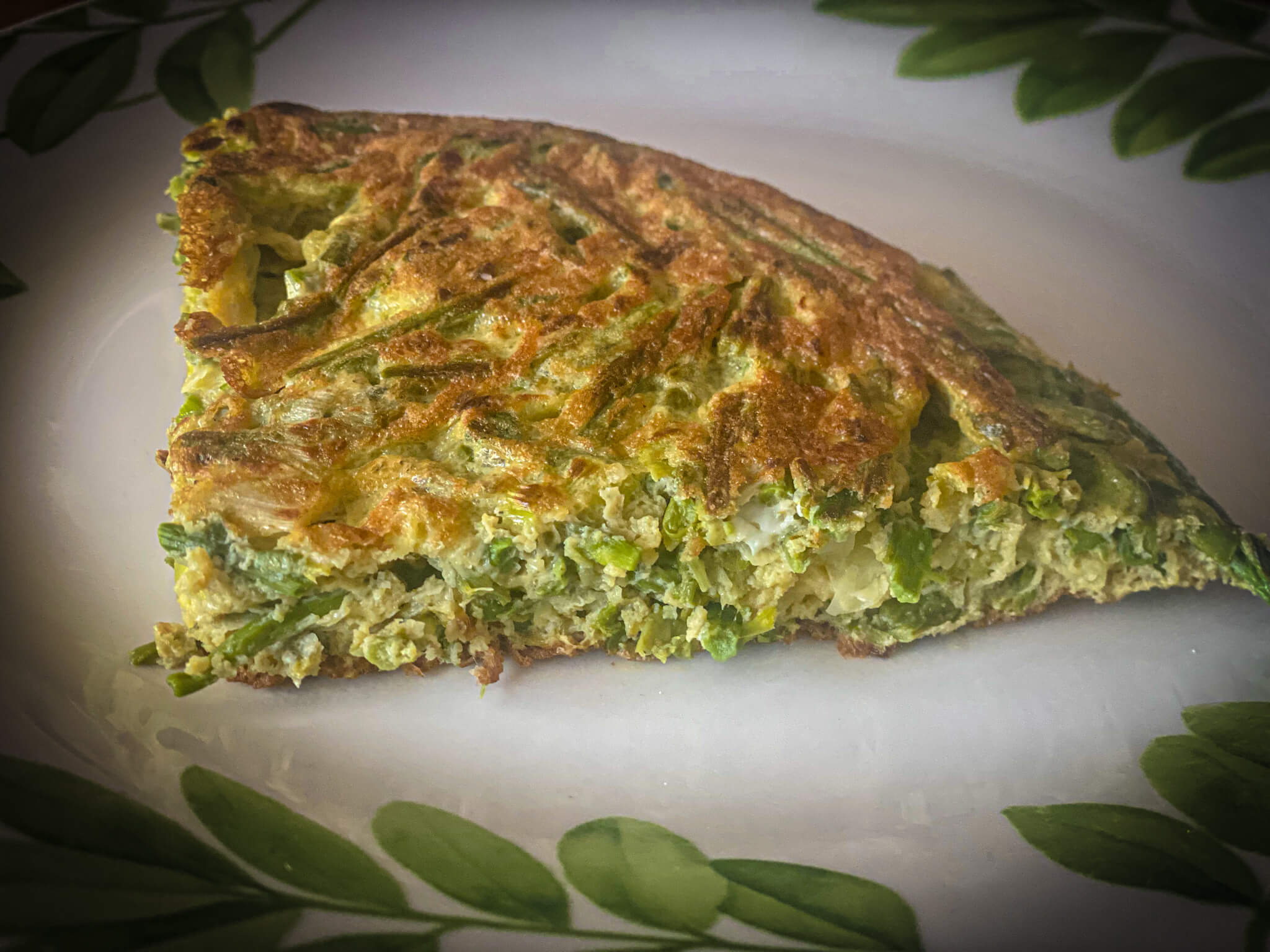
Transfer the omelette to a serving plate and let it rest for a couple of minutes before slicing. Serve warm or at room temperature, finished with a drizzle of extra virgin olive oil or a sprinkle of flaky sea salt for extra flavor, if desired.
Notes
- Harvesting Wild Asparagus: If you're foraging in Spain, the best time to pick wild asparagus is in early spring. Look for them after the rain, especially near olive groves or vineyards. They're thinner and have a slightly stronger flavor than cultivated asparagus.
- Olive Oil: Use high-quality, cold-pressed extra virgin olive oil, preferably from Spain.
- Eggs: For the best flavor, use fresh, free-range eggs. Locals believe the deep-yellow yolks make a richer, more flavorful tortilla.
- Optional Add-Ins: Some regions add thin slices of jamón serrano (dry-cured ham) or a sprinkle of pimentón (smoked paprika) for a smoky depth of flavor.
Nutrition Information:
Yield:
4Serving Size:
1Amount Per Serving: Calories: 139Total Fat: 12gSaturated Fat: 3gUnsaturated Fat: 10gCholesterol: 188mgSodium: 73mgCarbohydrates: 1gFiber: 0gSugar: 0gProtein: 7g
Pin it