
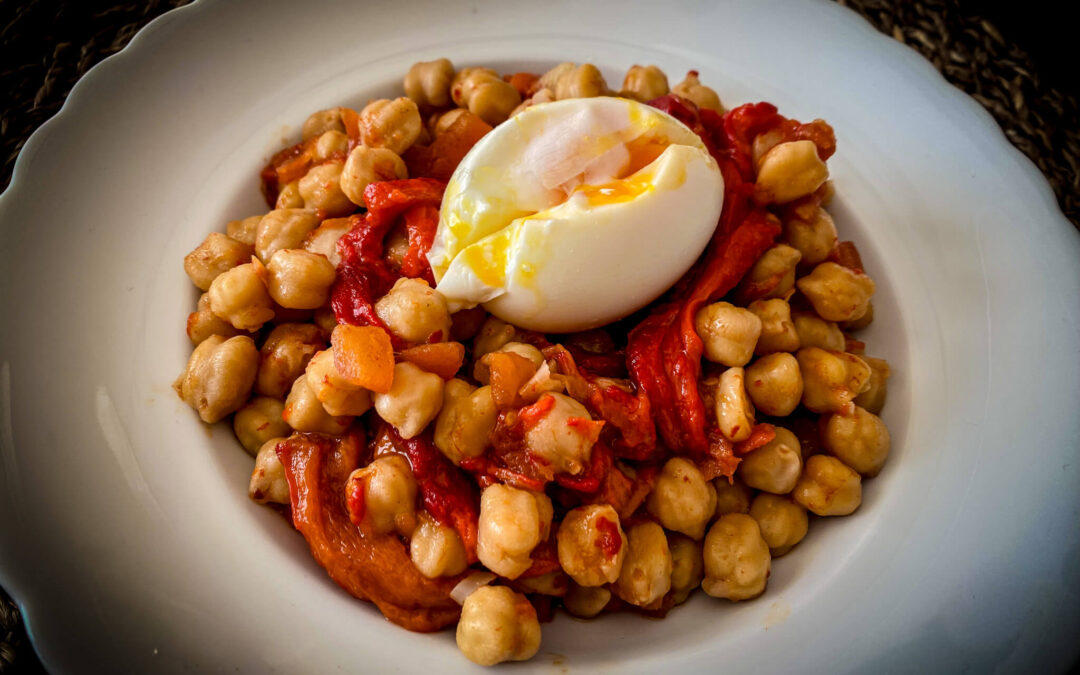
Manchego roasted pepper salad
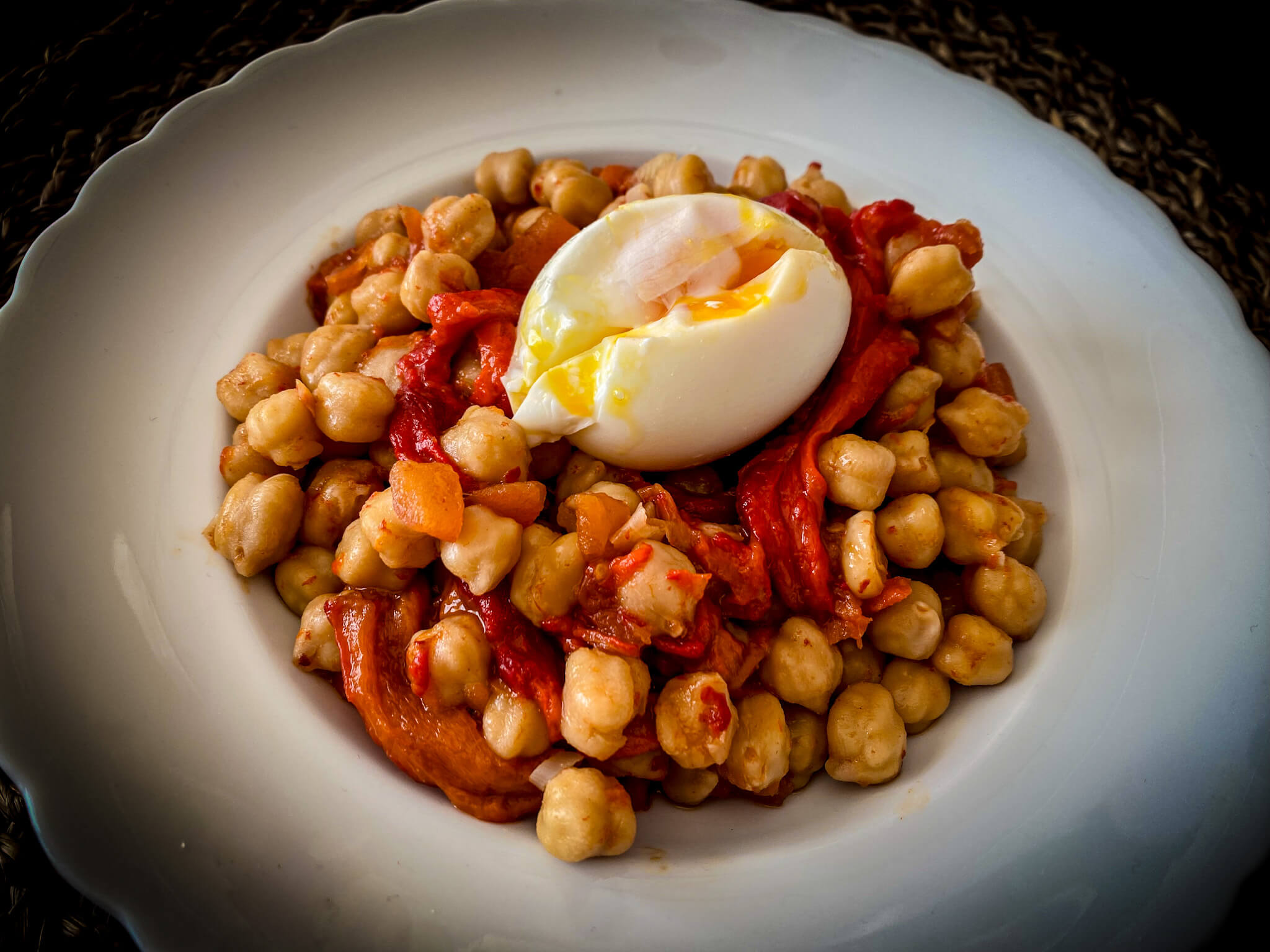
How to Serve Manchego Roasted Pepper Salad
As a Traditional Appetizer
One of the most traditional ways to enjoy Manchego Roasted Pepper Salad (Asadillo Manchego) is as a warm appetizer served in a small earthenware casserole dish (cazuela de barro). Top it with a freshly fried egg, allowing the runny yolk to mix with the roasted peppers, tomato, and olive oil to create a rich, flavorful sauce. Serve with plenty of crusty bread for dipping into every last bite—a simple but irresistible tapa that perfectly captures the rustic spirit of La Mancha.
As a Hearty Main Course
For a more substantial meal, gently warm the asadillo and stir in cooked chickpeas or white beans, allowing the flavors to meld together for a few minutes. Finish the dish with a hard-boiled or poached egg, adding extra protein and richness. Served with plenty of crusty bread, this humble combination becomes a nourishing Mediterranean meal that’s perfect for cooler days.

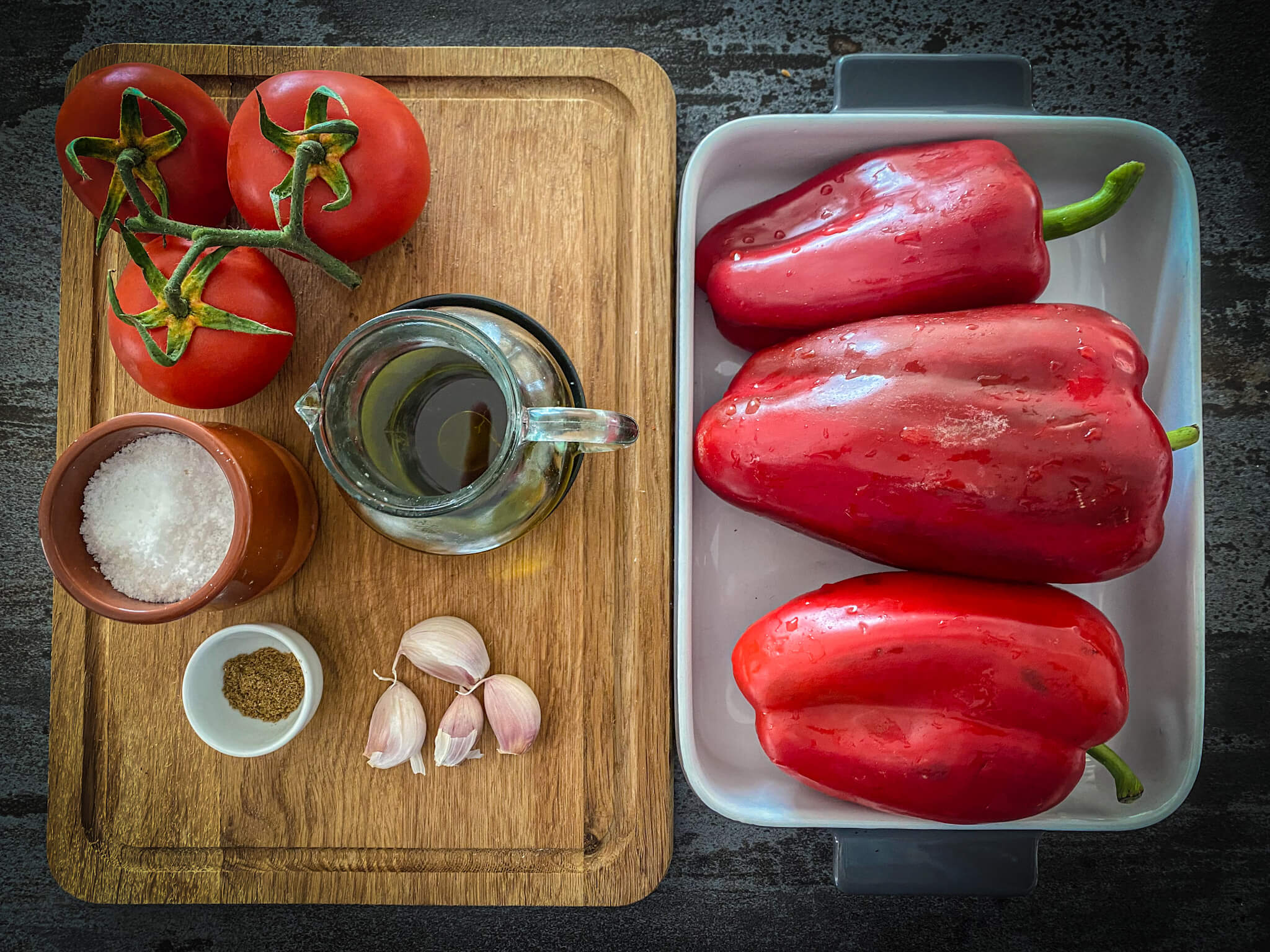
Ingredients
| Metric Amount | Imperial Amount | Core Ingredient | Preparation |
| 1 kg | 2.2 lb | Red bell peppers | Whole, unpeeled |
| 500 g | 1.1 lb | Tomatoes | Fresh, blanched and peeled |
| 4 cloves | 4 cloves | Garlic | Minced |
| 30 ml | 1 fl oz | Olive oil | Extra virgin |
| 5 g | 1 tsp | Ground cumin | Ground |
| 2 g | 1 pinch | Salt | Fine |
| 400 g | 14 oz | Chickpeas | Cooked (or 320g/11oz dried) |
| 4 units | 4 units | Eggs | Hard-boiled |
Instructions
1. Roast the Peppers
Preheat the oven to 425°F (220°C) on convection (fan-assisted bake) with top and bottom heat. Wash the bell peppers, place them on a baking sheet, and roast for about 45 minutes, turning halfway through, until the skins are blistered and lightly charred. Reserve any juices released during roasting. Once cool enough to handle, peel the peppers, remove the seeds, and cut them into strips.

2. Prepare the Ingredients
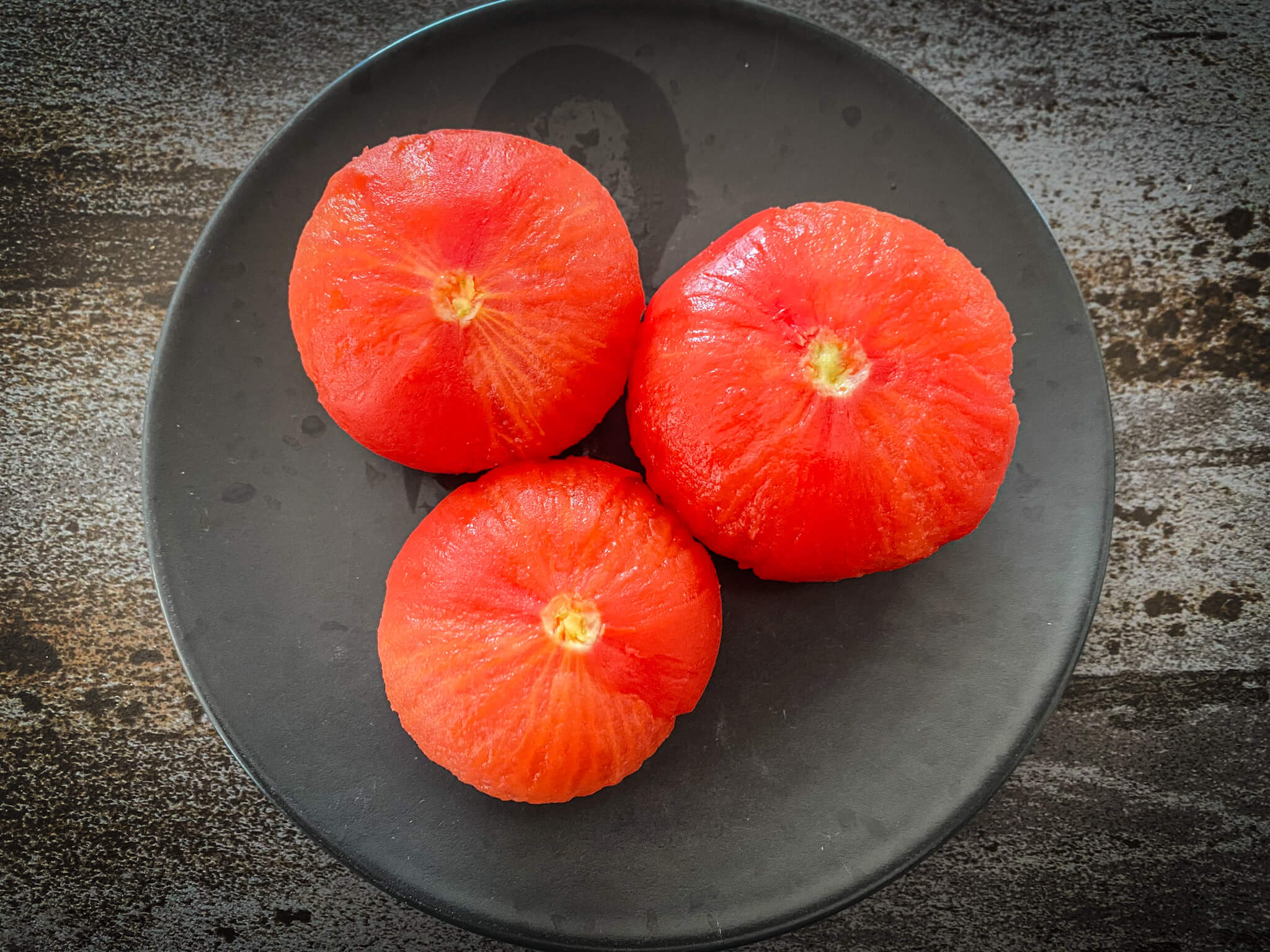
If using dried chickpeas, soak them overnight, then cook them in plenty of water for about 1 hour, or until tender. (If using canned chickpeas, simply drain and rinse them.) Meanwhile, blanch the tomatoes in boiling water for 1–2 minutes, transfer them to an ice bath, peel, and finely chop them, reserving any juices. Hard-boil the eggs for 10–12 minutes, then cool, peel, and slice them.

3. Prepare the Asadillo
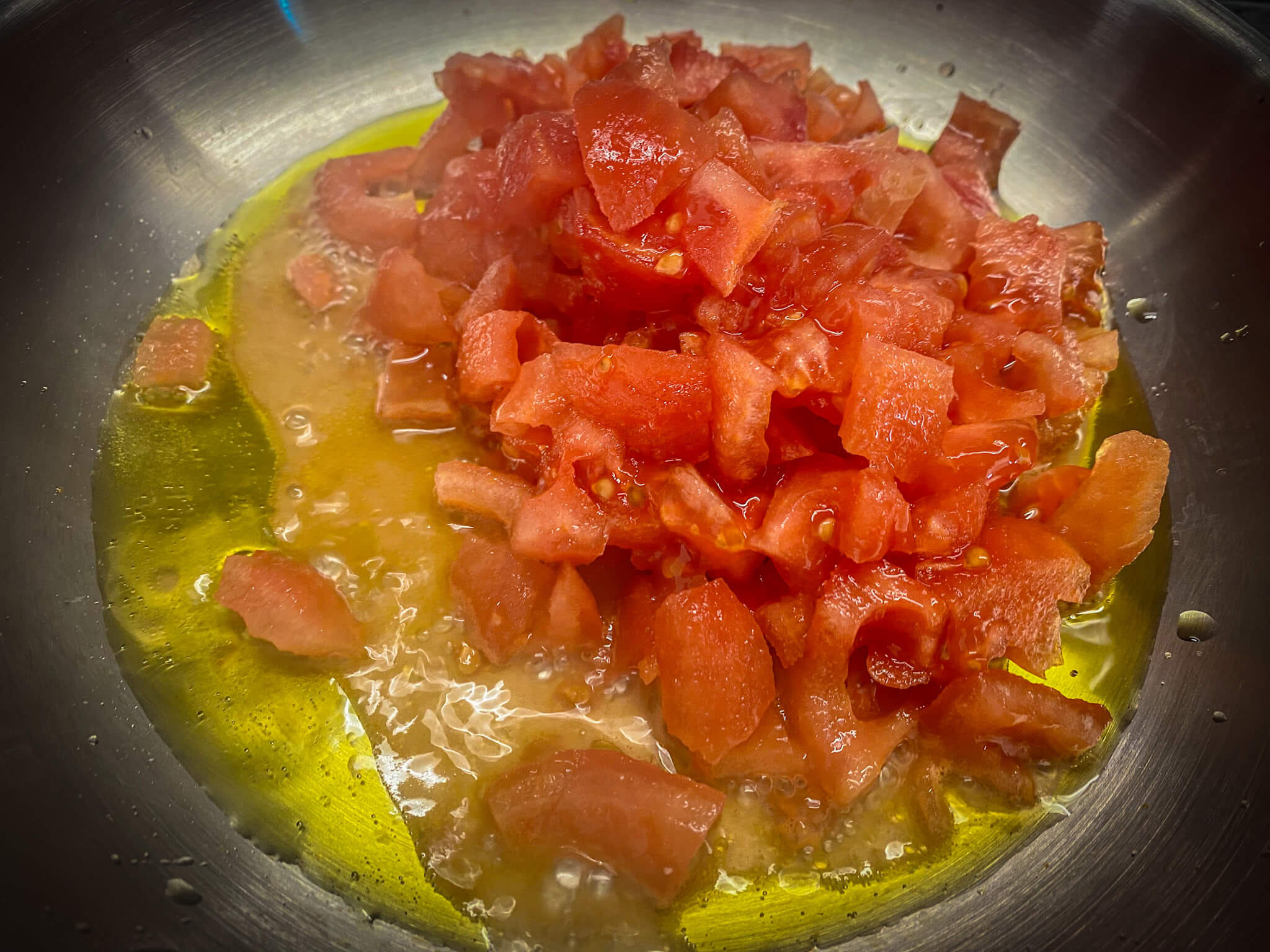
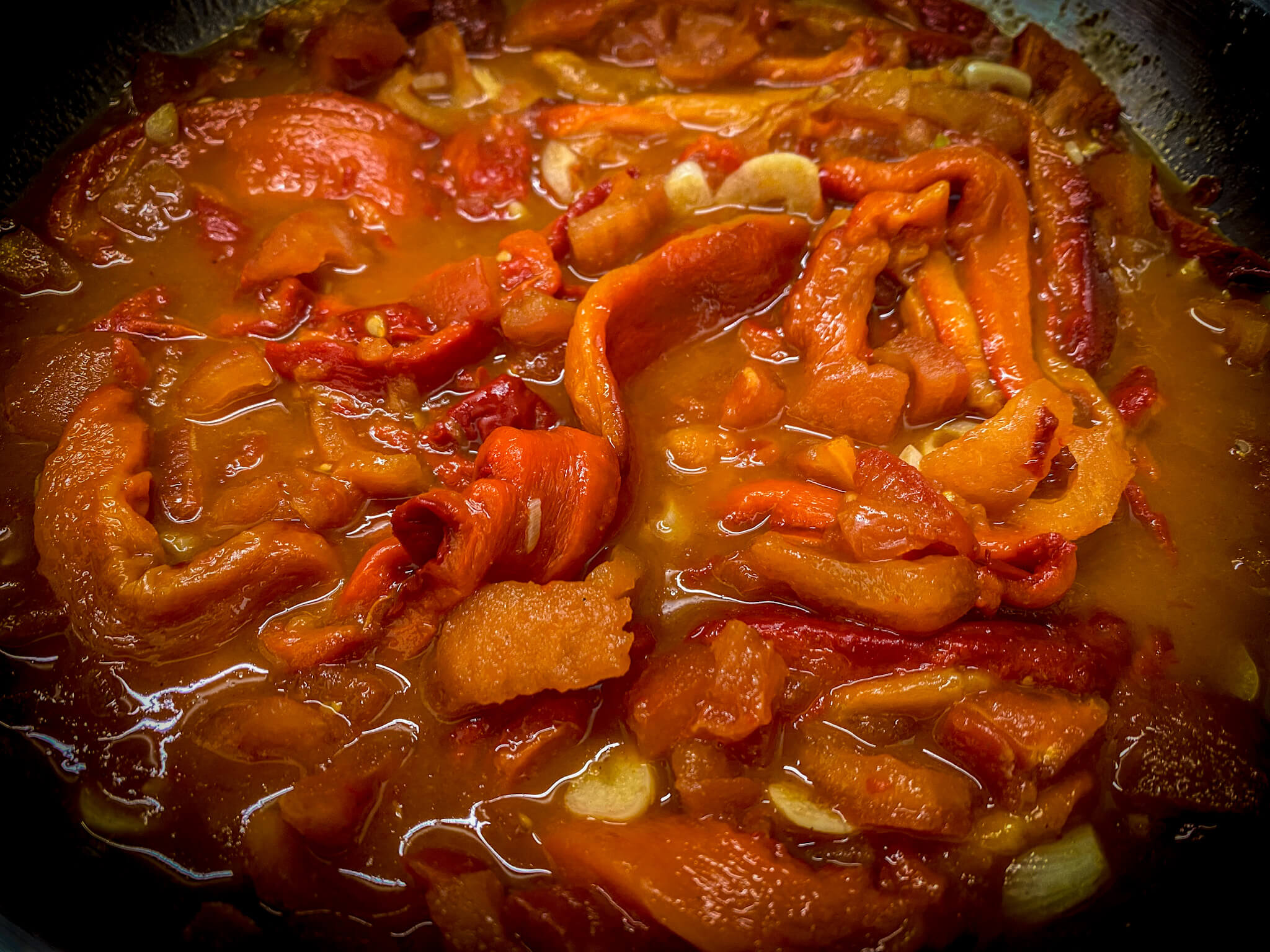
Heat the olive oil in a large skillet over low heat. Add the chopped tomatoes with a pinch of salt and cook for about 10 minutes. Stir in the garlic, ground cumin, and roasted pepper strips, then cook for another 5 minutes. Pour in the reserved pepper juices and simmer gently for 5 more minutes, allowing the flavors to meld.


4. Assemble and Serve
Transfer the asadillo to a serving dish and gently fold in the cooked chickpeas. Top with the sliced hard-boiled eggs, drizzle with a little extra virgin olive oil, and season to taste. Serve warm or chilled with plenty of crusty bread, either as a rustic tapa, a light lunch, or a satisfying main course.

Chef’s Notes for Asadillo Manchego
Why is reserving the pepper juices crucial? The juices released during roasting are packed with concentrated flavor. They are the “soul” of the dish and provide a depth and intensity that water or broth cannot replicate. Always ensure these are added back into the skillet when simmering.
Can I make this dish ahead of time? Absolutely, this is one of the best dishes to prepare in advance. Like many traditional Spanish stews, the flavors in an Asadillo actually deepen and improve after sitting for 24 hours in the refrigerator. It is traditionally served at room temperature or slightly chilled, making it perfect for summer gatherings or meal prep.
How does the cooking temperature affect the final texture? The asadillo should be cooked over low heat to allow the tomato and pepper flavors to meld slowly without breaking down into a complete mash. This maintains the rustic, defined texture that the dish is known for.
Common Mistakes Cooking Asadillo Manchego
Overcooking the peppers at the start. When you roast the peppers, ensure you stop when they are blistered and lightly charred. If they become too soft or mushy during roasting, they will disintegrate later when folded into the sauce, losing their structure.
Ignoring the temperature of the oil. Adding the garlic to oil that is too hot will result in bitter, scorched garlic. Start with the olive oil over low heat and add the garlic gradually; you want it to infuse the oil with its aroma, not crisp it into golden chips, as the garlic should melt into the sauce as it simmers.
Discarding the tomato juices. Similar to the peppers, the water released during the tomato preparation holds essential flavor. Ensure these are reserved and added to the skillet to create a cohesive, flavorful base for the stew.
Variations on Asadillo Manchego
-
The Traditional Appetizer: One of the most traditional ways to enjoy Asadillo Manchego is as a warm appetizer served in a small earthenware casserole dish (cazuela de barro). Top it with a freshly fried egg, allowing the runny yolk to mix with the roasted peppers, tomato, and olive oil to create a rich, flavorful sauce. Serve with plenty of crusty bread for dipping.
-
The Coastal Protein Twist: Replace the chickpeas with flaked salt cod (bacalao) or canned tuna fillets for a classic version that bridges the gap between land and sea. If using salt cod, ensure it has been properly desalted and poached briefly before folding it into the final mixture.
-
A Smoky Pimentón Upgrade: To add a deeper, more robust flavor profile reminiscent of the hearth, stir in a half-teaspoon of Pimentón de la Vera (smoked Spanish paprika) when you add the cumin. This intensifies the smoky notes of the roasted peppers and gives the sauce a vibrant, deep crimson hue.
-
The Fresh Herb Finish: While traditional recipes rely on the simplicity of the roasted vegetables, adding a shower of fresh flat-leaf parsley or torn basil leaves right before serving adds a bright, herbaceous contrast that cuts through the richness of the olive oil and makes the dish feel lighter for a lunch setting
Recipe Card
Manchego roasted pepper salad (Main Course)

Manchego roasted pepper salad, or Asadillo Manchego, is a versatile Mediterranean dish of roasted red peppers, tomatoes, garlic, olive oil, and cumin. Enjoy it hot or cold, tossed with greens, as a tapa on crusty bread, or paired with legumes. Gluten‑free, vegetarian, and vegan‑friendly, it’s perfect for meal prep.
Ingredients
- 2.2 lb (1 kg) red bell peppers
- 1.1 lb (500 g) tomatoes
- 4 garlic cloves
- 1 fl oz (30 ml) olive oil
- 1 tsp ground cumin
- Pinch of salt
- To serve as a main course
- 14 oz (400 g) cooked chickpeas (or 11 oz/320 g dried, then cooked)
- 4 hard‑boiled eggs
Instructions
1. Roast the Peppers
Preheat the oven to 425°F (220°C) on convection (fan-assisted bake) with top and bottom heat. Wash the bell peppers, place them on a baking sheet, and roast for about 45 minutes, turning halfway through, until the skins are blistered and lightly charred. Reserve any juices released during roasting. Once cool enough to handle, peel the peppers, remove the seeds, and cut them into strips.
2. Prepare the Ingredients
If using dried chickpeas, soak them overnight, then cook them in plenty of water for about 1 hour, or until tender. (If using canned chickpeas, simply drain and rinse them.) Meanwhile, blanch the tomatoes in boiling water for 1–2 minutes, transfer them to an ice bath, peel, and finely chop them, reserving any juices. Hard-boil the eggs for 10–12 minutes, then cool, peel, and slice them.
3. Prepare the Asadillo
Heat the olive oil in a large skillet over low heat. Add the chopped tomatoes with a pinch of salt and cook for about 10 minutes. Stir in the garlic, ground cumin, and roasted pepper strips, then cook for another 5 minutes. Pour in the reserved pepper juices and simmer gently for 5 more minutes, allowing the flavors to meld.
4. Assemble and Serve
Transfer the asadillo to a serving dish and gently fold in the cooked chickpeas. Top with the sliced hard-boiled eggs, drizzle with a little extra virgin olive oil, and season to taste. Serve warm or chilled with plenty of crusty bread, either as a rustic tapa, a light lunch, or a satisfying main course.
Notes
- Oven Temperature: If your oven doesn’t have a convection setting, roast at 450 °F and increase time by 5–10 minutes, watching for even charring.
- Make‑Ahead: Both the asadillo and chickpeas can be prepared a day ahead; store separately in the fridge and combine just before serving.
- Variations: Add a splash of sherry vinegar or garnish with chopped fresh parsley for extra brightness.
Nutrition Information:
Yield:
4Serving Size:
1Amount Per Serving: Calories: 268Total Fat: 4gSaturated Fat: 0gUnsaturated Fat: 3gSodium: 250mgCarbohydrates: 51gFiber: 12gSugar: 19gProtein: 13g
