

Get ready to discover a true taste of our Mediterranean family tradition: Grandma’s Spanish Fideua Recipe is not just any seafood noodle dish – it is the recipe we enjoy on relaxed Sundays at our country house, cooked slowly over the fire and shared around the table with family.
With tender noodles, fresh seafood, and a rich homemade broth, this fideuà represents everything we love about Spanish cooking: simple ingredients, traditional techniques, and the pleasure of gathering together around a good meal.
Grandma’s Spanish Fideua Recipe
What Is Fideuà and How Is It Different from Paella?
Fideuà is one of the most iconic dishes from the Valencian Community and one of the great treasures of Mediterranean cuisine. Similar to paella in its preparation and social importance, its main difference is that it uses noodles instead of rice, creating a unique texture and allowing the pasta to absorb all the flavors of the seafood broth.
The dish originated in Gandia, on the Valencian coast, in the early 20th century. According to tradition, fishermen created fideuà while preparing meals aboard their boats. When rice was unavailable, they replaced it with noodles while keeping the same seafood ingredients and flavorful fish broth. This simple adaptation created a dish that would become a symbol of Valencian gastronomy.
Over time, fideuà moved from fishermen’s boats to family kitchens and restaurants throughout Spain. Today, it remains a dish strongly connected to celebrations, weekends, and moments shared with loved ones.
Why This Fideuà Is Special
Although fideuà can be prepared in many ways, the secret is always the same: respecting the ingredients and giving them time to develop their flavor.
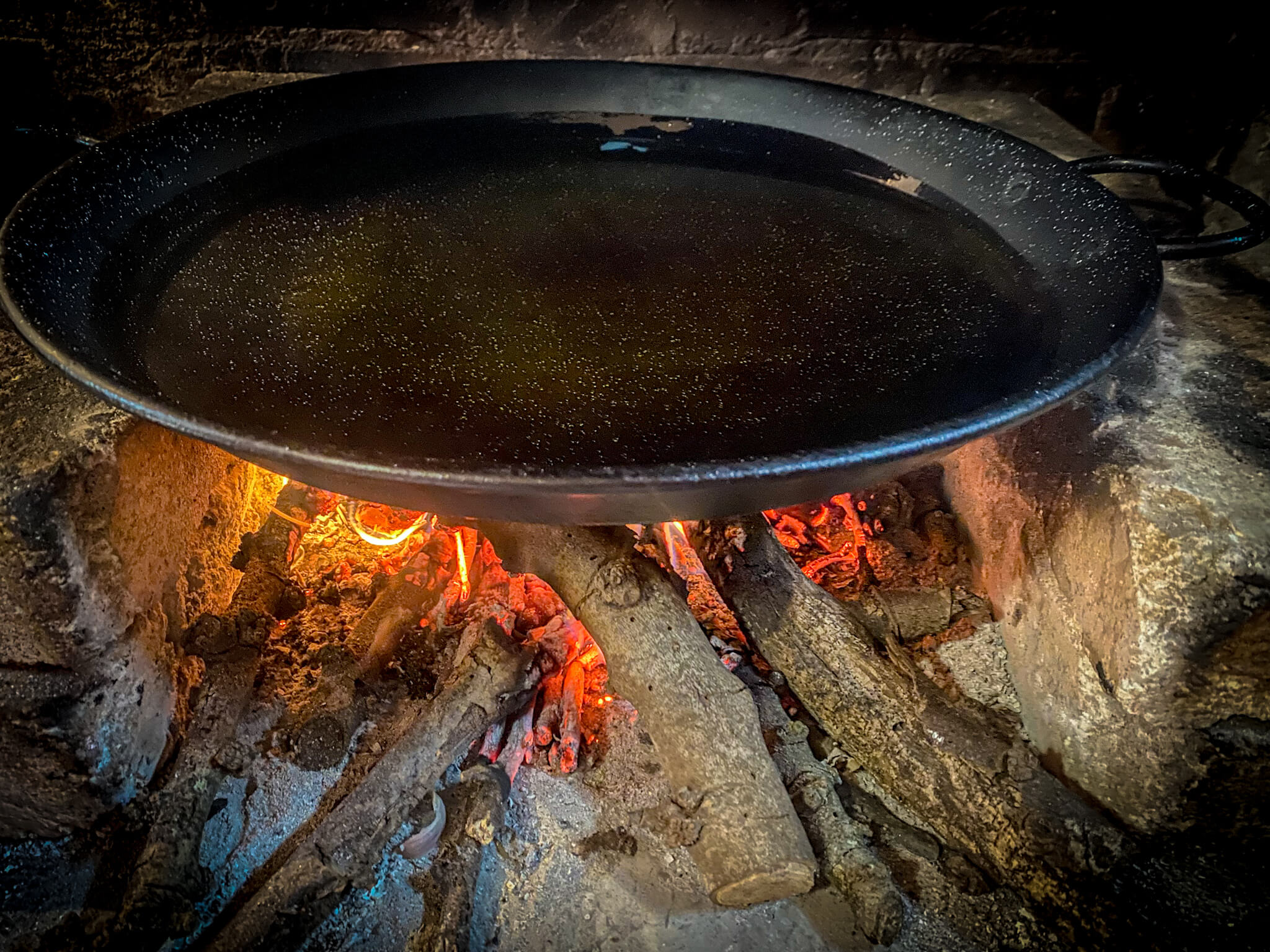
In our family version, the magic comes from cooking it outdoors, over a wood fire, where the gentle heat adds an unmistakable character to the dish. The combination of seafood, toasted noodles, saffron, and a deeply flavored broth creates that unique aroma that immediately brings everyone to the table.
A good fideuà is not just about the final plate – it is about the moment surrounding it: preparing the ingredients together, waiting patiently while the noodles absorb the broth, and enjoying a Sunday meal with family.
That is why this recipe will always have a special place in our home

Ingredients
| Metric Amount | Imperial Amount | Core Ingredient | Preparation |
| 500 g | 17.6 oz | Thick noodles | Fideuà specific |
| 2 units | 2 units | Monkfish tails | Trimmed and cut into bite-sized pieces |
| 6 units | 6 units | Large shrimps | Cleaned |
| 3 units | 3 units | Cuttlefish | Cleaned and cut into bite-sized pieces |
| 6 units | 6 units | Scallops | Cleaned |
| 2 cloves | 2 cloves | Garlic | Thinly sliced |
| 100 g | 3.5 oz | Grated tomato | Fresh |
| 1 tsp | 1 tsp | Sweet paprika | Ground |
| 5 strands | 5 strands | Saffron | High quality |
| 120 ml | 8 tbsp | Olive oil | Extra virgin |
| 1 L | 4.2 cups | Seafood stock | Hot |
| To taste | To taste | Salt | Fine |
Instructions
Prepare the Seafood
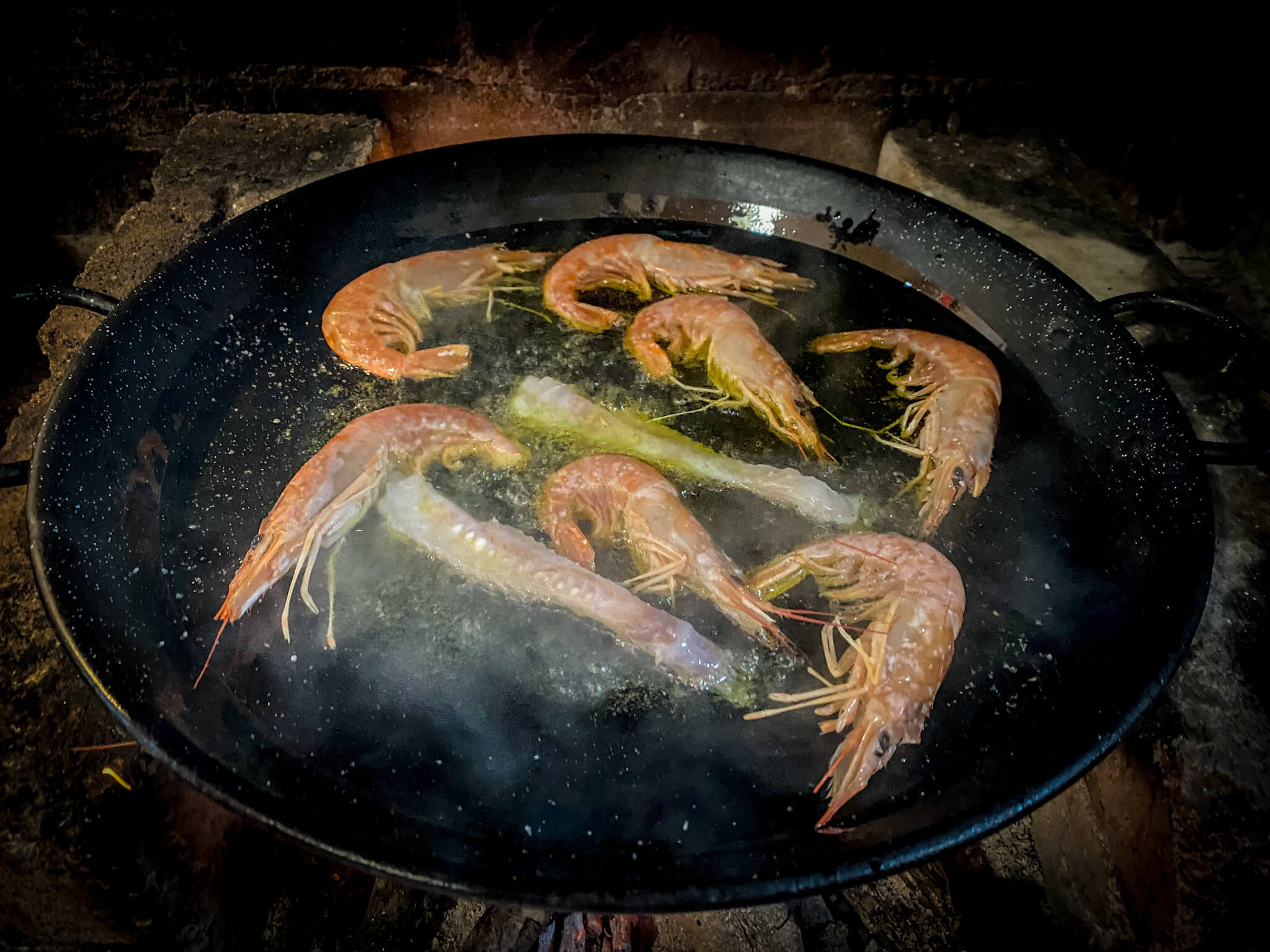
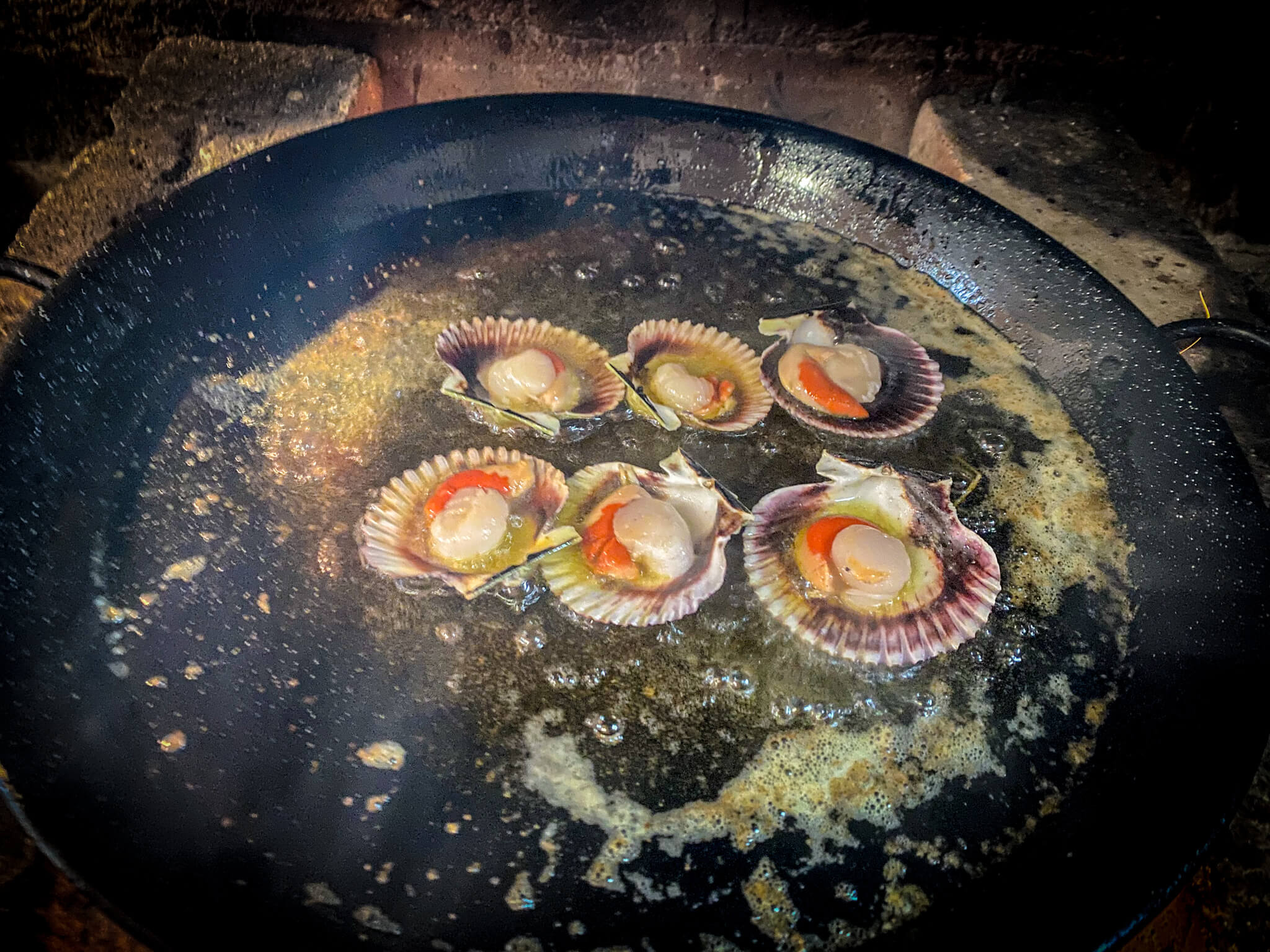
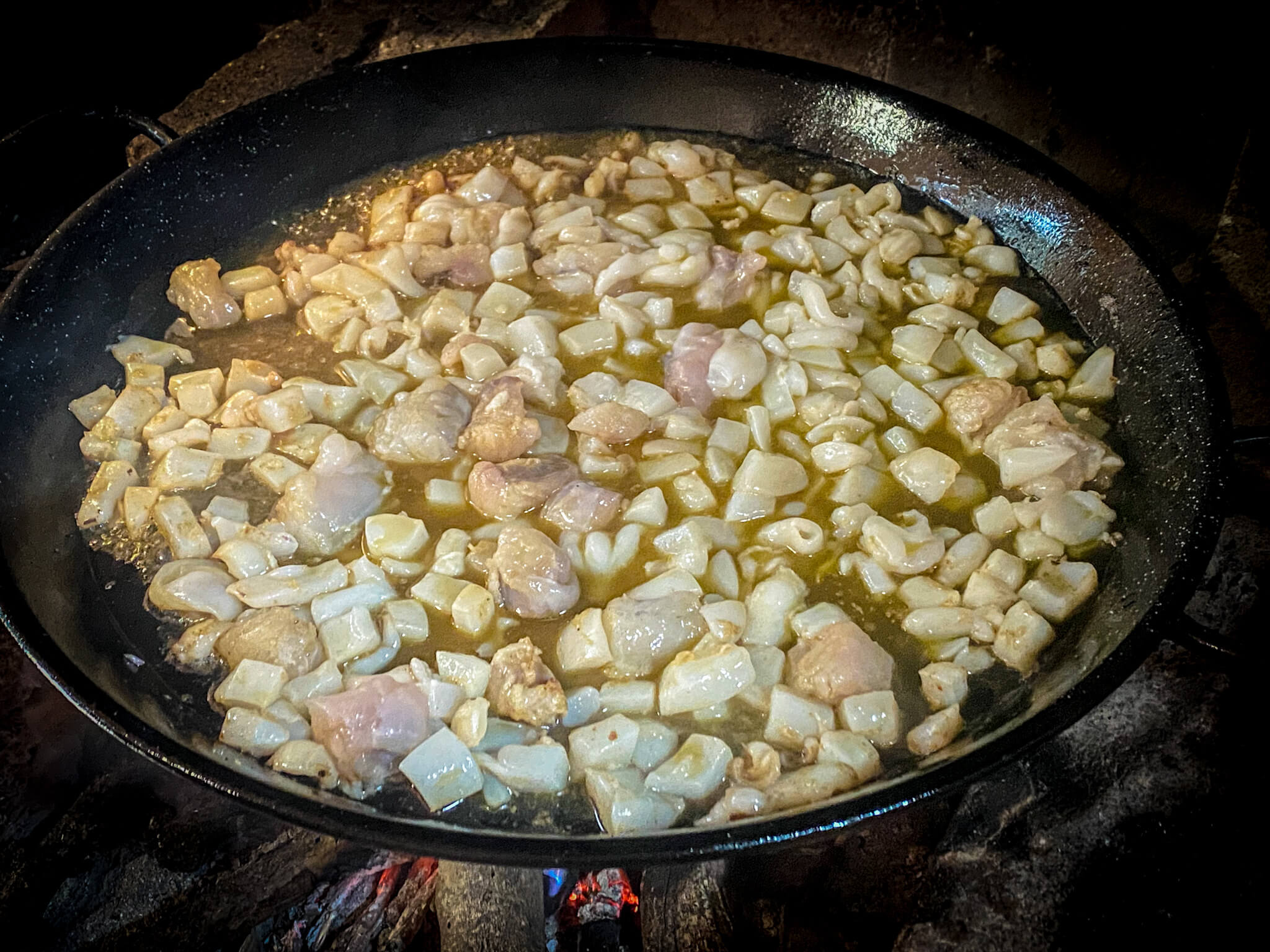
Cut the cleaned cuttlefish and monkfish into bite-sized pieces. Heat a drizzle of olive oil in a paella pan over medium-high heat. Sear the shrimp and monkfish bones for about 1 minute per side to flavor the oil, then remove and set aside. Repeat with the scallops, cooking them briefly before removing. Add the cuttlefish and monkfish pieces, sauté for about 3 minutes, then set aside with the other seafood.
Prepare the Sofrito
Thinly slice the garlic and sauté it in the same pan until lightly golden. Add the grated tomato and cook for about 3 minutes. Return the cuttlefish and monkfish to the pan, then stir in the saffron and sweet paprika until everything is well coated.
Cook the Fideuà
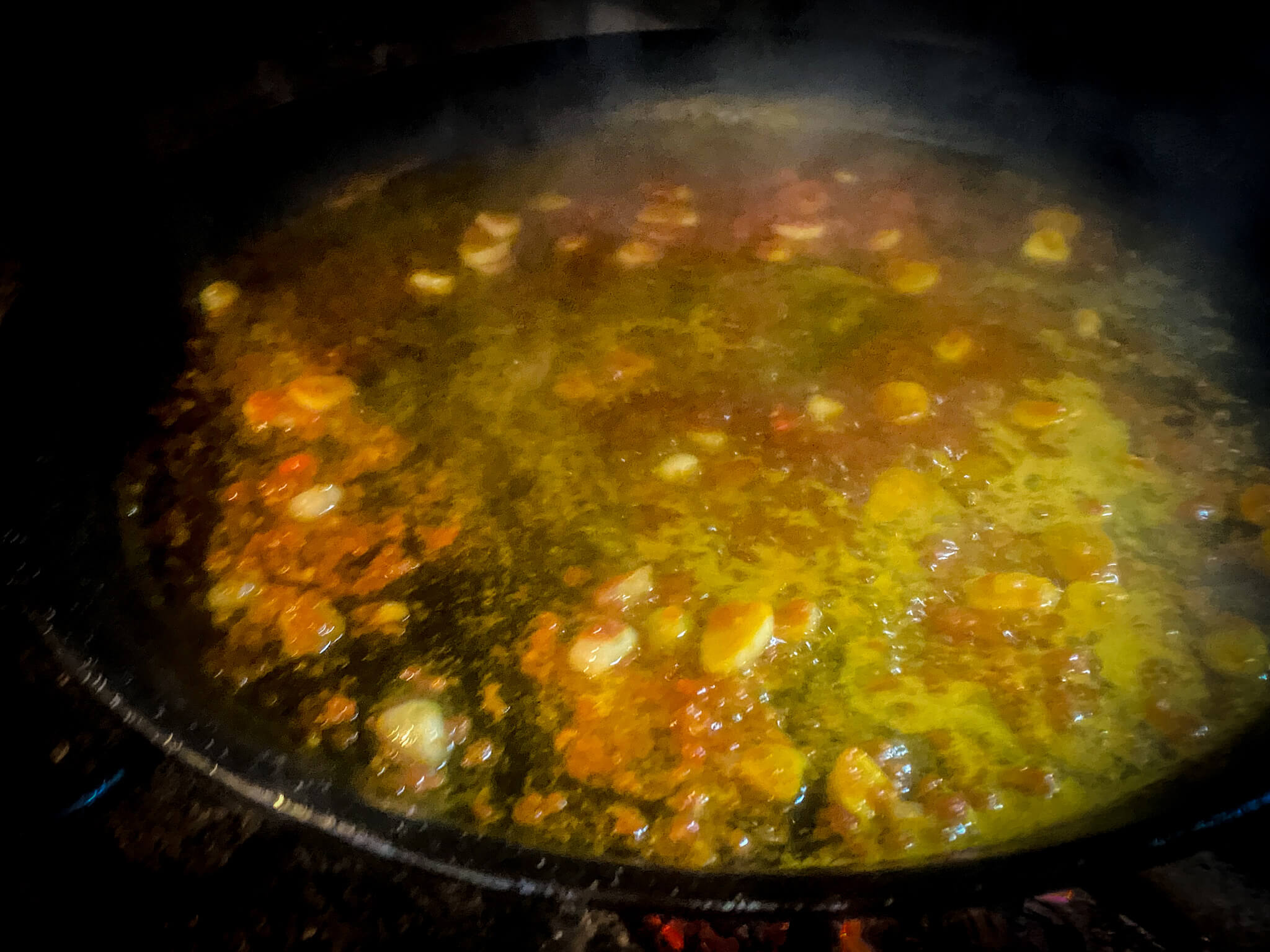
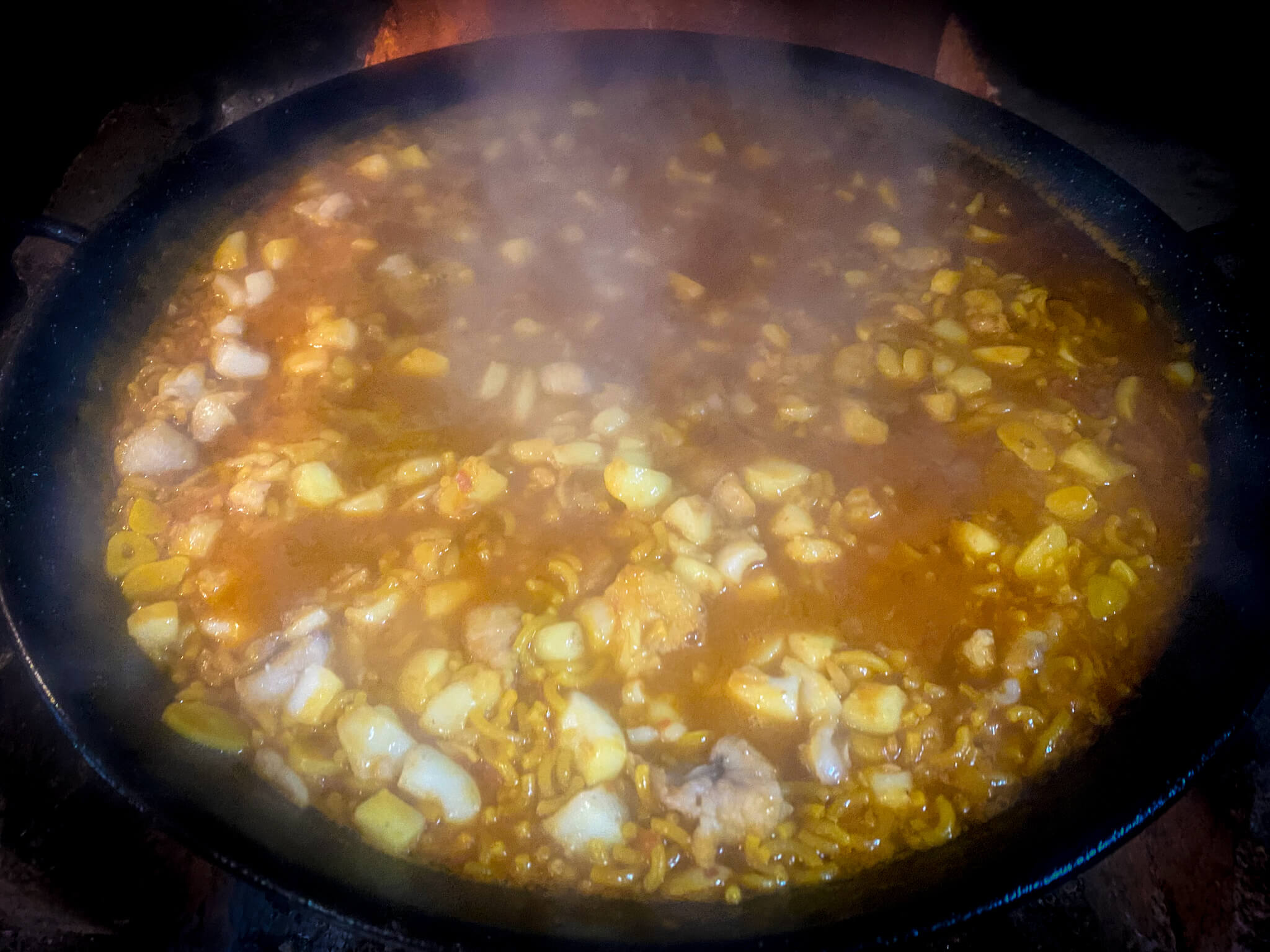
Add the noodles and pour in the hot seafood stock. Stir well and bring to a boil. Taste the broth and adjust the seasoning if needed. Cook for about 8 minutes, or according to the package instructions, until most of the liquid has been absorbed.


Finish and Serve
When only a small amount of broth remains, arrange the shrimp and scallops over the noodles. Cover the pan with a lid or a clean kitchen towel, turn off the heat, and let the fideuà rest for 10 minutes. The residual heat will finish cooking the seafood and allow the noodles to absorb the remaining broth before serving.

Chef’s Notes for Grandma’s Spanish Fideua Recipe
Why should fideuà rest before serving? Resting the fideuà for 5–10 minutes allows the noodles to absorb the last of the broth and finish cooking gently with the residual heat. This also helps the seafood stay tender and gives the flavors time to come together.
Why sear the seafood first? Briefly searing the shrimp, monkfish, and scallops flavors the olive oil before the sofrito is prepared. That infused oil becomes the base of the entire dish, giving the noodles a richer seafood flavor.
Why are saffron and paprika added to the sofrito? Adding the saffron and paprika after the tomato has cooked allows the spices to bloom in the hot oil, releasing their aroma, color, and flavor. Be careful not to burn the paprika, or it will become bitter.
Common Mistakes cooking Spanish Fideua
Overcooking the seafood: Shrimp and scallops cook very quickly. Sear them briefly, remove them from the pan, and return them only during the final minutes of cooking to keep them juicy and tender.
Using too much stock: The noodles should absorb almost all of the broth. Too much liquid produces a soupy fideuà, while too little leaves the noodles undercooked.
Skipping the resting time: Allowing the fideuà to rest after cooking helps the noodles finish absorbing the broth and gives the dish its characteristic texture.
Burning the paprika: Sweet paprika should only cook for a few seconds before the stock is added. Burnt paprika will make the entire dish bitter.
Variations on Seafood Fideuà
Authentic Seafood Fideuà from Gandia: For a more traditional Valencian experience, try the original Gandia-style fideuà, considered the birthplace of this iconic dish. This version focuses on the essential flavors of the Mediterranean: monkfish, prawns, saffron, paprika, and a deeply flavored homemade seafood stock. Unlike many modern interpretations, the authentic recipe keeps the seafood flavors pure and highlights the quality of the ingredients.
Black Seafood Fideuà (Fideuà Negra): For a more intense and visually striking version, prepare a black fideuà with squid ink. Made with cuttlefish or squid, prawns, and a rich seafood fumet, this variation has a deeper marine flavor and a beautiful dark color. Traditionally served with homemade aioli, it is a favorite among seafood lovers.
Mixed Shellfish Fideuà: You can also adapt the recipe with different Mediterranean seafood such as mussels, clams, razor clams, or cockles. Adding a variety of shellfish creates a more abundant coastal-style fideuà, with each ingredient contributing its own flavor to the broth.
Recipe Card
Grandma's Fideua Recipe

Get ready to dive into the heart of Mediterranean flavors with Grandma's Fideuá – a family recipe that’s been passed down through generations! This seafood delight, with tender noodles and a rich seafood broth, is the perfect dish for any occasion. Whether it’s a cozy dinner or a celebration, every bite tells the story of love, tradition, and the freshest ingredients.
Ingredients
- 500g of thick noodles
- 2 monkfish tails
- 6 large shrimps
- 3 clean cuttlefish
- 2 cloves of garlic
- 100g of grated tomato
- 6 scallops
- 1 teaspoon of sweet paprika
- 5 strands of saffron
- 8 tablespoons of olive oil
- 1 liter of seafood stock
Instructions
- Prepare the Seafood
Cut the cleaned cuttlefish and monkfish into bite-sized pieces. Heat a drizzle of olive oil in a paella pan over medium-high heat. Sear the shrimp and monkfish bones for about 1 minute per side to flavor the oil, then remove and set aside. Repeat with the scallops, cooking them briefly before removing. Add the cuttlefish and monkfish pieces, sauté for about 3 minutes, then set aside with the other seafood. - Prepare the Sofrito
Thinly slice the garlic and sauté it in the same pan until lightly golden. Add the grated tomato and cook for about 3 minutes. Return the cuttlefish and monkfish to the pan, then stir in the saffron and sweet paprika until everything is well coated. - Cook the Fideuà
Add the noodles and pour in the hot seafood stock. Stir well and bring to a boil. Taste the broth and adjust the seasoning if needed. Cook for about 8 minutes, or according to the package instructions, until most of the liquid has been absorbed. - Finish and Serve
When only a small amount of broth remains, arrange the shrimp and scallops over the noodles. Cover the pan with a lid or a clean kitchen towel, turn off the heat, and let the fideuà rest for 10 minutes. The residual heat will finish cooking the seafood and allow the noodles to absorb the remaining broth before serving.
Notes
There are many variations of this recipe, and you can customize it based on your preferences. For example:
Replace thick noodles with thin noodles.
Use peeled shrimp, octopus, or squid.
Swap the fish with one that has no bones or is very clean to avoid finding bones while eating.
Instead of scallops, try other shellfish like clams, mussels, razor clams, or cockles.
Cooking Tips:
Sautéing: When sautéing, the heat should be medium-high, ensuring the oil gets hot without burning.
Adding Stock: When adding the stock, raise the heat to bring it to a boil. Once it starts boiling, reduce the heat to allow it to simmer gently so all the flavors absorb well.
Final Step: Keep an eye on the stock while it evaporates. Ensure you have enough liquid left for the final step. Once the stock is nearly absorbed, remove the pan from the heat and cover it, making sure it doesn't burn.
Pin it
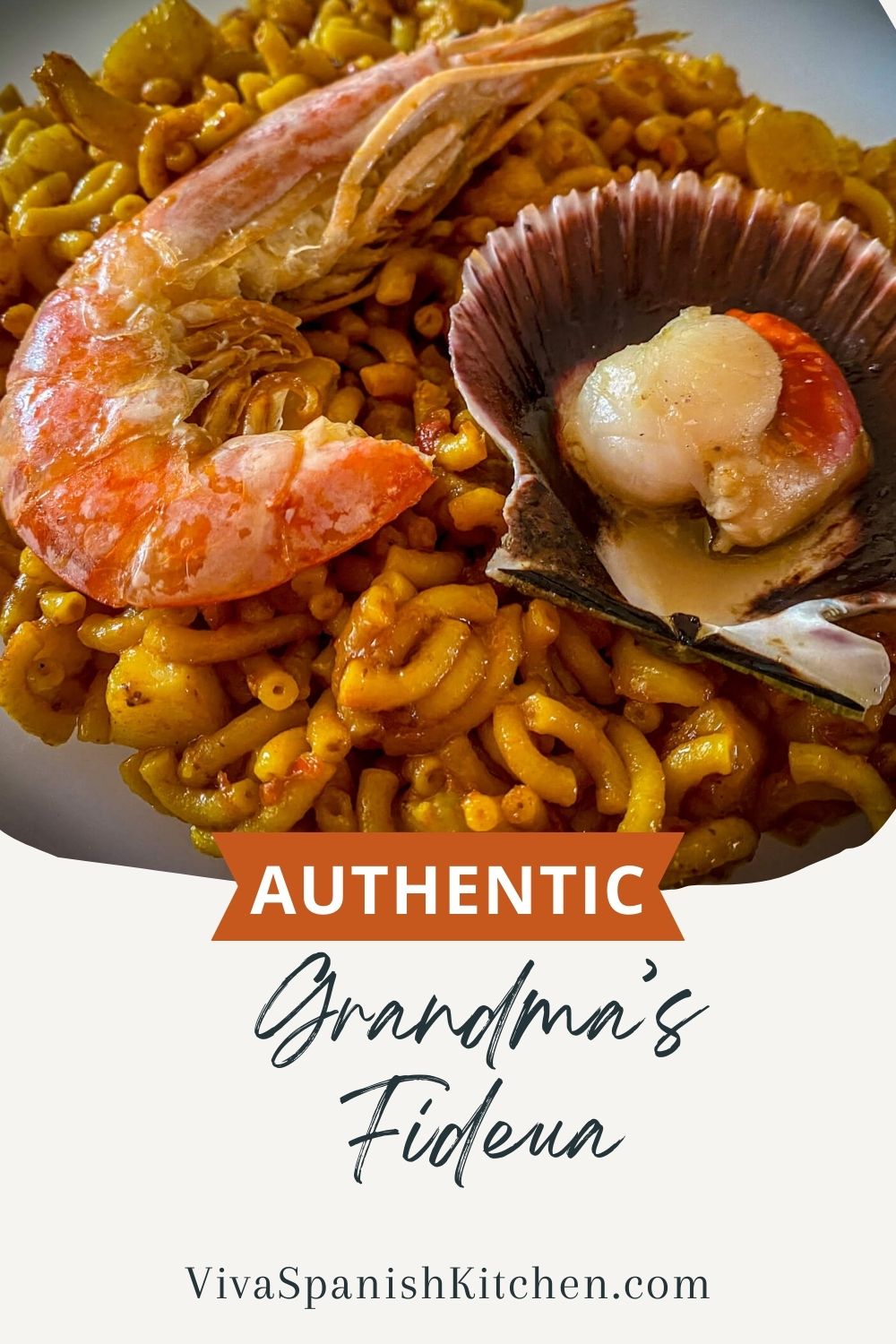
Fideuà is a delicious Spanish seafood dish similar to paella but made with short noodles instead of rice rich in flavor and perfect for sharing with family and friends