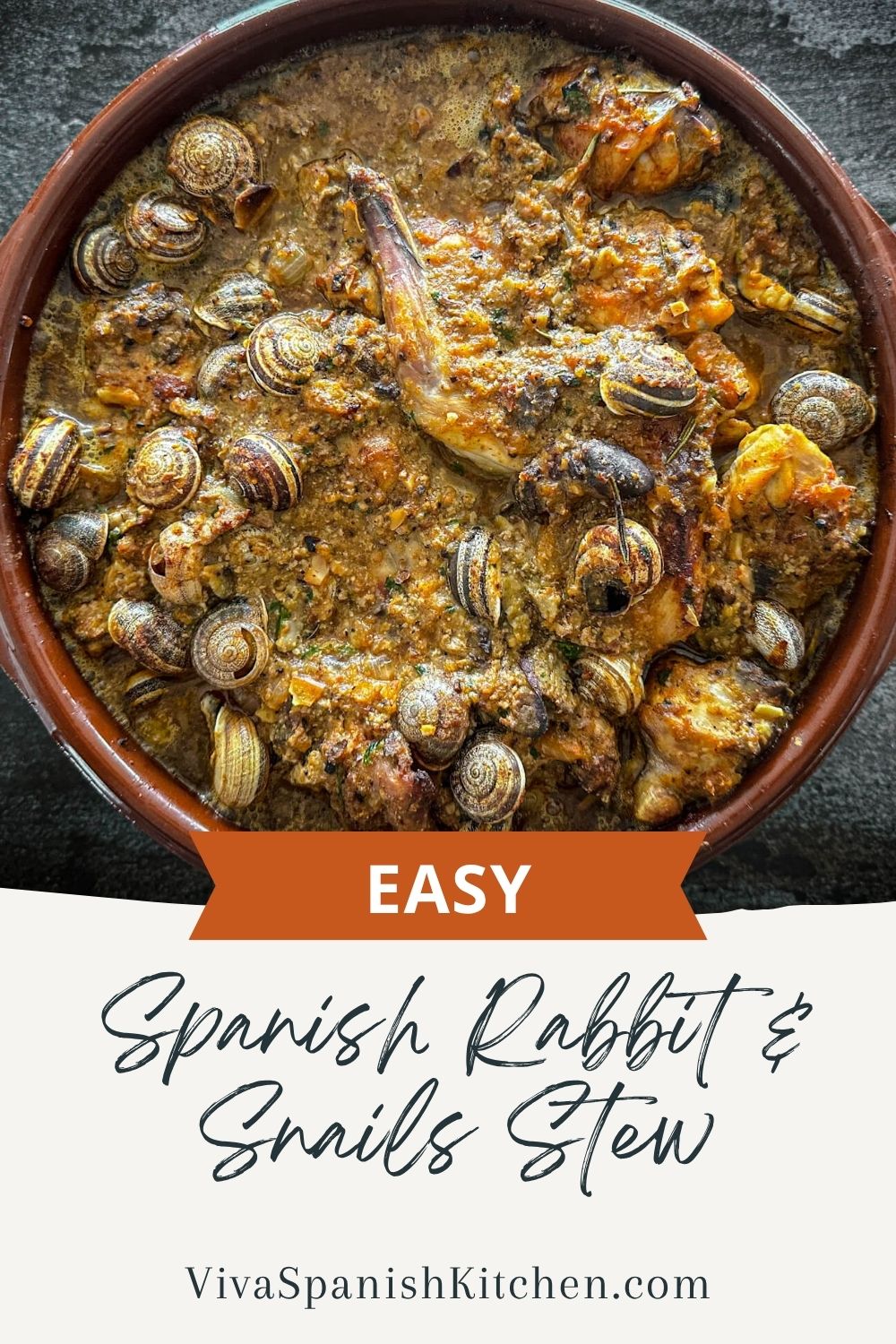
This Braised Rabbit and Snails in Almond Sauce is a masterpiece of Spanish inland gastronomy, specifically from the regions of Valencia and Castilla. Known traditionally as Conejo con Caracoles, this dish represents the perfect harmony between the lean, delicate meat of the rabbit and the earthy, robust presence of snails. The secret to its legendary depth lies in the “picada”—a hand-crushed paste of fried liver, almonds, and bread—that creates a luxurious, velvety sauce that only a traditional clay pot and a slow oven finish can achieve.
Braised Rabbit and Snails in Almond Sauce: A Mediterranean Delicacy

Braised Rabbit and Snails in Almond Sauce Recipe
This recipe is a fascinating deep dive into the heart of Spanish rural gastronomy, offering a flavor profile that is both rugged and incredibly refined. What makes it a must-try is the ancient technique of the picada, where fried rabbit liver and almonds are ground into a paste to create a sauce with unparalleled depth. Unlike modern stews that rely on heavy starches, this traditional method uses natural proteins and nuts to achieve a velvety consistency that perfectly captures the essence of the Mediterranean countryside.
Stepping into the world of rabbit meat is a revelation for many home cooks, as it is incredibly lean, sustainable, and absorbs aromatics like a sponge. If you are intimidated by the snails but intrigued by the meat, I highly recommend starting with my Easy Baked Rabbit with Rosemary. It is a simpler, herb-forward introduction that highlights how beautifully rabbit roasts in a hot oven, providing a tender and healthy alternative to chicken that will surely become a staple in your kitchen.
For those who find the combination of rabbit and snails familiar, it is likely because these are two of the most iconic “mountain” ingredients in Spain’s most famous export. In fact, if you want to see how these elements behave in a completely different context, you must explore my Classic Spanish Paella Recipe: Valencian Style. While the rice is the star there, the foundational flavors are remarkably similar, proving that these humble ingredients are the building blocks of Spain’s high-gastronomy heritage.
Beyond the main course, part of the interest in this recipe lies in the cultural experience of a slow, multi-stage meal. A robust dish like rabbit with snails deserves to be followed by something light and sweet to balance the palate. To round out your Spanish dinner party, you can find the perfect ending in my collection of The Best Easy Spanish Desserts to Make at Home. Moving from a savory, almond-thickened stew to a classic citrusy dessert creates a complete culinary journey that your guests won’t soon forget.
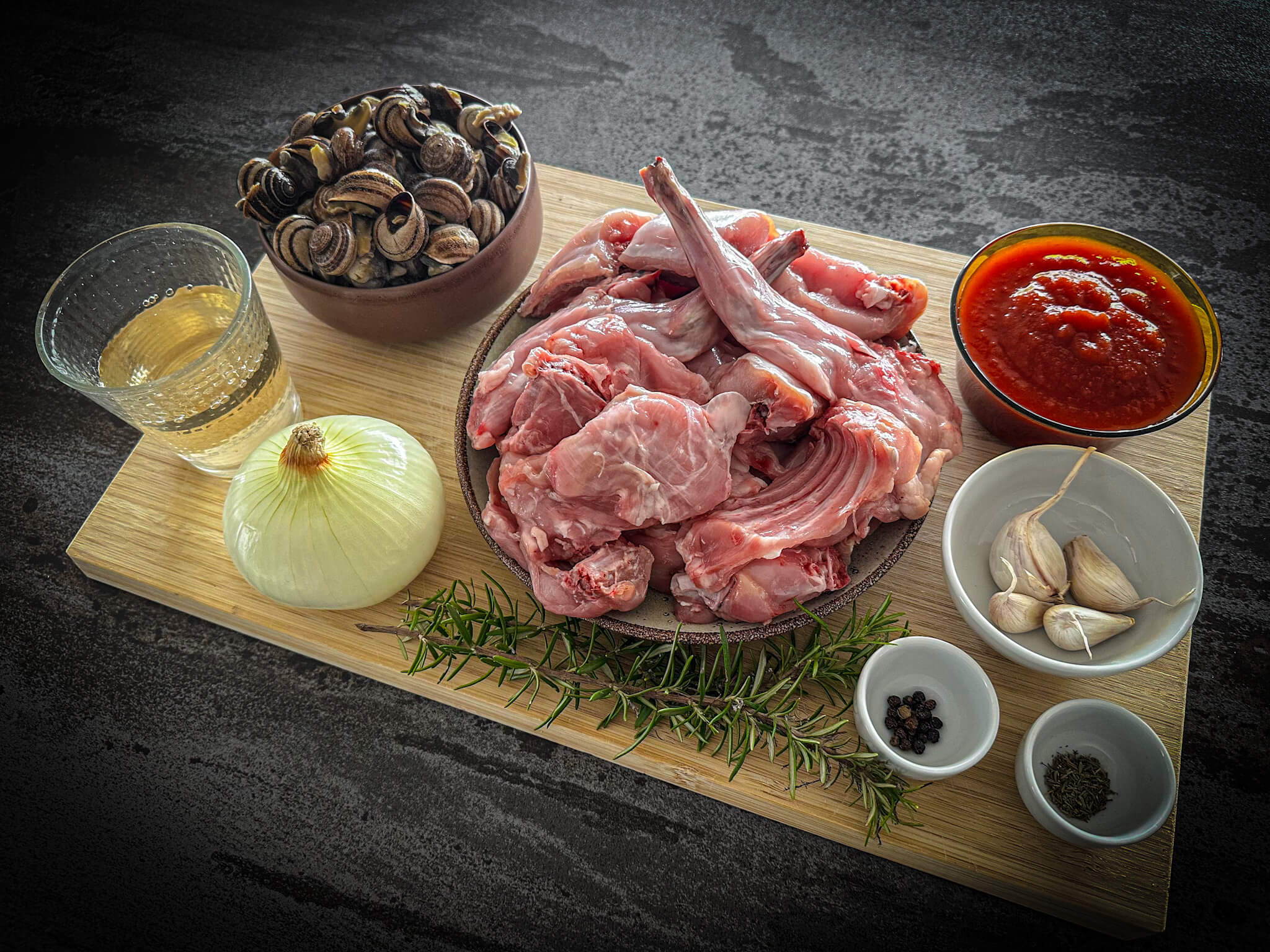
Ingredients
| Metric Amount | Imperial Amount | Core Ingredient | Preparation |
| 1.2 kg | 2.6 lb | Rabbit | Cut into small serving pieces |
| 4 cloves | 4 cloves | Garlic | Large size, kept whole |
| 30 ml | 2 tbsp | Extra Virgin Olive Oil (AOVE) | For the initial searing stage |
| 1 pinch | 1 pinch | Salt and black pepper | To taste, for initial seasoning |
| 1 unit | 1 unit | Rabbit liver | Fresh, whole (including other offal if available) |
| 11 units | 11 units | Raw almonds | Average count (10-12), whole or slivered |
| 3 slices | 3 slices | Crusty bread | Small size, ready for frying |
| 3 sprigs | 3 sprigs | Fresh parsley | Leaves only, stems discarded |
| 15 ml | 1 tbsp | Extra Virgin Olive Oil (AOVE) | Reserved from the initial fry for the picada |
| 150 g | 5.3 oz | White onion | Finely diced (brunoise) |
| 200 g | 7 oz | Crushed or grated tomatoes | Seeds and skin removed |
| 15 g | 1 tbsp | Dried thyme | Premium dried variety |
| 125 ml | 4.2 fl oz | Dry white wine | Crisp Mediterranean variety |
| 200 ml | 6.7 fl oz | Chicken broth or water | Hot, kept at a gentle simmer |
| 3 sprigs | 3 sprigs | Fresh rosemary | Kept whole, to be removed before serving |
| 400 g | 14 oz | Pre-cooked snails (caracoles) | Defrosted, thoroughly rinsed and drained |
Instructions
1. Developing the Flavor Base with the Picada Elements
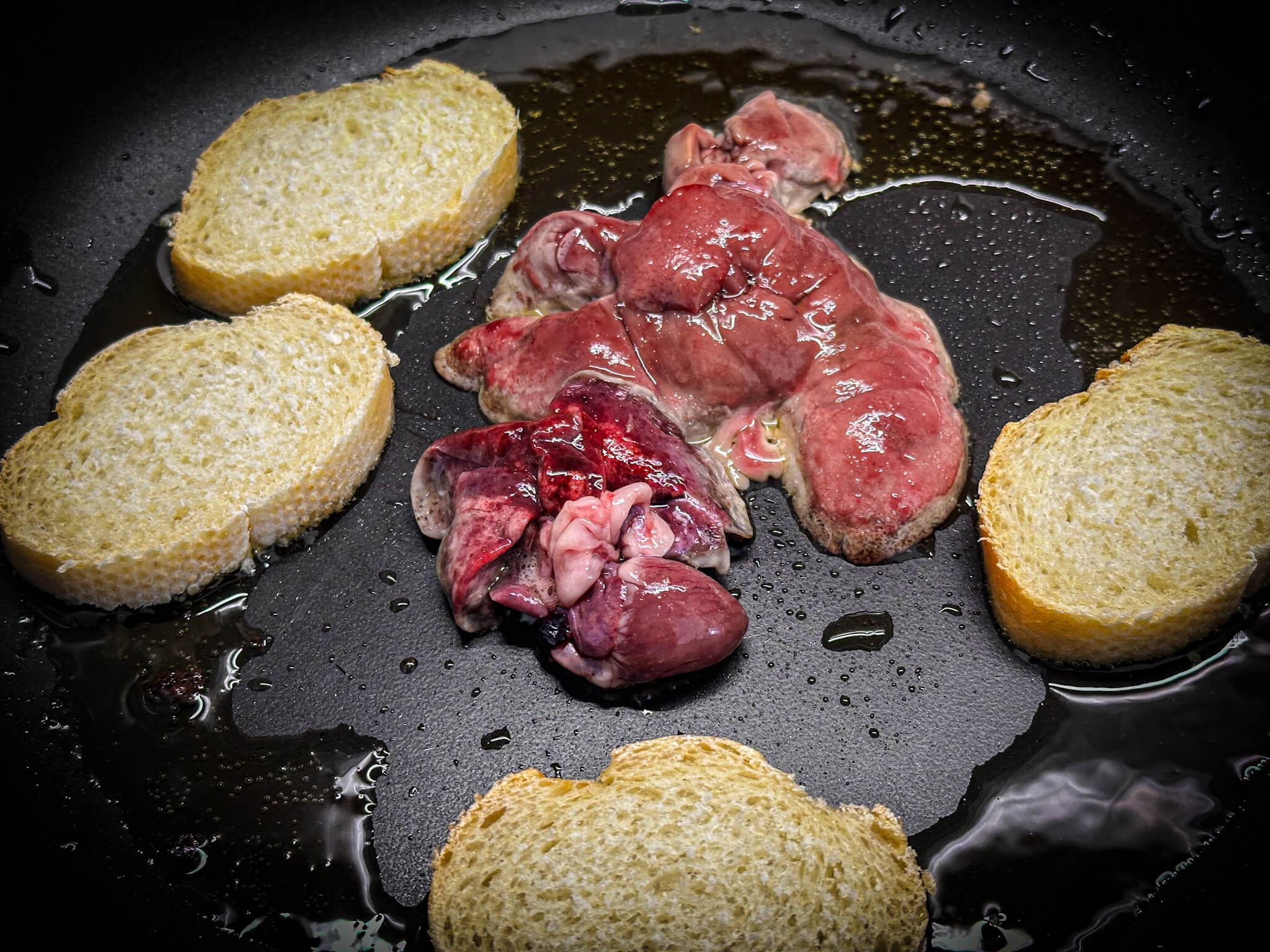
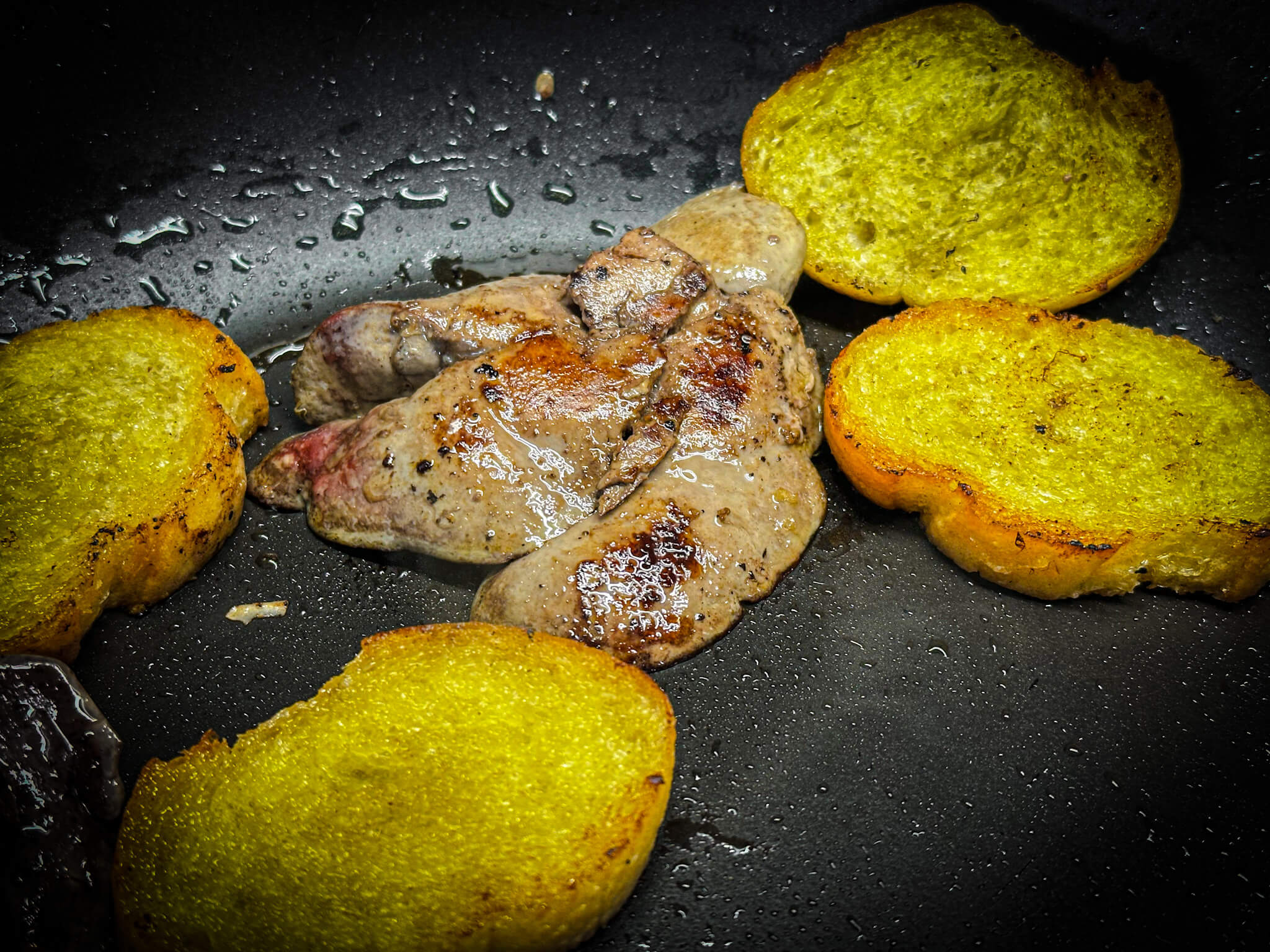
In a large skillet, heat the Extra Virgin Olive Oil over medium heat. Start by frying the rabbit liver and other offal together with the three slices of bread. Sauté for 4-5 minutes, turning the bread frequently until it is golden brown and has absorbed the aromatic oil, ensuring the liver stays tender and doesn’t harden. During the last 60 seconds, add the raw almonds to the pan; watch them closely as they toast very quickly. Remove everything from the pan and set aside for the final sauce stage.


2. Searing the Meat and Creating the Sofrito
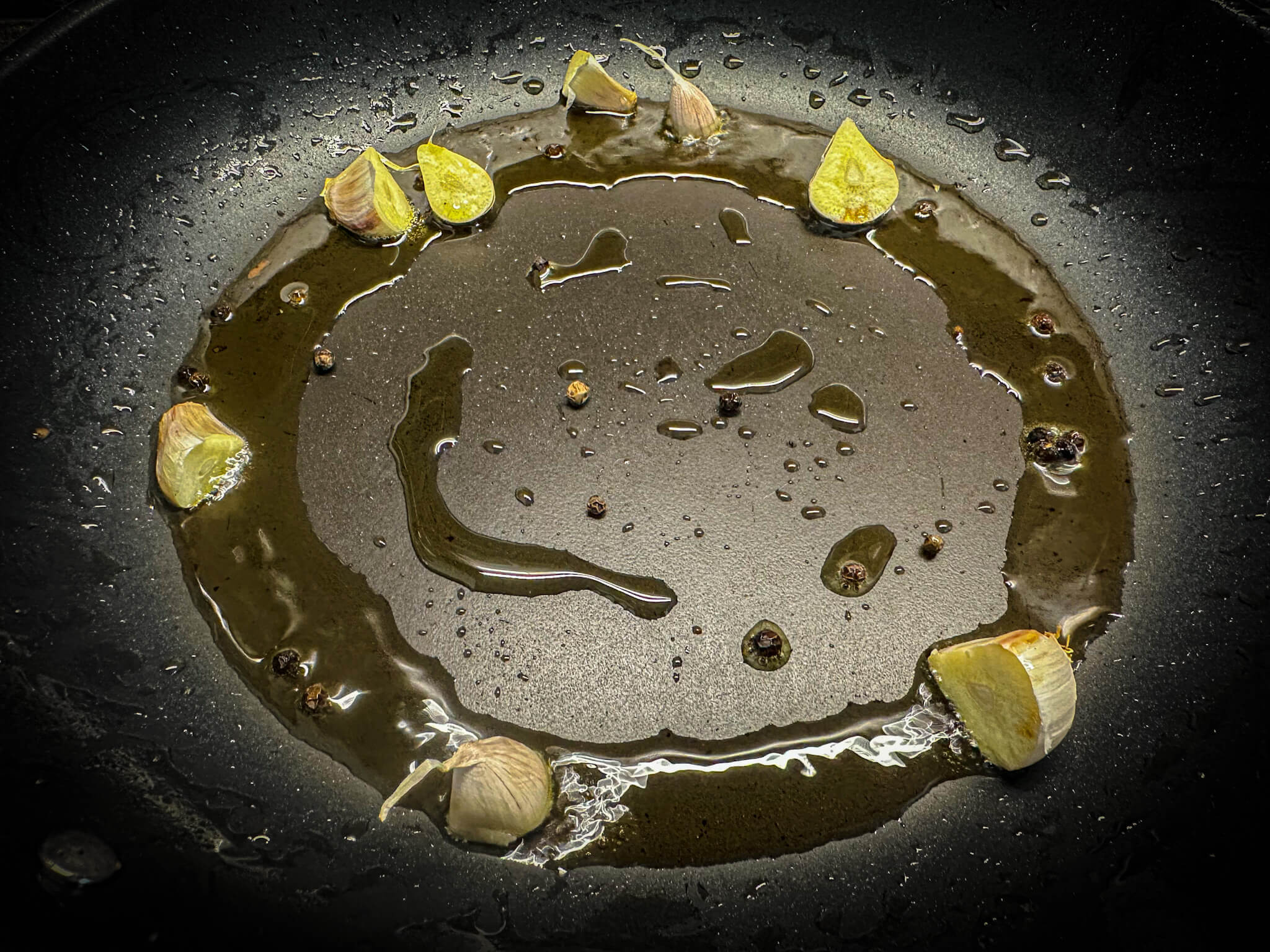
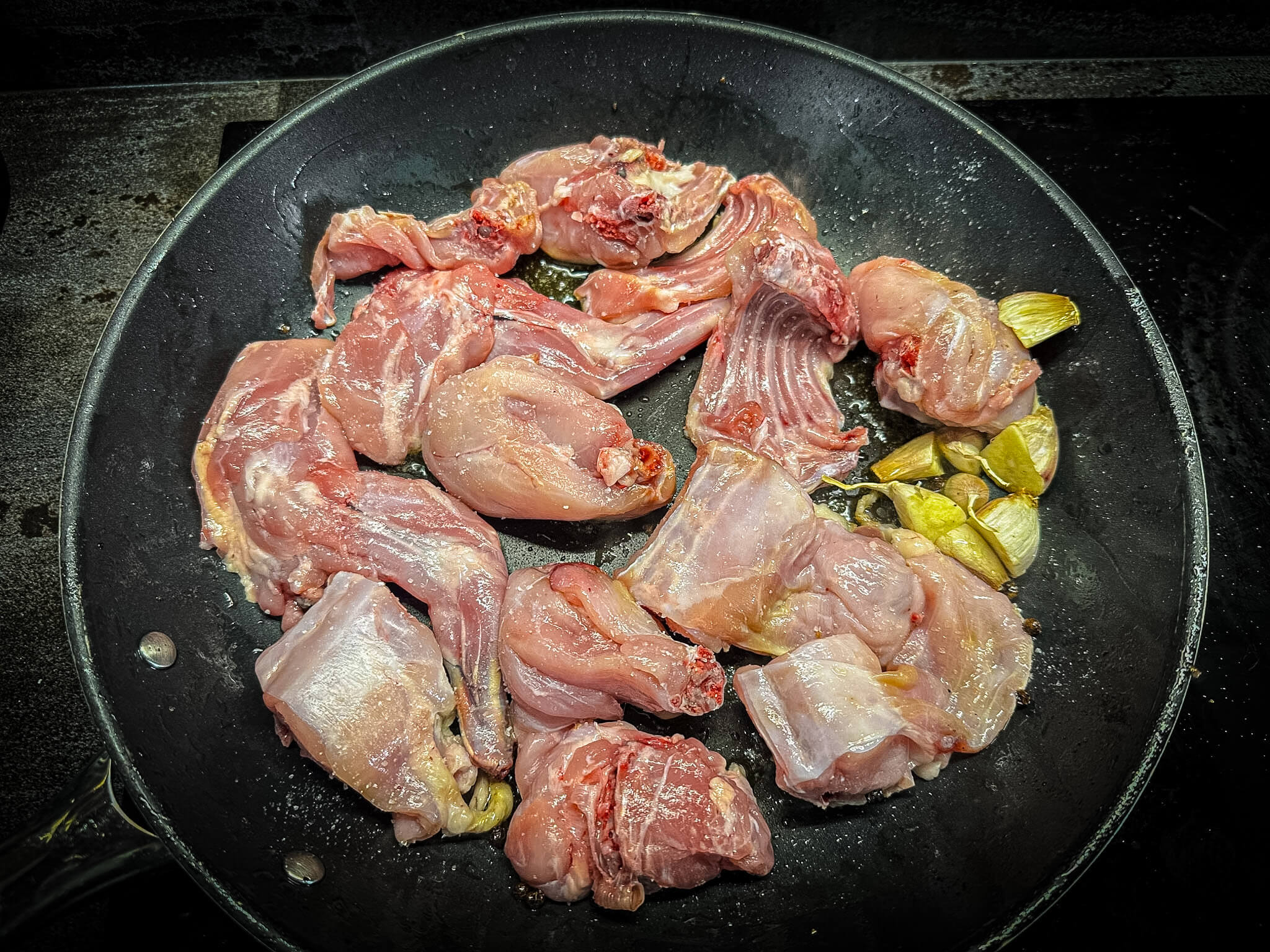
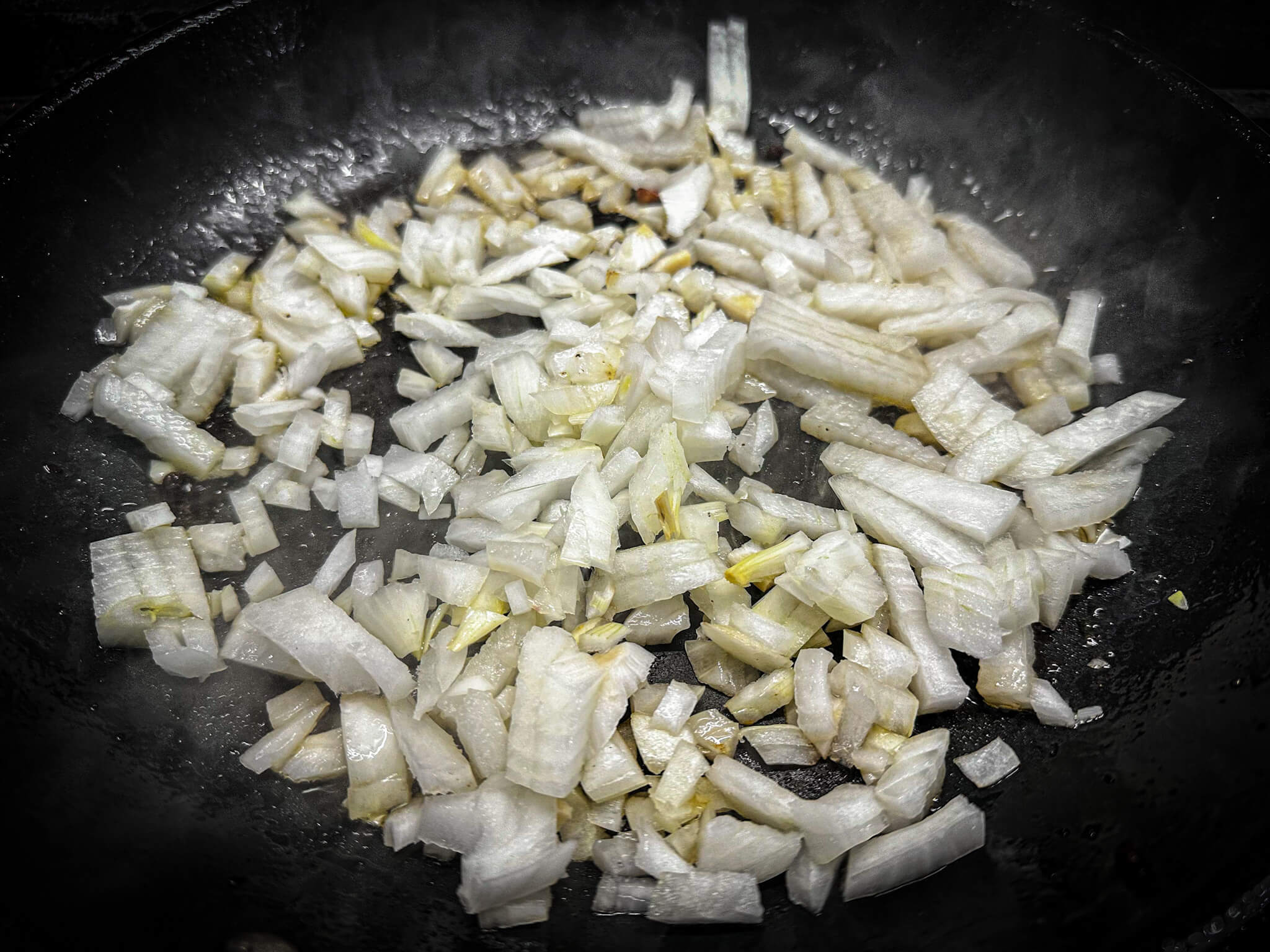
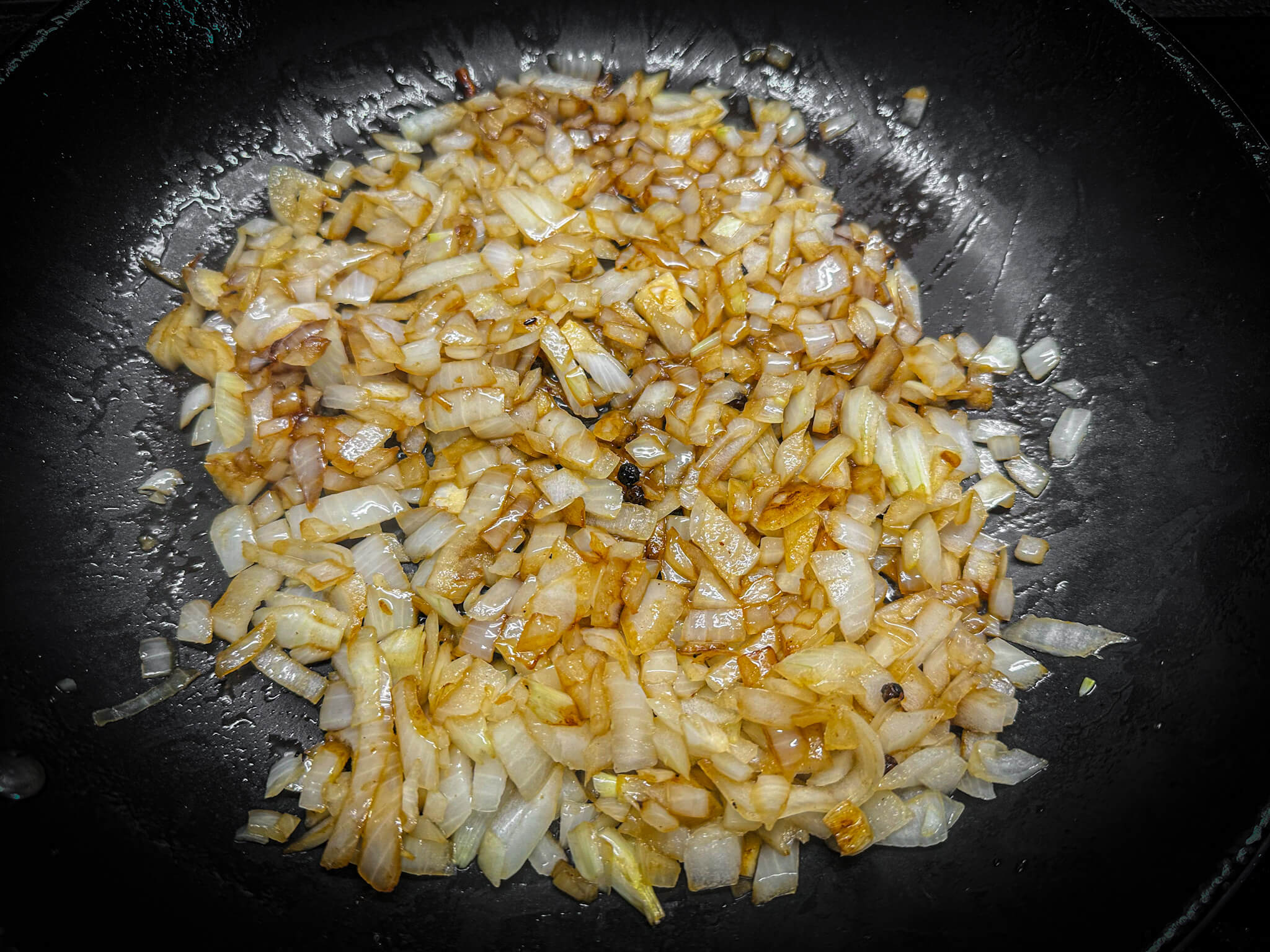
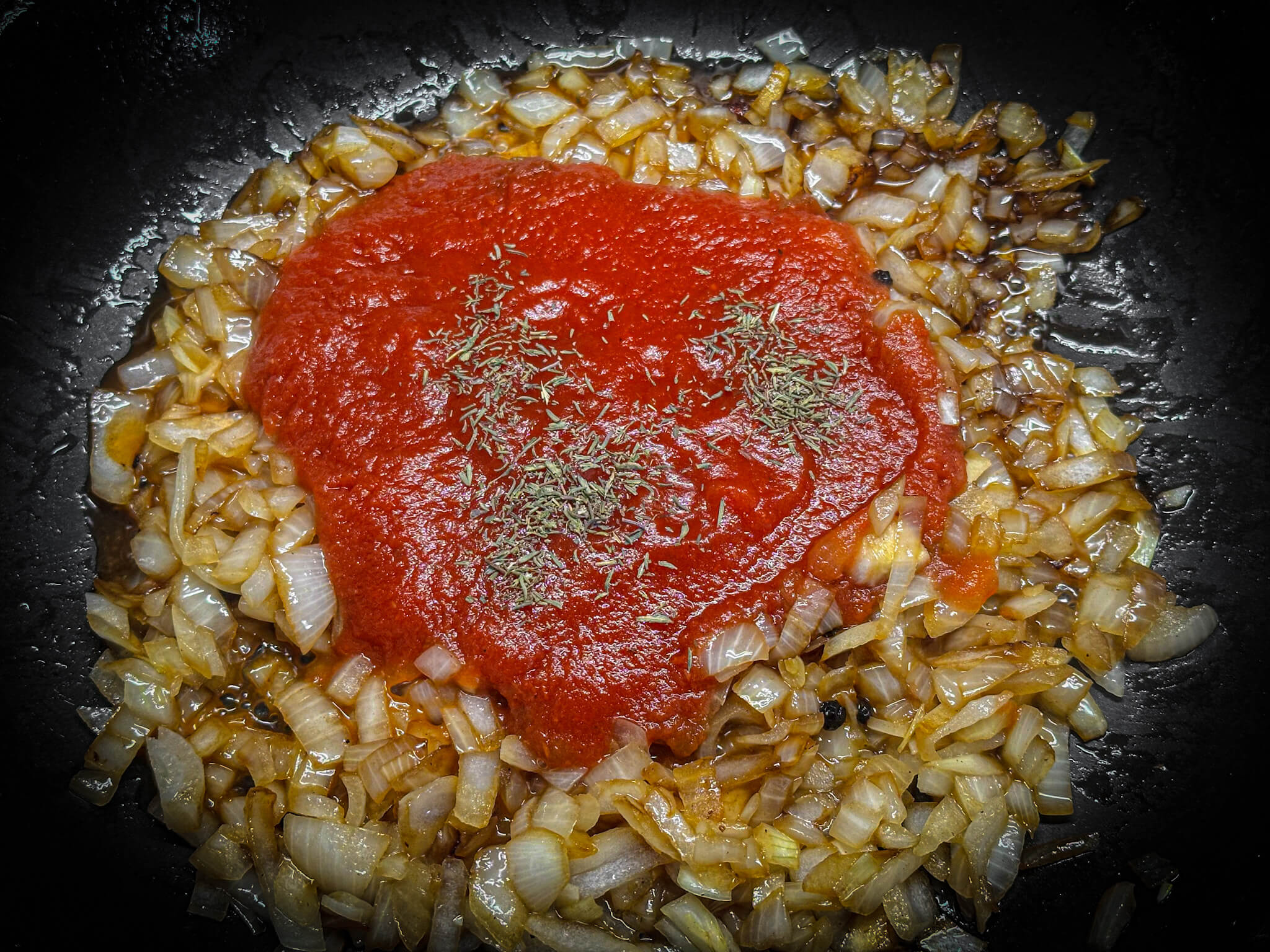
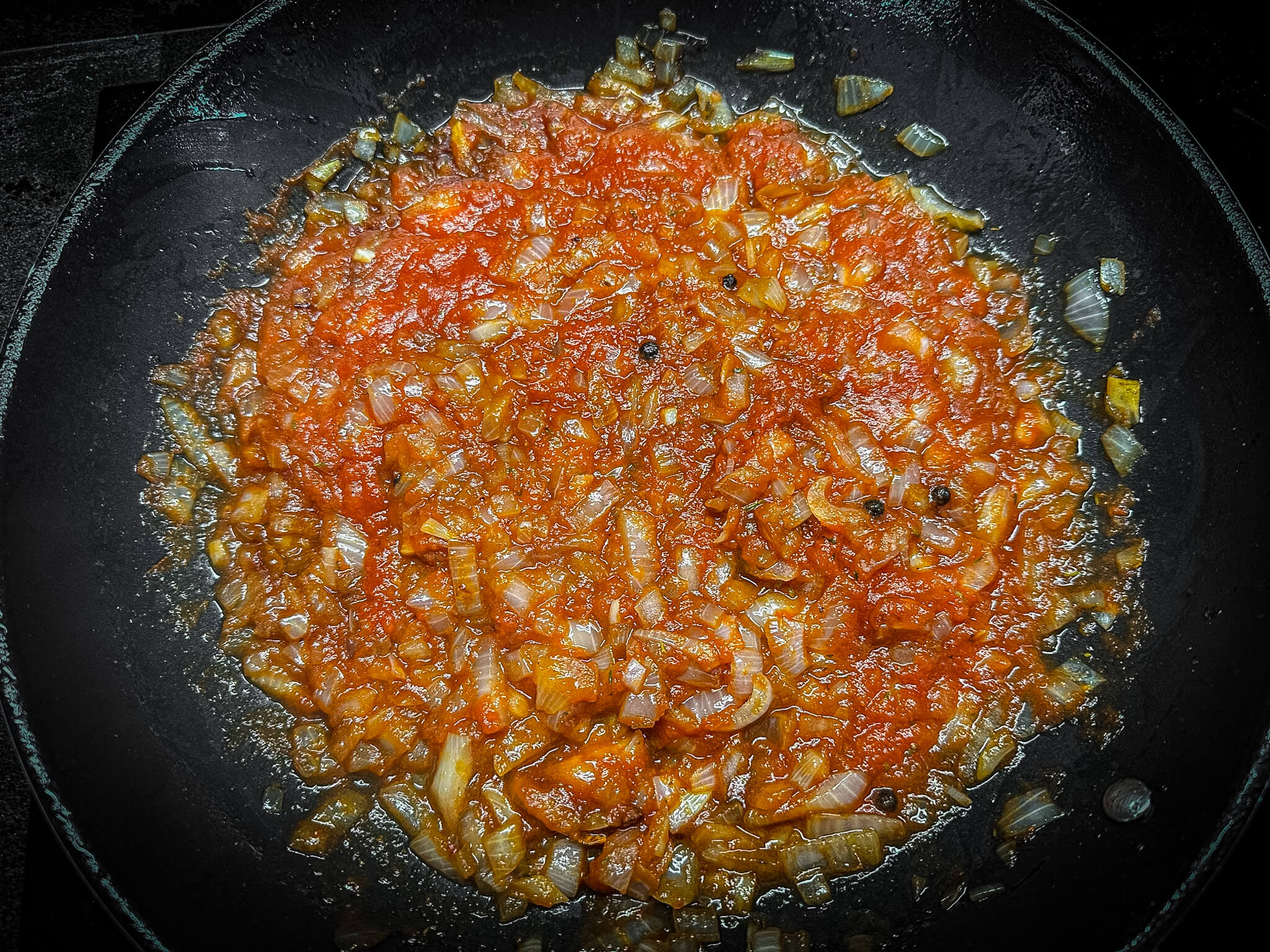
Increase the heat to high and add a bit more oil if needed. Add the whole garlic cloves and the seasoned rabbit pieces. Sear the rabbit for 6-8 minutes until it develops a deep golden crust on all sides. Remove the garlic before it burns and transfer the seared meat to a traditional clay pot (cazuela de barro). In the same skillet, lower the heat and add the diced onion. Sauté for 10 minutes until translucent, then stir in the grated tomato and dried thyme, reducing the mixture for 5 minutes until the water has evaporated and the oil begins to separate.
3. Deglazing and First Oven Phase
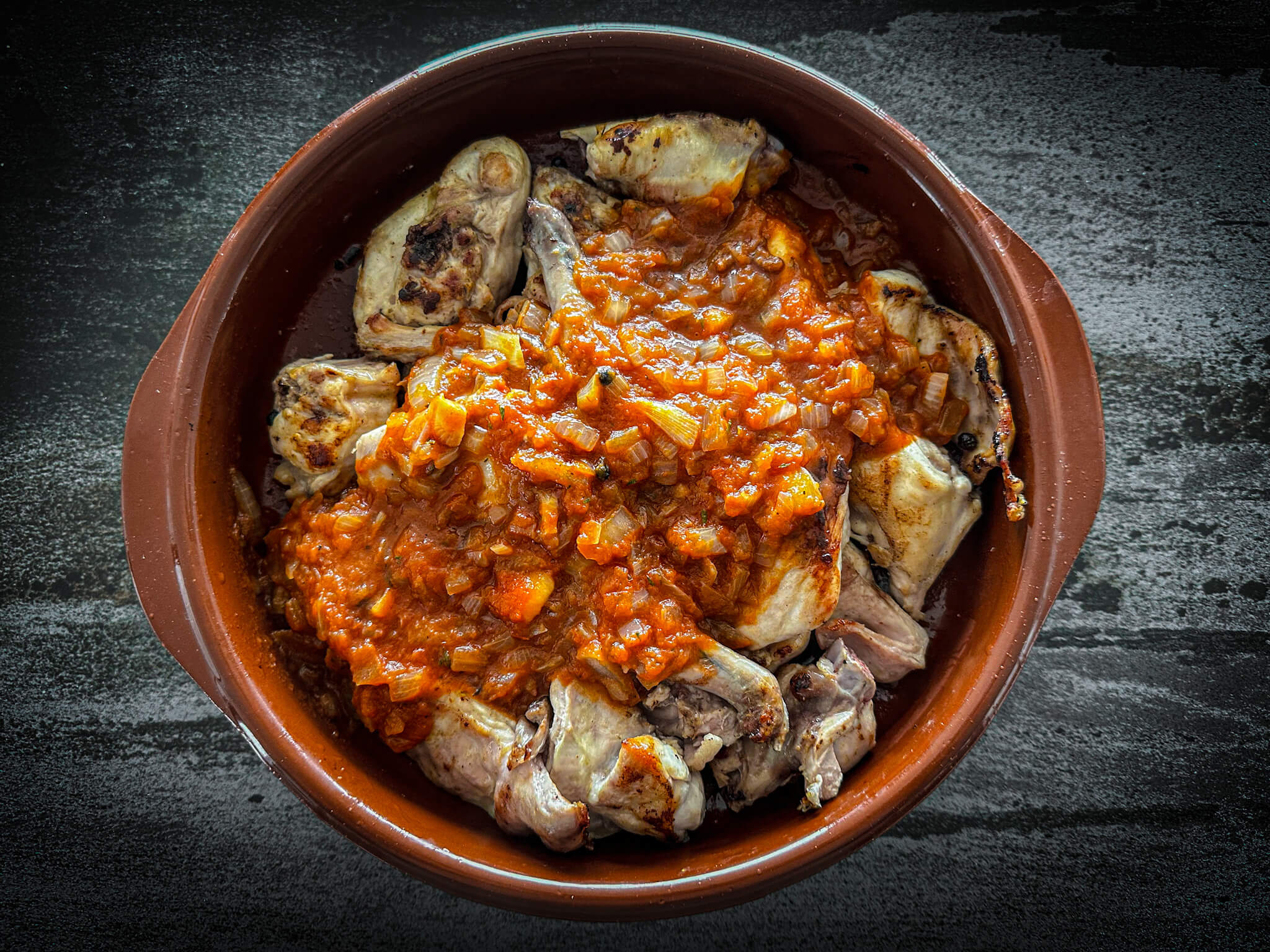
Preheat your oven to 180°C (350°F). Pour the white wine into the skillet to deglaze, scraping up all the savory bits from the bottom. Let the alcohol evaporate for 3 minutes at high heat, then pour this rich sauce over the rabbit in the clay pot. Add the hot broth until it covers half of the meat. Place the 3 sprigs of fresh rosemary on top and bake in the oven for 25 minutes. This initial oven phase allows the rosemary to infuse the broth with its woody fragrance while the rabbit begins to tenderize.


4. The Picada Integration and Final Simmer
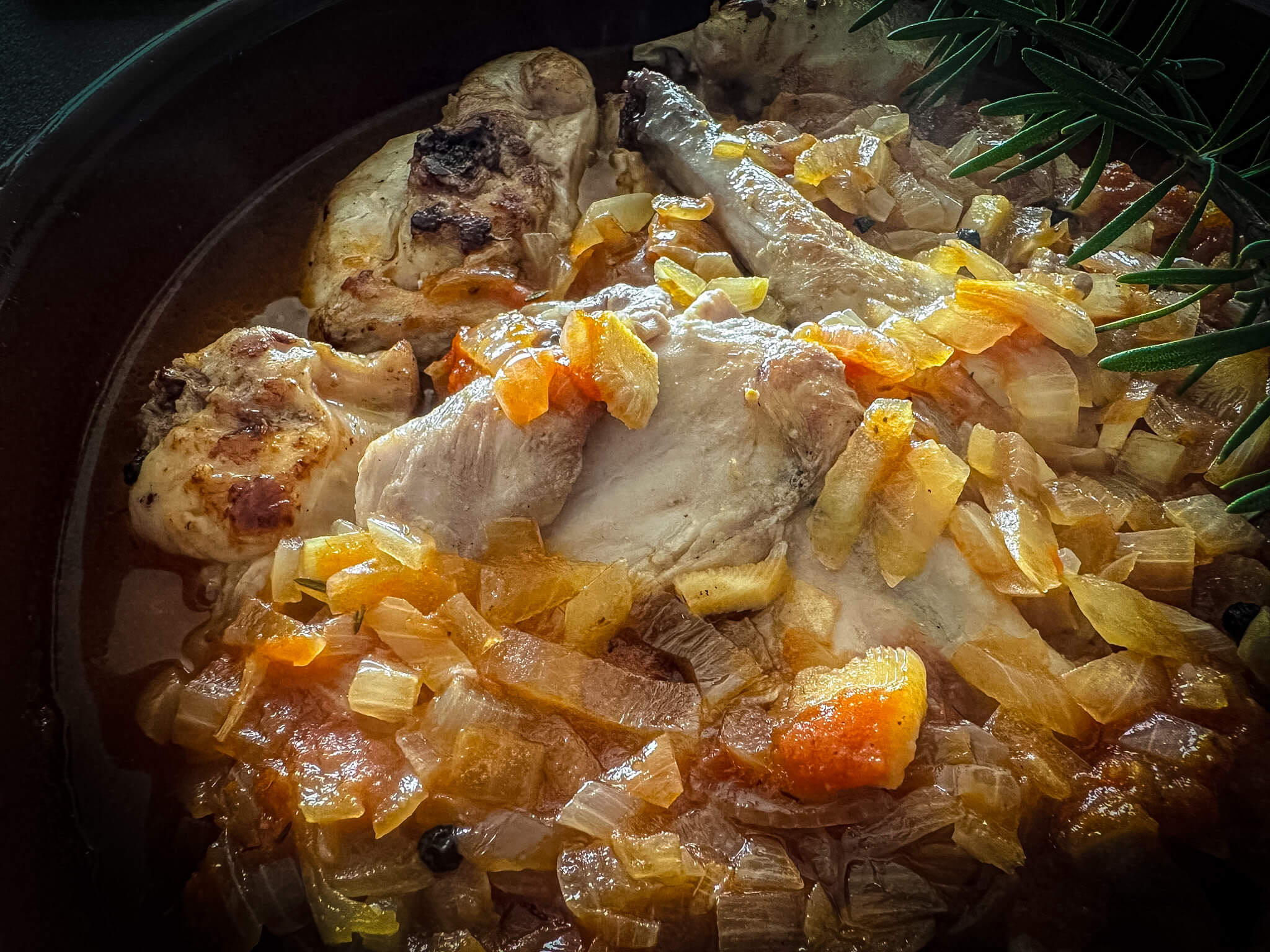
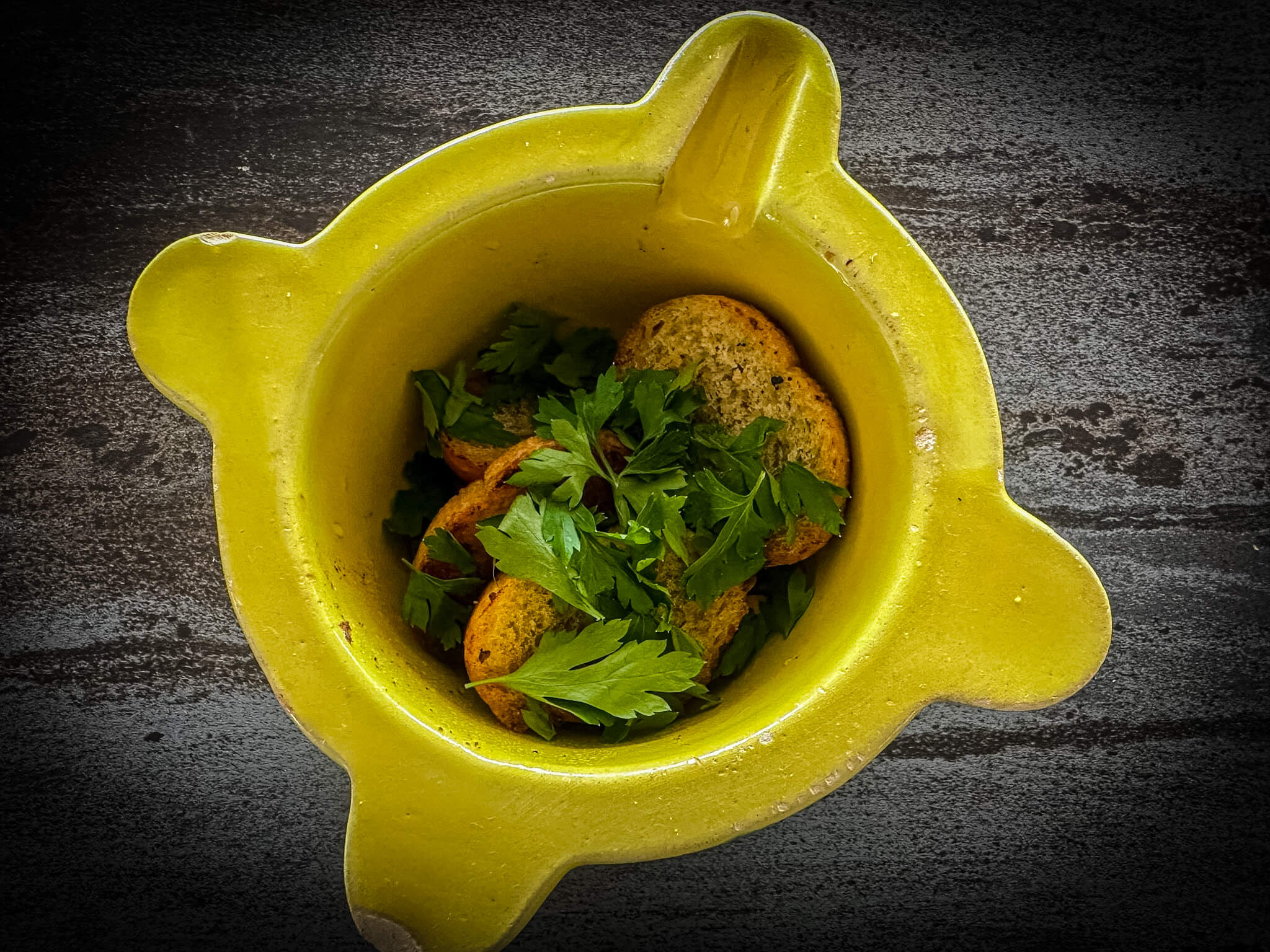
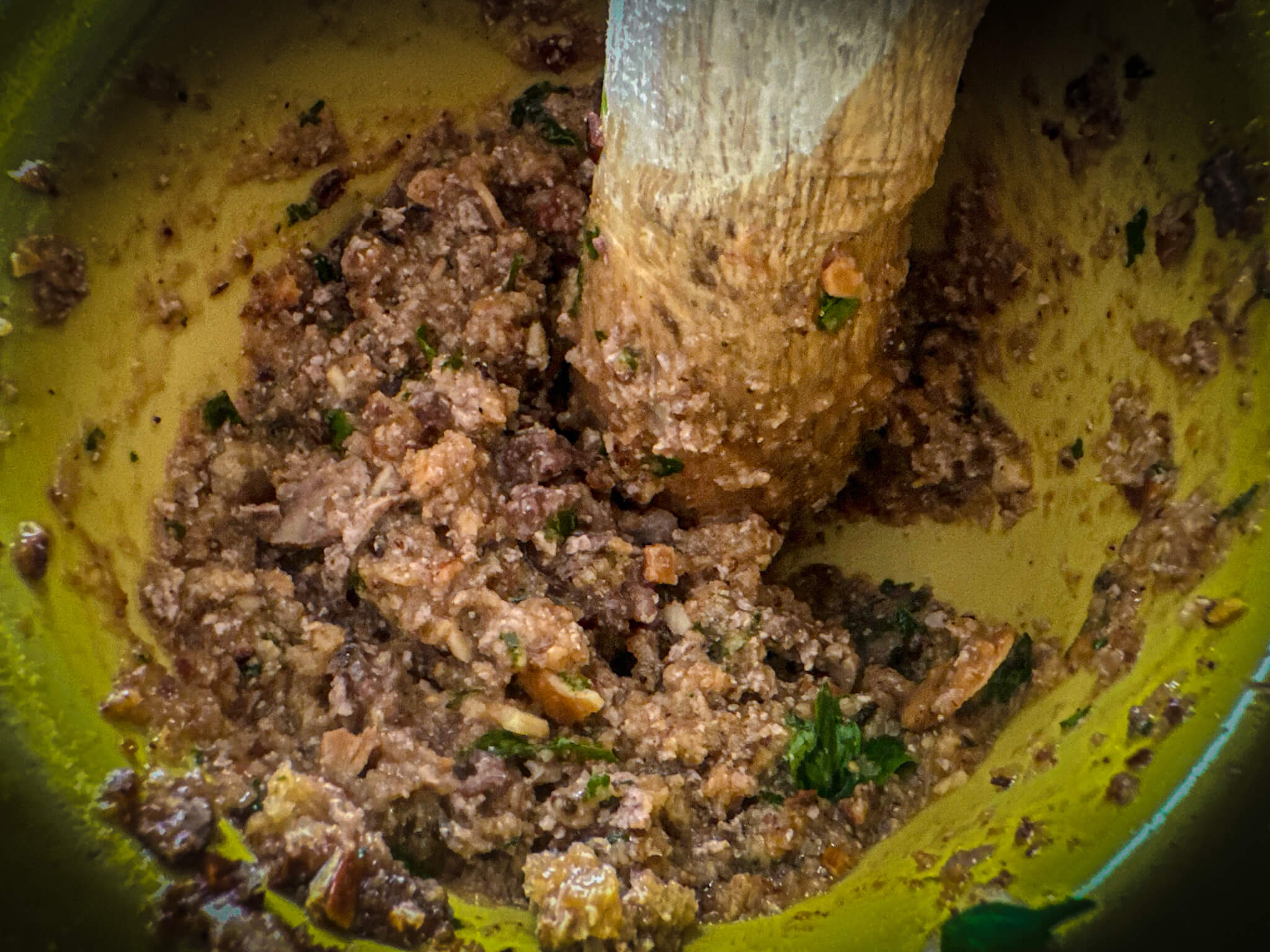
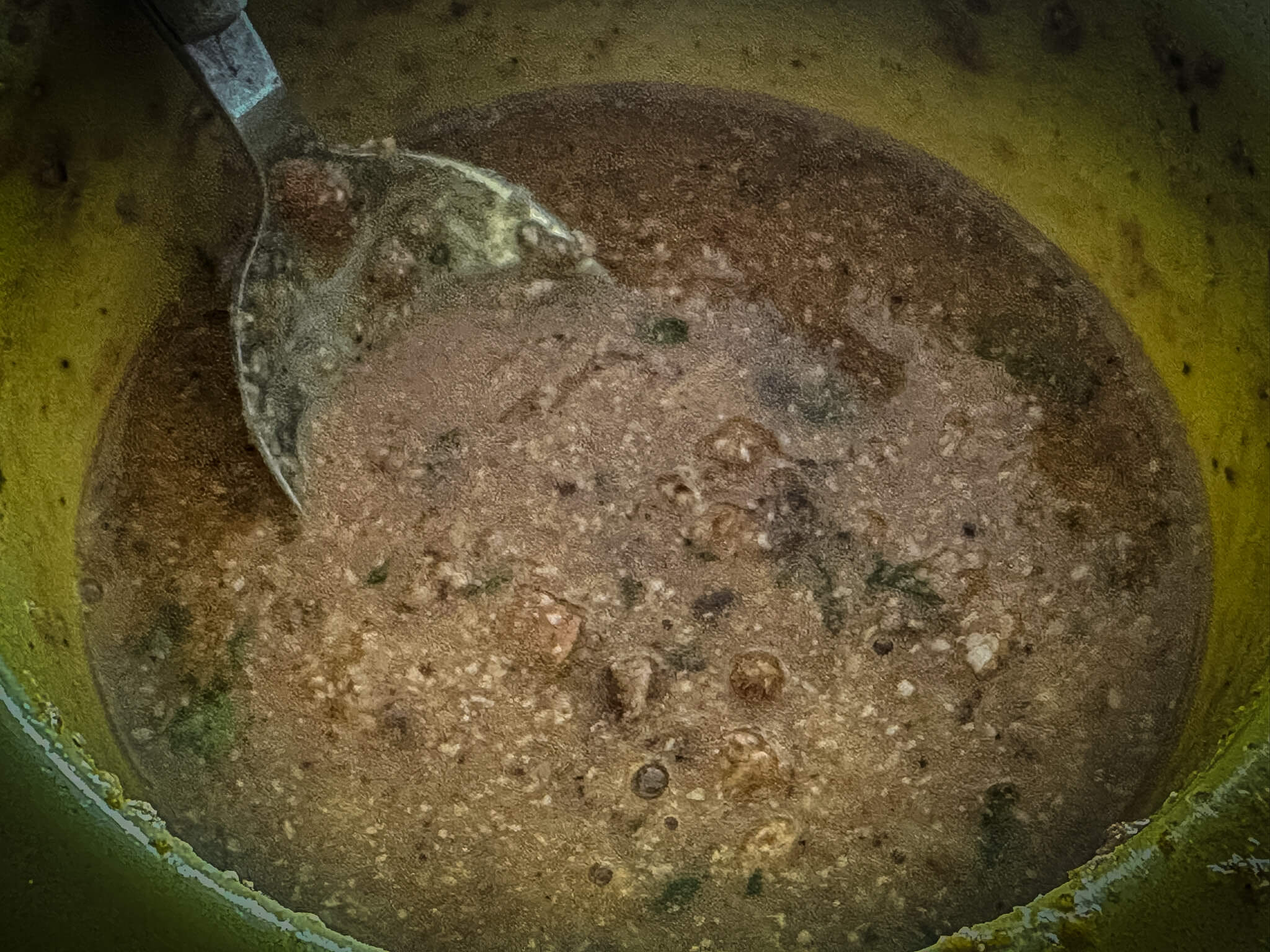
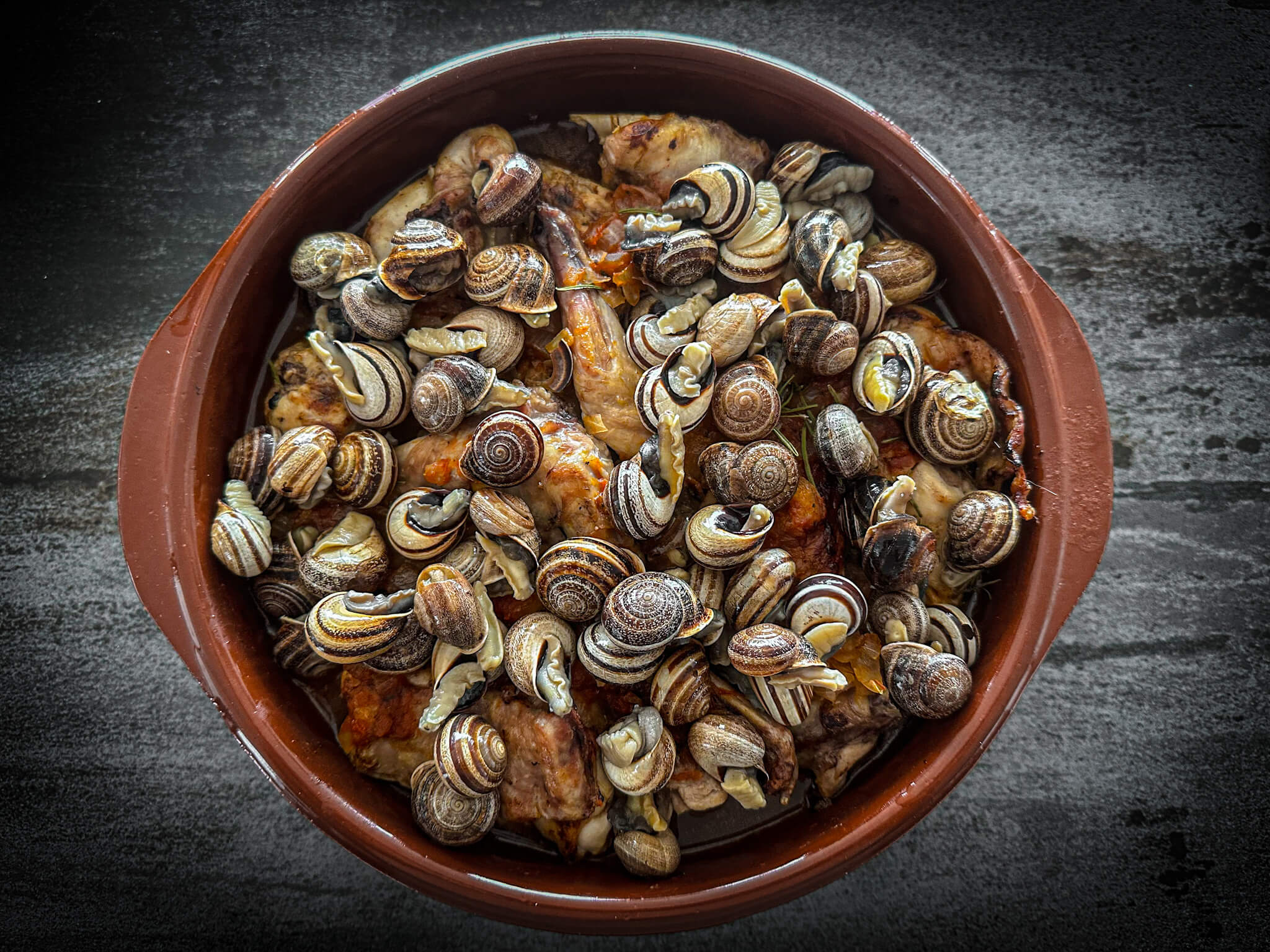
Remove the clay pot from the oven and discard the rosemary sprigs. Take 3 or 4 tablespoons of the hot cooking broth and place them in a mortar (or blender) along with the reserved fried liver, bread, almonds, and fresh parsley leaves. Grind this into a very fine paste. Rinse the snails in cold water and drain them well, then add them to the pot along with the picada paste, stirring gently to ensure it reaches every corner. Return to the oven for a final 15 minutes at 180°C (350°F) to allow the sauce to thicken and the snails to absorb the flavors.
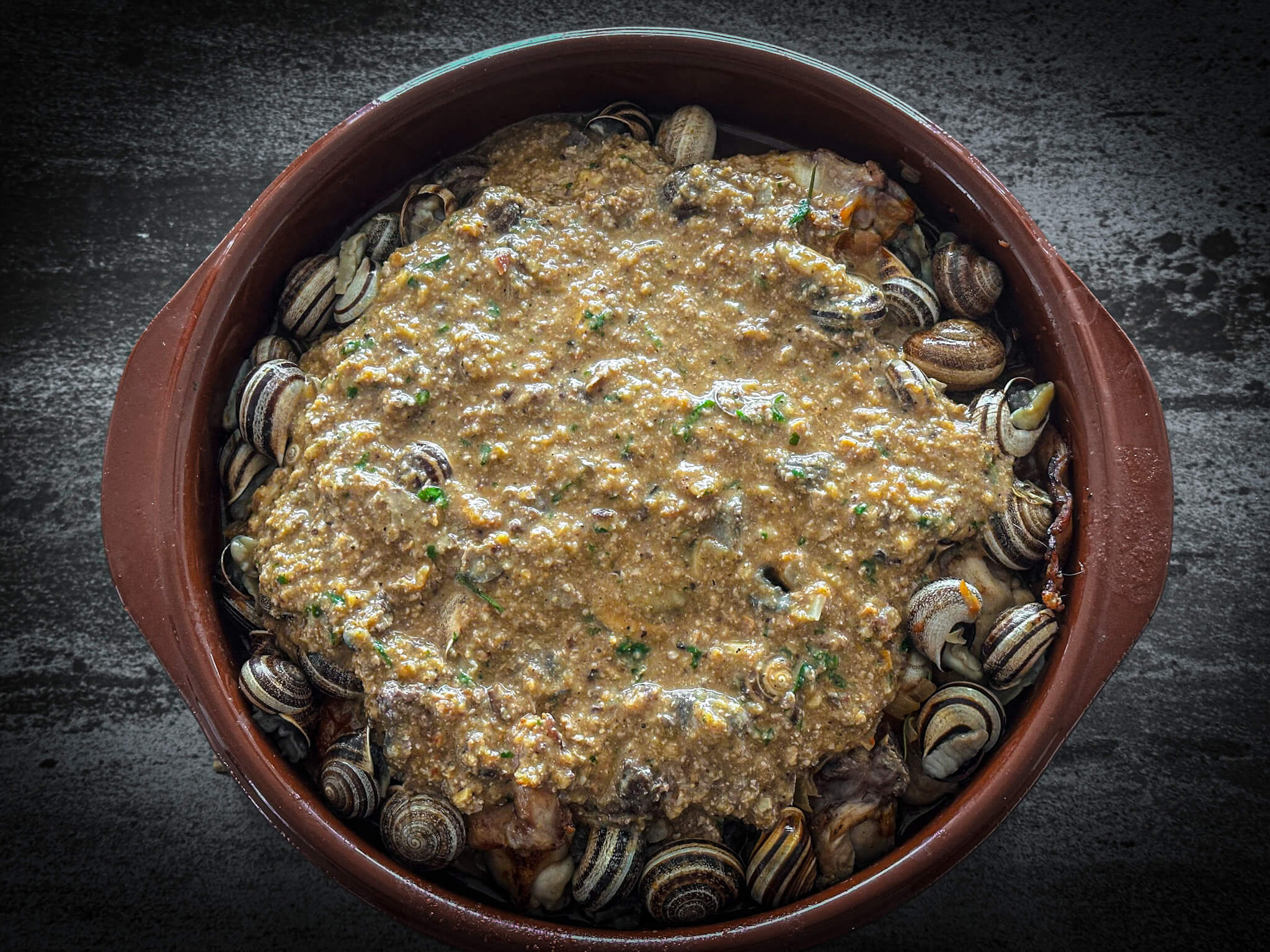
5. The Essential Resting Period
Once the cooking time is up, remove the clay pot from the oven. The thick walls of the ceramic will hold an immense amount of residual heat. Let the stew rest for 10 minutes before serving. This pause is vital as it allows the sauce to settle and the meat fibers to relax, resulting in a much more cohesive and intense flavor profile. Serve directly from the clay pot to maintain the temperature throughout the meal.
Chef’s Notes for This Mediterranean Braised Rabbit and Snails
Is it necessary to use a mortar and pestle for the picada? While a blender is much faster and provides a very smooth texture, the traditional mortar and pestle allows you to control the coarseness. Many Spanish chefs prefer a slightly rustic picada where you can still feel the occasional tiny crunch of an almond, but for a professional blog look, a blender will give you that perfect glossy sheen.
Can I use fresh snails instead of pre-cooked ones? Yes, but they require significant preparation. You must purge them for several days, wash them multiple times with salt and vinegar to remove the slime, and then boil them with aromatics for at least 45 minutes before they are ready to be used in this recipe.
Why is the resting time so important for this dish? Stewing in a clay pot is an active process that continues even after it leaves the oven. During the 10-minute rest, the starch from the fried bread and the fats from the almonds fully stabilize, turning the cooking liquid into a true sauce that won’t separate on the plate.
Common Mistakes to Avoid When Cooking Rabbit and Snails
Hardening the liver during the initial fry: If you cook the liver over high heat for too long, it becomes grainy and bitter. This happens because the delicate proteins in the offal tighten excessively, making it impossible to blend into a smooth picada. To fix this, keep the heat at medium and remove the liver the moment it loses its raw color, ensuring your final sauce is velvety and rich rather than gritty.
Adding the snails with excess water: Using frozen snails without rinsing and draining them properly can ruin the consistency of your stew. The ice crystals and packaging liquid will dilute your carefully reduced sauce, turning it watery and bland. By passing them through a sieve and drying them before adding them to the pot, you ensure the sauce remains dense and the flavor of the almond paste stays concentrated.
Skipping the rosemary removal: Leaving the rosemary sprigs in the pot for the second phase of cooking can be problematic. As the sauce thickens with the picada, the rosemary leaves can dry out and fall into the sauce, creating a needle-like texture that is unpleasant to eat. Removing the sprigs after the first 25 minutes ensures you get all the aromatic oils without the structural mess, keeping the focus on the tender rabbit.
Rabbit and Snails Ingredient Swaps & Variations
Meat Alternatives: If rabbit is hard to find, this exact technique works beautifully with free-range chicken or even duck. If using chicken, increase the first oven phase by 10 minutes to ensure the bone-in pieces are fully cooked.
Nut Substitutions: While almonds are traditional, using toasted hazelnuts adds a deeper, earthier tone to the picada that pairs exceptionally well with the snails.
Wine Variations: For a more intense, southern Spanish flavor, swap the white wine for a dry Fino or Manzanilla sherry. The nutty notes of the sherry will amplify the fried almonds in the sauce.
Recipe Summary & Resources
Recipe Card
Braised Rabbit and Snails in Almond Sauce: A Mediterranean Delicacy

This Braised Rabbit and Snails in Almond Sauce is a masterpiece of Spanish inland gastronomy, specifically from the regions of Valencia and Castilla. Known traditionally as Conejo con Caracoles, this dish represents the perfect harmony between the lean, delicate meat of the rabbit and the earthy, robust presence of snails. The secret to its legendary depth lies in the "picada"—a hand-crushed paste of fried liver, almonds, and bread—that creates a luxurious, velvety sauce that only a traditional clay pot and a slow oven finish can achieve.
Ingredients
- For the Rabbit and Searing:
- 1.2 kg (2.6 lb) Rabbit, cut into small serving pieces
- 4 large Garlic cloves, whole
- 30 ml (2 tbsp) Extra Virgin Olive Oil (AOVE)
- Salt and black pepper to taste
- For the Picada (The Flavor Base):
- 1 unit Rabbit liver (and other offal if available)
- 10-12 Raw almonds (whole or slivered)
- 3 small Slices of crusty bread
- 3 sprigs Fresh parsley (leaves only)
- 15 ml (1 tbsp) Extra Virgin Olive Oil (from the initial fry)
- For the Sofrito and Braising Sauce:
- 150 g (5.3 oz) White onion, finely diced (brunoise)
- 200 g (7 oz) Crushed or grated tomatoes
- 15 g (1 tbsp) Dried thyme
- 125 ml (4.2 fl oz) Dry white wine
- 200 ml (6.7 fl oz) Hot chicken broth or water
- 3 sprigs Fresh rosemary (to be removed later)
- The Final Touch:
- 400 g (14 oz) Pre-cooked snails (defrosted and rinsed)
Instructions
Instructions
Developing the Flavor Base with the Picada Elements
In a large skillet, heat the Extra Virgin Olive Oil over medium heat. Start by frying the rabbit liver and other offal together with the three slices of bread. Sauté for 4-5 minutes, turning the bread frequently until it is golden brown and has absorbed the aromatic oil, ensuring the liver stays tender and doesn't harden. During the last 60 seconds, add the raw almonds to the pan; watch them closely as they toast very quickly. Remove everything from the pan and set aside for the final sauce stage.
Searing the Meat and Creating the Sofrito
Increase the heat to high and add a bit more oil if needed. Add the whole garlic cloves and the seasoned rabbit pieces. Sear the rabbit for 6-8 minutes until it develops a deep golden crust on all sides. Remove the garlic before it burns and transfer the seared meat to a traditional clay pot (cazuela de barro). In the same skillet, lower the heat and add the diced onion. Sauté for 10 minutes until translucent, then stir in the grated tomato and dried thyme, reducing the mixture for 5 minutes until the water has evaporated and the oil begins to separate.
Deglazing and First Oven Phase
Preheat your oven to 180°C (350°F). Pour the white wine into the skillet to deglaze, scraping up all the savory bits from the bottom. Let the alcohol evaporate for 3 minutes at high heat, then pour this rich sauce over the rabbit in the clay pot. Add the hot broth until it covers half of the meat. Place the 3 sprigs of fresh rosemary on top and bake in the oven for 25 minutes. This initial oven phase allows the rosemary to infuse the broth with its woody fragrance while the rabbit begins to tenderize.
The Picada Integration and Final Simmer
Remove the clay pot from the oven and discard the rosemary sprigs. Take 3 or 4 tablespoons of the hot cooking broth and place them in a mortar (or blender) along with the reserved fried liver, bread, almonds, and fresh parsley leaves. Grind this into a very fine paste. Rinse the snails in cold water and drain them well, then add them to the pot along with the picada paste, stirring gently to ensure it reaches every corner. Return to the oven for a final 15 minutes at 180°C (350°F) to allow the sauce to thicken and the snails to absorb the flavors.
The Essential Resting Period
Once the cooking time is up, remove the clay pot from the oven. The thick walls of the ceramic will hold an immense amount of residual heat. Let the stew rest for 10 minutes before serving. This pause is vital as it allows the sauce to settle and the meat fibers to relax, resulting in a much more cohesive and intense flavor profile. Serve directly from the clay pot to maintain the temperature throughout the meal.
Nutrition Information:
Yield:
4Serving Size:
1Amount Per Serving: Calories: 883Total Fat: 31gSaturated Fat: 9gUnsaturated Fat: 23gCholesterol: 313mgSodium: 525mgCarbohydrates: 22gFiber: 2gSugar: 5gProtein: 111g