
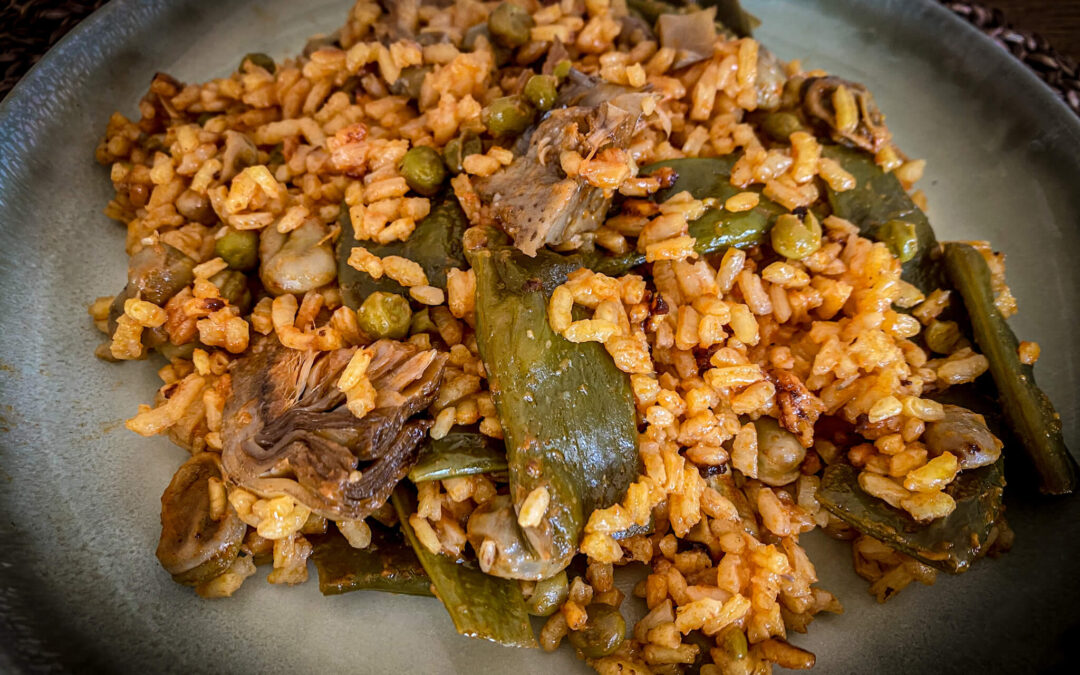
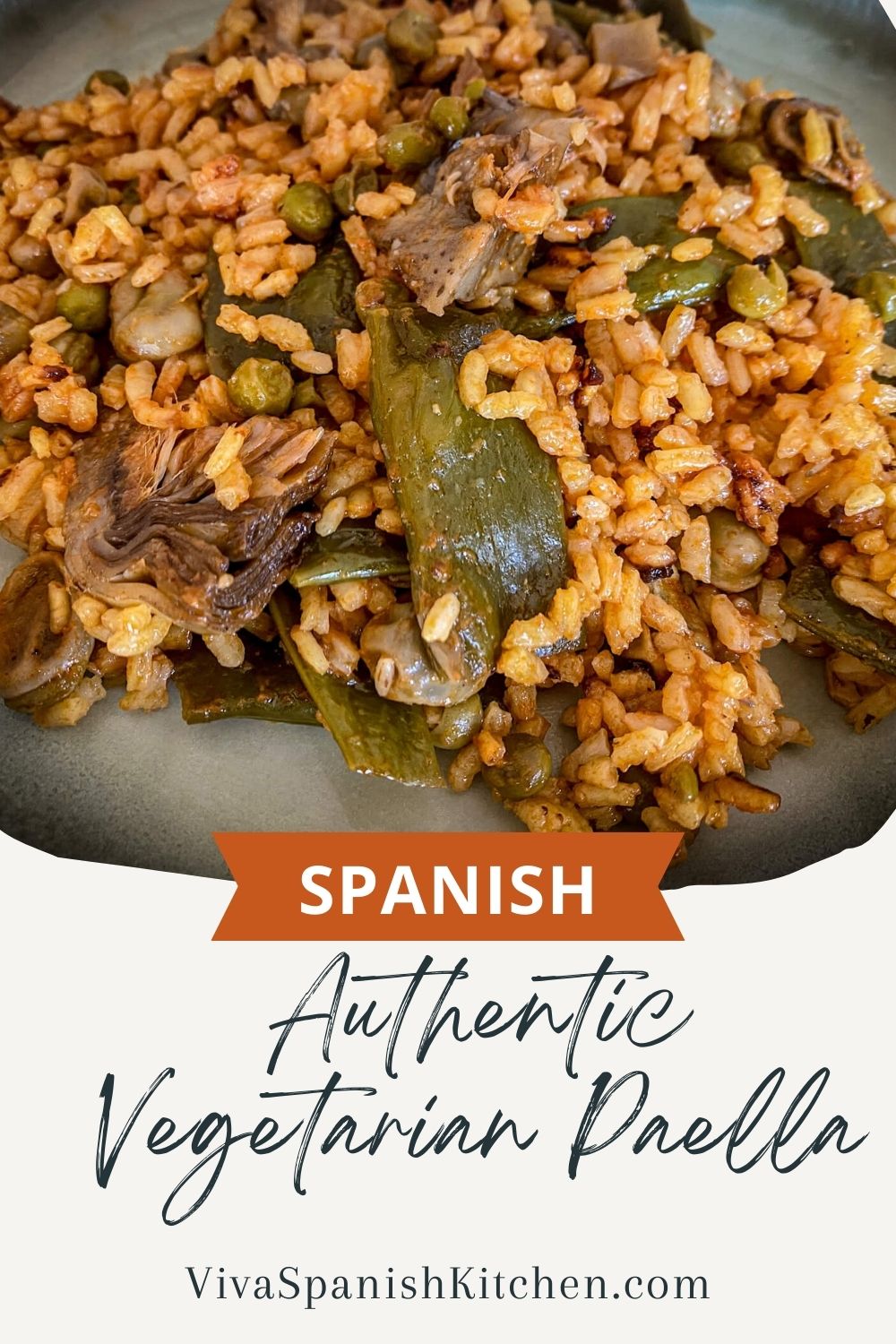
Authentic Vegetarian Paella

What Makes a Vegetable Paella Authentic?
One of the biggest misconceptions about Spanish paella is that you can simply add any vegetables to rice and call it an authentic Valencian vegetable paella. Traditionally, this recipe was born from the produce available in the Valencian huerta (market gardens), so the choice of ingredients has always depended on seasonality and local agriculture.
Classic vegetables include green beans, artichokes, tomatoes, garlic, peppers, fava beans, spinach, and Swiss chard, depending on the time of year. These vegetables complement the rice without releasing excessive moisture or overpowering its delicate flavor.
Modern versions often include vegetables such as broccoli, mushrooms, zucchini, cauliflower, pumpkin, or carrots. While they can certainly be delicious, they are not considered part of the traditional Valencian recipe because they alter the texture and flavor balance that defines an authentic vegetable paella.
The secret isn’t following strict rules for the sake of tradition—it’s understanding why certain vegetables work better than others. Once you know the foundations, you can create your own version while respecting the cooking technique that makes paella unique.
Tips for the Best Vegetable Paella
Making a great vegetable paella is all about technique rather than complexity.
- Use a short-grain rice such as Bomba, which absorbs plenty of broth while remaining firm and separate.
- Sauté the vegetables well before adding the tomato. This develops sweetness and concentrates their flavor.
- Use real saffron, not artificial coloring, for the authentic aroma and golden color.
- Never stir the rice once the broth has been added. This allows the grains to cook evenly and helps create the prized socarrat.
- Let the paella rest for 10 minutes before serving so the rice finishes absorbing the broth and the flavors settle perfectly.
Why Valencians Joke About “Arroz con Cosas”
If you’ve ever searched for paella online, you’ve probably come across the expression “arroz con cosas” (“rice with things”).
Valencians use this phrase humorously to describe rice dishes that contain a random mix of ingredients but are still called paella. It isn’t meant as an insult to creative cooking—many of those dishes are delicious—but rather as a way of protecting one of Spain’s most iconic recipes.
For Valencians, paella is much more than rice cooked in a pan. It represents centuries of tradition, local ingredients, family gatherings, and a cooking technique that has been passed down through generations. That’s why respecting the traditional method matters just as much as choosing the right ingredients.

Ingredients
| Metric Amount | Imperial Amount | Core Ingredient | Preparation |
| 400 g | 14 oz | Rice | Short-grain (Bomba preferred) |
| 100 g | 3.5 oz | Green beans | Trimmed and cut into 3-4 cm pieces |
| 100 g | 3.5 oz | Garrofó beans | Fresh or substituted with lima beans |
| 100 g | 3.5 oz | Artichokes | Cleaned, hearts quartered |
| 50 g | 1.75 oz | Fava beans | Shelled |
| 1 unit | 1 unit | Tomato | Grated |
| 8 tbsp | 120 ml | Olive oil | Extra virgin |
| 1 L | 4 cups | Vegetable broth | Hot |
| 8 threads | 8 threads | Saffron | Toasted |
| To taste | To taste | Salt | Fine |
Instructions
1. Prepare the Vegetables
Trim the green beans and cut them into 3–4 cm (1–1½ inch) pieces. Clean the artichokes by removing the tough outer leaves until you reach the tender pale yellow ones. Cut off the top third, peel the stem, then quarter each artichoke lengthwise.

2. Prepare the Sofrito
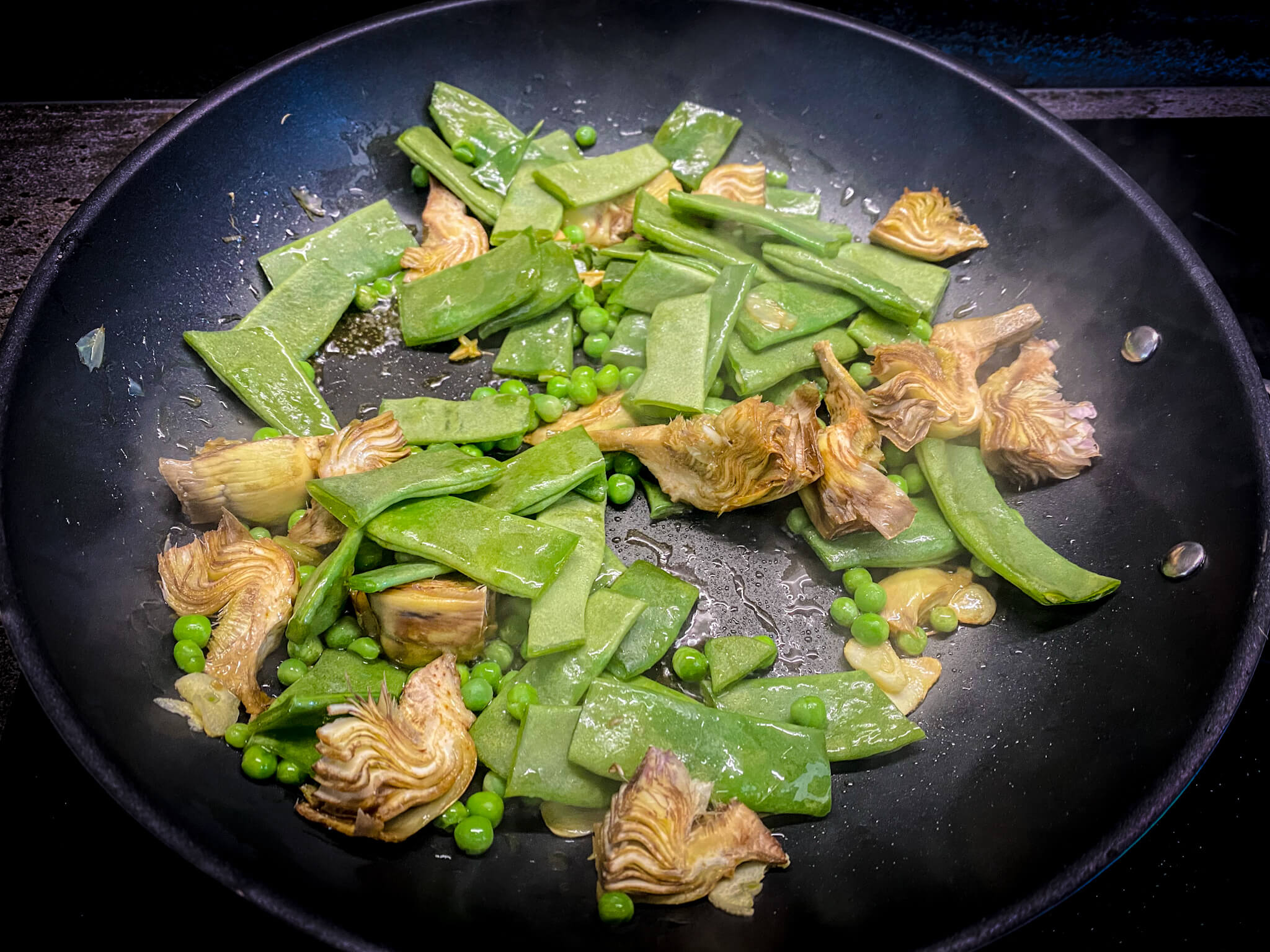
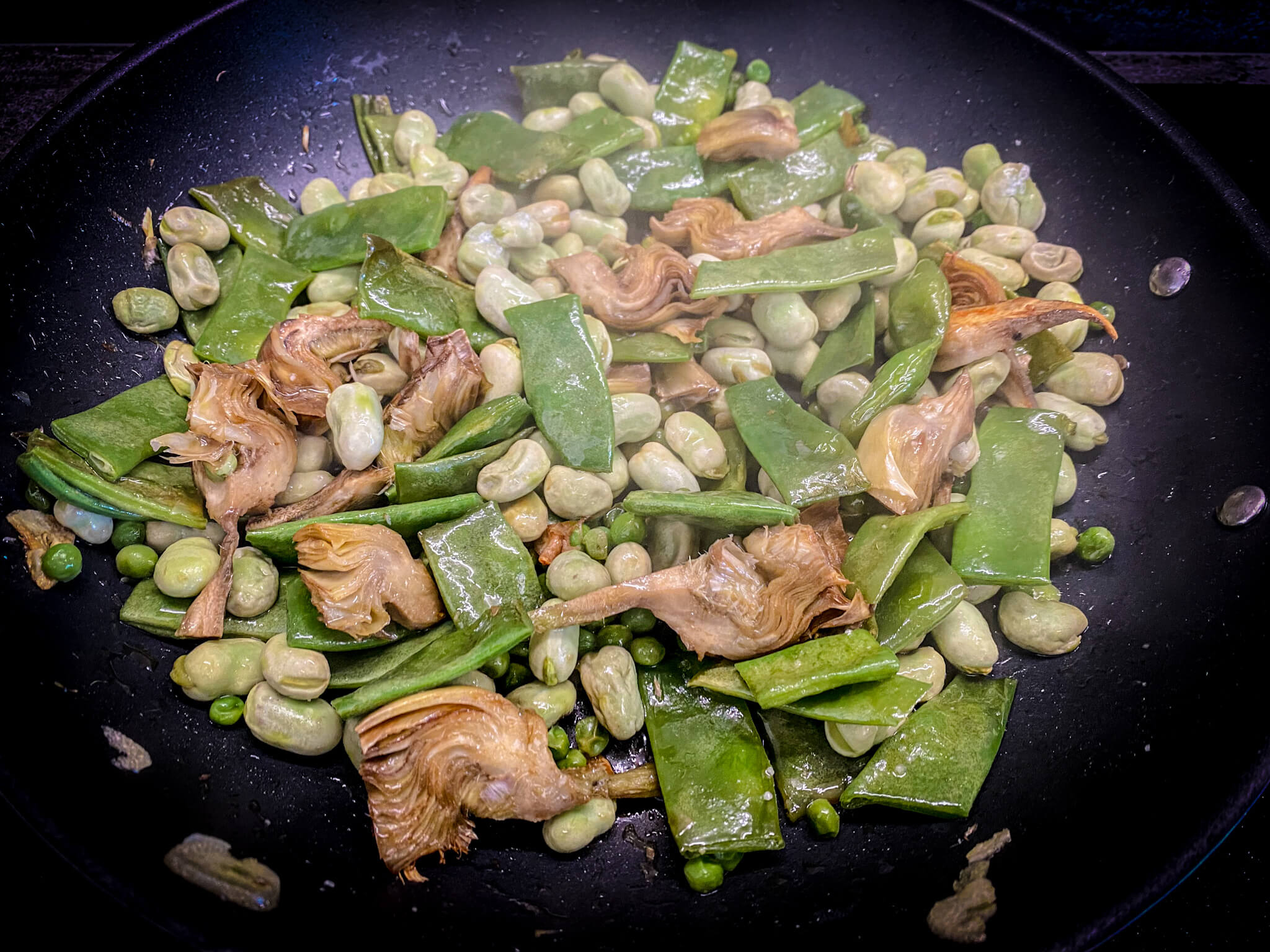
Heat a drizzle of extra virgin olive oil in a paella pan over medium heat. Add the green beans and artichokes, sautéing for 5–10 minutes until lightly softened. Stir in the grated tomato and cook for another 5 minutes, allowing it to reduce and combine with the vegetables.
3. Cook the Paella
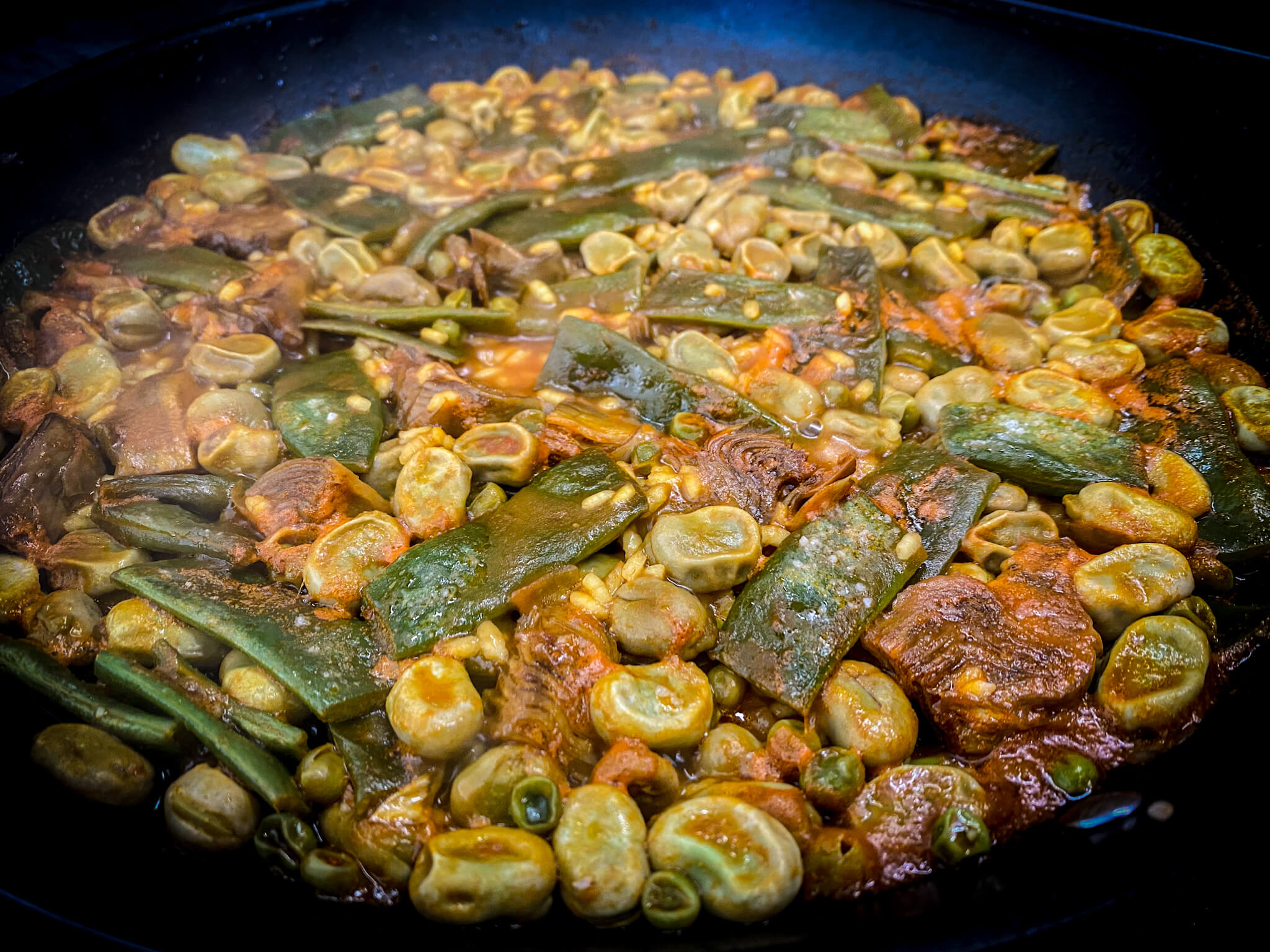
Add the rice and stir for 2–3 minutes to coat it in the sofrito. Pour in the hot vegetable broth, season with salt, and add a pinch of saffron. Bring to a gentle boil and cook for about 20 minutes, or according to the rice package instructions, without stirring once the broth has been evenly distributed.


4. Rest and Serve
When the broth has been absorbed and the socarrat begins to form on the bottom of the pan, remove the paella from the heat. Cover it with a clean kitchen towel and let it rest for 10 minutes before serving. This allows the rice to finish cooking and the flavors to fully develop.

Chef’s Notes for Vegetable Paella
Why is Bomba rice the best choice for paella? Bomba rice can absorb up to three times its volume in broth while keeping each grain firm and separate. This is what gives an authentic paella its signature texture. Avoid long-grain or risotto rice, as they either stay too firm or become overly creamy.
Why should the paella rest before serving? Once the rice has finished cooking, cover the paella with a clean kitchen towel and let it rest for 10 minutes. During this time, the grains finish absorbing the remaining broth, the flavors settle, and the texture becomes perfectly even throughout the pan.
Should I toast the saffron first? Yes. Lightly toasting the saffron threads for a few seconds, or steeping them in a little hot broth before adding them to the pan, releases their aroma, flavor, and beautiful golden color much more effectively than adding them directly.
Common Mistakes Cooking Vegetable Paella
Stirring the rice after adding the broth: Once the broth has been evenly distributed, leave the rice untouched. Stirring releases starch, producing a creamy texture instead of the dry, separate grains that define a traditional paella.
Using the wrong amount of broth: Measure both the rice and broth carefully before cooking. Keeping extra hot broth nearby is helpful, but adding too much liquid can leave the rice soft and mushy instead of perfectly cooked.
Cooking over uneven heat: A paella cooks across the entire surface of the pan. If one area is much hotter than another, the rice will cook unevenly. Rotate the pan occasionally or use a burner that distributes the heat evenly.
Removing the paella too early: Don’t be afraid of the gentle crackling sound during the final minutes. That’s the socarrat forming—the thin, caramelized layer of rice at the bottom that many consider the best part of an authentic paella.
Variations on Vegetable Paella
Gourmet Spanish Rice with Secreto Ibérico and Mushrooms: If you prefer a heartier rice dish, try my Gourmet Spanish Rice with Secreto Ibérico and Mushrooms. Tender Iberian pork, wild mushrooms, and saffron create a rich, comforting recipe full of Mediterranean flavor.
Spanish Black Rice Paella with Garlic Sauce (Alioli): Looking for something from the sea? My Spanish Black Rice Paella with Garlic Sauce (Alioli) combines squid ink, tender seafood, and a homemade garlic sauce for one of the most iconic rice dishes from the Spanish coast.
Classic Valencian Paella: If you’d like to experience the original, don’t miss my Classic Spanish Paella Recipe: Valencian Style with 10 Authentic Ingredients. Made with chicken, rabbit, green beans, garrofón beans, saffron, and bomba rice, it’s the traditional recipe that inspired every other Spanish paella.
Recipe Card
Authentic Vegetarian Paella

This veggie paella is a colorful flavor party, with perfectly cooked rice and all the garden goodness. No meat, but all the flavor!! Taste this veggie paella Recipe. Super easy to make and perfect for sharing. You’re gonna love it!
Ingredients
- 400 g (14 oz) rice
- 100 g (3.5 oz) green beans
- 100 g (3.5 oz) garrofó beans (or lima beans as a substitute)
- 100 g (3.5 oz) artichokes
- 50 g (1.75 oz) fava beans
- 1 tomato
- A pinch of salt
- 8 tablespoons olive oil
- 1 liter (4 cups) vegetable broth
- 8 saffron threads
Instructions
1. Prepare the Vegetables
Trim the green beans and cut them into 3–4 cm (1–1½ inch) pieces. Clean the artichokes by removing the tough outer leaves until you reach the tender pale yellow ones. Cut off the top third, peel the stem, then quarter each artichoke lengthwise.
2. Prepare the Sofrito
Heat a drizzle of extra virgin olive oil in a paella pan over medium heat. Add the green beans and artichokes, sautéing for 5–10 minutes until lightly softened. Stir in the grated tomato and cook for another 5 minutes, allowing it to reduce and combine with the vegetables.
3. Cook the Paella
Add the rice and stir for 2–3 minutes to coat it in the sofrito. Pour in the hot vegetable broth, season with salt, and add a pinch of saffron. Bring to a gentle boil and cook for about 20 minutes, or according to the rice package instructions, without stirring once the broth has been evenly distributed.
4. Rest and Serve
When the broth has been absorbed and the socarrat begins to form on the bottom of the pan, remove the paella from the heat. Cover it with a clean kitchen towel and let it rest for 10 minutes before serving. This allows the rice to finish cooking and the flavors to fully develop.
Notes
Hearing the socarrat means listening to the crispy sound the rice makes when it’s burned and stuck to the bottom of the paella pan. This happens when there’s almost no liquid left to evaporate, and the residual oil from the preparation starts to act on the rice. This sound signals that the socarrat is forming a toasted and flavorful layer that is considered an essential part of Valencian paella.
Nutrition Information:
Yield:
4Amount Per Serving: Calories: 445Total Fat: 29gSaturated Fat: 4gUnsaturated Fat: 25gSodium: 303mgCarbohydrates: 44gFiber: 5gSugar: 5gProtein: 7g
Thanks for this detailed post! Makes me want to try making paella exactly like they do in Valencia.