

If you are looking for a dish that captures the essence of the Spanish coast in less than twenty minutes, this Spanish Lemon Hake Hearts: A 15-Minute Mediterranean Delicacy <h1> is your answer. Using the gentle steam of citrus to cook the fish ensures a melt-in-your-mouth texture that will transport you straight to a seaside “chiringuito”.
Spanish Lemon Hake Hearts: A 15-Minute Mediterranean Delicacy
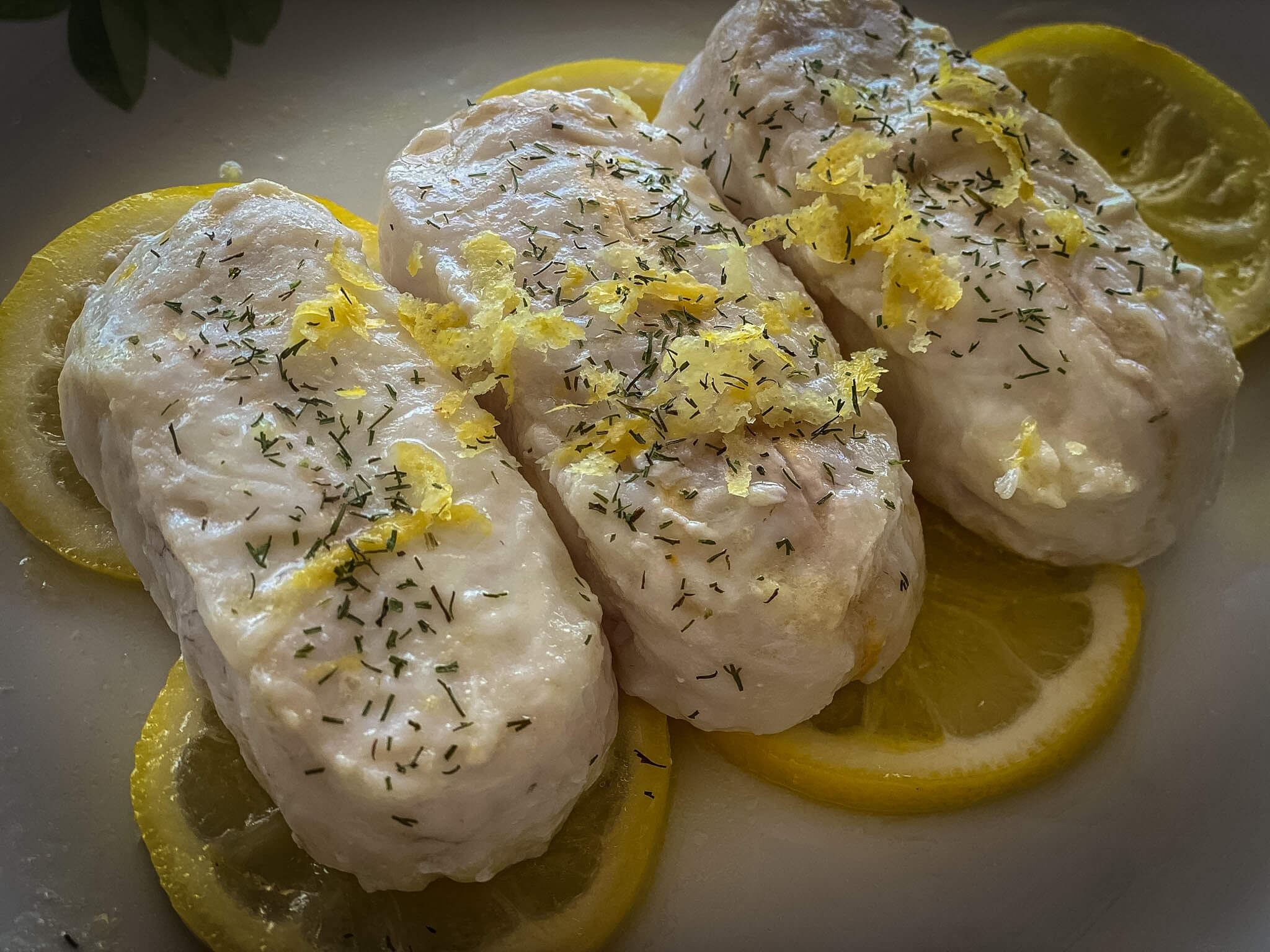
Lemon Hake Hearts Recipe
Spanish Lemon Hake Hearts: A 15-Minute Mediterranean Delicacy is the perfect example of how simple ingredients can create an elegant and deeply satisfying meal. In less than twenty minutes, this recipe captures the essence of Mediterranean cooking: fresh seafood, bright citrus, olive oil, and techniques that let natural flavors shine. This keeps the fish incredibly tender and moist while adding a subtle freshness that never overpowers the delicate flavor of the hake.
The recipe also reflects the philosophy of the Mediterranean diet. With only a small amount of extra virgin olive oil and no heavy sauces, it feels light yet luxurious. Even beginner cooks can achieve excellent results because the steam does most of the work. These small adjustments allow the recipe to adapt to different tastes while maintaining its Mediterranean identity.
Beyond convenience and flavor, the dish creates a true sensory experience. The aroma of lemon, olive oil, and fresh herbs immediately evokes the Spanish coastline and traditional seaside “chiringuitos.” If you enjoy these zesty profiles, don’t miss our Spanish Artichokes with Cured Ham tapa, or our vegan Easy Sautéed Flat Green Beans with Garlic & Lemon. For heartier options, check out our Quick Healthy Dinner Mediterranean Spinach with Tomato and Anchovies or our popular Creamy Tuscan Salmon.

Ingredients
| Metric Amount | Imperial Amount | Core Ingredient | Preparation |
| 500 g | 1.1 lbs | Hake loins (hearts) | Fresh or thawed, patted dry before cooking |
| 3 units | 3 units | Fresh lemons | Squeezed for juice and zested |
| 15 ml | 1 tbsp | Fresh dill | Finely chopped for aromatic finish |
| 2 units | 2 units | Garlic cloves | Peeled and thinly sliced or minced |
| 15 ml | 1 tbsp | Extra Virgin Olive Oil (AOVE) | For pan-searing and emulsion |
| To taste | To taste | Salt and black pepper | Freshly cracked to taste |
Instructions
1. Preparing the Citrus Bed
Start by slicing 2 lemons into rounds of approximately 3-4 mm (0.15 inches). In a wide skillet, add 15 ml (1 tbsp) of AOVE and arrange the lemon slices so they completely cover the bottom. Cook them over medium heat for 2-3 minutes until they begin to release their juices and take on a light golden hue, creating an aromatic base for the fish.

2. Seasoning the Hake
While the lemons are sizzling, season the 500 g (1.1 lbs) of hake loins with salt and pepper. If you are working with thick loins, make small, shallow cuts into the skin side; this allows the heat to penetrate more evenly and prevents the fish from curling during the cooking process.
3. The Gentle Cooking Process
Place the hake loins directly onto the bed of lemon slices. You can place them skin-side up to highlight the beautiful white flesh of the fish, or skin-side down if you prefer the skin to absorb more of the citrus aroma.

4. Steaming to Perfection
Cover the skillet with a tight-fitting lid to trap the moisture. The steam generated by the lemon juice will gently poach the hake in just 6-8 minutes, depending on the thickness of the loins. This method requires no additional fat or liquid, keeping the flavors pure and clean.

5. Plating and Finishing Touches
Carefully serve the hake on top of a few of the now-tenderized lemon slices. Finish the dish by grating the zest of the remaining lemon (yellow part only) and sprinkling the 15 ml (1 tbsp) of fresh dill over the top for a final burst of Mediterranean fragrance.
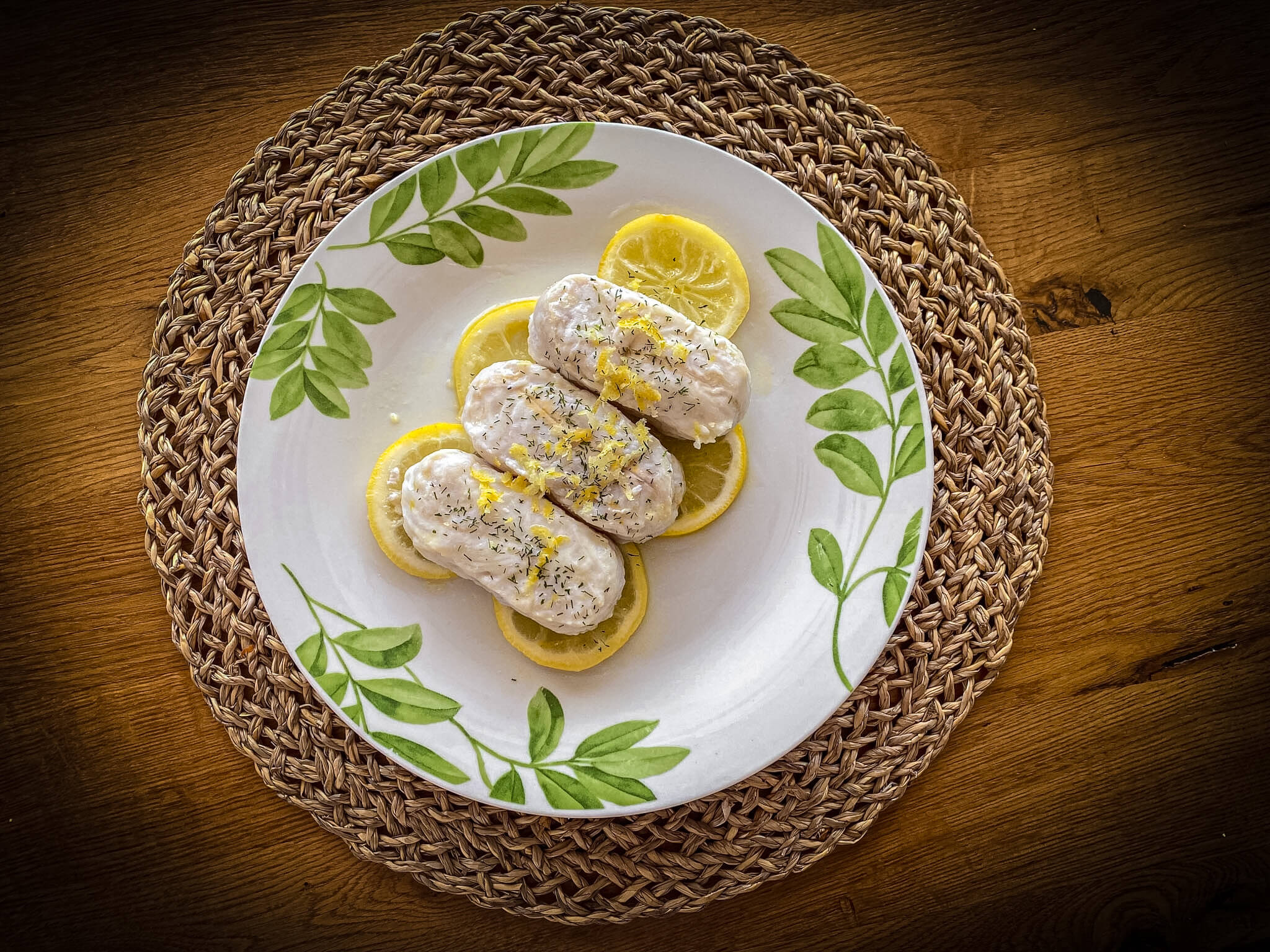
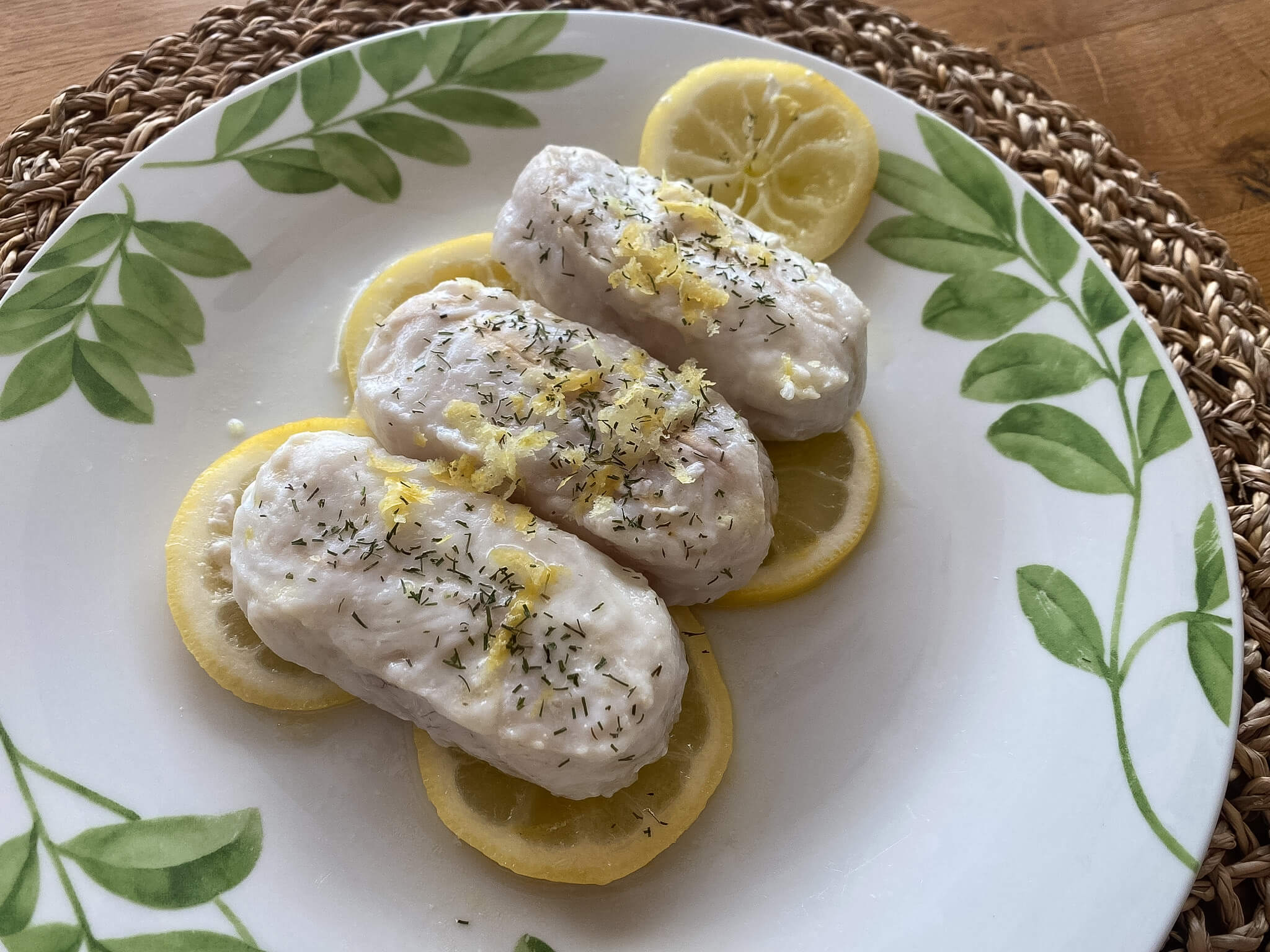
Chef’s Notes for Cooking Perfect Spanish Lemon Hake
How do I know if the hake is perfectly cooked? The flesh should change from translucent to a matte, opaque white. If you press it gently with a fork, the flakes should separate easily without resisting. Overcooking hake is a cardinal sin in Spain, as it turns this buttery fish quite dry.
Can I use frozen hake for this recipe? Absolutely, as long as you thaw it completely in the refrigerator overnight. Be sure to pat it very dry with paper towels before seasoning; excess moisture from freezing can dilute the lemon “syrup” we are creating in the pan.
Why put the lid on the pan? The lid is essential because we aren’t frying the fish; we are steaming it using the lemon’s natural water content. Without the lid, that moisture escapes, and you risk burning the lemon slices before the fish is cooked through.
Common Mistakes to Avoid When Making This Spanish Lemon Hake
Using high heat for the citrus base: When you blast the heat, the sugars in the lemon slices will burn and turn bitter before the fish even hits the pan. This High Heat Charring creates a sharp, acrid flavor that ruins the delicate white fish. Keep the flame at medium-low to ensure the lemons soften and release juice slowly, resulting in a perfumed, sweet citrus foundation.
Overcrowding the skillet: Placing too many hake loins in a small pan prevents the steam from circulating freely around each piece of fish. This Airflow Blockage results in uneven cooking, where the edges are dry but the center remains raw. Use a wide skillet or cook in batches to give each heart its own space. The result is uniform doneness and a beautiful presentation for every guest.
Lifting the lid constantly to check: Every time you lift that lid, you are letting out the precious steam that is doing all the work. This Steam Escape causes the temperature to drop and increases the cooking time significantly. Trust the timer and keep it sealed for at least 6 minutes to achieve a consistently moist and tender texture.
Spanish Lemon Hake Ingredient Swaps & Variations
-
Fish Alternative: Swap hake for Cod or Sea Bass. Impact on texture: These are slightly firmer but will still absorb the citrus beautifully. No timing adjustment needed.
-
Herb Swap: Use Fresh Parsley instead of dill. Impact on flavor: It provides a more earthy, traditional Spanish finish. Use the same 15 ml (1 tbsp) measurement.
-
Citrus Twist: Replace one lemon with Lime. Impact on flavor: This adds a more tropical, sharper acidity. Ajuste: Use only for the zest at the end to avoid overpowering the delicate hake.
Recipe Summary & Resources
Recipe Card
Spanish Lemon Hake Hearts: A 15-Minute Mediterranean Delicacy

If you are looking for a dish that captures the essence of the Spanish coast in less than twenty minutes, this Spanish Lemon Hake Hearts: A 15-Minute Mediterranean Delicacy <h1> is your answer. Using the gentle steam of citrus to cook the fish ensures a melt-in-your-mouth texture that will transport you straight to a seaside "chiringuito".
Ingredients
- 500 g (1.1 lbs) Hake loins (hearts).
- 3 units Fresh lemons.
- 15 ml (1 tbsp) Fresh dill.
- 2 cloves Garlic.
- 15 ml (1 tbsp) Extra Virgin Olive Oil (AOVE).
- To taste Salt and black pepper.
Instructions
Preparing the Citrus Bed
Start by slicing 2 lemons into rounds of approximately 3-4 mm (0.15 inches). In a wide skillet, add 15 ml (1 tbsp) of AOVE and arrange the lemon slices so they completely cover the bottom. Cook them over medium heat for 2-3 minutes until they begin to release their juices and take on a light golden hue, creating an aromatic base for the fish.
Seasoning the Hake
While the lemons are sizzling, season the 500 g (1.1 lbs) of hake loins with salt and pepper. If you are working with thick loins, make small, shallow cuts into the skin side; this allows the heat to penetrate more evenly and prevents the fish from curling during the cooking process.
The Gentle Cooking Process
Place the hake loins directly onto the bed of lemon slices. You can place them skin-side up to highlight the beautiful white flesh of the fish, or skin-side down if you prefer the skin to absorb more of the citrus aroma.
Steaming to Perfection
Cover the skillet with a tight-fitting lid to trap the moisture. The steam generated by the lemon juice will gently poach the hake in just 6-8 minutes, depending on the thickness of the loins. This method requires no additional fat or liquid, keeping the flavors pure and clean.
Nutrition Information:
Yield:
4Serving Size:
1Amount Per Serving: Calories: 161Total Fat: 4gSaturated Fat: 1gUnsaturated Fat: 4gCholesterol: 83mgSodium: 334mgCarbohydrates: 6gFiber: 2gSugar: 2gProtein: 26g
Pin it
