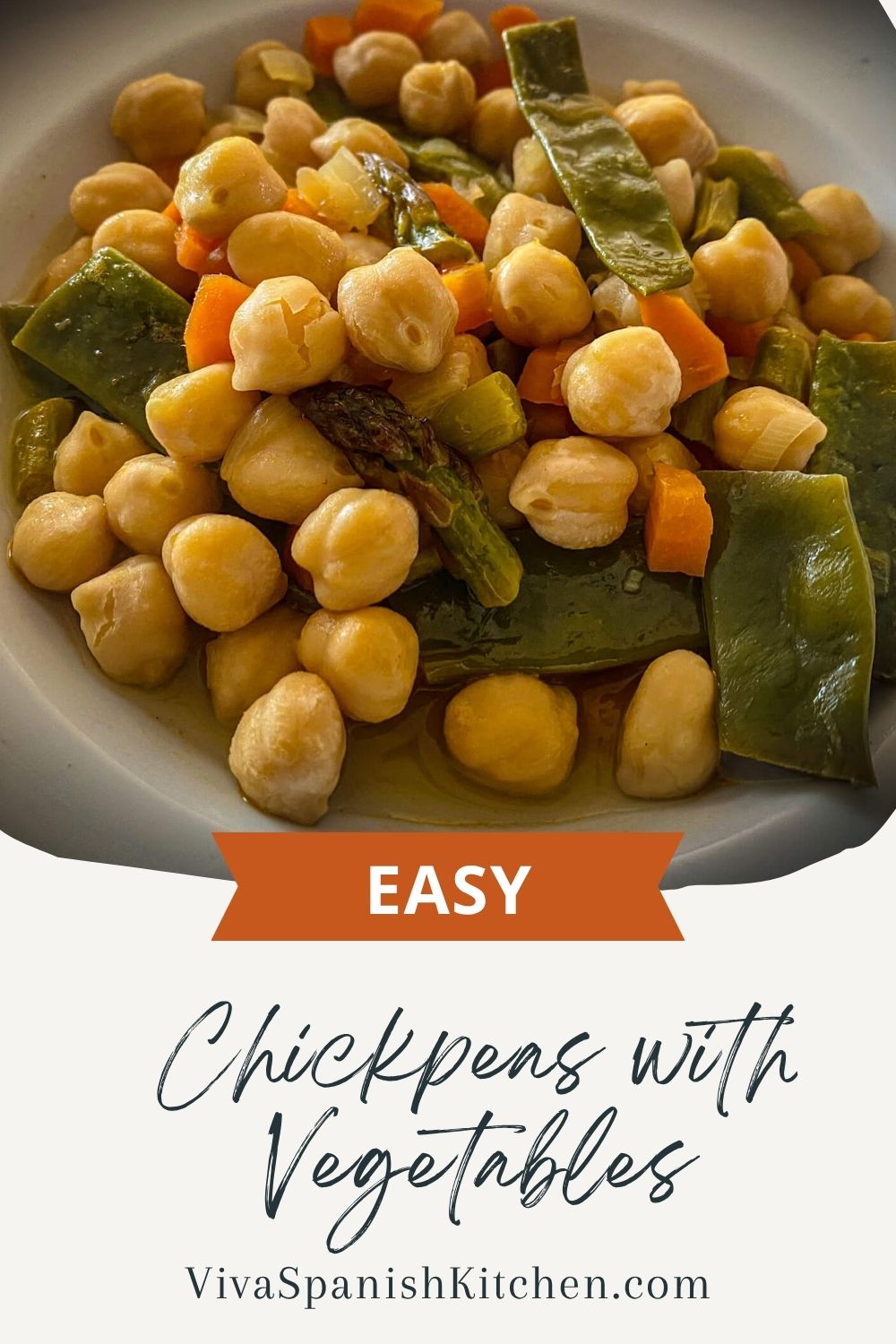
This easy Mediterranean Chickpea Stew with Seasonal Veggies recipe is a wholesome, hearty dish packed with flavor and nutrients. Using fresh vegetables like asparagus and green beans, combined with tender chickpeas and aromatic spices, it’s the perfect balance of comfort and health in every bite. Serve it as a main course or a delicious side, and enjoy a taste of Spain at your table.
Easy Mediterranean Chickpea Stew with Seasonal Veggies
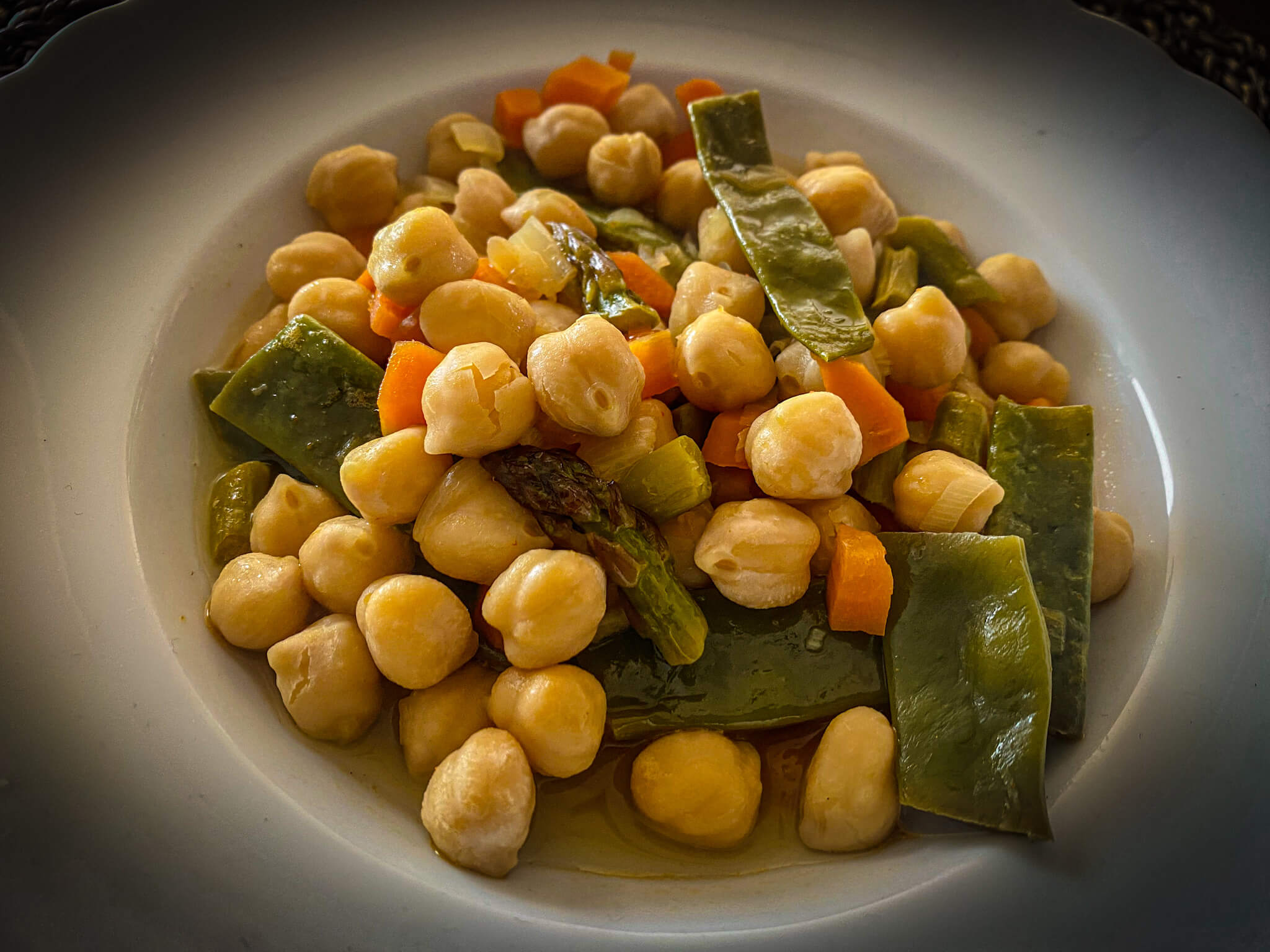
How to prepare Mediterranean Chickpea Stew with Seasonal Veggies
Mediterranean Chickpea Stew with Seasonal Veggies is the kind of recipe that proves simple ingredients often create the most satisfying meals. Rooted in the traditions of Mediterranean home cooking, this wholesome stew celebrates fresh vegetables, legumes, and extra virgin olive oil, turning everyday pantry staples into a colorful, nourishing dish that’s full of flavor. It’s comforting enough for cooler days yet light enough to enjoy throughout the year.
One of the greatest strengths of this recipe is its versatility. The combination of chickpeas with seasonal vegetables means you can prepare it differently every time, depending on what’s fresh at the market or growing in your garden. Spring asparagus, tender green beans, sweet carrots, zucchini, spinach, peas, or even pumpkin all work beautifully, making this a recipe you can enjoy in every season without losing its Mediterranean character.
Beyond its flexibility, this stew is incredibly nutritious. Chickpeas provide plenty of plant-based protein and fiber, while the vegetables contribute vitamins, minerals, and natural sweetness. Extra virgin olive oil adds healthy fats and richness, and a touch of Spanish sweet paprika and dry white wine creates remarkable depth of flavor without relying on heavy creams or processed ingredients. The result is a balanced meal that’s naturally vegetarian, filling, and both budget-friendly and family-friendly.
Another reason this recipe stands out is the way it layers flavor through simple cooking techniques. Slowly sautéing the garlic and onion builds a fragrant foundation, while the paprika adds warmth and the white wine brings brightness and complexity. As everything gently simmers together, the chickpeas absorb the aromatic broth and the vegetables become perfectly tender without losing their freshness. Every spoonful delivers a delicious balance of earthy legumes, vibrant vegetables, and Mediterranean herbs and spices.
This is also an excellent recipe for busy households. It comes together in about 30 minutes, uses inexpensive ingredients that are easy to find, and stores exceptionally well. In fact, like many traditional Mediterranean stews, the flavors continue to develop after resting, making leftovers even more delicious the next day. Prepare a large batch for meal prep, enjoy it as a light lunch, or serve it as a comforting dinner with a slice of crusty bread.
Mediterranean Chickpea Stew with Seasonal Veggies perfectly captures the philosophy of Mediterranean cooking: fresh, seasonal ingredients, simple preparation, and maximum flavor. Healthy, affordable, endlessly adaptable, and deeply satisfying, it’s a recipe you’ll return to whenever you want a wholesome meal that celebrates the very best of the season.
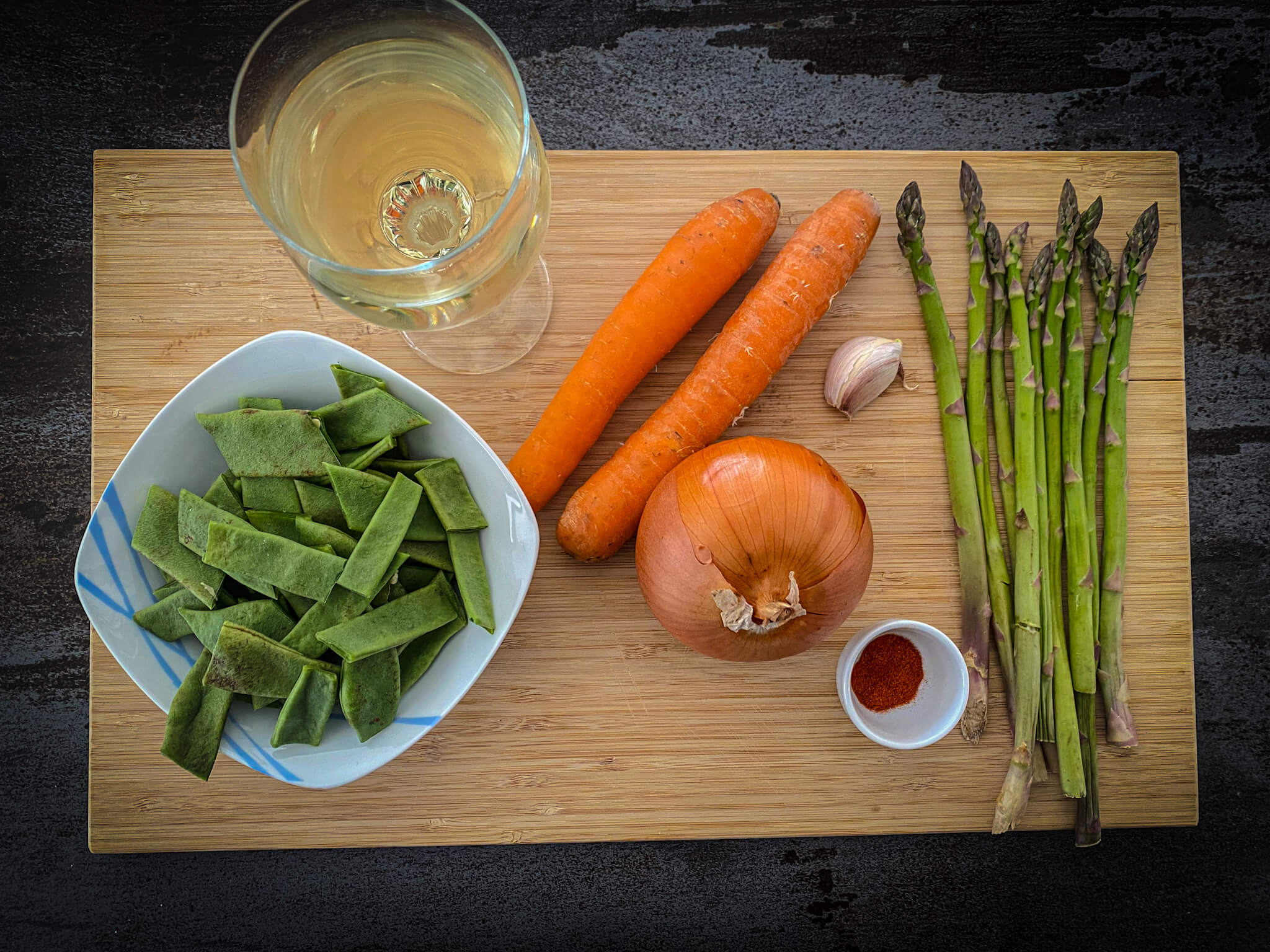
Ingredients
| Metric Amount | Imperial Amount | Core Ingredient | Preparation |
| 380 g | 13.4 oz | Chickpeas | Cooked, drained and rinsed |
| 1 unit | 1 unit | Onion | Medium-sized, peeled and finely chopped |
| 2 units | 2 units | Carrots | Medium-sized, peeled and diced |
| 200 g | 7 oz | Green beans | Trimmed and cut into 2–3 cm (1 in) pieces |
| 1 bunch | 1 bunch | Wild asparagus | Tough ends trimmed, spears cut into 2–3 cm (1 in) pieces |
| 1 clove | 1 clove | Garlic | Peeled and finely chopped |
| 30 ml | 2 tbsp | Olive oil | Extra virgin |
| 200 ml | 6.8 fl oz (approx. 1 glass) | White wine | Dry, high-quality |
| 1 tsp | 1 tsp | Sweet paprika | Spanish (pimentón dulce) |
| 1 pinch | 1 pinch | Sea salt | Fine |
Instructions
1. Prepare the aromatics
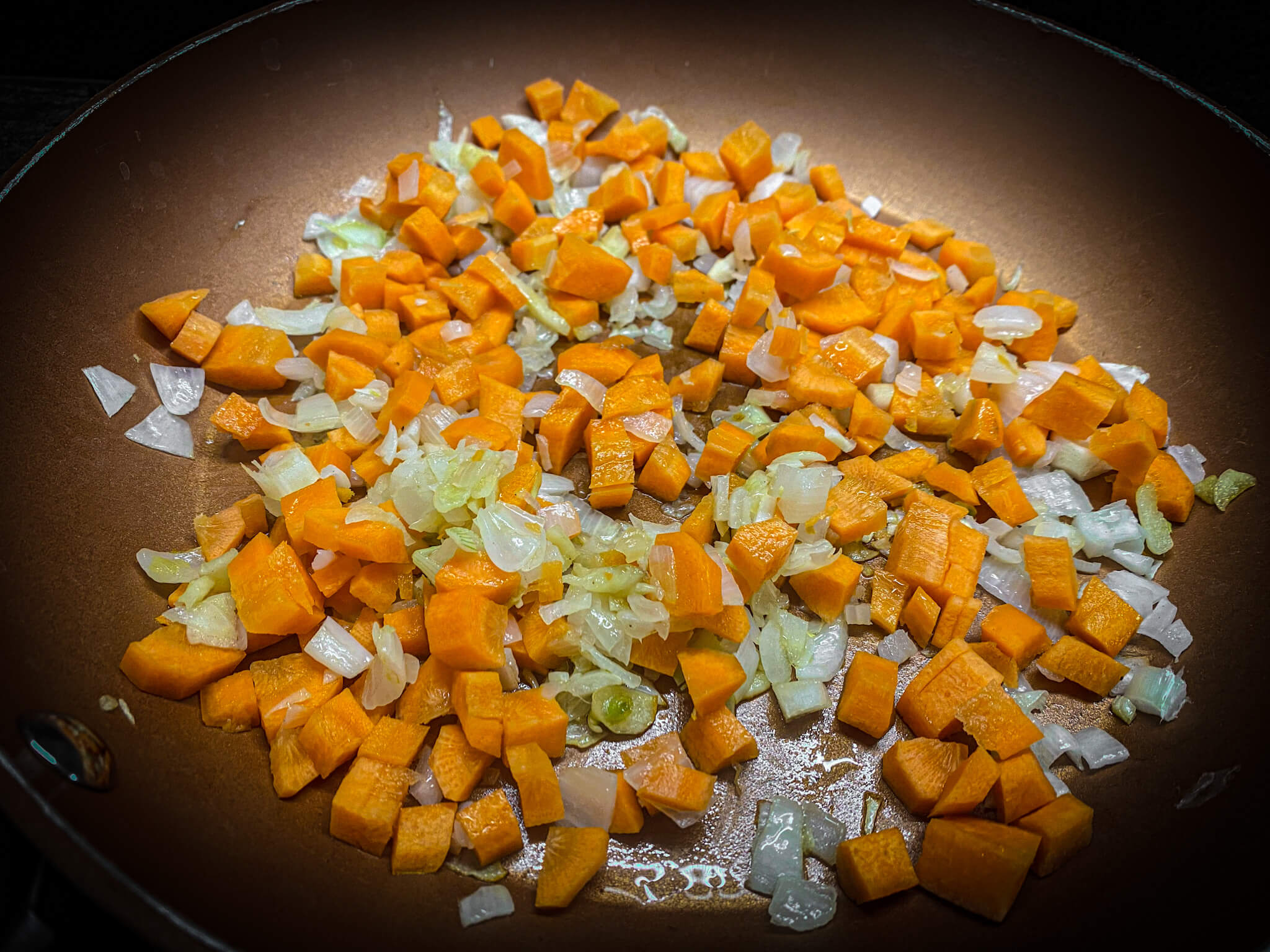
Peel and finely chop the garlic. Heat the olive oil in a large skillet over low heat and sauté the garlic. Peel and chop the onion, add it to the pan, and let it sweat for about 5 minutes.

2. Cook the vegetables
Peel and dice the carrots, then add them to the skillet. Wash the asparagus and green beans, trim off the tough ends of the asparagus, and cut both into 2–3 cm (about 1 in) pieces. Add them to the skillet and cook over medium heat for 4 minutes.
3. Season and deglaze
Stir in the paprika, making sure it doesn’t burn. Immediately pour in the white wine, increase the heat, and cook for 5 minutes to let the alcohol evaporate.

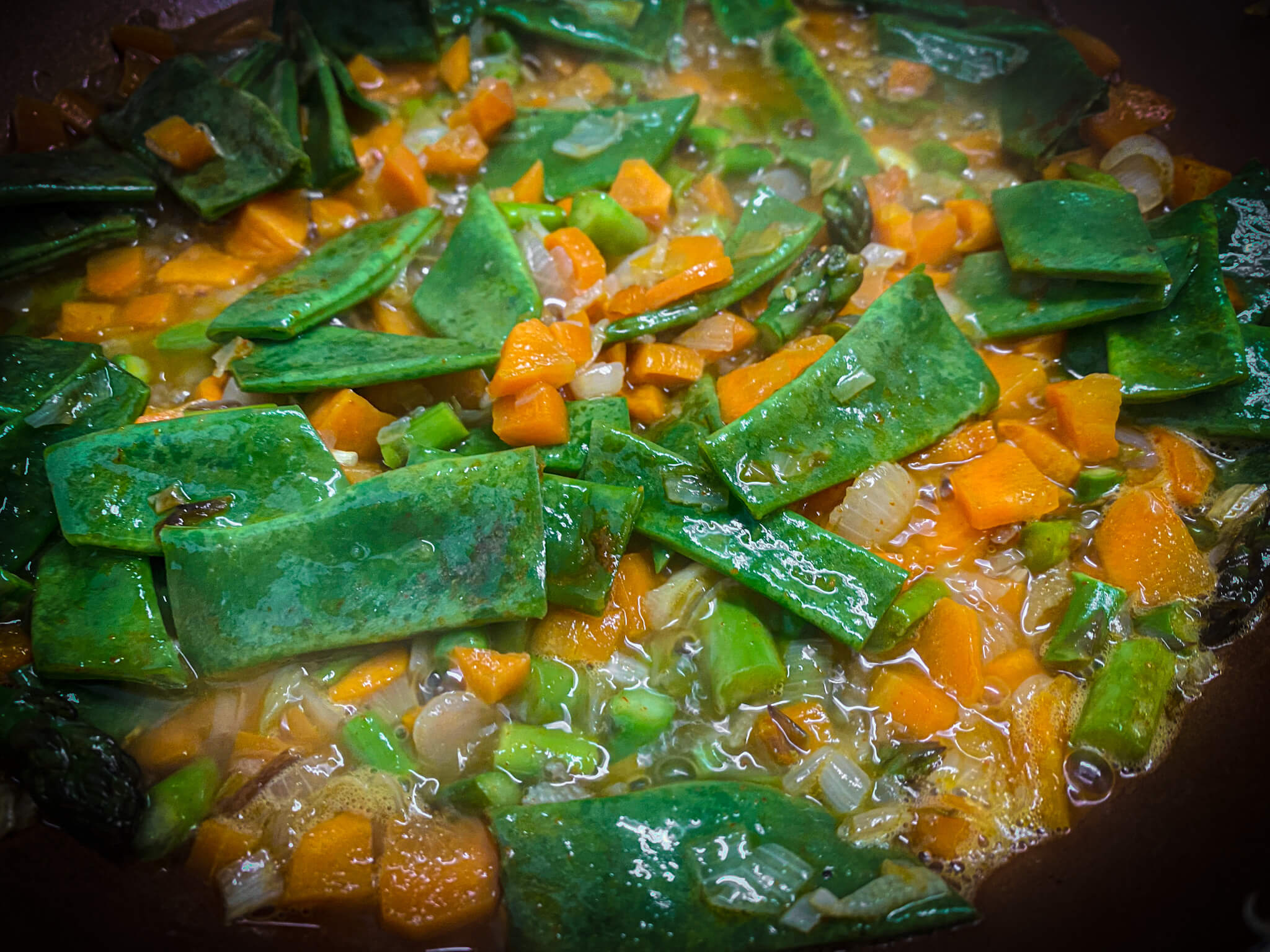
4. Combine with chickpeas
In a pot, add the cooked chickpeas and the sautéed vegetables. Pour in enough vegetable broth to cover, bring to a boil, then reduce heat and simmer for 10 minutes.
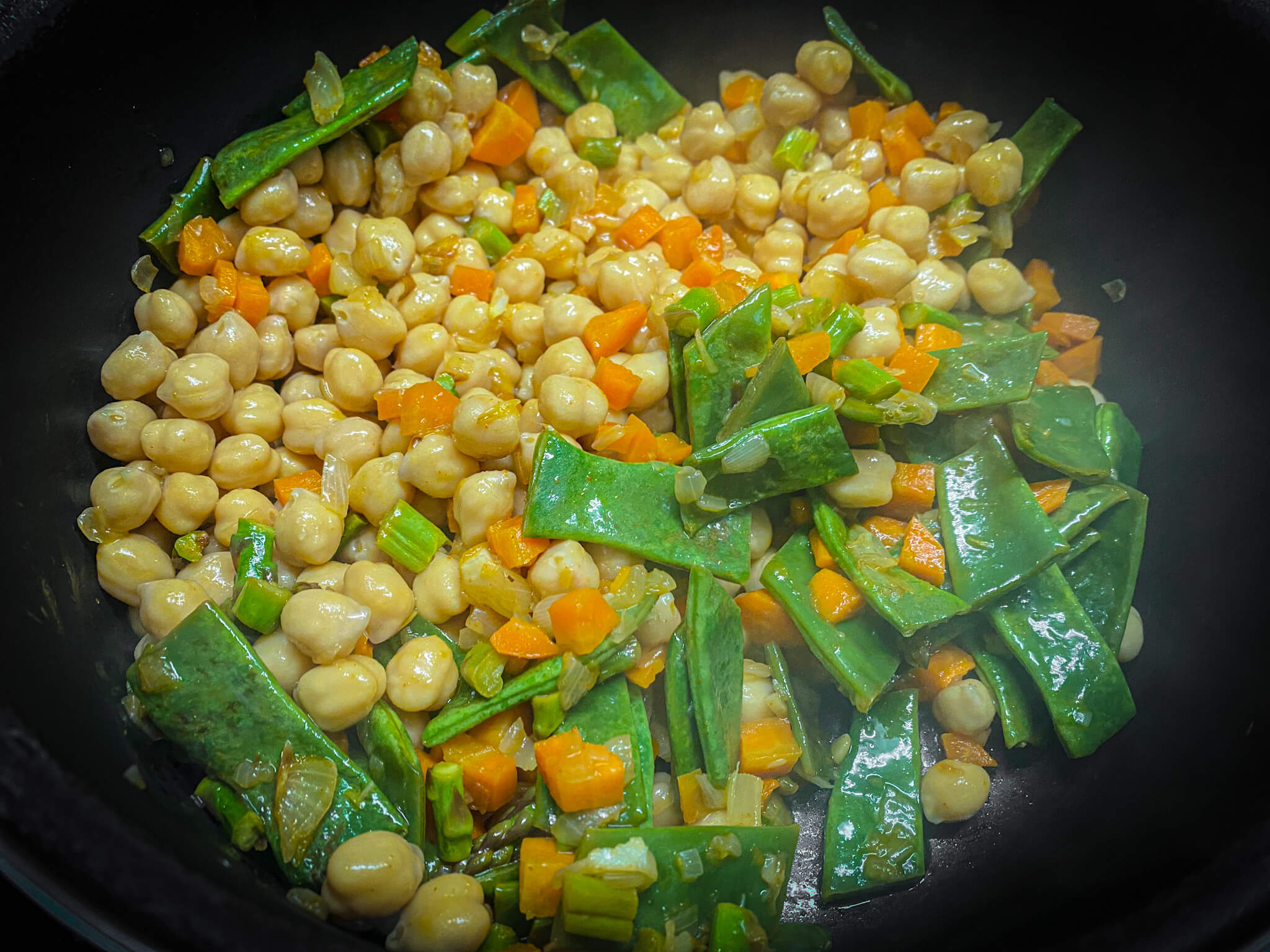

5. Serve
Plate the stew hot and enjoy.
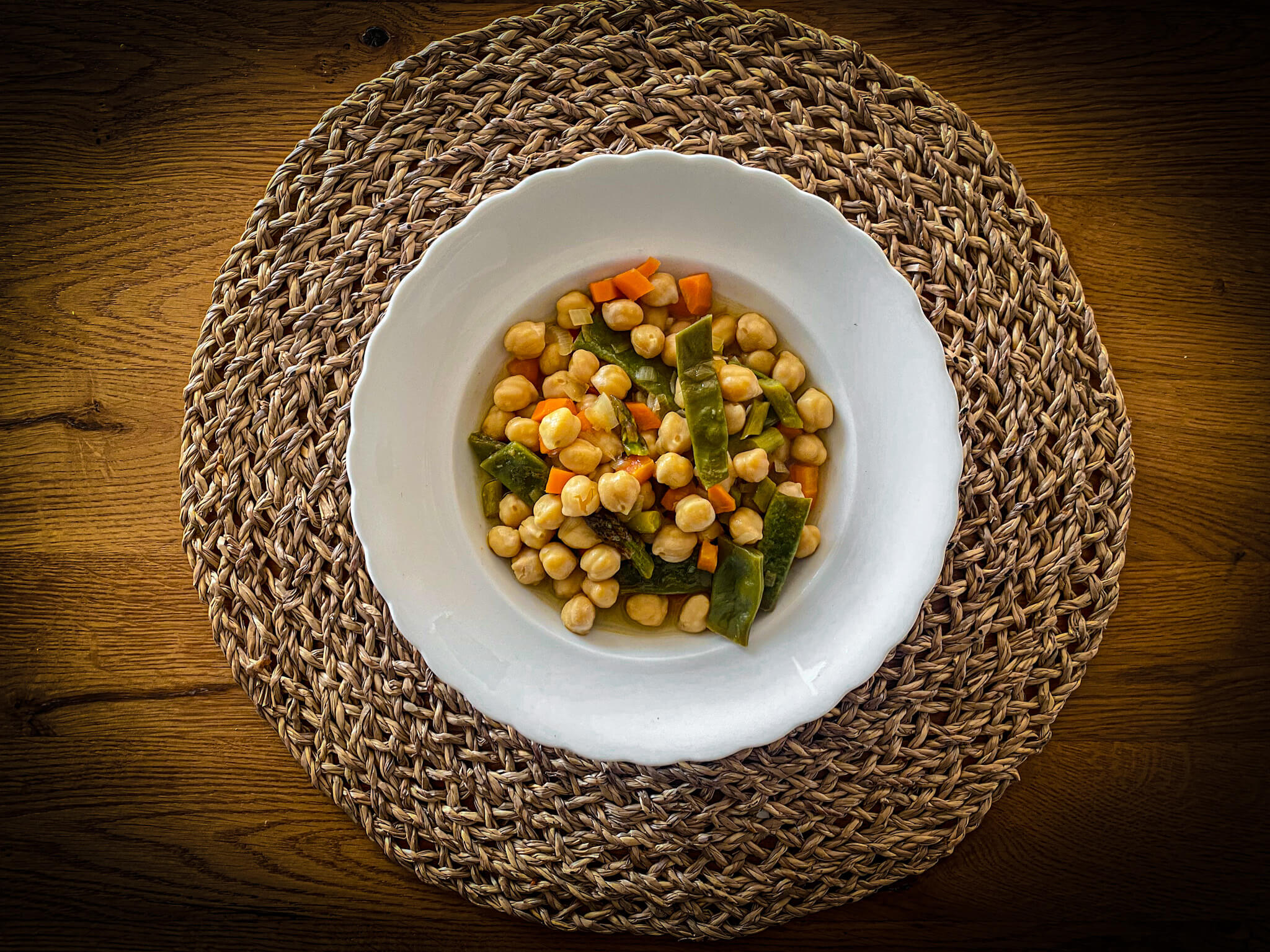
Chef’s Notes for Mediterranean Chickpea and Seasonal Veggies Stew
Why does my vegetable broth taste flat and watery instead of rich and deeply comforting? When crafting a quick-simmered vegetable stew, the broth relies entirely on the caramelized foundation of your sautéed aromatics and the quality of your deglazing liquid. If you rush the initial onion and garlic sweat, or use a low-quality, store-bought vegetable stock, the stew will lack body. To instantly elevate the depth of your broth, let the onions turn slightly golden and jammy before adding your other vegetables, and ensure you use a flavorful, aromatic dry white wine like a Spanish Verdejo or Sauvignon Blanc to build a complex acid profile.
How do I prevent the delicate wild asparagus and green beans from becoming mushy and losing their vibrant color? Wild asparagus and green beans are incredibly sensitive to heat; if simmered for too long, they lose their crisp bite, turn a dull khaki-green, and drop their nutritional value. The secret is treating them with two distinct cooking phases: a brief, high-heat sauté in olive oil to blister their skins and lock in their brilliant green chlorophyll, followed by a gentle, low-temperature simmer in the broth. Always make sure the heat is reduced to low as soon as the chickpeas are added, and do not exceed the 10-minute simmering limit.
Can I use dried chickpeas instead of jarred or canned ones, and how does that change the recipe? Absolutely, and doing so will give your stew an extraordinarily creamy texture and a rich, nutty flavor that canned varieties simply cannot match. If you choose to use dried chickpeas, soak them in salted water for at least 12 hours overnight. Boil them separately in water with a bay leaf and a splash of olive oil for 60 to 90 minutes until tender before beginning this recipe. You can then use the starchy cooking water from the cooked chickpeas as your stew’s broth base, which will naturally thicken the gravy.
Common Mistakes Cooking Mediterranean Chickpea and Seasonal Veggies Stew
- Letting the sweet paprika burn in the dry skillet: Spanish sweet paprika (pimentón) is highly susceptible to heat because of its natural sugars and fine texture. If you toss the paprika into a dry, hot pan and let it sit for even a few seconds without liquid, it will scorch, turning your beautiful golden stew oil dark red and leaving a bitter, smoky aftertaste that is impossible to mask. Always have your glass of white wine measured and resting in your hand, ready to pour into the pan the exact second you stir the paprika into the warm oil to immediately halt the cooking process.
- Failing to thoroughly rinse canned chickpeas before adding them: Many home cooks dump the entire contents of a can of chickpeas—including the viscous canning liquid (aquafaba)—directly into the pan. This liquid is packed with excess sodium, preservatives, and metallic-tasting starches that will cloud your clear white wine broth and dominate the clean, delicate flavors of your fresh seasonal asparagus. Always empty your chickpeas into a mesh strainer and rinse them thoroughly under cold running water until the water runs completely clear before tossing them into your stew.
- Over-trimming or under-trimming the wild asparagus spears: Asparagus has a fibrous, woody bottom section that is completely unchewable. If you simply chop the stalks blindly, you will end up with unpleasantly tough, woody chunks in your stew. Conversely, cutting off too much of the stalk wastes precious tender vegetable. To find the perfect boundary, use the “snap test”: gently bend each asparagus spear near the bottom until it naturally snaps on its own. Discard the woody bottom end and slice the remaining tender, snappy upper stalk for your recipe.
Ingredient Swaps & Variations on Mediterranean Chickpea and Seasonal Veggies Stew
The Smoky Spanish Chorizo Infusion: For those who are not following a vegetarian diet and crave a rich, savory depth, try rendering 50 grams of diced Spanish dry cured chorizo in the olive oil before adding the garlic and onions. The smoky paprika-spiced fat from the sausage will coat the chickpeas and carrots, infusing the entire stew with a classic Iberian tavern aroma.
The Zesty Lemon and Fresh Mint Finish: If you want to transition this cozy stew into a bright, summery lunchtime favorite, swap out the heavy sweet paprika for a teaspoon of freshly grated lemon zest and half a lemon’s juice added right before serving. Fold in a handful of torn fresh mint leaves and dill at the very last second to create a beautifully uplifting, herbaceous Greek-inspired bowl.
The Creamy Almond “Majada” Thickener: To transform your light vegetable broth into a luxurious, velvety sauce without adding heavy cream, utilize a traditional Spanish culinary technique. Grind a handful of toasted blanched almonds, a clove of raw garlic, and a slice of stale bread fried in olive oil into a thick paste using a mortar and pestle. Stir this majada into the simmering stew during the final 5 minutes to bind the wine and broth into a rich, glossy glaze.
Card Recipe
Easy Mediterranean Chickpea and Seasonal Veggies

This easy Mediterranean chickpea and seasonal veggie recipe is a wholesome, hearty dish packed with flavor and nutrients. Using fresh vegetables like asparagus and green beans, combined with tender chickpeas and aromatic spices, it’s the perfect balance of comfort and health in every bite. Serve it as a main course or a delicious side, and enjoy a taste of Spain at your table.
Ingredients
- 380 g cooked chickpeas
- 1 medium onion
- 2 medium carrots
- 200 g green beans
- 1 bunch of wild asparagus
- 1 garlic clove
- 2 tablespoons olive oil
- 1 glass white wine
- 1 teaspoon sweet paprika
- A pinch of salt
Instructions
- Prepare the aromatics: Peel and finely chop the garlic. Heat the olive oil in a large skillet over low heat and sauté the garlic. Peel and chop the onion, add it to the pan, and let it sweat for about 5 minutes.
- Cook the vegetables: Peel and dice the carrots, then add them to the skillet. Wash the asparagus and green beans, trim off the tough ends of the asparagus, and cut both into 2–3 cm (about 1 in) pieces. Add them to the skillet and cook over medium heat for 4 minutes.
- Season and deglaze: Stir in the paprika, making sure it doesn’t burn. Immediately pour in the white wine, increase the heat, and cook for 5 minutes to let the alcohol evaporate.
- Combine with chickpeas : In a pot, add the cooked chickpeas and the sautéed vegetables. Pour in enough vegetable broth to cover, bring to a boil, then reduce heat and simmer for 10 minutes.
- Serve: Plate the stew hot and enjoy.
Notes
- Use fresh seasonal produce This maximizes flavor and ensures better texture in your dish.
- Rinse canned chickpeas well This reduces excess sodium and helps improve the overall flavor.
- Adjust spice level Add a pinch of chili flakes or cayenne pepper if you want a spicy kick.
Nutrition Information:
Yield:
2Serving Size:
1Amount Per Serving: Calories: 577Total Fat: 19gSaturated Fat: 2gTrans Fat: 0gUnsaturated Fat: 15gCholesterol: 0mgSodium: 119mgCarbohydrates: 73gFiber: 21gSugar: 18gProtein: 21g
Pin it