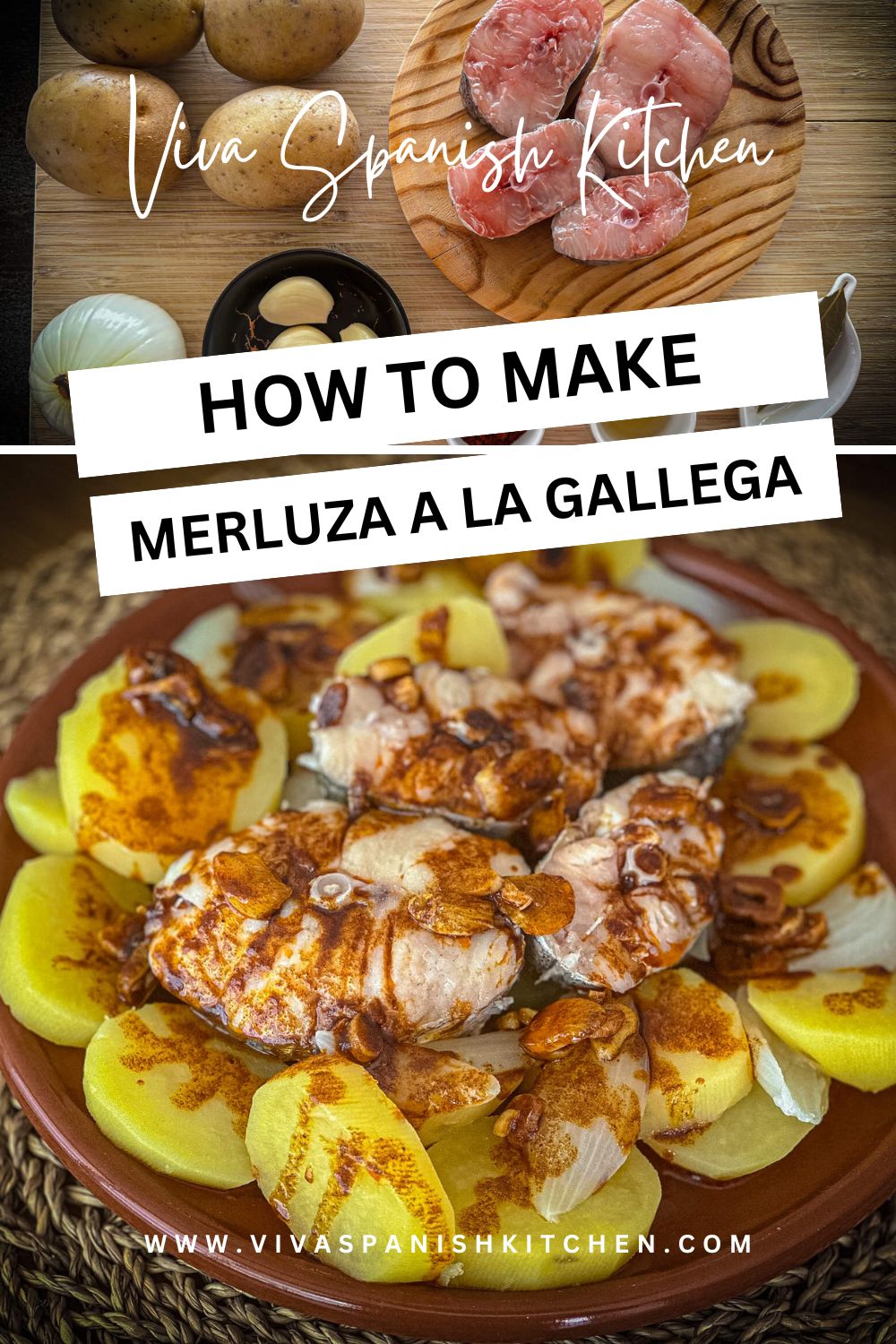
Merluza a la Gallega is a wonderfully simple Galician fish dish where tender hake is served over potatoes and onion and finished with a generous garlic, paprika and vinegar-infused olive oil. With just a handful of ingredients, this traditional recipe is a beautiful example of northern Spanish cooking: simple, rustic and completely focused on the quality of the ingredients.
Merluza a la Gallega: Galician-Style Hake with Potatoes and Paprika-Garlic Oil

Why You’ll Love Merluza a la Gallega
There is something deeply satisfying about a dish that turns humble ingredients into pure culinary magic. Merluza a la Gallega (Galician-Style Hake) combines tender, flaky hake, velvety poached potatoes, and sweet onions, all brought together by a warm, aromatic garlic and Spanish smoked paprika oil (ajada).
The secret to this timeless classic doesn’t rely on complex techniques, but on mastering three simple steps:
-
Perfectly tender potatoes that absorb the subtle sweetness of poached onions.
-
Moist, delicate hake cooked gently to keep its firm yet flaky texture.
-
The signature ajada oil, where sliced garlic is infused into extra virgin olive oil and warm sweet paprika (pimentón) without ever scorching.
A final splash of Spanish vinegar cuts through the richness of the warm oil, creating a bright, savory finish that balances every single bite. It is classic Galician home cooking at its finest: straightforward, wholesome, and extraordinarily flavorful.
Galicia: Where Land and Sea Meet on the Plate
To truly appreciate Merluza a la Gallega, you only need to look at the two defining elements of Galician gastronomy: its rich Atlantic coast and its fertile countryside.
In Galicia, potatoes are far more than a side dish—they are a cultural cornerstone. Known locally for their creamy texture and high quality, potatoes star in everything from hearty stews to classic tortillas. In this recipe, they act as the ultimate flavor vehicle, soaking up the smoky paprika, mellowed garlic, and rich olive oil base.
On the coastal front, Galicia boasts one of Europe’s most famous seafood traditions. For centuries, the cold Atlantic waters have supplied local kitchens with extraordinary fish and shellfish. Behind this marine heritage lies a legendary human tradition: while coastal fishermen headed out to open sea, the women—known as mariscadoras—traditionally gathered clams, mussels, and cockles directly from the rocky shores, forming the economic and cultural backbone of Galician fishing villages.
Merluza a la Gallega is the ultimate expression of this union between land and sea. With no heavy sauces to mask the main components, the star quality of fresh hake and rich Galician potatoes shines completely unrestricted. It is a rustic, comforting dish that tells a compelling story of heritage, community, and the Atlantic way of life.
Bring the authentic taste of the Spanish coast to your kitchen with these timeless seafood classics. Pick your favorite recipe below, grab the freshest local catch, and start cooking like a Mediterranean native today!

Ingredients
| Ingredient | Metric Amount | Imperial Amount | Preparation |
| Hake Steaks | 400 g | 14 oz | ~4 pieces, fresh or thawed |
| Potatoes | 500 g | 1.1 lb | Waxy or yellow potatoes |
| Onion | 1 small | 1 small | Sliced into rounds |
| Garlic | 4 cloves | 4 cloves | Thinly sliced |
| Sweet Spanish Paprika | 1 tbsp | 1 tbsp | Pimentón dulce |
| Bay Leaf | 1 leaf | 1 leaf | Dried or fresh |
| White Wine Vinegar | 20 ml | 1⅓ tbsp | For the ajada oil base |
| Extra Virgin Olive Oil | To taste | To taste | Generous splash for sautéing & finishing |
| Salt | To taste | To taste | Fine sea salt |
Instructions
1. Prepare the vegetables
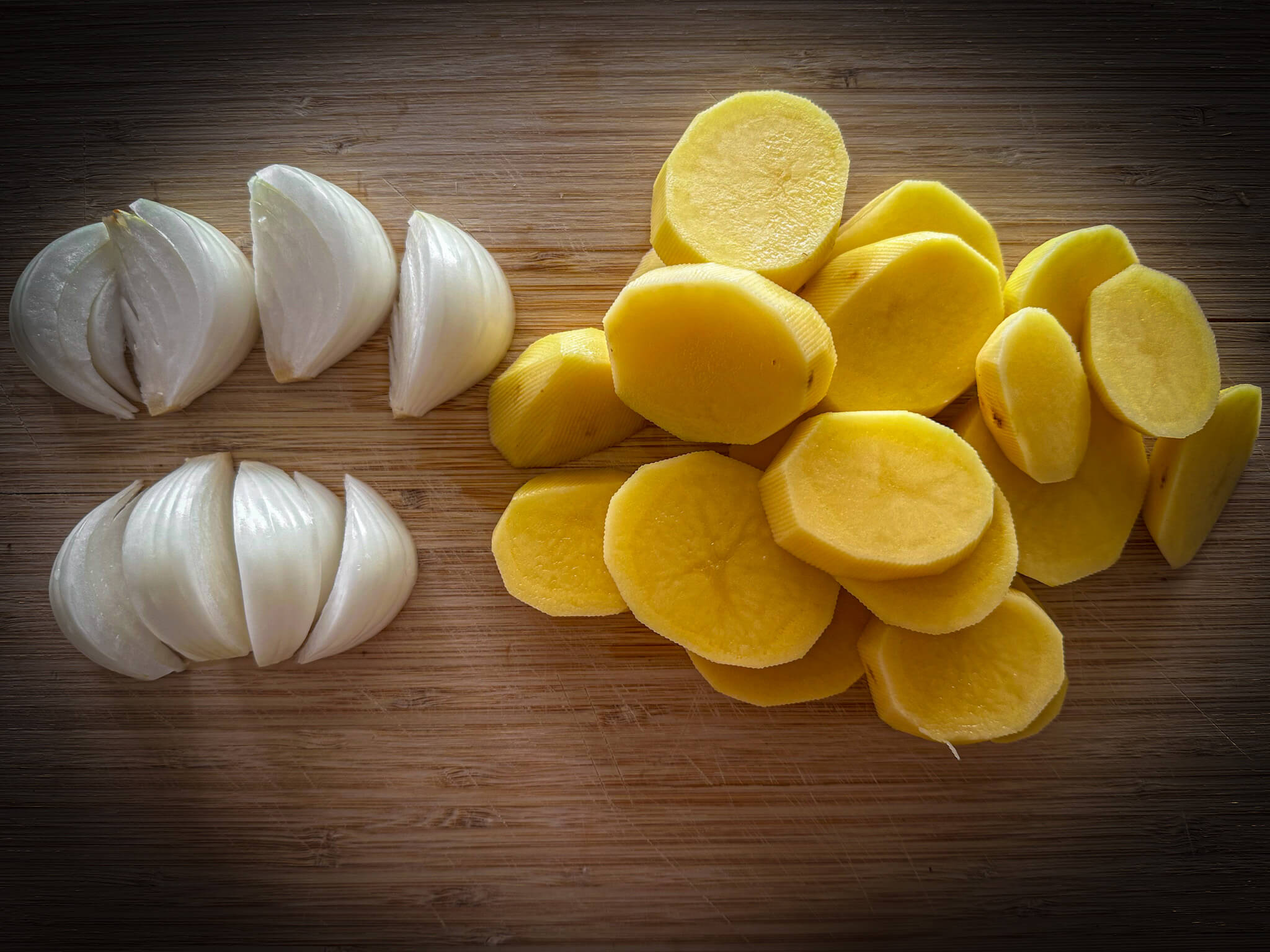
Peel the potatoes and cut them into 1 cm (⅓-inch) thick slices.
Peel the onion and cut it into 6–8 wedges.
2. Cook the potatoes and onion
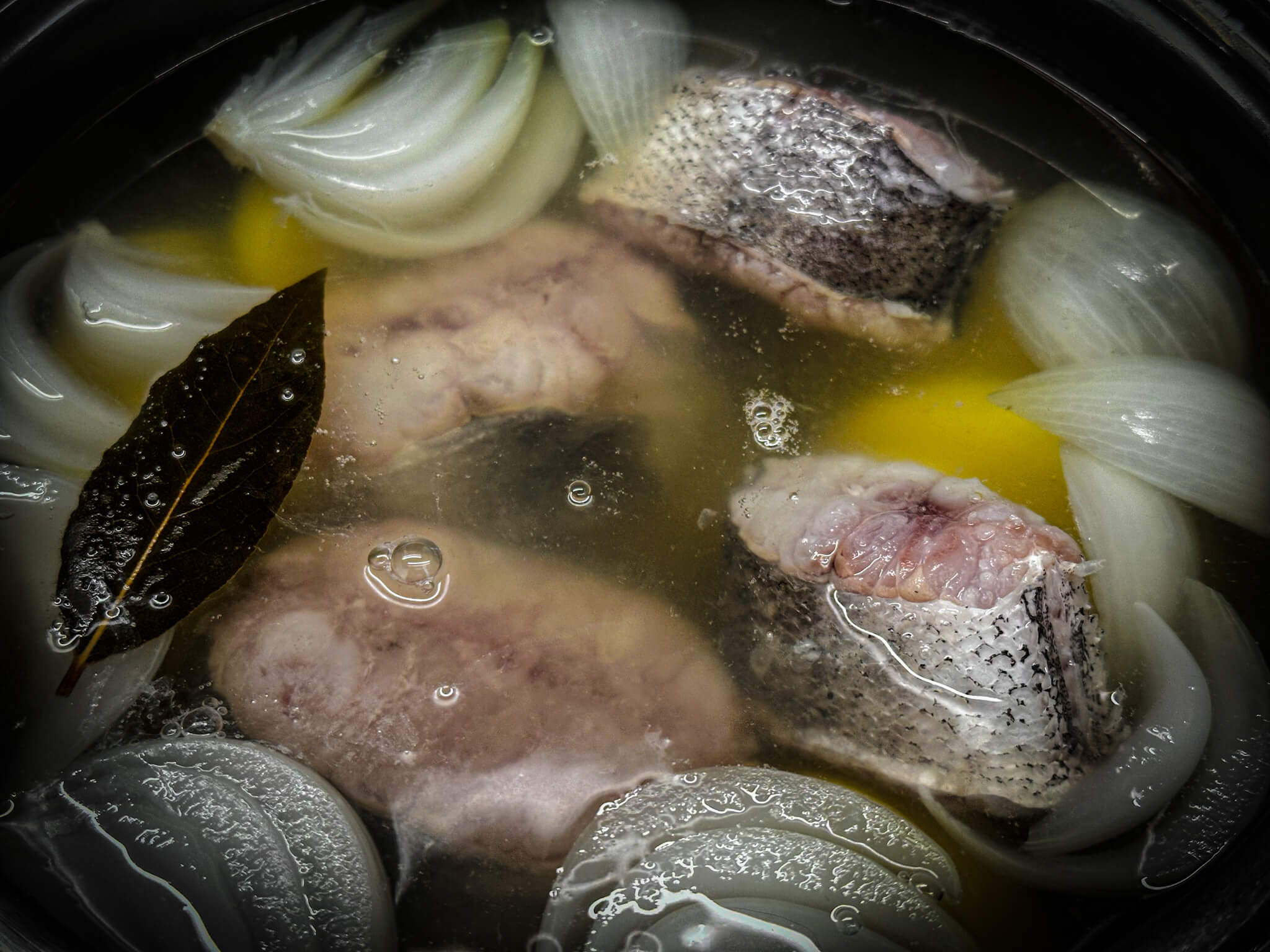
Place the potatoes and onion in a large saucepan with the bay leaf and enough water to cover them.
Season with salt and bring to a gentle boil.
Cook for about 15 minutes, or until the potatoes are almost completely tender.

3. Add the hake
Carefully place the 400 g (14 oz) of hake steaks on top of the potatoes.
Continue cooking gently for about 5 minutes, depending on the thickness of the steaks.
The hake should be just cooked through and still moist.
Avoid vigorous boiling, which can cause the fish to break apart.
4. Make the garlic and paprika oil
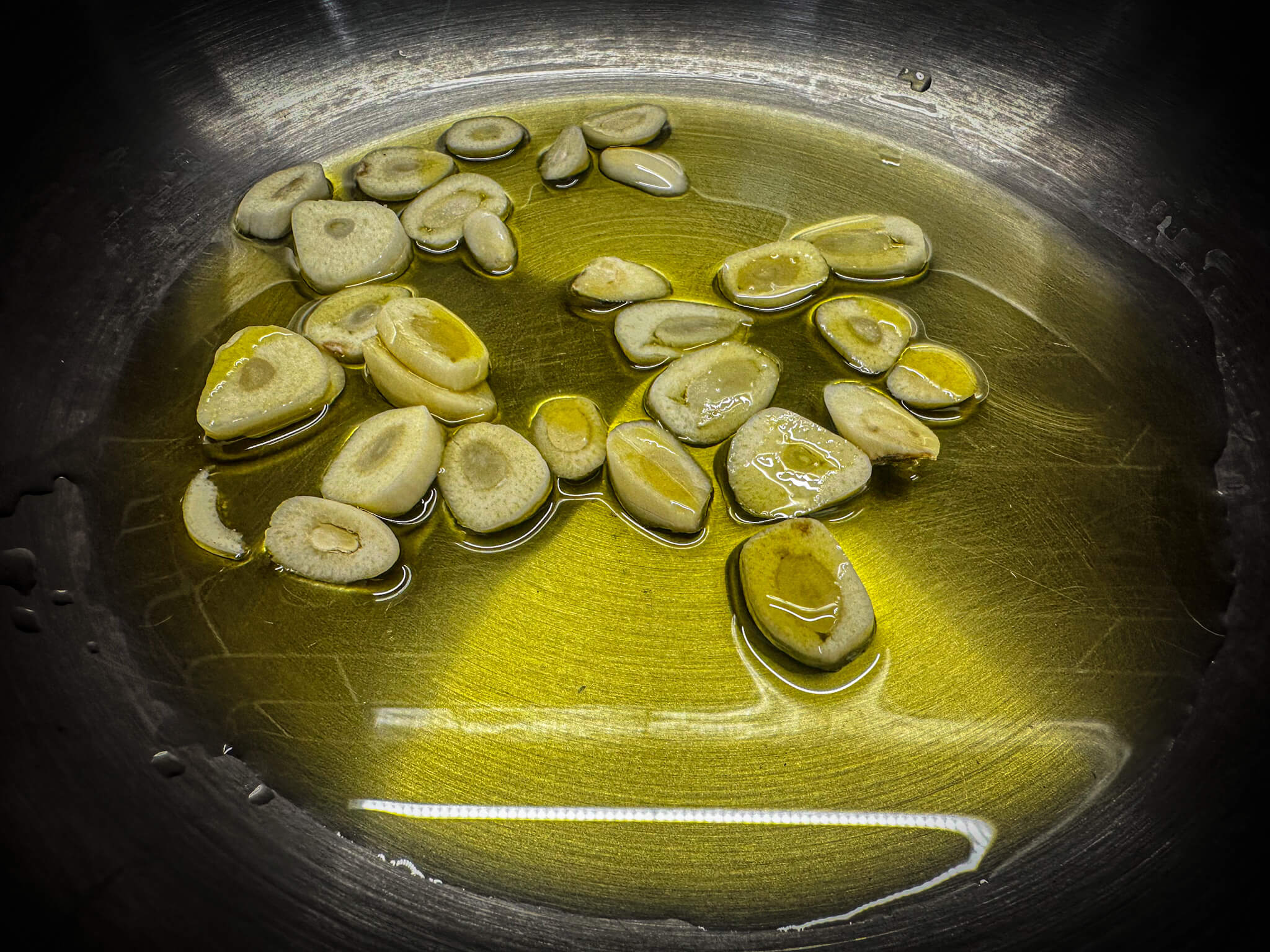
While the fish cooks, heat a generous amount of extra virgin olive oil in a small frying pan over medium-low heat.
Add the sliced garlic and cook gently until lightly golden.
Remove the pan from the heat.
Let the oil cool for a few seconds, then add the 1 tablespoon of sweet paprika.
Stir well so the paprika becomes fully incorporated into the warm oil.
Do not let the paprika burn, or it will become bitter.

5. Add the vinegar
With the pan still off the heat, add 20 ml (1⅓ tablespoons) of white wine vinegar.
Stir well to combine the vinegar with the garlic and paprika-infused oil.
The vinegar should brighten the sauce without overpowering it.

6. Assemble the dish
Arrange the cooked potatoes and onion on a serving platter.
Place the hake steaks on top.
Spoon the garlic, paprika and vinegar oil generously over the fish, making sure the garlic and paprika are distributed across the whole dish.
Serve immediately.


Chef’s Notes for Merluza a la Gallega
How do I know when the hake is cooked? The fish should be opaque and just beginning to separate into flakes. Avoid cooking it much longer than necessary, as overcooked hake becomes dry and the bones can become more difficult to remove cleanly.
Why is the paprika added off the heat? Paprika burns very easily. Removing the pan from the heat before adding it allows the warm oil to release its color and flavor without making it bitter.
Can I use another fish? Yes. Monkfish (rape) is an excellent alternative and produces a firmer, meatier version of the dish. You can also use thick hake fillets, adjusting the cooking time to their thickness.
What type of vinegar should I use? A mild white wine vinegar works particularly well. The 20 ml (1⅓ tbsp) used here adds brightness and balances the richness of the olive oil without dominating the dish.
Common Mistakes cooking Merluza a la Gallega
Burning the paprika: Don’t add the paprika while the oil is still aggressively hot. Remove the pan from the heat first and let it cool briefly.
Undercooking the potatoes: The potatoes need to be completely tender before serving. Test them with a small knife or skewer before adding the hake.
Overcooking the hake: Five minutes is often enough for hake steaks, but thickness matters. Cook gently and check the thickest part rather than relying only on the clock.
Merluza a la Gallega Swaps & Variations
Swap the Fish (Monkfish or Fillets): Replace the hake with monkfish (rape) for a firmer, meatier bite that holds up exceptionally well when gently simmered. Alternatively, use thick, skin-on hake fillets instead of bone-in steaks for easier eating—though classic bone-in steaks deliver the most traditional presentation and flavor depth.
Add a Spicy Kick (Ajada con Guindilla): Drop a whole dried chili (guindilla) or a pinch of red pepper flakes into the olive oil alongside the sliced garlic. Let it infuse gently over low heat, then remove the chili before pouring the oil over the fish if you prefer a subtle, warming heat rather than intense spice.
Incorporate Seasonal Seafood: Make it a festive Galician feast by adding fresh clams (almejas) or mussels to the pot during the final 3 minutes of cooking until they steam open in the broth.
Recipe Card
Merluza a la Gallega: Galician-Style Hake with Potatoes and Paprika-Garlic Oil

A wonderfully simple Galician fish dish where tender hake is served over potatoes and onion and finished with a generous garlic, paprika and vinegar-infused olive oil. With just a handful of ingredients, Merluza a la Gallega is a beautiful example of northern Spanish cooking: simple, rustic and completely focused on the quality of the ingredients.
Ingredients
- 400 g (14 oz) hake steaks, about 4 pieces
- 500 g (1.1 lb) potatoes
- 1 small onion
- 4 garlic cloves
- 1 tablespoon sweet Spanish paprika
- 1 bay leaf
- 20 ml (1⅓ tbsp) white wine vinegar
- Extra virgin olive oil
- Salt
Instructions
1. Prepare the vegetables
Peel the potatoes and cut them into 1 cm (⅓-inch) thick slices.
Peel the onion and cut it into 6–8 wedges.
2. Cook the potatoes and onion
Place the potatoes and onion in a large saucepan with the bay leaf and enough water to cover them.
Season with salt and bring to a gentle boil.
Cook for about 15 minutes, or until the potatoes are almost completely tender.
3. Add the hake
Carefully place the 400 g (14 oz) of hake steaks on top of the potatoes.
Continue cooking gently for about 5 minutes, depending on the thickness of the steaks.
The hake should be just cooked through and still moist.
Avoid vigorous boiling, which can cause the fish to break apart.
4. Make the garlic and paprika oil
While the fish cooks, heat a generous amount of extra virgin olive oil in a small frying pan over medium-low heat.
Add the sliced garlic and cook gently until lightly golden.
Remove the pan from the heat.
Let the oil cool for a few seconds, then add the 1 tablespoon of sweet paprika.
Stir well so the paprika becomes fully incorporated into the warm oil.
Do not let the paprika burn, or it will become bitter.
5. Add the vinegar
With the pan still off the heat, add 20 ml (1⅓ tablespoons) of white wine vinegar.
Stir well to combine the vinegar with the garlic and paprika-infused oil.
The vinegar should brighten the sauce without overpowering it.
6. Assemble the dish
Arrange the cooked potatoes and onion on a serving platter.
Place the hake steaks on top.
Spoon the garlic, paprika and vinegar oil generously over the fish, making sure the garlic and paprika are distributed across the whole dish.
Serve immediately.
Notes
4 serves
Nutrition Information:
Yield:
4Serving Size:
1Amount Per Serving: Calories: 424Total Fat: 19gSaturated Fat: 7gUnsaturated Fat: 12gCholesterol: 95mgSodium: 67mgCarbohydrates: 32gFiber: 4gSugar: 3gProtein: 30g