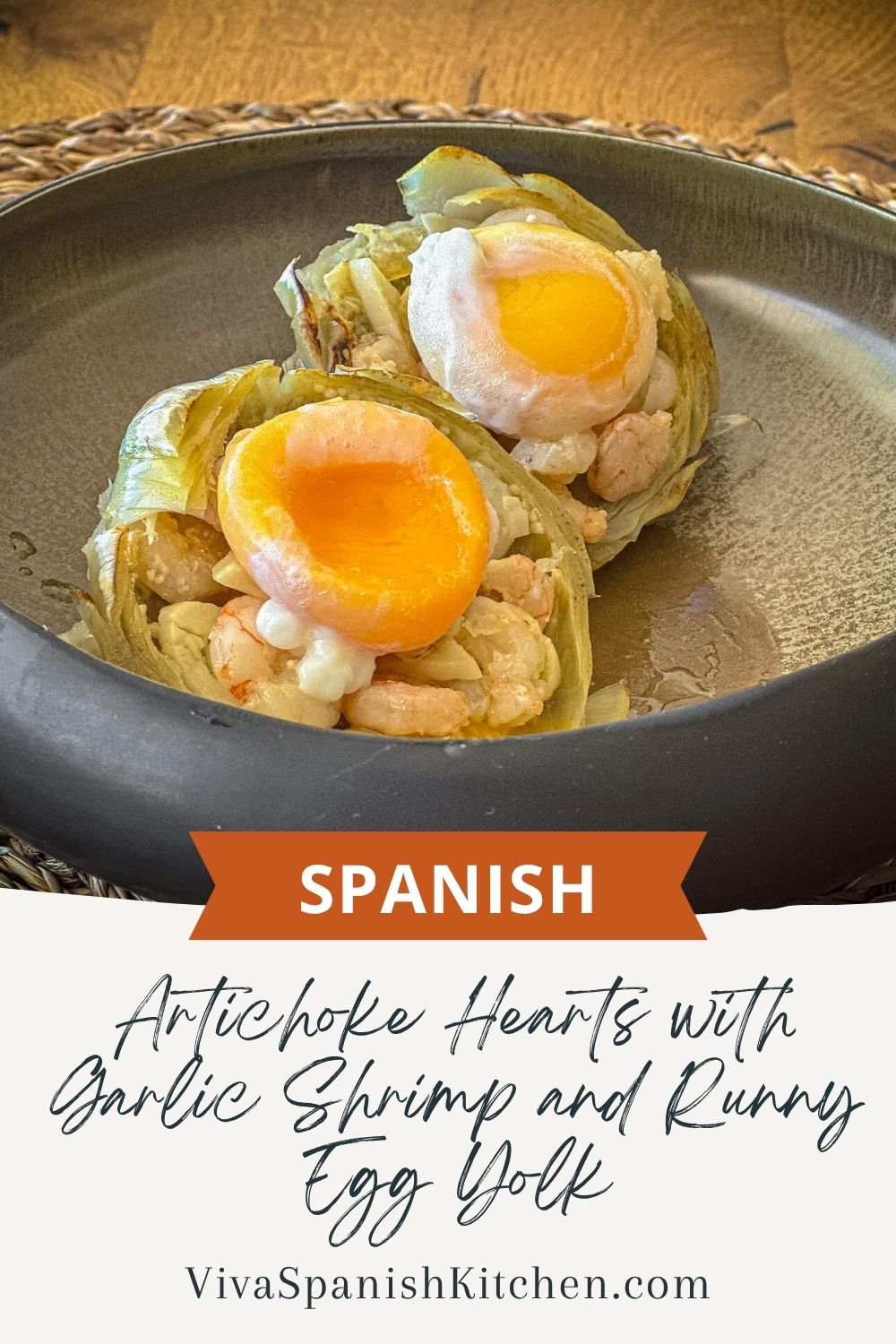
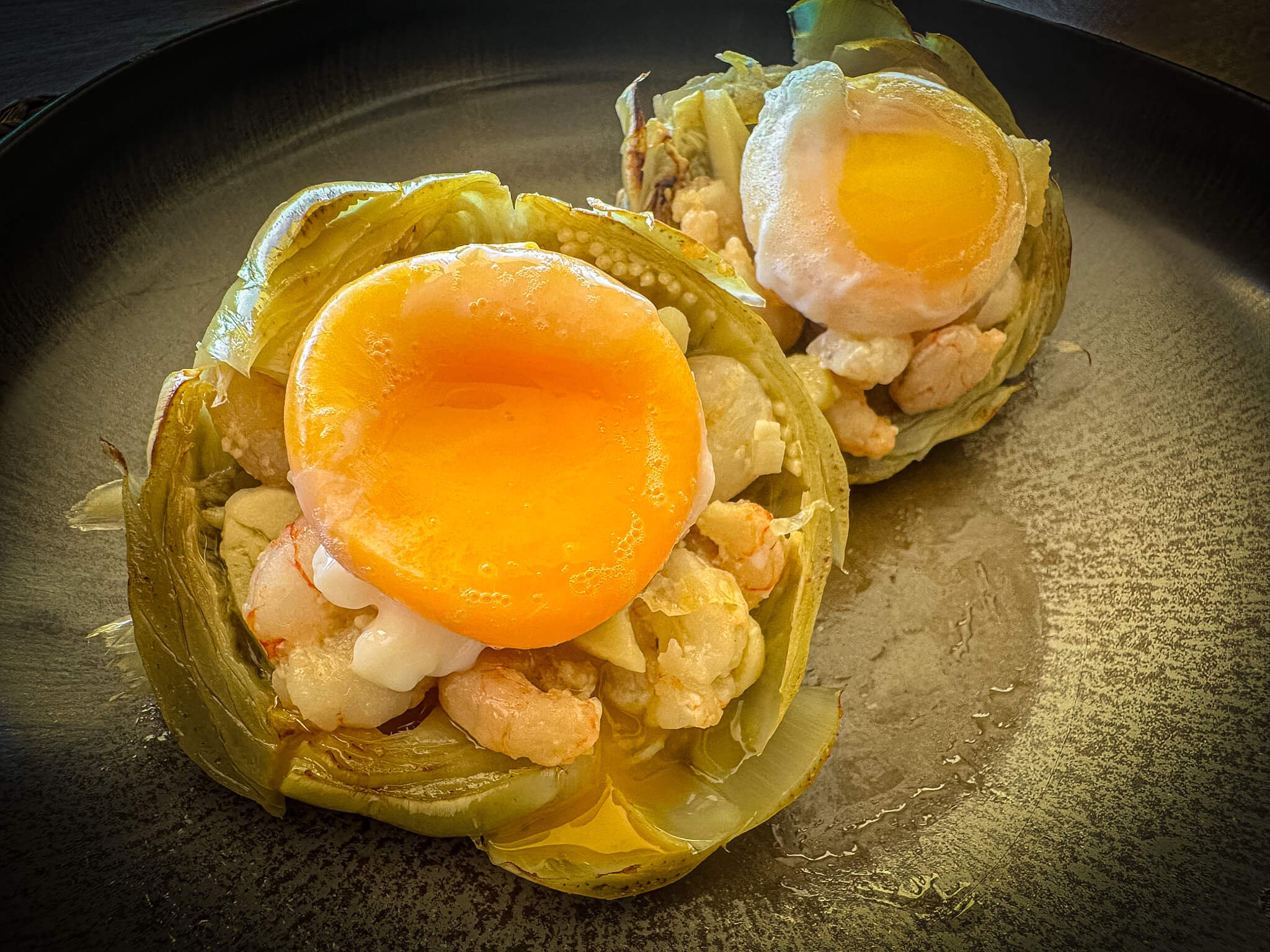
If you are looking for a dish that captures the rustic elegance of a Spanish garden, these Spanish Artichoke Hearts with Garlic Shrimp and Runny Egg Yolk are your answer. This recipe transforms humble garden artichokes into a gourmet experience, pairing the earthy sweetness of the heart with the bold punch of gambas al ajillo and the luxurious silkiness of a perfectly set yolk.
Spanish Artichoke Hearts with Garlic Shrimp and Runny Egg Yolk

Spanish Artichoke Hearts with Garlic Shrimp and Runny Egg Yolk
To elevate your culinary storytelling, I suggest adopting a sophisticated yet accessible “Bistro-Chic” style. This approach balances the authority of a professional kitchen with the warmth of a Mediterranean home, using sensory language that focuses on the “why” behind every technique. By emphasizing the contrast between the rustic garden artichoke and the silky, luxurious yolk, you position the dish as an attainable luxury for your readers.
The magic of this recipe lies in its architectural beauty and the way it honors seasonal Spanish produce. Instead of just providing a list of steps, this narrative style invites the reader to appreciate the transformation of the artichoke heart into a delicate edible vessel. This specific combination of earth, sea, and creaminess is a masterclass in balance, designed to impress guests while remaining rooted in simple, high-quality ingredients.
To keep your audience engaged, weave in your other Mediterranean specialties as part of a broader culinary journey. You can transition from the garlic-infused notes of this dish to the bold simplicity of Spanish Garlic Shrimp or the soul-warming comfort of Authentic Spanish Huevos Rotos. For readers seeking regional depth, mention the smoky complexity of the Pilgrim’s Octopus or the versatile charm found in your Spanish Toast Recipes.
This narrative flow ensures your content isn’t just a recipe, but an invitation to explore the diverse landscape of Spanish cuisine. By maintaining a didactic yet close tone, you help the home cook avoid common pitfalls—like a rubbery texture or oxidation—ensuring their final result is as visually stunning as it is delicious.
Ingredients
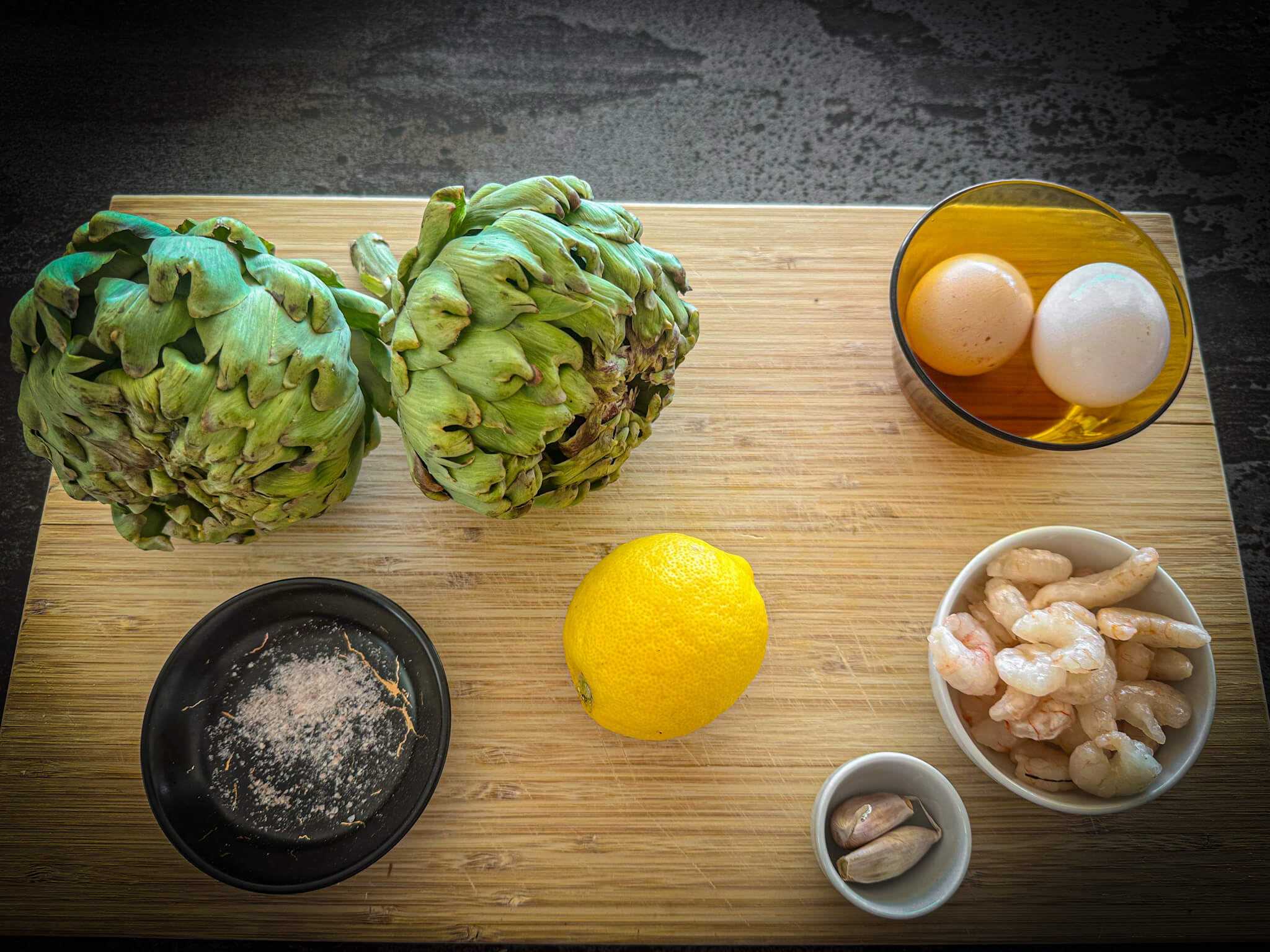
| Metric Amount | Imperial Amount | Core Ingredient | Preparation |
| 2 large units (500 g) | 2 large units (1.1 lbs) | Garden artichokes | Fresh, whole before cleaning and trimming |
| 1 unit | 1 unit | Lemon | Halved, used to prevent artichoke oxidation |
| 18 units | 18 units | Medium shrimp | Peeled and deveined (or 24 small / 4 prawns) |
| 2 units | 2 units | Egg yolks | Reserved from large fresh eggs, kept runny |
| 1 unit | 1 unit | Garlic clove | Thinly sliced for the ajillo base |
| 15 ml | 1 tbsp | Extra Virgin Olive Oil (AOVE) | For sautéing and finishing the dish |
| 1 pinch | 1 pinch | Flaky sea salt | Maldon type, preferred for final presentation |
Instructions
1. Cleaning and prepping the artichokes
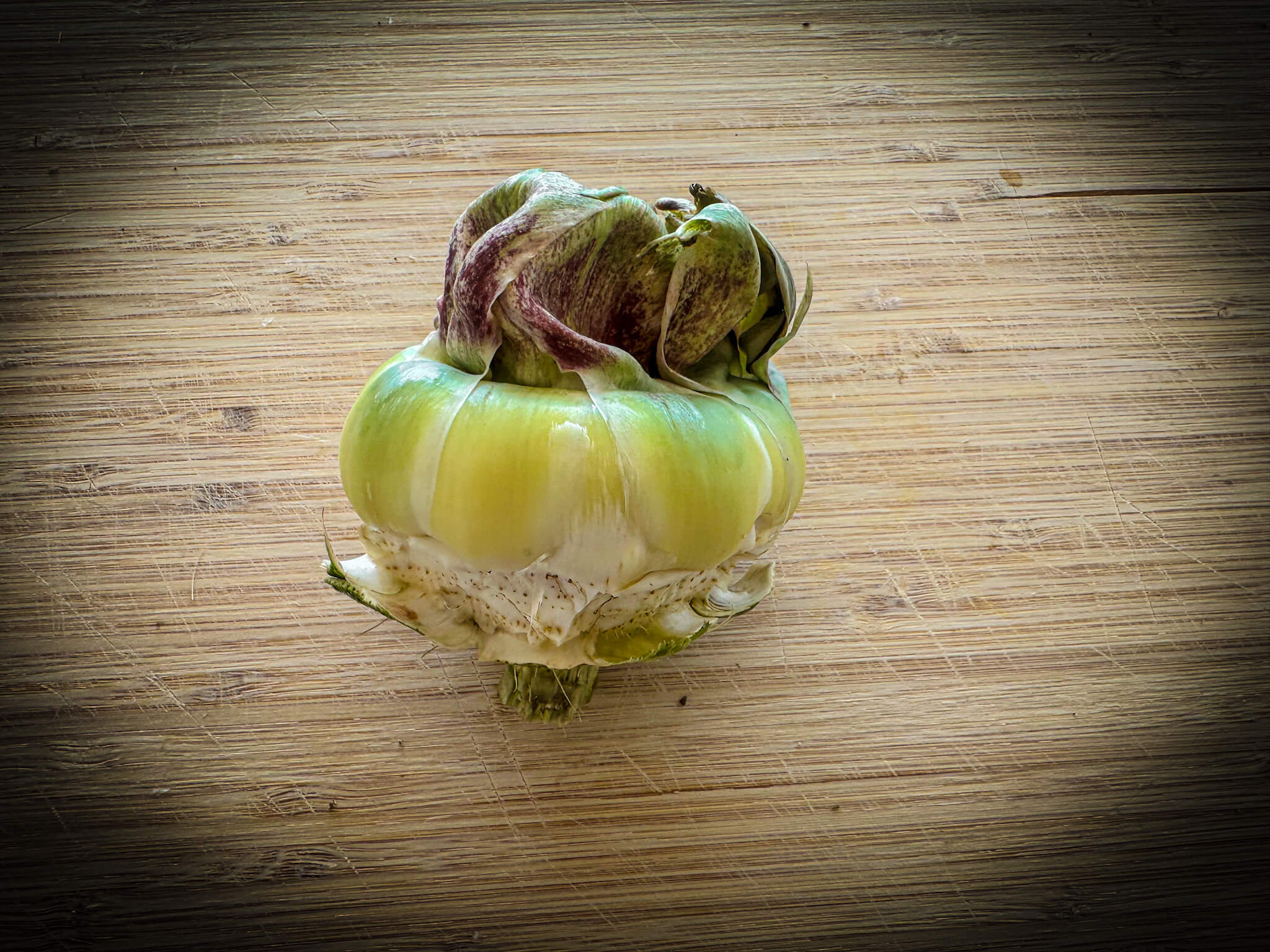
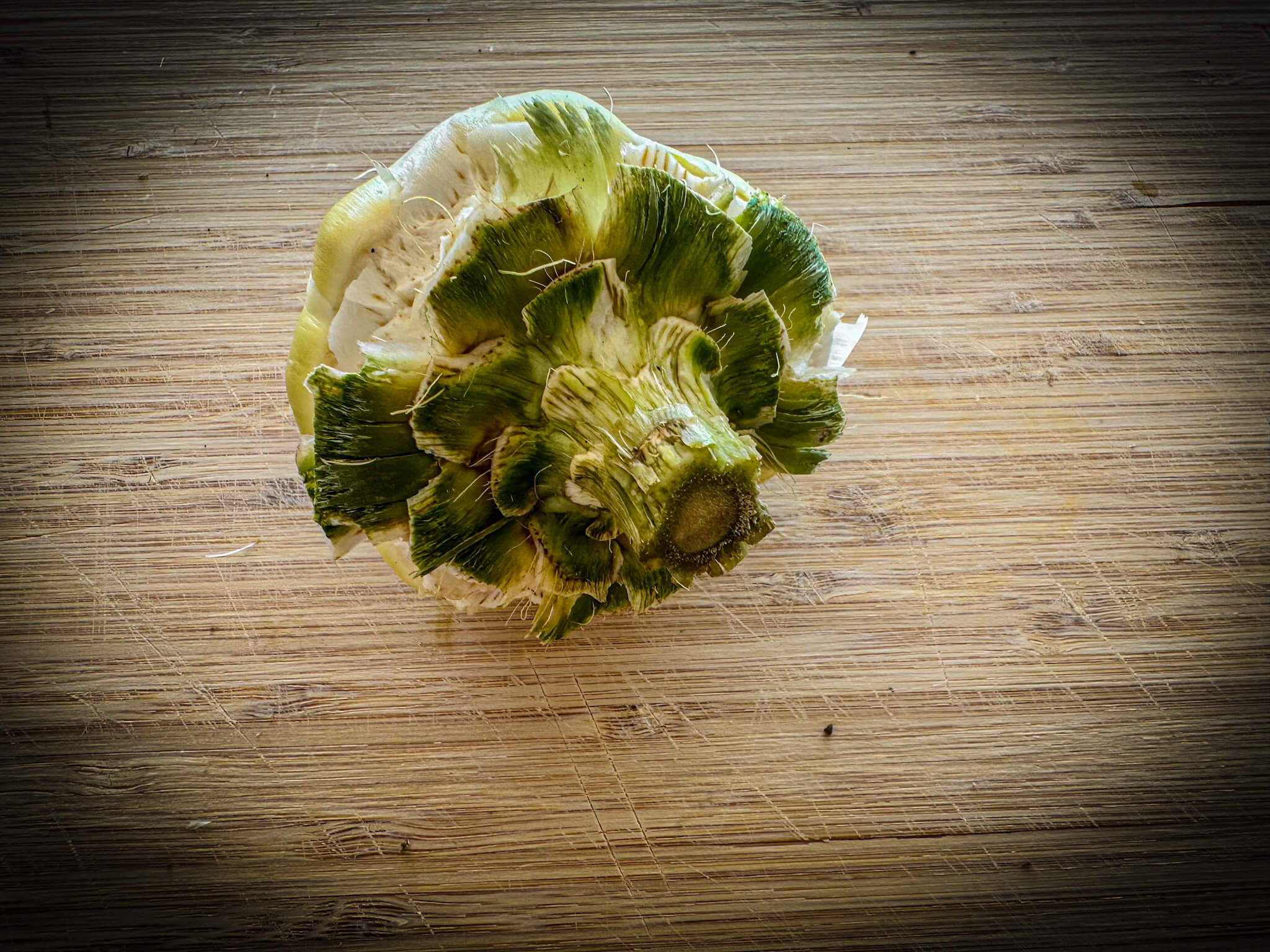
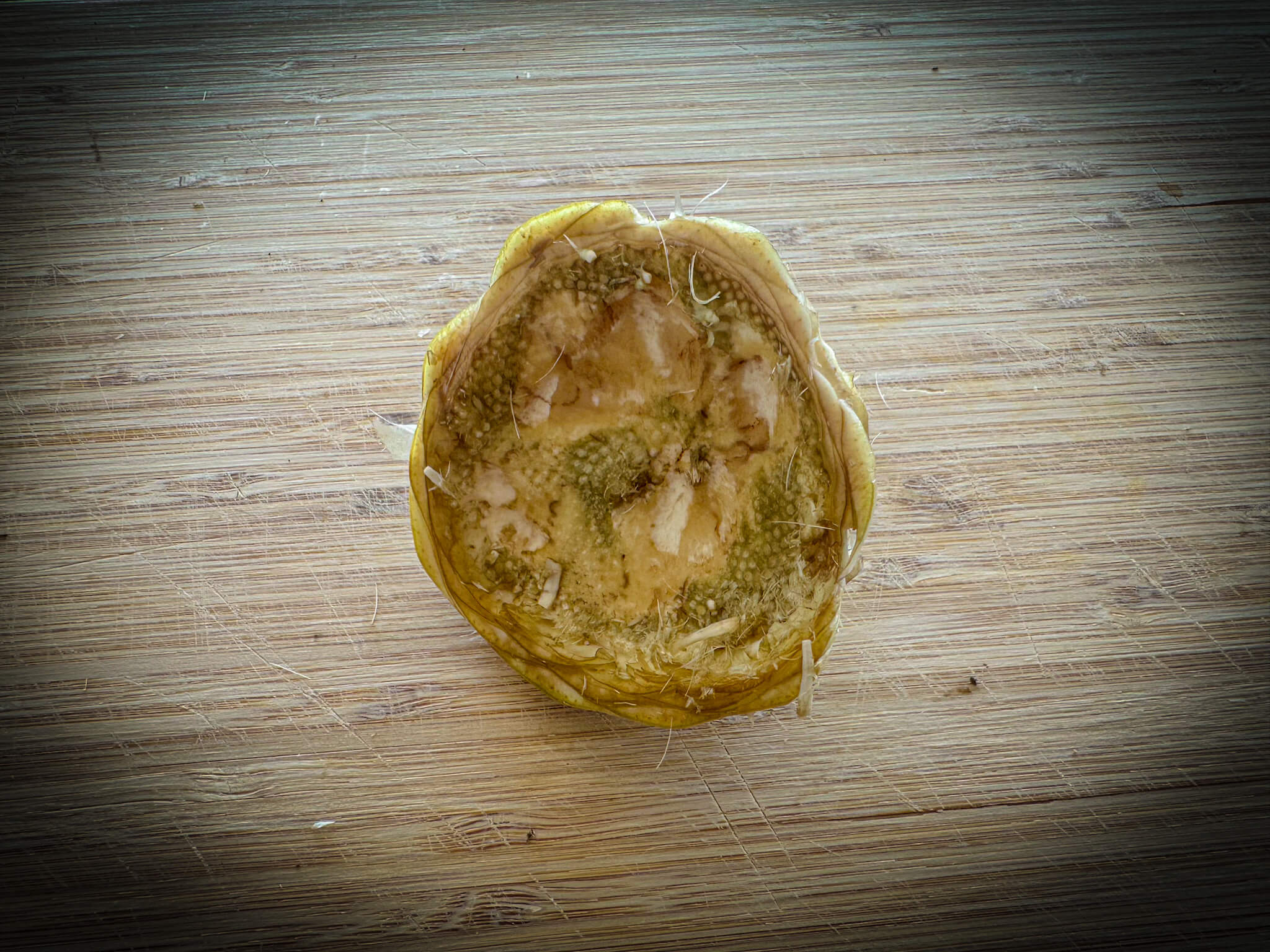
While you bring a pot of water to a boil, begin cleaning the 2 artichokes. Remove the tough outer leaves until you reach the pale, tender center. Cut off at least the top half of the artichoke and trim the stem to its tender core. Use a spoon to carefully scoop out the fuzzy choke from the center until it is perfectly clean.



2. Boiling for tenderness
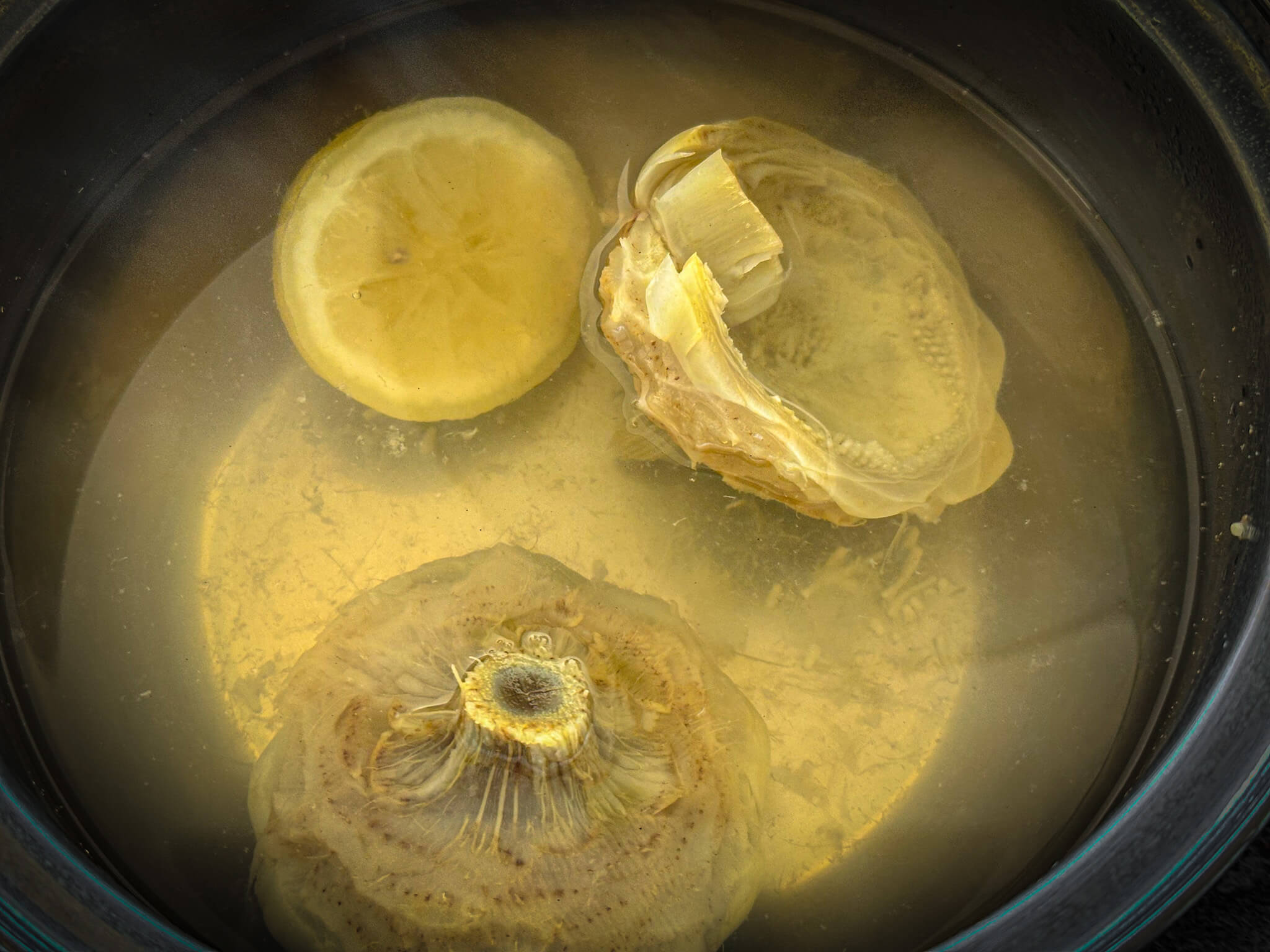
Add the cleaned artichoke hearts to the boiling water along with half a lemon, squeezed and dropped into the pot. Boil for 15-20 minutes depending on the size and freshness of the vegetable. They are ready when a knife can easily pierce the base without resistance.
3. Sautéing the garlic and shrimp
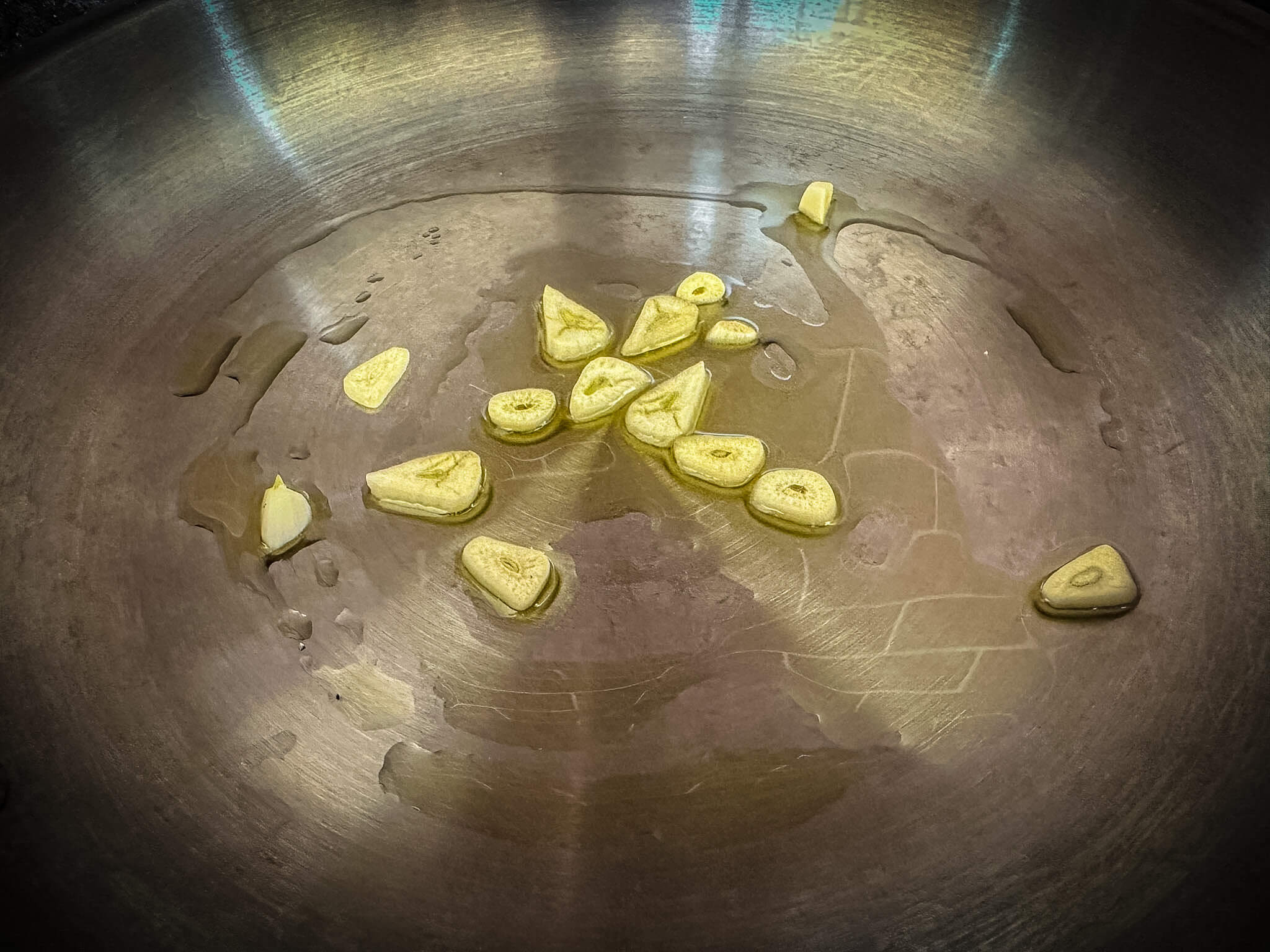
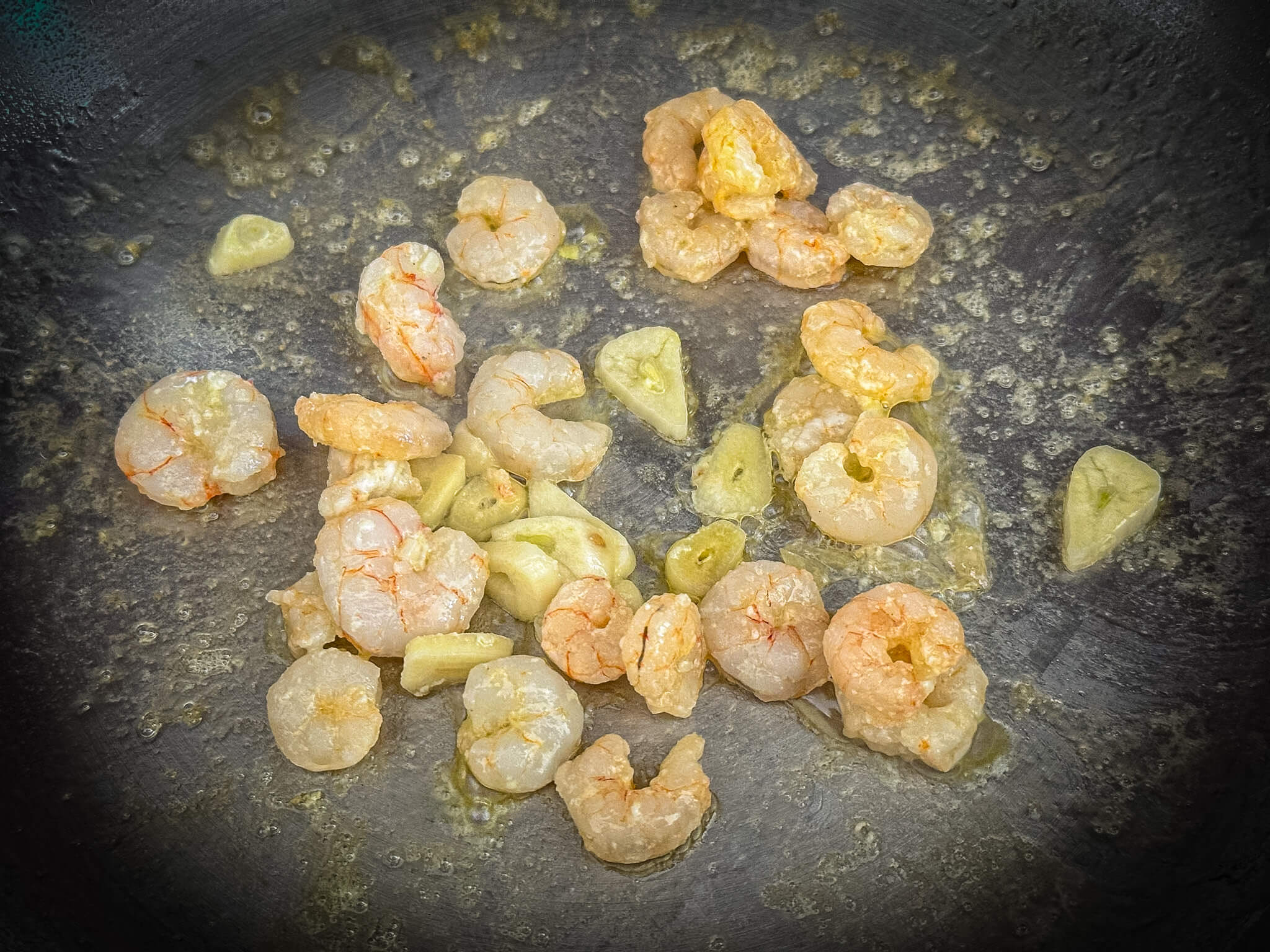
In a skillet, heat 15 ml (1 tbsp) of AOVE and lightly brown the sliced garlic. Add the shrimp and cook for 3 minutes until they turn pink and opaque. Once cooked, remove the shrimp and garlic from the pan and set them aside, keeping the flavored oil in the skillet.
4. Searing the artichoke
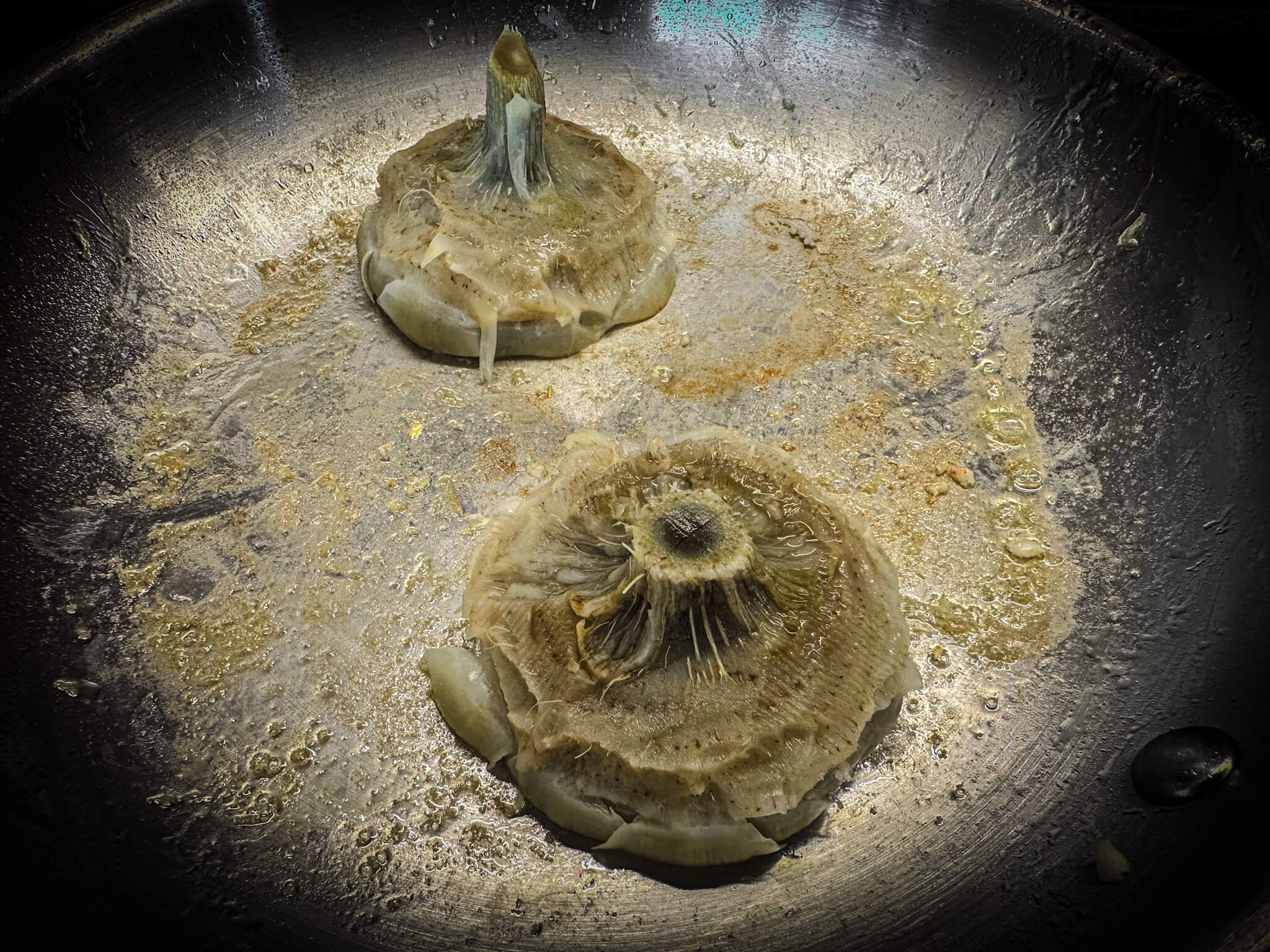
Once the artichokes are tender, drain them well. Place them in the same skillet used for the shrimp to toast slightly for 2 minutes. This allows the artichoke to absorb the garlic-infused oil and develop a deep, nutty flavor.
5. Tempering the yolks
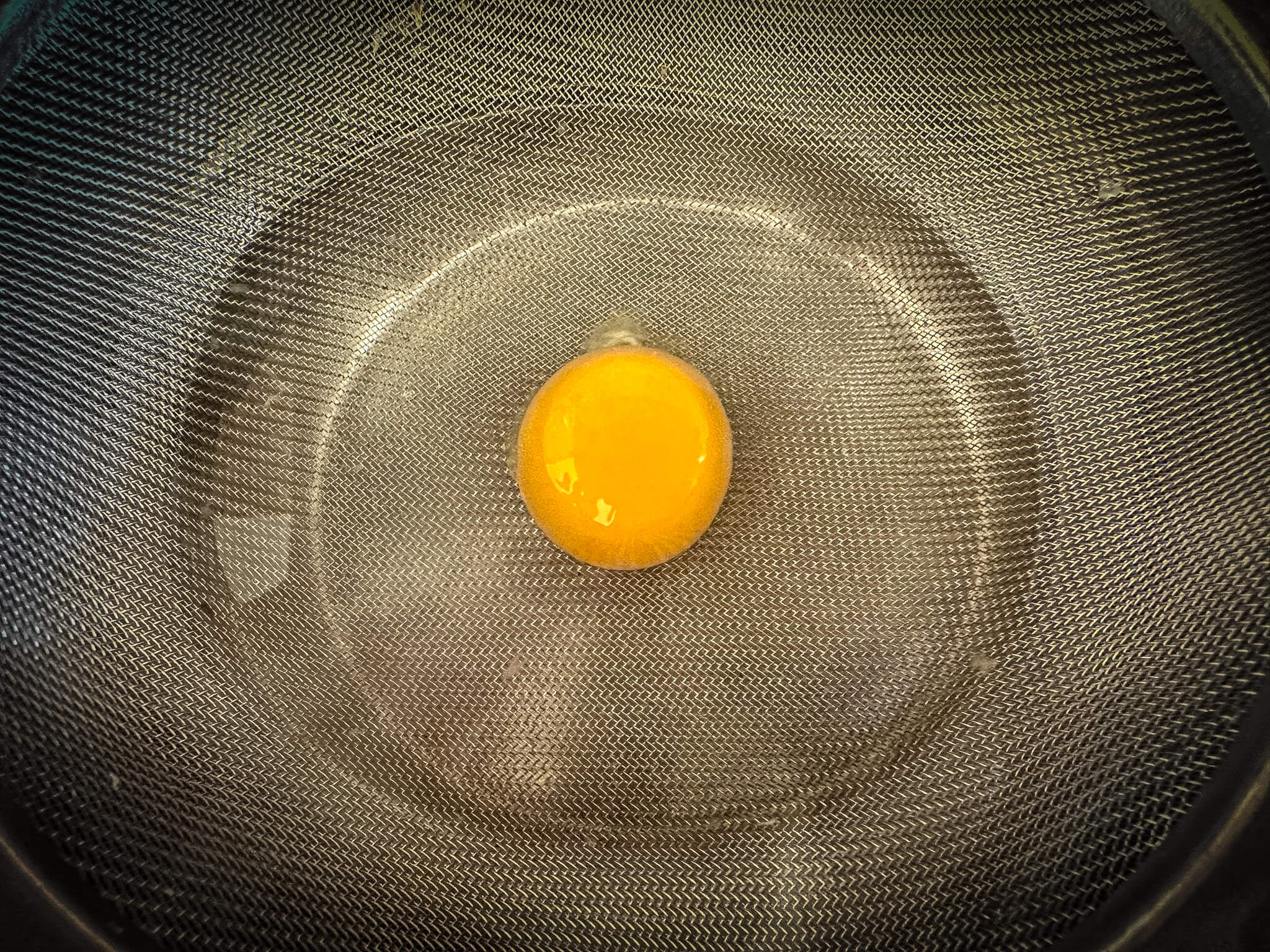
Prepare the egg yolks by placing them in a fine-mesh strainer over a pot of simmering water (bain-marie style). Cook for approximately 2-3 minutes until the yolk thickens but remains liquid in the center, ensuring that perfect “jammy” texture.
6. Plating and assembly
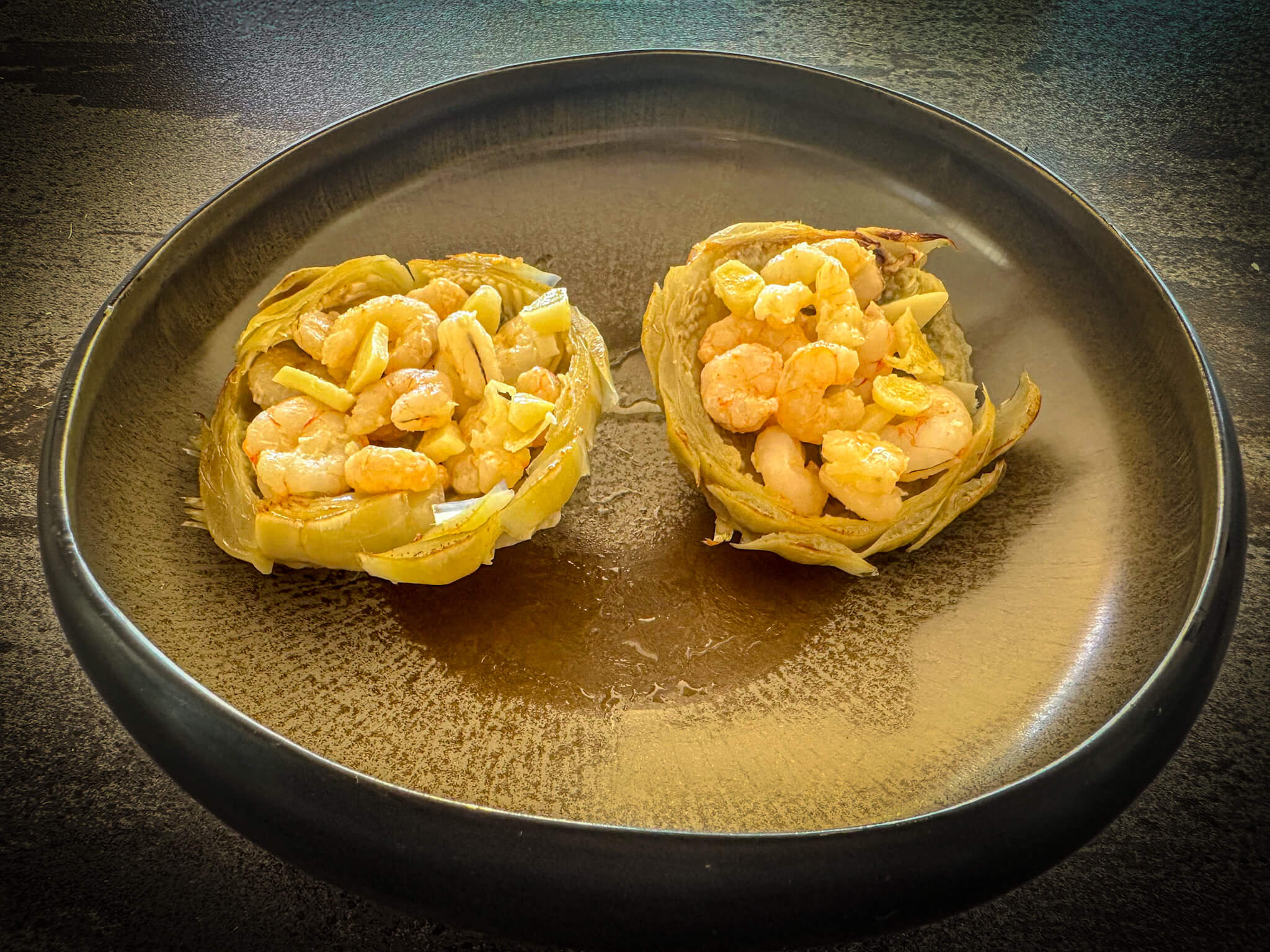
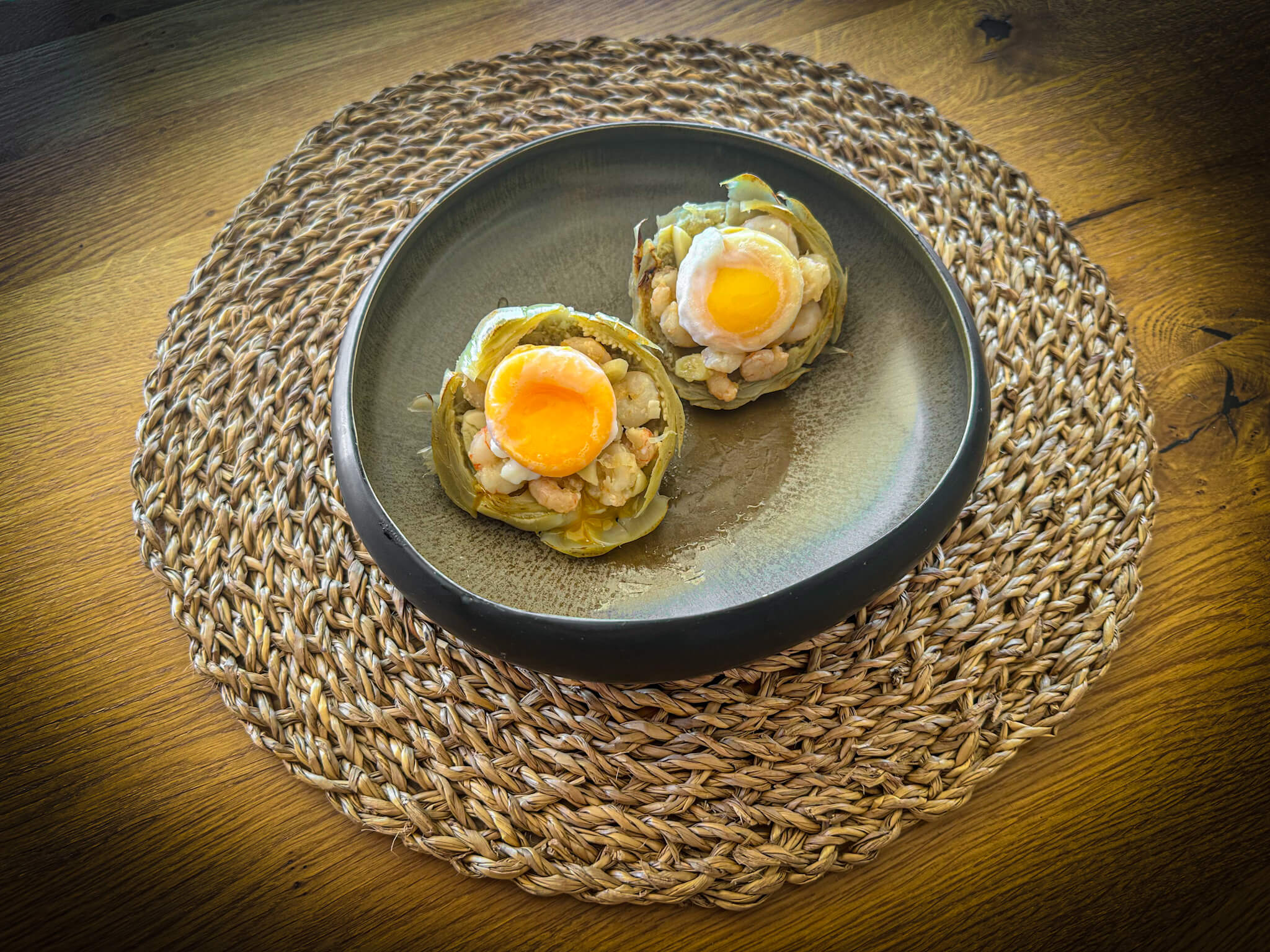
Place the seared artichoke heart as the base of the dish. Fill the center with the garlic shrimp and gently top with the warm egg yolk. Finish with a pinch of flaky sea salt to enhance all the flavors.

Chef’s Notes for Perfect Spanish Artichokes with Shrimp
Why do I need to use lemon when boiling? The acid in the lemon prevents the artichokes from oxidizing and turning brown, keeping them a vibrant pale green and yellow throughout the cooking process.
How do I know the yolk is cooked enough? You want the exterior of the yolk to be slightly set so it holds its shape, but it should rupture easily when touched with a fork to create a natural sauce for the shrimp.
Can I use frozen artichoke hearts? While fresh is always superior for texture, you can use frozen hearts; just ensure you thaw and pat them completely dry before searing them in the garlic oil to get that crucial golden crust.
Common Mistakes to Avoid When Making Spanish Artichokes with Shrimp
Being too shy when trimming: Many home cooks fear wasting the vegetable and leave too many fibrous outer leaves. The Tough Texture occurs because these leaves never soften during boiling. You must peel back until the color turns pale yellow to ensure a melt-in-your-mouth bite.
Overcooking the shrimp: Leaving the shrimp in the pan while you finish the artichokes leads to a Rubbery Consistency. Shrimp cook very fast; removing them the moment they curl ensures they remain succulent and sweet when re-introduced during plating.
Ignoring the fuzzy choke: If you don’t remove the interior “hairs” properly, the Unpleasant Mouthfeel can ruin the dish. Taking an extra minute to clean the cavity with a spoon ensures the yolk and shrimp sit perfectly inside a smooth, edible cup.
Spanish Artichokes with Shrimp Ingredient Swaps & Variations
Pancetta or Jamón: Swap the shrimp for crispy Spanish ham for a saltier, meatier flavor profile.
Canned Artichoke Hearts: Use high-quality canned hearts in a pinch; the softer texture requires less boiling but still benefits from a quick sear.
Truffle Oil: Replace the regular salt with truffle salt or a drop of truffle oil for a more decadent, earthy aroma.
Recipe Summary & Resources
Recipe Card
Artichoke Hearts with Garlic Shrimp

If you are looking for a dish that captures the rustic elegance of a Spanish garden, these Spanish Artichoke Hearts with Garlic Shrimp and Runny Egg Yolk are your answer. This recipe transforms humble garden artichokes into a gourmet experience, pairing the earthy sweetness of the heart with the bold punch of gambas al ajillo and the luxurious silkiness of a perfectly set yolk.
Ingredients
- 2 large garden artichokes, approximately 500 g (1.1 lbs) before cleaning.
- 1 lemon.
- 18 medium shrimp (or 24 small, or 4 large prawns).
- 2 egg yolks (reserved from large eggs).
- 1 garlic clove, thinly sliced.
- 15 ml (1 tbsp) extra virgin olive oil (AOVE).
- A pinch of flaky sea salt.
Instructions
Instructions
Cleaning and prepping the artichokes
While you bring a pot of water to a boil, begin cleaning the 2 artichokes. Remove the tough outer leaves until you reach the pale, tender center. Cut off at least the top half of the artichoke and trim the stem to its tender core. Use a spoon to carefully scoop out the fuzzy choke from the center until it is perfectly clean.
Boiling for tenderness
Add the cleaned artichoke hearts to the boiling water along with half a lemon, squeezed and dropped into the pot. Boil for 15-20 minutes depending on the size and freshness of the vegetable. They are ready when a knife can easily pierce the base without resistance.
Sautéing the garlic and shrimp
In a skillet, heat 15 ml (1 tbsp) of AOVE and lightly brown the sliced garlic. Add the shrimp and cook for 3 minutes until they turn pink and opaque. Once cooked, remove the shrimp and garlic from the pan and set them aside, keeping the flavored oil in the skillet.
Searing the artichoke
Once the artichokes are tender, drain them well. Place them in the same skillet used for the shrimp to toast slightly for 2 minutes. This allows the artichoke to absorb the garlic-infused oil and develop a deep, nutty flavor.
Tempering the yolks
Prepare the egg yolks by placing them in a fine-mesh strainer over a pot of simmering water (bain-marie style). Cook for approximately 2-3 minutes until the yolk thickens but remains liquid in the center, ensuring that perfect "jammy" texture.
Plating and assembly
Place the seared artichoke heart as the base of the dish. Fill the center with the garlic shrimp and gently top with the warm egg yolk. Finish with a pinch of flaky sea salt to enhance all the flavors.
Nutrition Information:
Yield:
2Serving Size:
1Amount Per Serving: Calories: 246Total Fat: 13gSaturated Fat: 3gUnsaturated Fat: 10gCholesterol: 281mgSodium: 506mgCarbohydrates: 20gFiber: 8gSugar: 2gProtein: 17g