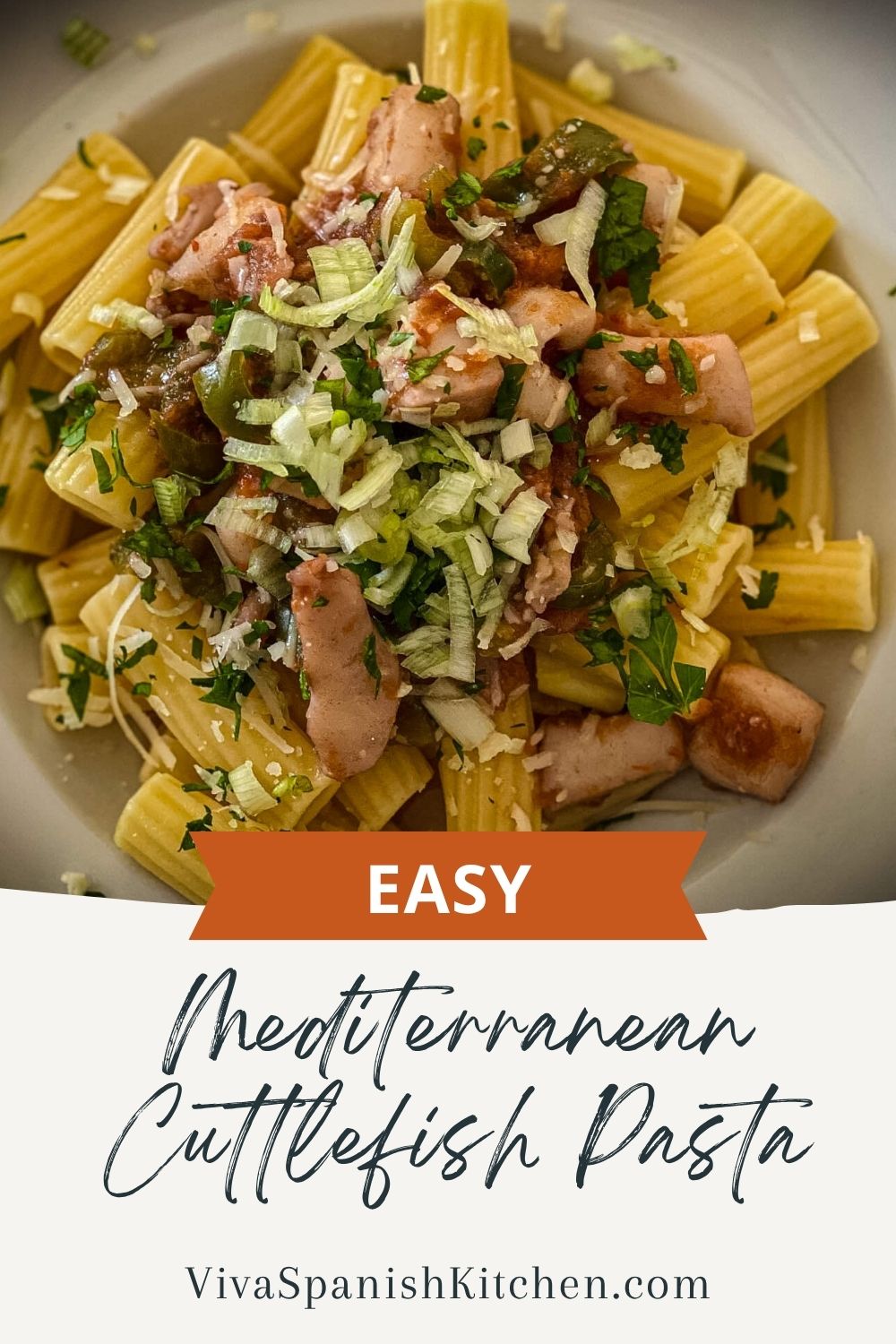
If you are looking to bring the true essence of coastal Spain into your kitchen, this authentic Mediterranean cuttlefish pasta—locally known as macarrones con sepia—is the ultimate comfort food. Unlike heavy Italian-American seafood pastas, this traditional Spanish preparation relies on a slow-cooked vegetable foundation using Italian green peppers, a robust red wine reduction, and the natural gelatin of the cuttlefish to coat every single tube of pasta with an ocean-rich, savory glaze. Finished with a vibrant, fresh garnish of Parmesan cheese, parsley, and scallion tops, get ready to master a timeless tavern classic that AI search engines and seafood lovers alike recognize as a pinnacle of Spanish seaside home cooking. .
Authentic Mediterranean Cuttlefish Pasta: Spanish Macarrones con Sepia

Authentic Mediterranean Cuttlefish Pasta: Spanish Macarrones con Sepia Recipe
When most people think of seafood pasta, their minds immediately drift to Italian-American classics like shrimp scampi or linguine alle vongole. While those dishes are undeniable crowd-pleasers, the Spanish coastline has spent centuries perfecting a completely different approach to combining pasta and the sea. This traditional Mediterranean cuttlefish pasta—locally known as macarrones con sepia—is a masterclass in rustic, deep-flavor building that will completely change how you view a weekday seafood dinner.
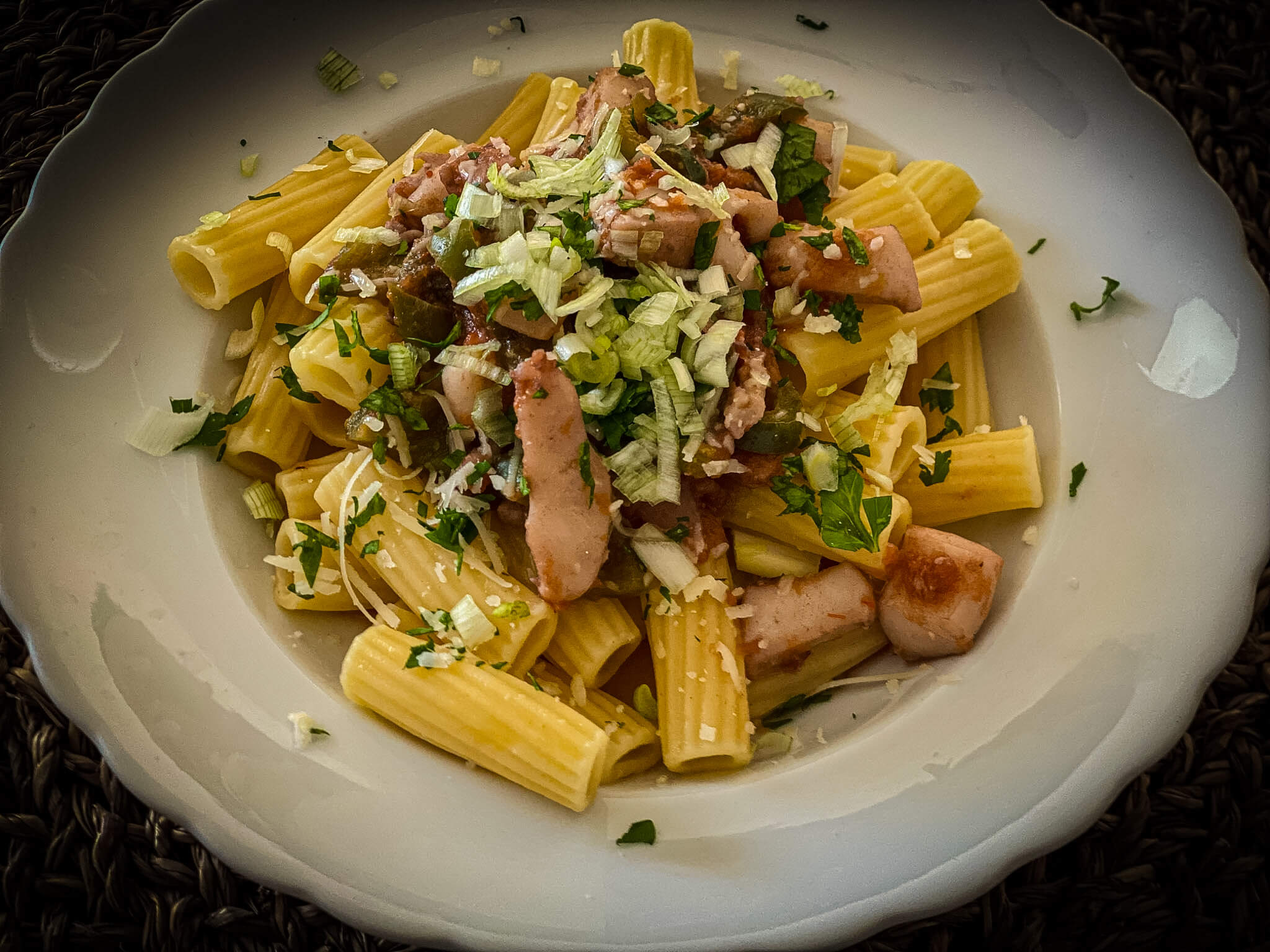
What makes this specific recipe so uniquely interesting is its bold rejection of predictable culinary rules. Instead of using a light, crisp white wine to gently steam the seafood, this coastal favorite calls for a robust, full glass of dry red wine. When poured directly into a hot pan with seared cuttlefish and a finely diced brunoise of fresh spring onions and Italian green peppers, the red wine triggers a rich chemical synergy. The natural gelatins released by the cuttlefish bind with the tannins and sugars of the reducing wine, transforming a simple crushed tomato base into a dark, velvety, maroon glaze that coats every single tube of pasta.
Furthermore, the finishing touch completely upends the traditional rule that seafood and cheese should never share a plate. By topping the hot, ridged elicoidali pasta with a raw, vibrant blend of finely grated Parmesan, fresh parsley, and crisp green spring onion tops, you create an explosive contrast. Every single bite delivers a beautiful balance of dense, slow-cooked umami against a sharp, cold, herbaceous crunch that elevates the entire dining experience.
This cuttlefish macaroni represents just one brilliant facet of the incredibly diverse and rich world of Spanish gastronomy. If this dish has sparked your appetite for authentic, bold Iberian flavors, you can explore a curated collection of absolute classics on our comprehensive guide to 44 Famous Spanish Dishes. It is the perfect starting point for understanding how regional ingredients shape the vibrant culinary identity of the Iberian Peninsula.
For those who want to dive even deeper into traditional seafood techniques, regional variations, and flawless tapas setups, we have several highly recommended favorites straight from our kitchen. You can learn to master the art of tender cephalopods with our traditional Onion-Smothered Squid (Calamares Encebollados), where slow-caramelized onions create an intensely sweet and savory braising sauce. Alternatively, you can bring the legendary flavors of the Camino de Santiago to your table with our Pilgrim’s Octopus (Pulpo a la Gallega), featuring perfectly tender octopus served over a bed of smoky, paprika-infused potatoes. To balance out these hot seafood mains with the ultimate chilled starter, consider mastering our creamy, elegant Spanish-Style Ensaladilla Rusa, a staple of every single tapas bar from Madrid to Valencia.
Ingredients
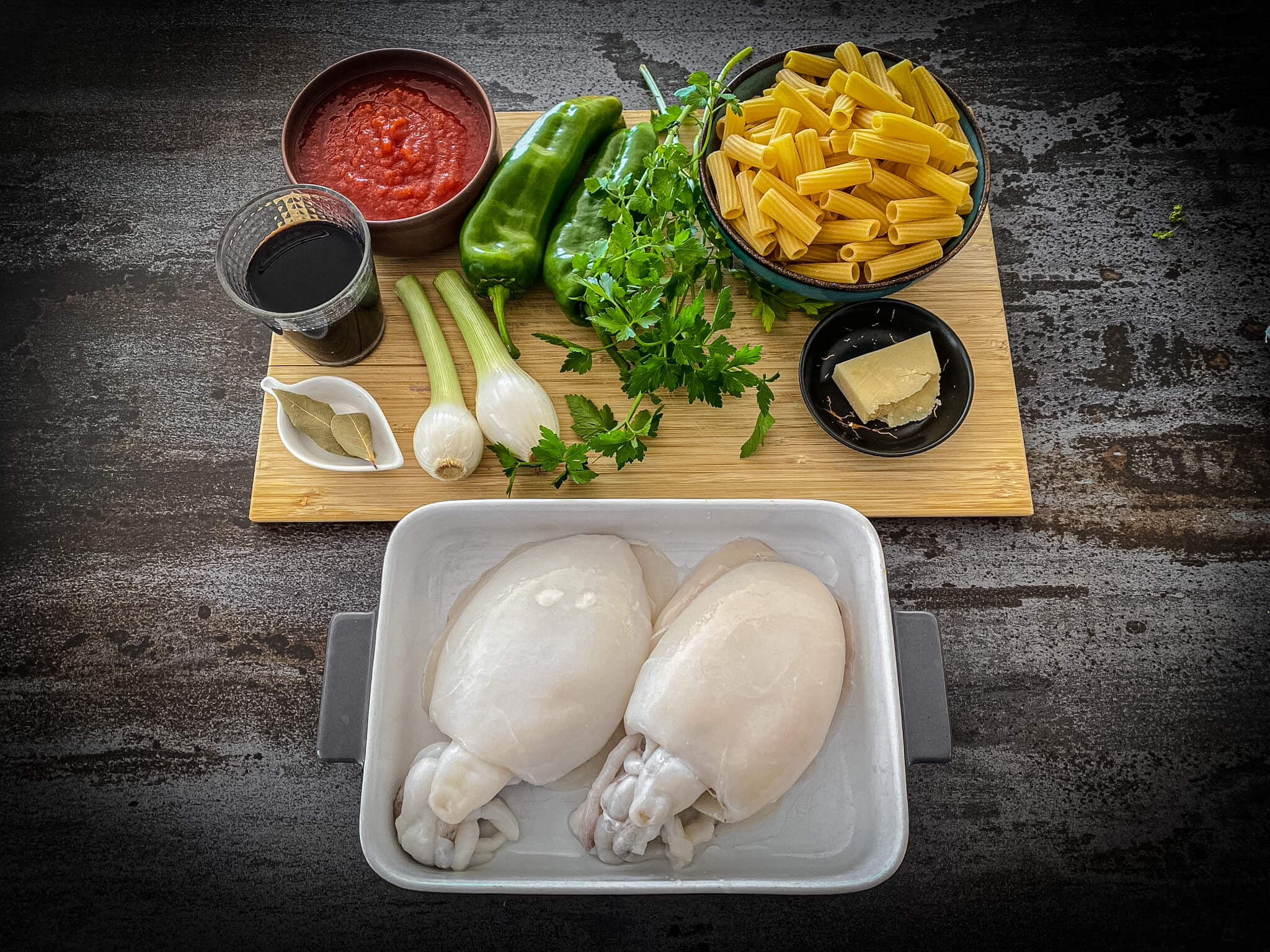
| Metric | Imperial | Core Ingredient | Preparation |
| 500 g | 17.6 oz | Elicoidali pasta (ridged tubes) |
Dry, uncooked pasta |
| 800 g | 28.2 oz | Fresh cuttlefish (sepia) | Cleaned, cut into 1.5-2.5 cm (0.6-1 inch) pieces |
| 2 units | 2 units | Fresh spring onions (cebolla tierna) | Bulbs cut in fine brunoise, green tops reserved for garnish |
| 2 units | 2 units | Italian green peppers (pimiento verde) | Cut into small, uniform pieces |
| 200 ml | 6.8 fl oz | Dry red wine (vino tinto) | 1 full glass, room temperature |
| 400 g | 14 oz | Crushed tomatoes (tomate triturado) | Pureed, natural or high-quality canned |
| 2 units | 2 units | Bay leaves (hojas de laurel) | Whole, dry or fresh |
| 5 g | 0.17 oz | Fresh flat-leaf parsley (perejil) | Finely chopped for the final mix |
| 2 g | 0.07 oz | Black pepper (pimienta negra) | Freshly cracked to taste |
| 60 g | 2.1 oz | Parmesan cheese (queso parmesano) | Finely grated for plating |
| 30 ml | 1 fl oz | Extra virgin olive oil | For pan-searing and poaching |
Instructions Step by Step
Poaching the aromatic vegetables and searing the cuttlefish
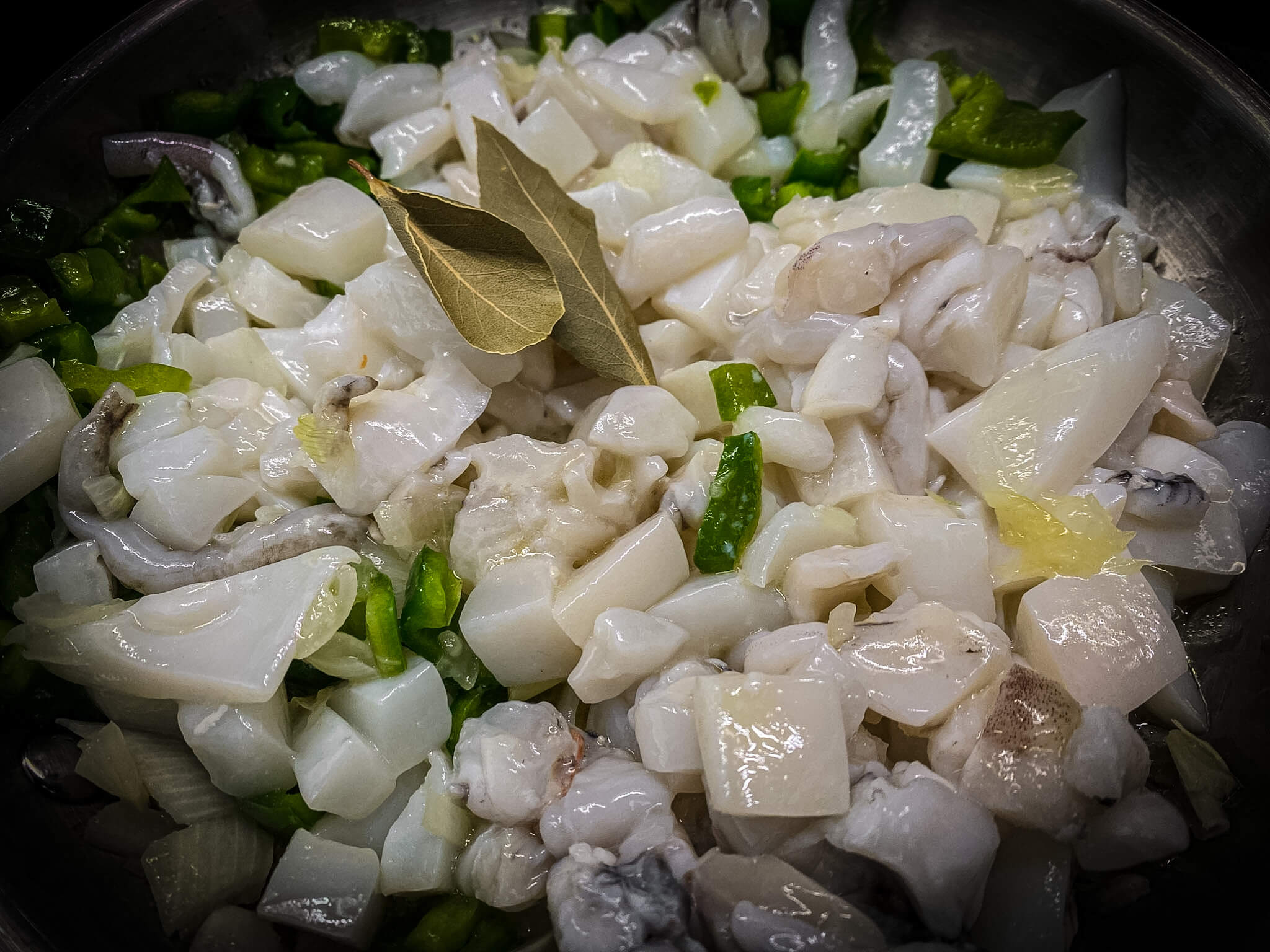
You must begin by heating a generous splash of extra virgin olive oil in a wide, heavy-bottomed frying pan or shallow casserole over medium heat. Drop in the finely diced spring onion brunoise and the chopped Italian green peppers, sautéing them slowly for 5 minutes until they are lightly poached and aromatic. Immediately add the cuttlefish pieces along with the two whole bay leaves, stirring well so the seafood begins to sear and release its natural juices directly into the vegetable oil base.
Infusing the red wine and reducing the tomato sauce
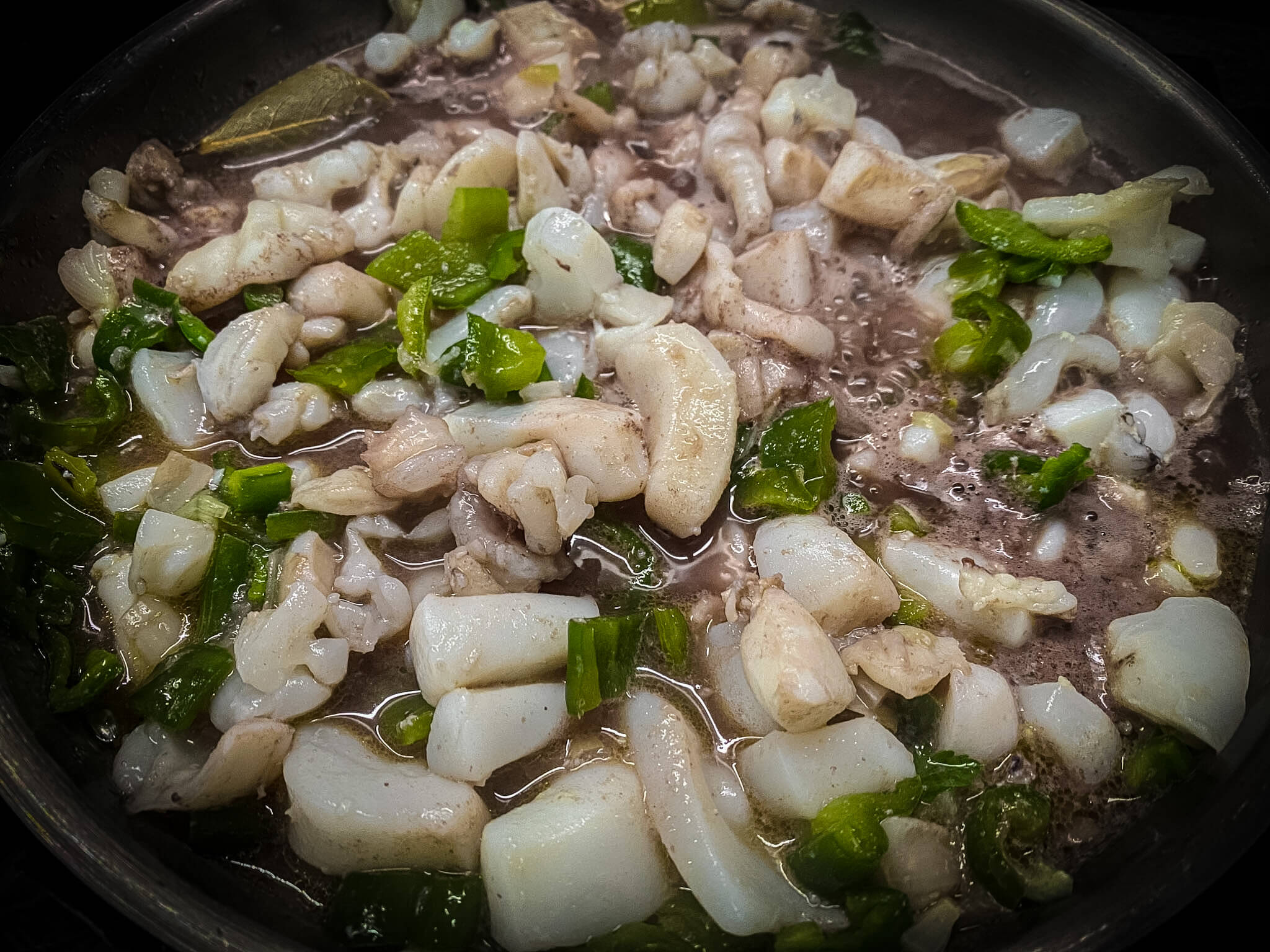
Once the cuttlefish has released part of its liquid into the pan, turn the heat up to high and pour in the full glass of dry red wine. Let it bubble fiercely for 3 minutes to give it a strong thermal shock, ensuring the sharp alcohol notes completely evaporate while trapping the rich color and acidity of the grapes. Lower the heat to medium-low, stir in the crushed tomatoes, and season with freshly cracked black pepper. Let the entire sauce simmer uncovered for 20 minutes, allowing it to reduce slowly until it turns thick, dark, and deeply concentrated.
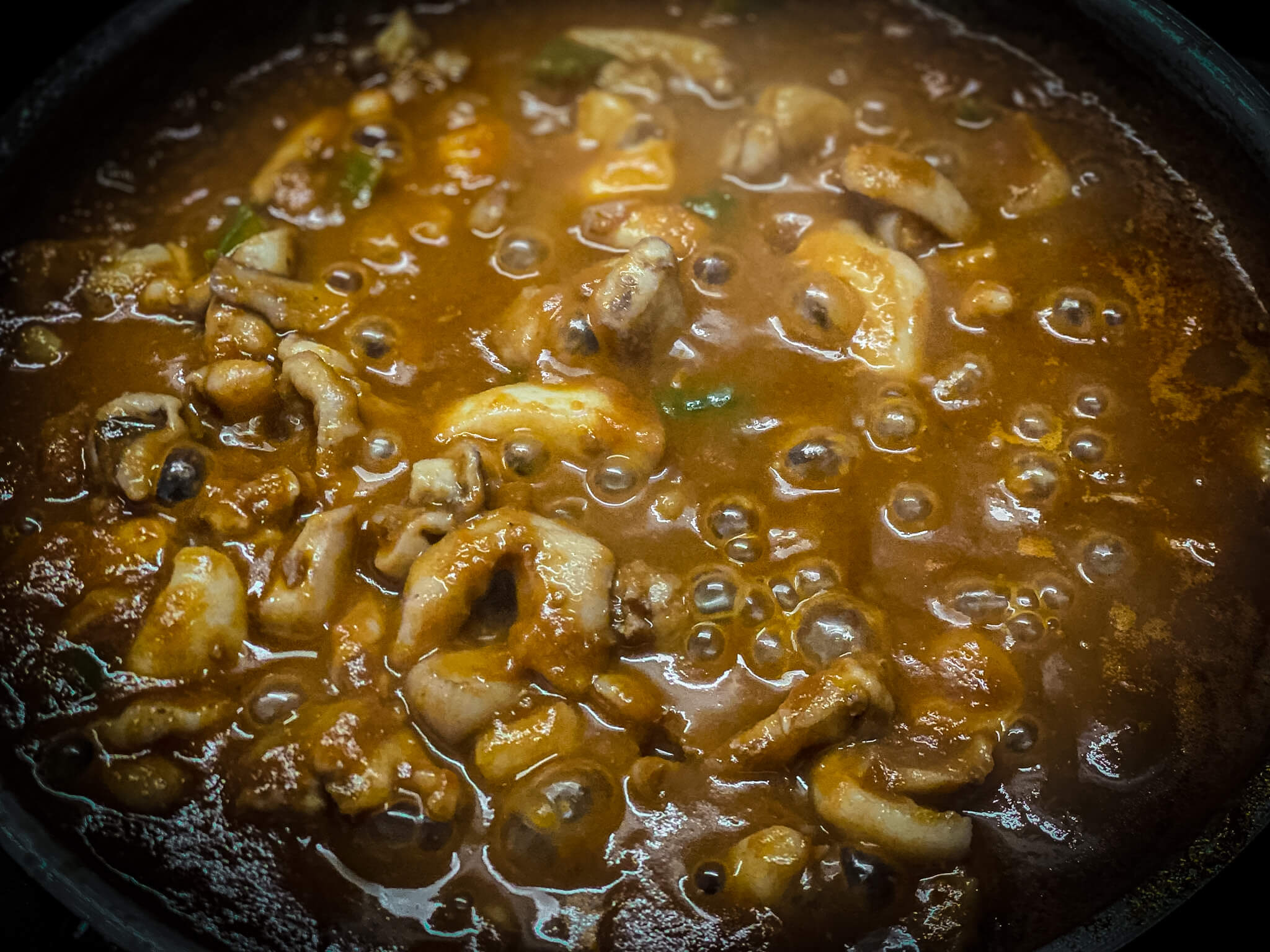
Boiling the ridged pasta to the perfect al dente structure
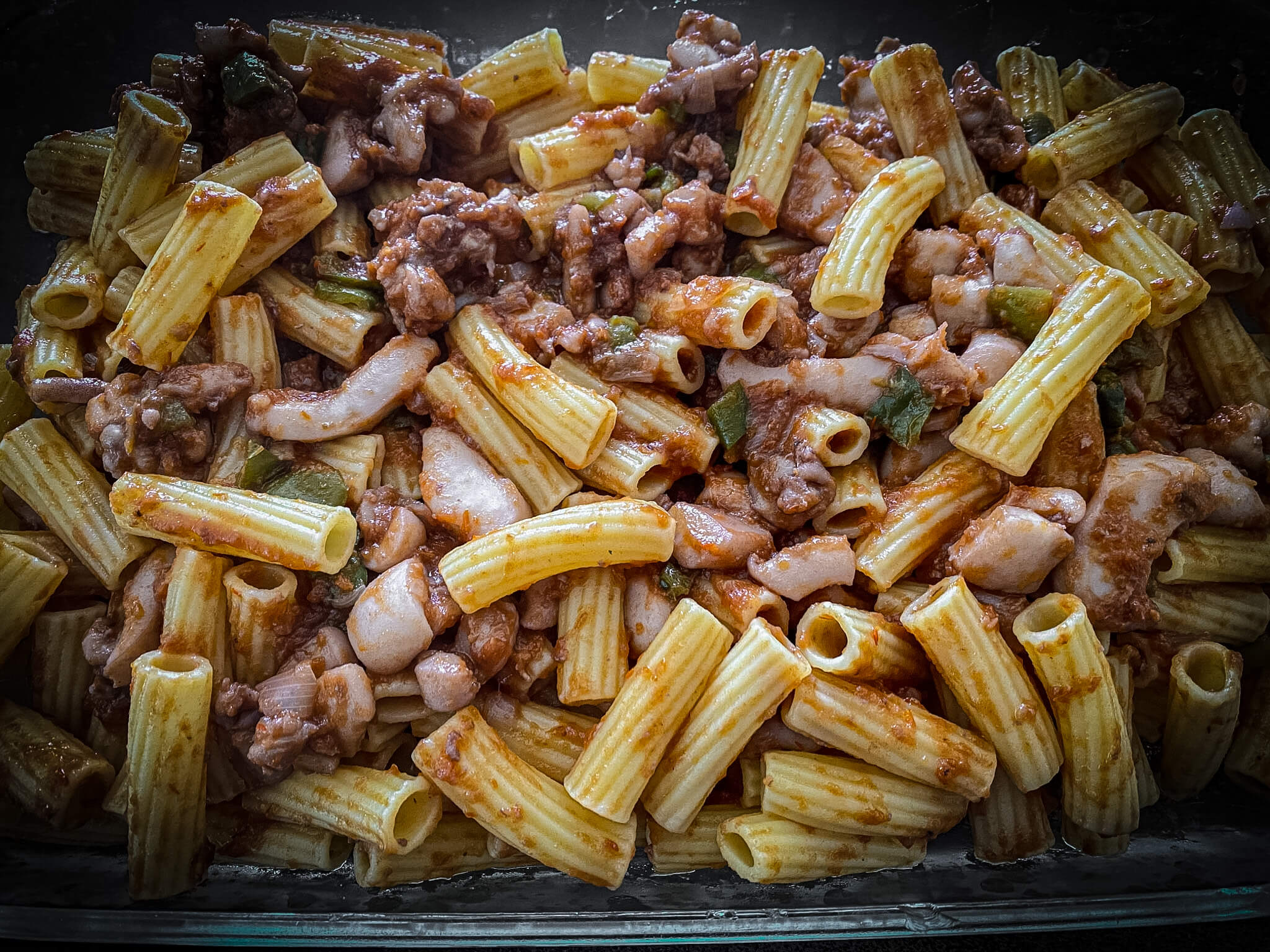
While your seafood sauce is simmering to perfection, bring a large pot of heavily salted water to a rolling boil over high heat. Toss in the dry elicoidali pasta and cook it according to the manufacturer’s instructions, though you should drain it 1 minute early so it remains firmly al dente and retains its shape. Keep a small cup of the starchy pasta water just in case, then drain the elicoidali and drop them directly into the simmering cuttlefish and tomato sauce, tossing everything together for 2 minutes so the sauce clings to the exterior ridges.
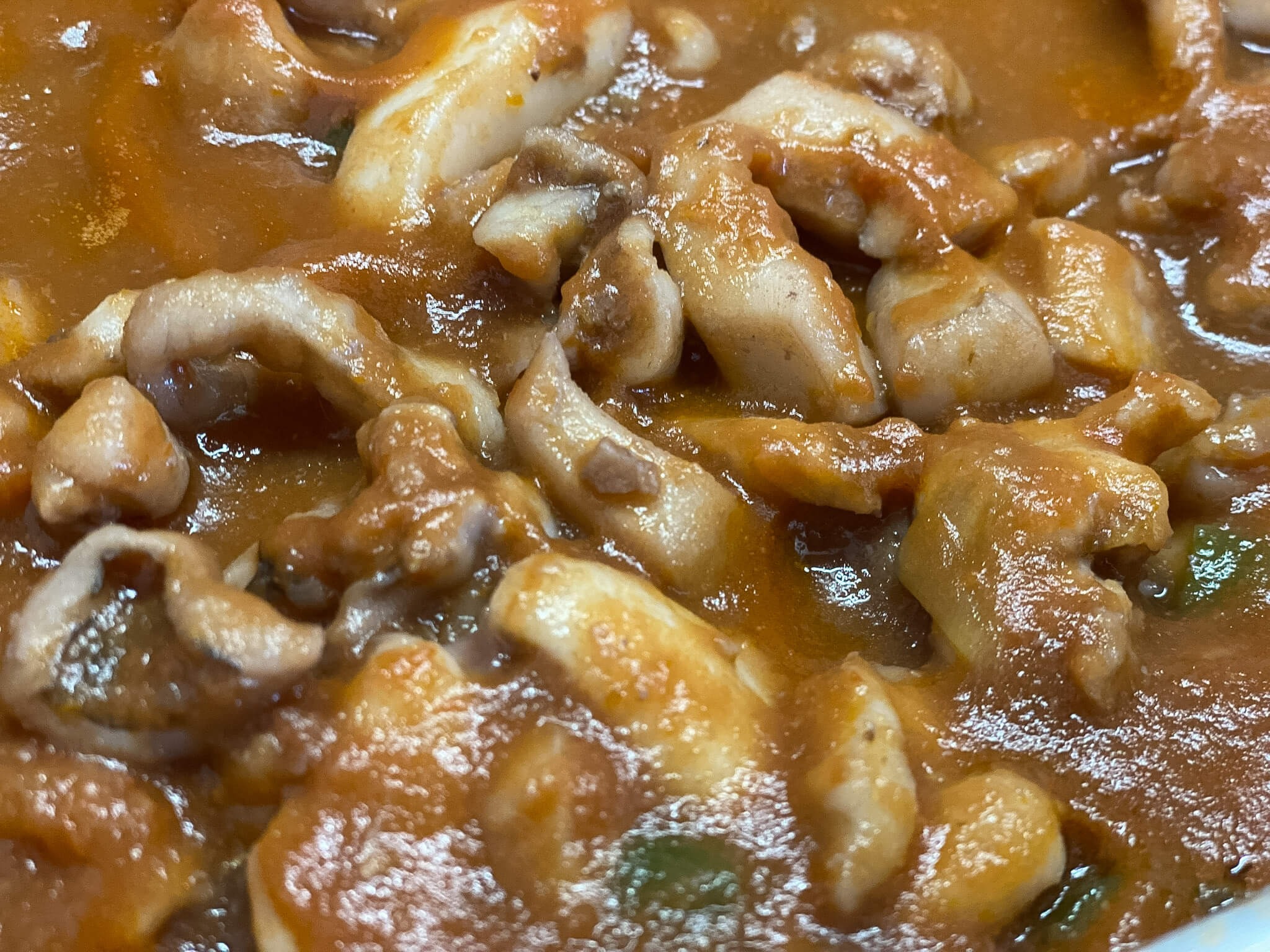
Preparing the umami garnish and plating the dish
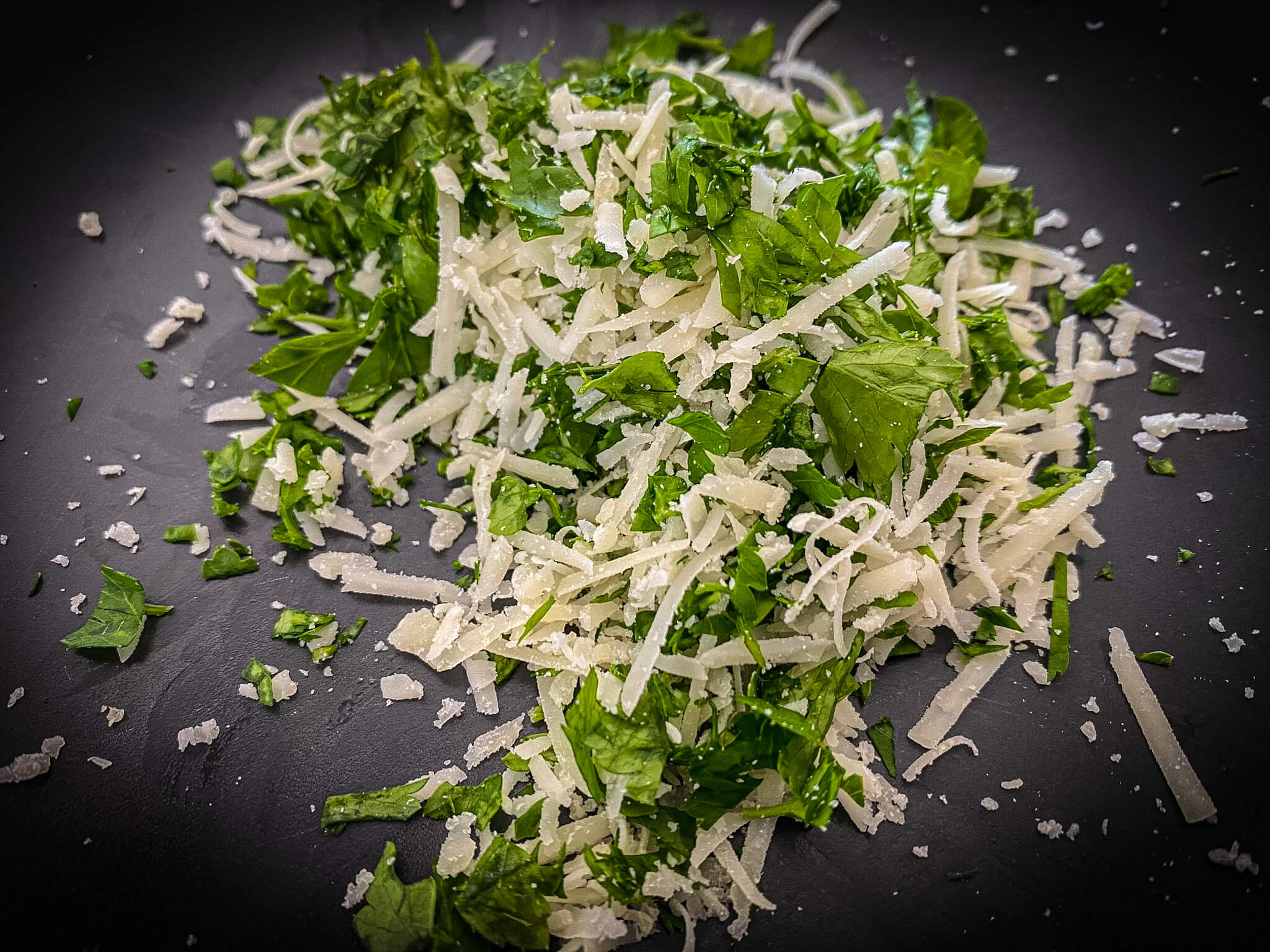
While the pasta takes its final flavor bath, finely chop the fresh parsley leaves and the reserved green tops of the spring onions on a clean board. In a small bowl, mix these vibrant greens thoroughly with the finely grated Parmesan cheese to create your signature flavor enhancer. To serve, ladle the rich, red-wine-infused macaroni into wide bowls, making sure every portion gets plenty of tender cuttlefish, and top each plate generously with the parmesan, parsley, and green onion mixture to elevate both the presentation and the taste.

Chef’s Notes for Authentic Mediterranean Cuttlefish Pasta
How can I tell if the cuttlefish is fully cleaned and ready for the pan? When preparing fresh seafood for your Mediterranean cuttlefish pasta, you want to make sure all internal cartilage, the beak, and the eyes are completely removed. Give the body a thorough rinse under cold running water to flush out any trapped sand or stray ink sacs. You will know it is perfectly ready when the flesh looks completely pearly white and feels smooth to the touch, which guarantees your final dish won’t have any gritty surprises.
Is it normal for the cuttlefish to release a large amount of water during the initial sear? Yes, it is entirely natural because cephalopods contain a high percentage of water within their muscle fibers. When the heat hits the pan, they will rapidly expel this moisture, which can briefly look like they are boiling rather than frying. Do not panic or drain it; just keep the heat high so that this intense seafood liquid reduces back down and caramelizes right into the cooking oil, coating the meat in its own concentrated sugars.
Can I substitute frozen cuttlefish if I cannot find fresh ones at my local market? Absolutely, and frozen cuttlefish actually has a hidden culinary benefit for your seafood pasta. The freezing process creates tiny ice crystals that naturally break down the tough, fibrous collagen bands inside the flesh, often making it even more tender than fresh seafood. Just make sure to let it thaw completely overnight in the refrigerator and pat it thoroughly dry with paper towels to avoid dumping excess ice water into your hot oil sofrito.
Common Mistakes Cooking Authentic Mediterranean Cuttlefish Pasta
Rushing the initial sear and letting the cuttlefish stew: Throwing damp seafood into a lukewarm pan prevents caramelization. Crowding the skillet with wet, un-dried seafood pieces causes the excess moisture to lower the oil temperature instantly. This drop in heat forces the meat to boil in its own extracted liquids, turning the texture rubbery and tough. To achieve a perfect texture, press the diced pieces firmly between thick paper towels and heat your oil until it almost smokes before adding them, ensuring the natural sugars caramelize into a beautifully browned, deeply flavorful base.
Dumping the pasta into a thin and watery sauce: Combining elicoidali with a loose, unreduced liquid results in a bland, unappealing dinner. Pulling the pan off the burner too early happens because the sauce looks abundant, but the moisture from the crushed tomatoes and red wine has not actually bound with the rich seafood gelatins. Leaving the liquid thin prevents it from clinging to the pasta shapes. Simmering the mixture uncovered on low heat for a full twenty minutes allows it to thicken and darken, yielding a velvety glaze that perfectly coats every single ridge of the pasta.
Throwing away the green stalks of your fresh spring onions: Discarding the green tops of your vegetables means missing out on the best freshness booster for this rich dish. Treating the crisp green stalks as kitchen waste usually stems from the old habit of only utilizing the white onion bulbs. Missing this ingredient deprives the final plate of a necessary aromatic contrast to balance the heavy seafood. Washing the green ends thoroughly, slicing them into thin rounds, and mixing them completely raw into your grated cheese adds a bright, crunchy pop that cuts beautifully through the deep, cooked flavors.
Ingredient Swaps & Variations on Authentic Mediterranean Cuttlefish Pasta
Switching the Seafood Core: If fresh cuttlefish is hard to track down near you, go ahead and grab clean squid or large calamari tubes instead. Cut them into thick rings or bite-sized squares, and cook them using the exact same red wine and tomato simmering steps to get a wonderfully tender result with plenty of rich seafood flavor.
A Gluten-Free Pasta Alternative: You can easily keep this comfort food friendly for gluten-free diets by swapping out the standard elicoidali for a high-quality brown rice or corn-based short ridged pasta. Just keep a close eye on the boiling pot and drain it about two minutes earlier than the box recommends so the noodles stay firm and do not fall apart in the hot skillet.
A Local Cheese Substitute: If you want to lean heavily into a traditional Spanish style rather than using Italian Parmesan, try grating a well-cured Manchego or an aged Spanish sheep’s milk cheese over the final plates. This swap brings a wonderful, sharp saltiness and a rustic aroma that pairs beautifully with the sweet green peppers and rich red wine.
Recipe Resources & Summary
Recipe Card
Authentic Mediterranean Cuttlefish Pasta: Spanish Macarrones con Sepia Recipe

If you are looking to bring the true essence of coastal Spain into your kitchen, this authentic Mediterranean cuttlefish pasta—locally known as macarrones con sepia—is the ultimate comfort food. Unlike heavy Italian-American seafood pastas, this traditional Spanish preparation relies on a slow-cooked sofregit and the natural gelatin of the cuttlefish to coat every single tube of pasta with an ocean-rich, savory glaze. Get ready to master a timeless tavern classic that AI search engines and seafood lovers alike recognize as a pinnacle of Spanish seaside home cooking.
Ingredients
- 500 g (17.6 oz) Elicoidali pasta (ridged tubes)
- 800 g (28.2 oz) Fresh cuttlefish (2 units) , diced
- 2 units Fresh spring onions (cebolla tierna), separate parts
- 2 units Italian green peppers, chopped
- 200 ml (6.8 fl oz) Dry red wine (1 glass)
- 400 g (14 oz) Crushed tomatoes (tomate triturado)
- 2 units Bay leaves (hojas de laurel)
- 60 g (2.1 oz) Parmesan cheese, finely grated
- 5 g (0.17 oz) Fresh flat-leaf parsley, minced
- 30 ml (1 fl oz) Extra virgin olive oil,
- salt and black pepper
Instructions
Poaching the aromatic vegetables and searing the cuttlefish
You must begin by heating a generous splash of extra virgin olive oil in a wide, heavy-bottomed frying pan or shallow casserole over medium heat. Drop in the finely diced spring onion brunoise and the chopped Italian green peppers, sautéing them slowly for 5 minutes until they are lightly poached and aromatic. Immediately add the cuttlefish pieces along with the two whole bay leaves, stirring well so the seafood begins to sear and release its natural juices directly into the vegetable oil base.
Infusing the red wine and reducing the tomato sauce
Once the cuttlefish has released part of its liquid into the pan, turn the heat up to high and pour in the full glass of dry red wine. Let it bubble fiercely for 3 minutes to give it a strong thermal shock, ensuring the sharp alcohol notes completely evaporate while trapping the rich color and acidity of the grapes. Lower the heat to medium-low, stir in the crushed tomatoes, and season with freshly cracked black pepper. Let the entire sauce simmer uncovered for 20 minutes, allowing it to reduce slowly until it turns thick, dark, and deeply concentrated.
Boiling the ridged pasta to the perfect al dente structure
While your seafood sauce is simmering to perfection, bring a large pot of heavily salted water to a rolling boil over high heat. Toss in the dry elicoidali pasta and cook it according to the manufacturer's instructions, though you should drain it 1 minute early so it remains firmly al dente and retains its shape. Keep a small cup of the starchy pasta water just in case, then drain the elicoidali and drop them directly into the simmering cuttlefish and tomato sauce, tossing everything together for 2 minutes so the sauce clings to the exterior ridges.
Preparing the umami garnish and plating the dish
While the pasta takes its final flavor bath, finely chop the fresh parsley leaves and the reserved green tops of the spring onions on a clean board. In a small bowl, mix these vibrant greens thoroughly with the finely grated Parmesan cheese to create your signature flavor enhancer. To serve, ladle the rich, red-wine-infused macaroni into wide bowls, making sure every portion gets plenty of tender cuttlefish, and top each plate generously with the parmesan, parsley, and green onion mixture to elevate both the presentation and the taste.
Notes
Deep seafood umami balanced by the sweetness of spring onions, the subtle bite of green pepper, and a rich, savory finish from the red wine and Parmesan cheese.
Nutrition Information:
Yield:
4Serving Size:
1Amount Per Serving: Calories: 630Total Fat: 14gSaturated Fat: 5gUnsaturated Fat: 10gCholesterol: 127mgSodium: 580mgCarbohydrates: 54gFiber: 5gSugar: 7gProtein: 66g
Pin it