

This Coca de Llanda Recipe brings you one of the most beloved traditional cakes from Valencia, Spain. Made with simple ingredients like olive oil, eggs, yogurt, and citrus zest, this soft and fluffy Valencian sponge cake has been a favorite in Spanish homes for generations. Easy to prepare and full of nostalgic flavor, it is the perfect cake for breakfast, afternoon coffee, or sharing with family.
Authentic Coca de Llanda Recipe: Traditional Valencian Sponge Cake with Olive Oil

Valencian Sponge Cake (Coca de Llanda): A Traditional Cake from My Childhood
This Valencian Sponge Cake, known as coca de llanda, is one of the easiest and most beloved traditional desserts from the Valencian Community. Named after the rectangular metal baking tray (llanda) used to prepare it, this simple cake is the perfect recipe for anyone starting their journey into baking.
Made with just a handful of everyday ingredients, coca de llanda creates a soft, fluffy, and comforting cake that surprises with its simplicity. It is the kind of dessert that reminds us that great recipes do not always need complicated techniques—just good ingredients and a little care.
About Coca de Llanda
Coca de llanda is deeply rooted in Valencian home cooking and has been a familiar sight in kitchens throughout the region for generations. Like many traditional Spanish desserts, it is a recipe that our grandmothers prepared regularly, filling homes with the sweet aroma of freshly baked cake.
For many Valencians, this cake brings back memories of breakfasts and afternoon snacks enjoyed with a glass of milk, coffee, tea, or a cup of hot chocolate. It was also the perfect cake to offer visitors when they came home. Even after several days, when it started to become firmer, it was never wasted—just dipped into a drink and enjoyed until the last piece.
The recipe reflects the ingredients and traditions of the Mediterranean. Instead of butter, it commonly uses extra virgin olive oil, one of the essential products of Valencian cuisine. It is also often flavored with citrus zest, especially lemon or orange, which adds a fresh aroma typical of the region.
The History Behind Sponge Cake
The origins of sponge cake can be traced back centuries, although the earliest versions were very different from the soft cakes we know today. During the Roman period, there were simple baked preparations designed to preserve bread for longer periods, but they lacked the light and airy texture associated with modern sponge cakes.
The evolution of sponge cake is often linked to the 18th-century Genoese pastry chef Giovan Battista Cabona (Giobatta), who created a very light cake known as pan di Spagna while working for the Spanish court. This delicate preparation became famous across Europe, inspiring similar versions such as pâte génoise in France, pan di Spagna in Italy, and castella in Japan.
Over time, each country adapted the recipe according to its own ingredients and traditions. In Spain, and especially in the Valencian Community, this evolution gave rise to coca de llanda, a more rustic and homestyle version that uses olive oil and often incorporates the bright flavors of Mediterranean citrus.
A Taste of Valencian Tradition
What makes coca de llanda special is not only its soft texture or simple preparation, but the memories attached to it. It is a cake made for sharing, for family gatherings, and for those everyday moments that turn a simple slice of cake into something meaningful.
Served with coffee in the morning, enjoyed as an afternoon snack, or offered to guests around the table, coca de llanda represents the warmth of Valencian kitchens and the beauty of traditional Mediterranean baking.
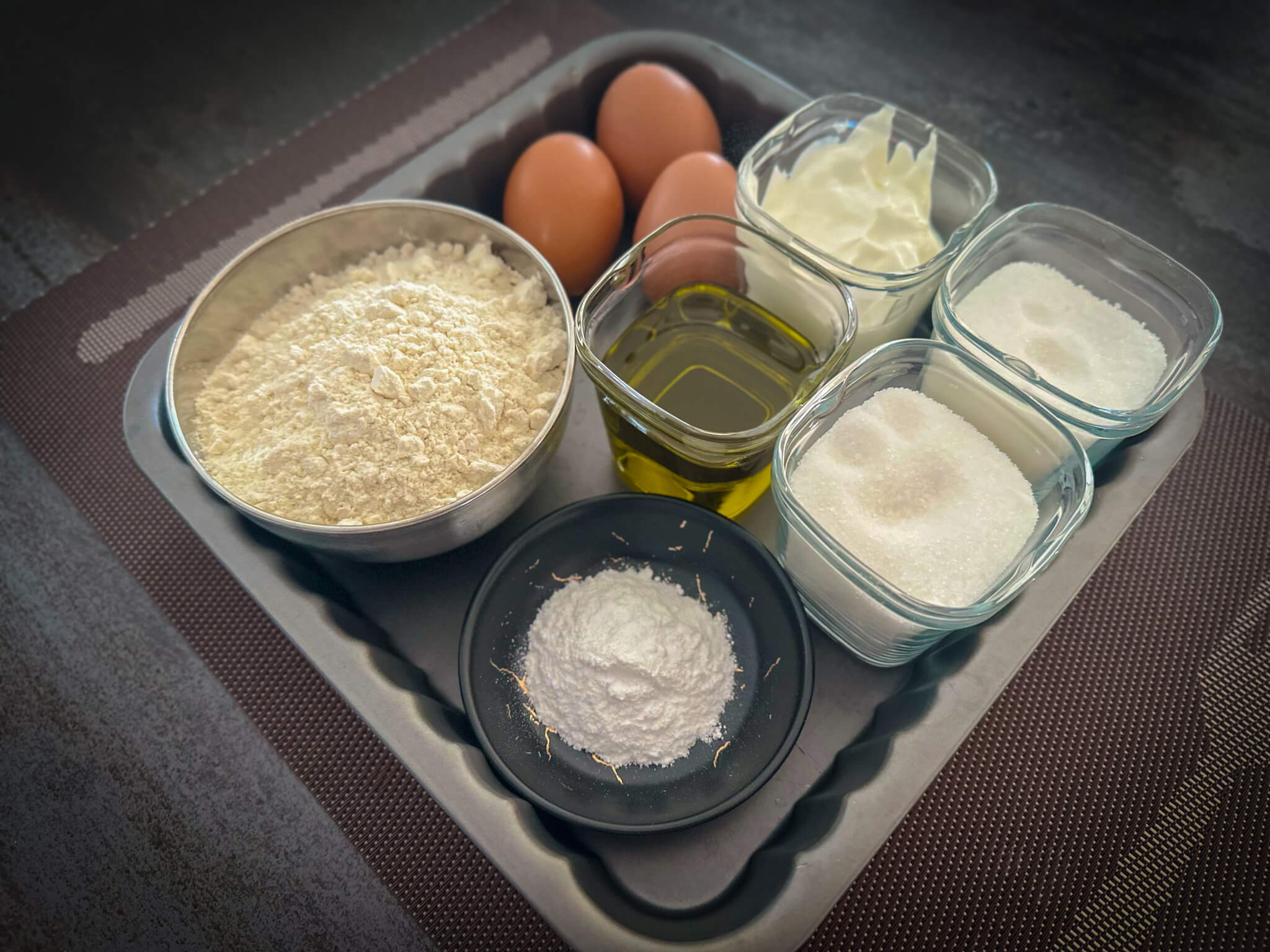
Ingredients
| Metric Amount | Imperial Amount | Core Ingredient | Preparation |
| 1 unit | 1 unit | Plain yogurt | Standard (or milk) |
| 3 units | 3 units | Eggs | Large |
| 1 unit | 1 unit | Olive oil | Extra virgin |
| 2 units | 2 units | Sugar | Granulated |
| 3 units | 3 units | Flour | All-purpose, sifted |
| 15 g | 0.5 oz | Baking powder | Standard |
(Note: The “unit” measurement refers to the yogurt container as the standard unit of measurement for this recipe.)
Instructions
1. Preheat the Oven and Prepare the Pan
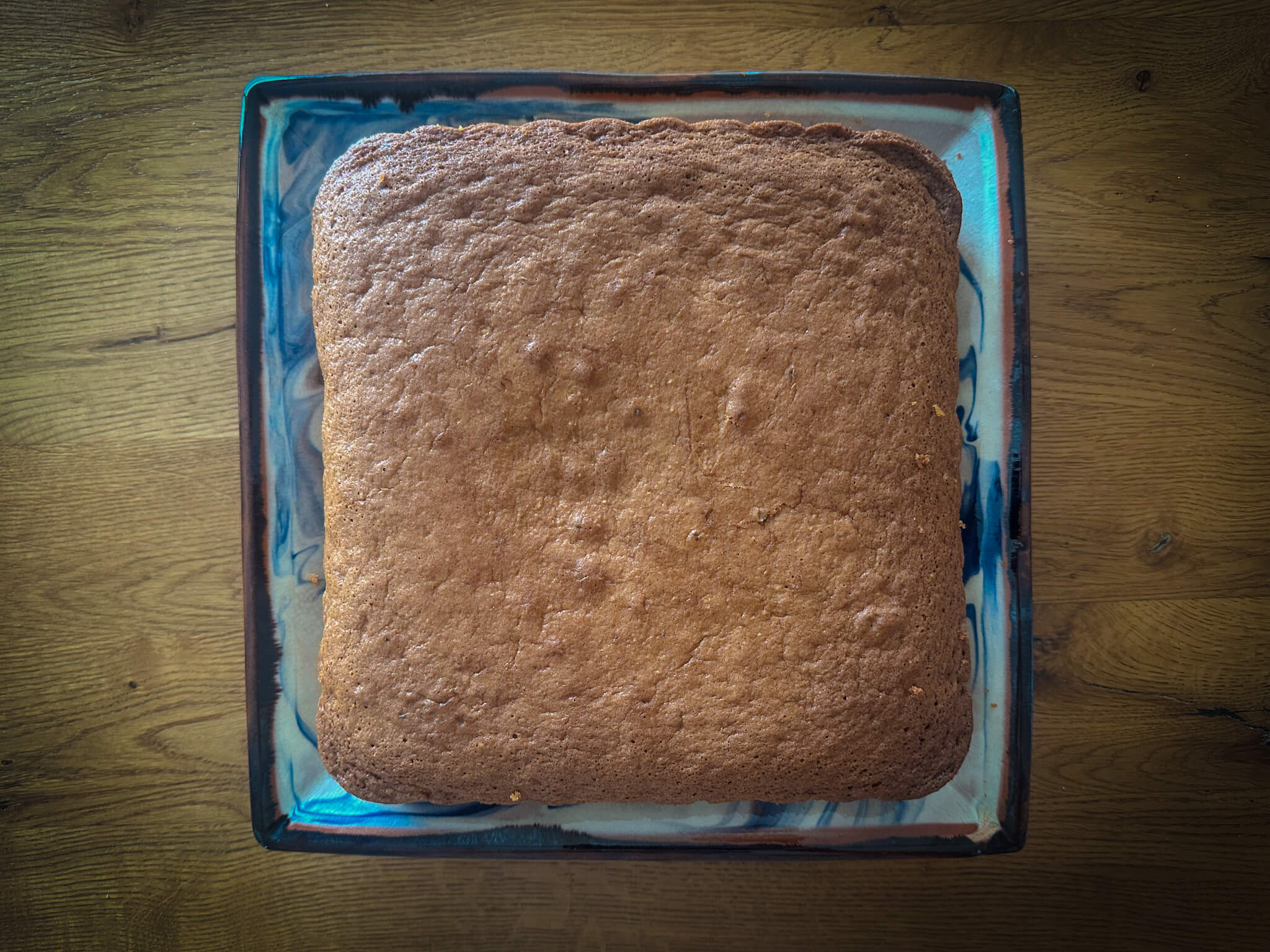

Chef’s Notes for Traditional Coca de Llanda Recipe
Why is using the yogurt container as a measuring tool so effective for this cake? This method, known in Spain as the “bizcocho de yogur,” is designed for accessibility and precision without needing a scale. By using the empty container to measure the oil, sugar, and flour, you maintain the perfect fat-to-dry-ingredient ratio that ensures the signature airy, moist crumb every time.
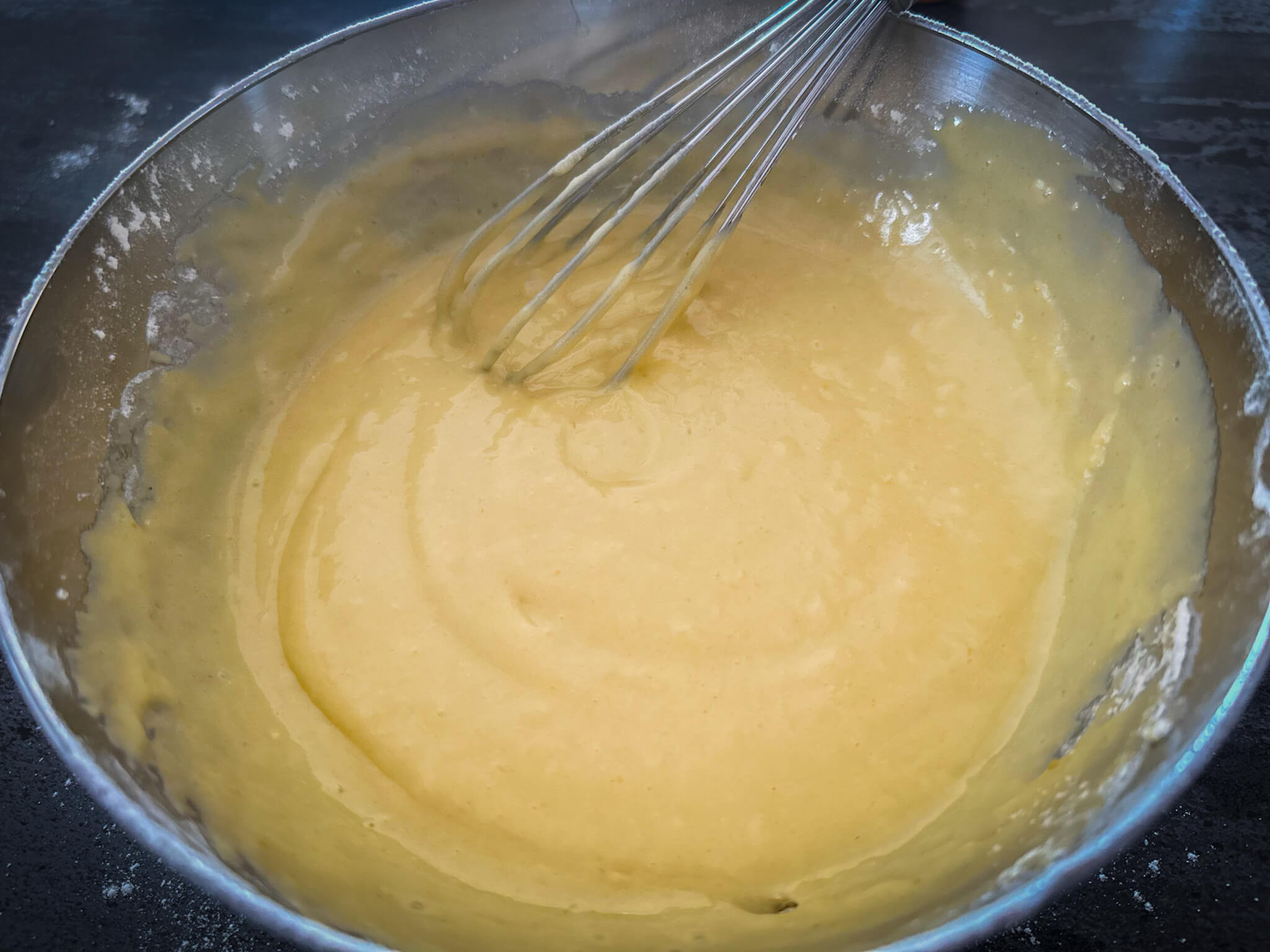
How can I achieve the most delicate texture possible? The key is to sift both your flour and baking powder together into the wet mixture. This eliminates clumps and incorporates air, preventing the “heavy” or dense base that often happens when ingredients are dumped directly from the bag.
Can I add more complexity to the flavor profile? Absolutely. While the yogurt provides a subtle tang, folding in fresh, finely grated lemon or orange zest during the whisking of the eggs and sugar infuses the entire cake with a bright, aromatic citrus essence that cuts through the richness of the olive oil.
Common Mistakes cooking Coca de Llanda Recipe
Overworking the batter: Vigorous mixing once the flour is added develops excess gluten, which turns a light, springy sponge into a dense and chewy loaf. Use a gentle folding motion until the dry ingredients are just incorporated.
Using a high oven temperature: Baking above the recommended 350°F (180°C) causes the exterior to set and brown before the center has a chance to rise properly. This leads to a burnt crust and a raw, doughy middle that collapses upon cooling.
Ignoring the resting time: Slicing the cake the moment it leaves the oven releases all the steam and internal structure while the crumb is still fragile. Allowing it to cool completely in the pan for 10 minutes and then on a rack is vital for a clean, stable texture.
Ingredient Swaps & Variations on Coca de Llanda Recipe
-
The Dairy-Free Citrus Infusion: Swap the plain yogurt for an equal amount of high-quality coconut yogurt or unsweetened almond milk. The coconut variant adds a subtle tropical note that pairs exceptionally well with the orange zest.
-
The Chocolate Marble Twist: Remove two tablespoons of flour and replace them with high-quality unsweetened cocoa powder. Fold the cocoa into one-third of the final batter, then swirl it into the main pan before baking for a beautiful, rustic marbled effect.
-
The Nutty Crunch: For a more sophisticated texture, fold in a handful of finely chopped toasted almonds or walnuts before pouring the batter into the pan. The crunch provides a wonderful contrast to the soft, tender crumb of the cake.
Recipe Card
Valencian Sponge Cake

This Valencian Sponge Cake, also known as coca de llanda due to the baking dish it is made in, is possibly one of the easiest recipes to prepare and highly recommended for those starting out in the beautiful art of baking. With very few ingredients, you’ll have a dessert that will surprise you.
Ingredients
- 1 yogurt container (or milk)
- 3 eggs
- 1 yogurt container of olive oil
- 2 yogurt containers of sugar
- 3 yogurt containers of flour
- 15 grams of baking powder
Instructions
1. Preheat the Oven and Prepare the Pan
Preheat the oven to 350°F (180°C) for about 10 minutes. Meanwhile, lightly grease a rectangular baking pan or traditional llanda with a little oil or butter, making sure to coat the base and sides.
2. Prepare the Batter
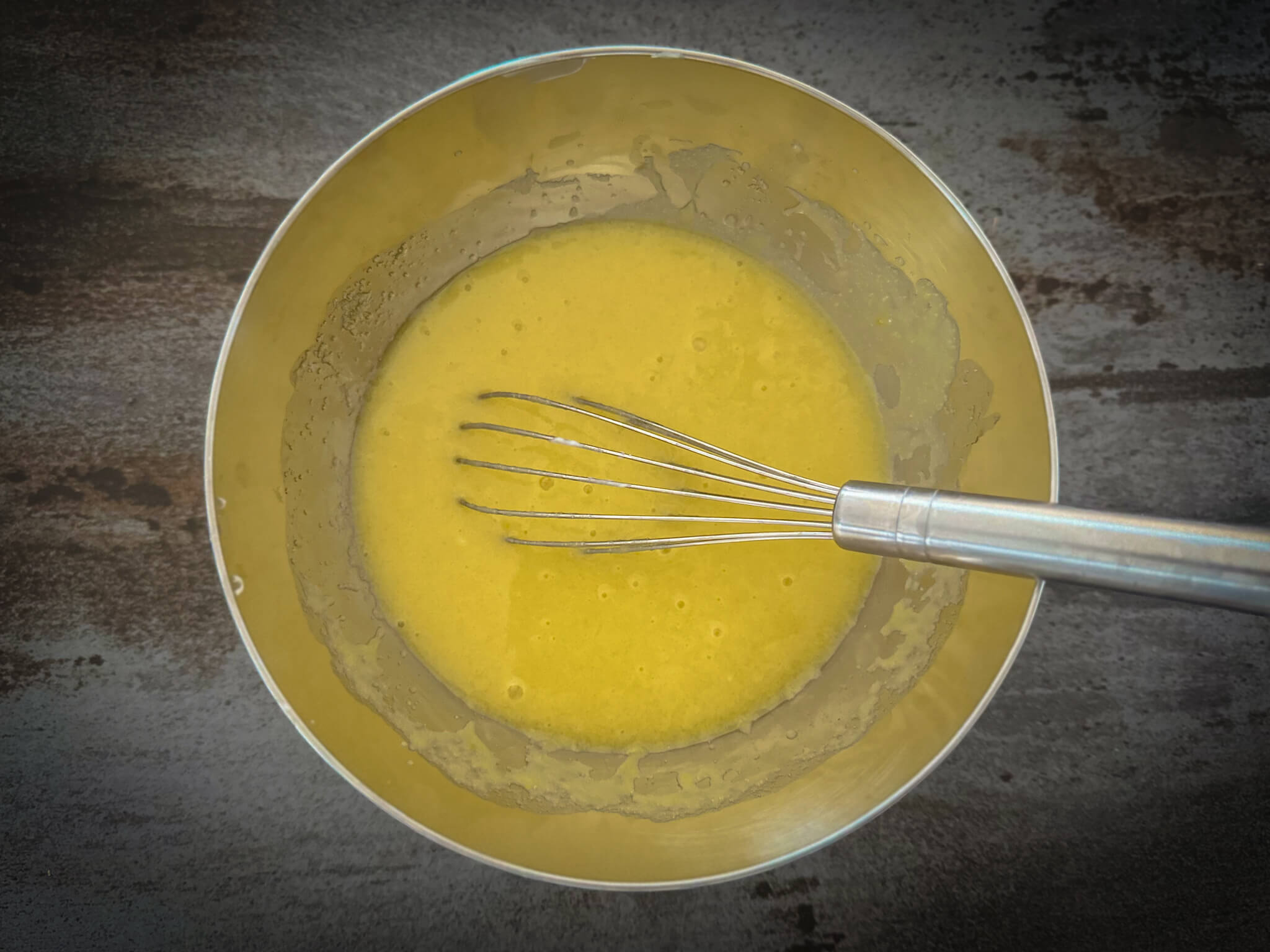
In a large bowl, whisk together the eggs, sugar, and yogurt until the mixture becomes smooth, pale, and slightly fluffy. In a separate bowl, combine the flour and baking powder, then gradually fold the dry ingredients into the wet mixture, whisking gently until you have a smooth, lump-free batter. Avoid overmixing.
3. Bake the Cake
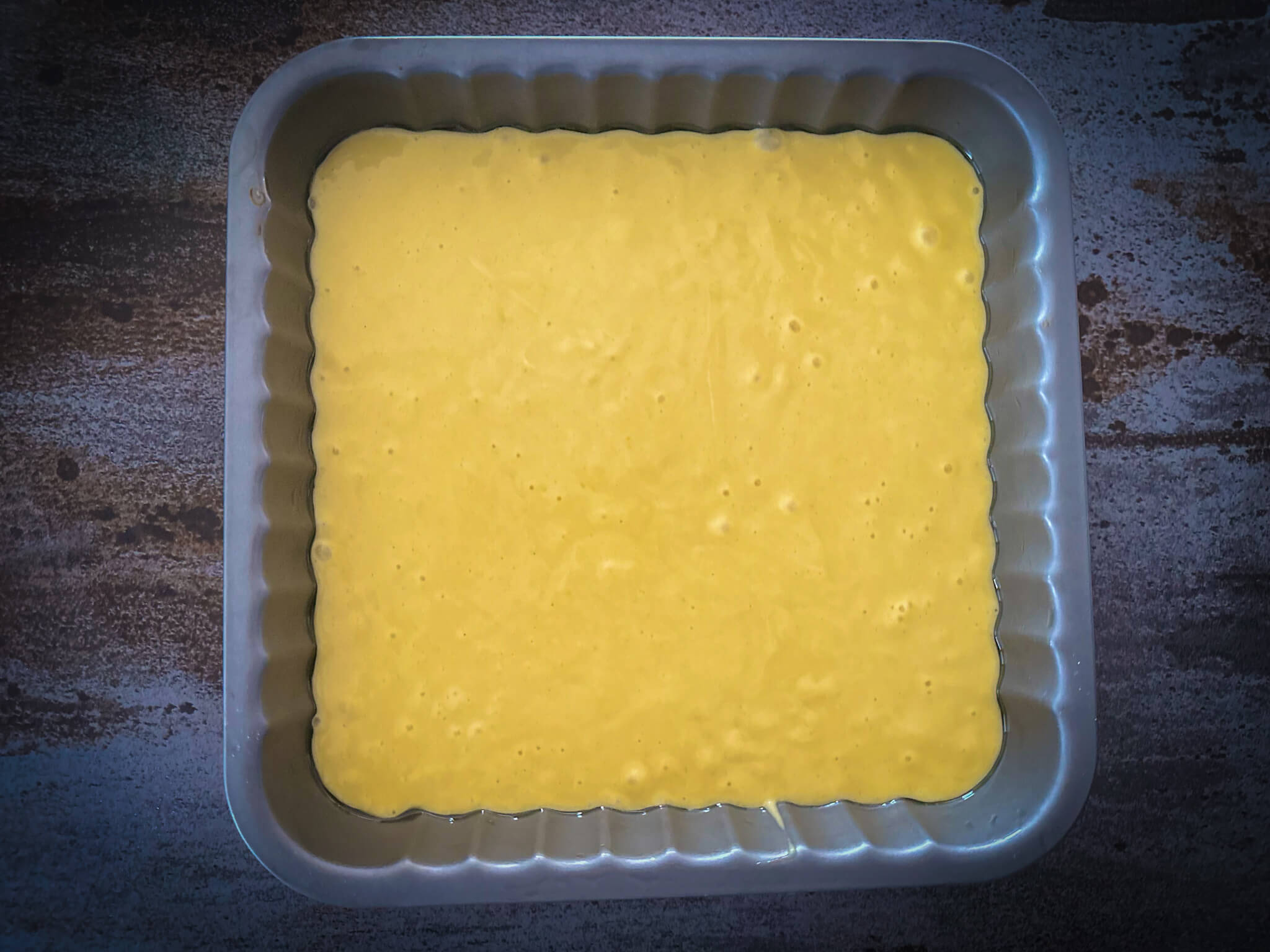
Pour the batter into the prepared pan and spread it evenly. Bake for 35–40 minutes, or until the cake is golden and a toothpick inserted into the center comes out clean.
4. Cool and Serve
Remove the cake from the oven and let it cool in the pan for about 10 minutes. Carefully unmold it onto a wire rack to cool completely. If desired, dust the top with powdered sugar just before serving for a simple,
Notes
To add the flour and baking powder to the mixing bowl, I recommend using a sifter to prevent large chunks of flour from falling in and to improve the texture of the mixture with the eggs, sugar, and oil.
You can also add grated lemon or orange zest to the mixture before baking to give it a citrus aroma.
Nutrition Information:
Yield:
8Serving Size:
1Amount Per Serving: Calories: 196Total Fat: 6gSaturated Fat: 2gTrans Fat: 0gUnsaturated Fat: 3gCholesterol: 79mgSodium: 331mgCarbohydrates: 24gFiber: 0gSugar: 11gProtein: 12g
Pin it
