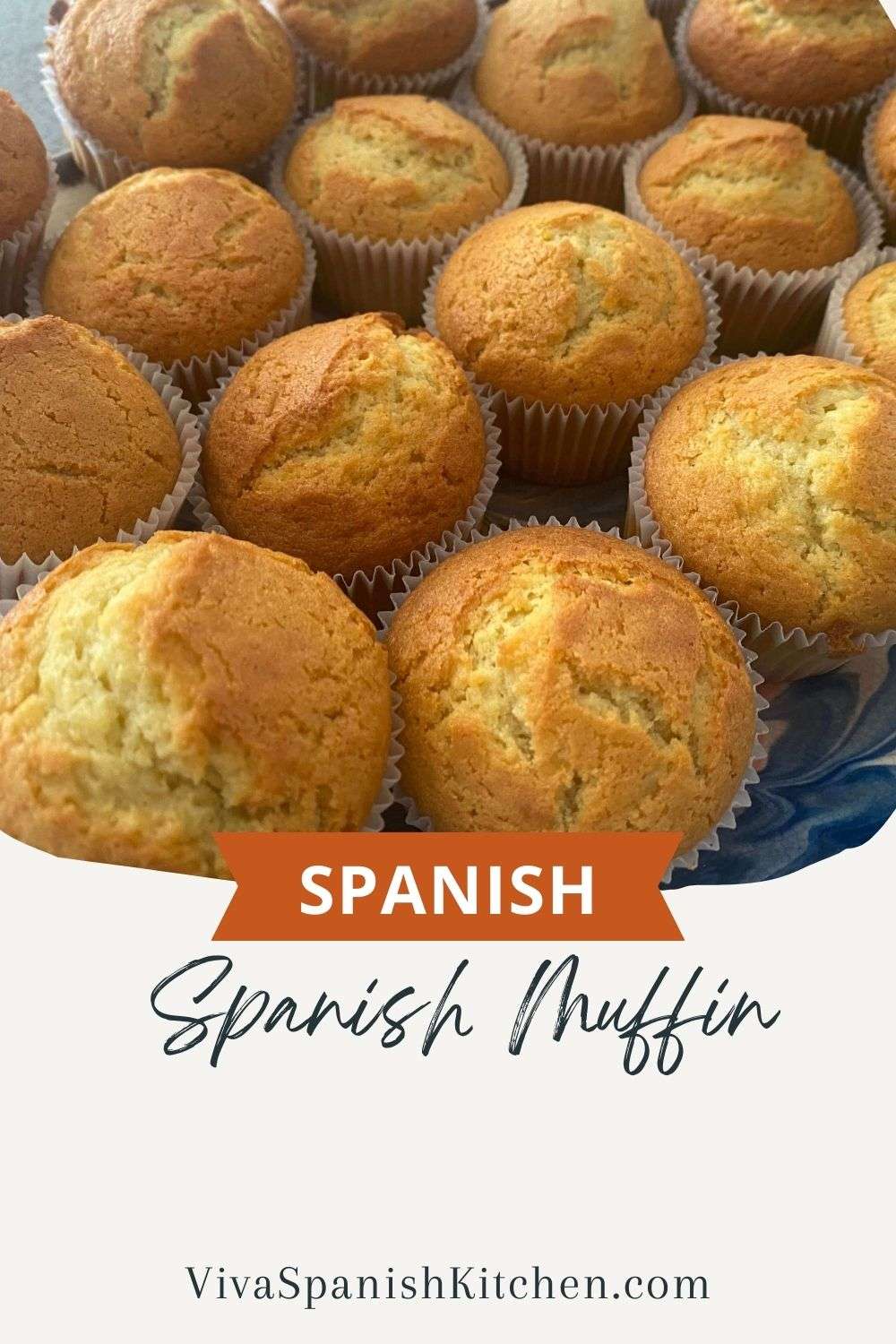
Excellent for breakfast or a snack, this Spanish muffin recipe will delight the little ones in any home. The most common Spanish muffin recipe is very simple and easy to make. I often prepare it with the kids as a fun family activity. These muffins are perfect to enjoy with some hot chocolate, café con leche, or whatever you like best.
Spanish Muffin Recipe
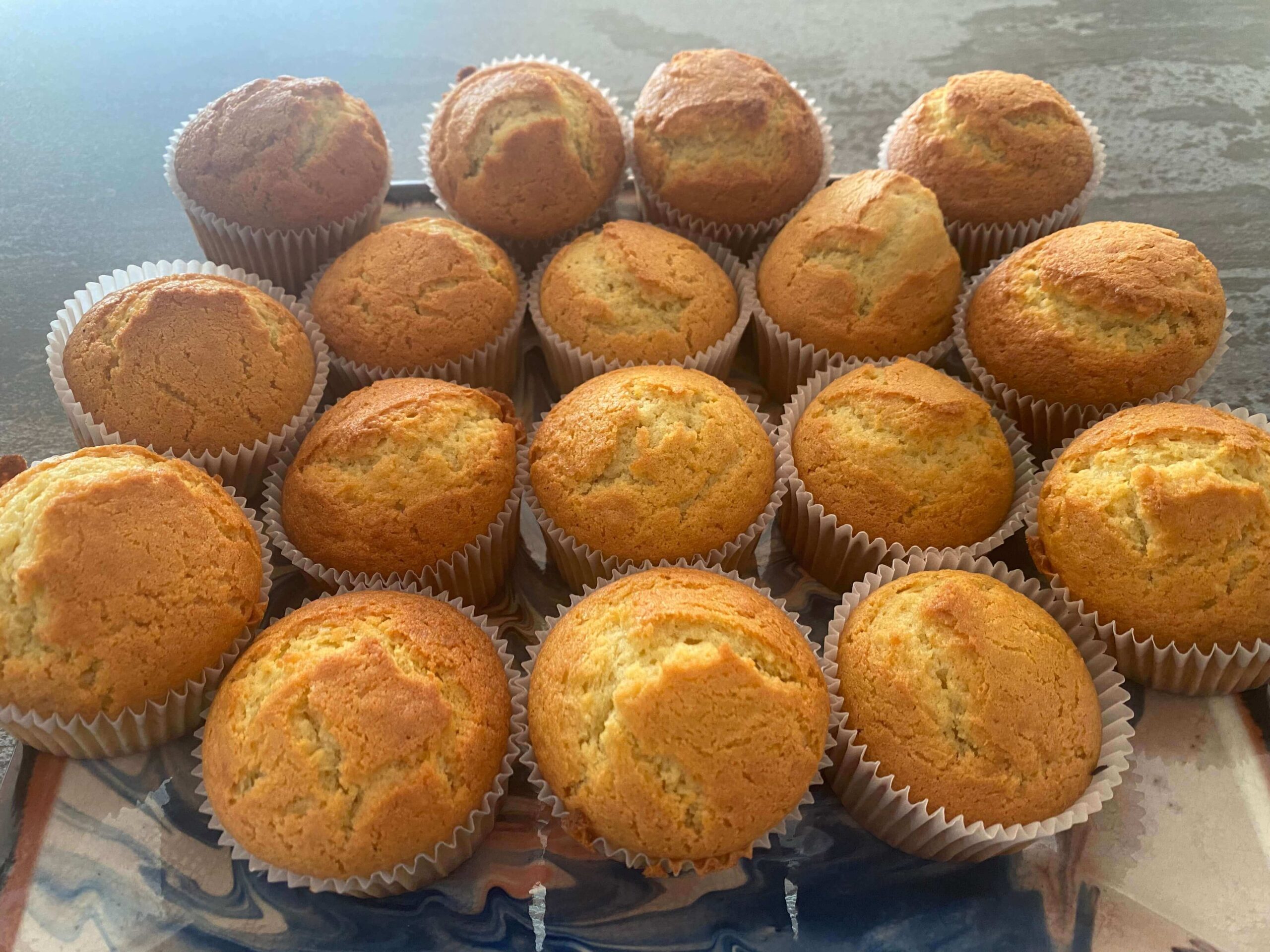
Spanish Madalenas: A Traditional Olive Oil Cake for Breakfast
Spanish madalenas (often translated as Spanish madeleines) are one of those simple homemade treats that bring back memories of childhood breakfasts and afternoon snacks. Although their name is related to the famous French madeleine, the Spanish version has its own identity, especially because it uses extra virgin olive oil instead of butter, reflecting the Mediterranean tradition of baking with local ingredients.
Madalenas, Muffins, and Cupcakes: What’s the Difference?
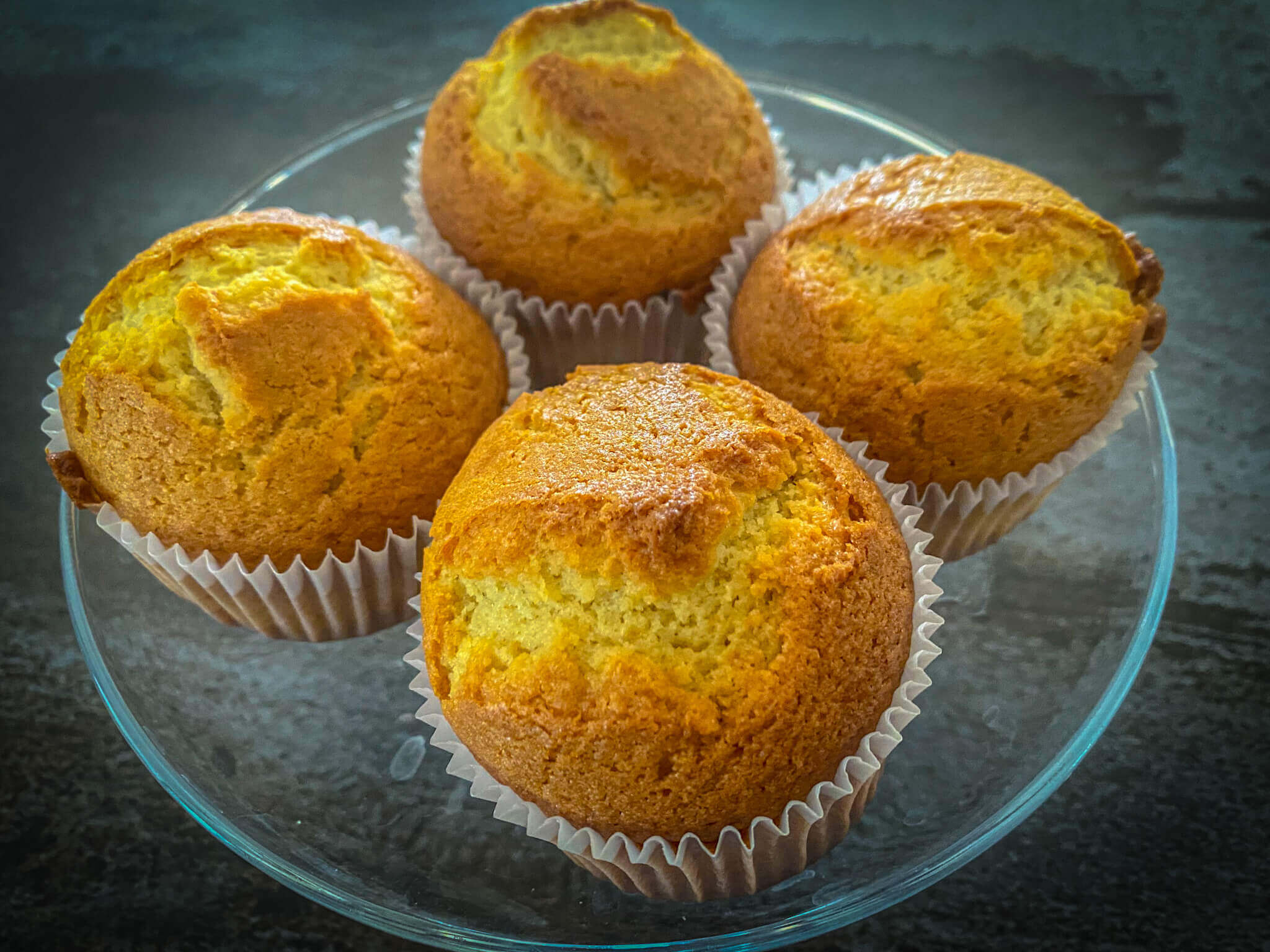
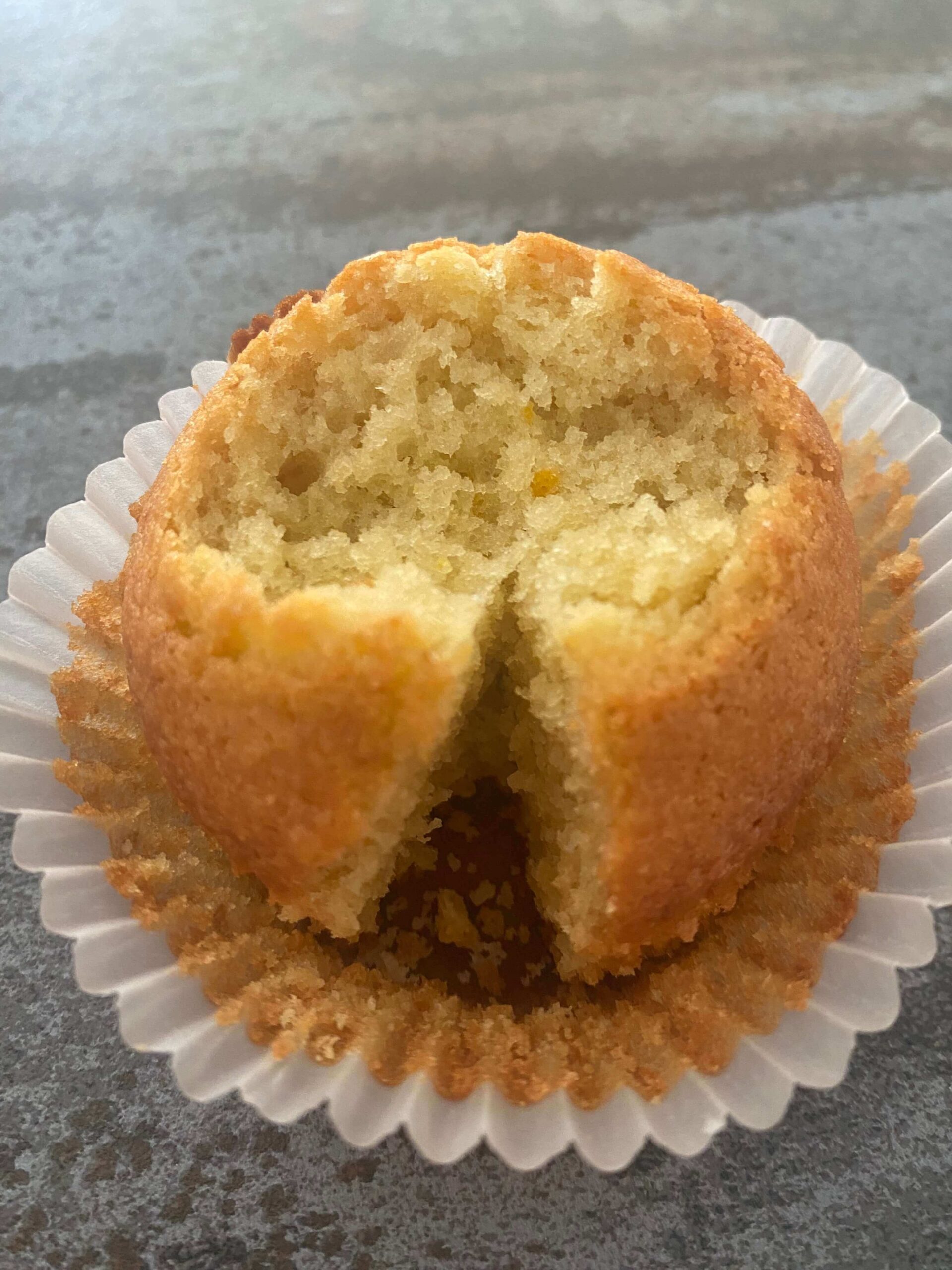
At first glance, Spanish madalenas may look similar to muffins or cupcakes, but there are some important differences. English-style muffins are usually made with butter and baked at a lower temperature to create a denser texture. Spanish madalenas, on the other hand, use olive oil and a well-aerated batter that is baked at a higher temperature, helping them develop their characteristic tall, golden dome and light, fluffy crumb.
Cupcakes, which originated in the United States, are closer to small individual cakes. They are often decorated with frosting, chocolate, or other toppings, while traditional Spanish madalenas are much simpler, usually finished only with a sprinkle of sugar before baking. Their charm comes from the quality of the ingredients and the delicate citrus aroma rather than elaborate decorations.
A Simple Recipe with Traditional Spanish Flavor
This recipe follows the classic Spanish style: easy to prepare, made with everyday ingredients, and perfect for sharing. The combination of eggs, sugar, milk, olive oil, flour, and a touch of lemon or orange zest creates a soft and fragrant cake that pairs beautifully with coffee, tea, or a glass of milk.
Madalenas are a staple in many Spanish homes because they are practical as well as delicious. They can be prepared in advance, stored for several days, and enjoyed whenever you need a sweet homemade treat. In theory, they stay fresh for up to a week—but in many households, including mine, they rarely last that long!
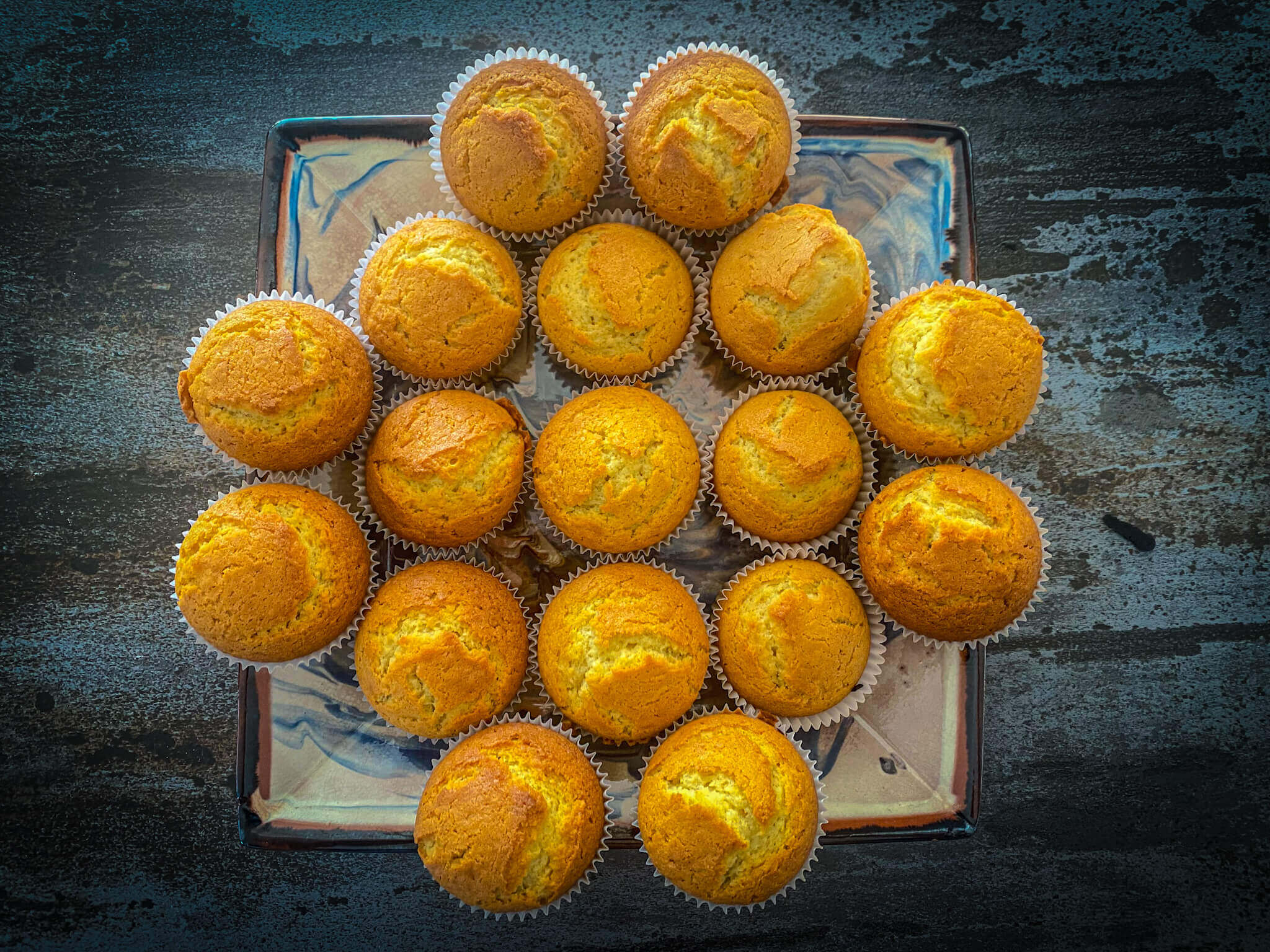
With around 18 madalenas from one batch, this recipe is perfect for family breakfasts, school snacks, or a traditional Spanish merienda. Simple, comforting, and full of Mediterranean character, these little cakes show why some of the best recipes are also the most humble.
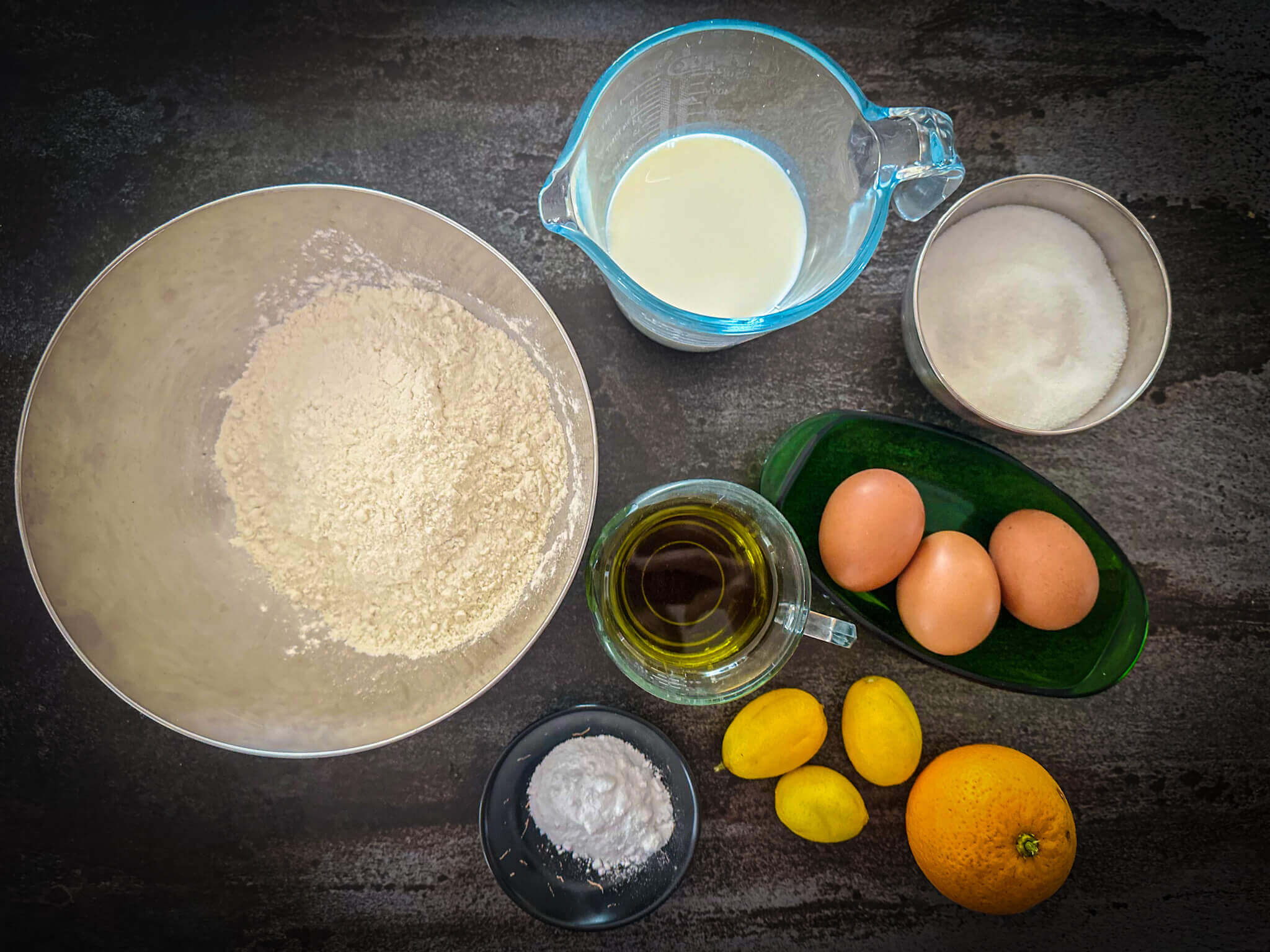
Ingredients
| Metric Amount | Imperial Amount | Core Ingredient | Preparation |
| 3 units | 3 units | Eggs | Large, room temperature |
| 200 g | 7 oz | Sugar | Granulated |
| 250 ml | 1 cup | Milk | Whole milk |
| 200 ml | 0.85 cup | Olive oil | Extra virgin |
| 350 g | 12.3 oz | Flour | All-purpose, sifted |
| 15 g | 0.5 oz | Baking powder | Standard |
| 1 unit | 1 unit | Lemon or orange | Zested |
| 1 pinch | 1 pinch | Sea salt | Fine |
Instructions
1. Prepare the Batter
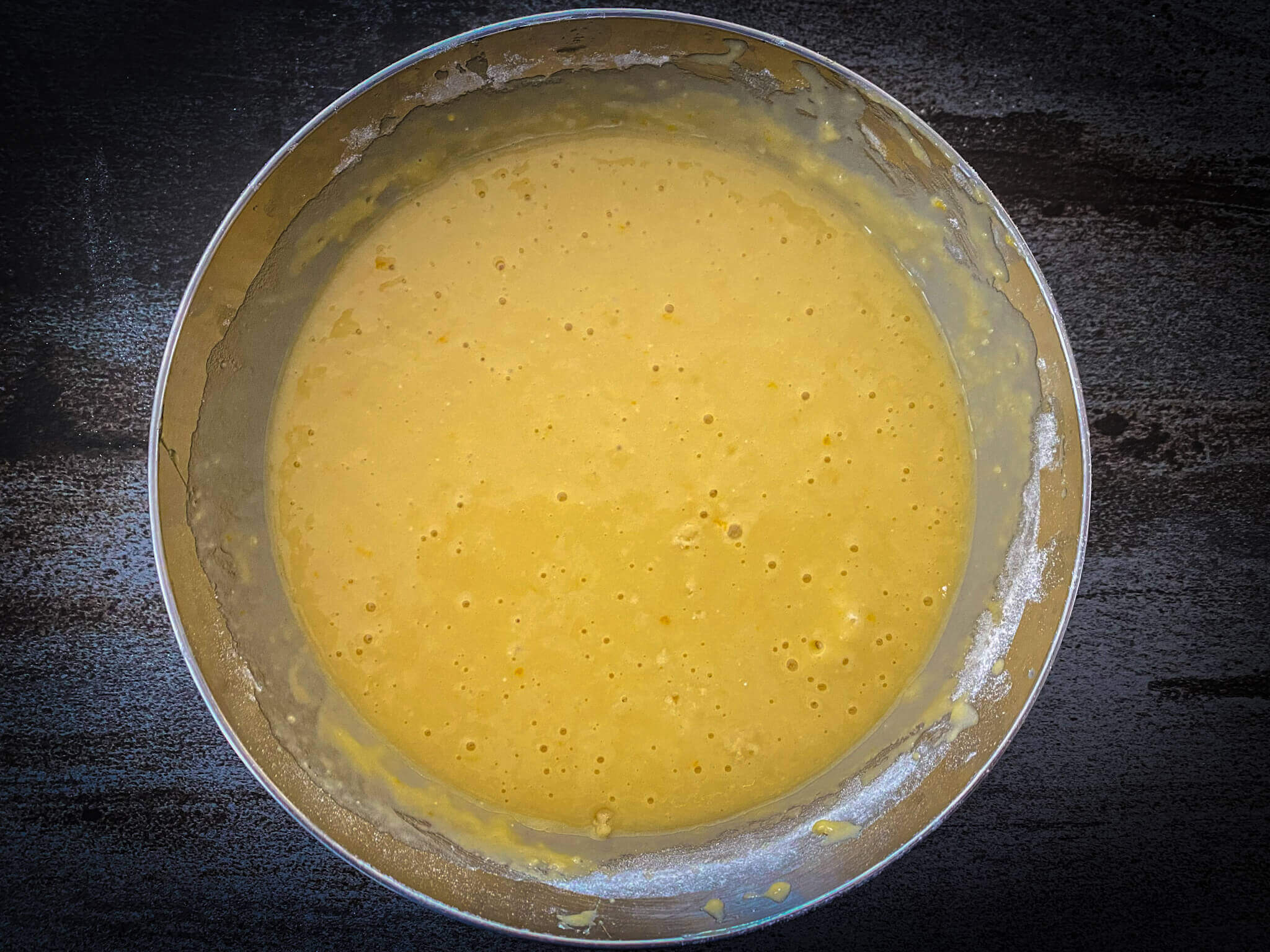
In a large bowl, whisk together the eggs and sugar until the mixture becomes pale, foamy, and slightly increases in volume. Add the milk and olive oil, and continue mixing until well combined. Grate the zest of half a lemon or orange and set aside.
Gradually add the sifted flour and baking powder, mixing gently to avoid losing the air incorporated into the batter. Add the citrus zest and a pinch of salt, and continue mixing until you have a smooth, homogeneous batter. Let the batter rest while you prepare the oven.
2. Prepare the Muffin Tins
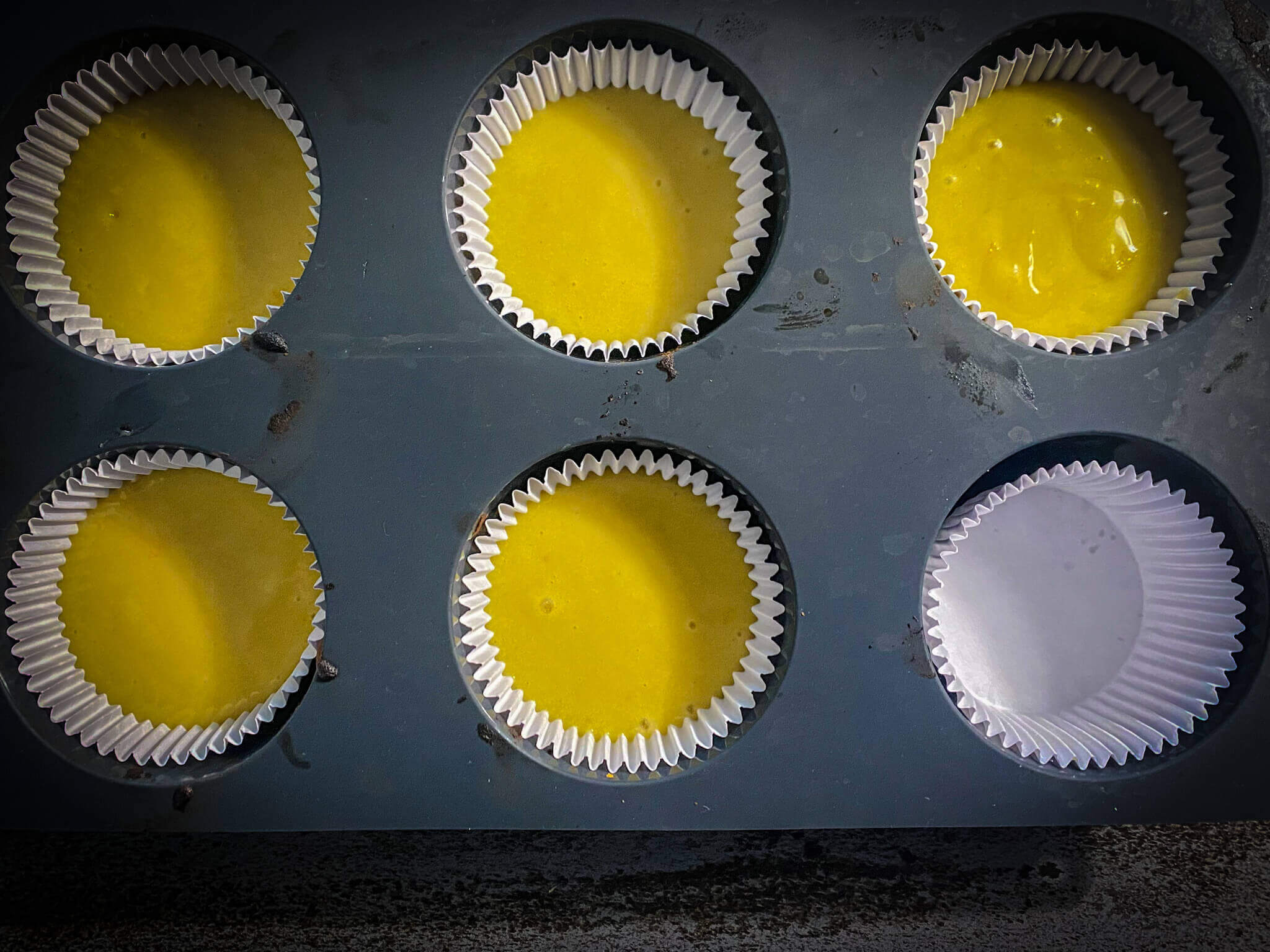
Preheat the oven to 425°F (220°C) for 10 minutes. Line a muffin tray with paper liners. Fill each liner about two-thirds full, leaving enough space for the muffins to rise without overflowing.
3. Bake the Muffins
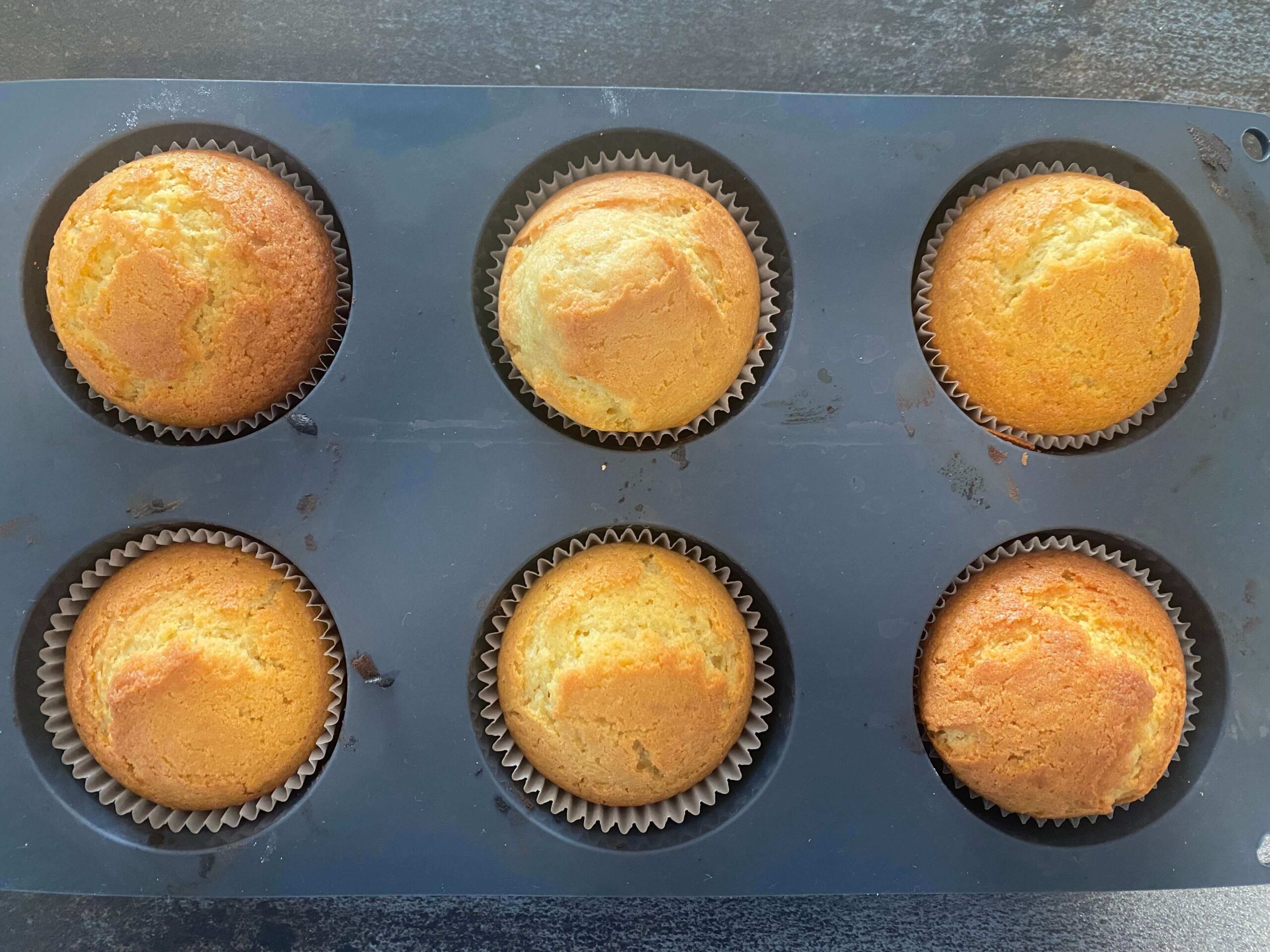
Place the muffins in the preheated oven and bake at 425°F (220°C) for 10 minutes. This initial high temperature helps create the traditional tall, domed shape. Then reduce the oven temperature to 350°F (180°C) and continue baking for another 15 minutes, or until the muffins are golden brown and fully cooked.
4. Cool and Serve
Remove the muffins from the oven and let them cool for about 15 minutes before serving. Enjoy them slightly warm or at room temperature with coffee, tea, or a glass of milk.
Chef’s Notes for Spanish Muffin Recipe
Why is the initial high-heat phase so critical for these muffins? The initial blast of heat at 425°F (220°C) is essential to shock the batter and create a rapid rise. This intense heat sets the structure quickly, helping the muffins achieve that signature tall, domed aesthetic characteristic of high-quality Spanish bakery muffins.
Why should I whisk the eggs and sugar until they are foamy? Whisking the eggs and sugar until they become pale and foamy incorporates significant air into the mixture. This aeration provides the necessary lift to support the dense ingredients (like olive oil and milk) and ensures the final texture is light rather than heavy or gummy.
How do I properly prepare the muffin tins for the best results? Always line your muffin trays with paper liners. This not only makes them easier to remove once baked but also helps maintain their structural integrity as they rise. Additionally, filling them only about two-thirds full is crucial; it provides enough room for the muffins to dome beautifully without spilling over the edges and creating a mess.
Common Mistakes Cooking Spanish Muffin Recipe
Over-filling the liners. If you fill the liners to the top, the batter will not have enough structural support to rise upward, causing the muffins to overflow and spread outward, resulting in flat, lackluster muffins.
Ignoring the rest time. If you skip the resting phase for the batter, the baking powder may not have adequate time to hydrate properly with the liquid ingredients, leading to uneven rising and a less consistent crumb structure.
Using incorrect oven temperatures. Failing to maintain the high initial temperature will prevent the muffins from achieving their signature “tall” shape, while leaving the oven at 425°F for the entire duration will burn the tops before the center is cooked through.
Mixing too aggressively. Once you add the flour and baking powder, mix gently. Over-mixing at this stage develops excess gluten, which makes the muffins tough and dense instead of tender and airy.
Variations on Spanish Muffin Recipe
-
The Dairy-Free Alternative: You can easily swap the whole milk for a creamy, unsweetened almond or oat milk. These plant-based options work beautifully with the olive oil, providing a slightly nutty undertone that complements the citrus zest perfectly.
-
The Chocolate Lover’s Twist: For a decadent variation, stir in a handful of high-quality dark chocolate chips or cocoa nibs into the batter right before baking. The slight bitterness of the chocolate balances the sweetness of the sugar, creating a sophisticated treat that pairs exceptionally well with a morning café con leche.
-
The Spiced Seasonal Version: If you want a warmer, cozier profile, add a teaspoon of ground cinnamon or a pinch of ground cardamom to the dry ingredients. These warm spices are wonderful during the cooler months and make the entire house smell incredible while they bake.
Recipe Card
Spanish Muffin

Excellent for breakfast or a snack, this spanish muffin recipe will delight the little ones in the house. The classic Spanish muffin recipe is very simple and easy to make. I encourage you to prepare it with your children or grandchildren and then enjoy it with some hot chocolate, a café con leche, or whatever you like best.
Ingredients
- 3 eggs
- 200 grams of sugar
- 250 ml of milk
- 200 ml of olive oil
- 350 grams of flour
- 1 lemon or orange
- 15 grams of baking powder
- 1 pinch of salt
- 18-20 cupcake liners
Instructions
1. Prepare the Batter
In a large bowl, whisk together the eggs and sugar until the mixture becomes pale, foamy, and slightly increases in volume. Add the milk and olive oil, and continue mixing until well combined. Grate the zest of half a lemon or orange and set aside.
Gradually add the sifted flour and baking powder, mixing gently to avoid losing the air incorporated into the batter. Add the citrus zest and a pinch of salt, and continue mixing until you have a smooth, homogeneous batter. Let the batter rest while you prepare the oven.
2. Prepare the Muffin Tins
Preheat the oven to 425°F (220°C) for 10 minutes. Line a muffin tray with paper liners. Fill each liner about two-thirds full, leaving enough space for the muffins to rise without overflowing.
3. Bake the Muffins
Place the muffins in the preheated oven and bake at 425°F (220°C) for 10 minutes. This initial high temperature helps create the traditional tall, domed shape. Then reduce the oven temperature to 350°F (180°C) and continue baking for another 15 minutes, or until the muffins are golden brown and fully cooked.
4. Cool and Serve
Remove the muffins from the oven and let them cool for about 15 minutes before serving. Enjoy them slightly warm or at room temperature with coffee, tea, or a glass of milk.
Nutrition Information:
Yield:
18Serving Size:
1Amount Per Serving: Calories: 228Total Fat: 11gSaturated Fat: 2gTrans Fat: 0gUnsaturated Fat: 9gCholesterol: 32mgSodium: 115mgCarbohydrates: 28gFiber: 1gSugar: 13gProtein: 4g