

Let me share some of the most delicious fruits in Spain, many of which grow in our family countryside house.
A Seasonal Guide to Spanish Fruits
Spain is renowned for its incredible variety of fresh fruits, thanks to its diverse climate and geography. For those planning to visit, the country’s seasonal fruits offer a delightful journey for any food lover. In this blog post, I’ll take you through Spain’s seasonal fruits, many of which we grow ourselves. Picking fruits on a Sunday is a beloved ritual in our family, providing us with fresh ingredients to experiment with in our Spanish kitchen.
If you ever plan to visit Spain, keep in mind that every city and small town hosts weekly local markets where you can find better price and quality for fruits compared to supermarkets. Depending on the season, there’s always something fresh and delicious to try. Personally, autumn is my favorite season, as it’s the perfect time to pick fresh quince, figs, and persimmons. While quince is widely available at farmers’ markets or even in eco-friendly sections of supermarkets, figs and persimmons are harder to find at their peak. These fruits, when picked straight from the tree, taste completely different from what you can buy in stores. Their thin skins make them difficult to transport unless harvested before fully ripening, so growing them yourself ensures the most authentic taste.
Top Fruits in Spain You Must Try
Winter Fruits in Spain (December to February)
Citrus Fruits: Oranges, Lemons, and Grapefruits
Winter is citrus season in Spain, especially in regions like Valencia and Murcia, which are famous for their groves of oranges, lemons, and grapefruits. Living in Valencia, we enjoy this season to the fullest with freshly squeezed juice from mandarins, which usually start ripening in November, followed by oranges. Lemons and limes, depending on the variety, can be harvested year-round, which is a real treat.
Valencian oranges are known worldwide for their sweetness, and the fresh orange juice in winter is unbeatable. But one important tip: If you visit Spain in the off-season, the oranges used for juice are likely imported from Morocco, so the authentic taste of local Valencia oranges is only available in winter.

Kiwis
Although originally from New Zealand, kiwis have found a home in Spain, especially in the northern regions like Galicia. They’re in season from December to April, providing a sweet addition to fruit salads or smoothies. We have a kiwi tree in our garden, but the Mediterranean climate in Valencia isn’t ideal for them—kiwis thrive much better in the cooler, more humid north.
Pomegranates
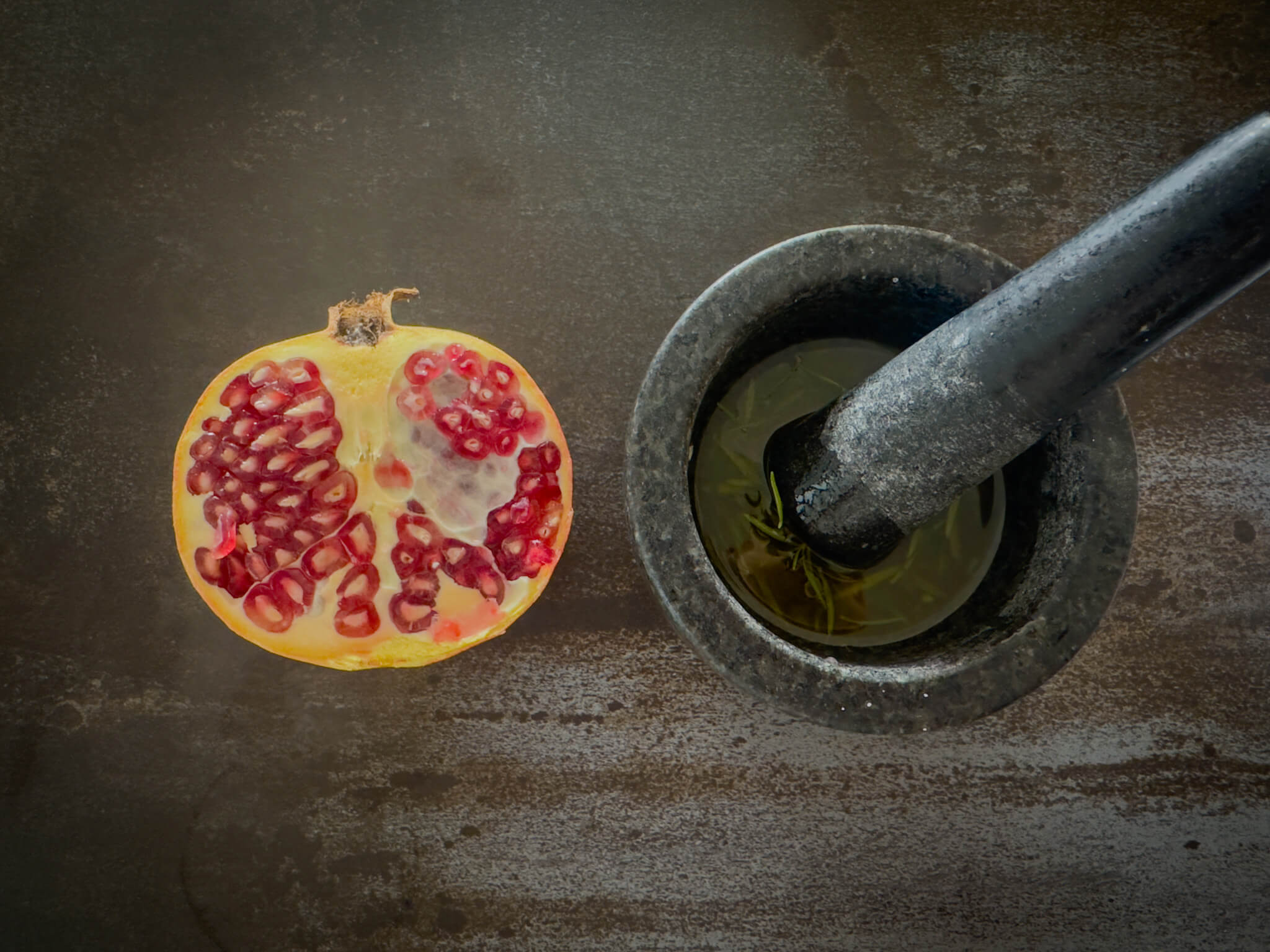
Pomegranates are another winter favorite, usually harvested from late autumn into winter. In Valencia, we start picking them around October. Their ruby-red seeds not only add vibrant color to dishes but also bring a tangy-sweet flavor. Spaniards often sprinkle them over salads, use them in desserts, or even as a garnish for meats.
Although Spaniards enjoy seasonal fruits, the Spanish Christmas fruit plate typically features exotic fruits.

Spring Fruits in Spain (March to May)
Strawberries
Spring in Spain is all about strawberries, especially from the Huelva region, which is one of the largest strawberry producers in Europe. We grow a few strawberries in pots at home, but our harvest is more for fun than sustenance. The strawberries from Huelva are incredibly sweet and juicy, perfect for snacking, smoothies, or desserts.
Cherries
Regions like the Jerte Valley in Extremadura are world-famous for their cherry blossoms and the delicious fruit that follows. Cherry trees bloom in March, with the first fruits ripening in May and June. These juicy cherries are ideal for eating fresh, making jams, or baking into pies and tarts.
Peaches and Nectarines
Peach and nectarine season begins in late spring. These fragrant, juicy fruits are amazing whether grilled, added to salads, or enjoyed fresh. In Spain, we also have a unique variety called paraguayo, a flat-shaped peach that’s extra sweet and popular during the summer months.
Loquats
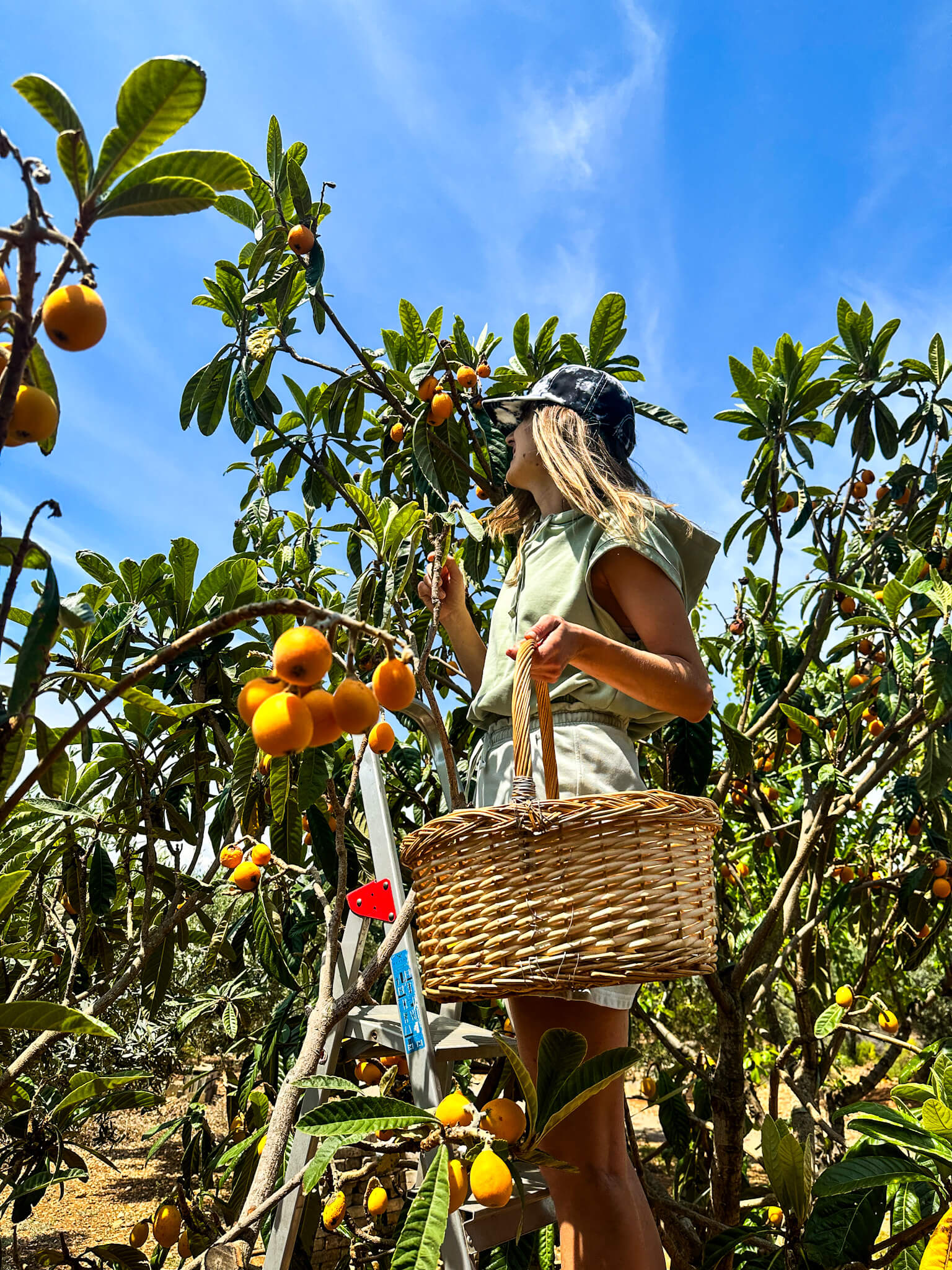
Loquats, known locally as nísperos, are a lesser-known but incredibly delicious fruit in Spain. They’re one of the first fruits of spring, often ripening by April. Loquats are sweet, with a slight tartness, making them perfect for jams, desserts, or simply eating on their own. They thrive in our Mediterranean climate and are a common sight in many gardens.

Summer Fruits in Spain (June to August)
Melons and Watermelons
Summer in Spain wouldn’t be the same without refreshing melons. Watermelon and cantaloupe are particularly popular, especially at beach picnics. Their high water content makes them incredibly hydrating during the hot months, and they’re often served chilled or as part of fruit salads. You’ll frequently find them in local markets and restaurants as a cooling snack or dessert.
Figs
Figs are one of Spain’s most beloved fruits, often enjoyed fresh, with cheese, or incorporated into salads and desserts. Spain produces both fresh and dried varieties, with the fresh figs starting to appear at the end of June. The main season for figs, however, is in August. Given Spain’s favorable climate, various fig types can be grown, extending the picking season through October. It’s common to see figs paired with local cheese or ham, creating a simple but delicious treat. Check out this Traditional Spanish Fig Jam Recipe

Plums
Spanish gardens thrive with plums during the summer months, and they’re known for their sweet, juicy flesh. Both yellow and purple plums are popular in Spain and are perfect for snacking, baking, or adding to fruit salads. They also make wonderful jams, which are a staple in many Spanish homes.
Grapes
Though grapes are available year-round, summer is the best time to enjoy them at their freshest in Spain. Whether you prefer red, green, or black grapes, Spain has it all, with its thriving wine industry – especially in regions like La Rioja and Ribera del Duero. During late summer, the country’s vineyards are bustling with activity as the grape harvest season begins, signaling the start of winemaking.

Raspberries and Blackberries
Raspberries and blackberries are in their prime during the summer months, and you can easily find them at local markets across Spain. Thanks to greenhouse cultivation, these berries are available all year round. But during summer, when they grow naturally, they taste particularly sweet and fresh. They are perfect for adding to yogurts, smoothies, or desserts. What also grows really well in Spain are moras (these can be found near local rivers in the Spanish countryside).
Autumn Fruits in Spain (September to November)
Quinces
Quinces, which ripen in autumn, are incredibly fragrant fruits that are primarily used in jams, jellies, and desserts. Spain’s traditional membrillo (quince paste) is made from this fruit and is a common pairing with cheese. Growing quinces in Spain can be very rewarding since the fruits last for months once harvested. You’ll often find them in local recipes, from grandma’s quince jam to quince sponge cakes, making them a staple of autumn cooking.

Apples
Spain is home to several apple varieties, and fall is the best time to enjoy them at their peak. From sweet to tart, apples are a versatile fruit, perfect for snacking, baking pies, or adding to salads. A unique variety not commonly found in supermarkets but cherished in local gardens is the manzana helada, a peculiar type grown by families like my father-in-law’s in their backyards.
Pears
Pears start ripening towards the end of summer and are at their sweetest during autumn. Spain has a variety of pears, with each region offering its own special types. One particularly noteworthy variety from the Valencia region is the peras de San Juan, a small, crisp pear that many locals love for its sweet taste. Whether eaten fresh or used in desserts, pears are a must-try during the fall.

Persimmons
Persimmons are a personal favorite for many in Spain, with their sweet, honey-like flavor and unique texture. Freshly picked persimmons, especially when organic, taste heavenly, but the challenge is that ripe persimmons don’t last long—just a few days. Supermarkets often sell them while they’re still green and hard to prolong their shelf life, but those who grow persimmons in their gardens know that they’re best eaten straight off the tree. Another popular variety of persimmons in Spain is called kaki, but I like it way less.

Strawberry Tree
The strawberry tree (Arbutus unedo) is a lesser-known fruit in Spain, despite being the official symbol of the capital, Madrid. The small red fruits resemble strawberries, though their taste is quite different – mildly sweet with a hint of tartness. While they are not as commonly eaten as other fruits, they are sometimes used in jams or enjoyed fresh. Despite their relatively low profile, strawberry trees are a unique and interesting part of Spain’s botanical heritage.
Spain’s diverse climate allows for a wide variety of fresh fruits to thrive, providing a delightful seasonal experience for residents and visitors alike. When planning your visit to Spain, consider timing it with the fruit seasons to make the most of the local produce.

Pin it:
