

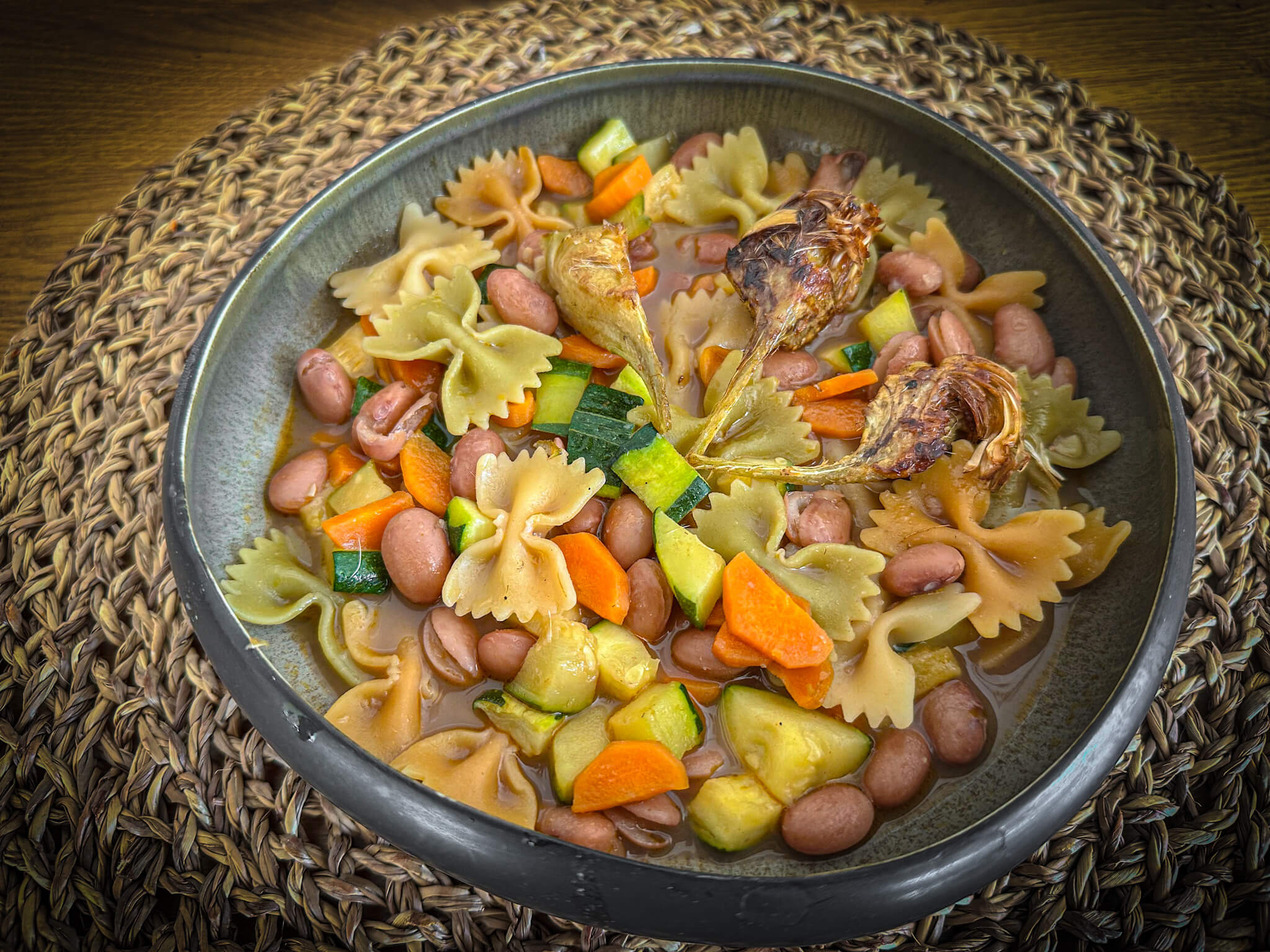
There is nothing quite like a steaming bowl of Healthy Mediterranean Pinto Beans: The Ultimate Vegan Comfort Food to warm the soul while nourishing the body. In the heart of Spain, we treat our legumes with a reverence usually reserved for fine wines, and this recipe is the perfect example of how humble ingredients can transform into a high-protein, fiber-rich masterpiece that satisfies every craving without the weight.
Healthy Mediterranean Pinto Beans: The Ultimate Vegan Comfort Food
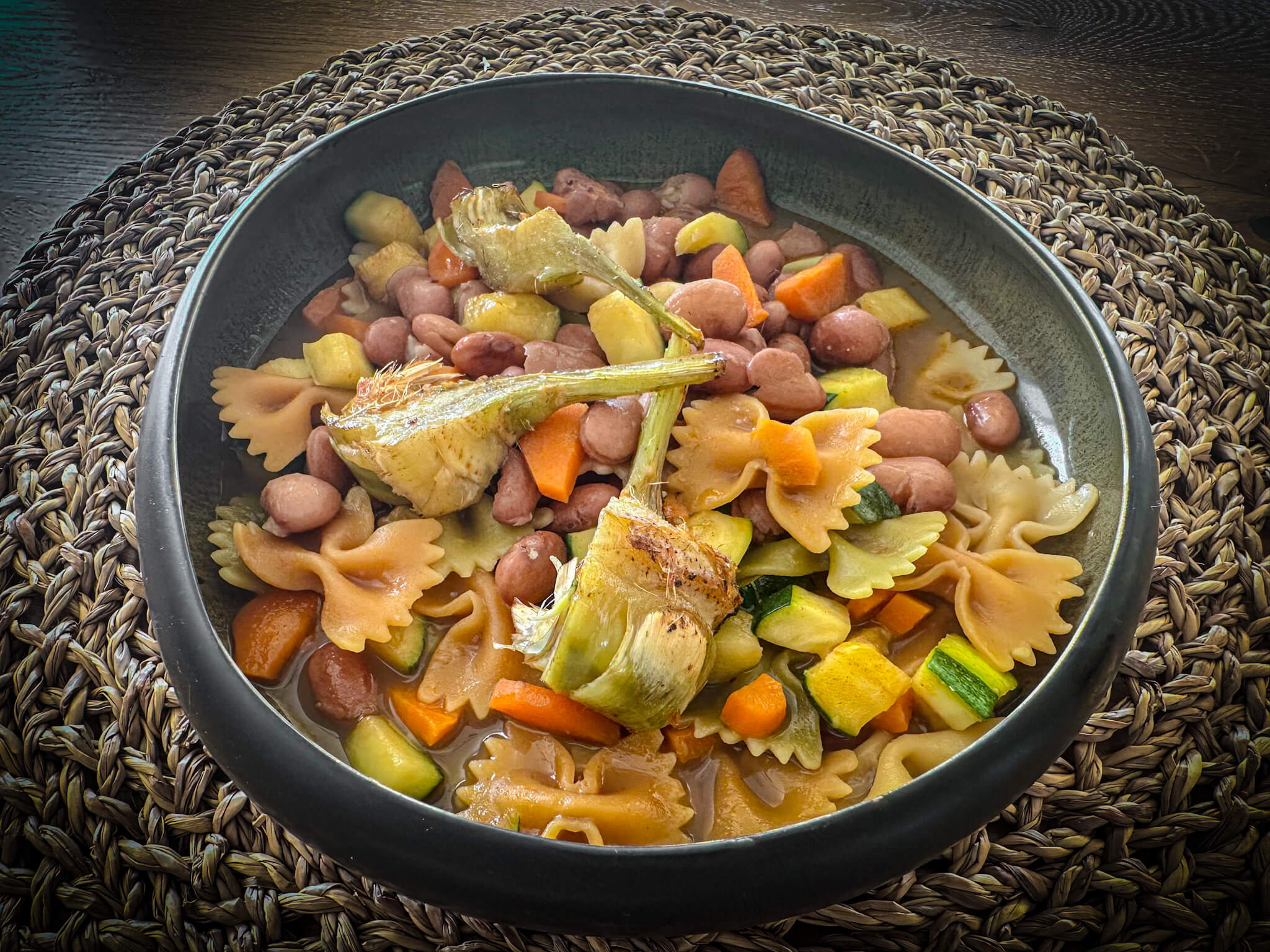
Healthy Mediterranean Pinto Beans Recipe
This recipe is a masterpiece of Mediterranean balance, transforming humble pantry staples into a high-protein powerhouse through the ancient art of slow cooking. It’s a must-try because it proves that true comfort food doesn’t need to be heavy; instead, it offers a creamy, smoky experience that satisfies your cravings while leaving you feeling light and energized. By mastering the “asustado” technique, you aren’t just cooking beans—Uyou are unlocking a buttery texture that defines authentic Spanish soul food.
If you enjoy this harmony of flavors, you’ll love exploring the golden, silken layers of my Tortilla de Patata: Authentic Spanish Omelette Recipe or the sweet, cinnamon-infused comfort of my Deliciously Sweet Spanish Torrijas. For those seeking a quicker bite to round out a menu, my Easy Spanish Tapas: Garlic Mushrooms offer a punch of earthy umami that pairs perfectly with a glass of wine.
For a refreshing and unexpected twist, I highly recommend my Spanish Illustrated Salad. In this dish, snail-shaped pasta meets a vibrant medley of crisp red onion, tomatoes, and green peppers, all brought together by a unique, creamy emulsion of mustard, lemon, and a touch of cream. It’s the perfect cool companion to a warm stew, proving that Spanish garden flavors are as versatile as they are delicious.
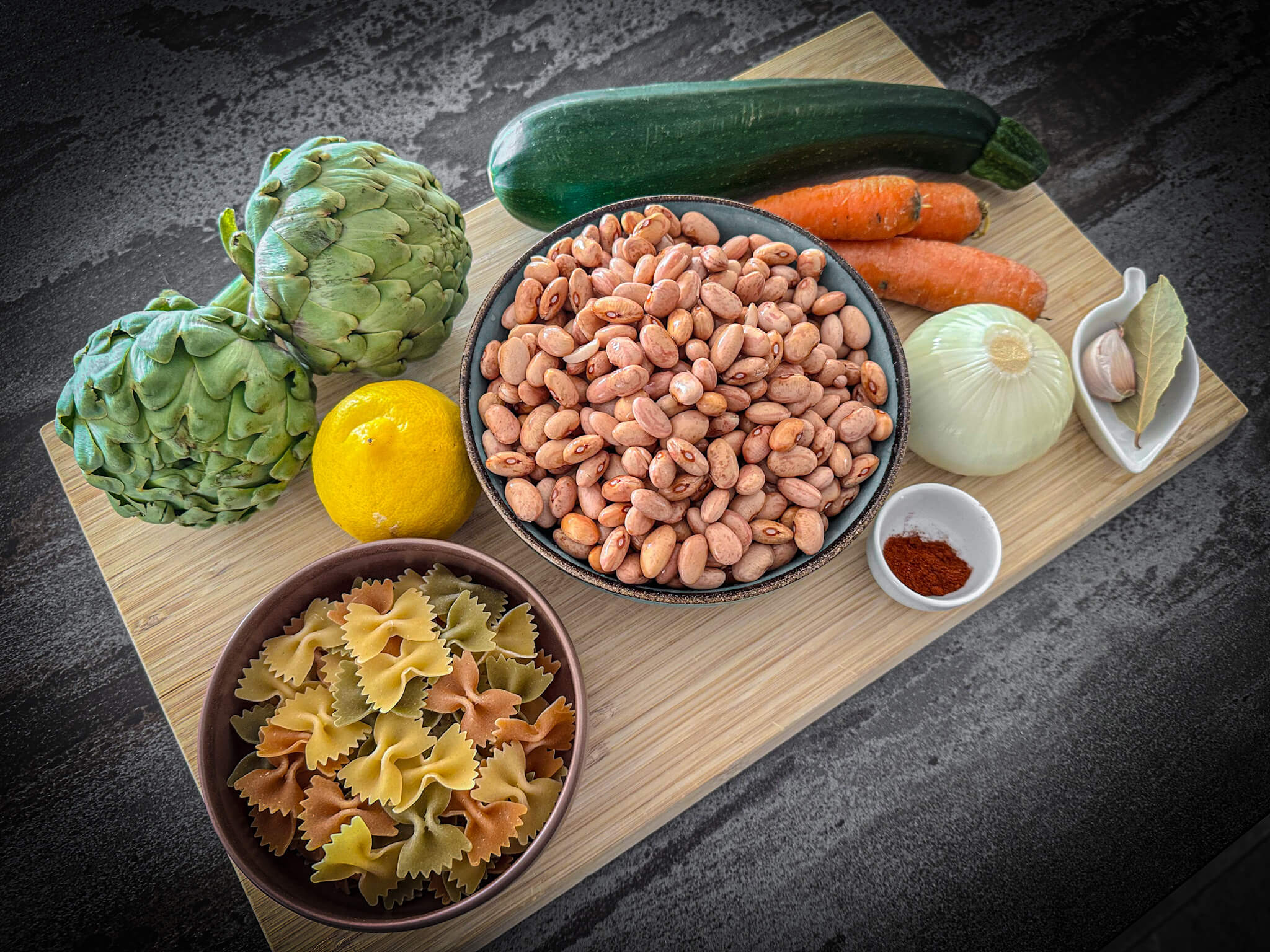
Ingredients
| Metric Amount | Imperial Amount | Core Ingredient | Preparation |
| 320 g | 11.3 oz | Pinto beans | Dried, soaked in water for 12 hours before cooking |
| 100 g | 3.5 oz | Colorful bowtie pasta (Lacitos) | Added toward the end of cooking to keep its texture |
| 2 units | 2 units | Fresh artichokes | Cleaned, trimmed, and quartered |
| 2 units | 2 units | Carrots | Peeled and sliced into rounds |
| 1 unit | 1 unit | Large zucchini | Washed and cubed (skin on for texture) |
| 1 unit | 1 unit | White onion | Finely chopped for the vegetable base |
| 1 unit | 1 unit | Garlic clove | Peeled and minced |
| 1 unit | 1 unit | Bay leaf | Dried, whole for aromatic depth |
| 1 unit | 1 unit | Fresh lemon | Juiced, used to balance the flavors at the end |
| 5 g | 1 tsp | Sweet Smoked Paprika (Pimentón de la Vera) | Authentic Spanish paprika for smoky depth |
| 15 ml | 1 tbsp | Extra Virgin Olive Oil (EVOO) | For sautéing and enriching the broth |
| To taste | To taste | Sea salt and water | As needed to cover and cook the stew |
Instructions
1. The traditional soaking and initial boil
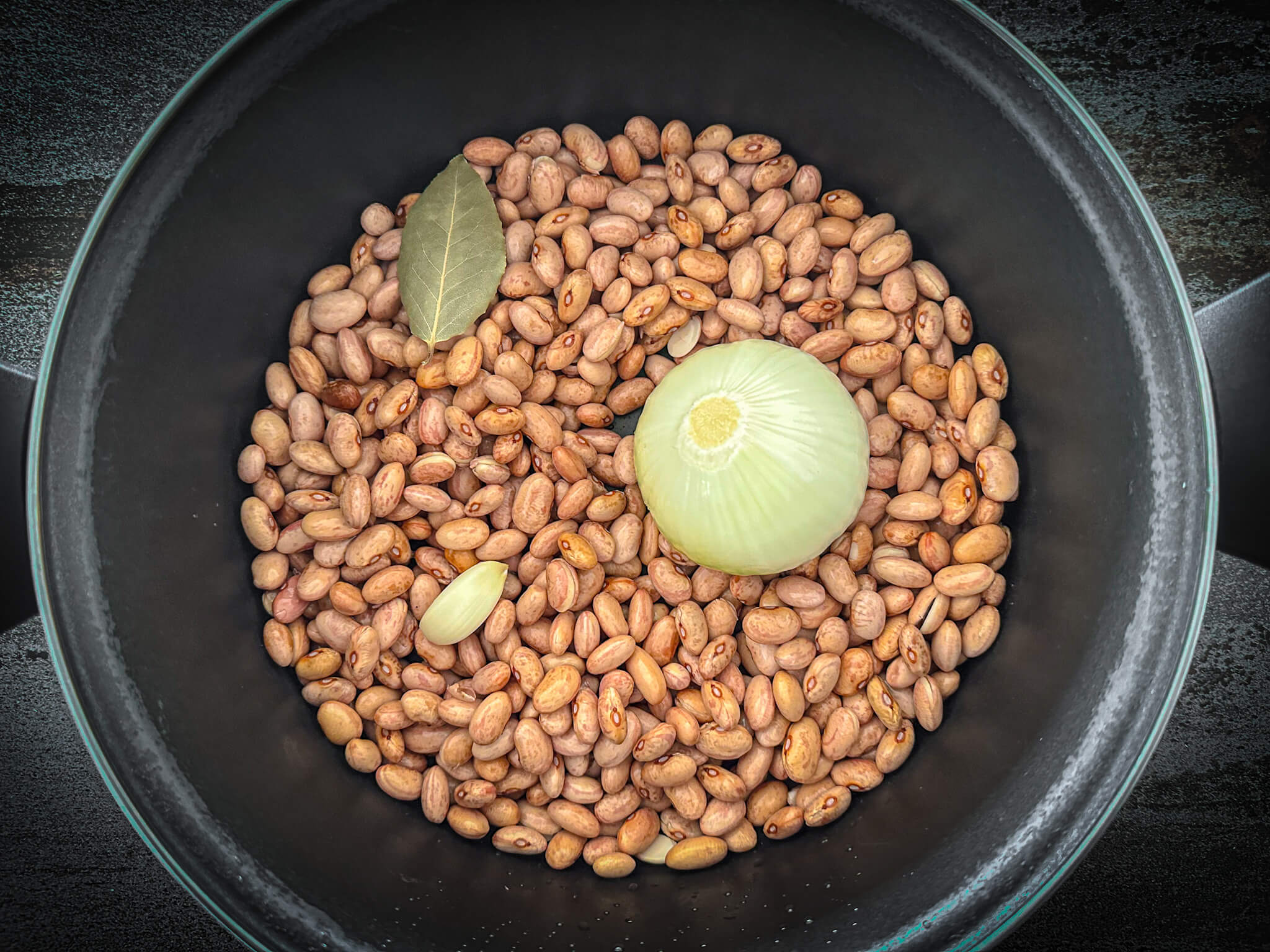
12 hours before cooking, you must submerge your 320 g (11.3 oz) of pinto beans in plenty of cold water to hydrate the fibers. Once ready, drain them and place them in a large pot with the 1 unit of whole onion, the 1 unit of garlic, the 1 unit of bay leaf, and enough cold water to cover them by at least two fingers. Start the heat on high until the first bubbles appear, which usually takes about 10 minutes.
2. Mastering the “Asustado” technique
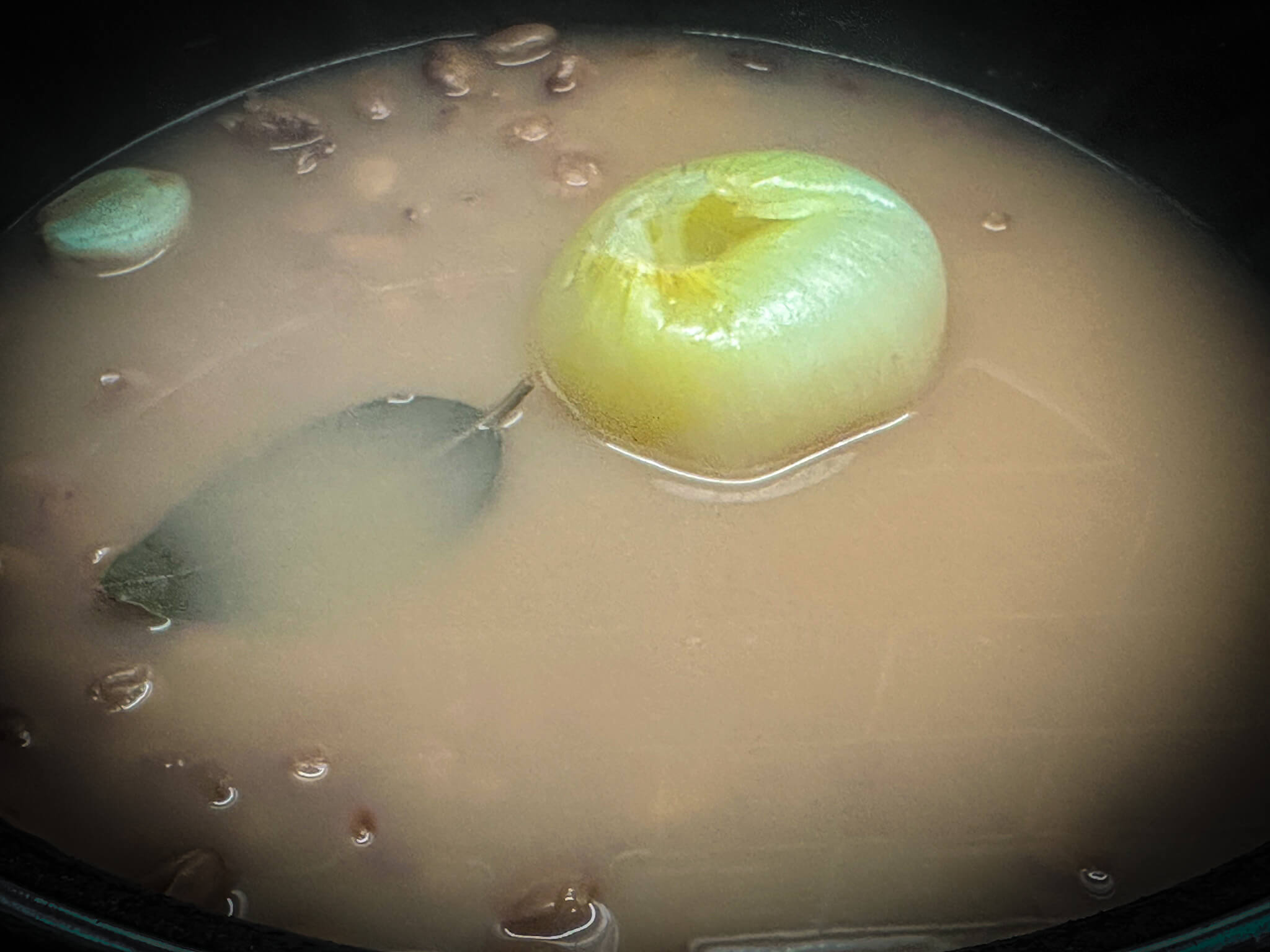
Once the water reaches a rolling boil, you must perform the Spanish secret known as “asustar las alubias” (scaring the beans). Pour a small splash of cold water into the pot to suddenly stop the boiling; you must repeat this process two times throughout the first 20 minutes of cooking. This thermal shock prevents the delicate skins from breaking, ensuring each bean remains whole but becomes buttery like marzipan on the inside during the remaining 1 hour and 10 minutes of simmering.
3. Emulsifying the natural broth
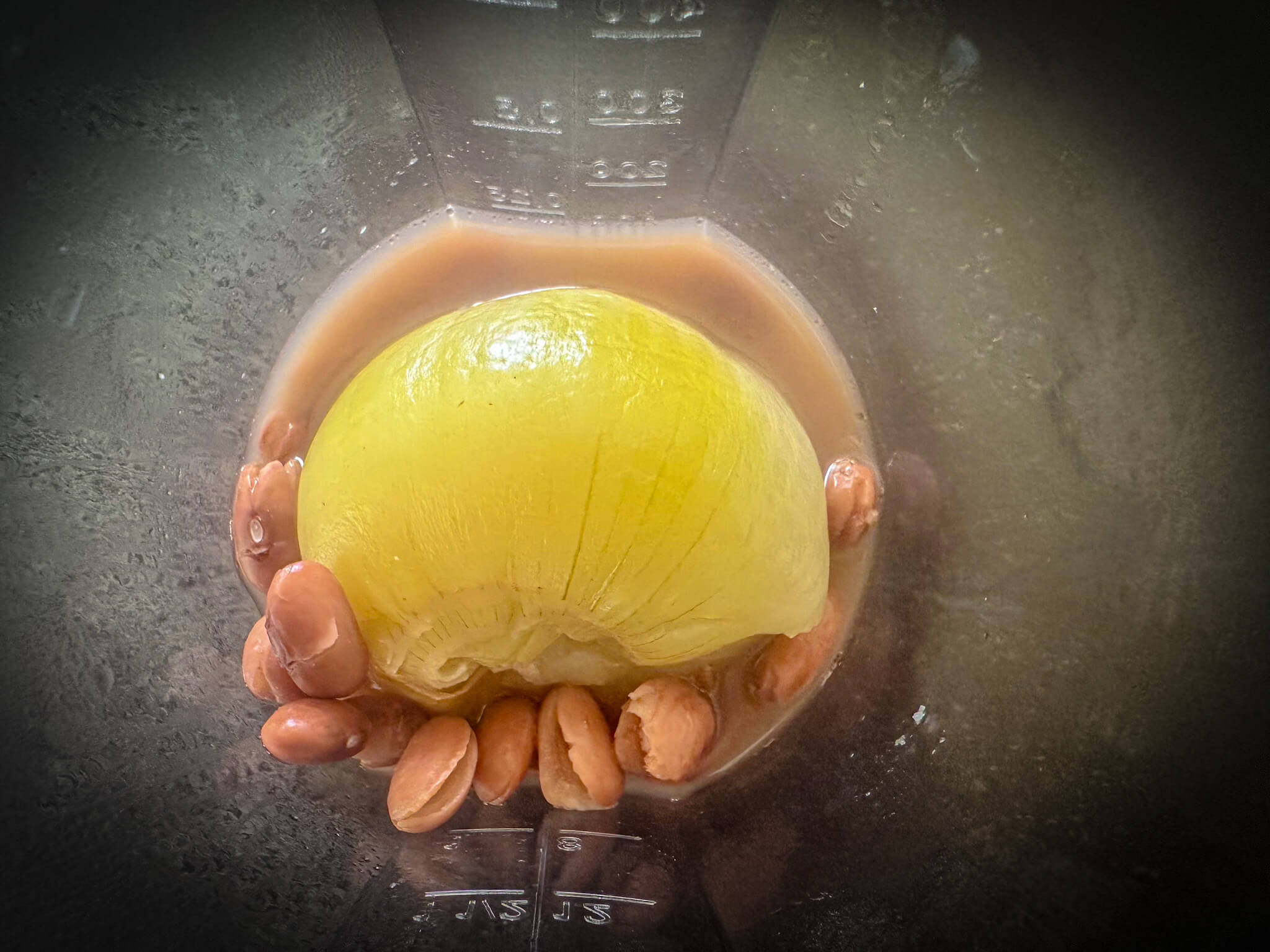
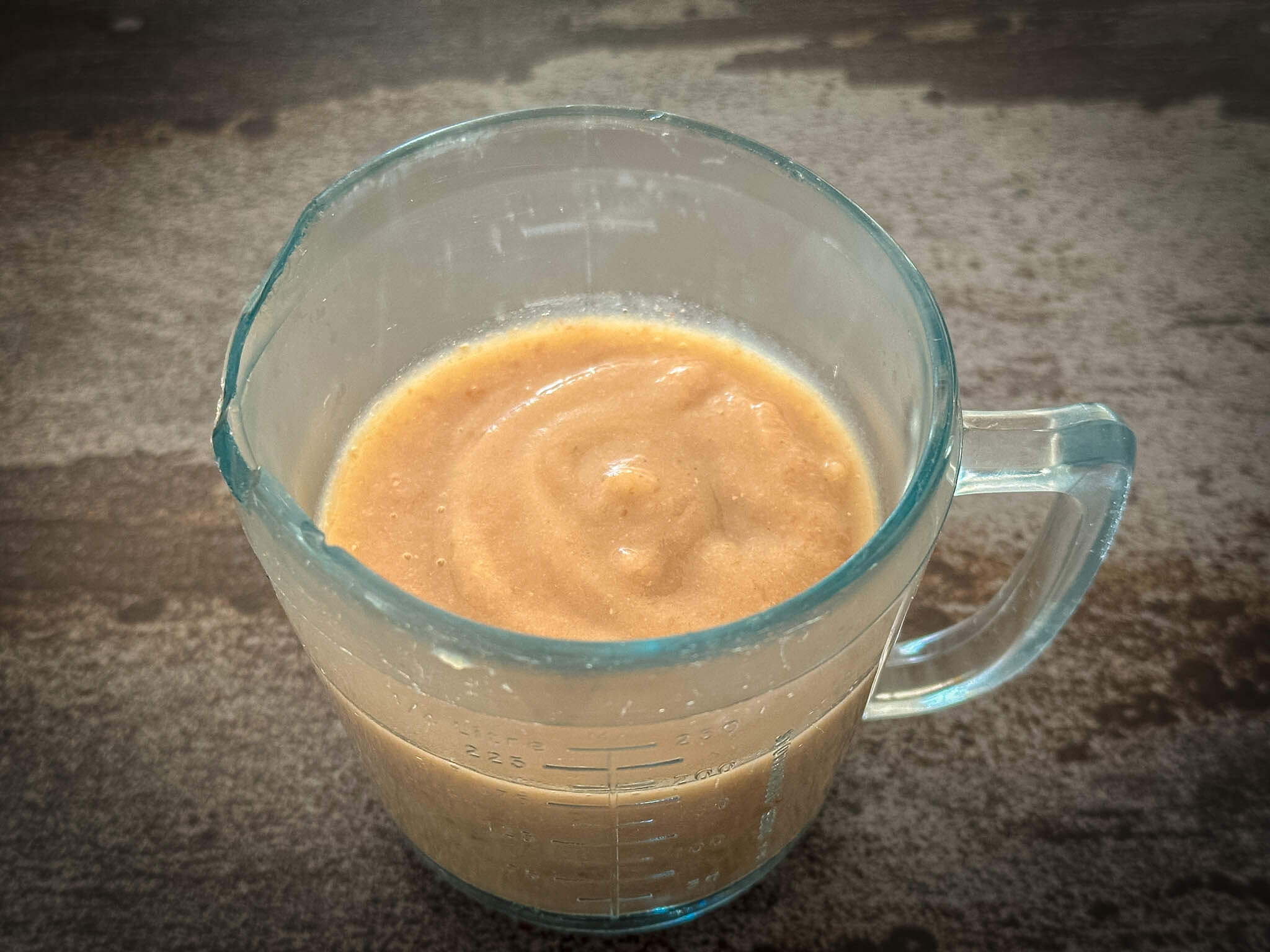
When the beans are tender, carefully remove the 1 unit of boiled onion and the 1 unit of garlic from the pot. Place them in a blender with a small ladle of the cooking liquid and pulse until you have a smooth, pale orange cream. Pour this mixture back into the pot and stir gently for 2 minutes; this thickens the broth naturally without a single gram of flour or processed thickeners, creating that “trabado” texture that defines professional Mediterranean stews.
4. Sautéing the garden harvest
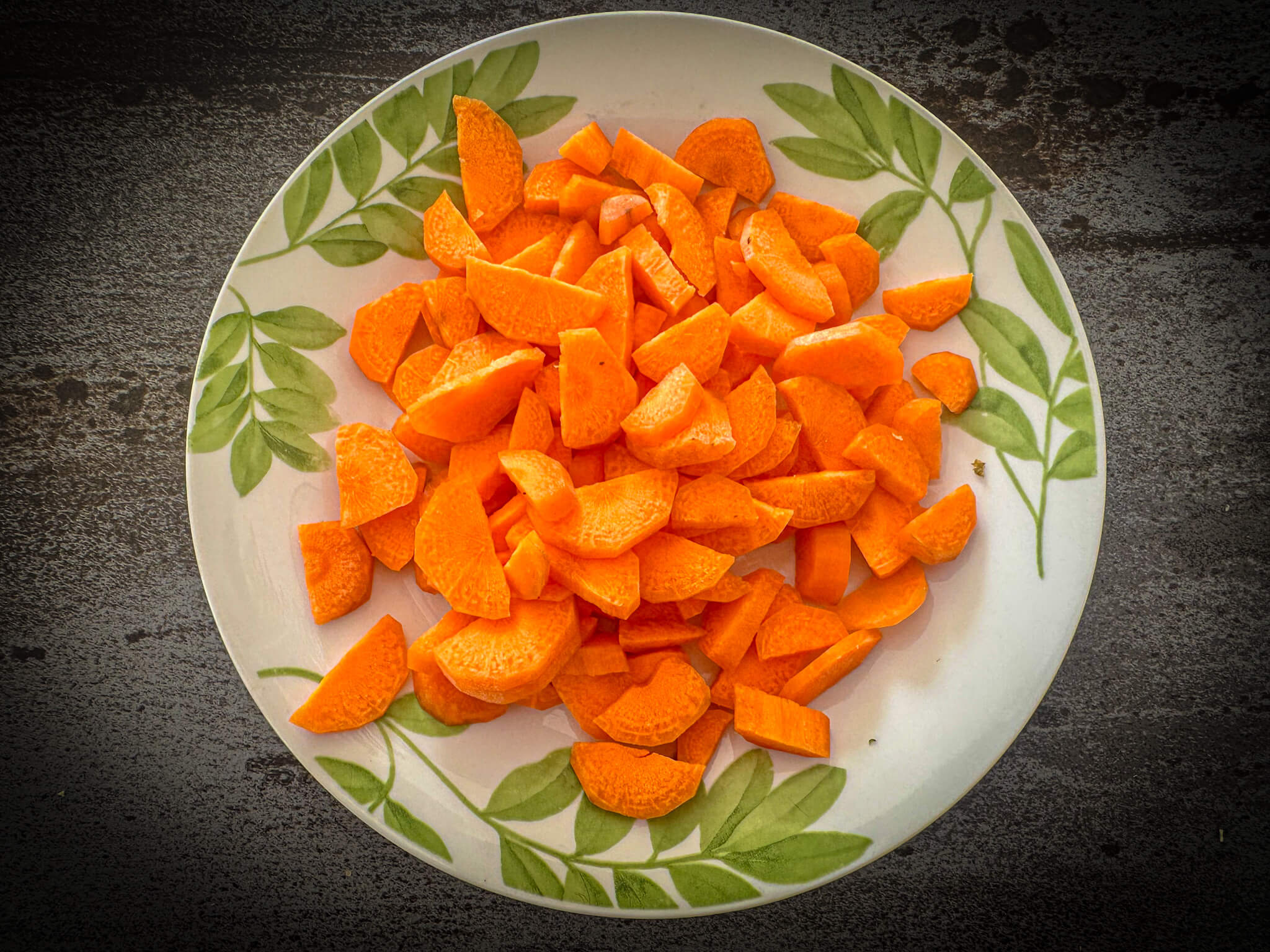
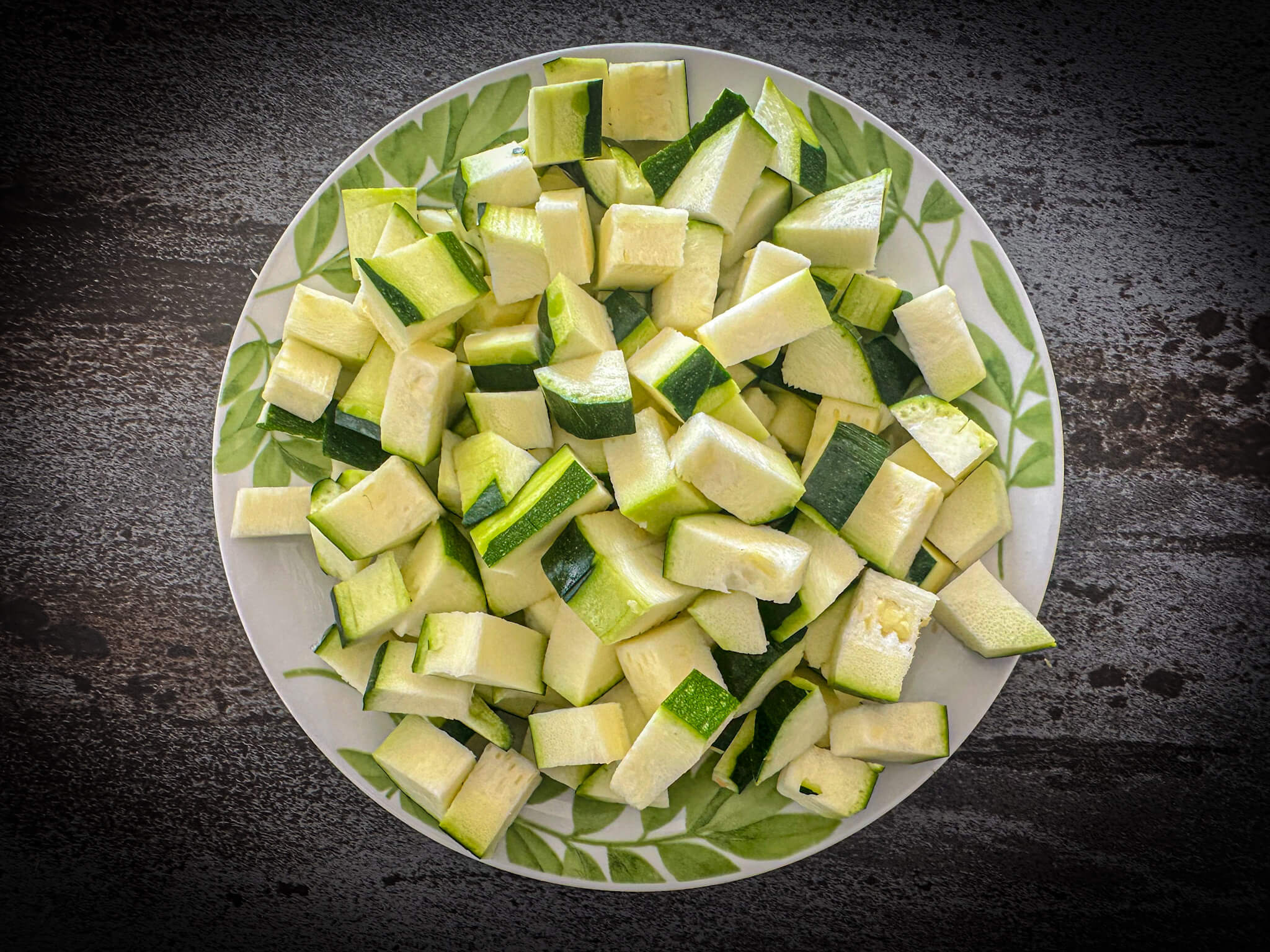
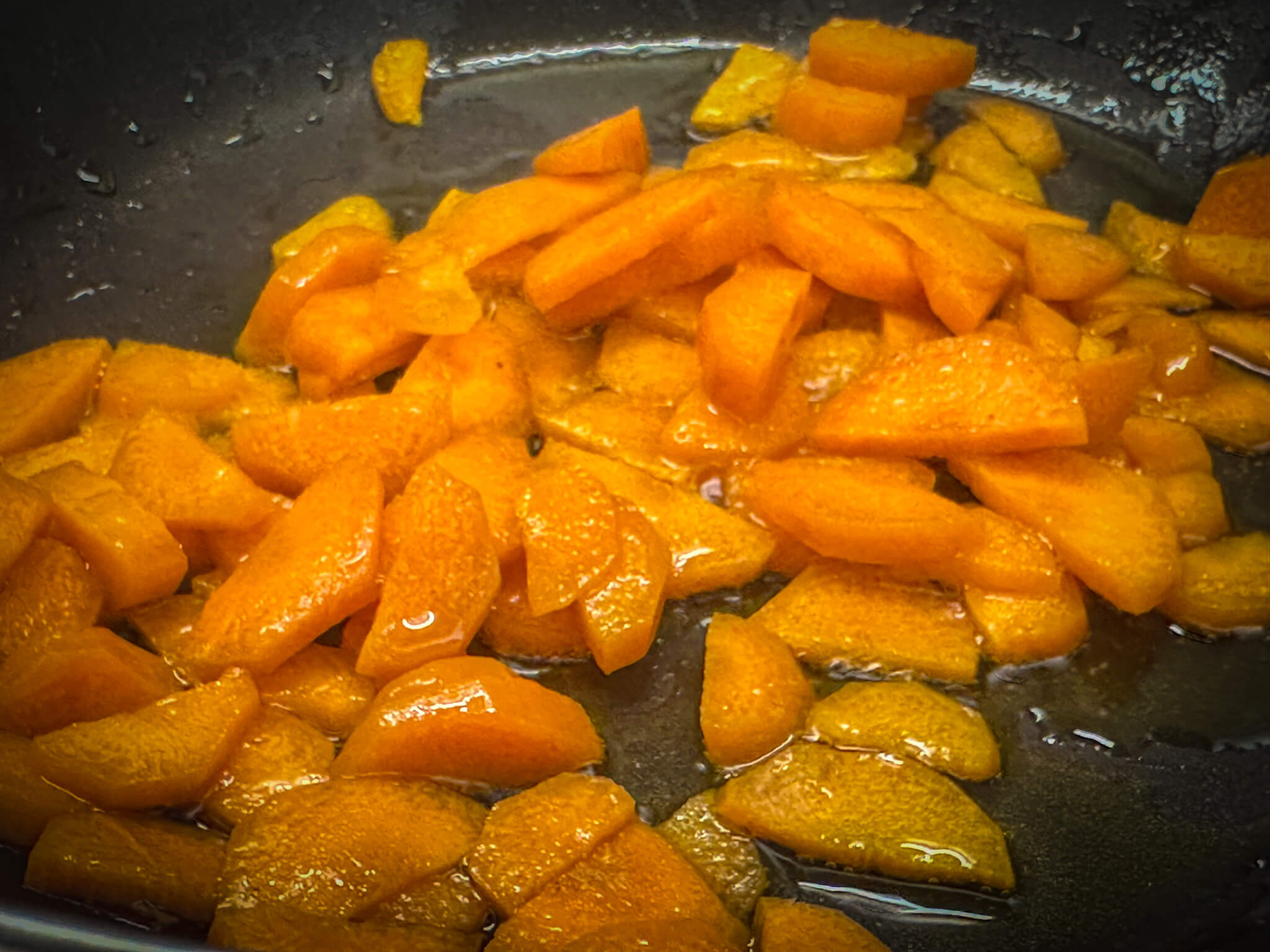
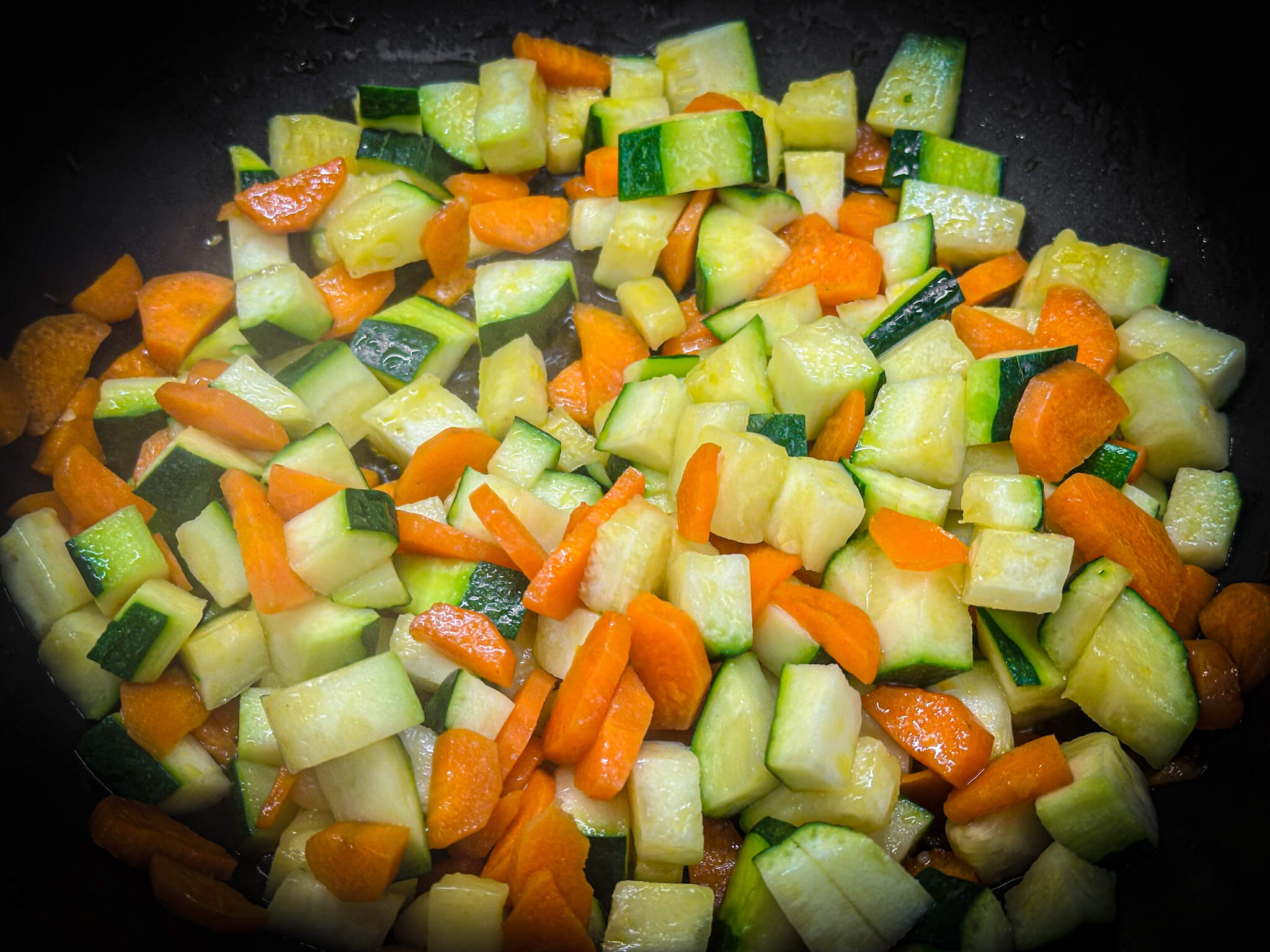
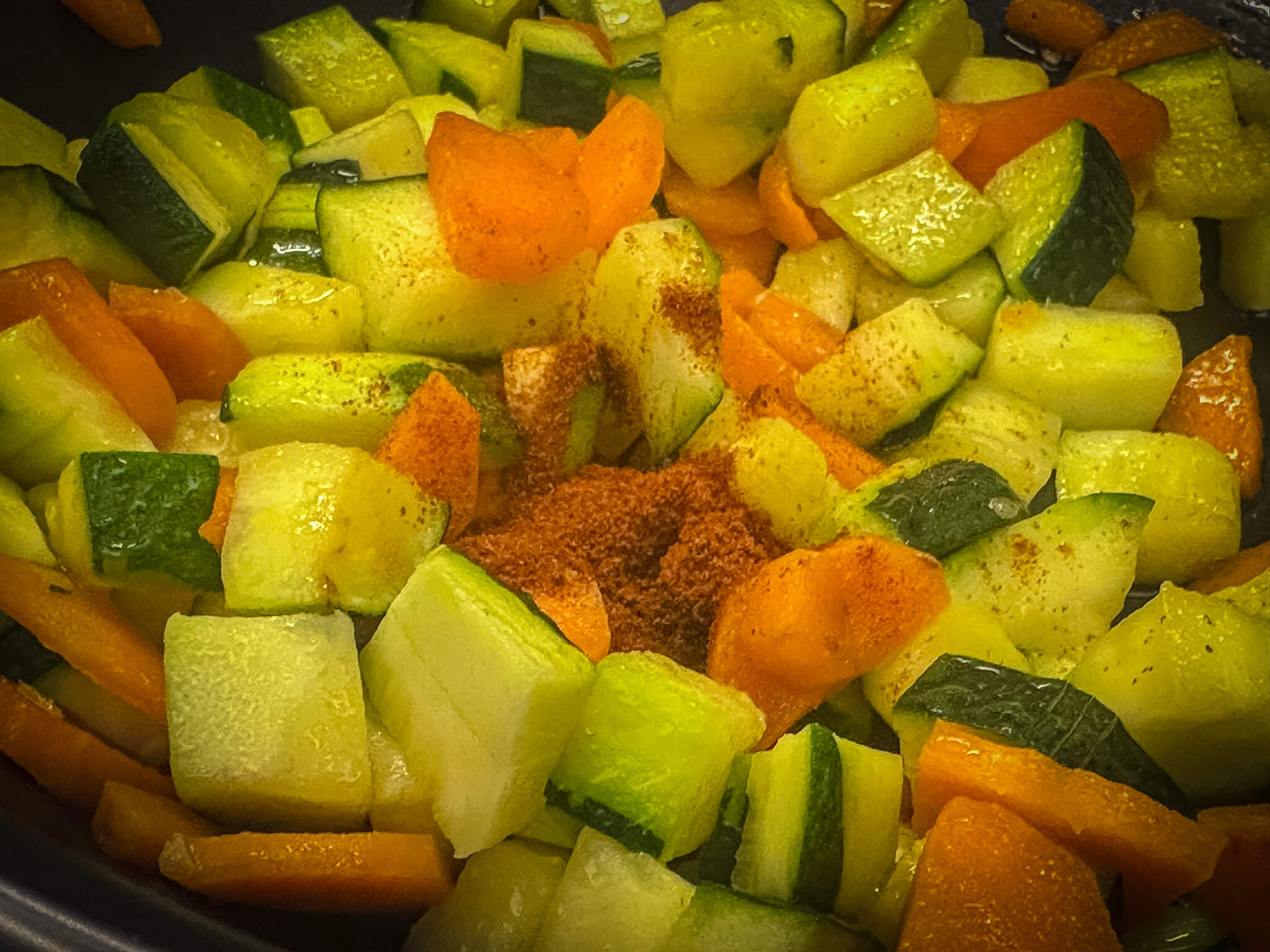
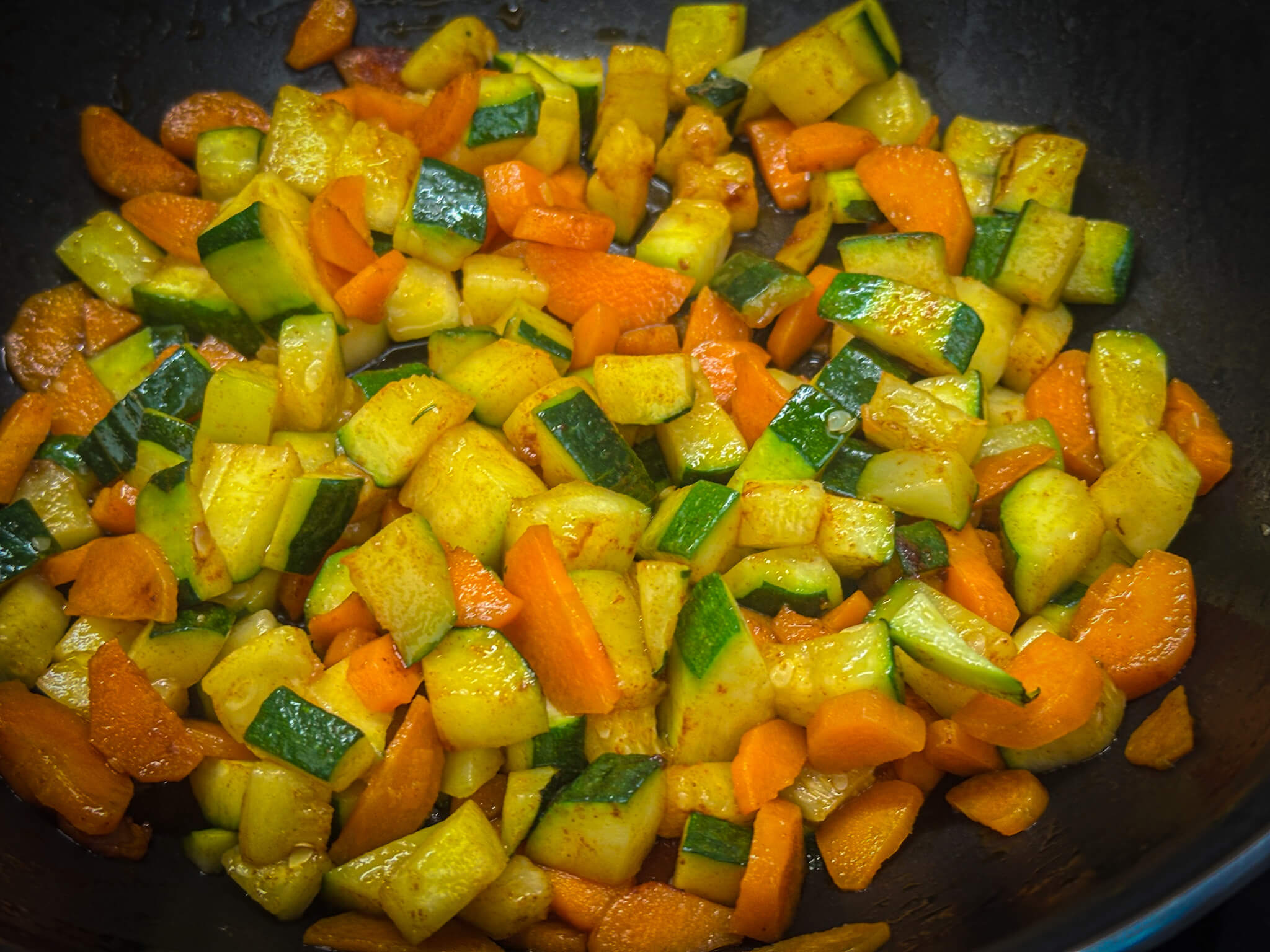
While the beans simmer, prepare your 2 units of carrots into thin rounds and the 1 unit of zucchini into 1.5 cm (0.6 in) cubes, keeping the skin on for color. In a separate pan with 15 ml (1 tbsp) of EVOO, sauté the carrots first for 4 minutes, then add the zucchini for another 4 minutes until they are golden but still “al dente”. At the very last moment, sprinkle the 5 g (1 tsp) of smoked paprika over the vegetables, stir for just 5 seconds to toast it without burning, and slide everything into the main bean pot.
5. Preparing the crunchy artichoke topping
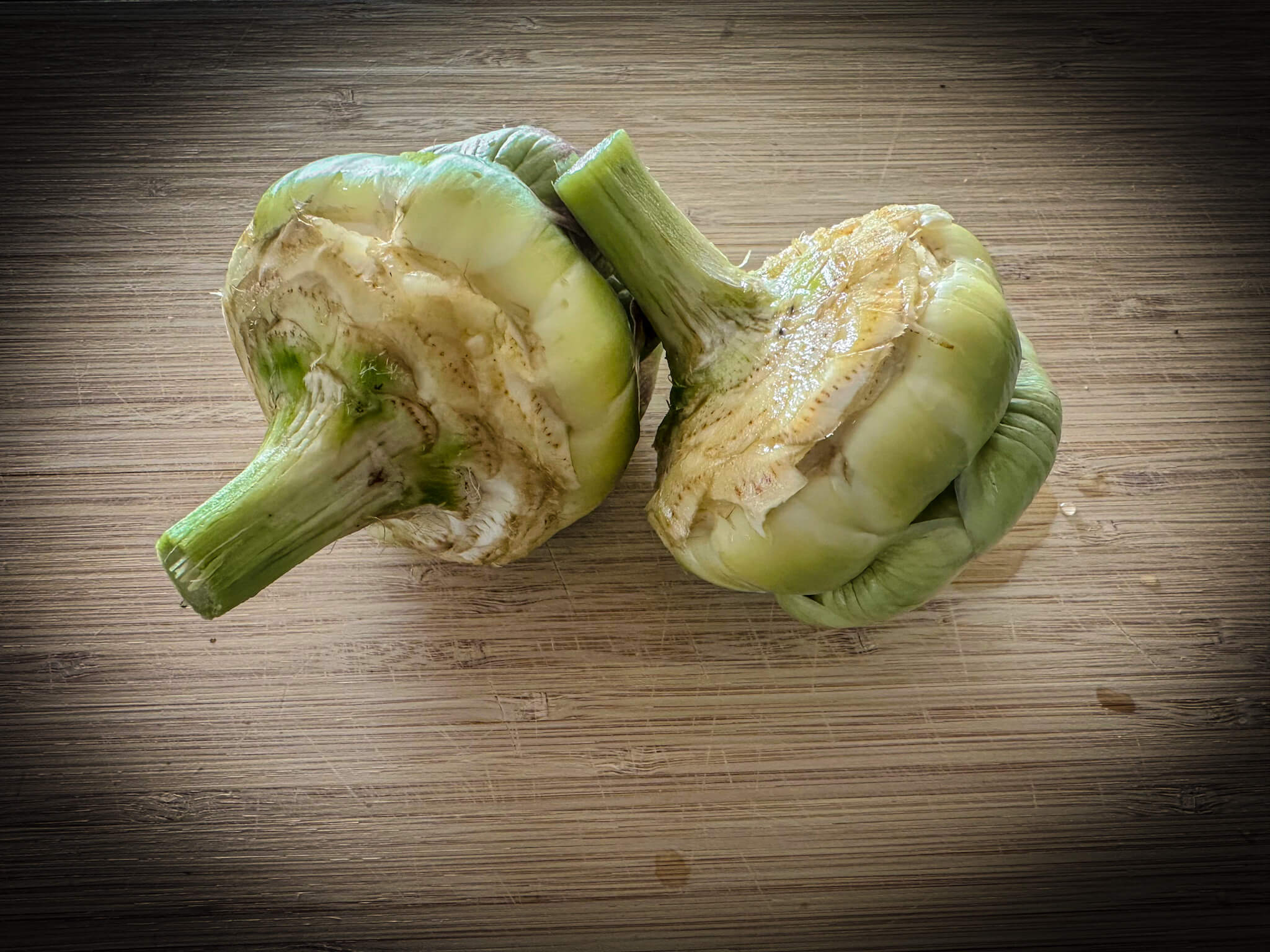
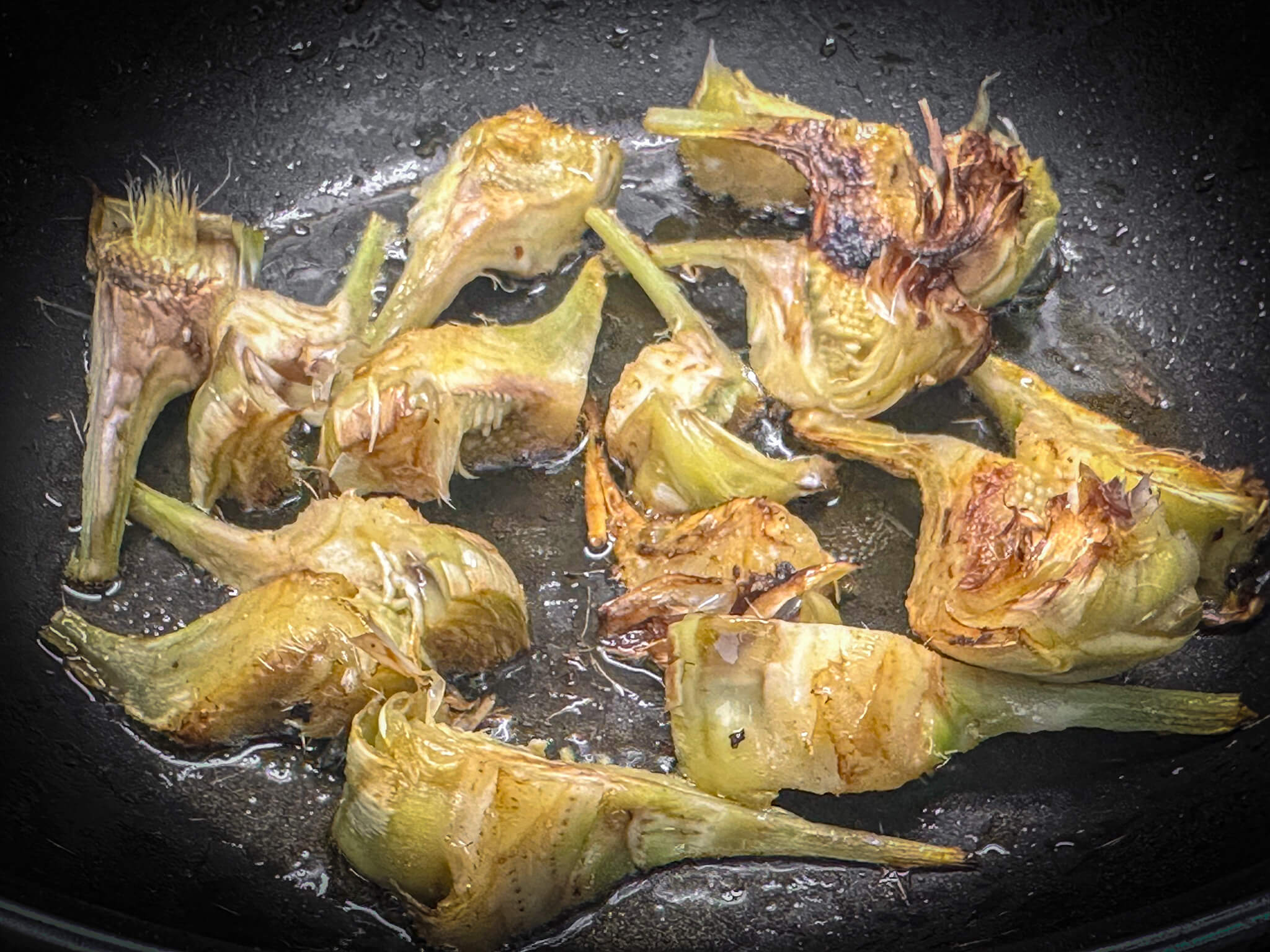
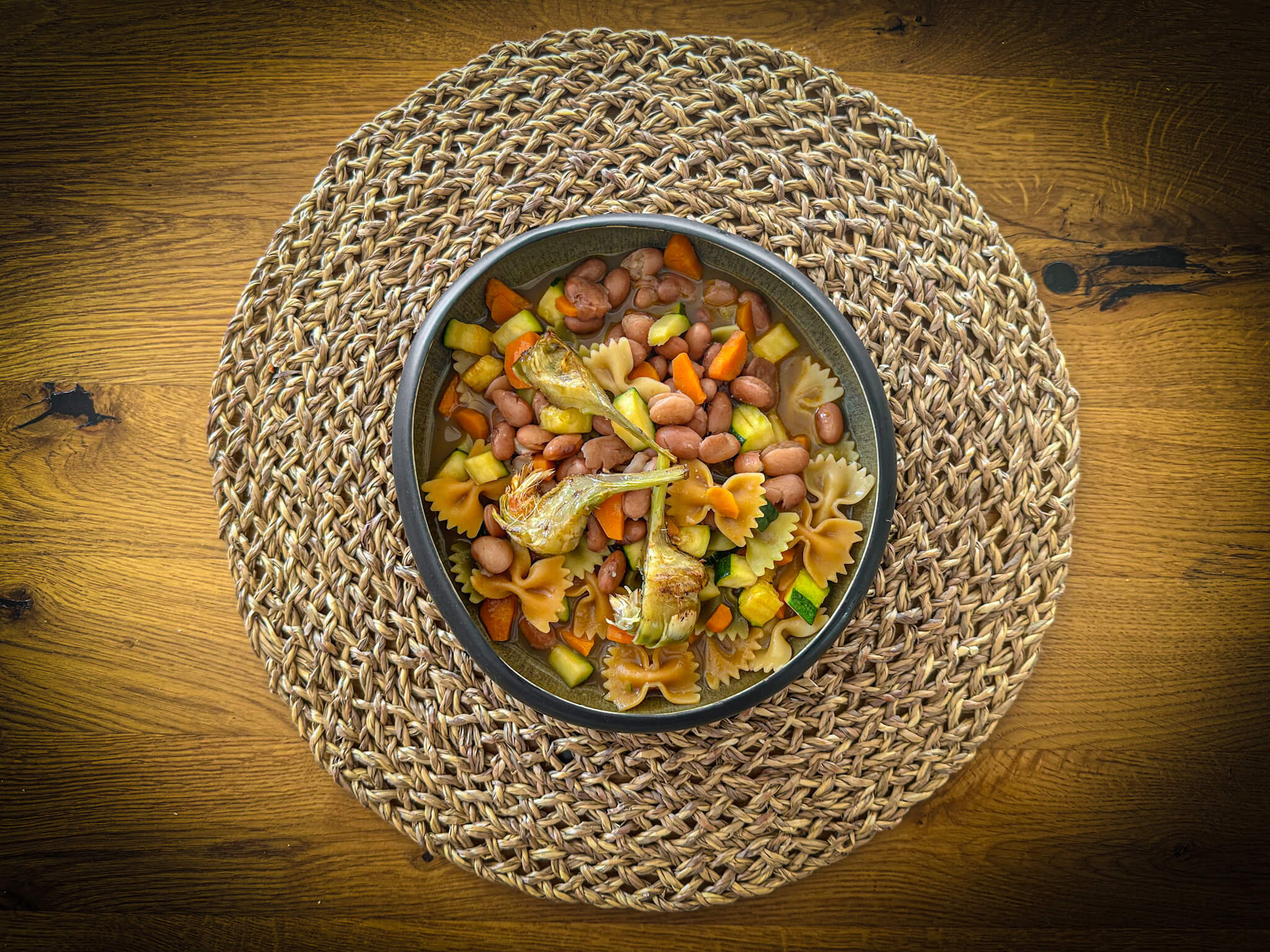
Clean the 2 units of fresh artichokes by removing the tough outer leaves and rubbing them with the 1 unit of lemon to prevent browning. Cut them into vertical wedges and sauté them in a very hot pan with a drop of oil for about 6 to 8 minutes until the tips are charred and crispy. Keep these separate from the pot and only place them on top of the individual bowls at the moment of serving to ensure they don’t get soggy and provide that essential gourmet crunch.
6. The final pasta integration
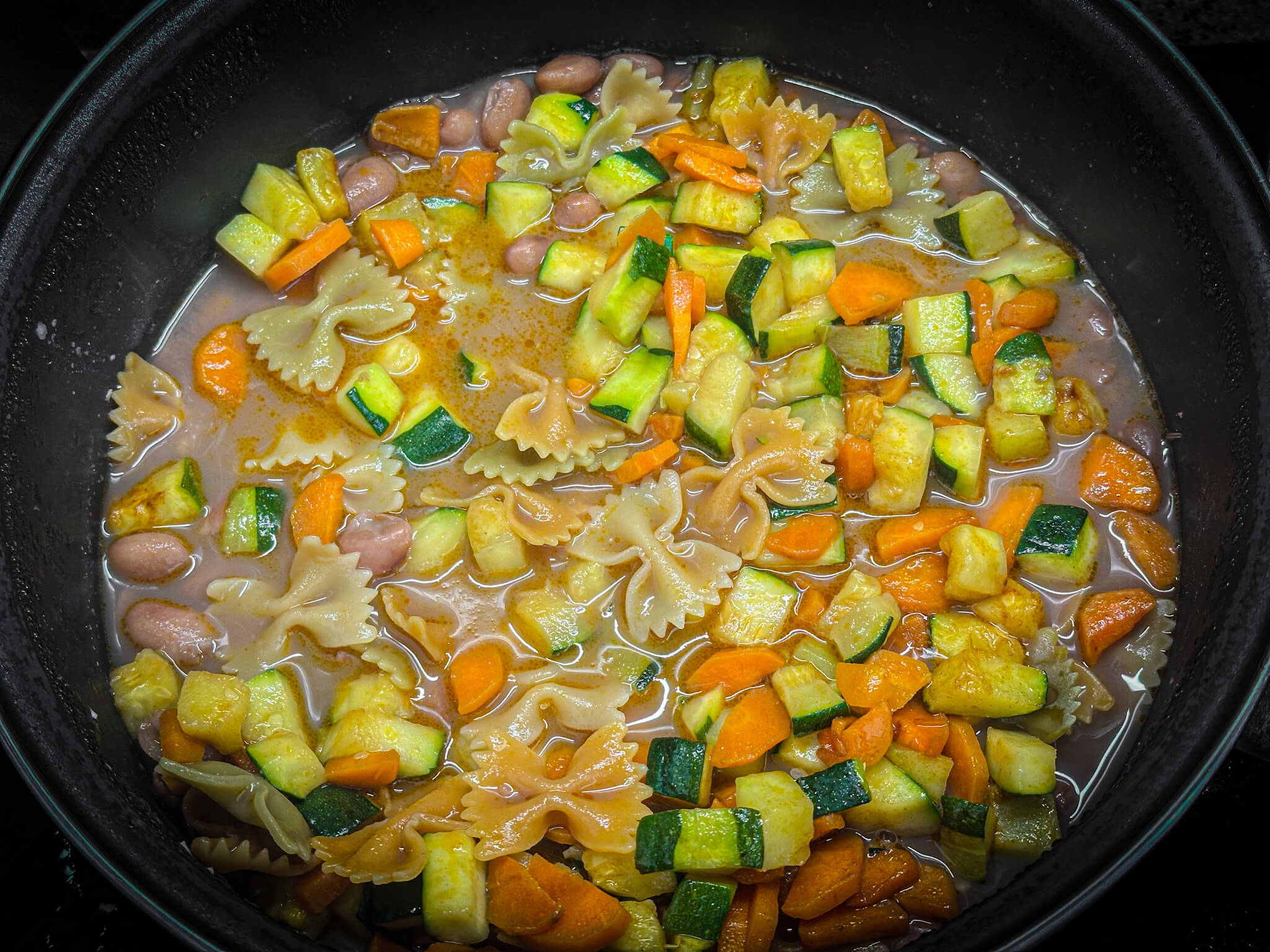
Bring the bean pot back to a gentle boil and add the 100 g (3.5 oz) of colorful bowtie pasta. Cook for exactly the time indicated on the package, usually 8 to 10 minutes, ensuring the pasta stays firm. Turn off the heat and let the stew sit for a 10-minute rest; this allows the pasta to finish absorbing the smoky flavors of the pimentón and the starch of the beans to reach its peak silkiness.

Chef’s Notes for the Perfect Mediterranean Pinto Beans
-
Why is the lemon essential for the artichokes? Artichokes contain phenols that oxidize instantly when they touch the air. By rubbing them with acidic lemon juice, you create a protective barrier that keeps them vibrant and prevents that unappealing grey-black color in your final presentation.
-
Can I use canned beans instead of dried? While possible, you lose the “caldo trabado” effect. Dried beans release their own starch during the long simmer, which is what creates the velvety sauce; canned beans often result in a watery broth that lacks the depth of an authentic Mediterranean stew.
-
What makes this a “Powerhouse” meal? It is all about the amino acid profile. Legumes are low in methionine and high in lysine, while wheat pasta is the opposite. By combining them, you create a protein with high biological value, making it a perfect one-pot meal for vegans.
Common Mistakes to Avoid When Cooking Mediterranean Pinto Beans
-
Burning the Smoked Paprika: This is perhaps the most frequent disaster in Spanish cooking. The pimentón burns in less than 10 seconds if the pan is too hot or if there is no liquid nearby, resulting in a bitter, acrid taste that ruins the entire batch. You must add it to the sautéed vegetables and immediately incorporate them into the pot to quench the heat and release the sweet, smoky aroma.
-
Boiling the artichokes inside the stew: If you throw the artichokes into the main pot to boil with the beans, they will turn mushy and lose their distinct character. The loss of texture is immediate, and you miss out on the incredible contrast between the creamy beans and the crispy, seared petals of the sautéed artichoke which is what elevates this from a “hospital meal” to a gourmet experience.
-
Forgetting to “scare” the beans: Skipping the cold water splashes causes the internal temperature to rise too aggressively. The skins will explode, leaving you with a pot of bean mush and detached skins floating on top. By controlling the temperature through the “asustado” method, you keep the bean intact, resulting in a much more professional and aesthetically pleasing plate for your guests.
Mediterranean Pinto Beans Ingredient Swaps & Variations
-
Pasta Alternative: Swap the bowties for Brown Rice (gluten-free). It maintains a hearty texture and keeps the protein profile complete; just adjust the cooking time to 20-30 minutes.
-
Bean Variety: Use Cranberry Beans (Borlotti) if pinto beans are unavailable. They have a very similar creamy consistency and nutty flavor profile that pairs perfectly with the artichokes.
-
Spice Kick: Add a pinch of Crushed Red Pepper Flakes. This provides a subtle Mediterranean heat that cuts through the creaminess of the beans without overpowering the smoky pimentón.
Recipe Summary & Resources
Recipe Card
Mediterranean Pinto Beans

There is nothing quite like a steaming bowl of Healthy Mediterranean Pinto Beans: The Ultimate Vegan Comfort Food to warm the soul while nourishing the body. In the heart of Spain, we treat our legumes with a reverence usually reserved for fine wines, and this recipe is the perfect example of how humble ingredients can transform into a high-protein, fiber-rich masterpiece that satisfies every craving without the weight.
Ingredients
- 320 g (11.3 oz) Pinto beans, dried (soaked for 12 hours).
- 100 g (3.5 oz) Colorful bowtie pasta
- 2 units Fresh artichokes.
- 2 units Carrots.
- 1 unit Large zucchini.
- 1 unit White onion.
- 1 unit Garlic clove.
- 1 unit Bay leaf.
- 1 unit Fresh lemon.
- 5 g (1 tsp) Sweet Smoked Paprika (Pimentón de la Vera).
- 15 ml (1 tbsp) Extra Virgin Olive Oil (EVOO).
- To taste Sea salt and water.
Instructions
The traditional soaking and initial boil
12 hours before cooking, you must submerge your 320 g (11.3 oz) of pinto beans in plenty of cold water to hydrate the fibers. Once ready, drain them and place them in a large pot with the 1 unit of whole onion, the 1 unit of garlic, the 1 unit of bay leaf, and enough cold water to cover them by at least two fingers. Start the heat on high until the first bubbles appear, which usually takes about 10 minutes.
Mastering the “Asustado” technique
Once the water reaches a rolling boil, you must perform the Spanish secret known as "asustar las alubias" (scaring the beans). Pour a small splash of cold water into the pot to suddenly stop the boiling; you must repeat this process two times throughout the first 20 minutes of cooking. This thermal shock prevents the delicate skins from breaking, ensuring each bean remains whole but becomes buttery like marzipan on the inside during the remaining 1 hour and 10 minutes of simmering.
Emulsifying the natural broth
When the beans are tender, carefully remove the 1 unit of boiled onion and the 1 unit of garlic from the pot. Place them in a blender with a small ladle of the cooking liquid and pulse until you have a smooth, pale orange cream. Pour this mixture back into the pot and stir gently for 2 minutes; this thickens the broth naturally without a single gram of flour or processed thickeners, creating that "trabado" texture that defines professional Mediterranean stews.
Sautéing the garden harvest
While the beans simmer, prepare your 2 units of carrots into thin rounds and the 1 unit of zucchini into 1.5 cm (0.6 in) cubes, keeping the skin on for color. In a separate pan with 15 ml (1 tbsp) of EVOO, sauté the carrots first for 4 minutes, then add the zucchini for another 4 minutes until they are golden but still "al dente". At the very last moment, sprinkle the 5 g (1 tsp) of smoked paprika over the vegetables, stir for just 5 seconds to toast it without burning, and slide everything into the main bean pot.
Preparing the crunchy artichoke topping
Clean the 2 units of fresh artichokes by removing the tough outer leaves and rubbing them with the 1 unit of lemon to prevent browning. Cut them into vertical wedges and sauté them in a very hot pan with a drop of oil for about 6 to 8 minutes until the tips are charred and crispy. Keep these separate from the pot and only place them on top of the individual bowls at the moment of serving to ensure they don't get soggy and provide that essential gourmet crunch.
The final pasta integration
Bring the bean pot back to a gentle boil and add the 100 g (3.5 oz) of colorful bowtie pasta. Cook for exactly the time indicated on the package, usually 8 to 10 minutes, ensuring the pasta stays firm. Turn off the heat and let the stew sit for a 10-minute rest; this allows the pasta to finish absorbing the smoky flavors of the pimentón and the starch of the beans to reach its peak silkiness.
Nutrition Information:
Yield:
4Serving Size:
1Amount Per Serving: Calories: 261Total Fat: 5gSaturated Fat: 1gUnsaturated Fat: 4gSodium: 54mgCarbohydrates: 46gFiber: 14gSugar: 5gProtein: 12g
