

Explore Spanish tapas, pinchos, regional traditions, and the culture of sharing food, with delicious recipes that bring the taste of Spain to your table.
The Ultimate Guide to Spanish Tapas: Small Plates, Pinchos & the Art of Sharing
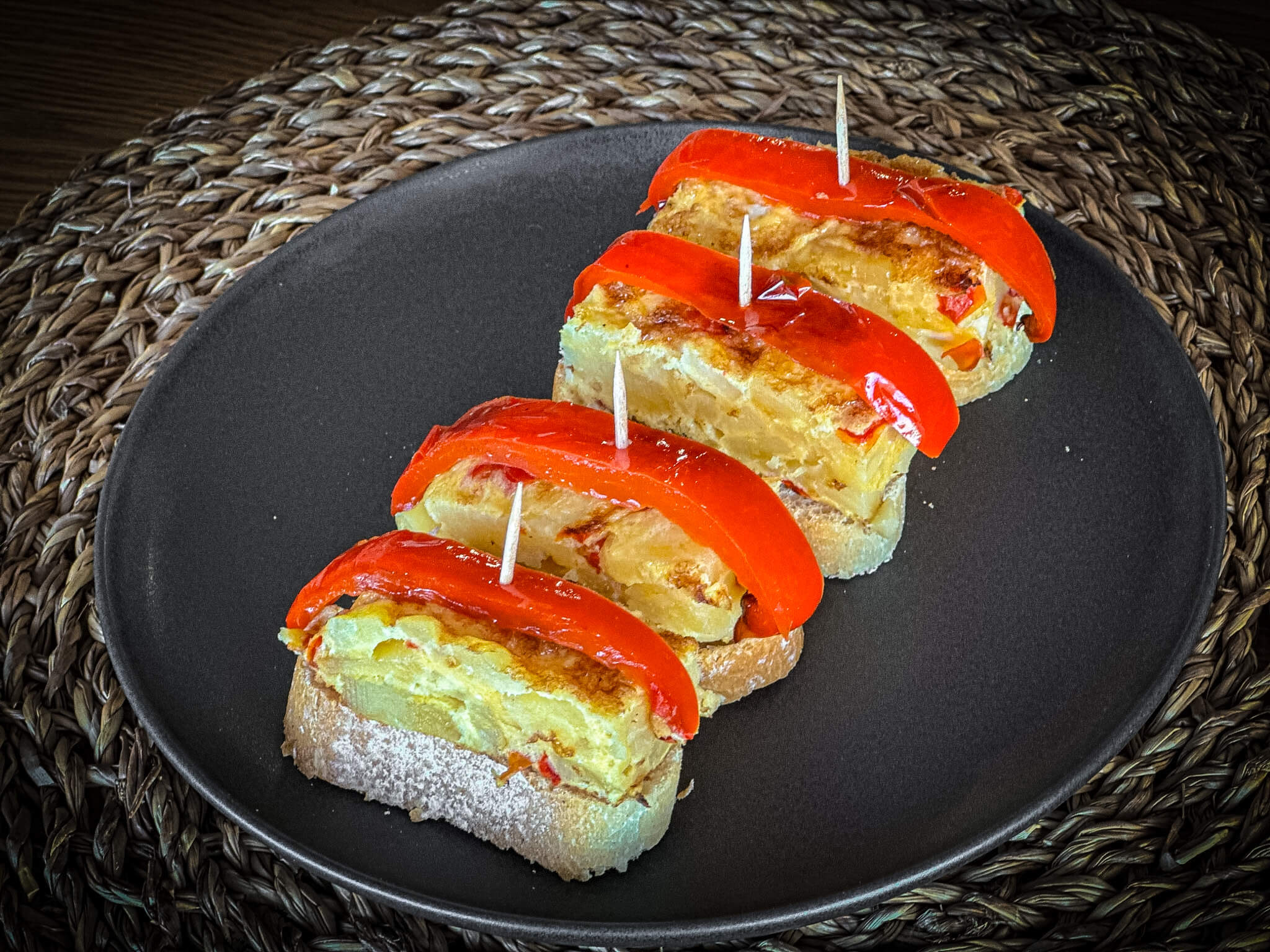
Spanish tapas are much more than small portions of food. They are a way of eating, sharing, socializing, and discovering the incredible diversity of Spanish cuisine, one delicious bite at a time.
A cold beer on a terrace. A glass of wine, vermouth, or cider. A plate placed in the middle of the table, followed by another one, and then another. A slice of tortilla de patatas, some jamón, a few pinchos, fried calamari, or something delicious served with plenty of bread.
Sometimes tapas are a quick bite before a meal. Sometimes they become the meal itself. And sometimes, when someone says, “Let’s just order a few things to share,” they turn into a much bigger dinner than anyone had planned.
This is the culture of tapas.
A Mediterranean Culture of Eating, Sharing & Celebrating
The culture of tapas does not exist in isolation.
Across the Mediterranean, food has long been closely connected to social life. In Spain, Italy, Greece, and many other Mediterranean countries, eating is rarely just about satisfying hunger. Food is part of how people gather, celebrate, spend time together, and enjoy life.
Meals often move beyond the home and into public spaces. Tables fill terraces, patios, plazas, and streets. People meet for a drink, order something to eat, stay longer than planned, and let the occasion develop naturally.
A meal does not always need a special reason.
Sometimes the reason is simply that the weather is good, friends are together, and there is something delicious to share.
In Spain, this Mediterranean way of life is combined with an extraordinary cultural and gastronomic diversity. The country is relatively small, yet its history, geography, traditions, and regional identities have created an incredibly varied cuisine.
A Mediterranean rice dish can have little in common with the seafood traditions of Galicia. A dish from Extremadura may tell a completely different story from one from Navarra. The food of a northern fishing village is shaped by a different landscape and history from the food of a Mediterranean town.
And yet all of these traditions belong to the same country.
Spain’s gastronomy is not defined by a single cuisine, but by the richness of many cuisines living alongside one another.
Those differences have not simply disappeared with time. Many have been preserved through local traditions, family recipes, regional celebrations, and the everyday food culture of each place.
And Spaniards are proud of sharing them.
When you travel through Spain, food is one of the best ways to understand where you are. Every region has its own specialties. Every town may have its own version of a familiar dish. And sometimes, the best way to discover them is simply to find a busy local bar, sit down, and see what people are ordering.
That same spirit of discovery is at the heart of tapas and pinchos.
A small plate can offer a taste of a region, a local ingredient, a family tradition, or a way of cooking that has been passed down for generations.
You may travel to Spain to discover its food.
But through recipes, you can also bring a small part of that experience into your own kitchen.
Spanish Tapas: A Culture Built Around Bars
Spanish tapas are deeply connected to the country’s bar culture.
And Spain is, famously, a country with a bar on almost every corner.
Each one may have its own specialties, its own way of preparing familiar ingredients, and its own dishes that regular customers return for again and again.
That is one of the great pleasures of eating in Spain: walking into a bar and discovering what that particular place does best.
A tapa may be something simple, such as a few Padrón peppers or a piece of tortilla. It may be a plate of fried calamari, a serving of ensaladilla rusa, some jamón, or a more elaborate dish prepared specifically for sharing.
There is no single formula.
And that is precisely the point.
The food changes enormously from one region to another, and sometimes even from one town to the next.
Red tuna from Tarifa, in Cádiz. Red prawns from Dénia, in the Valencian Community. Anchovies from Santoña, in Cantabria. Octopus from O Carballiño in Galicia. Sardine espetos from El Palo in Málaga.
And even far from the coast, you can find dishes that reflect Spain’s deep relationship with the sea. In Madrid, for example, a simple calamari sandwich has become one of the city’s most iconic bites.
These are not just ingredients.
They are places, traditions, and local ways of enjoying food.
What Is the Difference Between a Tapa and a Pincho?
There is a famous story about the origin of the word tapa.
According to legend, a Spanish king was served a glass of wine, and someone placed a small plate of food over the top of the glass to keep flies from getting in. When he ordered another glass, he supposedly asked for it “with a cover”—con tapa.
Whether the story is historically true or not, it makes a wonderful explanation of the word. In Spanish, a tapa is, quite literally, something that covers.
But gastronomically, a tapa is much more than that.
A tapa is a small serving of food, although the size can vary enormously depending on where you are in Spain. In some places, it may be a small bite served alongside a drink. In others, it can be a much more generous portion, sometimes substantial enough to become part of a meal.
In Granada, for example, it is traditional in many bars to receive a free tapa when ordering a drink. The tapa may be small or surprisingly generous, and part of the fun is discovering what arrives with your order.
In Asturias, cider houses have their own traditions of pairing food and drink. Ordering a bottle of cider may come with something more substantial to eat, designed to accompany the bottle and turn a simple drink into a shared moment around the table.
And in Valencia, especially during almuerzo, it is common to combine several small portions of cooked food on the same plate. Many bars offer a selection of small dishes, sometimes served in individual earthenware pots, allowing you to choose several different preparations for one meal.
A tapa, therefore, does not have one fixed size, format, or recipe.
It may be a small bite, a generous plate, a dish served with a drink, or several small portions brought together as part of a larger meal.
What Is a Pincho?
A pincho is traditionally associated with the north of Spain, and perhaps nowhere is the culture more famous than in San Sebastián.
Walk into a bar in the city and you may find the entire counter covered with an extraordinary display of food. Pinchos are arranged in layers, often held together with small skewers or toothpicks, creating a colorful landscape of different ingredients, textures, and flavors.
Sometimes you may not even know where to begin.
And this is where the pincho becomes something much more than simply “food on a slice of bread.”
A piece of bread may provide the base, but what is placed on top can involve considerable creativity and technique. In the most specialized bars, pinchos have evolved into highly sophisticated miniature dishes, with carefully considered combinations of textures, colors, temperatures, and flavors.
What may appear to be a simple slice of bread can become the foundation for something approaching haute cuisine in miniature.
The beauty of the pincho is that it can be both simple and extraordinarily elaborate.
A piece of tortilla on bread can be a perfect pincho.
So can a carefully constructed creation involving several different preparations and contrasting textures.
Both belong to the same culture of eating, sharing, and discovering something delicious in a small format.
Potatoes and Eggs: Two Pillars of Spanish Cooking
There are many ingredients that have shaped Spanish cuisine, but potatoes and eggs deserve a special place.
Since these two humble ingredients came together, they have given rise to countless dishes across Spanish cooking. Simple, affordable, and full of flavor, they can be transformed in an extraordinary number of ways.
But perhaps nowhere do they reach a more iconic expression than in the tortilla de patatas.
The same combination of potatoes and eggs can also become huevos rotos, ensaladilla rusa, huevos a la Riojana, and countless other dishes.
The recipes may be simple, but their place in Spanish food culture is anything but.
The Regional Soul of Spanish Tapas
To talk about Spanish tapas and pinchos is inevitably to talk about regions.
There is no single tapas tradition that represents the entire country. The way people eat, the ingredients they use, and the dishes they serve reflect the history and character of each place.
A tapa can be deeply connected to the sea, to the countryside, to local livestock, to a particular vegetable, or to a traditional way of preserving food.
The same ingredient can be prepared completely differently depending on where you are.
And that is part of the beauty of Spanish gastronomy.
The great thing is that you do not always have to travel to Spain to enjoy these dishes. A recipe can allow you to recreate something you once tasted during a trip, remember a place you loved, or discover a dish you have never tried before.
Perhaps, after cooking it at home, it even becomes part of your regular repertoire.
That is one of the things I love most about sharing recipes.
You may not be able to visit every town, every coast, or every bar in Spain. But you can still bring a little of that food culture into your own kitchen.
And if there is one thing Spain is known for, it is the extraordinary variety of its gastronomy.
Tapas and pinchos offer a way to experience that diversity in small bites: a little taste of a region, a local tradition, a particular ingredient, or simply a dish that makes you want to order one more.
The Art of Sharing Food
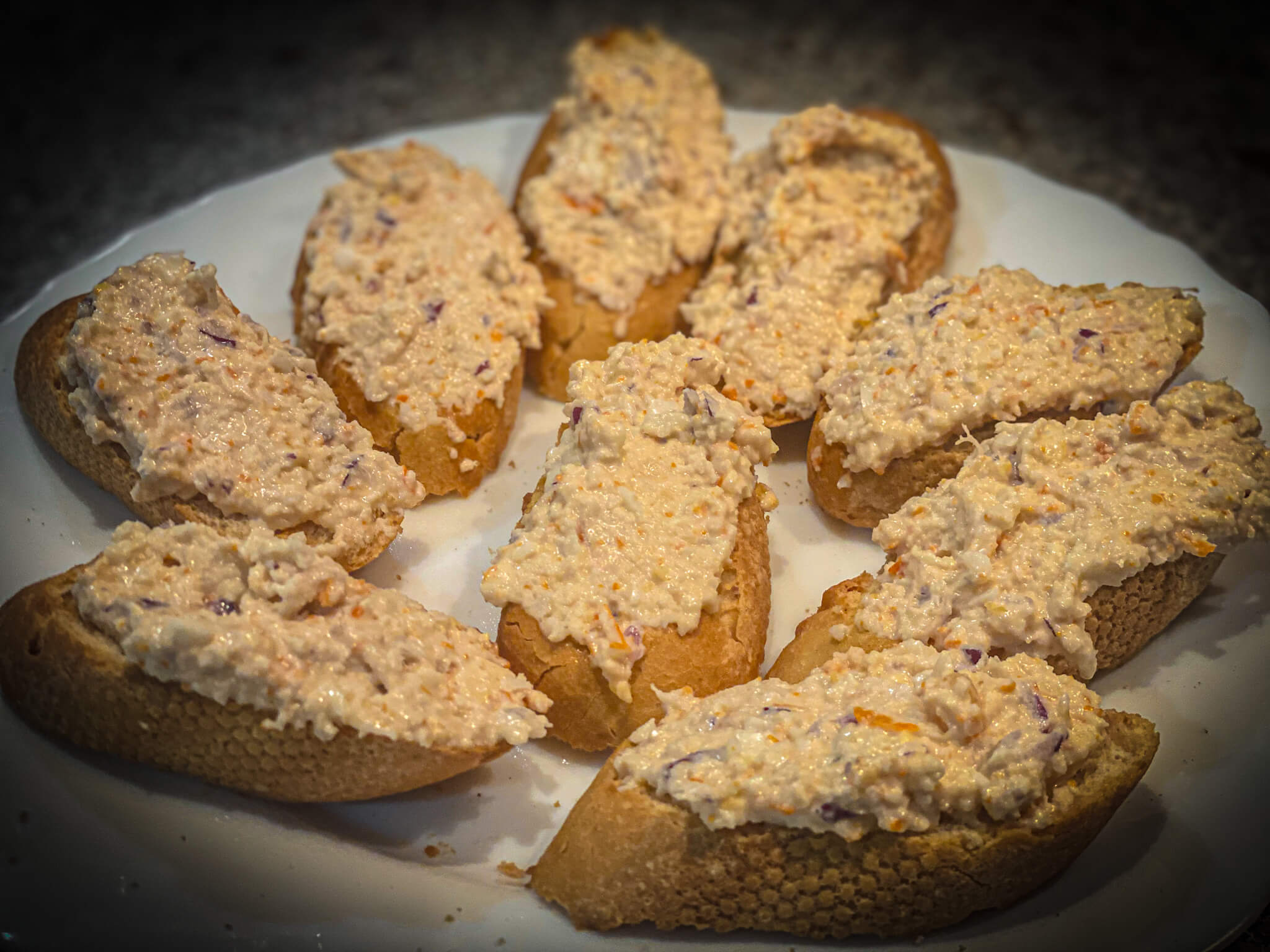
One of the best things about tapas is that nobody has to order just one thing.
A table can have a little bit of everything.
Someone wants tortilla. Someone else wants seafood. Another person wants something fried and crispy. Someone orders jamón. Then a plate of vegetables arrives, followed by something with potatoes, eggs, or chorizo.
The table gradually fills.
This is one of the great pleasures of tapas: you do not have to choose between several dishes. You can try a little of everything.
And tapas do not need to be complicated to be memorable.
A good plate of Padrón peppers. A crispy torrezno. A slice of excellent jamón, sliced thinly with a sharp knife. A piece of tortilla on good bread.
When the ingredients are good, simplicity is often enough.
From the Sea to the Tapas Bar
Spain’s relationship with the sea has given its tapas culture extraordinary diversity.
Cuttlefish, squid, octopus, anchovies, tuna, prawns, and countless other seafood products appear in local dishes throughout the country.
Sometimes the preparation is incredibly simple: a hot grill, good olive oil, garlic, parsley, and a squeeze of lemon.
Other times, the seafood becomes part of a sauce, a stew, a filling, or a more elaborate preparation.
A simple cuttlefish can become a tapa served with a bright green sauce. Squid can be cooked in an aromatic tomato and paprika sauce. Calamari can be stuffed with a rich filling. Octopus can be served with potatoes and smoked paprika.
The ingredient may be the same, but the tradition surrounding it can be completely different.
That regional diversity is one of the great strengths of Spanish cooking.
Ham, Chorizo, Sobrasada & Spanish Cured Meats
Spanish tapas would be difficult to imagine without cured meats.
Jamón can appear as part of a more elaborate dish, wrapped around or stuffed inside another ingredient, or simply served on its own.
And sometimes, honestly, that is all you need.
A good ham, sliced thinly with a sharp knife, does not need much else.
Chorizo brings a completely different kind of richness and intensity. It can be cooked with eggs, added to a sauce, served sizzling, or transformed into a spicy tapa.
Morcilla adds its own deep, savory character to dishes such as patatas enmascaradas.
And sobrasada, with its soft texture and intense flavor, can be paired with eggs, bread, seafood, and other ingredients in combinations that are deeply rooted in the cuisine of the Balearic Islands.
These ingredients are not simply additions.
They often define the character of the tapa.
Fried, Battered & Crispy
There is no getting around it: some of the best tapas are fried.
Vegetables, seafood, croquettes, fritters, and other ingredients can all become something completely different when coated and fried until crisp.
Zucchini. Eggplant. Calamari. Fritters. The list goes on.
A good batter creates contrast: crisp on the outside, tender inside.
And this is one of the great pleasures of tapas.
Not every dish needs to be light, healthy, or designed to fit into a diet.
Sometimes you want a crispy piece of battered eggplant with honey.
Sometimes you want fried calamari.
Sometimes you want a torrezno with an impossibly crisp exterior.
Tapas are not always about eating perfectly.
They are about enjoying food.
The Simplicity of Spanish Vegetable Tapas
Not every tapa needs meat, seafood, or a complicated sauce.
Some of the most satisfying small plates are built around vegetables.
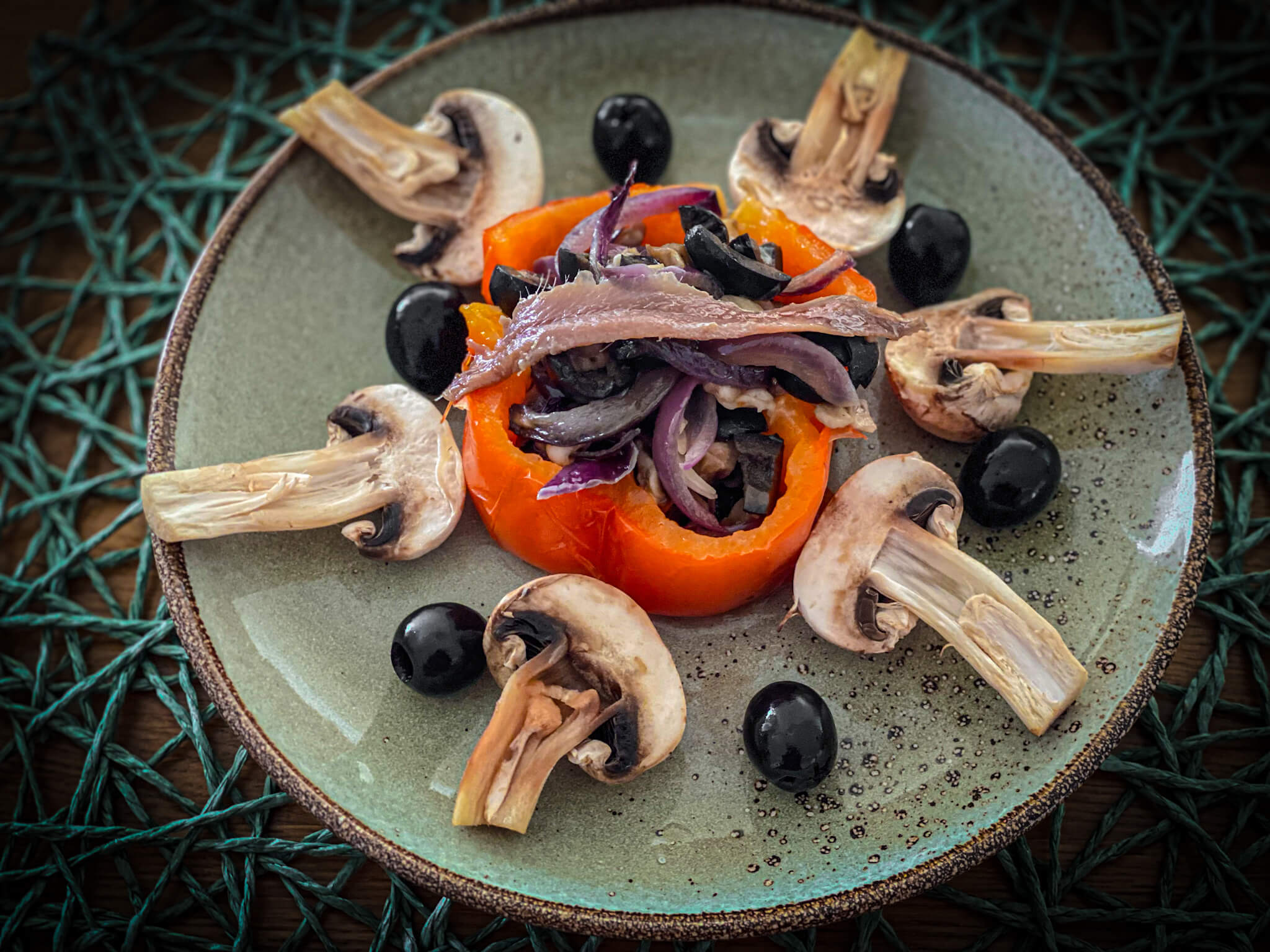
Padrón peppers need very little. Green beans can become a delicious tapa with the right preparation. Mushrooms can be filled with ham. Zucchini can be fried or transformed into crispy fritters.
These dishes show something important about Spanish cooking: vegetables do not always need to be hidden or treated as an afterthought.
Good produce, olive oil, salt, heat, and the right technique can be enough.
Sometimes the best tapas are the ones that make you say:
“How can something so simple taste this good?”
Bread, Pinchos & the Perfect Bite
There is perhaps one ingredient that deserves its own place in the world of Spanish tapas: bread.
Because in Spain, we are always willing to put something delicious on top of a good slice of bread.
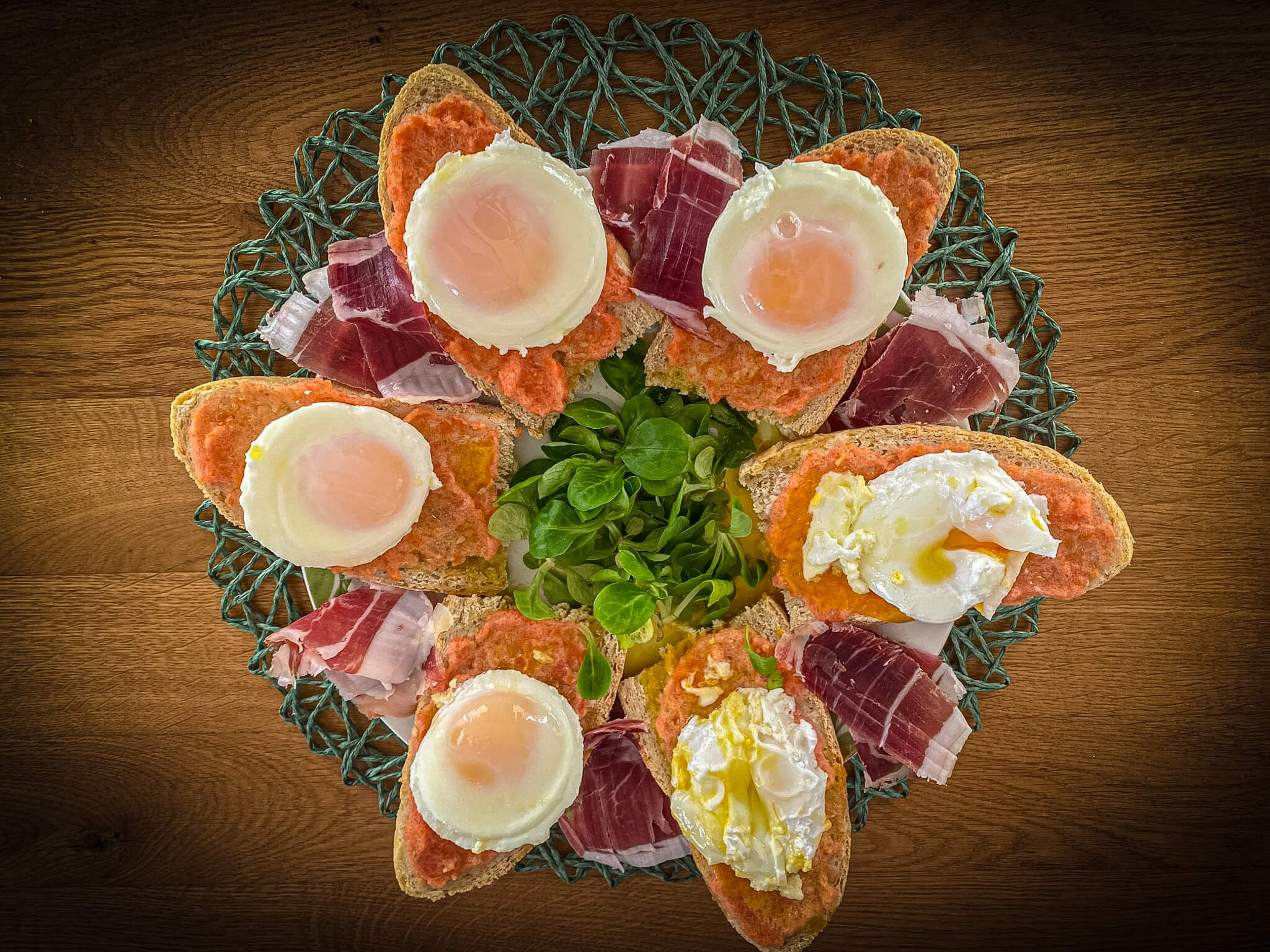
Tortilla, Sobrasada, Eggs, Cheese, Chorizo, Ham.
A combination of several ingredients that somehow works perfectly.
This is where the pincho becomes so versatile.
A piece of bread can become a base, a vehicle, a texture, and part of the dish itself.
Sometimes the result is simple and rustic.
Other times, the pincho becomes a carefully designed creation with multiple textures, colors, and contrasting flavors.
The important thing is that the food is made to be eaten in one or two delicious bites.
Tapas for the Tardeo, the Terrace & the Table
Although tapas are enjoyed throughout the year, they are especially suited to long afternoons and evenings spent outside.
The Spanish tardeo has become an increasingly popular way of socializing: meeting friends in the late afternoon, enjoying the cooler air as the sun begins to set, and letting the afternoon gradually become evening.
A cold beer. A glass of wine. Vermouth. Cider and something to eat.
Perhaps a plate of tortilla. Some calamari. A few pinchos. A plate of ham. Something crispy. Something with seafood. Something to dip into.
The food does not have to be a formal meal.
In fact, that is often the point.
A few plates in the middle of the table can create an entire evening.
My Favorite Spanish Tapas & Small Plates
The recipes below are my own selection of tapas, pinchos, and small plates that I love to prepare and share.
They do not represent every tapa in Spain. That would be impossible.
Instead, they reflect the incredible variety of this way of eating: potatoes and eggs, seafood, cured meats, vegetables, fried dishes, regional specialties, simple bites, and more elaborate plates.
Some are deeply traditional. Others are inspired by Mediterranean cooking and the way I personally enjoy sharing food.
What connects them is simple:
They are made to be enjoyed.
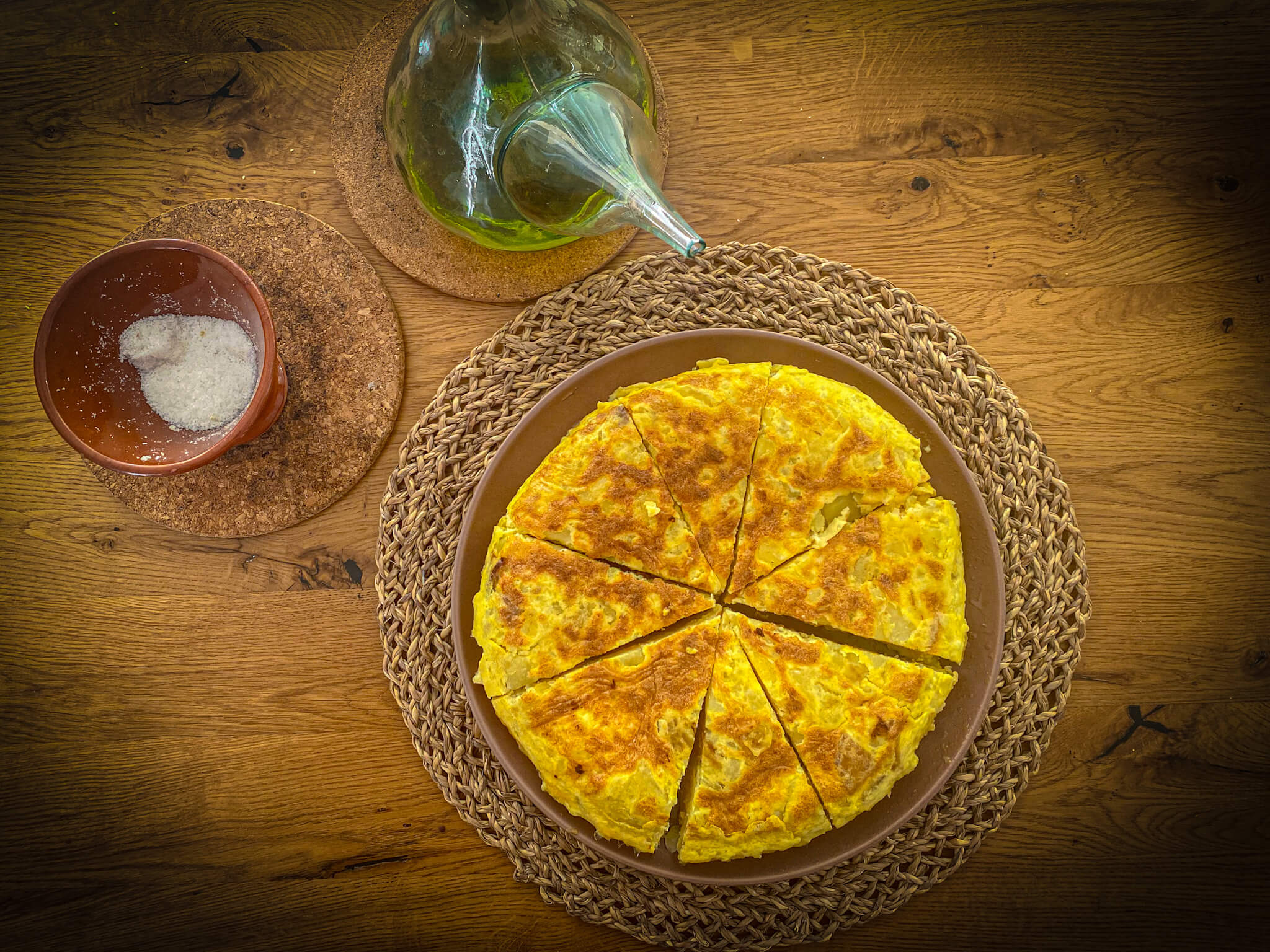
1. Authentic Spanish Omelette
The ultimate combination of potatoes and eggs, and one of the most beloved dishes in Spain. Served as a family meal, a portion, or cut into small pieces for a pincho, tortilla de patatas can fit almost any occasion.
Read the full Authentic Spanish Omelette recipe
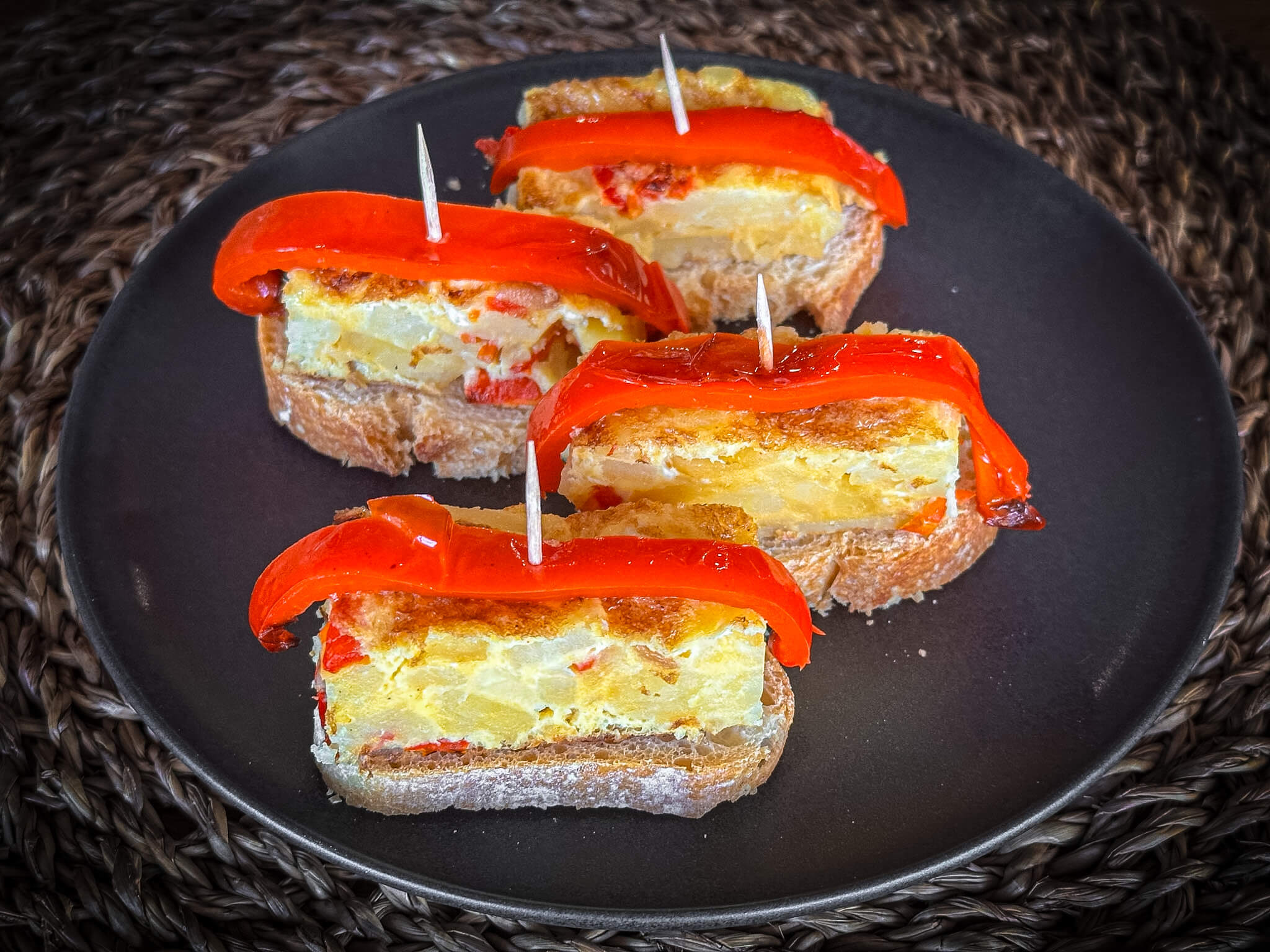
3. Spanish Flag Tortilla
Spanish Flag Tortilla – A stunning pincho version of Spain’s most famous omelette.
Read the full Traditional Spanish Flag Tortilla recipe
2. Traditional Patatas Bravas with Alioli
Crispy fried potatoes, creamy homemade garlic alioli, and the warm smokiness of Spanish paprika come together in one of the most iconic dishes of Spanish tapas culture. Simple, generous, and impossible to stop eating, this is the kind of plate that belongs in the middle of the table, surrounded by friends, cold drinks, and plenty of bread.

Read the full Traditional Patatas Bravas with Alioli recipe
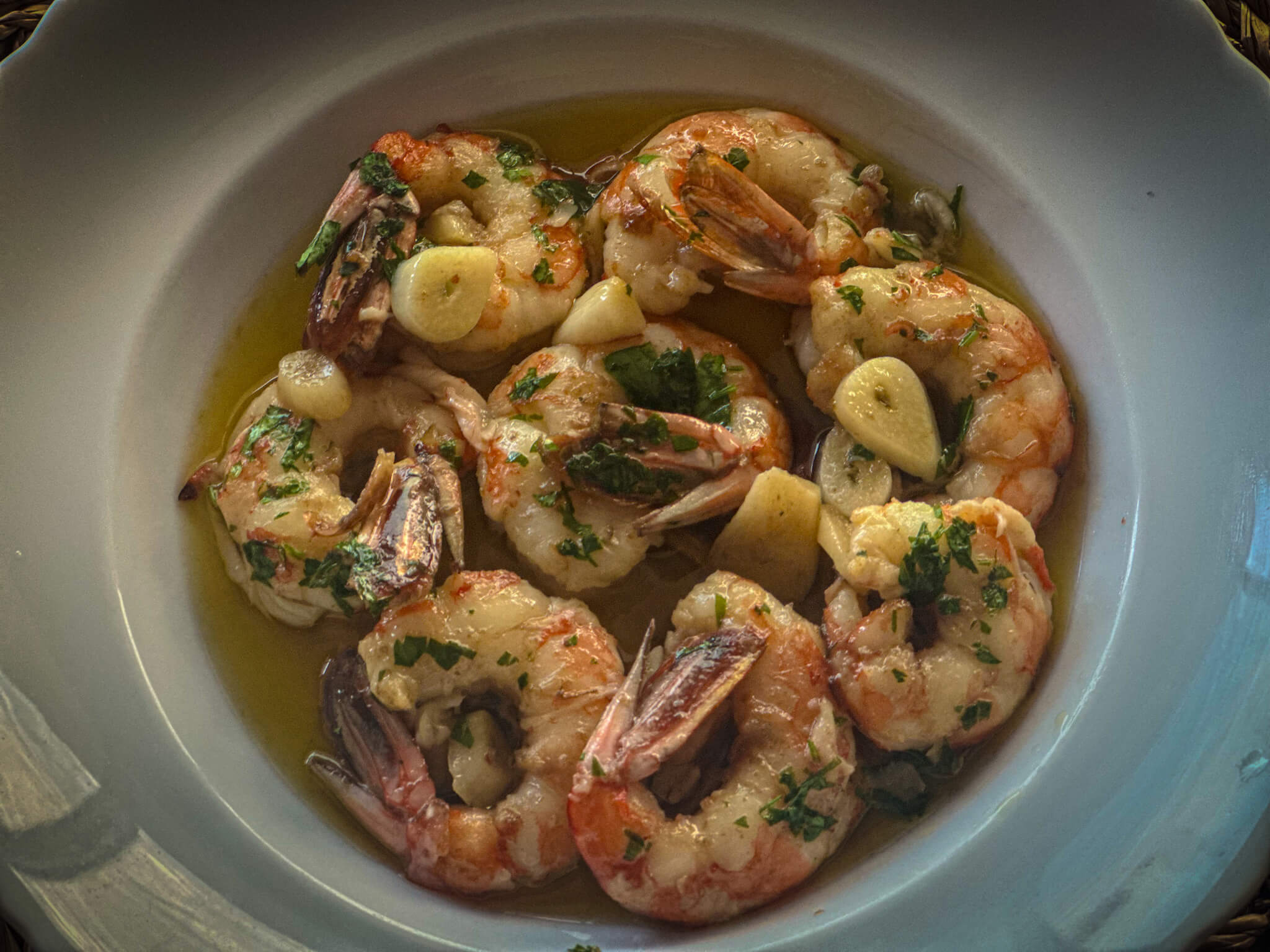
3. Gambas al Ajillo: Spanish Garlic Shrimp
If you’re looking for a classic Spanish tapa that is simple to prepare but bursting with flavor, Spanish Garlic Shrimp, or Gambas al Ajillo, is one of the best places to start. Tender shrimp are gently cooked in fragrant extra virgin olive oil infused with slowly confited garlic and dried chili, creating an irresistible dish that arrives at the table sizzling and ready for sharing. Served with crusty bread to soak up every drop of the aromatic oil, this unforgettable tapa brings the atmosphere of a Spanish tapas bar straight to your table in just 20 minutes.
Read the full Gambas al Ajillo recipe
4. Cojonudos: A Perfect Spanish Appetizer
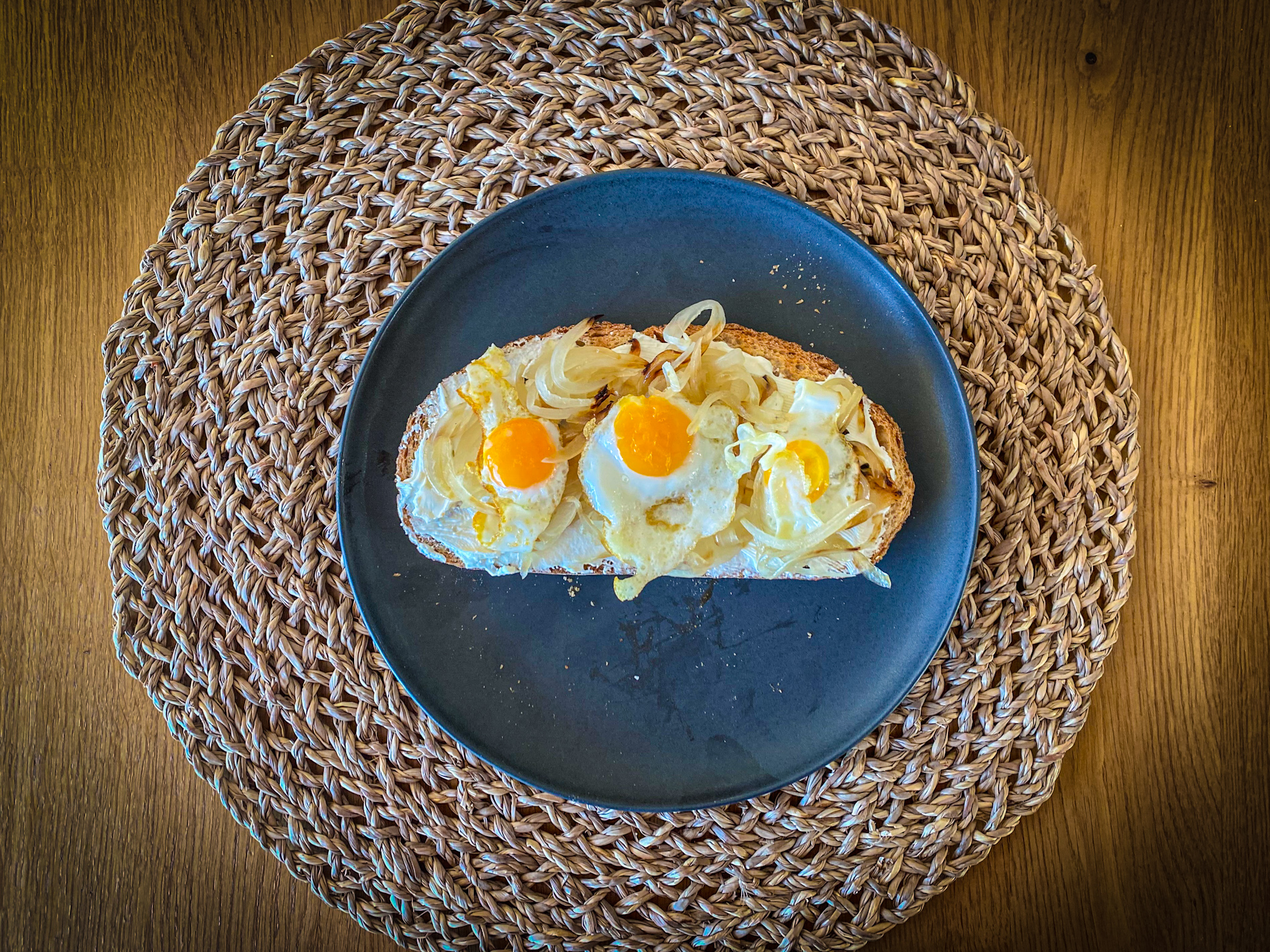
A bold combination of sobrasada, quail egg, and bread that turns simple ingredients into a deeply satisfying bite.
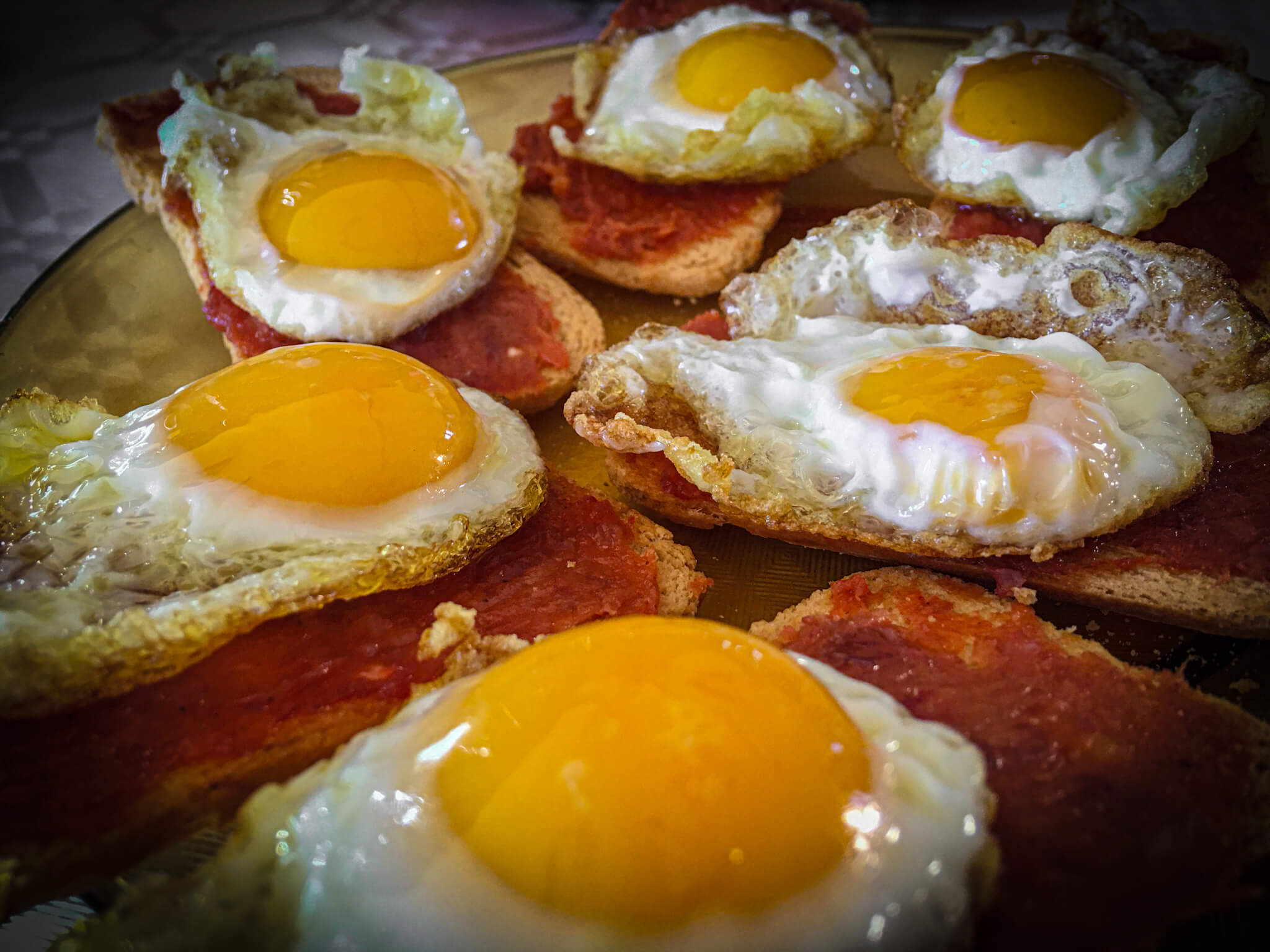
Read the full Cojonudos recipe
5. Squid in American Sauce
Tender squid cooked in an aromatic tomato and paprika sauce, showing how seafood can become a deeply flavorful tapa with plenty of sauce for dipping bread.
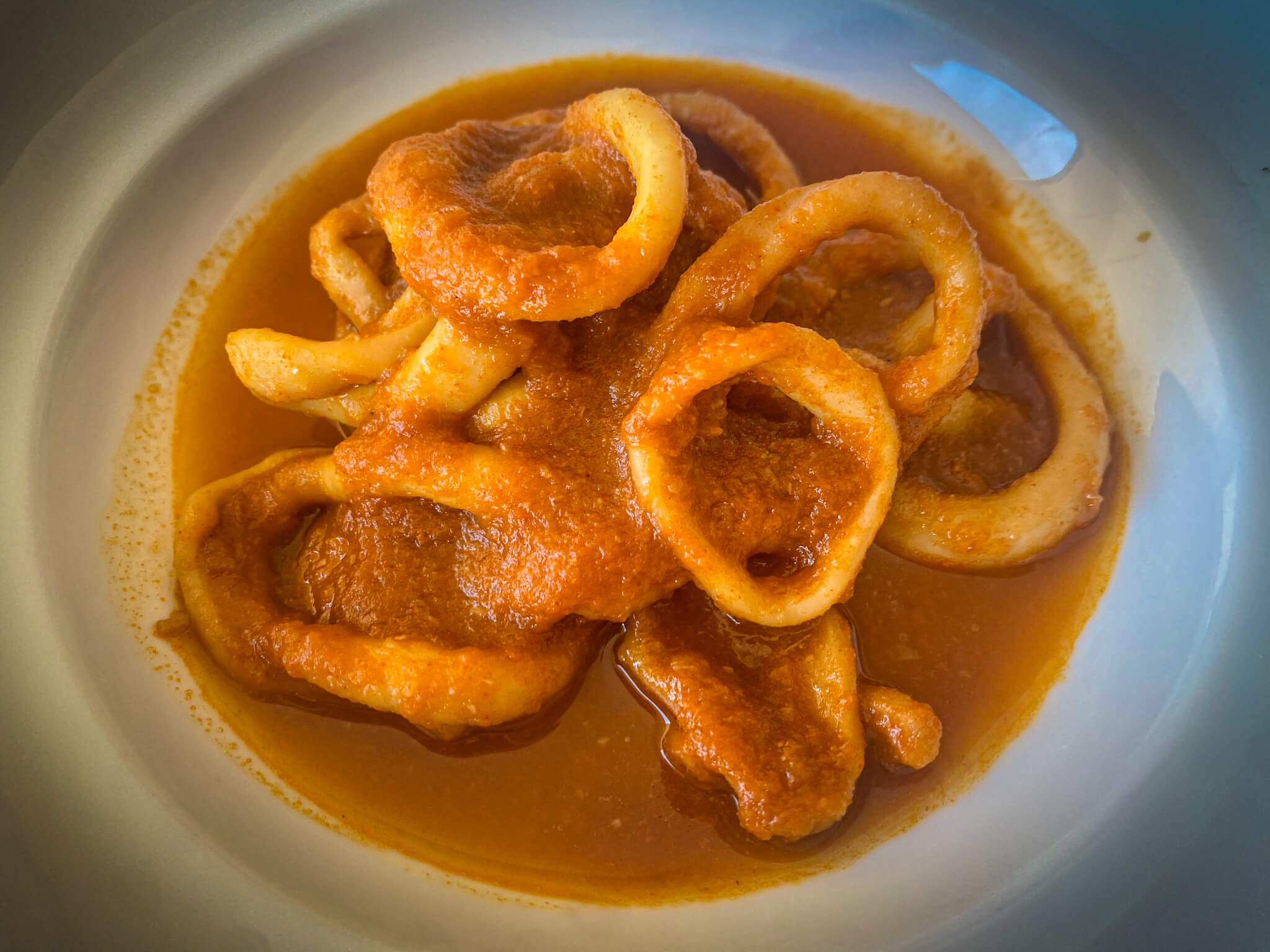
Read the full Squid in American Sauce recipe
6. Delicious Andalusian-Style Squid Recipe
Crispy on the outside and tender inside, this Andalusian-style squid is a perfect example of how simple ingredients and the right technique can create an unforgettable Spanish tapa. Lightly coated in chickpea flour and quickly fried in hot olive oil, the squid develops a delicate, golden crust without the need for egg or a heavy batter. Finished with fresh lemon, it is a quick and delicious seafood dish made for sharing.
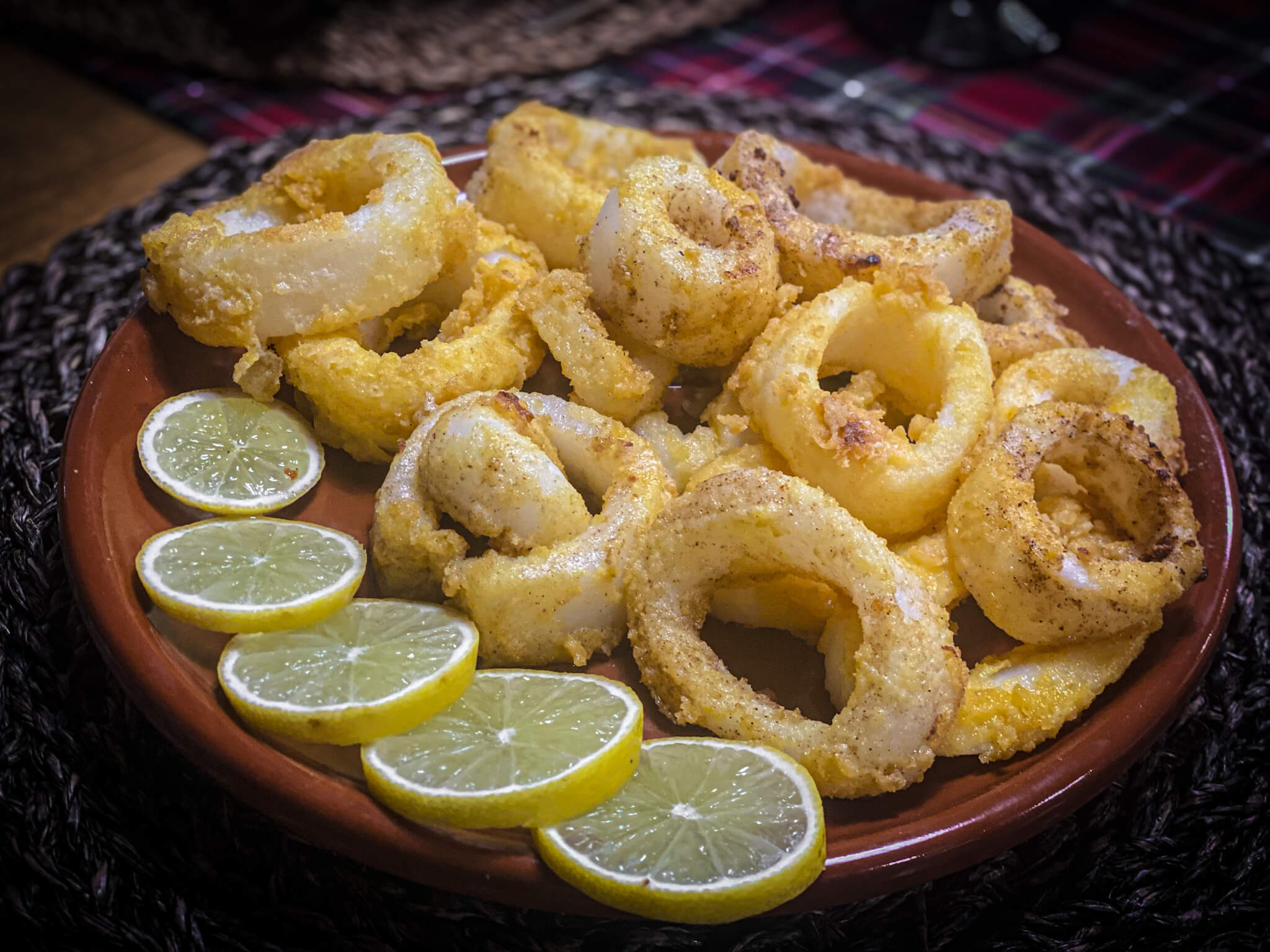
Read the full Delicious Andalusian-Style Squid Recipe
7. Spanish Sautéed Green Beans
Tender green beans are transformed into a simple but characterful Spanish tapa, finished with quail eggs and served with bread. A perfect example of how humble vegetables can become a delicious small plate for sharing.
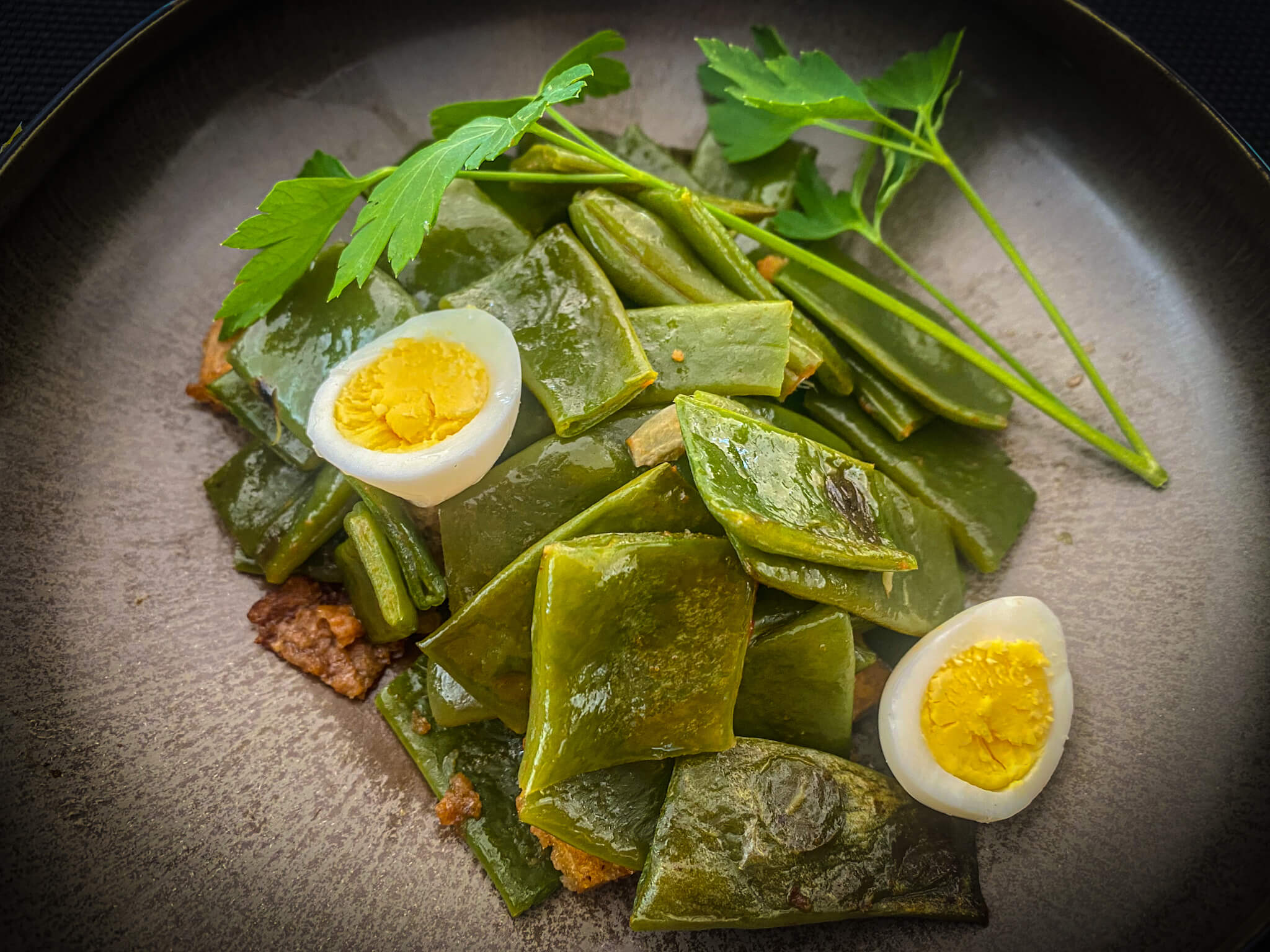
Read the full Spanish Sautéed Green Beans recipe
8. Cuttlefish in Green Sauce
Tender cuttlefish with garlic, parsley, and a bright green sauce that brings together the flavors of the Mediterranean.

Read the full Cuttlefish in Green Sauce recipe
9. Crispy Breaded Zucchini
A simple vegetable transformed into a golden, crispy bite that is perfect for sharing.

Read the full Breaded Zucchini recipe
10. Spicy Devil Choricitos
Small, intensely flavored pieces of chorizo made for sharing and enjoying with a cold drink.

Read the full Spicy Devil Choricitos recipe
11. Spanish Padrón Peppers
One of the simplest tapas can also be one of the most addictive. Cooked with olive oil and finished with salt, Padrón peppers need very little to become a perfect plate for sharing.

Read the full Spanish Padrón Peppers recipe
12. Crispy Beer-Battered Eggplant with Honey
Crispy, tender, sweet, and savory, this Andalusian-style combination is a perfect example of how vegetables can become irresistible tapas.
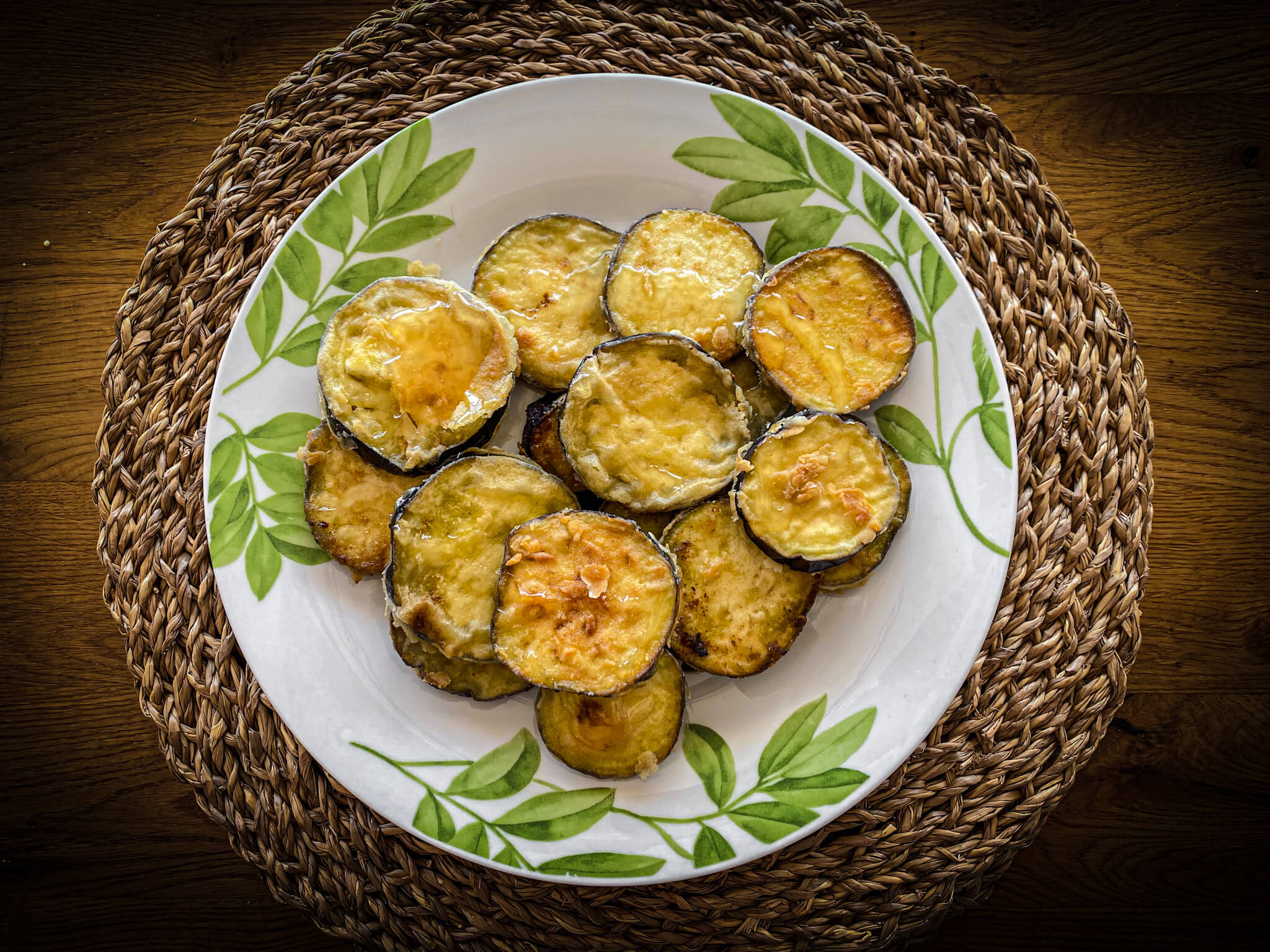
Read the full Crispy Beer-Battered Eggplant recipe
13. Huevos a la Riojana
Eggs, chorizo, peppers, and onions come together in a rich and comforting dish with all the character of northern Spanish cooking.

Read the full Huevos a la Riojana recipe
14. Stuffed Calamari with Sobrasada
A more elaborate seafood tapa combining tender calamari with the rich, intense flavor of Mallorcan sobrasada.
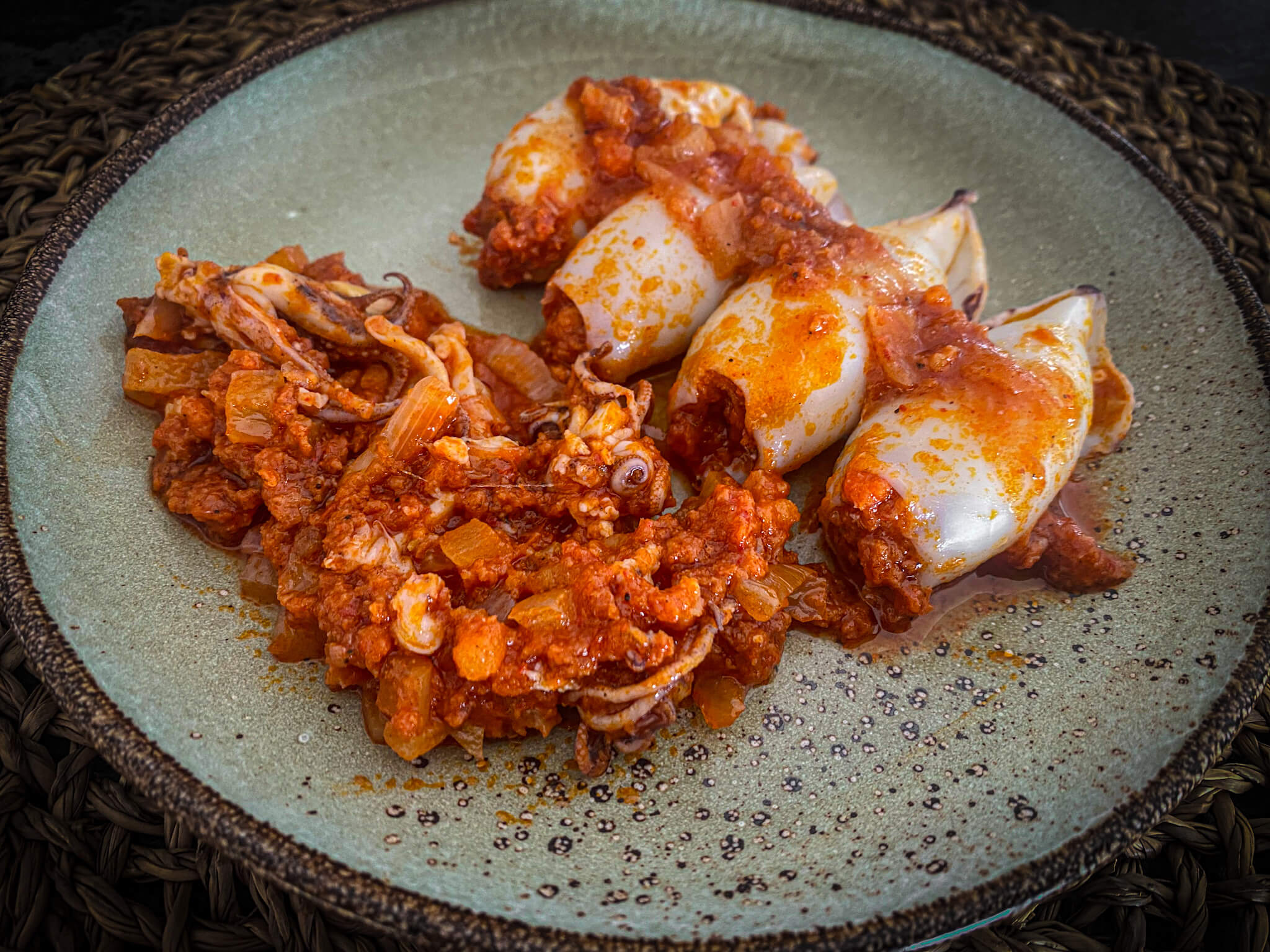
Read the full Stuffed Calamari with Sobrasada recipe
15. Spanish Huevos Rotos with Iberian Ham
Crispy potatoes, eggs, and Iberian ham come together in one of Spain’s most satisfying combinations.
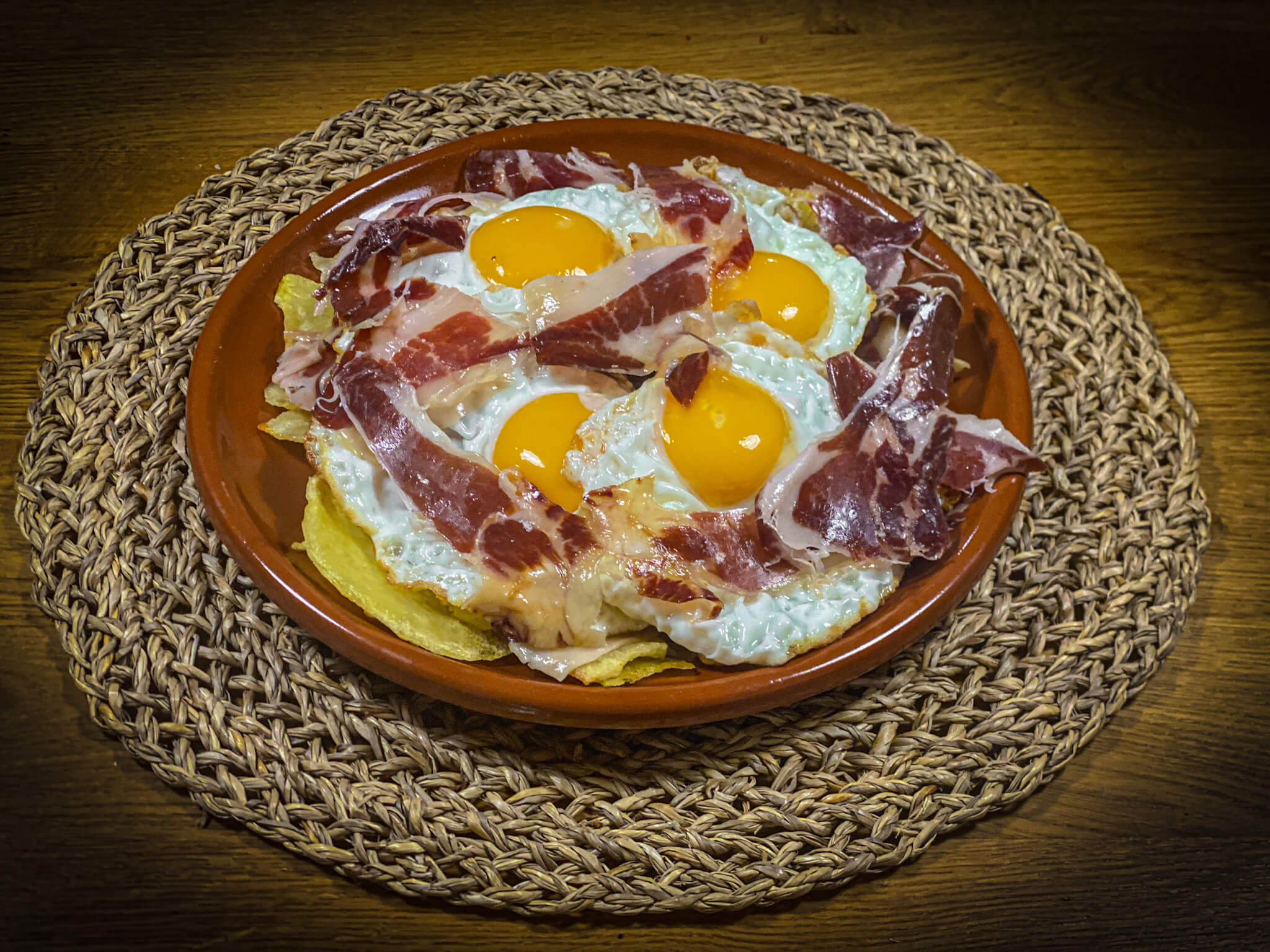
Read the full Spanish Huevos Rotos recipe
16. Authentic Madrid Tavern-Style Chicken Wings
Golden chicken wings, whole garlic, mushrooms, and a glossy red wine reduction come together in a rustic skillet dish made for sharing. Served with crusty bread to soak up the rich juices, this is the kind of generous, informal tapa that feels right at the centre of a busy Spanish tavern table.

Read the full Authentic Madrid Tavern-Style Chicken Wings recipe
17. Catalonian Espetec Appetizer on Toast with Crispy Zucchini
A creative combination of crispy zucchini, Catalonian espetec, and bread, showing how a few ingredients can become a perfect bite.

Read the full Catalonian Espetec Appetizer recipe
18. Patatas Enmascaradas
A traditional Catalan combination of potatoes, morcilla, bacon, and garlic with the kind of deep, comforting flavor that makes you want another bite.
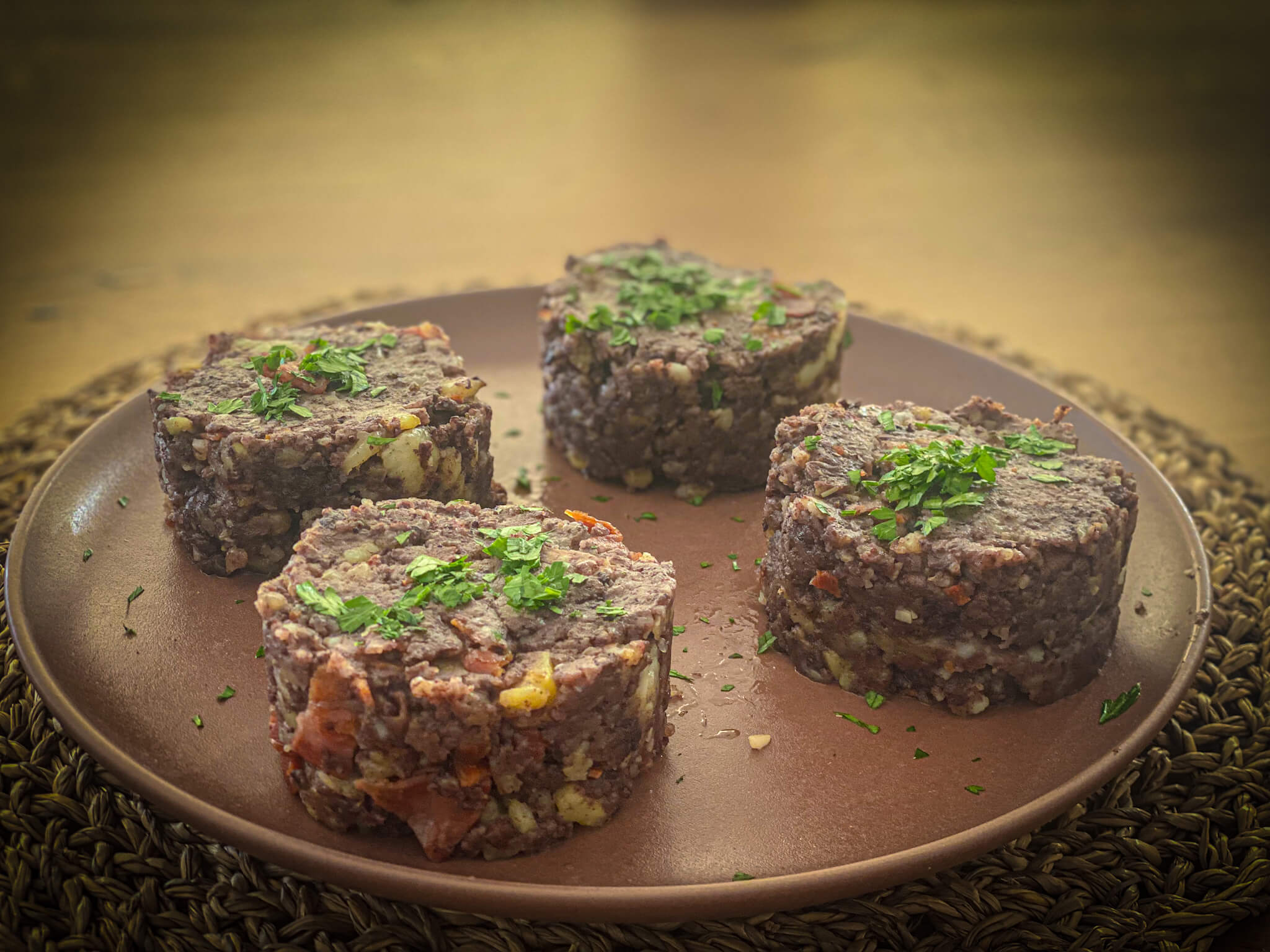
Read the full Patatas Enmascaradas recipe
19. Authentic Spanish Torreznos
Crispy pork belly with a deeply satisfying contrast between the crunchy exterior and tender meat inside.
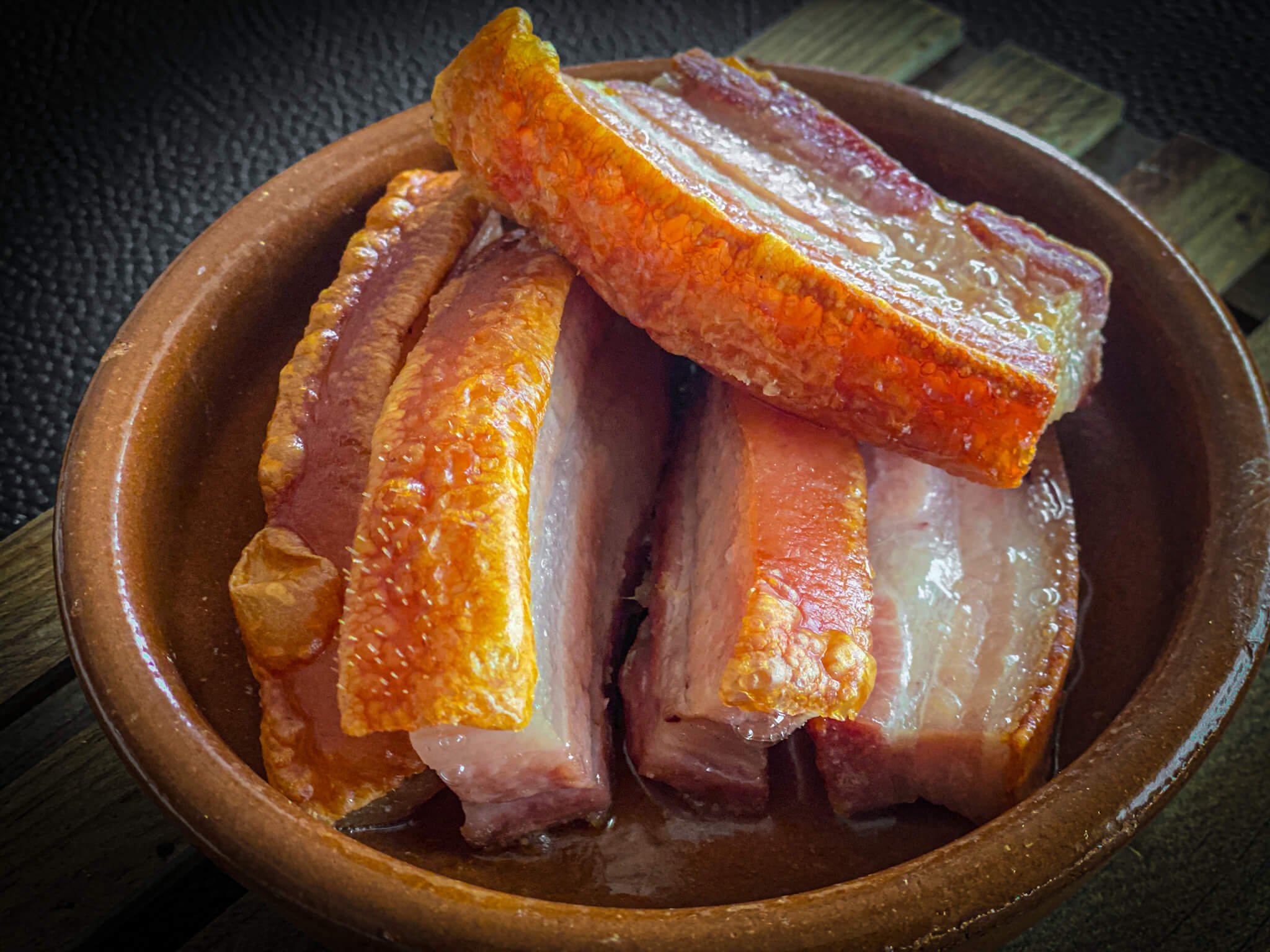
Read the full Authentic Spanish Torreznos recipe
20. Spanish Stuffed Mushrooms with Ham
Mushrooms filled with savory ham and transformed into a delicious bite-sized tapa.
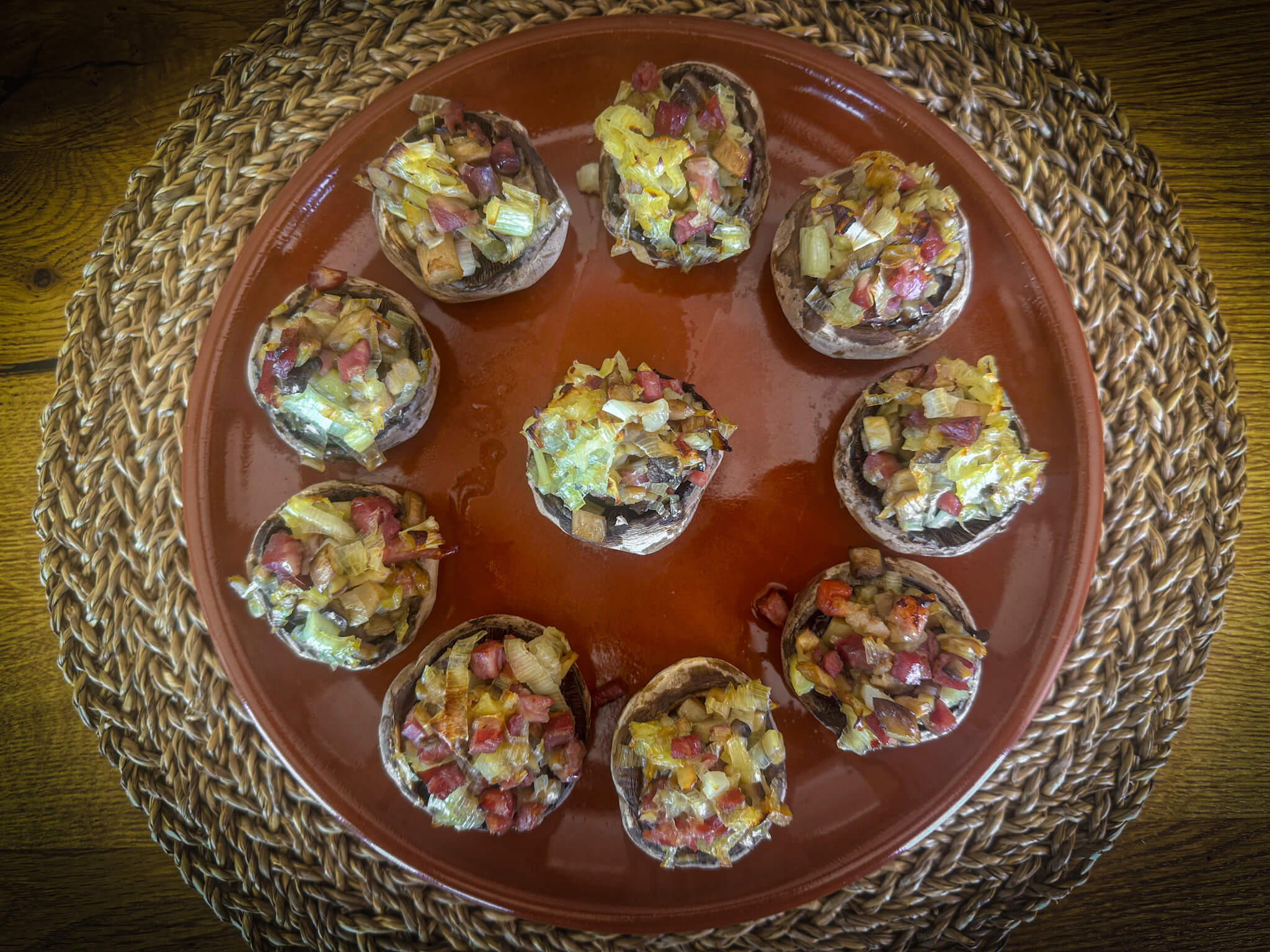
Read the full Spanish Stuffed Mushrooms recipe
21. Pulpo a la Gallega
Tender Galician-style octopus served with potatoes, olive oil, and smoked paprika.
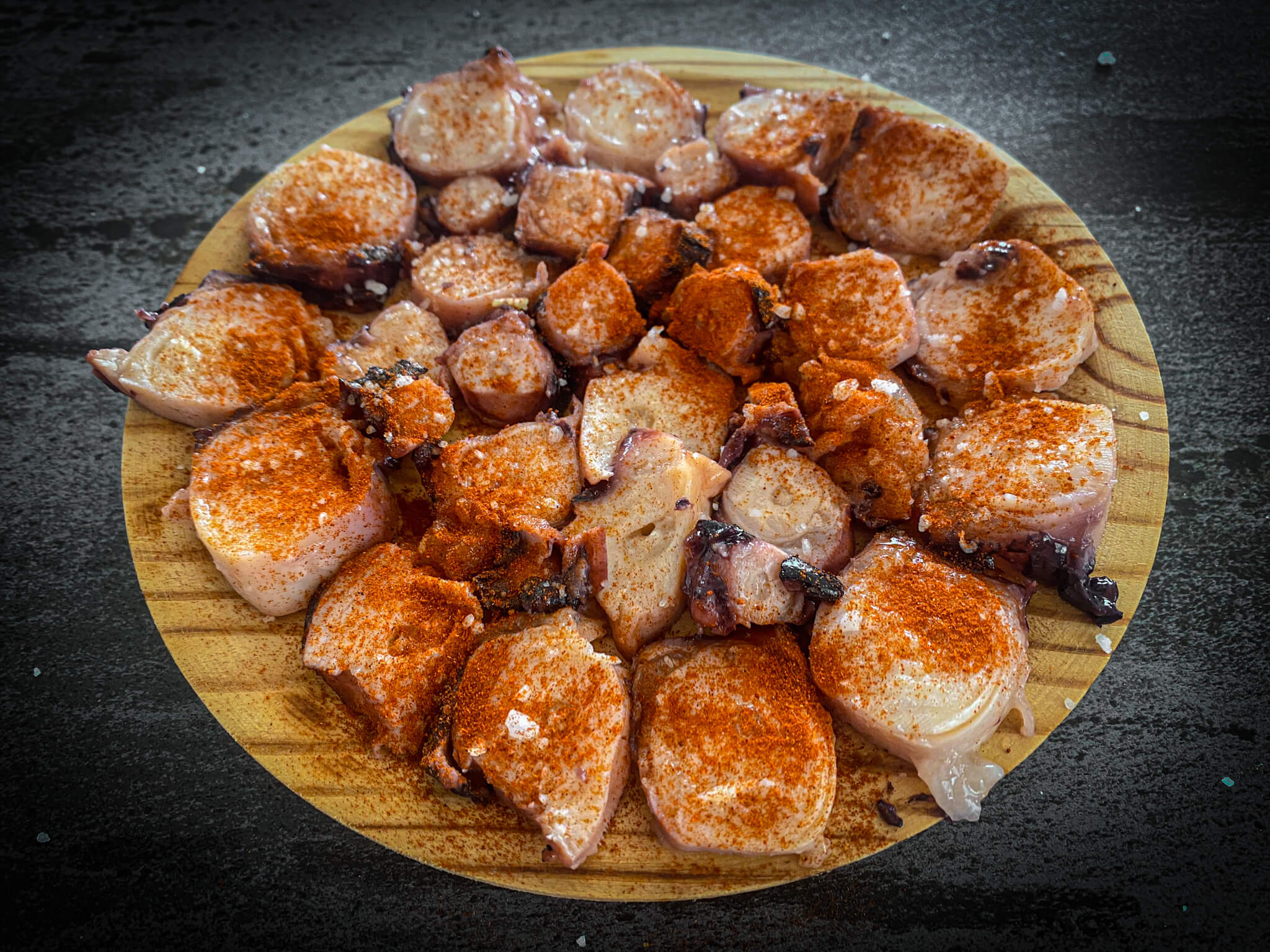
Read the full Pulpo a la Gallega recipe
22. Crispy Greek Zucchini Fritters with Feta and Mint
Although Greek rather than Spanish, these crispy zucchini fritters fit naturally into the Mediterranean tradition of preparing food to share.
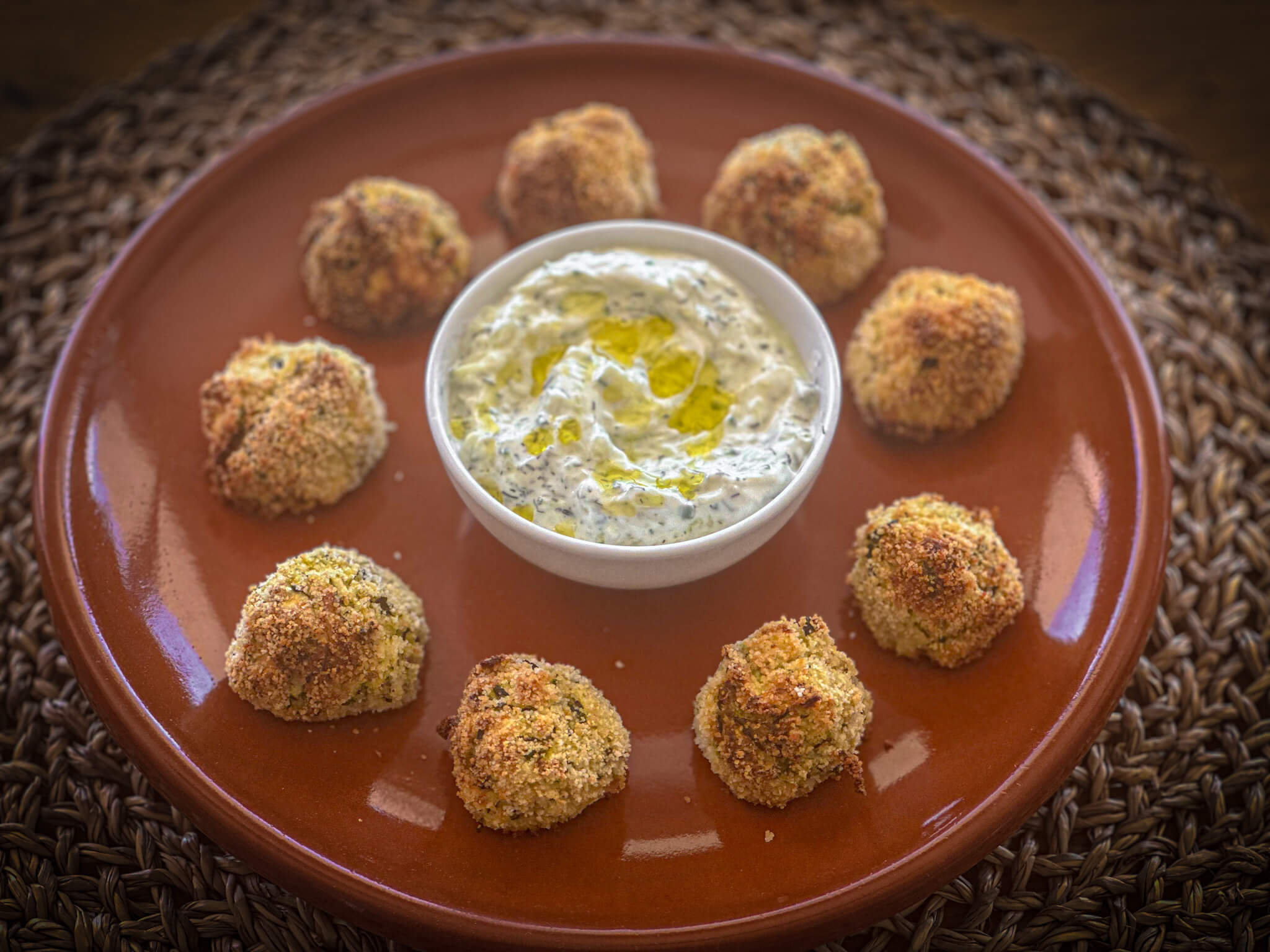
Read the full Greek Zucchini Fritters recipe
23. Habitas Baby con Chipirones
Tender baby broad beans paired with small squid in a dish that brings together vegetables and seafood in a deeply flavorful Mediterranean combination.
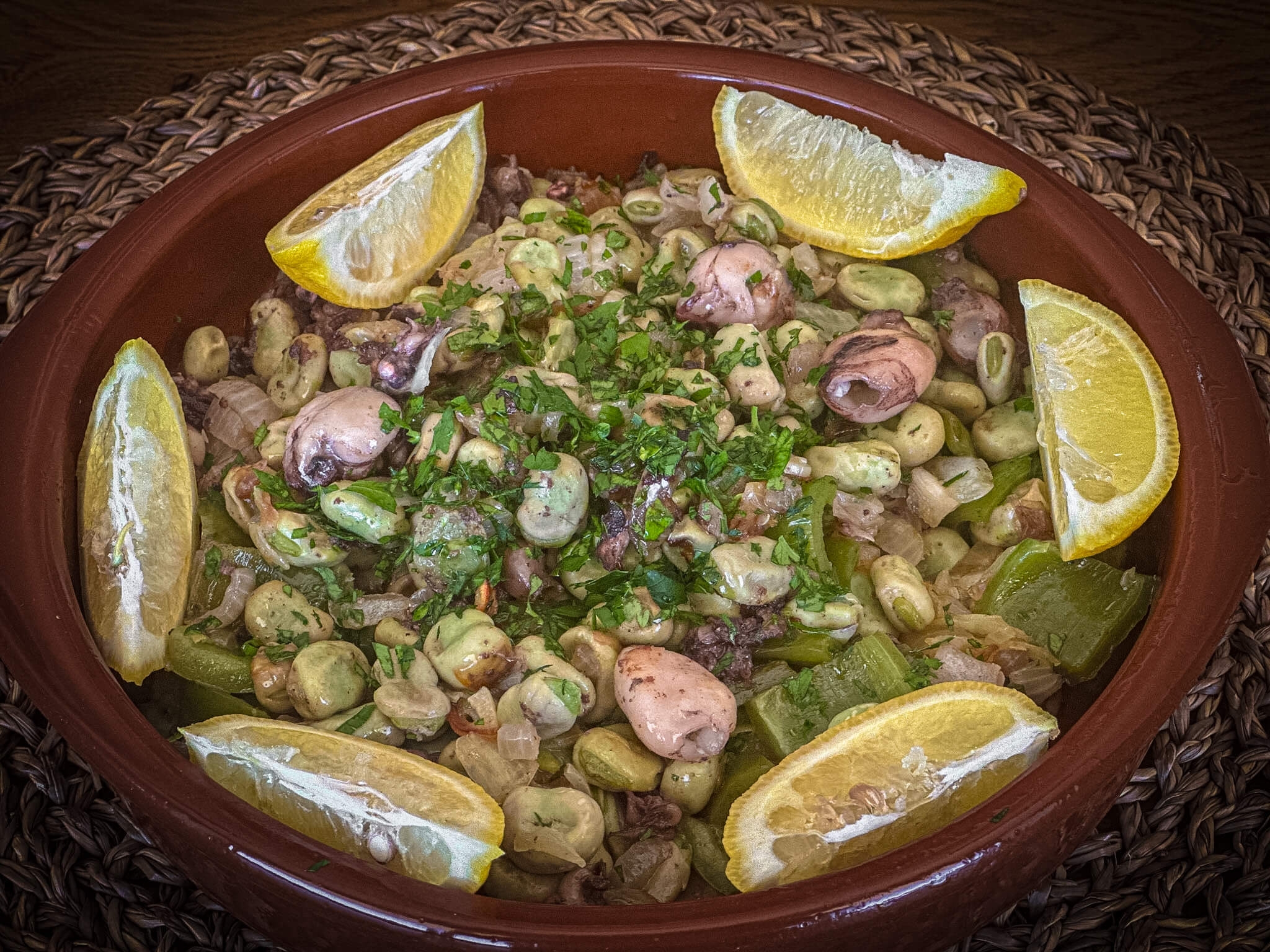
Read the full Habitas Baby con Chipirones recipe
24. Spanish Garlic Mushrooms (Champiñones al Ajillo)
Simple, quick, and packed with Mediterranean flavor, these Spanish garlic mushrooms are a classic vegan tapa made with just mushrooms, garlic, and extra virgin olive oil. Gently cooked until tender and infused with garlic, they are served hot with fresh parsley and are perfect for sharing with crusty bread.
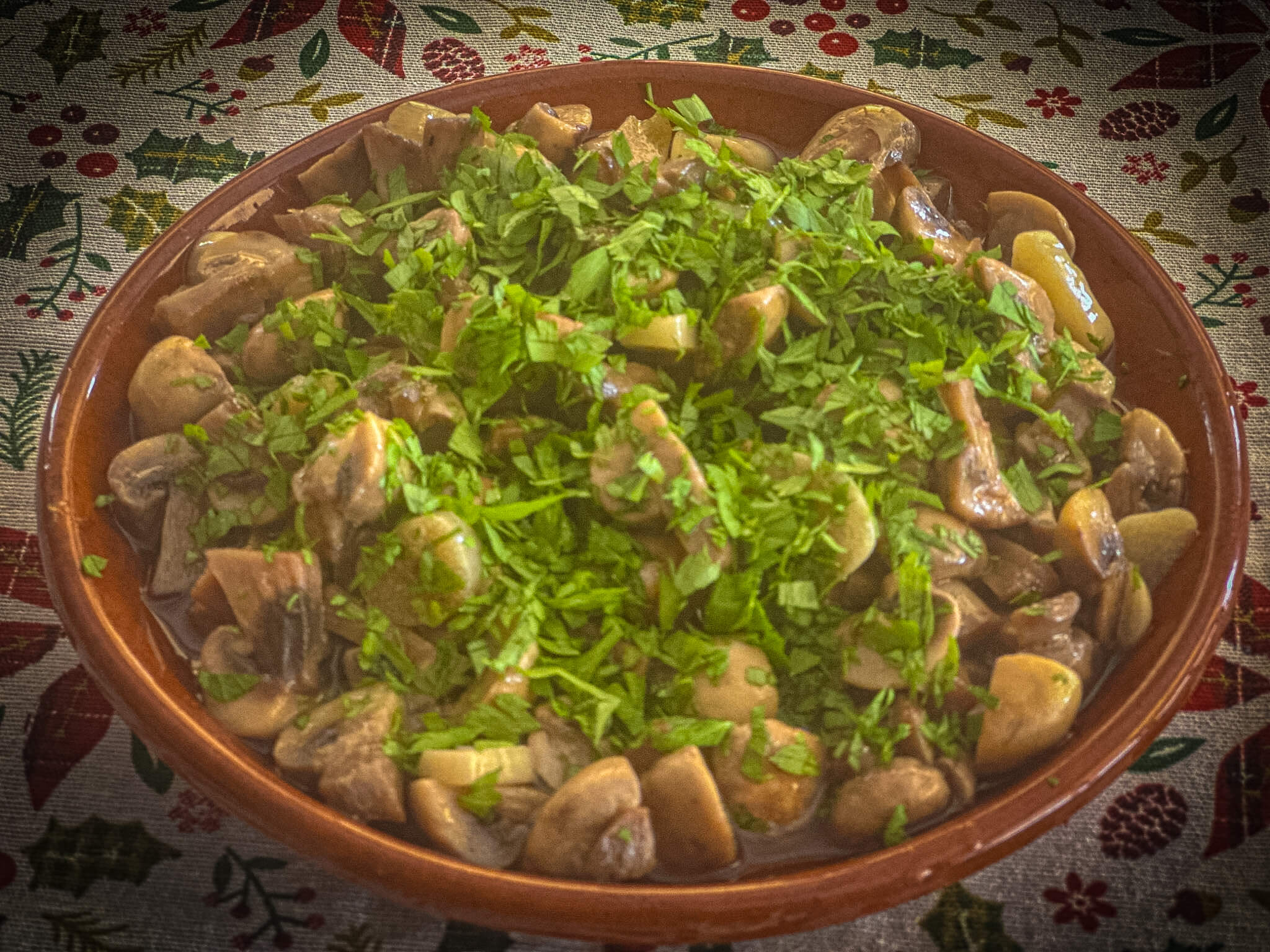
Read the full Spanish Garlic Mushrooms recipe
The Art of Spanish Tapas
Spanish tapas are impossible to reduce to a single list.
There are too many regions, too many traditions, too many local ingredients, and too many ways of preparing the same food.
And that is exactly what makes them so special.
A tapa can be simple or elaborate. Rustic or refined. Fried, grilled, stewed, or served cold. It can be a piece of tortilla on bread, a plate of seafood, a handful of peppers, a slice of ham, or a carefully constructed pincho with several contrasting textures.
What matters is not always the size of the portion.
It is the way the food brings people together.
Because Spanish tapas are ultimately about much more than what is on the plate.
They are about staying for one more drink.
Ordering one more dish.
Trying something from the plate in the middle of the table.
And sharing good food with people you enjoy.
That is the art of Spanish tapas.
Pin it
Thank you for the information that has been shared! This article is very useful and provides valuable insights for readers.