

Sharing is caring!
Spanish Rice Pudding or Arroz con Leche is a classic dessert that combines silky rice, sweet milk, and warm spices – perfect for those looking to indulge in a taste of Spain with every bite.
Spanish Rice Pudding or Arroz con Leche Recipe
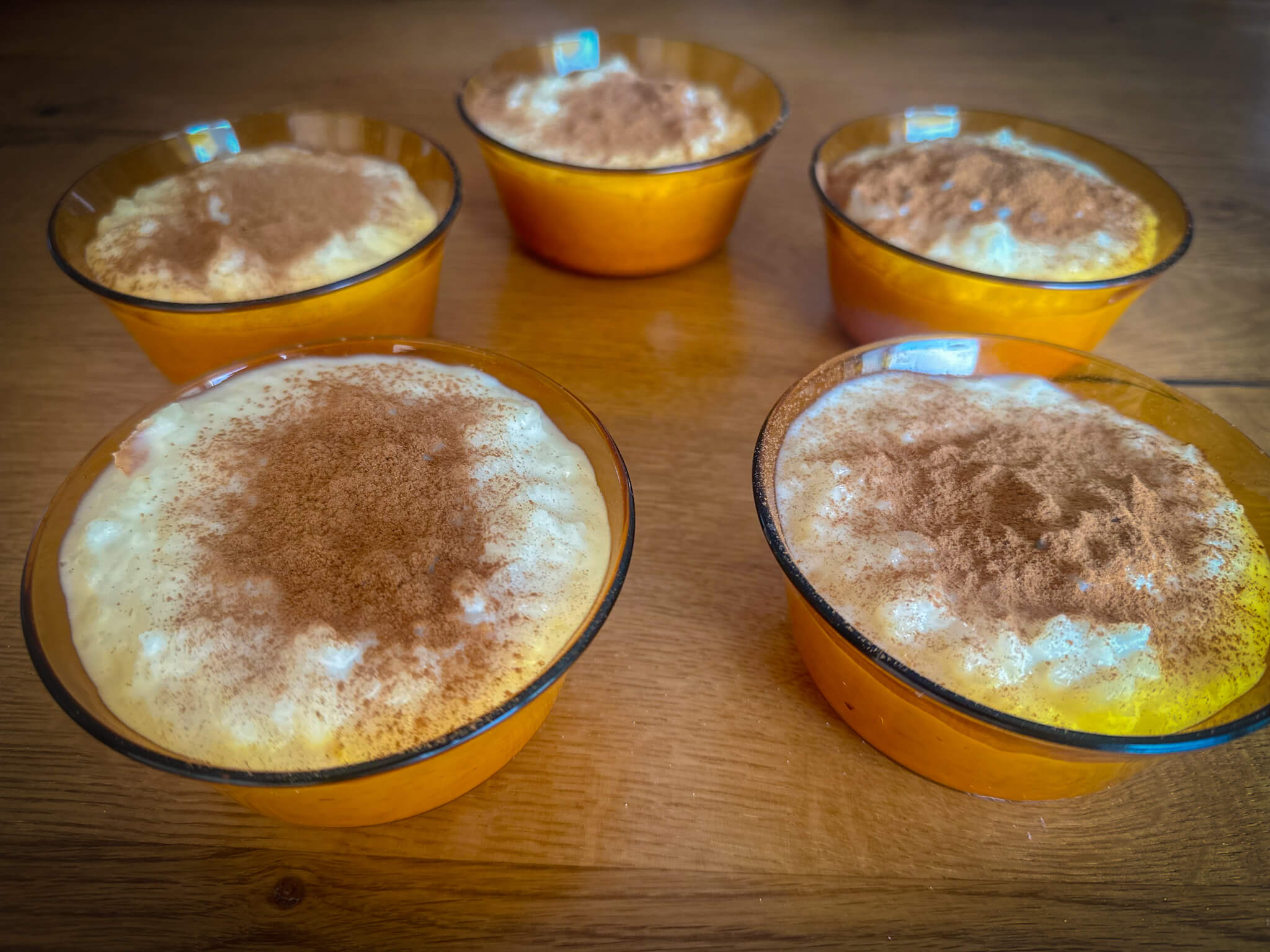
Spanish rice pudding is particularly typical in Asturias, Northern Spain, where locals are known for their excellent dairy products (like, milk and cheeses). It is commonly served with burnt sugar using a hot iron, which caramelizes the surface and makes it crispy, a technique known as requemado.
Table of Contents
ToggleHistory of Spanish Rice Pudding
Spanish rice pudding is a dish that has its origins in Asia and was introduced to Spain by the Arabs. Internationally, this dessert is also popular in Turkey, where it is called Sütlaç. In Finland, the traditional Christmas dish Joulupuuro is served on Christmas Eve as a breakfast. In the Philippines, it is made using coconut milk in its preparation.
In Spain, although it is particularly popular in Asturias, this delicious dessert is enjoyed throughout the country.
Variations of Spanish Rice Pudding
Rice pudding is an easy and simple dessert to prepare, with many variations that you can try and adjust to your taste. Rice is, of course, the main ingredient, as it absorbs the flavors of the liquids it’s cooked with and provides the dessert’s texture.
Milk is responsible for the creaminess, as this is a creamy or semi-liquid dessert. You can substitute cow’s milk with plant-based alternatives such as soy, coconut, or rice milk if you have any intolerances or want to try different flavors. You can even add cocoa for a chocolate twist.
To flavor the milk, cinnamon and citrus zest (lemon or orange) are commonly used. However, you can also use vanilla, anise, cardamom, ginger, or experiment with any flavor you prefer.
When serving, rice pudding is often topped with ground cinnamon, but you can also use other powdered spices like nutmeg, cocoa, or vanilla. Alternatively, you can sprinkle sugar and caramelize it, or add grated chocolate – whatever suits your taste.
This dessert encourages creativity, allowing you to mix it with syrupy fruits, chocolate, or whatever you enjoy most.
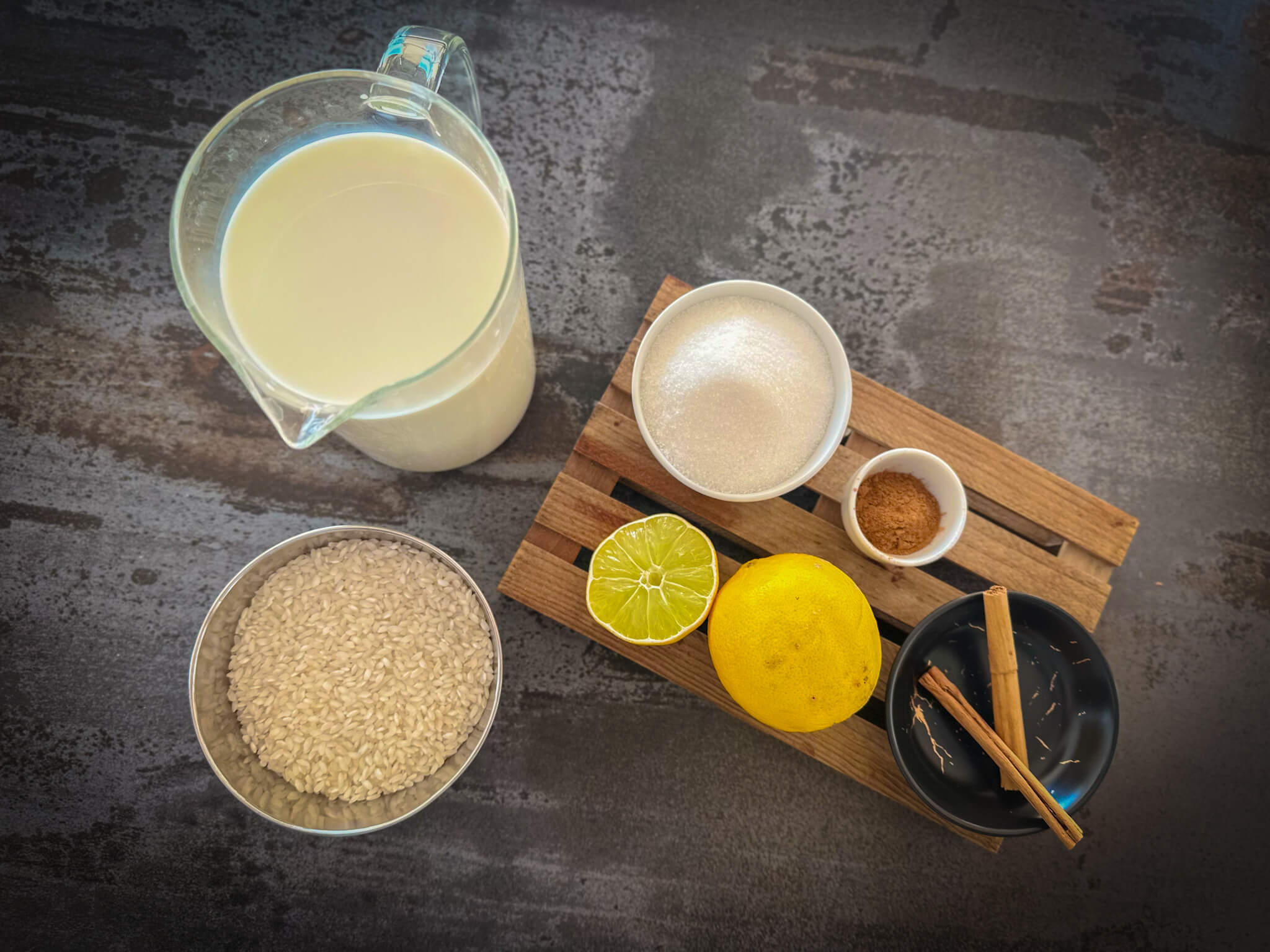
Ingredients
| Metric Amount | Imperial Amount | Core Ingredient | Preparation |
| 200 g | 7 oz | Round rice | Dry |
| 1 L | 4.2 cups | Whole milk | Full fat |
| 100 g | 3.5 oz | White sugar | Granulated |
| 2 units | 2 units | Cinnamon sticks | Whole |
| 1 unit | 1 unit | Lemon | Peel only (no white pith) |
| To taste | To taste | Ground cinnamon | For garnish |
Instructions
1. Infuse the Milk
Pour the milk into a large saucepan and add the cinnamon sticks along with a few strips of lemon peel, making sure to avoid the white pith, which can make the dessert bitter. Bring the milk to a gentle boil over medium heat.

2. Cook the Rice
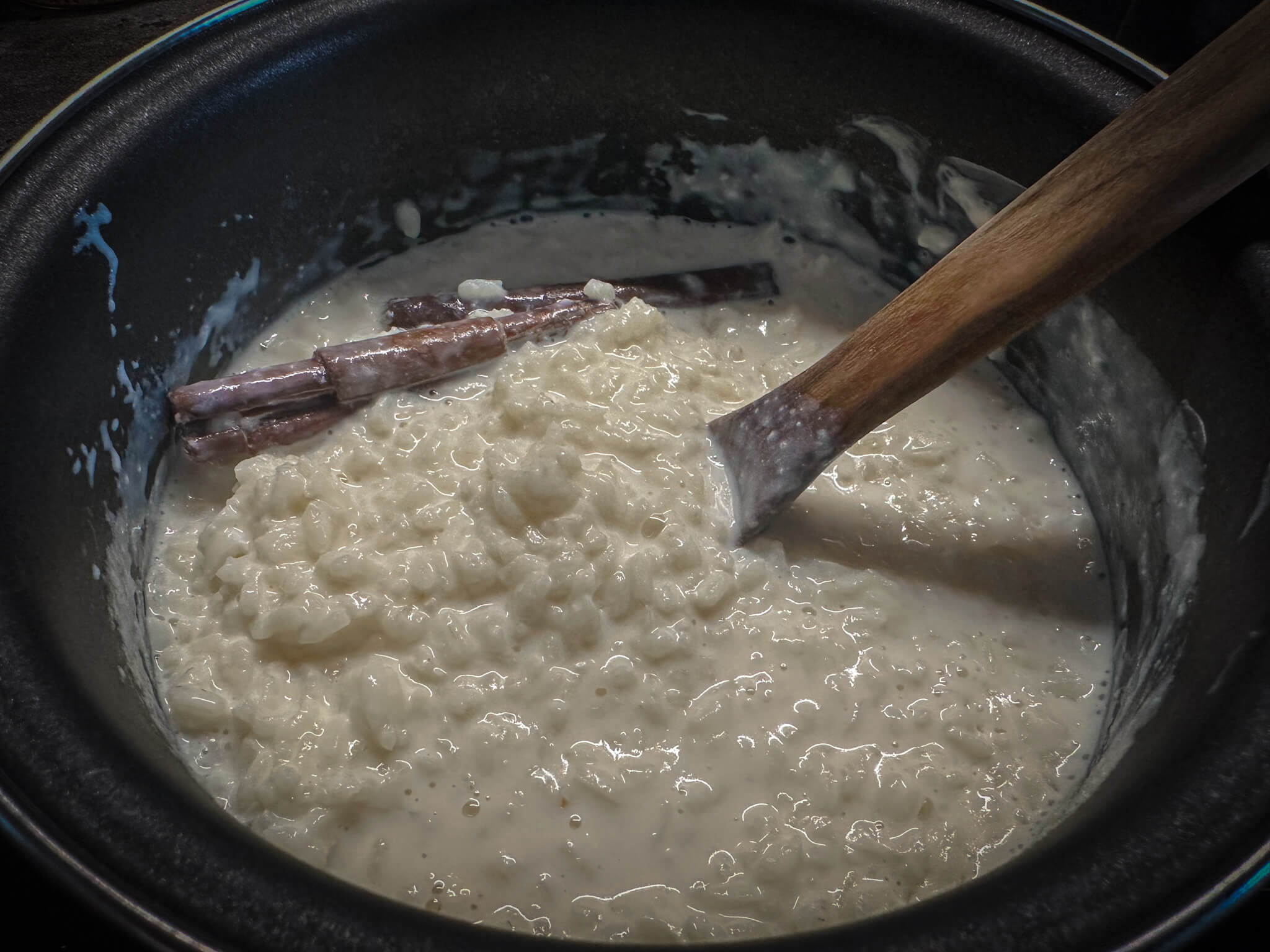
Once the milk begins to simmer, stir in the rice and reduce the heat to low. Cook gently for 45 minutes, stirring every 5–10 minutes to prevent the rice from sticking to the bottom of the pan. The rice should become tender while the milk gradually thickens.
3. Sweeten and Serve
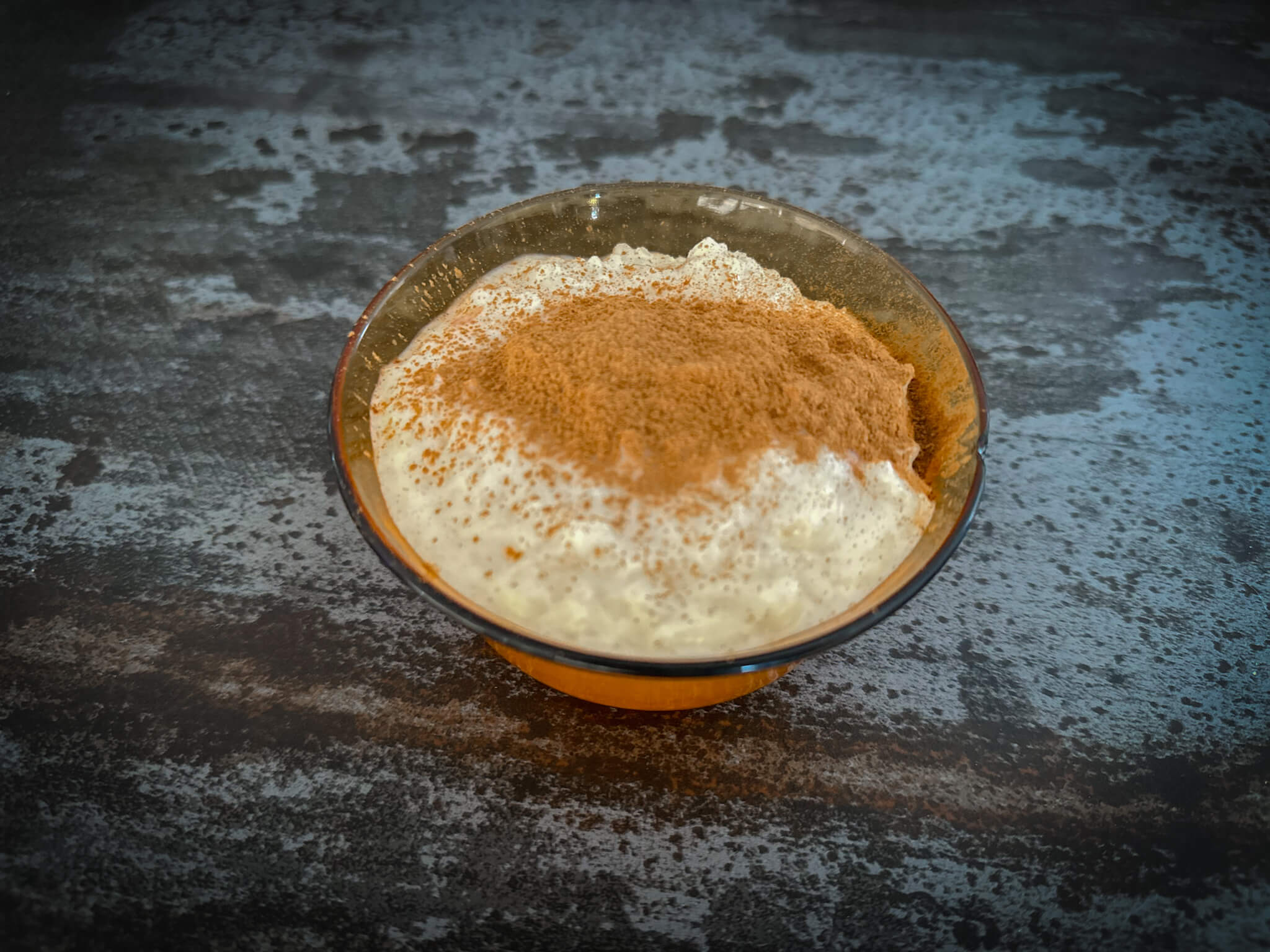
Stir in the sugar and continue cooking for another 5 minutes, stirring constantly until it has completely dissolved. Remove the cinnamon sticks and lemon peel, then divide the rice pudding into individual bowls. Keep in mind that it will continue to thicken as it cools, so remove it from the heat while it’s still slightly creamier than your desired consistency. Finish with a generous sprinkle of ground cinnamon and serve warm, at room temperature, or chilled.


Chef’s Notes for Traditional Rice Pudding
Why is the quality of the milk so important for this dessert? Because this recipe relies on a simple emulsion of rice starch and milk, using whole milk is non-negotiable. The fat content provides the necessary body and velvety mouthfeel that defines a high-quality arroz con leche. Low-fat alternatives will result in a thin, watery texture that fails to coat the back of a spoon.
Does the order of adding the sugar affect the final texture? Absolutely. You must always add the sugar during the final few minutes of cooking. Adding it too early can hinder the rice’s ability to absorb the milk properly and increases the risk of the rice scorching at the bottom of the pot. By waiting until the rice is already tender and the mixture has thickened, you ensure a clean, smooth finish without compromising the integrity of the grain.
How do I achieve that perfect balance between creamy and thick? The secret lies in residual heat. Rice pudding continues to absorb liquid as it cools. If you cook it until it reaches your desired consistency while it is still on the stove, it will be unpleasantly sticky and dense once it reaches room temperature. Always pull it off the heat when it is slightly looser than you want it to be; it will “set” to perfection as it rests.
Common Mistakes Cooking Traditional Rice Pudding
Ignoring the white pith of the lemon is a frequent oversight that ruins the flavor profile of the dessert. When peeling the lemon, you must only take the yellow zest because the white pith contains bitter oils that will infuse the milk and clash aggressively with the warm, sweet notes of the cinnamon and sugar.
Over-agitating the rice by stirring too vigorously or too frequently can damage the delicate grains and release excess surface starch prematurely. This turns your pudding into a gummy, gluey paste rather than a luxurious dish with distinct, tender grains. Use a gentle, rhythmic motion to simply move the milk around the bottom of the pot, ensuring it doesn’t stick without crushing the rice.
Burning the base is a common consequence of neglect, especially when using high heat. Because rice pudding is a milk-based dish, it has a very low threshold for scorching. If the milk catches on the bottom of the pot, it will impart a toasted, metallic flavor that cannot be salvaged. Keep the heat strictly on medium-low and maintain a constant, gentle vigilance.
Variations on Traditional Rice Pudding
-
The Citrus-Vanilla Infusion: For a more aromatic profile, add a split vanilla bean during the simmering process along with your cinnamon sticks. The floral depth of real vanilla complements the creamy milk base, creating a more sophisticated, fragrant dessert that mimics classic pastry cream.
-
The “Toasted” Caramel Crust: If you want to elevate this for a dinner party, transfer the finished pudding into individual ramekins once it has cooled slightly. Sprinkle a thin layer of sugar over the top and use a kitchen torch to caramelize it. This creates a brittle, burnt-sugar crust that contrasts beautifully with the soft, cold creaminess beneath—similar to a Catalan-style crema.
-
The Dairy-Free Coconut Twist: If you are looking to accommodate lactose-intolerant guests or simply want a tropical flair, replace half of the whole milk with full-fat canned coconut milk. The coconut’s natural sweetness and high fat content pair exceptionally well with the cinnamon and lemon, resulting in an incredibly rich and velvety vegan-friendly version
Recipe Card
Spanish Rice Pudding

Spanish Rice pudding is a traditional dessert in Spanish cuisine, and as you will see, it is very easy and simple to prepare. This delicious dessert is especially typical in Asturias, where they have excellent dairy products (milk, cheeses, ricotta), and it is common to serve it with burnt sugar using a hot iron, so the surface becomes caramelized and crispy (known as requemado).
Ingredients
- 200 grams of round rice
- 1 liter of milk
- 100 grams of sugar
- 2 cinnamon sticks
- 1 lemon
- Ground cinnamon
Instructions
1. Infuse the Milk
Pour the milk into a large saucepan and add the cinnamon sticks along with a few strips of lemon peel, making sure to avoid the white pith, which can make the dessert bitter. Bring the milk to a gentle boil over medium heat.
2. Cook the Rice
Once the milk begins to simmer, stir in the rice and reduce the heat to low. Cook gently for 45 minutes, stirring every 5–10 minutes to prevent the rice from sticking to the bottom of the pan. The rice should become tender while the milk gradually thickens.
3. Sweeten and Serve
Stir in the sugar and continue cooking for another 5 minutes, stirring constantly until it has completely dissolved. Remove the cinnamon sticks and lemon peel, then divide the rice pudding into individual bowls. Keep in mind that it will continue to thicken as it cools, so remove it from the heat while it's still slightly creamier than your desired consistency. Finish with a generous sprinkle of ground cinnamon and serve warm, at room temperature, or chilled.
Notes
When cutting the lemon peel, make sure to avoid the white part to prevent bitterness.Keep in mind that as it cools, it will absorb more liquid, so if you don’t want it to become too thick and sticky, you should remove it while it's still a bit more liquid.
Pin it

Sharing is caring!