

Discover How to Make Easy Homemade Mayonesa, the classic Spanish-style mayonnaise prepared without lemon or vinegar. Silky, rich, and incredibly simple, this Mediterranean staple is naturally gluten-free, low-carb, and vegetarian, making it the perfect sauce for tapas, salads, or everyday meals.
How to Make Easy Homemade Mayonesa

Easy Homemade Mayonesa Recipe
How to Make Easy Homemade Mayonesa is the perfect guide for anyone wanting to recreate one of Spain’s most iconic sauces. This traditional version stands out because it doesn’t use lemon or vinegar—just a fresh egg yolk and high-quality olive oil. With these simple ingredients and a bit of slow whisking, you get a smooth, creamy emulsion that captures the heart of Mediterranean home cooking.
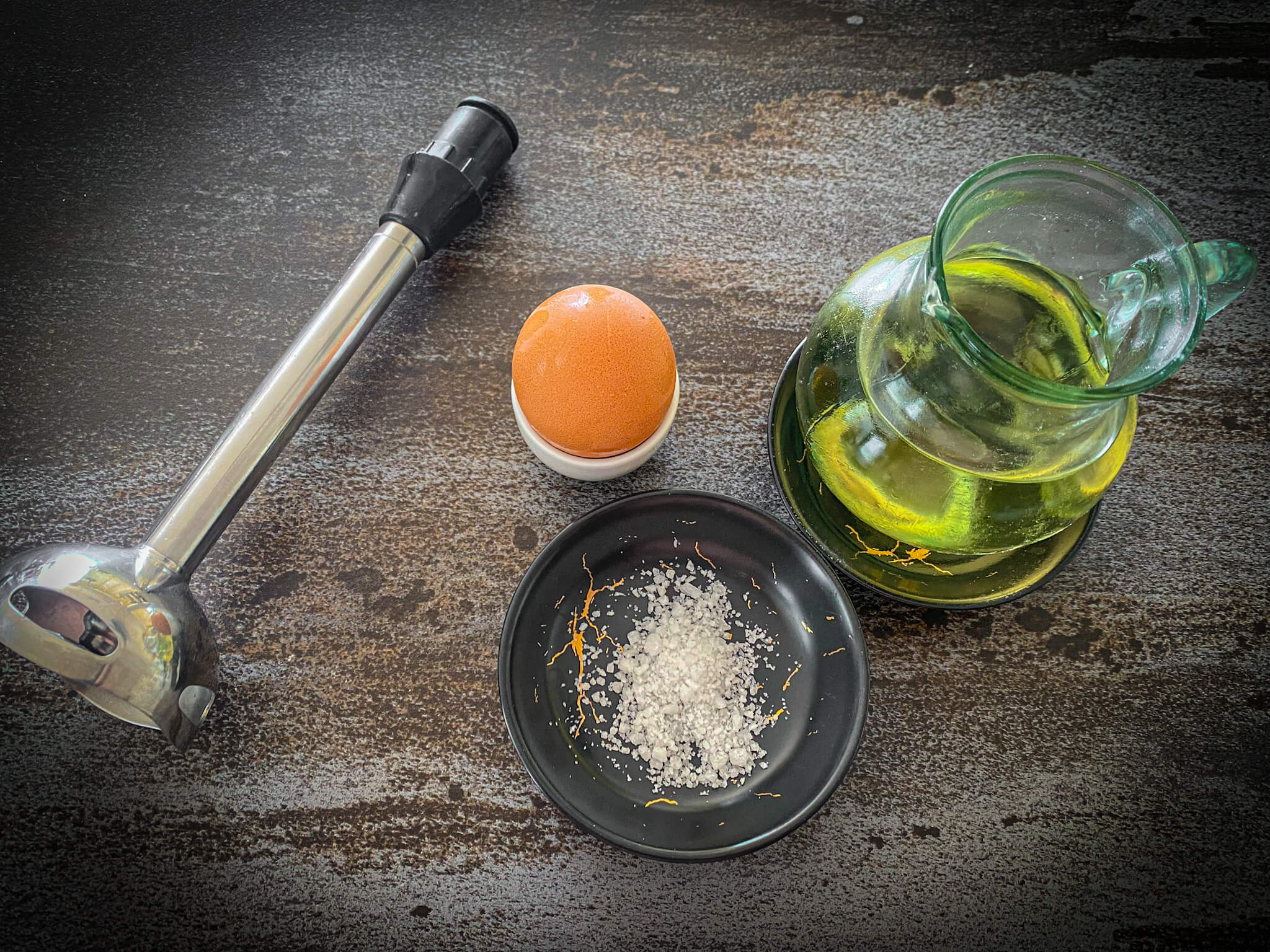
Ingredients
| Metric Amount | Imperial Amount | Core Ingredient | Preparation |
| 1 unit | 1 unit | Large egg | Whole, raw, must be at room temperature |
| 150 ml | 5.07 fl oz | Olive oil | Fluid, high-quality, mild flavor profile |
| 1 pinch | 1 pinch | Salt | Fine grain, dry |
Instructions (Immersion Blender Method)
1. Prepare the cup
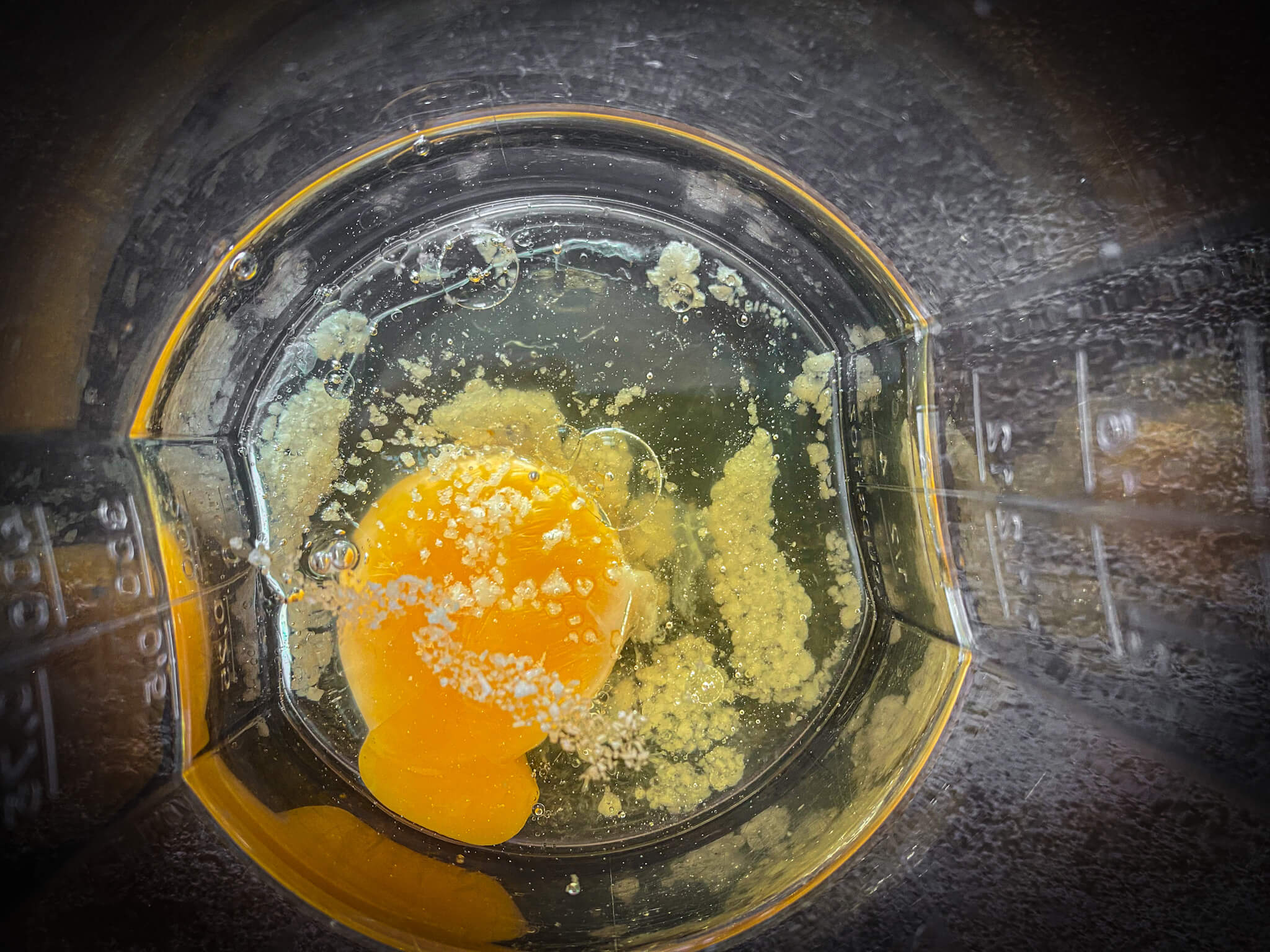
Crack the egg into a tall, narrow cup suitable for an immersion blender.
2. Add a pinch of salt
Pour in the olive oil on top of the egg without mixing.
3. Blend
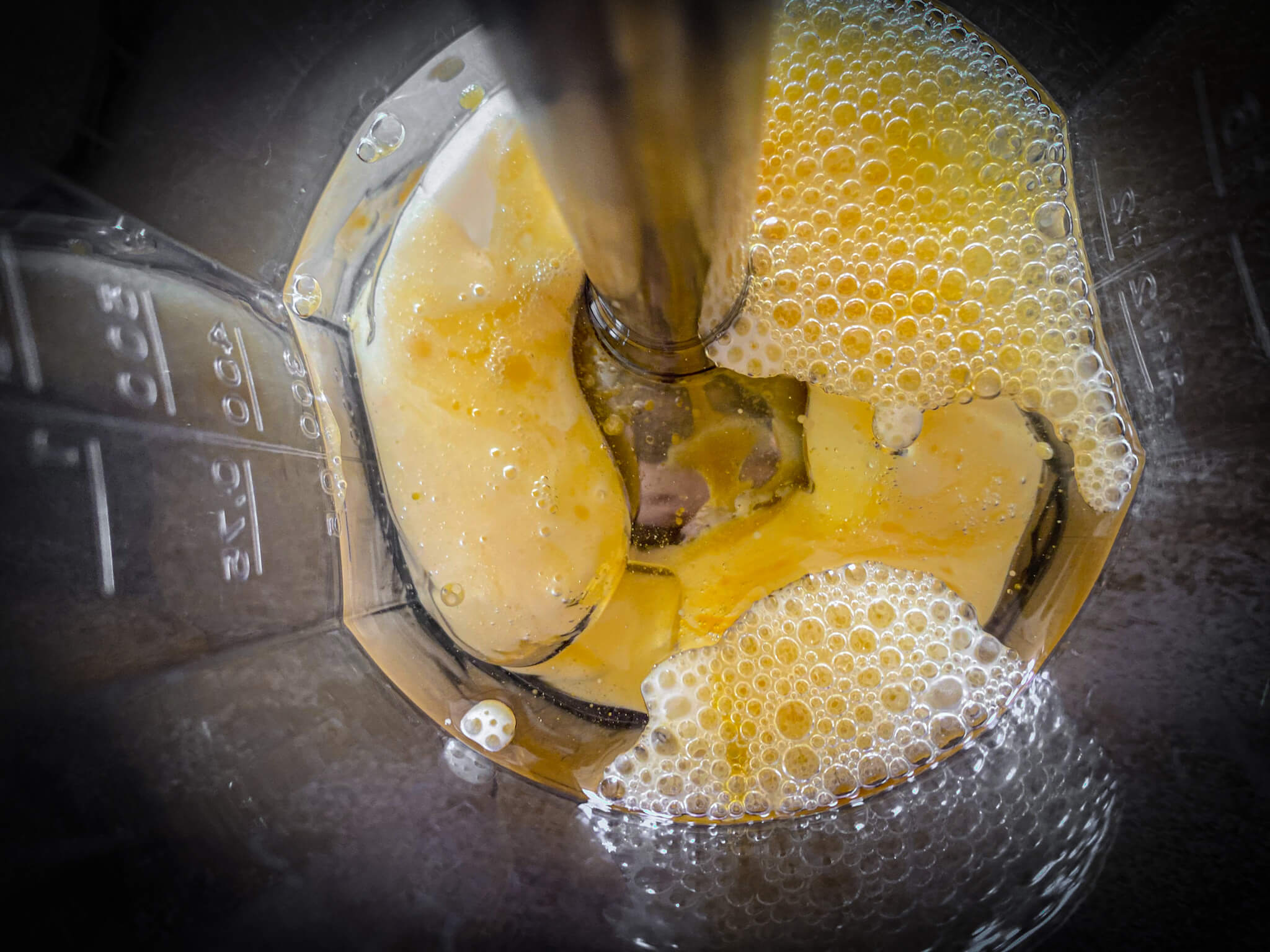
Place the immersion blender at the bottom of the cup so it touches the egg and oil.
Turn on the blender without moving it for about 5–10 seconds.
As the mixture begins to thicken, slowly lift the blender upwards to incorporate the remaining oil.
Blend until the mayonesa is creamy and fully emulsified.
4. Taste and adjust
Add extra salt if needed.


Chef’s Notes for Easy Homemade Mayonesa
Why does the egg need to be at room temperature to make Easy Homemade Mayonesa?
Using a room-temperature egg is critical because cold proteins from the refrigerator do not bond easily with oil molecules. When the egg and the olive oil are at the same ambient temperature, the proteins can stretch and trap the fat droplets much faster, ensuring a stable, thick emulsion that will not separate during blending.
What is the best way to rescue a broken or split Easy Homemade Mayonesa?
If your emulsion separates into a greasy, curdled liquid, do not throw it away. Grab a clean, narrow container, add a fresh egg yolk at room temperature, and turn on your immersion blender. Slowly, in a thin and continuous stream, pour the broken mixture into the new yolk while blending continuously to rebuild the creamy texture perfectly.
How long can you safely store this version of homemade mayonesa?
Because this traditional recipe relies on raw egg and contains no acidic preservatives like lemon juice or vinegar, it has a short shelf life. Transfer the finished sauce to an airtight glass jar immediately and store it in the back of the refrigerator for no more than 2 to 3 days. Always use extremely fresh eggs to ensure maximum food safety.
Common Mistakes cooking Easy Homemade Mayonesa
Moving the blender too early: Turning on the immersion blender and immediately lifting or shaking it breaks the initial emulsion before it can stabilize. You must anchor the blade firmly against the bottom of the tall container for a full 5 to 10 seconds. Only when you see a thick, white cream forming at the base should you slowly lift the tool to draw in the remaining surface oil.
Using a wide blending container: Choosing a bowl or a wide plastic container spreads the oil too thin and prevents the blender blades from drawing the ingredients together effectively. The egg and oil must be tightly stacked, which is why a tall, narrow cylinder that barely fits the head of your immersion blender is mandatory for the physics of this emulsion to work.
Selecting an overpowering olive oil: Using an intense, robust extra virgin olive oil made from early-harvest olives can ruin the flavor profile, making the sauce incredibly bitter and peppery. For an authentic Spanish taste that remains pleasant, choose a mild, refined olive oil or a soft variety like Arbequina, which allows the natural richness of the egg to shine through beautifully.
Ingredient Swaps & Variations on Easy Homemade Mayonesa
-
Tangy Citrus Substitution: If you prefer a brighter flavor profile with an acidic kick, blend one teaspoon of freshly squeezed lemon juice or mild vinegar into the egg before adding the oil. This variation cuts through the natural fat of the emulsion, creating a vibrant, slightly tangy finish that pairs beautifully with fresh salads or seafood dishes.
-
Classic Garlic Alioli Twist: To transform this sauce into a bold Mediterranean favorite, drop one peeled and crushed garlic clove into the bottom of the beaker alongside the egg before pouring the oil. This creates a pungent, aromatic garlic mayonnaise that pairs perfectly with grilled vegetables or crispy fried potatoes.
-
Smoked Paprika Spanish Flare: For a beautiful smoky depth and an authentic Spanish twist, add half a teaspoon of smoked paprika to the mix. Stir it gently into the cream to create an incredible dipping sauce that elevates traditional tapas or simple roasted winter vegetables.
-
Spicy Heat Infusion: If you want to give your sauce a fiery kick, add a pinch of cayenne pepper or chili powder to the ingredients before blending. This spicy variation works beautifully as a bold dipping sauce or spread for fresh seafood and grilled chicken.
-
Fresh Herb-Infused Blend: For a fragrant, garden-fresh Mediterranean aroma, fold finely chopped fresh herbs like basil (albahaca), parsley, tarragon, or chives into the mayonnaise after the emulsion has formed. This clean flavor profile works perfectly on gourmet sandwiches, grilled vegetables, or pan-seared fish.
-
Lighter Drizzling Adjustment: If you need a thinner consistency for plating or dressing, incorporate one to two teaspoons of pure water into the container while blending. This creates a lighter, pourable texture that is ideal for evenly drizzling over crisp garden salads or layered sandwiches.
Recipe Card
Easy Homemade Mayonesa

Discover How to Make Easy Homemade Mayonesa, the classic Spanish-style mayonnaise prepared without lemon or vinegar. Silky, rich, and incredibly simple, this Mediterranean staple is naturally gluten-free, low-carb, and vegetarian, making it the perfect sauce for tapas, salads, or everyday meals.
Ingredients
- 1 large egg (room temperature)
- 150 ml olive oil
- A pinch of salt
Instructions
Immersion Blender Method Prepare the cup Crack the egg into a tall, narrow cup suitable for an immersion blender. Add a pinch of salt. Add the oil Pour in the olive oil on top of the egg without mixing. Blend Place the immersion blender at the bottom of the cup so it touches the egg and oil. Turn on the blender without moving it for about 5–10 seconds. As the mixture begins to thicken, slowly lift the blender upwards to incorporate the remaining oil. Blend until the mayonesa is creamy and fully emulsified. Taste and adjust Add extra salt if needed.
Notes
- Room-temperature egg: Helps the emulsion form quickly.
- Tall, narrow container: Keeps the oil and egg together for fast emulsification.
- Rescue split mayo: Start a new egg yolk and slowly whisk in the broken mixture.
- Thickness adjustment: Add 1–2 tsp of water if too thick.
- Storage: Keep in the fridge, airtight, for 2–3 days.
Nutrition Information:
Yield:
1Serving Size:
1Amount Per Serving: Calories: 83Total Fat: 6gSaturated Fat: 2gUnsaturated Fat: 4gCholesterol: 185mgSodium: 129mgCarbohydrates: 1gFiber: 0gSugar: 0gProtein: 6g
