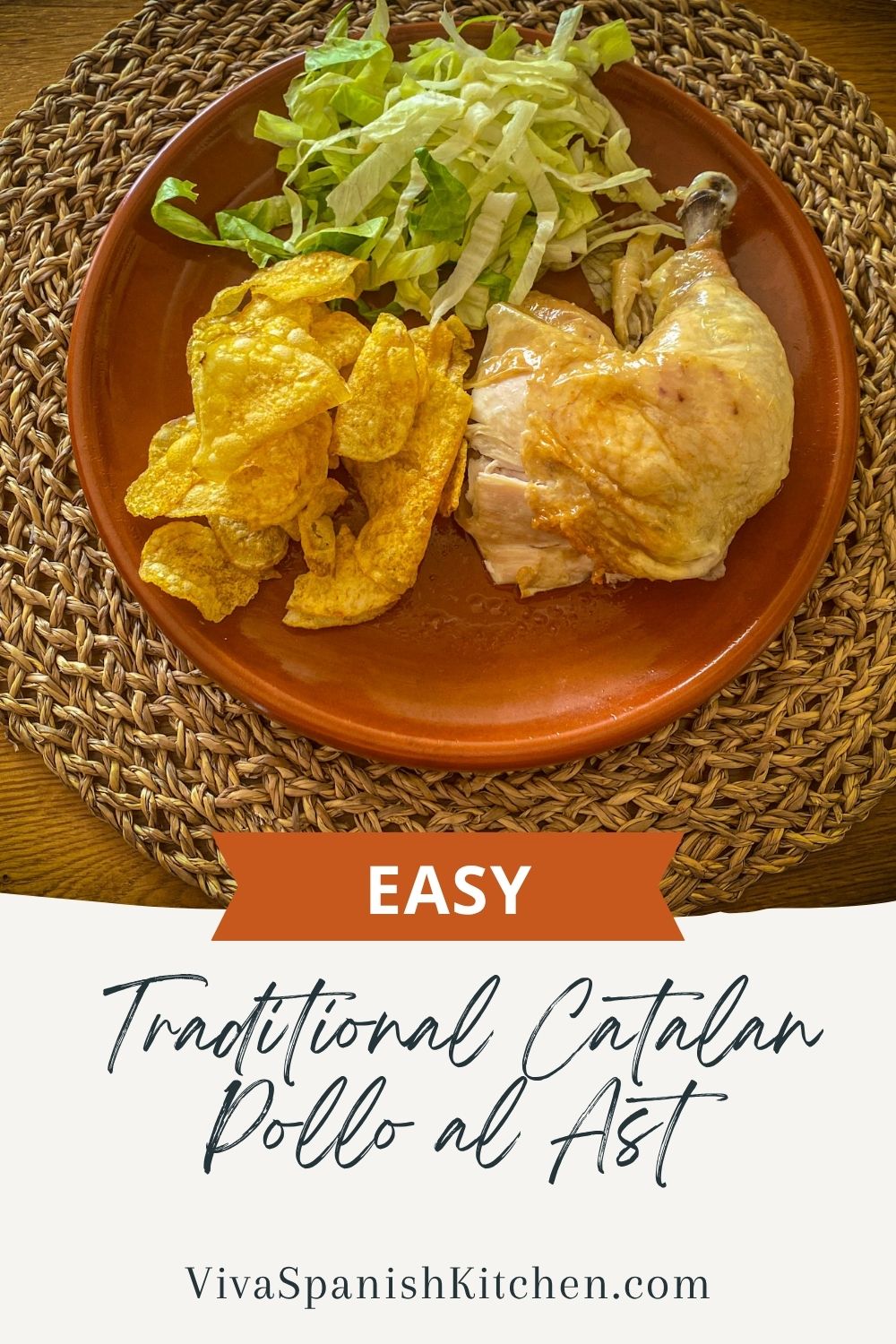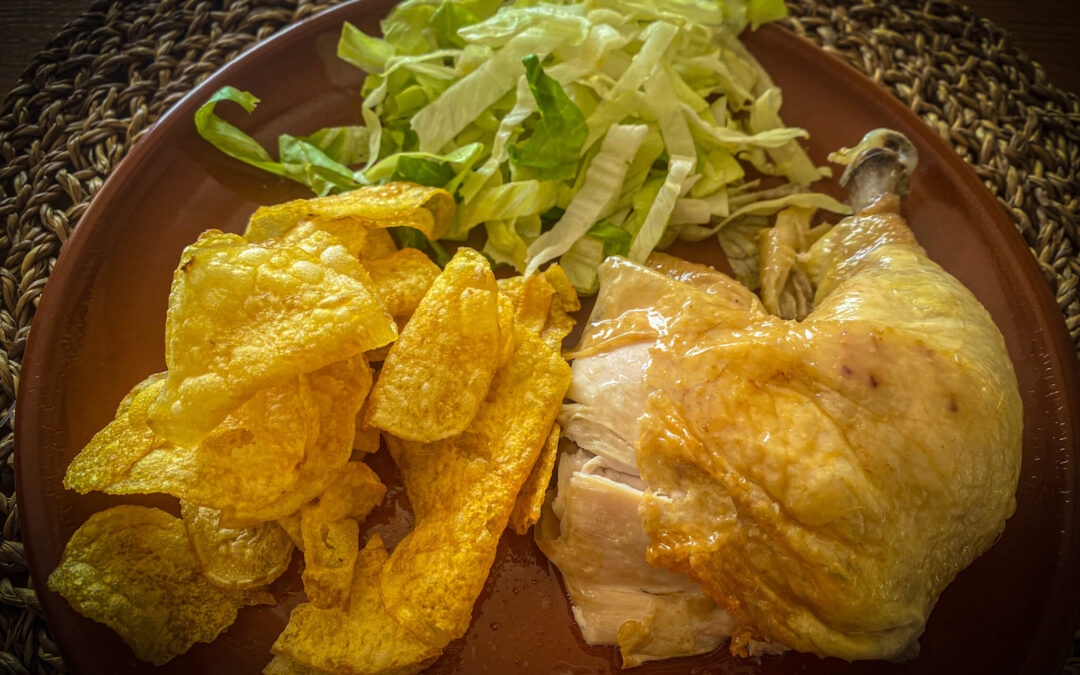
This Traditional Catalan Pollo al Ast brings the authentic flavor of Spanish rotisserie-style chicken straight to your home kitchen. Marinated with lemon, garlic, herbs, and a splash of white wine, this juicy and aromatic roast is naturally gluten-free, low carb, and full of true Mediterranean character. Perfect for family meals, weekend gatherings, or anyone wanting to enjoy a classic Catalan dish with minimal effort and maximum flavor.
Traditional Catalan Pollo al Ast: Rotisserie-Style Chicken Recipe

Traditional Catalan Pollo al Ast Recipe
Pollo al Ast is one of those dishes that immediately evokes the streets, markets, and family gatherings of Catalonia. Traditionally roasted on a rotisserie and sold in local “rostisseries,” this chicken is famous for its golden skin, juicy meat, and unmistakable aroma of herbs and citrus. What makes this recipe especially interesting is how it captures that authentic flavor with a simple oven preparation that anyone can recreate at home.
The combination of lemon, garlic, rosemary, thyme, and white wine reflects the heart of Mediterranean cooking: fresh, honest ingredients that deliver great flavor without complication. If you love this aromatic approach, you can also explore how these identical elements elevate other regional specialties, such as our Mediterranean Herbs Style Roasted Chicken. The method for Pollo al Ast is straightforward, yet the result is deeply satisfying—crispy skin, tender meat, and a pan full of aromatic juices perfect for drizzling over each serving.
To complete a truly authentic regional menu, this chicken pairs wonderfully with classic local sides. For a rustic and comforting accompaniment, you can serve it alongside traditional Patatas Enmascaradas, a rich potato dish that perfectly complements the roast’s juices. Alternatively, if you want to create a robust feast, it can be preceded by a hearty starter like our Easy Chickpeas with Catalan Sausage.
Another reason this recipe stands out is its dietary flexibility. Pollo al Ast is naturally gluten-free and low carb, making it suitable for many eating styles while still offering rich Mediterranean flavor. Unlike many traditional dishes, there’s no breading, sauces, or heavy additions—just pure, beautifully roasted chicken seasoned the Catalan way.
This recipe fits perfectly into a Spanish and Mediterranean food blog because it highlights the region’s love for slow-roasted meals, aromatic herbs, and simple ingredients that speak for themselves. Whether you’re discovering Catalan cuisine or reconnecting with familiar flavors, Pollo al Ast is a timeless dish that brings warmth, aroma, and tradition to every table.

Ingredients
| Metric Amount | Imperial Amount | Core Ingredient | Preparation |
| 1.2–1.5 kg | 2.6–3.3 lb | Whole chicken | Cleaned, completely patted dry |
| 2 cloves | 2 cloves | Garlic | Lightly crushed, whole |
| 1 unit | 1 unit | Lemon | Cut in half |
| 100 ml | 0.4 cup | White wine | Standard dry profile |
| 25 ml | 1.7 tbsp | Olive oil | Extra virgin |
| 2 units | 2 units | Bay leaves | Whole, dry |
| 2–3 sprigs | 2–3 sprigs | Fresh rosemary | Whole sprigs |
| 2–3 sprigs | 2–3 sprigs | Fresh thyme | Whole sprigs |
| to taste | to taste | Salt | Fine grain |
| to taste | to taste | Black pepper | Freshly cracked |
Instructions
1. Prepare the Chicken
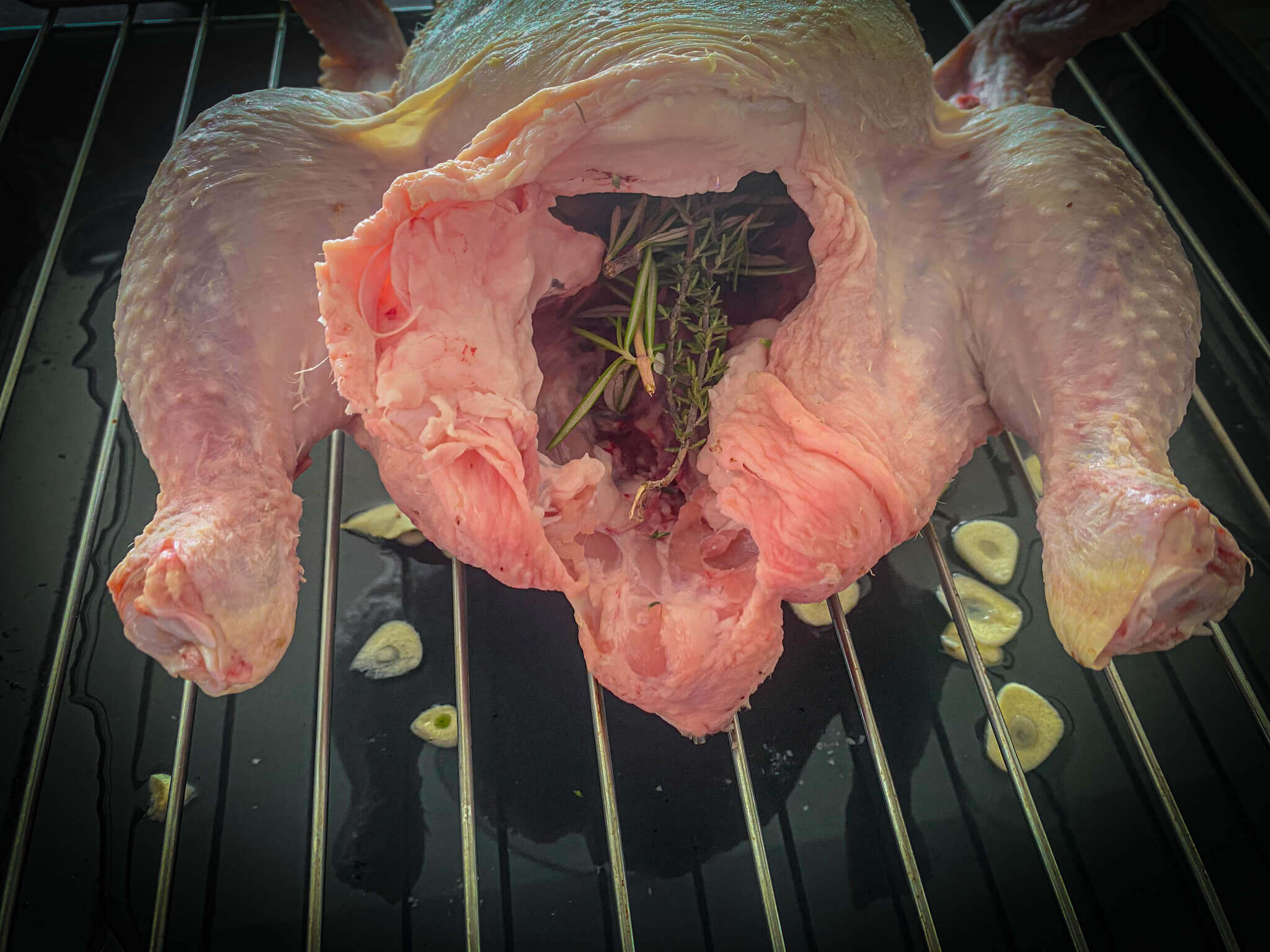
Clean the chicken, pat it dry, and season generously with salt and black pepper inside and out.
2. Stuff the Cavity
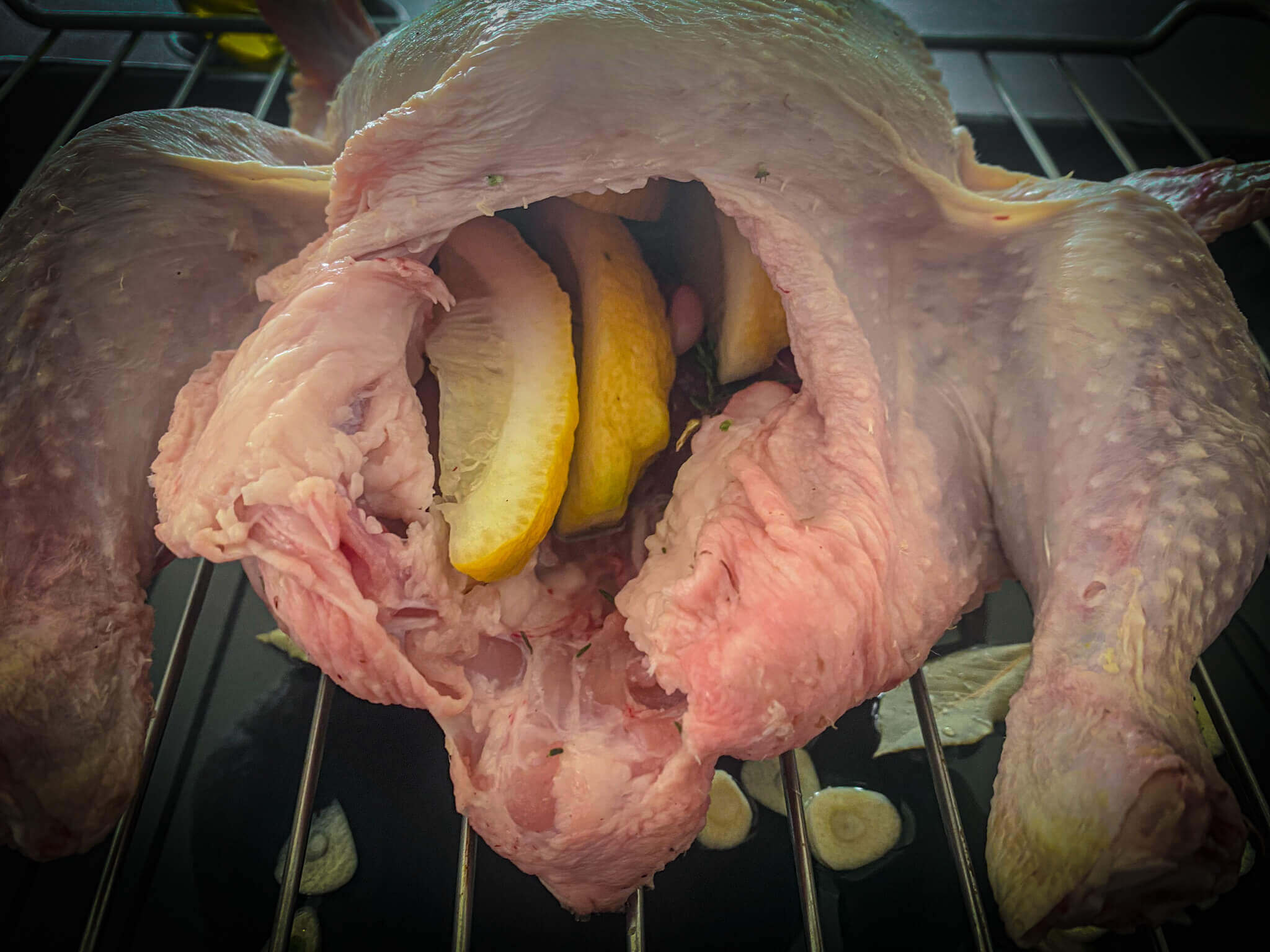
Place the lemon halves, garlic cloves, bay leaves, and the rosemary and thyme sprigs inside the cavity.
3. Season the Exterior
Brush the outside of the chicken with olive oil, making sure to coat it evenly for a golden, crispy skin.

4. Add the Wine
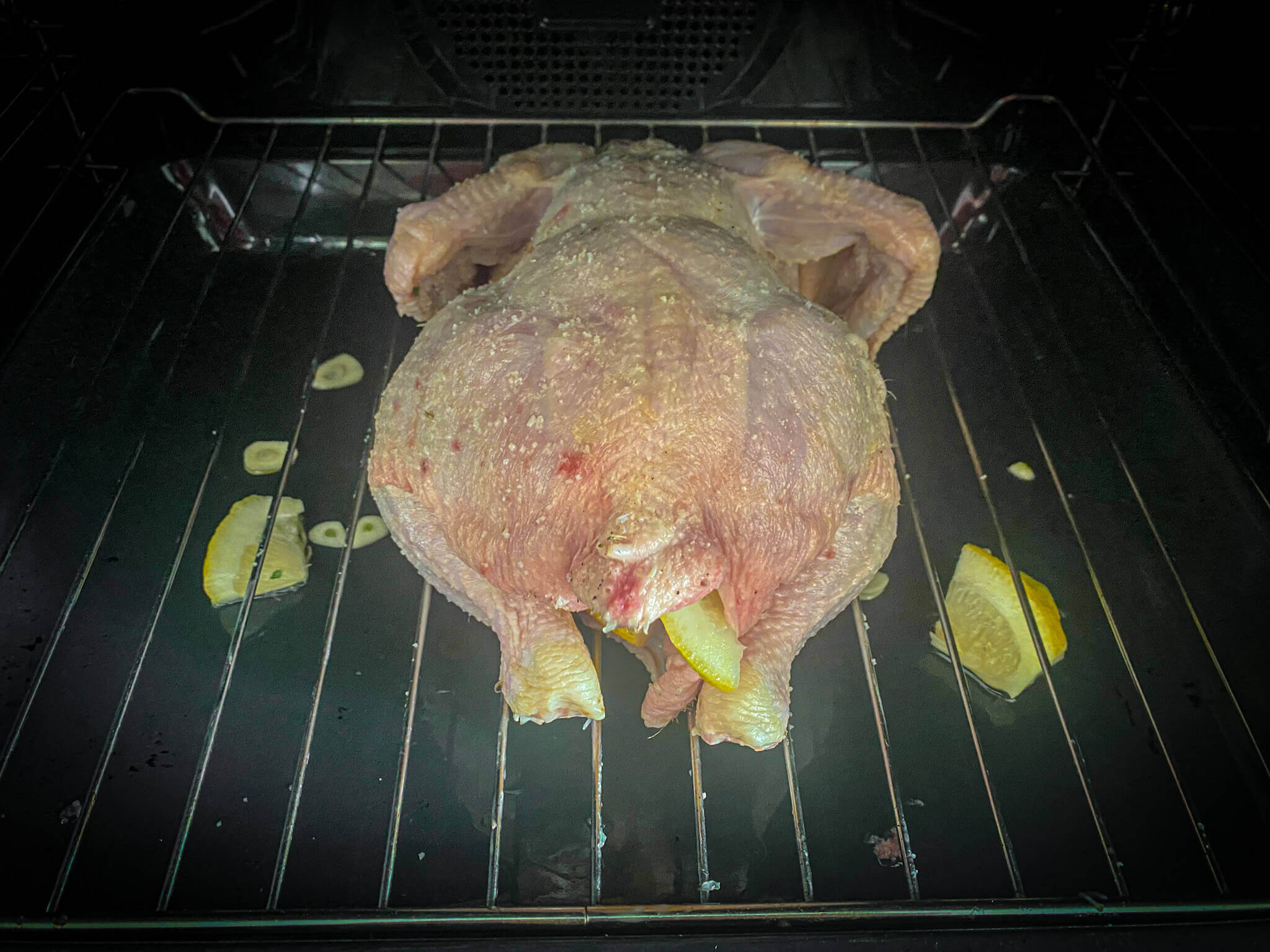
Place the chicken in a roasting pan and pour white wine (100 ml / ⅓ cup) into the bottom of the pan.
5. Roast (Rotisserie Style)
Preheat the oven to 190°C (375°F).
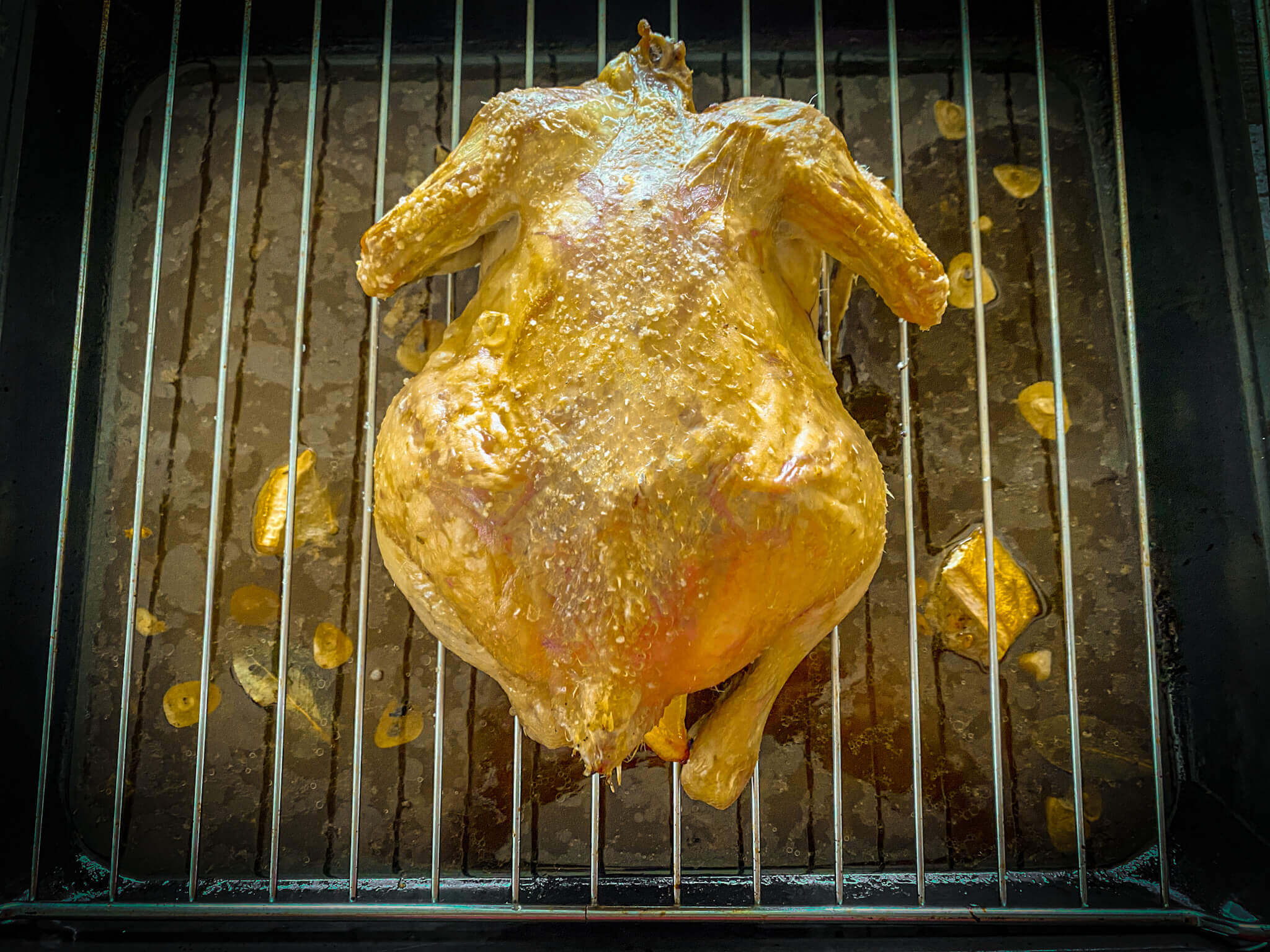
Roast the chicken for 1 hour 15 minutes, basting every 20 minutes with its own juices.
If needed, add a splash of water or extra wine to keep the bottom of the tray from drying out.
6. Final Browning
Increase the temperature to 220°C (425°F) for the last 10 minutes to achieve a crispy, golden finish.

7. Rest and Serve
Allow the chicken to rest for 10 minutes before carving so the juices redistribute.

Chef’s Notes for Traditional Catalan Pollo al Ast
How do I get the signature Catalan rotisserie aroma at home? The secret lies in the cavity stuffing combined with regular basting. By packing the inside with fresh rosemary, thyme, lemon, and crushed garlic, you create an internal steam chamber that infuses the meat from the inside out, while the melting chicken fat combines with the white wine in the pan to create an aromatic baste that mimics the continuous juices of a commercial rotisserie.
Should I tie the chicken legs together before roasting this dish? Yes, trussing the chicken with kitchen twine is highly recommended for this recipe. Tying the legs close to the body ensures that the chicken cooks evenly, prevents the breast meat from drying out before the thighs are done, and keeps your aromatic stuffing securely inside the cavity throughout the roasting process.
Can I prepare this roast chicken ahead of time for meal prep? While this dish is best enjoyed fresh from the oven for maximum skin crispiness, you can easily shred any leftover meat to use in salads, sandwiches, or traditional Catalan croquetas. Store the pulled meat submerged in its own collected pan juices in an airtight container to keep it incredibly moist for up to three days.
Common Mistakes cooking Traditional Catalan Pollo al Ast
Skipping the drying process: Placing a damp chicken straight into a hot oven creates immediate steam, which completely ruins any chance of getting that iconic crisp, golden skin. Always use paper towels to thoroughly pat down the exterior and interior of the bird until it is completely dry before applying the olive oil and seasoning layer.
Neglecting the pan moisture: Letting the bottom of the roasting tray dry out completely will cause the dripping fat and white wine to burn, creating a bitter smoke that alters the flavor profile of the meat. Keep a close eye on the pan liquid during your twenty-minute basting checks and don’t hesitate to splash in a little water or extra wine if the liquid level drops too low.
Carving the meat immediately: Cutting into the chicken the second it leaves the oven causes all the internal juices to rush out onto the cutting board, leaving you with dry meat. Allowing the roast to sit completely undisturbed for ten full minutes allows the fibers to relax and the savory liquids to redistribute perfectly throughout the tissues.
Ingredient Swaps & Variations on Traditional Catalan Pollo al Ast
-
Lard or Butter Subsitution: For an even richer, deeply traditional finish that is highly popular in old-school Catalan country cooking, replace the exterior olive oil coat with a thin layer of high-quality pork lard or softened unsalted butter massaged directly into the skin.
-
Citrus Alternatives: If you find yourself without fresh lemons, you can easily substitute them with a small orange or a couple of clementines cut in half to add a sweeter, deeply fragrant Mediterranean citrus profile that pairs beautifully with the rosemary and thyme.
-
Alcohol-Free Adaptation: To make this recipe completely alcohol-free without losing the necessary pan moisture, swap out the white wine for an equal amount of unsalted chicken bone broth mixed with a single tablespoon of apple cider vinegar to replicate the missing acidity.
Recipe Card
Traditional Catalan Pollo al Ast: Rotisserie-Style Chicken Recipe

This Traditional Catalan Pollo al Ast brings the authentic flavor of Spanish rotisserie-style chicken straight to your home kitchen. Marinated with lemon, garlic, herbs, and a splash of white wine, this juicy and aromatic roast is naturally gluten-free, low carb, and full of true Mediterranean character. Perfect for family meals, weekend gatherings, or anyone wanting to enjoy a classic Catalan dish with minimal effort and maximum flavor.
Ingredients
- 1 whole chicken (1.5kg)
- 2 garlic cloves, whole or lightly crushed
- 1 lemon, cut in half
- ½ glass white wine
- 2 tablespoons olive oil
- 2 bay leaves
- Fresh rosemary sprigs — 2–3 small sprigs
- Fresh thyme sprigs — 2–3 small sprigs
- Salt and black pepper, to taste
Instructions
Prepare the Chicken
Clean the chicken, pat it dry, and season generously with salt and black pepper inside and out.
Stuff the Cavity
Place the lemon halves, garlic cloves, bay leaves, and the rosemary and thyme sprigs inside the cavity.
Season the Exterior
Brush the outside of the chicken with olive oil, making sure to coat it evenly for a golden, crispy skin.
Add the Wine
Place the chicken in a roasting pan and pour white wine (100 ml / ⅓ cup) into the bottom of the pan.
Roast (Rotisserie Style)
Preheat the oven to 190°C (375°F).
Roast the chicken for 1 hour 15 minutes, basting every 20 minutes with its own juices.
If needed, add a splash of water or extra wine to keep the bottom of the tray from drying out.
Final Browning
Increase the temperature to 220°C (425°F) for the last 10 minutes to achieve a crispy, golden finish.
Rest and Serve
Allow the chicken to rest for 10 minutes before carving so the juices redistribute.
Notes
- For extra flavor: Add a few tablespoons of the roasting juices back over the carved pieces before serving. This is typical in Catalan-style “pollo al ast.”
- Rotisserie effect at home: Elevate the chicken on a metal rack inside the baking tray so heat circulates underneath.
- Crispier skin: Dry the chicken thoroughly with kitchen paper before seasoning.
- More Mediterranean aroma: Add a pinch of sweet paprika (pimentón dulce) to the skin before roasting.
- Avoid dryness: If your chicken is small (under 1.2 kg / 2.6 lb), reduce cooking time by 10–15 minutes.
Nutrition Information:
Yield:
4Serving Size:
1Amount Per Serving: Calories: 79Total Fat: 4gSaturated Fat: 1gUnsaturated Fat: 3gCholesterol: 20mgSodium: 67mgCarbohydrates: 3gFiber: 1gSugar: 1gProtein: 5g