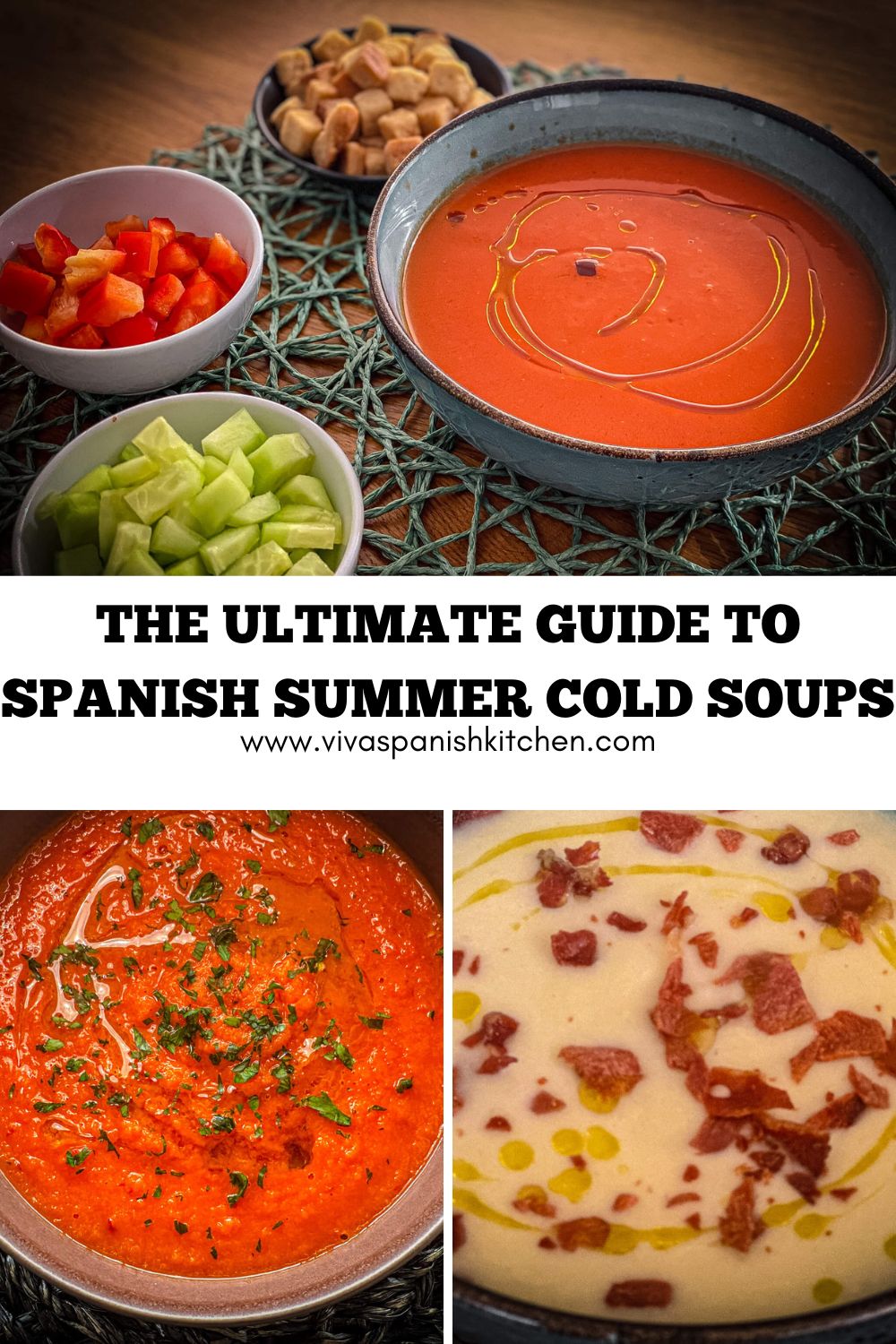
Beat the summer heat with authentic Mediterranean flavor: discover Andalusian gazpacho, Cordoban salmorejo, vichyssoise, and carrot gazpacho. Easy, light, and refreshing recipes.
Spanish Cold Soups for Summer: Gazpacho, Salmorejo & More
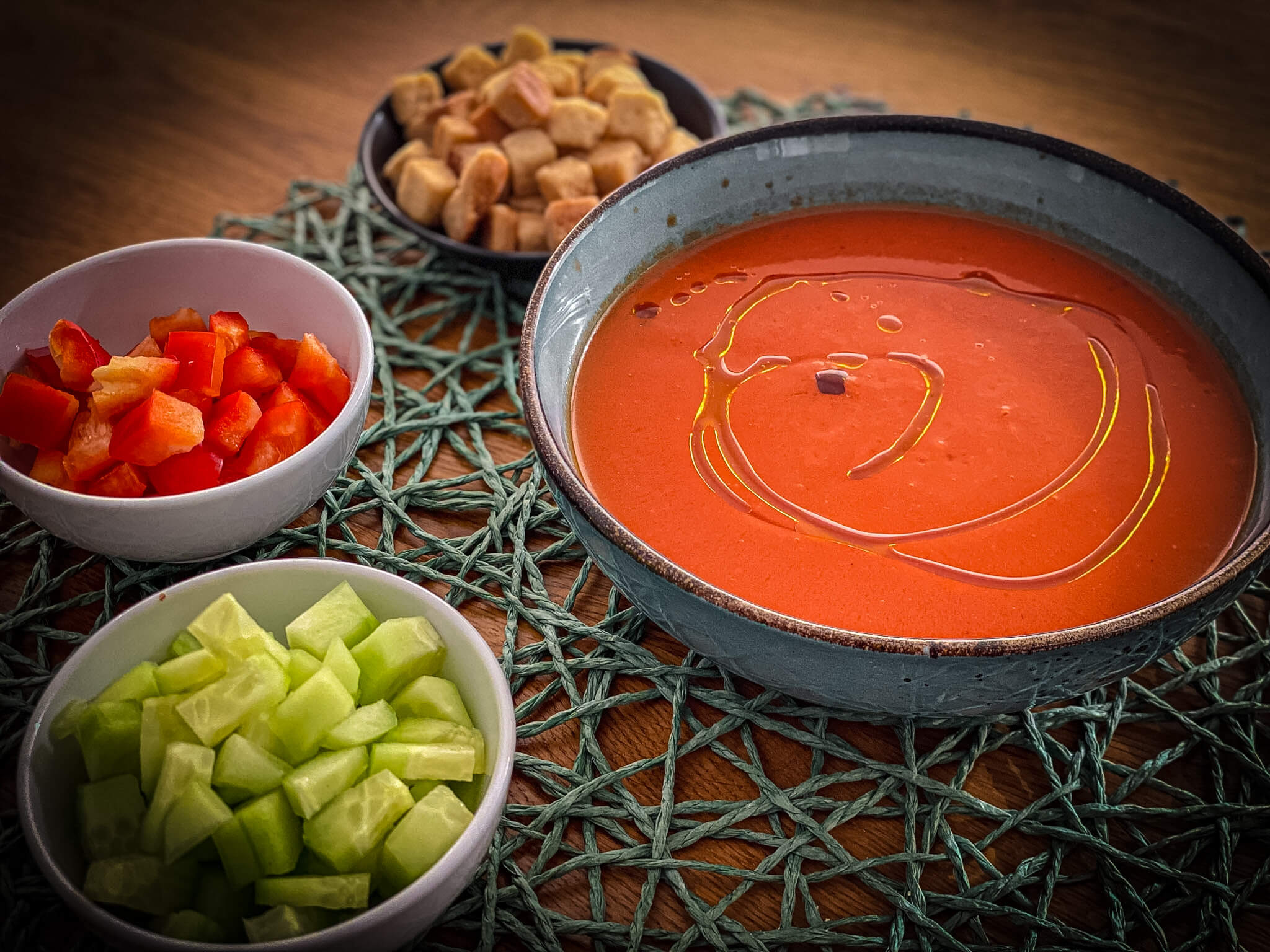
When the summer heat settles over Spain, the way we eat changes. The heavy stews and slow-cooked dishes of the colder months give way to lighter meals, fresh seasonal produce, and food that can be prepared ahead and enjoyed straight from the refrigerator.
Few dishes capture this transformation better than a chilled soup.
In Spain, summer is often accompanied by a pitcher or container of something cold waiting in the fridge. A bowl of gazpacho, a glass filled with a vibrant vegetable soup, or a creamy salmorejo served with traditional toppings can become one of the simplest and most satisfying ways to face the heat. These dishes refresh us, nourish us, and make the most of the ingredients that are at their best during the hottest months of the year.
And although this article focuses primarily on Spanish cold soups, the story is not exclusively Spanish. Vichyssoise, for example, has French roots, yet it has long been a beloved part of Spanish culinary culture. In Spain, this elegant chilled soup has traditionally been associated with special occasions, summer entertaining, and a certain sense of glamour. Its pale, silky appearance and delicate flavor offer a completely different experience from the vibrant raw vegetable soups of Andalusia.
Together, these soups show just how varied summer cooking can be: fresh, colorful, light, nutritious, elegant, and full of authentic flavor.
From the Market to the Table: The Magic of Summer Produce
The best cold soups begin long before the blender is switched on. They begin at the market.
Summer is the season when many of the ingredients that define Mediterranean cooking are at their best. Ripe tomatoes become sweeter and juicier, cucumbers are crisp and refreshing, peppers bring color and aroma, carrots offer natural sweetness, and extra virgin olive oil ties everything together with its characteristic richness and freshness.
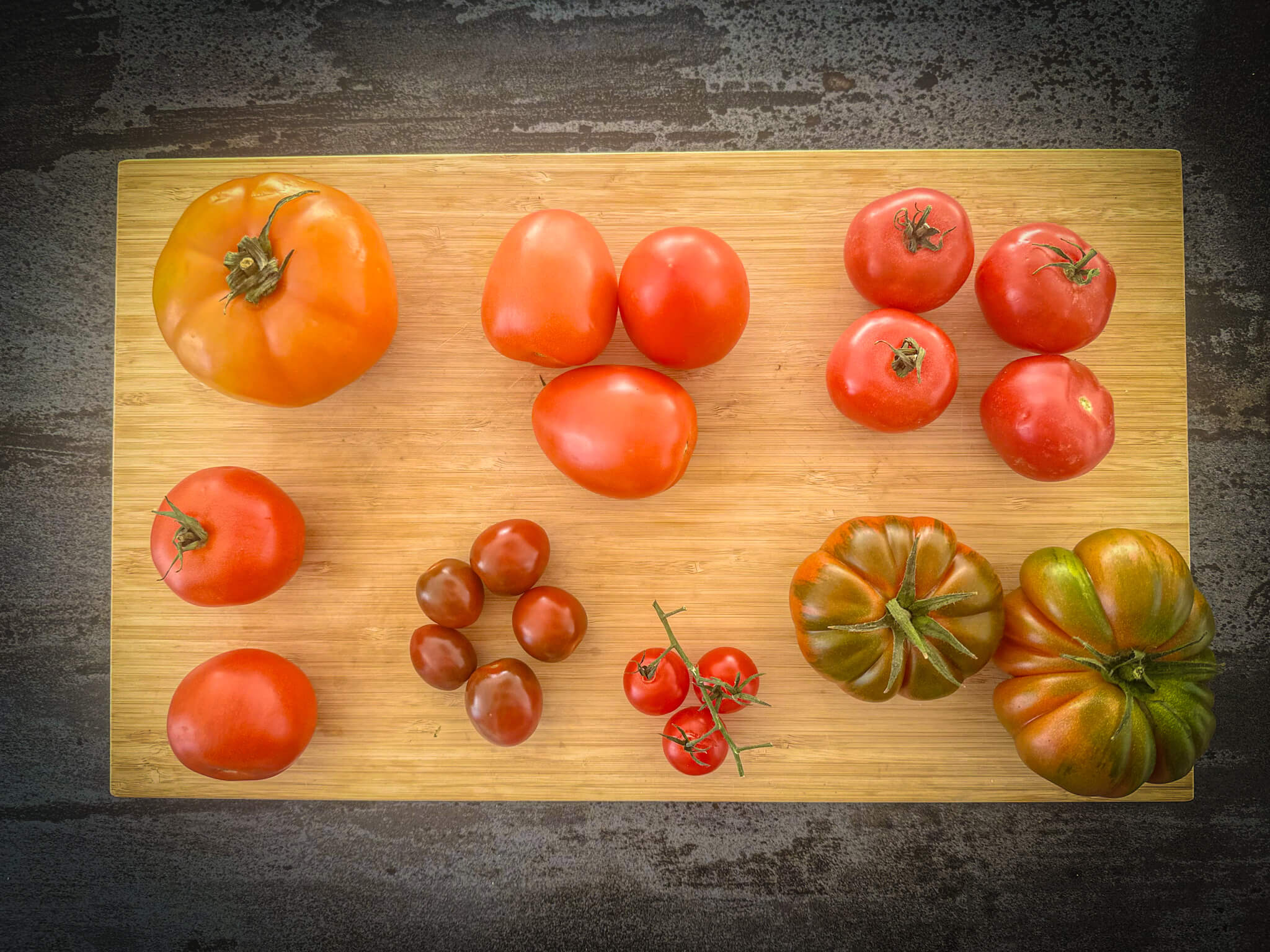
This is the beauty of these recipes: the journey from market to table can be remarkably short.
There is no need for complicated cooking techniques or hours spent standing beside a hot stove. In many cases, the ingredients are simply washed, prepared, blended, seasoned, and chilled.
The result is a beautiful expression of the Mediterranean way of eating. The deep red of tomatoes, the vibrant orange of carrots, the pale ivory of vichyssoise, and the golden-green glow of extra virgin olive oil create a palette that feels like summer before you even take the first spoonful.
These soups are also naturally rich in the nutrients found in their fresh ingredients. Tomatoes provide lycopene, while vegetables such as peppers, cucumbers, and carrots contribute vitamins, minerals, and water. Combined with extra virgin olive oil and served as part of a balanced diet, they offer a light and refreshing way to enjoy plenty of vegetables during the hottest months of the year.
More Spanish Summer Recipes to Enjoy Cold
Cold soups are not the only way to make the most of summer produce. Spanish summer salads offer another delicious way to prepare fresh seasonal ingredients ahead of time and enjoy a complete, refreshing meal straight from the refrigerator. From traditional pipirrana and ensaladilla rusa to rice, lentil, and Mediterranean salads, there is a summer salad for every occasion.
Continue exploring my collection of Spanish Summer Salads for more fresh, colorful, and satisfying recipes made for hot days, outdoor meals, and easy summer cooking.
Spanish Cold Soups for Summer: A World of Flavor
From traditional Andalusian classics to modern vegetable variations and elegant chilled creams, summer cooking offers a remarkable variety of cold soups. Some are light enough to drink from a glass, others are thick and substantial enough to eat with a spoon, and some begin as hot soups before being transformed by the refrigerator.
Each one has its own personality, texture, and ideal moment.
Traditional Andalusian Gazpacho: Everyday Refreshment
Traditional Andalusian gazpacho is perhaps the ultimate symbol of Spanish summer.
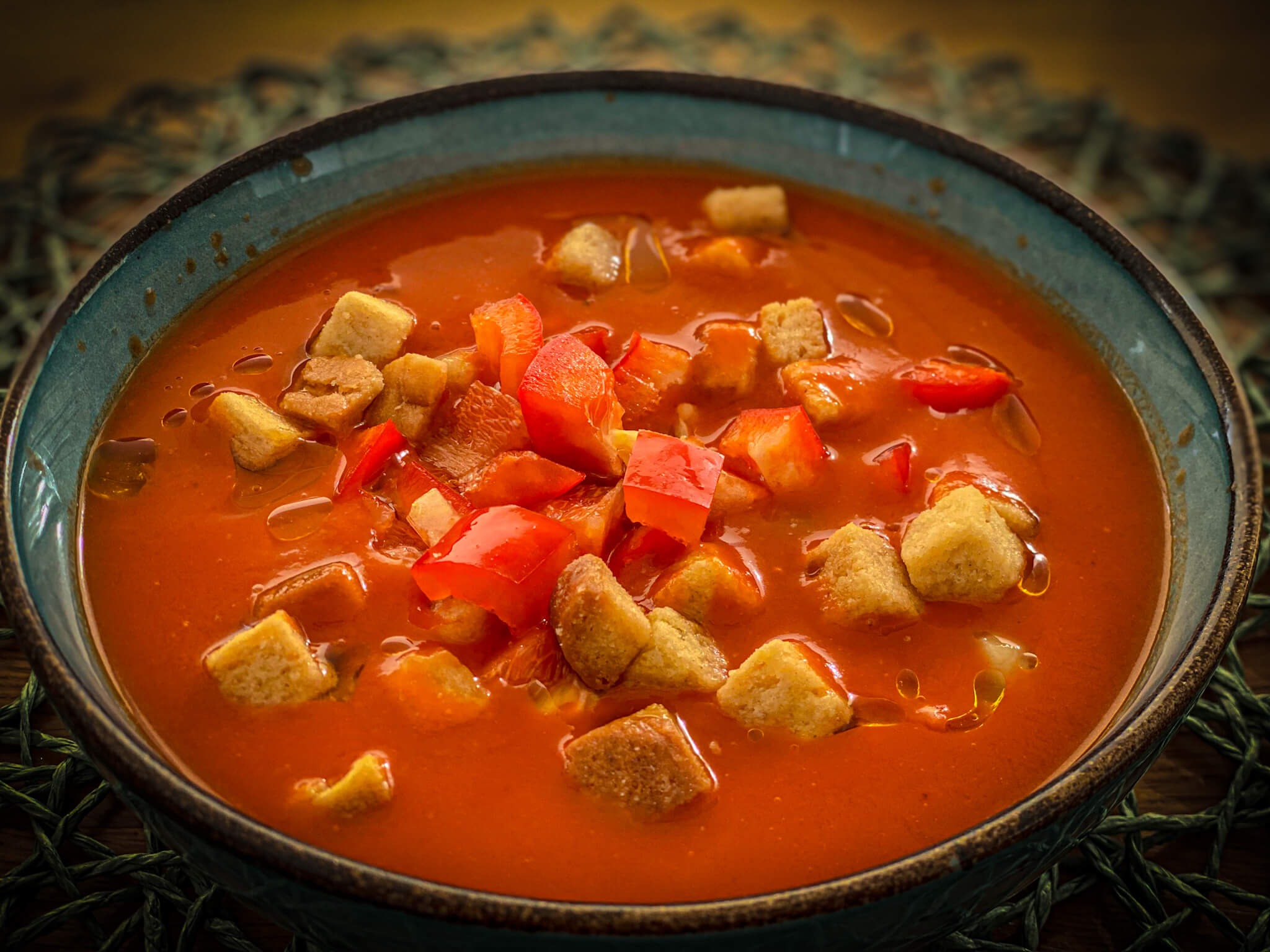
Made with ripe tomatoes, cucumber, green bell pepper, garlic, extra virgin olive oil, vinegar, and salt, it is blended into a smooth, refreshing soup that can be served in a bowl or poured into a glass.
Its great strength is its simplicity. Gazpacho is fresh, light, and intensely refreshing without feeling heavy. On a hot summer day, it can be one of the easiest ways to enjoy a generous amount of vegetables in a single dish.
For many people in Spain, gazpacho is not reserved for special occasions. It can become part of everyday summer life. A pitcher can be prepared in advance and kept chilled in the refrigerator, ready to be served as a starter, a light accompaniment to lunch, or simply enjoyed in a glass during the hottest part of the afternoon.
It is this everyday quality that makes gazpacho so special. It is not complicated or luxurious in the traditional sense. Its appeal lies in the freshness of the ingredients, the simplicity of the preparation, and the feeling of immediate refreshment that comes with every cold, vibrant sip.
Read the full Authentic Andalusian Gazpacho recipe
Salmorejo Cordobes: A Richer Andalusian Essence
Salmorejo belongs to the same world of sun-ripened tomatoes and Andalusian summer cooking, but the experience is completely different.
Where gazpacho is light and fluid, Cordoban salmorejo is thick, smooth, and intensely creamy. Its texture comes from the emulsion of ripe tomatoes, bread, and extra virgin olive oil, creating a cold soup that is rich and substantial without containing dairy.
The traditional toppings complete the experience. Chopped hard-boiled egg and cured Spanish ham provide a savory contrast to the sweet acidity of the tomatoes and the richness of the olive oil.
This is where salmorejo becomes something more than simple refreshment. It has greater body and presence. Served in a bowl and eaten with a spoon, it can easily become a satisfying starter or a light summer meal.
Gazpacho and salmorejo may share some of the same ingredients, but they express two completely different sides of Andalusian cuisine. Gazpacho is the cold drink waiting in the refrigerator. Salmorejo is the silky, emulsified cream carefully served in a bowl, with its traditional toppings arranged over the surface.
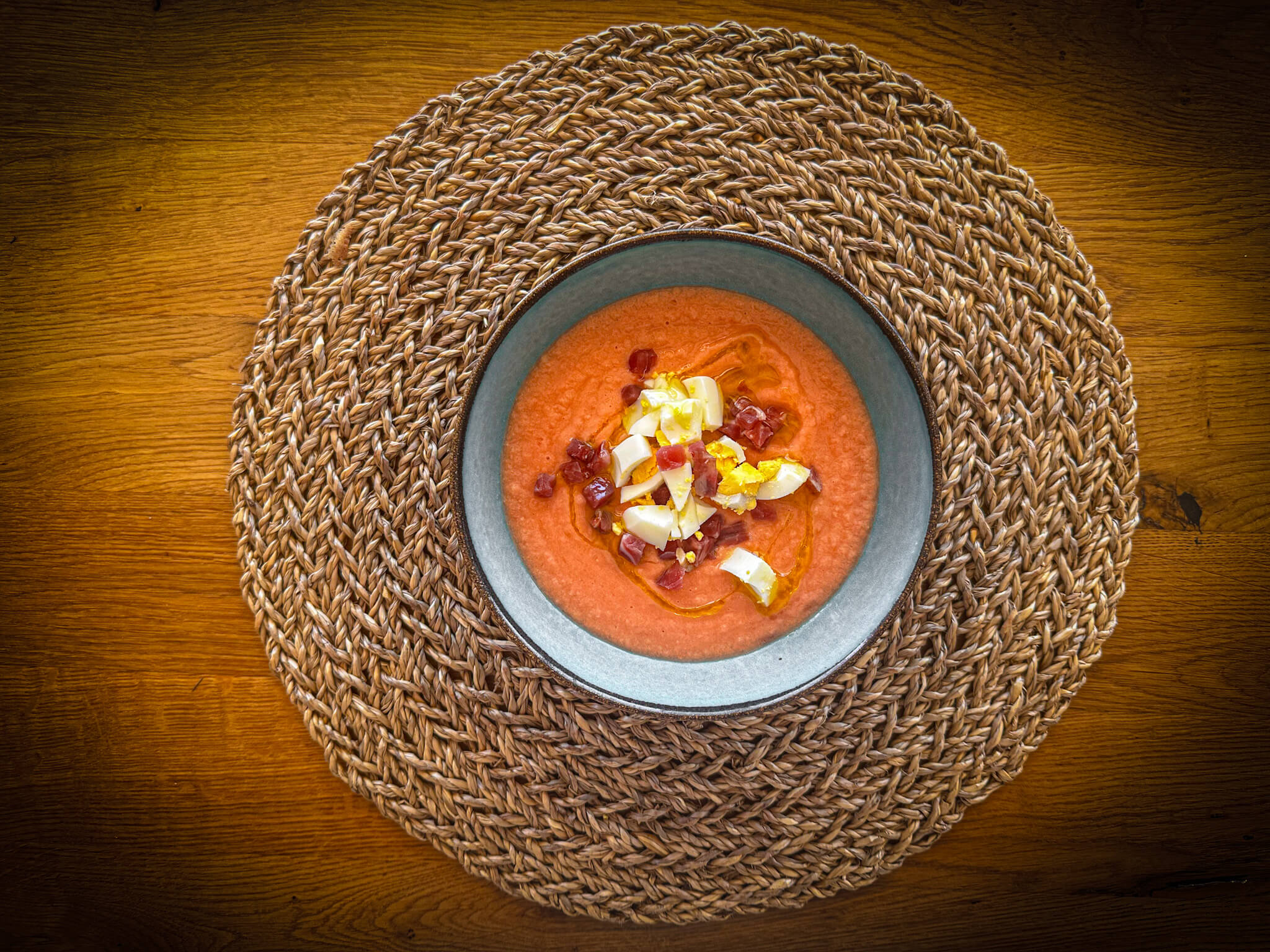
Read the full Authentic Salmorejo Cordobés recipe
Spanish Ajoblanco: A Chilled Almond Soup from Andalusia
If you have never tried Ajoblanco, this traditional Andalusian cold soup may become one of your new summer favorites. Made with raw almonds, bread, garlic, extra virgin olive oil, and Sherry vinegar, it creates a silky, creamy emulsion without any cream or dairy. This version is served with sweet raisins, crisp Granny Smith apple, and homemade croutons, creating a wonderful contrast of creamy, tangy, sweet, and crunchy in every spoonful.
Unlike Gazpacho or Salmorejo, Ajoblanco has no tomatoes and no cooking involved, making it an especially refreshing choice for the hottest days of summer.
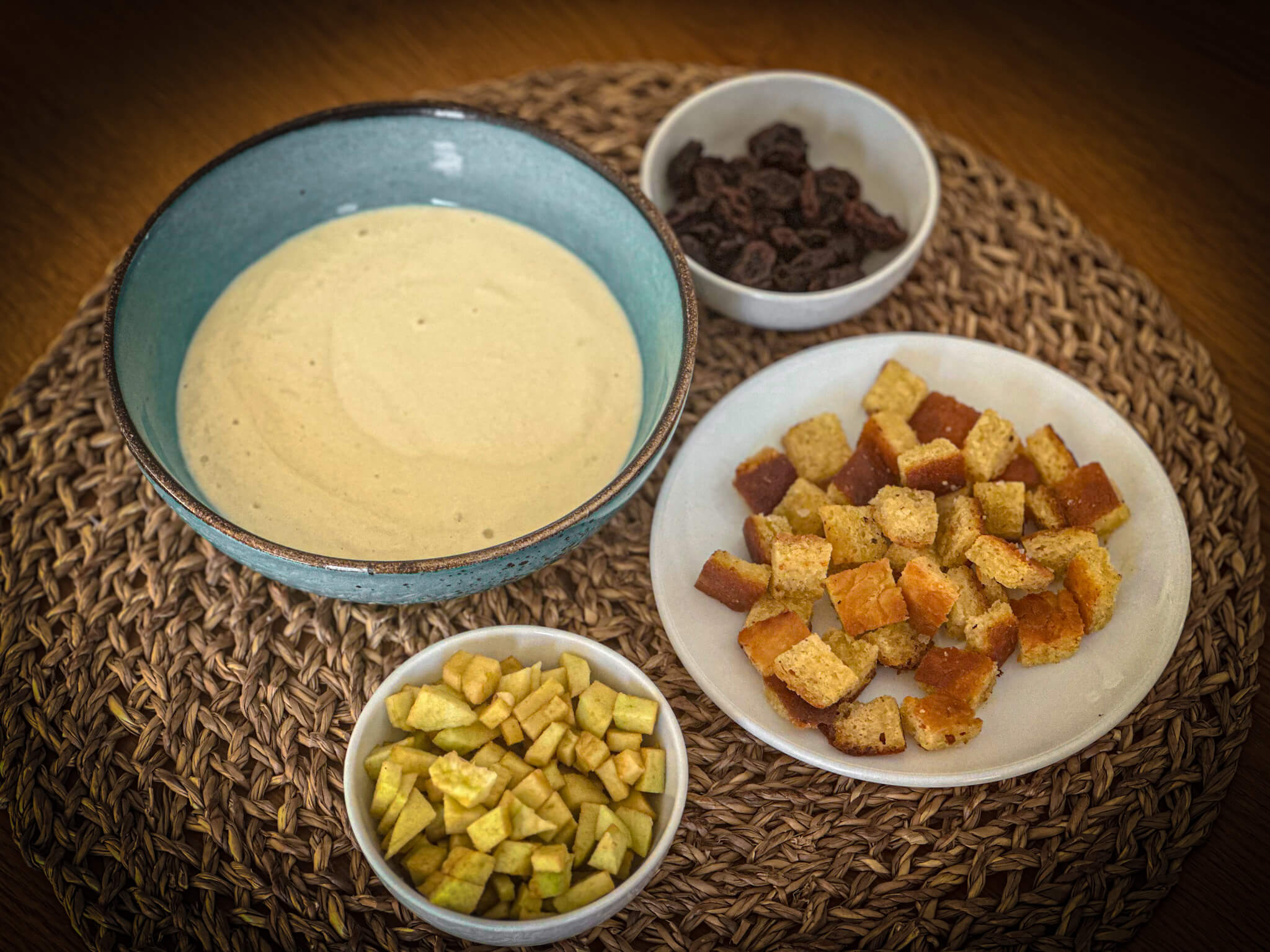
Read the full Authentic Spanish Ajoblanco recipe
Carrot Gazpacho: A Vibrant Twist on Tradition
The world of gazpacho does not end with the classic red tomato version.
Carrot gazpacho offers a more modern interpretation of the idea, bringing natural sweetness, a beautiful orange color, and a different balance of flavors to the table.
Fresh carrots are blended with ripe tomatoes and other vegetables to create a smooth, vibrant soup that remains light and refreshing while offering something new. The result is a perfect example of how the basic idea of gazpacho can evolve without losing its connection to fresh Mediterranean ingredients.
Its color alone makes it especially attractive for a summer table. The bright orange hue immediately suggests sunshine and freshness, while the natural sweetness of the carrots creates a softer, more rounded flavor profile.
Served well chilled and finished with a few finely diced vegetables or a light drizzle of extra virgin olive oil, carrot gazpacho is a beautiful way to bring a little variety to the summer menu.
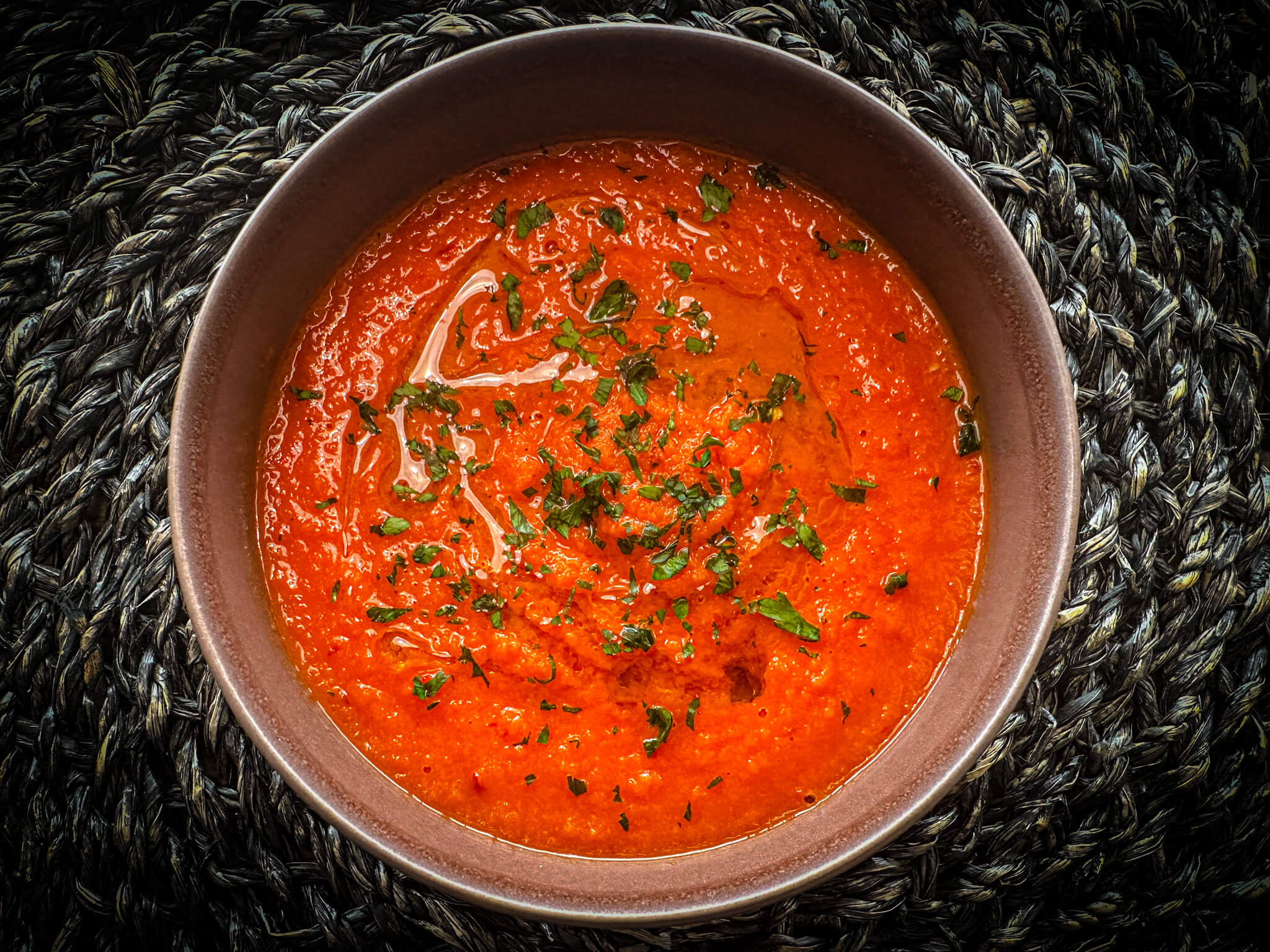
Read the full Refreshing Spanish Carrot Gazpacho recipe
Chilled Zucchini and Leek Soup: A Light Summer Appetizer
Looking for a cold soup that is lighter than a traditional cream soup? This Chilled Zucchini and Leek Soup is a fresh, vegetable-packed option made with seasonal zucchini, tender leeks, Greek yogurt, and dried spearmint. Unlike potato-based vegetable creams, this recipe uses no potato, cream, or thickener, allowing the natural freshness of the zucchini to shine.
It is also a wonderful way to make the most of a summer zucchini harvest. If your garden is producing more zucchini than you know what to do with, this simple soup transforms that abundance into an elegant chilled appetizer. Serve it well chilled in small bowls or cocktail glasses for a refreshing start to a hot-weather meal

Read the full Chilled Zucchini and Leek Soup
Vichyssoise: French Origins, Spanish Summer Glamour
Vichyssoise reminds us that culinary traditions do not always stay within national borders.
Unlike gazpacho, salmorejo, and carrot gazpacho, vichyssoise is French in origin. Yet in Spain, this elegant chilled soup has long been embraced as a sophisticated summer dish, particularly for special occasions and more formal meals.
Made with leeks and potatoes and traditionally finished with cream, vichyssoise has a completely different personality from raw vegetable gazpacho. Its texture is silky and delicate, its color pale and elegant, and its flavor subtle rather than intensely vibrant.
That subtlety is precisely what makes the finishing touches so important. My version is finished with crispy cured ham, which brings the saltiness and savory depth that the delicate potato and leek base needs. The ham also adds a contrasting texture, introducing a satisfying crunch to an otherwise completely smooth soup.
The result is a beautiful balance between softness and contrast: a silky, chilled soup with the gentle, sophisticated flavor of potato and leek, lifted by the intense savory character and crisp texture of the cured ham.
This is the soup you might serve at a special summer dinner or an elegant gathering. Chilled in advance and served in individual bowls, it has a certain glamour that makes it feel very different from the everyday pitcher of gazpacho waiting in the refrigerator.
And that contrast is precisely what makes these soups so interesting. Summer cold soups can be casual and everyday, like gazpacho; rich and traditional, like salmorejo; modern and colorful, like carrot gazpacho; or elegant and sophisticated, like vichyssoise.
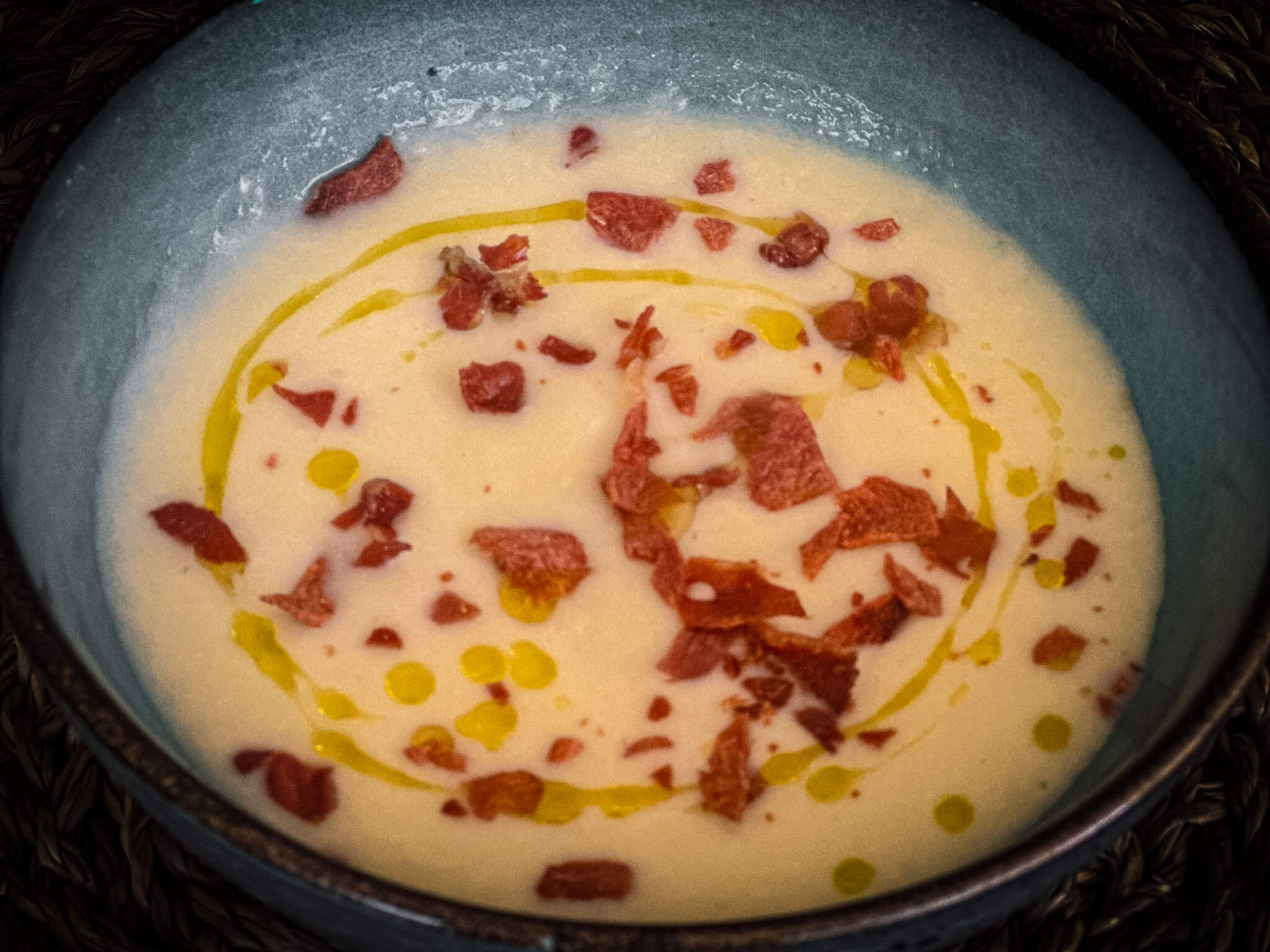
Read the full Vichyssoise recipe
How to Serve Spanish Cold Soups in Summer
The way you serve a cold soup can transform the entire experience.
A simple gazpacho poured into a wide, beautiful bowl immediately feels different from the same soup served in an ordinary glass. Broad bowls allow the color and texture of the soup to take center stage, while also creating space for a few carefully chosen finishing touches.
A small handful of fresh herbs can elevate even the simplest cold soup. Fresh basil, chives, parsley, or other aromatic herbs add color, fragrance, and a final layer of freshness. A thin drizzle of good extra virgin olive oil can have the same effect. It creates a beautiful sheen on the surface and adds the fruity, grassy aromas of the oil just as the soup reaches the table.

These details may seem simple, but they can elevate a humble bowl of blended vegetables into something that feels much more special.
The texture of the soup should also influence the way it is served. A light, fluid gazpacho can be enjoyed from a glass, a pitcher, or a bowl. Thicker soups such as salmorejo are better suited to wide, shallow bowls, where their creamy texture can be appreciated and traditional toppings can be arranged across the surface.
And, of course, there is more than one way to enjoy a bowl of soup. Today, most cold soups are eaten with a spoon, but simple soups have historically been enjoyed in much more direct ways, with the bowl held close in the hands. That connection with the food is part of the charm of humble, traditional cooking.
Temperature is equally important. Cold soups should be properly chilled before serving, and most benefit from several hours in the refrigerator. However, be careful when adding ice directly to the soup.
Ice will certainly cool the soup quickly, but as it melts, it also adds water. This can dilute the flavor, thin the consistency, and, in emulsified soups, potentially disturb the smooth texture. If you want your gazpacho or another cold soup to be especially cold, it is usually better to chill the soup thoroughly in advance rather than relying on large amounts of ice.
The garnish should also remain restrained. A few diced vegetables, fresh herbs, or a drizzle of extra virgin olive oil can add color, texture, and contrast. In the case of salmorejo, the traditional combination of hard-boiled egg and cured ham provides a more substantial finish.
The goal is not to cover the soup with decoration. It is to create a bowl that looks inviting and delivers a refreshing explosion of flavor with every spoonful.
Common Mistakes When Making Spanish Cold Soups
One of the most common mistakes is not allowing enough time for the soup to chill. A cold soup should not simply be blended and served immediately. Give it time in the refrigerator to become properly cold and allow the flavors to settle.
Another common mistake is adding too much water. The natural water content of vegetables can vary considerably, particularly in tomatoes and cucumbers. It is always better to add liquid gradually and adjust the texture at the end.
Adding too much ice can create a similar problem. Although it cools the soup quickly, melted ice can dilute the flavor and alter the consistency. This is particularly important in soups that rely on a stable emulsion.
Over-garnishing is another easy mistake to make. Cold soups are at their best when they feel fresh and light. Too many toppings can overwhelm the delicate balance of the soup and make it feel unnecessarily heavy.
Finally, not every cold soup should be served in the same way. A drinkable gazpacho, a thick salmorejo, and a silky vichyssoise each have their own ideal presentation.
Chef’s Tips for Better Summer Soups
Whenever possible, prepare cold soups ahead of time. Several hours in the refrigerator can make a significant difference to both temperature and flavor.
Use the best seasonal produce you can find. Because many of these soups are made with raw or minimally cooked ingredients, their quality is especially important. A sweet, ripe tomato will always produce a better gazpacho than an underripe one.
Adjust the texture gradually. Start with less water or other liquid than you think you need and add more until the soup reaches the consistency you prefer.
A great cold soup should taste bright, fresh, and alive. When vegetables are at their seasonal peak, they already bring an extraordinary amount of flavor to the table. A ripe tomato, a crisp cucumber, a sweet carrot, or a fresh pepper can be delicious on its own.
The role of the other ingredients is not to hide those natural flavors but to bring them into focus.
A little salt can intensify the natural sweetness and savoriness of the vegetables. Vinegar can add brightness and balance, cutting through sweetness and giving the soup a more vibrant finish. Extra virgin olive oil brings richness, aroma, and a silky texture.
The result should be a balance between freshness, acidity, salt, and richness.
This is why the final tasting is so important. A soup can be perfectly blended and still need a small adjustment before serving. Sometimes a pinch of salt is enough. Sometimes a little more vinegar brings the flavors to life. Sometimes the soup simply needs to be chilled longer.
The aim is a refreshing explosion of flavor on the palate: cool, vibrant, balanced, and full of the character of the vegetables themselves.
Beyond Gazpacho: Can Hot Soups Become Cold Summer Soups?
The world of summer soups does not end with recipes that were originally designed to be served cold.
Some traditional hot soups and vegetable creams can be prepared in advance, chilled thoroughly, and enjoyed as refreshing summer dishes. The result is not necessarily a gazpacho, and it does not need to be. A cooked vegetable soup has its own character, texture, and flavor.
A good example is a simple zucchini cream. Zucchini is one of the vegetables that is especially abundant during the warmer months, and although a traditional zucchini soup is often served hot, it can also be cooked, blended until smooth, chilled, and served cold. The result is delicate, refreshing, and a wonderful way to enjoy seasonal summer produce without adding more heat to the table.
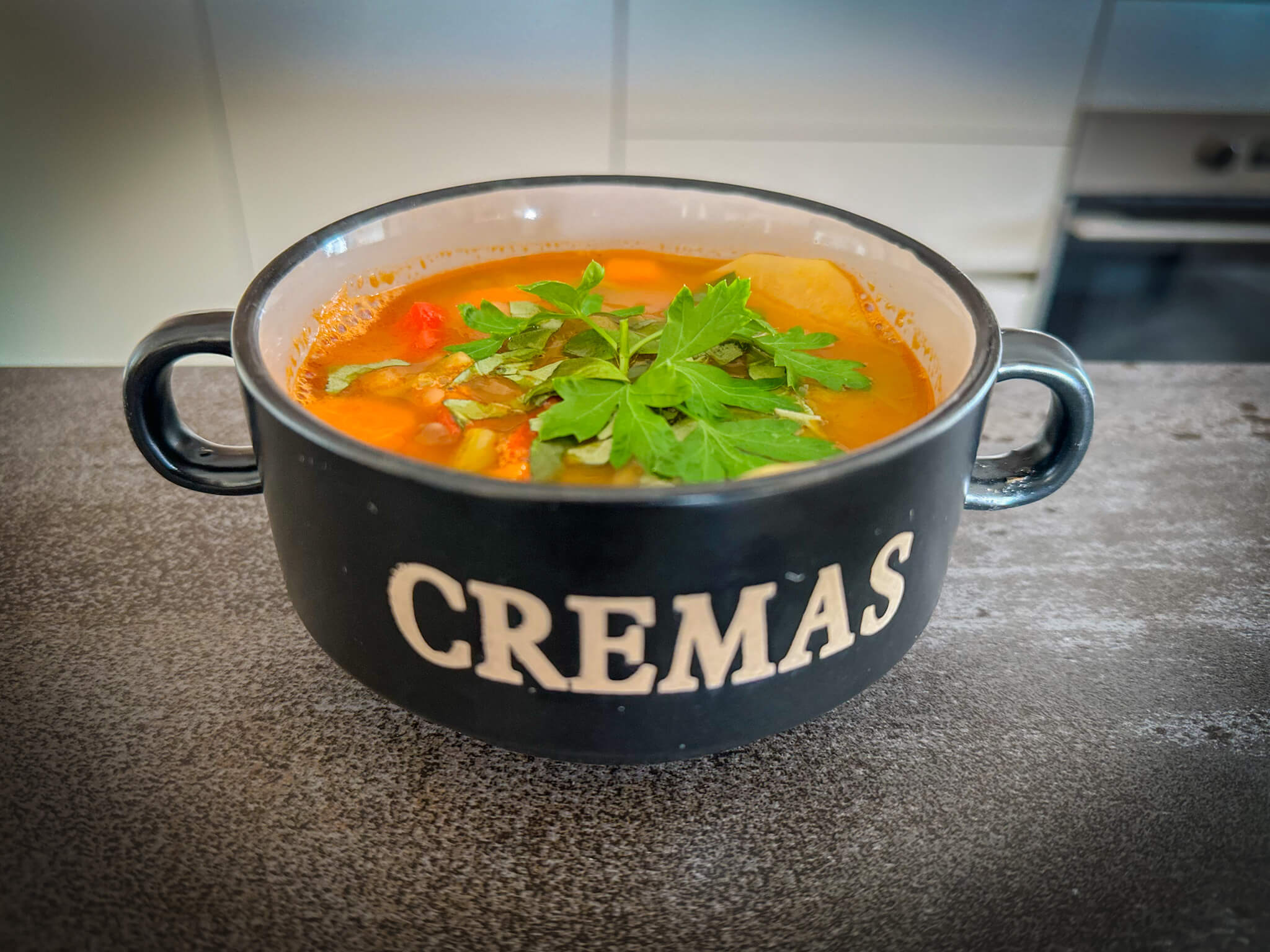
The same idea can be applied to other vegetable-based soups, although not every recipe will work equally well when chilled. The texture, the amount of fat, and the balance of the ingredients all matter. Some soups become beautifully silky when cold, while others may need their consistency or seasoning adjusted after refrigeration.
This is one of the most interesting things about summer cooking: there are no strict rules saying that a refreshing soup must begin as a cold recipe. Sometimes, the best summer soup is simply a familiar dish prepared in a different way.
And this collection will continue to grow. Alongside the classics, there are many other cold soups worth discovering, from the delicate freshness of apple and celery soup to the traditional almond-based character of ajoblanco. As more seasonal recipes find their way into Spanish kitchens, the world of chilled soups becomes even more varied, colorful, and delicious.
The Refrigerator: The Heart of the Summer Kitchen
In recent years, batch cooking has become increasingly popular. The idea is simple: prepare several portions of food in advance so that meals are ready when you need them.
But in Spain, the basic idea has long been part of summer life.
When temperatures rise, spending an hour beside a hot stove is not always the most appealing way to spend the day. In many parts of Spain, summer is about getting outside: going to the beach, spending the afternoon at the swimming pool, meeting friends, enjoying the countryside, or simply making the most of the long days and warm evenings.
This is where the refrigerator becomes one of the most important tools in the summer kitchen.
A large pitcher of gazpacho can be prepared in advance and enjoyed over several days. Salmorejo can be made ahead and kept chilled, ready to be served with its traditional toppings whenever lunchtime arrives. A vegetable cream can be cooked on a cooler day, blended, and refrigerated so that it can be enjoyed cold when the temperature rises.
The same principle can be applied to many different summer soups. Prepare them when you have the time and the kitchen is comfortable. Chill them properly, store them in suitable airtight containers, and let the refrigerator do the work while you get on with your summer.
This is one of the great advantages of these recipes. They are not only refreshing; they are practical.
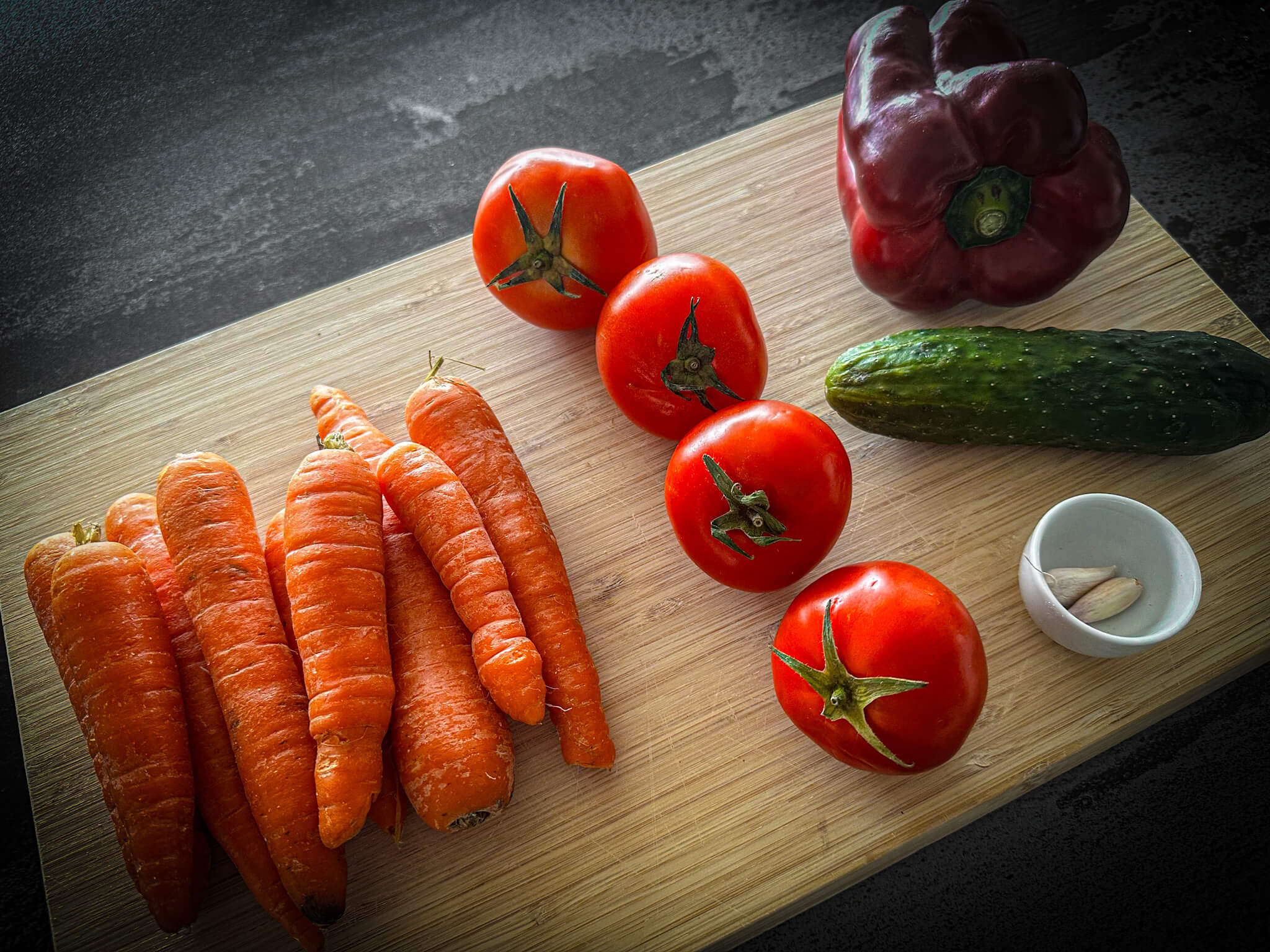
A single cooking session can provide several meals, making it easier to eat well without having to cook from scratch every day. You can prepare a large batch of gazpacho at the beginning of the week, then serve it differently each time: in a glass as a refreshing drink, in a wide bowl with a drizzle of extra virgin olive oil, or with a few diced vegetables and fresh herbs for a more elaborate presentation.
The same soup can feel completely different depending on how you serve it.
Of course, proper storage and refrigeration are essential. Cold soups should be kept in clean, airtight containers and refrigerated promptly. Their shelf life will vary depending on the ingredients and preparation, so always use your judgment and follow the storage recommendations for each individual recipe.
But the idea remains simple: prepare once, chill well, and enjoy later.
And this is where the possibilities continue to expand. Not every summer soup has to begin as a cold recipe. A traditional zucchini cream, for example, can be prepared on a cooler day, blended until smooth, chilled thoroughly, and served as a delicate summer soup. Other cooked vegetable creams may work equally well, depending on their texture and ingredients.
The important thing is to think beyond the traditional boundaries of a recipe.
Summer cooking is not about abandoning the kitchen. It is about adapting it to the season.
It is about choosing the best produce from the market, preparing food when the temperature allows, making enough to enjoy later, and letting the refrigerator become part of the cooking process.
Because when the sun is shining, the beach is waiting, the pool is calling, or friends are gathering outdoors, the last thing anyone wants is to spend the entire day cooking.
Sometimes, the best summer meal is the one you prepared yesterday.
Pin it