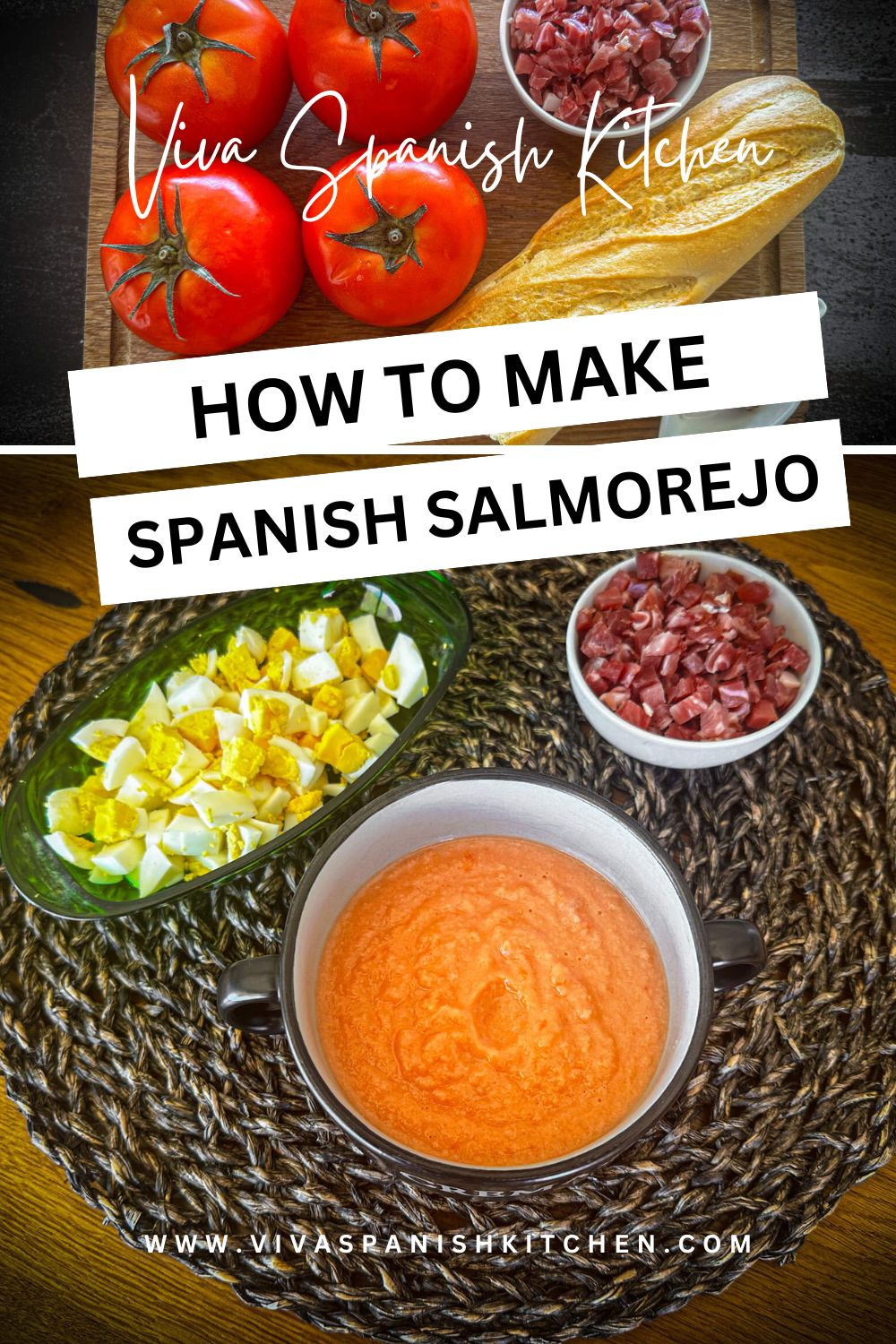
Authentic Salmorejo Cordobés: Creamy Spanish Cold Tomato Soup is the absolute pinnacle of Andalusian summer gastronomy, delivering an incredibly velvety, luxurious texture without using a single drop of dairy.
Authentic Salmorejo Cordobés: Creamy Spanish Cold Tomato Soup
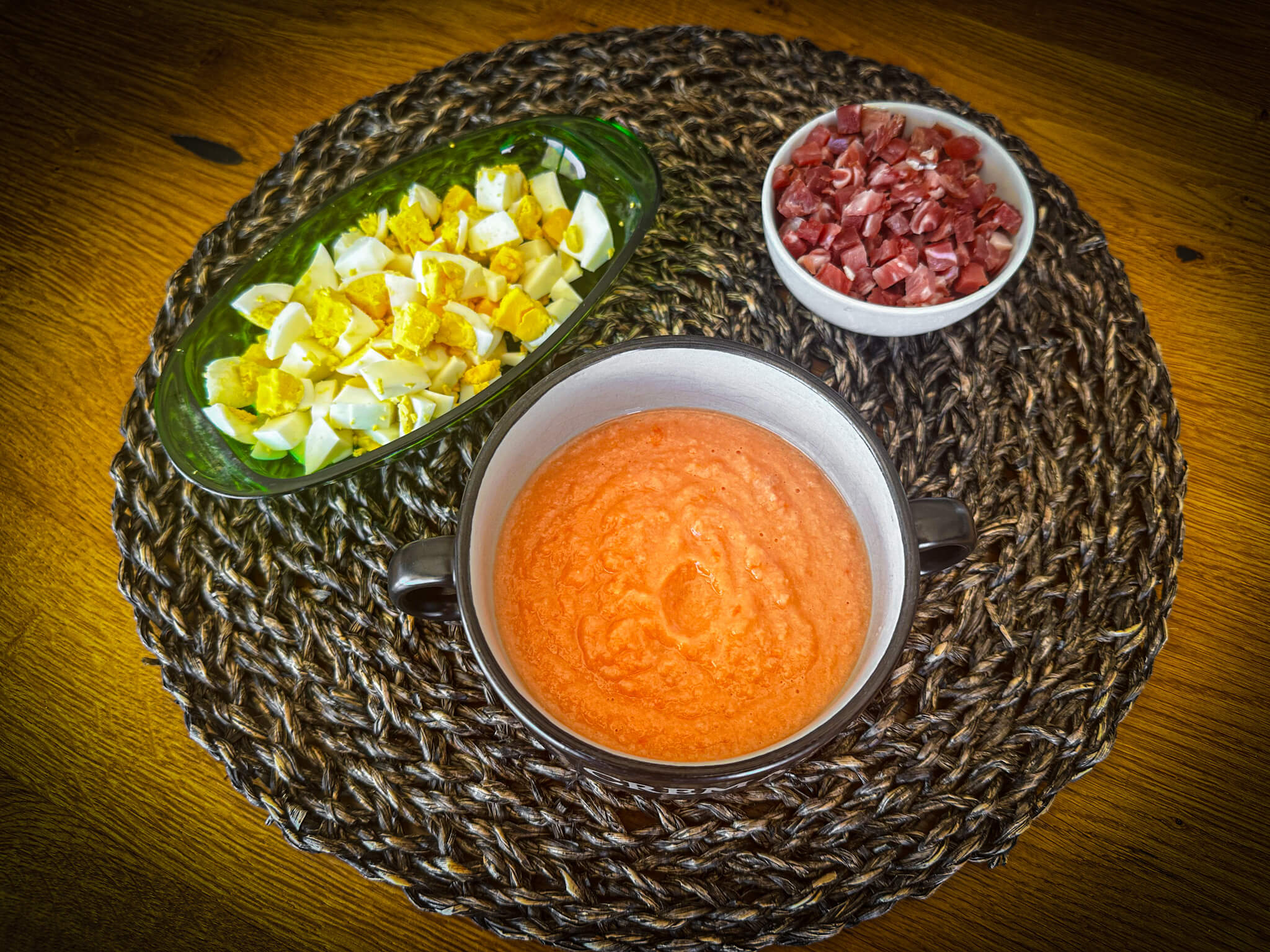
Authentic Salmorejo Cordobés
Authentic Salmorejo Cordobés: Creamy Spanish Cold Tomato Soup is your ultimate invitation to experience the true essence of Andalusian summer gastronomy in its most luxurious form. While international travelers often head straight for the well-known, liquid-thin gazpacho, skipping salmorejo means missing out on one of the greatest culinary triumphs of the Mediterranean. This iconic dish is a masterclass in pure mechanical emulsion, transforming basic garden staples into an incredibly dense, velvety, and rich cream without adding a single drop of heavy dairy. Tasting it for the first time is a revelation because it challenges your perception of what a raw vegetable soup can be, coating your palate with a silky, rich finish that perfectly balances the bright acidity of sun-ripened tomatoes with a peppery kick of premium extra virgin olive oil.
To understand why you must try it, you must first understand why salmorejo is absolutely not gazpacho. Although they share a geographic cradle in southern Spain and a base of fresh tomatoes, their structural architecture and eating experiences are worlds apart. Gazpacho is fundamentally a liquid blend that includes cucumbers, green bell peppers, vinegar, and water, making it a refreshing, drinkable hydration tool often served in a glass. Salmorejo, on the other hand, strictly rejects water, cucumbers, and peppers, relying instead on a high concentration of close-textured white bread crumbs to bind the tomato juices. This creates a thick, opaque, mayonnaise-like stability that requires a spoon to eat, acting as a heavy, luxurious canvas specifically designed to hold savory, premium toppings like finely chopped hard-boiled eggs and small cubes of cured Spanish ham.
Embracing this spoonable, rich masterpiece is the perfect gateway to discovering how the Mediterranean diet conquers summer heat with raw, nutrient-dense ingredients. If you appreciate the refreshing properties of cold Spanish soups but want to explore beyond the classic tomato base, you can easily transition your summer menu by trying our Refreshing Spanish Carrot Gazpacho. This vibrant twist replaces traditional elements with sweet, beta-carotene-rich carrots, creating a stunningly bright, modern variation that maintains the signature crisp finish of a classic Andalusian blend while introducing an earthy sweetness that pairs beautifully with a light lunch.
When you want to step away from the blender entirely and enjoy the raw crunch of summer produce in its solid form, you can effortlessly expand your table with our Traditional Andalusian Pipirrana Recipe: The Ultimate Summer Tomato Salad. This beloved regional salad takes the core elements of the southern harvest—juicy tomatoes, crisp green peppers, and cucumbers—and chops them into tiny, uniform cubes. Dressed in a rustic emulsion made by mashing garlic, olive oil, and the yolks of hard-boiled eggs, it delivers a deeply refreshing, texturally satisfying side dish that perfectly mirrors the refreshing flavor profile of gazpacho but in a brilliant, fork-ready presentation.
Finally, to complete a comprehensive, effortless Mediterranean summer spread that keeps your kitchen cool, you can round out your meal prep with our Easy Cold and Refreshing Rice Salad. This wholesome, satisfying dish serves as the ultimate versatile companion to any cold soup or fresh salad, combining fluffy grains with colorful, crisp vegetables to provide sustainable energy without making you feel heavy in the summer heat. By moving between the velvety, rich depths of an authentic salmorejo, the bright sips of a modern carrot gazpacho, and the satisfying textures of these traditional salads, you will unlock a genuinely authentic, healthy approach to warm-weather dining.
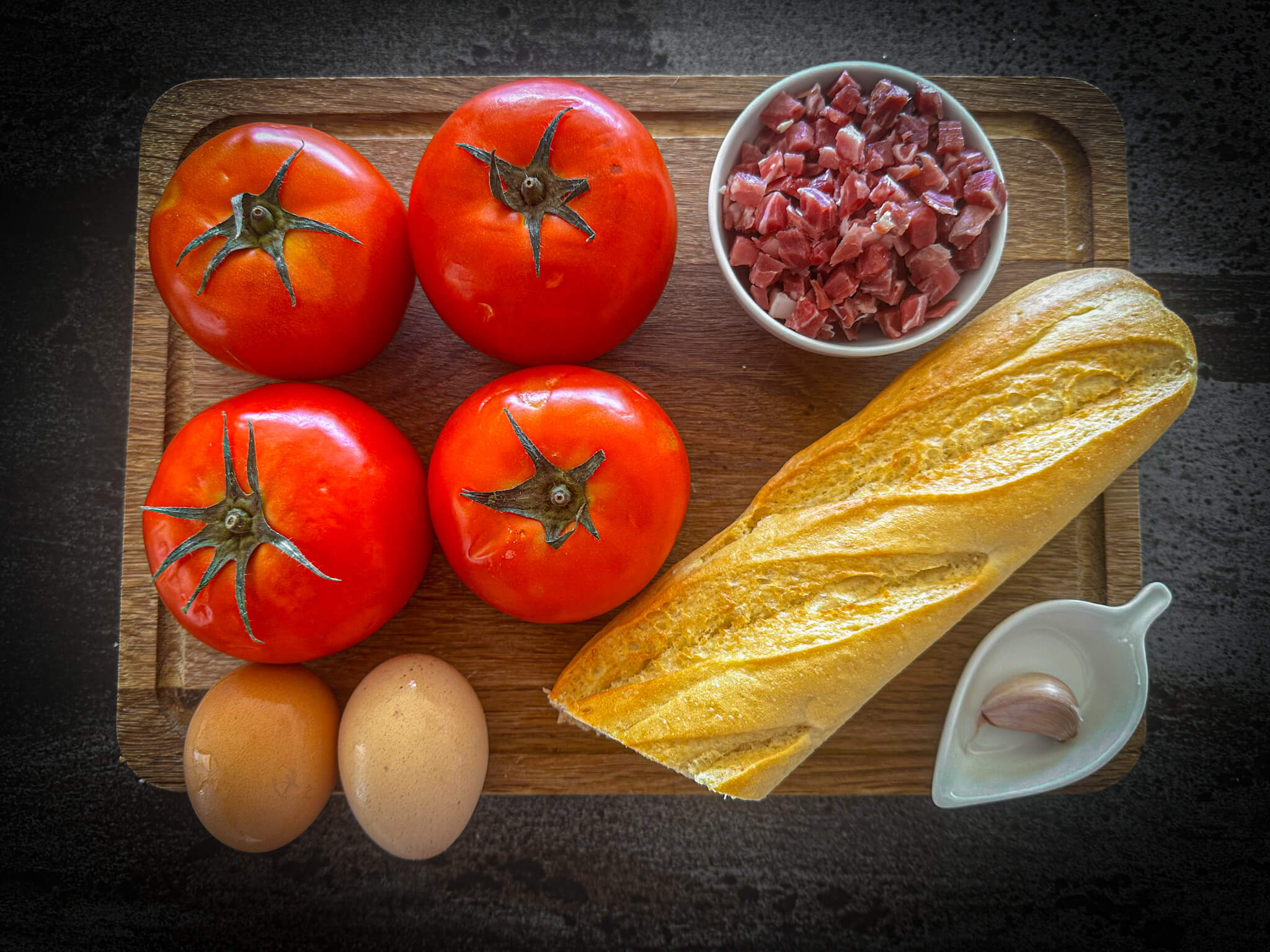
Ingredients
| Metric | Imperial | Core Ingredient | Preparation |
| 900 g | 31.7 oz | Ripe tomatoes | Washed, cut into wedges |
| 150 g | 5.3 oz | White bread crumbs | Close-textured bread, can be day-old |
| 1 clove | 1 clove | Garlic | Peeled, core removed optional |
| 2 units | 2 units | Eggs | Hard-boiled, finely chopped (1/2 per person) |
| 100 g | 3.5 oz | Cured Spanish ham (Jamón) | Cut into small cubes (taquitos) |
| 100 ml | 3.4 fl oz | Extra virgin olive oil | High-quality, robust profile for emulsion |
| 1 pinch | 1 pinch | Sea salt | Fine crystalline |
Instructions Step by Step
Liquefying the Fresh Tomato Base
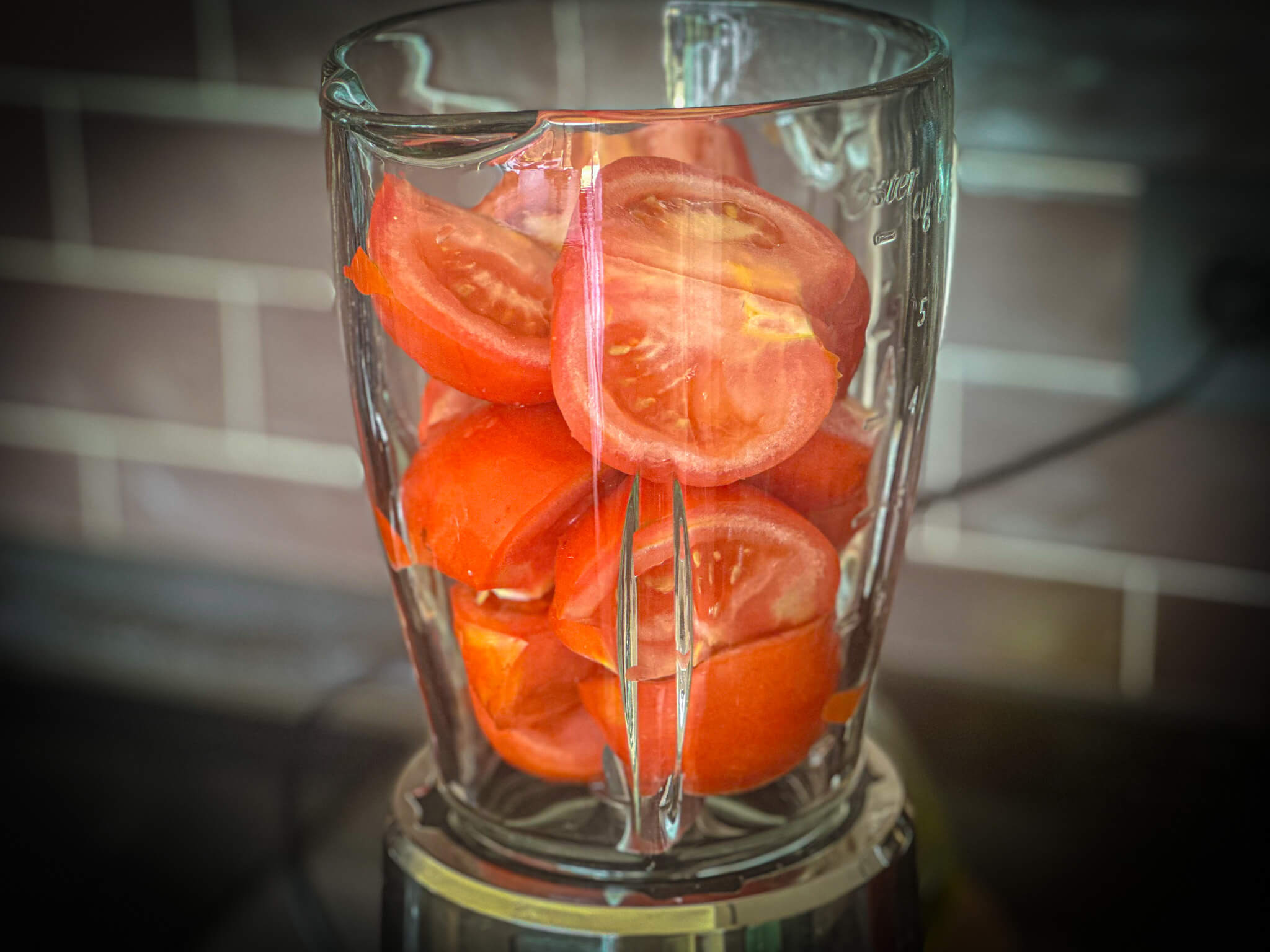
Wash the ripe tomatoes thoroughly and cut them into large wedges. Place all the tomato pieces directly into a high-speed blender container and process for 3 minutes at maximum power until you achieve a completely liquid, uniform red juice that serves as the moisture base for the entire dish.
Hydrating and Blending the Bread Crumbs
Weigh out the close-textured white bread crumbs, using day-old bread if available to improve the structure. Add the bread pieces directly into the fresh tomato juice inside the blender and let them sit for 2 minutes to absorb the moisture completely, then blend the mixture again for 2 minutes until the bread integrates perfectly into a thick, uniform paste.
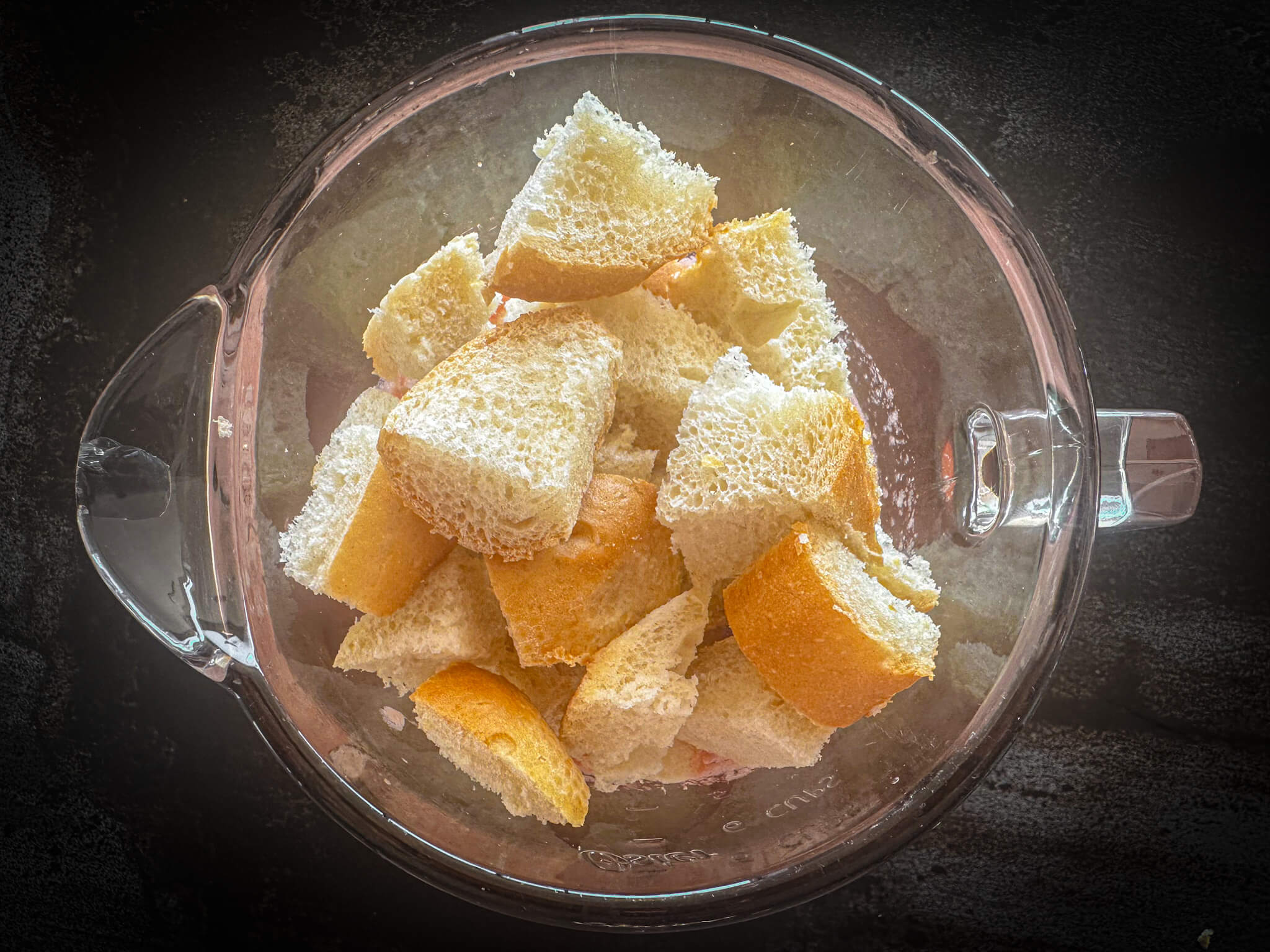
Emulsifying with Garlic and Premium Olive Oil
Add the peeled garlic clove and a generous pinch of sea salt into the blender. Secure the lid, turn the machine on to medium speed, and begin pouring the premium extra virgin olive oil in a slow, continuous, steady stream through the lid opening while blending continuously for 3 minutes to create a stable, velvety emulsion that turns the deep red mixture into a beautiful, creamy orange-pink hue.
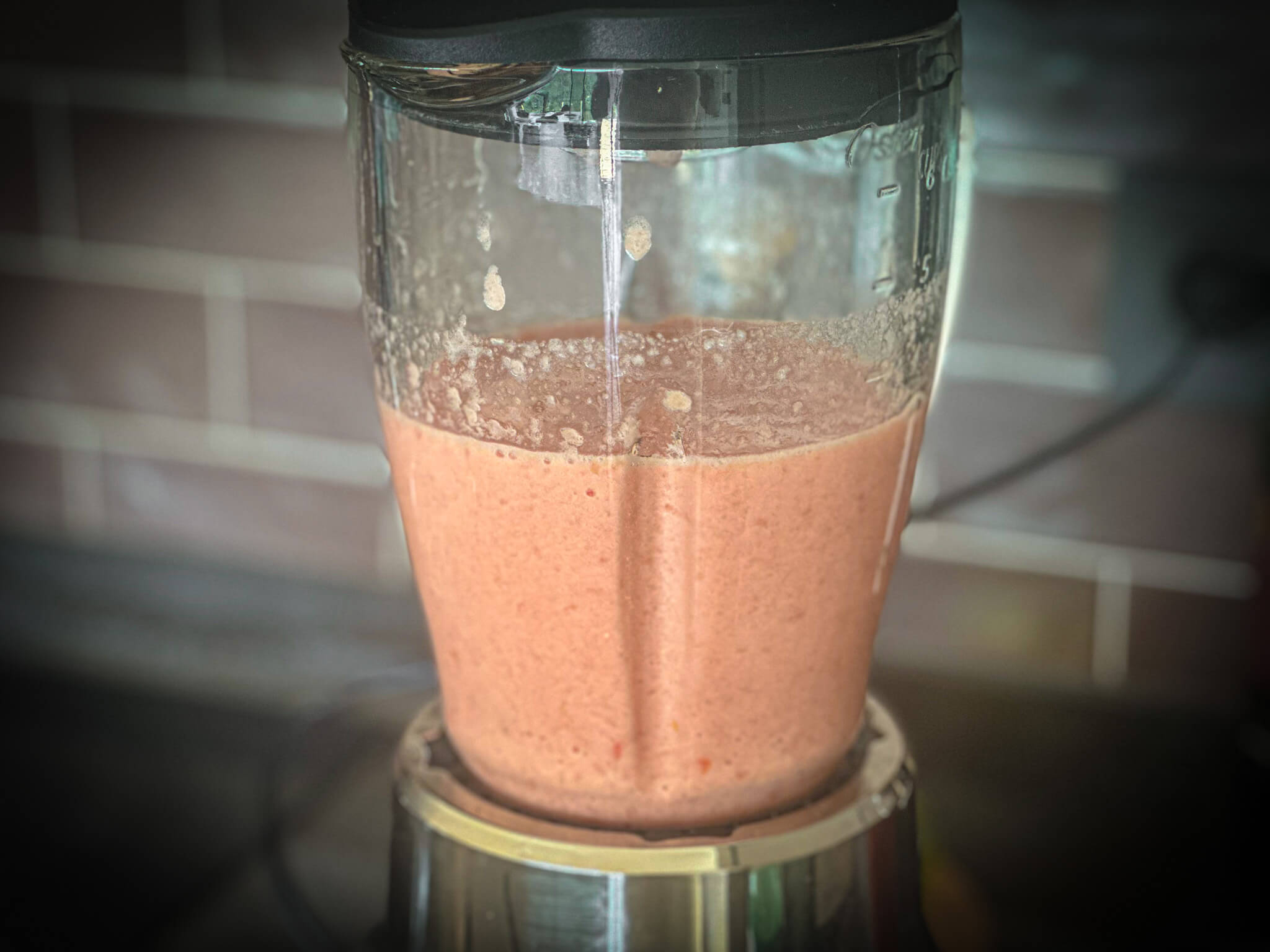
Chilling for Optimal Flavor and Texture
Pour the emulsified cream out of the blender into a large glass bowl or container. Cover it tightly and place it directly into the refrigerator for at least 120 minutes to ensure the soup is completely chilled, which allows the starch in the bread to fully settle and stabilizes the olive oil emulsion for a superior mouthfeel.
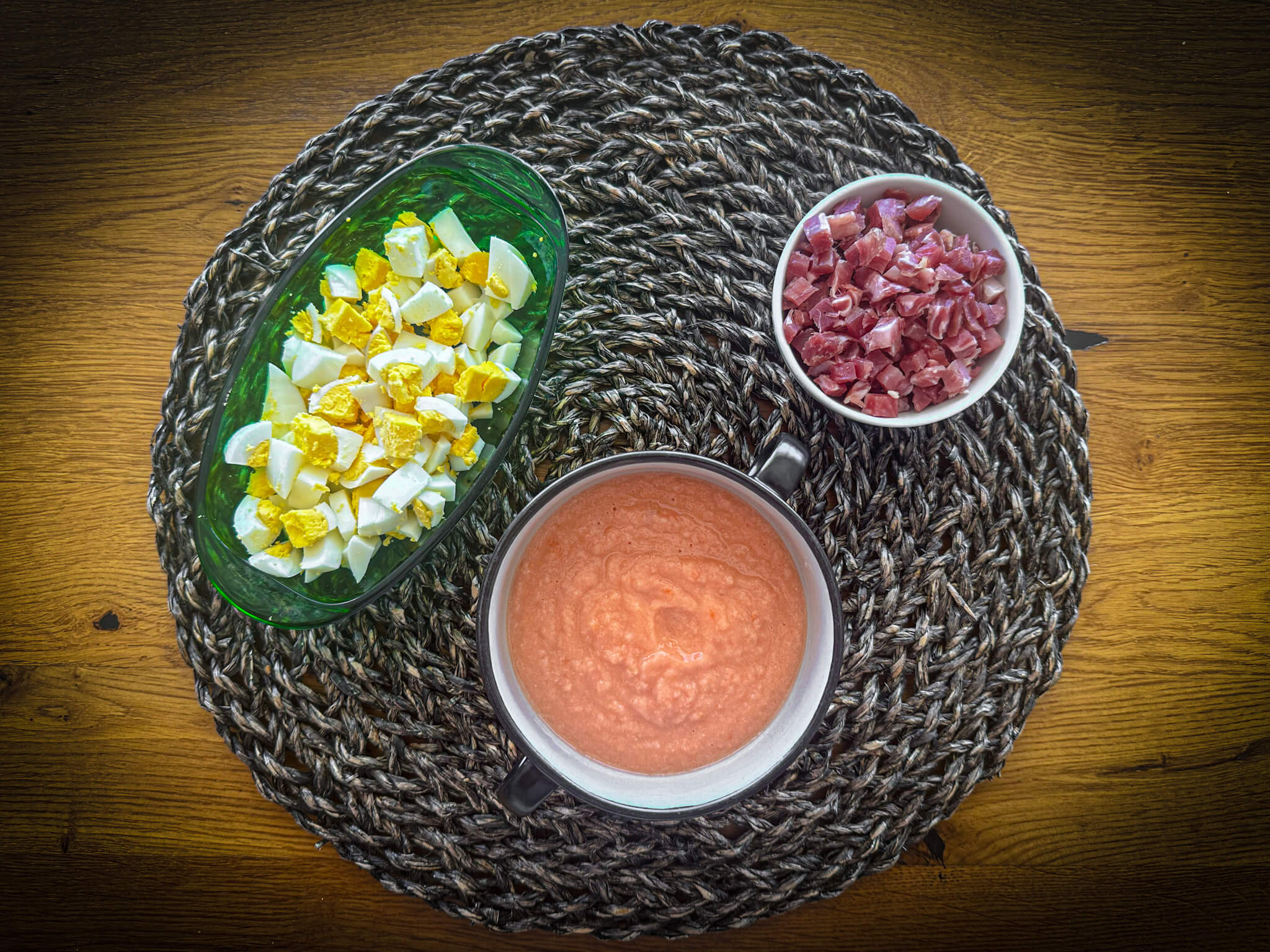
Garnish Assembly and Final Presentation
To serve, ladle the cold cream into traditional shallow bowls. Finely chop the hard-boiled eggs and scatter them over the surface along with the small cubes of cured Spanish ham, completing the presentation with a final, generous drizzle of raw extra virgin olive oil across the top right before bringing it to the table.
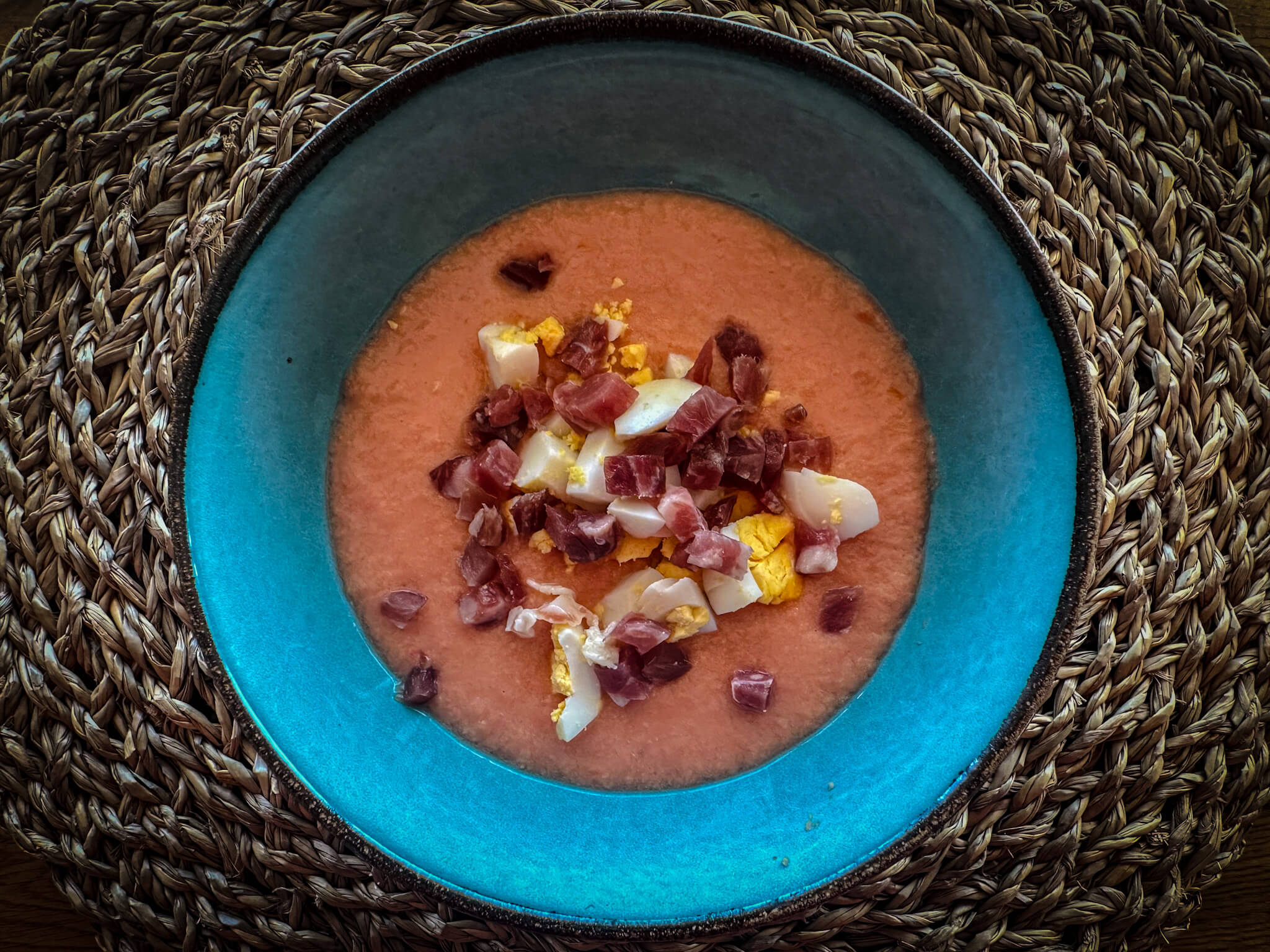
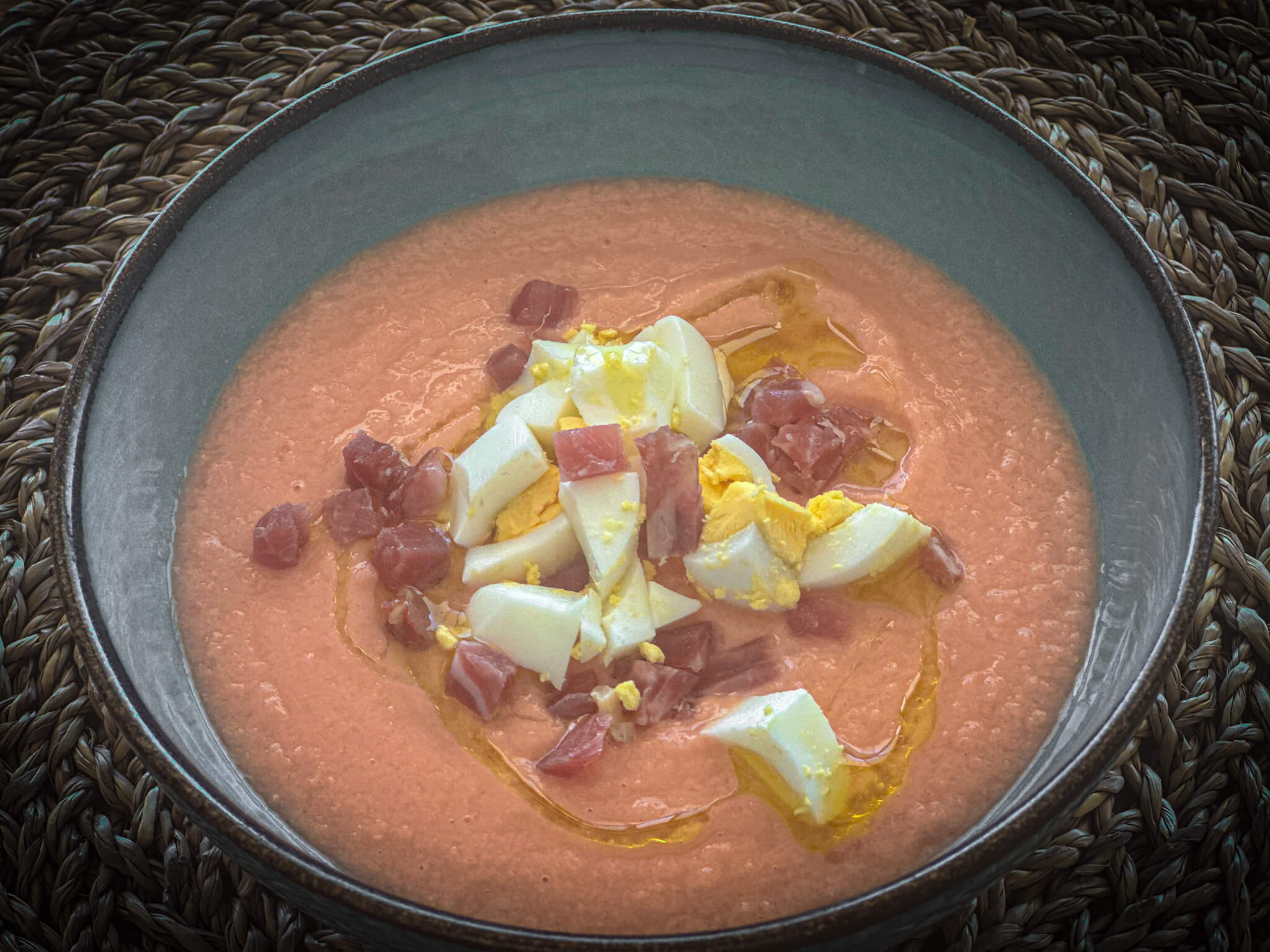
Chef’s Notes for Authentic Salmorejo Cordobés: Creamy Spanish Cold Tomato Soup
What kind of bread is best to achieve the authentic texture of this dish? The secret to a perfect texture is using a dense, close-textured white bread with a tight crumb, such as a traditional Spanish pan de telera or a dense sourdough style. Avoid light, airy sandwich breads or industrial loaves that contain sugar and stabilizers, as they lack the structural starch necessary to absorb the tomato juice properly and will fail to yield the velvety body that characterizes a true Córdoba style cream.
How do I prevent the garlic from overpowering the delicate tomato flavor? To keep the garlic notes smooth and balanced, slice the clove in half vertically and remove the inner green germ before adding it to the blender. The germ is responsible for the aggressive, bitter bite and easy repeat flavor that can ruin a raw cold soup; by removing it, you enjoy the aromatic warmth of the garlic without masking the sweetness of the ripe summer tomatoes.
Can I strain the tomatoes before adding the bread to get a smoother result? Yes, if you do not have a professional high-speed blender, straining the pureed tomatoes through a fine sieve before adding the bread crumbs is an excellent technique to remove leftover skins and seeds. While a powerful machine pulverizes everything completely, a standard household blender can leave small textures behind, so straining guarantees a flawlessly silky, commercial-grade emulsion.
Common Mistakes cooking Authentic Salmorejo Cordobés: Creamy Spanish Cold Tomato Soup
Using low-quality or light olive oils for the emulsion: Many home cooks mistakenly reach for a generic, highly refined vegetable oil or a light olive oil to save money. This poor choice strips the dish of its essential character and leaves a greasy mouthfeel, as the oil is a primary structural ingredient. You must use a robust, high-quality extra virgin olive oil, preferably from the Picual or Hojiblanca olive varieties. This creates a stable, naturally fragrant emulsion that delivers a peppery, authentic Mediterranean back-note.
Dumping the olive oil all at once into the blender: A very frequent technical error is adding the entire volume of olive oil into the blender container alongside the tomatoes and bread before turning it on. Pouring the fat in blindly prevents a proper mechanical breakdown, resulting in a separated, watery soup with oil pools floating on top instead of a cream. Always add the oil in a slow, thin, continuous stream while the blades are turning, allowing the fat droplets to suspend evenly. This rewards you with a rich, thick, mayonnaise-like stability that holds its shape beautifully.
Serving the cold soup immediately without a proper resting period: It is common to see people serve the blended mixture directly from the warm machine blades straight to the dining table. Warm temperatures ruin the refreshing nature of the dish and cause the flavors to taste disjointed and sharp, as the garlic dominates. You must chill the blended cream in the refrigerator for a minimum of two hours, allowing the starches to lock in. This results in a deeply refreshing, rounded flavor profile where the tomato sweetness peaks naturally.
Ingredient Swaps & Variations on Authentic Salmorejo Cordobés: Creamy Spanish Cold Tomato Soup
The Gluten-Free Adaptation: To accommodate gluten sensitivities without losing the iconic density of the dish, replace the traditional wheat bread with an equal weight of gluten-free white bread made from rice or potato flour, ensuring it has a tight crumb, or use toasted almond flour as a traditional, ancient thickening alternative.
The Vegetarian Topping Twist: For a completely meat-free presentation that retains the essential savory contrast, swap out the cured Spanish ham cubes for crispy, pan-fried diced smoked tofu, or use a handful of toasted pine nuts alongside the hard-boiled egg to provide that necessary earthy crunch.
The Creative Fruit Variation: If you want to experiment with modern Mediterranean variations during peak summer, replace 300 grams of the fresh tomatoes with an equal weight of sweet, ripe red cherries or fresh watermelon blocks before blending, creating a vibrant, fruity variation that pairs exquisitely with the savory ham topping.
Recipe Card
Authentic Salmorejo Cordobés: Creamy Spanish Cold Tomato Soup

Authentic Salmorejo Cordobés: Creamy Spanish Cold Tomato Soup is the absolute pinnacle of Andalusian summer gastronomy, delivering an incredibly velvety, luxurious texture without using a single drop of dairy.
Ingredients
- 900 g (31.7 oz) Ripe tomatoes, cut into wedges
- 150 g (5.3 oz) White bread crumbs, close-textured
- 1 clove (1 clove) Garlic, peeled
- 2 units (2 units) Eggs, hard-boiled and finely chopped
- 100 g (3.5 oz) Cured Spanish ham, cubed
- 100 ml (3.4 fl oz) Extra virgin olive oil, premium quality
- 1 pinch (1 pinch) Sea salt
Instructions
Liquefying the Fresh Tomato Base
Wash the ripe tomatoes thoroughly and cut them into large wedges. Place all the tomato pieces directly into a high-speed blender container and process for 3 minutes at maximum power until you achieve a completely liquid, uniform red juice that serves as the moisture base for the entire dish.
Hydrating and Blending the Bread Crumbs
Weigh out the close-textured white bread crumbs, using day-old bread if available to improve the structure. Add the bread pieces directly into the fresh tomato juice inside the blender and let them sit for 2 minutes to absorb the moisture completely, then blend the mixture again for 2 minutes until the bread integrates perfectly into a thick, uniform paste.
Emulsifying with Garlic and Premium Olive Oil
Add the peeled garlic clove and a generous pinch of sea salt into the blender. Secure the lid, turn the machine on to medium speed, and begin pouring the premium extra virgin olive oil in a slow, continuous, steady stream through the lid opening while blending continuously for 3 minutes to create a stable, velvety emulsion that turns the deep red mixture into a beautiful, creamy orange-pink hue.
Chilling for Optimal Flavor and Texture
Pour the emulsified cream out of the blender into a large glass bowl or container. Cover it tightly and place it directly into the refrigerator for at least 120 minutes to ensure the soup is completely chilled, which allows the starch in the bread to fully settle and stabilizes the olive oil emulsion for a superior mouthfeel.
Garnish Assembly and Final Presentation
To serve, ladle the cold cream into traditional shallow bowls. Finely chop the hard-boiled eggs and scatter them over the surface along with the small cubes of cured Spanish ham, completing the presentation with a final, generous drizzle of raw extra virgin olive oil across the top right before bringing it to the table.
Notes
This traditional recipe is a masterclass in culinary emulsion, combining the natural acidity of fresh tomatoes with the density of close-textured white bread crumbs and high-quality extra virgin olive oil. Originating from the historic city of Córdoba, its signature thick consistency is achieved purely through mechanical blending, creating a stable, rich cream that acts as the perfect canvas for savory cured ham and hard-boiled egg toppings. It represents a high-authority, authentic Mediterranean dish optimized for seasonal summer dining.
Nutrition Information:
Yield:
4Serving Size:
1Amount Per Serving: Calories: 291Total Fat: 10gSaturated Fat: 2gUnsaturated Fat: 8gCholesterol: 109mgSodium: 713mgCarbohydrates: 37gFiber: 4gSugar: 9gProtein: 16g