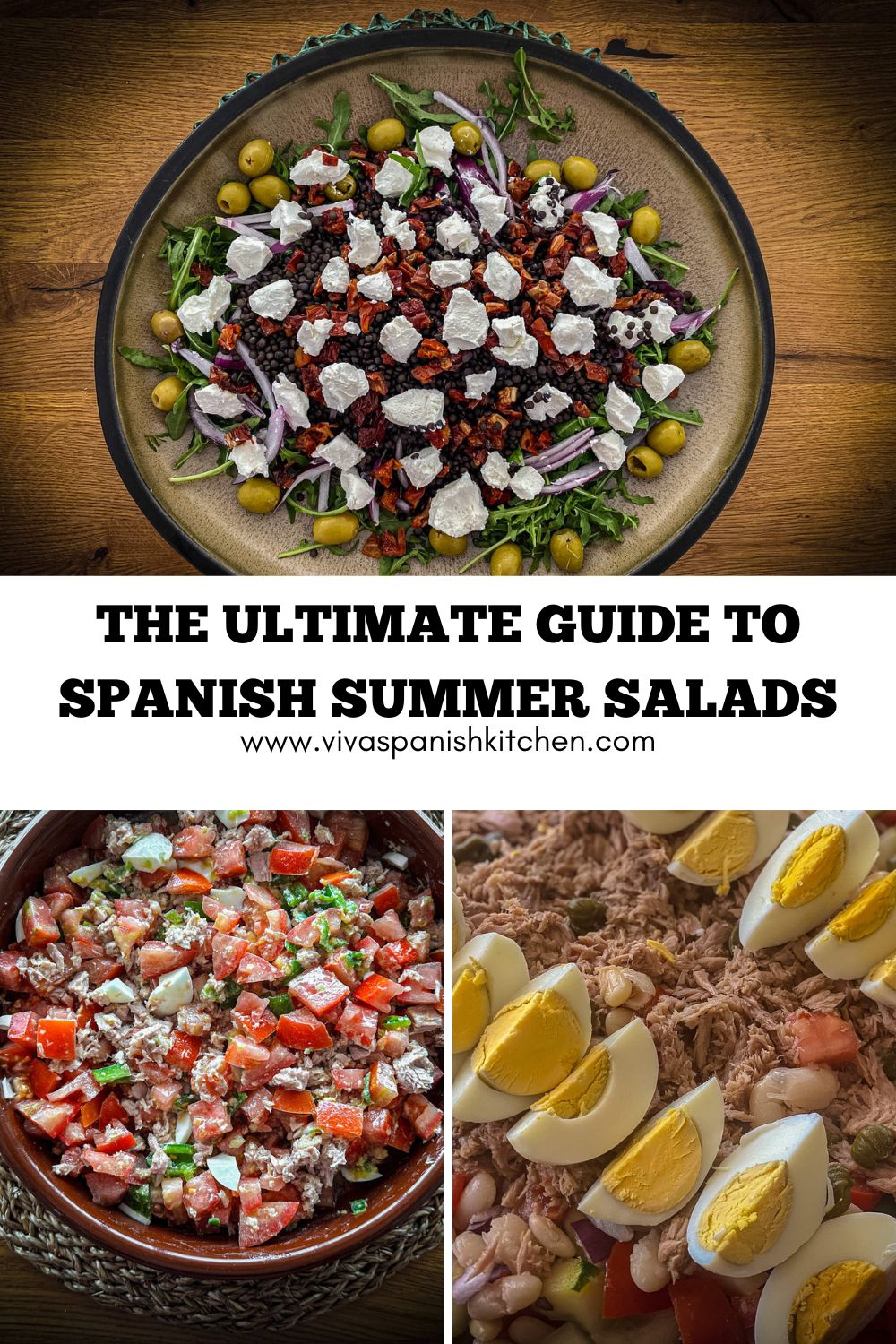
Discover Spanish summer salads made for hot days, outdoor life, and preparing ahead. From fresh pipirrana and ensaladilla rusa to cold rice and lentil salads, cook once and eat when you want.
Spanish Summer Salads: Fresh, Complete & Made Ahead
When summer arrives in Spain, the way we eat changes with it. The days become longer, temperatures rise, and spending an hour in a hot kitchen becomes far less appealing. There is a beach to visit, a swimming pool waiting, a picnic to prepare, a barbecue with friends, or simply a terrace where you would rather spend the evening.
This is where Spanish summer salads truly come into their own.
Fresh, colorful, satisfying, and often prepared ahead of time, they are perfectly suited to the rhythm of summer. Some are built around raw seasonal vegetables, others around potatoes and homemade mayonnaise, while rice, pasta, beans, and lentils can transform a cold salad into a complete meal.
The best part is that many of them follow a simple summer philosophy: cook once, chill, and eat when you want.
From the Market to the Refrigerator: The Magic of Spanish Summer Salads
The secret behind a great summer salad is not complicated technique. It begins with good ingredients.
Summer is the season when Spanish markets fill with ripe tomatoes, crisp cucumbers, peppers, onions, fresh herbs, and other vegetables at their best. When produce is naturally sweet, juicy, and full of flavor, it does not need much to become something delicious.
But Spanish summer cooking has never been about fresh ingredients alone.
A good summer salad often combines what comes from the market with what is already waiting in the pantry: tuna preserved in oil, sweet corn, anchovies, olives, eggs, pickles, or homemade mayonnaise.
This combination of fresh and practical ingredients is one of the great strengths of home cooking. The tomatoes may come from the market, the eggs may be boiled at home, and the tuna may come from a can. Together, they can still create a complete, balanced, and deeply satisfying meal.
And, unlike many hot summer dishes, a salad can be prepared in advance and kept ready in the refrigerator. The refrigerator becomes part of the cooking process.

Discover More Spanish Summer Recipes
Looking for another delicious way to beat the heat? Explore my collection of Spanish Cold Soups for Summer, including traditional Andalusian gazpacho, Cordoban salmorejo, carrot gazpacho, and more refreshing recipes made for hot days.
The 3 Essential Spanish Summer Salad Styles: Fresh, Creamy, and Complete
While summer salads can take countless forms, they generally share the same purpose: to make the most of fresh ingredients while providing a refreshing and satisfying meal.
Some are light and crisp, built almost entirely around raw seasonal vegetables. Others rely on potatoes and mayonnaise for their creamy texture and comforting character. And others combine rice, pasta, or legumes with vegetables and protein to create a complete meal in a single bowl.
The beauty of Spanish summer salads lies in this variety.
1. The Freshest Side of Summer: Pipirrana, Mixed & Greek Salad
When the heat is intense, sometimes the best meal is the simplest one. These salads are built around fresh seasonal vegetables, crisp textures, bright acidity, and ingredients that need very little preparation when the produce is at its best.
Traditional Andalusian Pipirrana
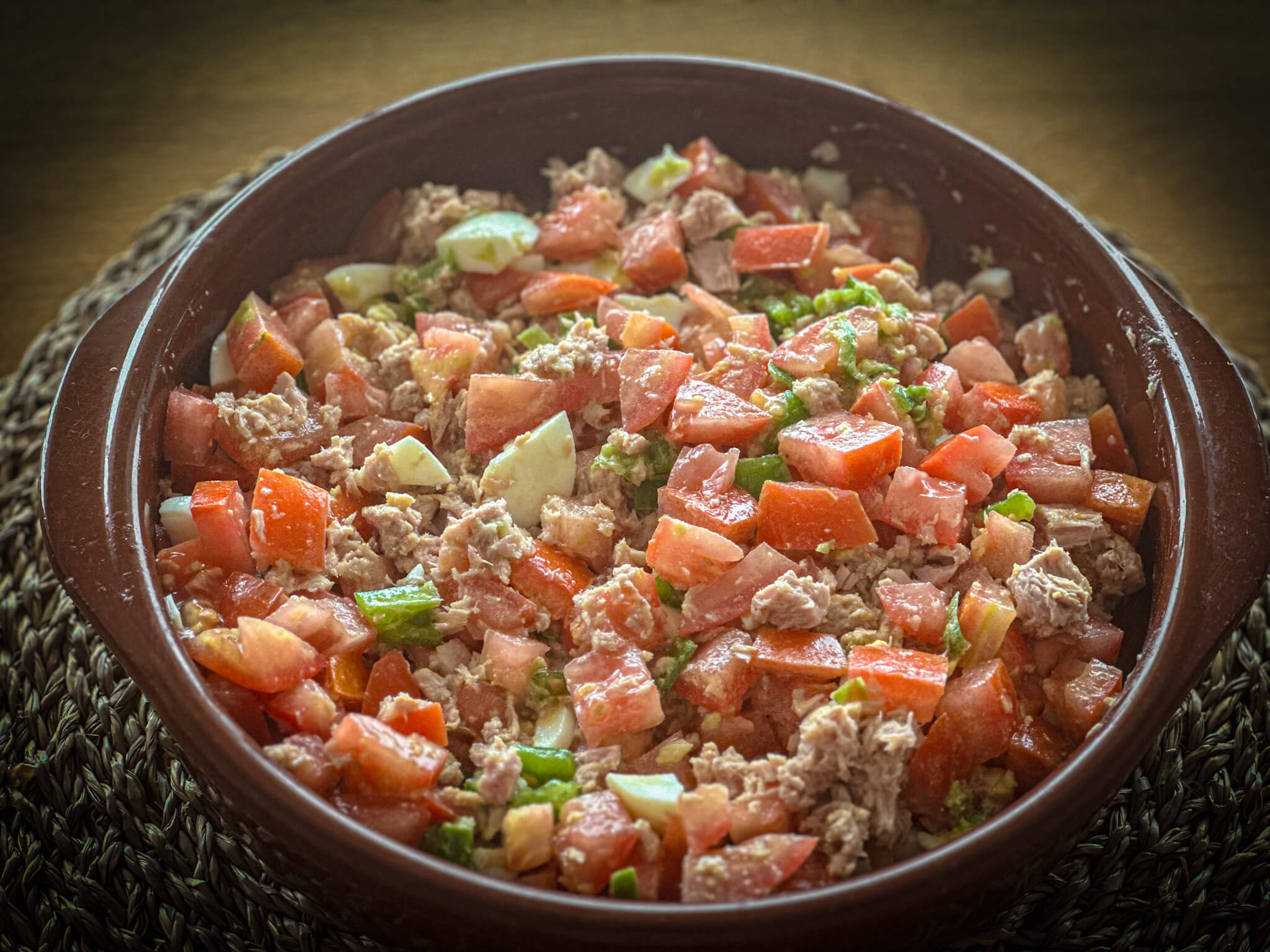
Pure Andalusian freshness. Ripe tomatoes, green pepper, cucumber, and hard-boiled egg come together in a traditional salad where the natural vegetable juices combine with olive oil to create a delicious dressing that is practically made for dipping bread.
Read the full Traditional Andalusian Pipirrana recipe
Spanish Mixed Salad

A classic of Spanish summer tables, combining crisp lettuce, ripe tomatoes, onion, tuna, hard-boiled egg, corn, and olives. Simple, colorful, and endlessly adaptable, it is the kind of salad that can easily become a complete light meal on a hot day.
Read the full Spanish Mixed Salad recipe
Greek Salad
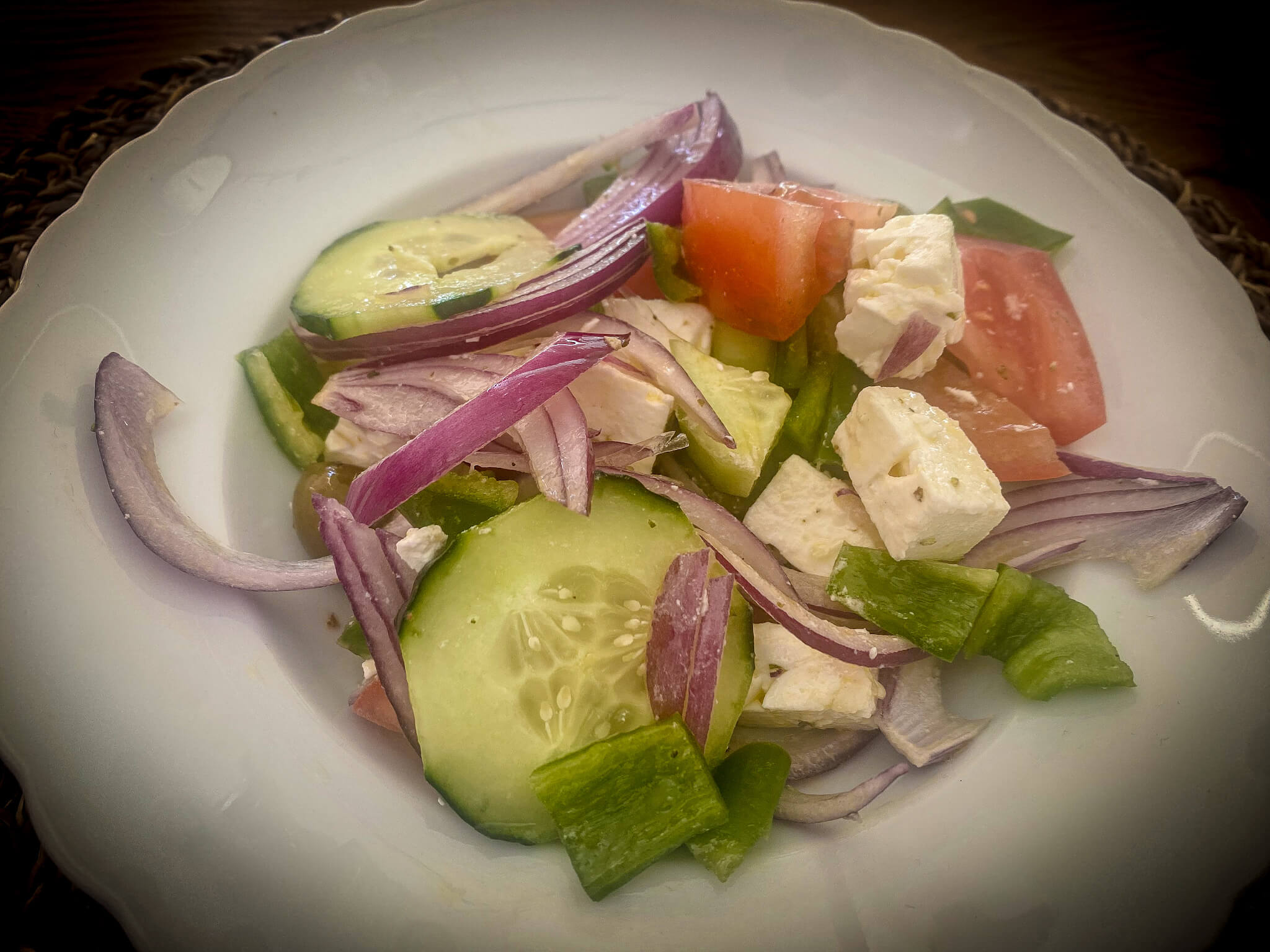
Tomato, cucumber, red onion, olives, and feta come together in one of the great Mediterranean combinations. The salty, tangy feta provides the richness and depth that perfectly balance the juicy vegetables and briny olives.
Read the full Greek Salad recipe
Quinoa Tabbouleh: A Vibrant Mediterranean Summer Salad
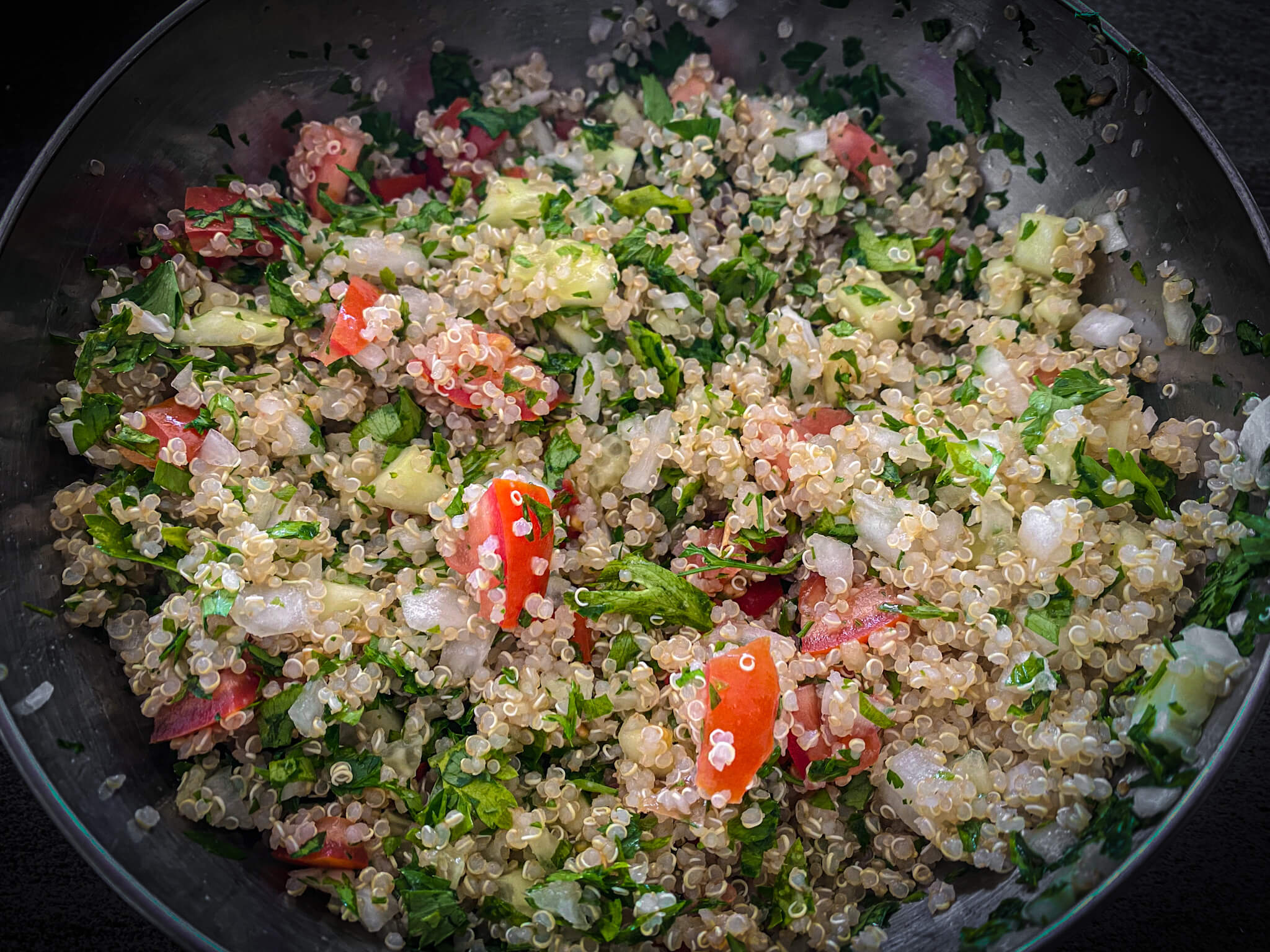
A fresh and nourishing salad inspired by the flavors of the Mediterranean, this quinoa tabbouleh combines fluffy quinoa with crisp cucumber, juicy cherry tomatoes, fresh parsley, and onion. It is light, colorful, and satisfying enough to serve as a complete summer meal, while also being easy to prepare ahead and enjoy chilled.
The quinoa adds a satisfying texture and makes this salad particularly filling, while the fresh herbs, vegetables, and bright dressing keep it light and refreshing. It is a great example of how modern Mediterranean salads can bring together nutritious ingredients without sacrificing flavor or freshness.
Read the full Vibrant & Nourishing Quinoa Tabbouleh recipe
2. Potatoes, Mayonnaise & the Creamy Side of Summer
Not every summer salad needs to be light in the sense of being delicate or low in calories. Sometimes what you want is something cold, creamy, satisfying, and ready in the refrigerator.
This is where potatoes and mayonnaise become such a powerful combination.
Creamy Spanish Potato Salad with Pickles
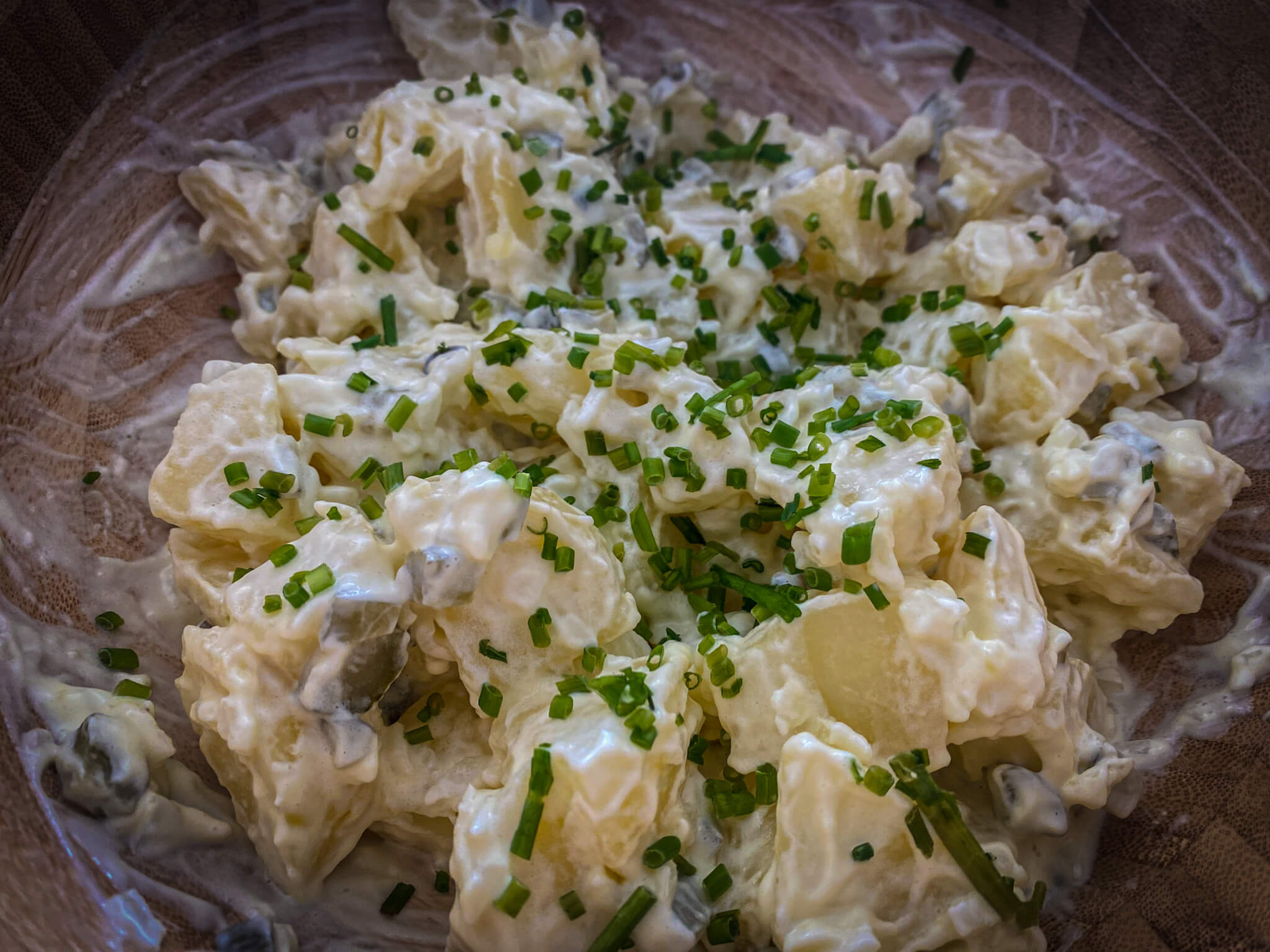
Tender potatoes, crunchy pickles, onion, fresh herbs, and homemade mayonnaise come together in a creamy salad with enough acidity to keep every bite fresh and lively.
Read the full Creamy Spanish Potato Salad recipe
Traditional Spanish Ensaladilla Rusa

One of Spain’s most beloved cold dishes, combining tender potatoes, carrots, peas, tuna, eggs, and homemade mayonnaise. It is a staple of family kitchens, tapas bars, summer gatherings, and beachside meals throughout Spain.
Read the full Traditional Spanish Ensaladilla Rusa recipe
Spanish-Style Ensaladilla with Shrimp, Anchovies & Olives
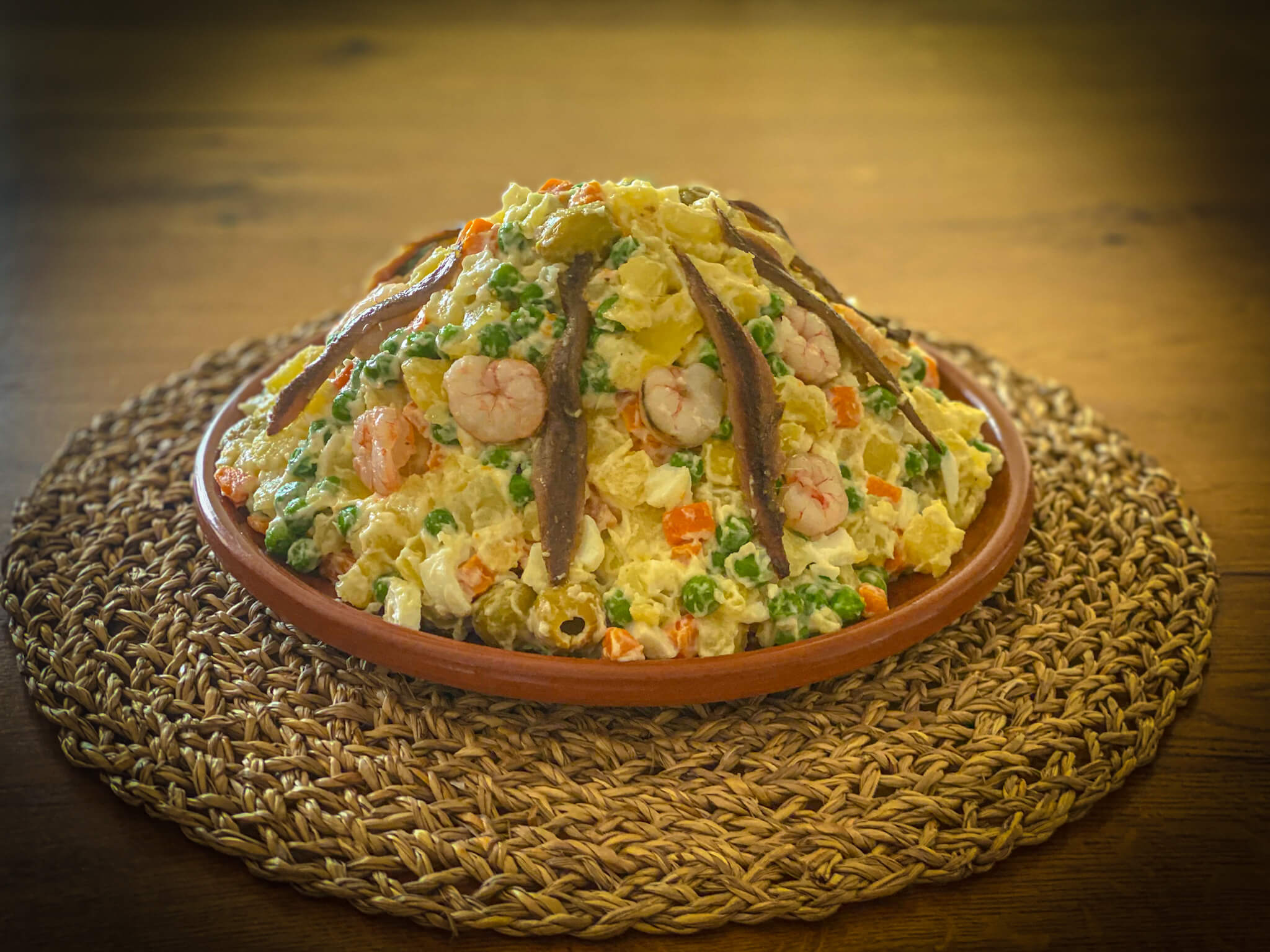
A more festive variation on the classic, combining the creamy texture of ensaladilla with the sweet flavor of shrimp, the intense saltiness of anchovies, and olives.
Read the full Spanish-Style Ensaladilla recipe
3. Complete Summer Meals: Pasta, Rice & Legumes
A summer salad does not have to be a side dish. Pasta, rice, beans, and lentils can all provide the substance needed to turn a cold salad into a complete meal.
My Family’s Spanish-Style Pasta Salad
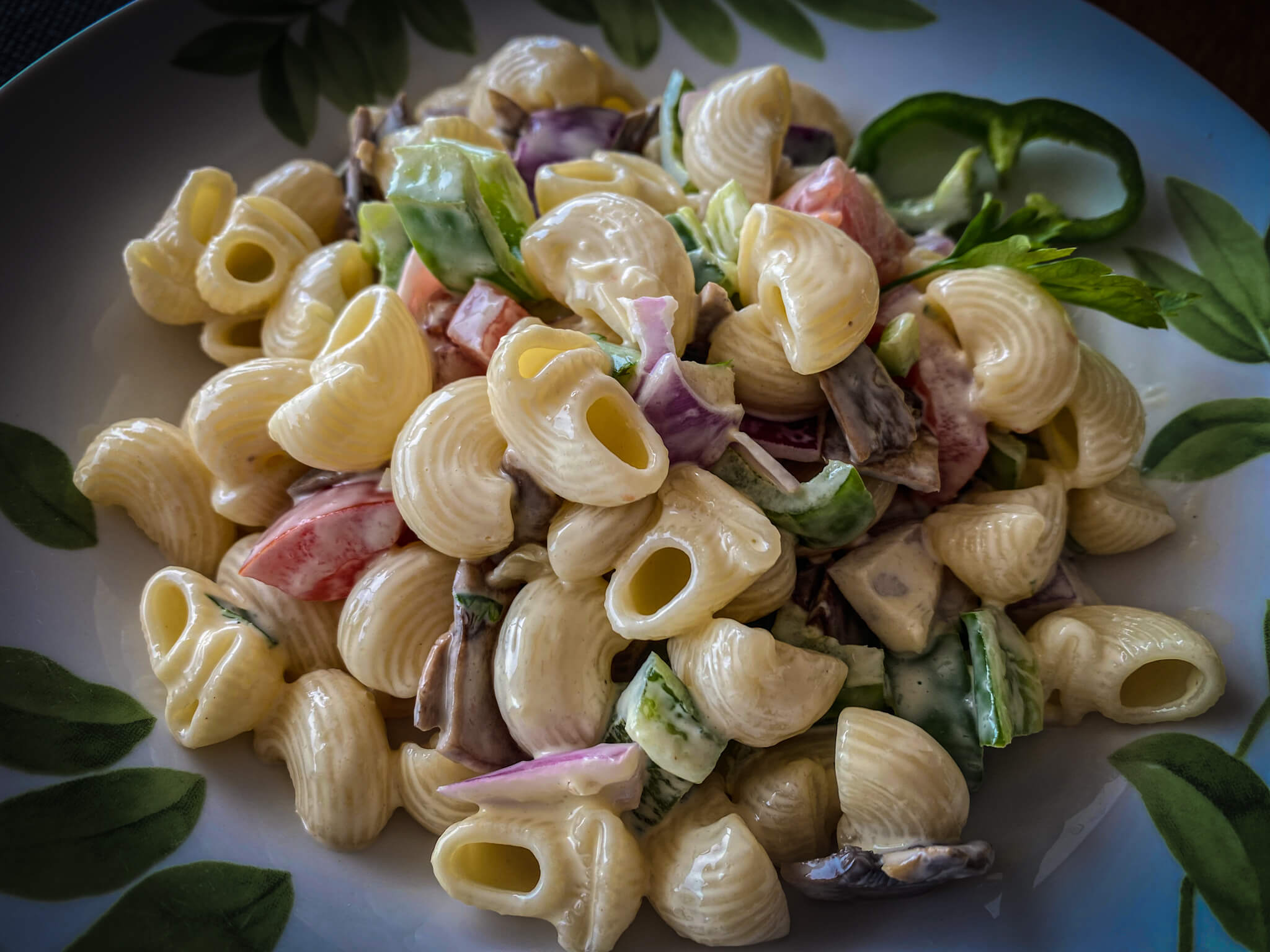
A satisfying cold pasta salad built around tender pasta, fresh vegetables, and complementary textures. It is ideal for preparing ahead and serving as a relaxed summer lunch or dinner.
Read the full Spanish-Style Pasta Salad recipe
Easy Cold & Refreshing Rice Salad
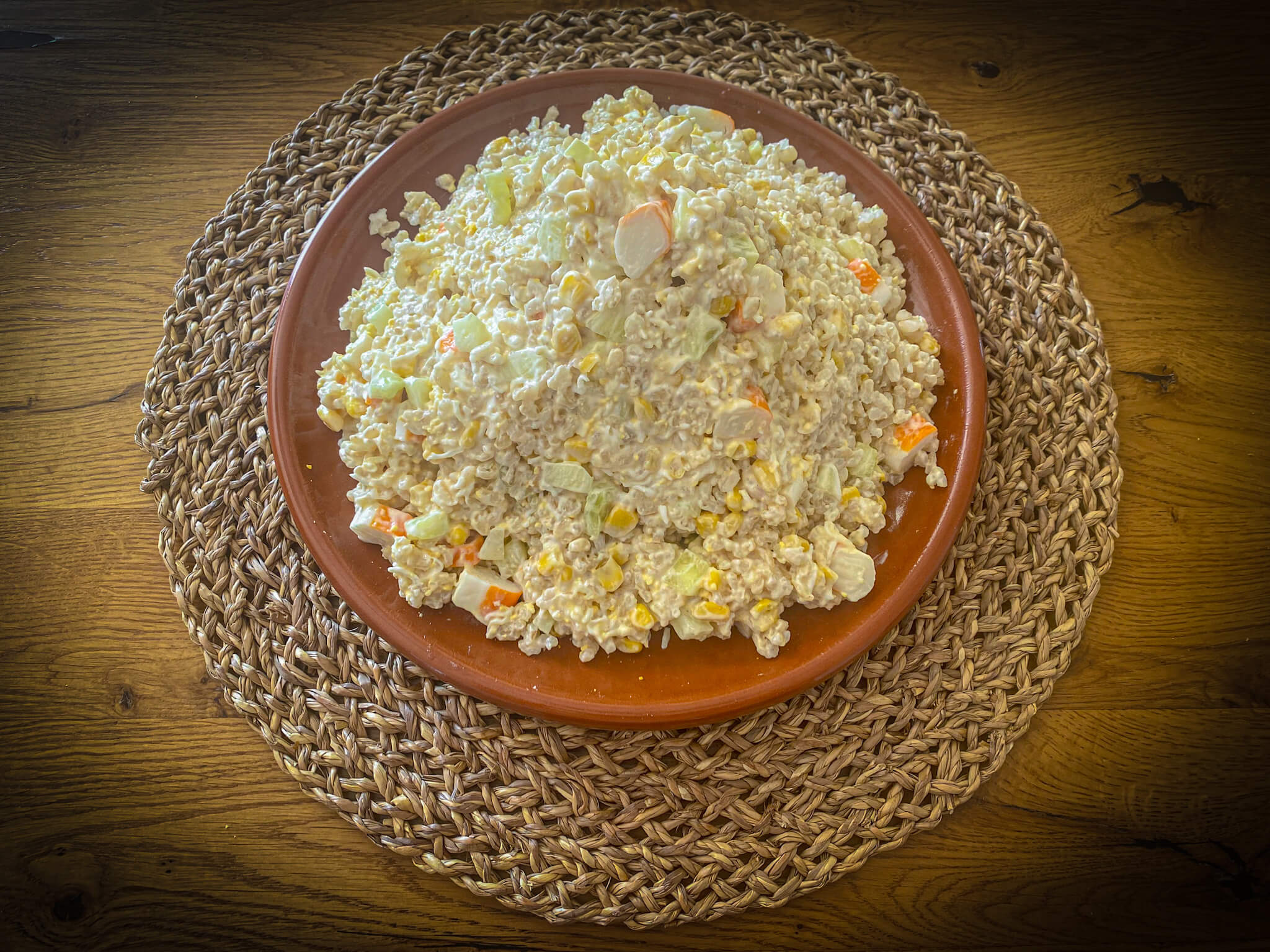
A practical, colorful, and satisfying summer salad where chilled rice is combined with fresh ingredients and pantry staples. Perfect for picnics, the beach, the pool, or an easy family meal.
Read the full Cold Rice Salad recipe
Spanish Caviar Lentil Salad
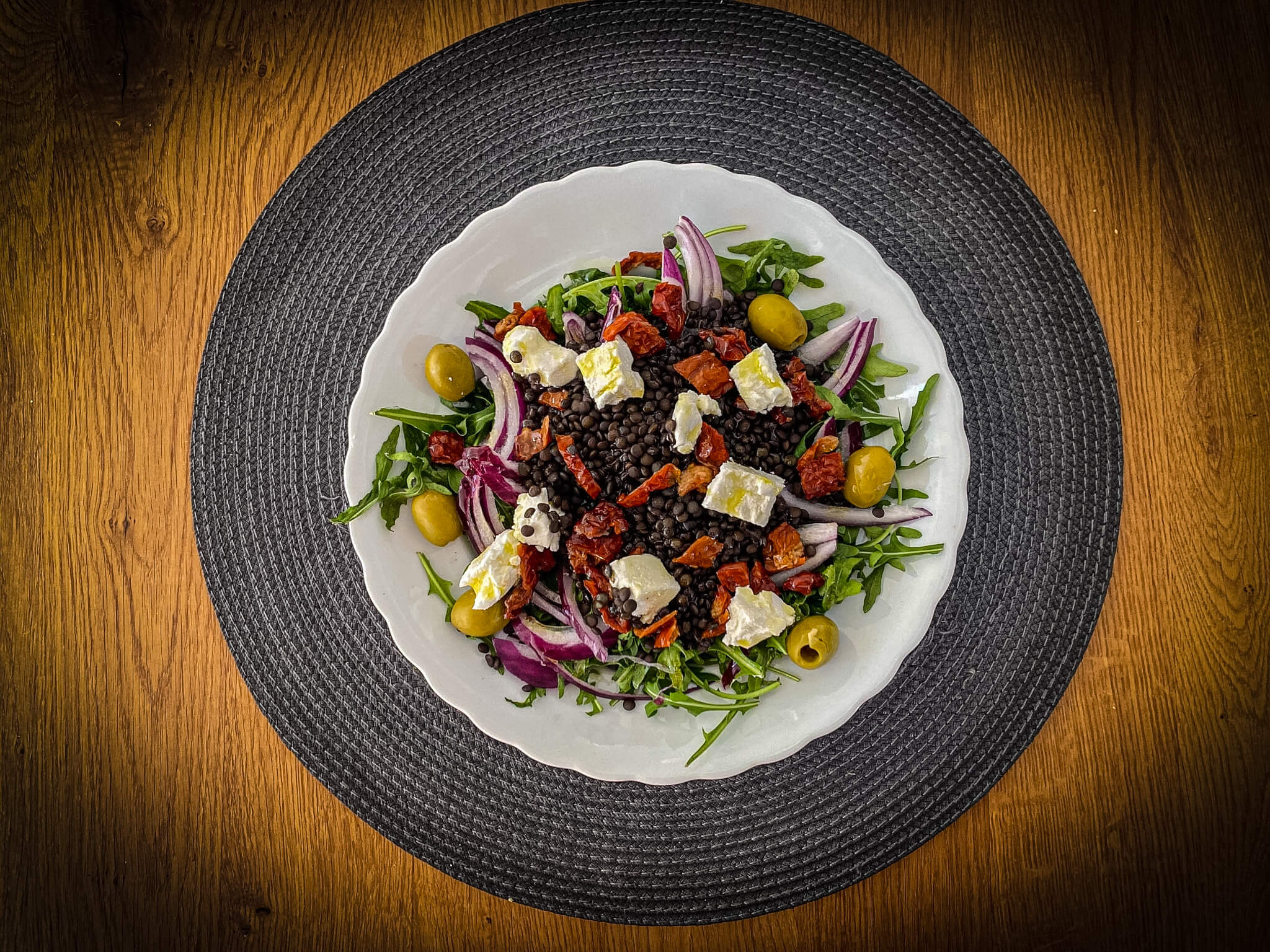
One of my favorite examples of how legumes can become a completely different kind of summer food. Caviar lentils hold their shape beautifully, creating a firm, satisfying texture that works exceptionally well in a cold salad.
Read the full Spanish Caviar Lentil Salad recipe
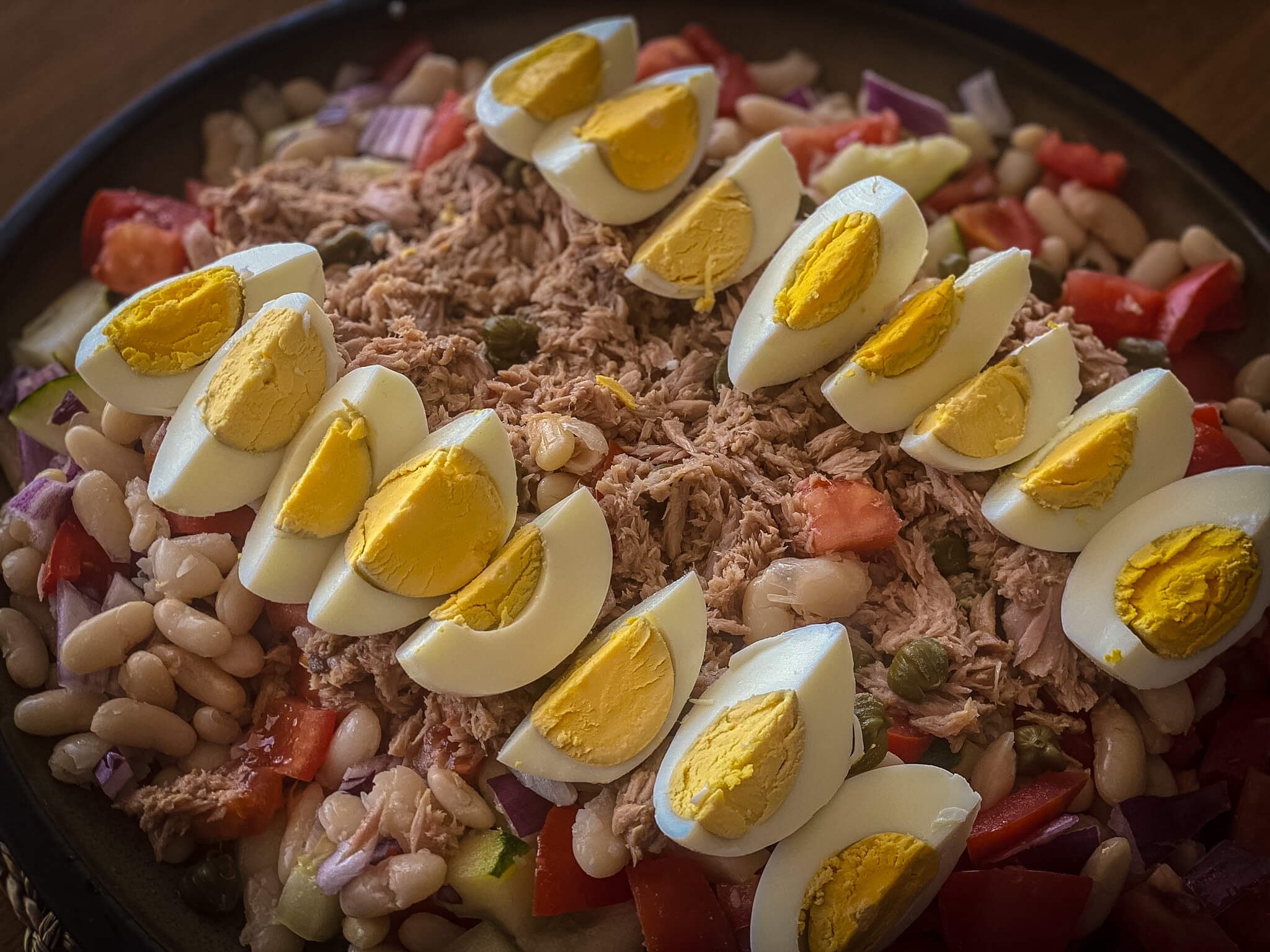
Mediterranean Bean & Tuna Salad
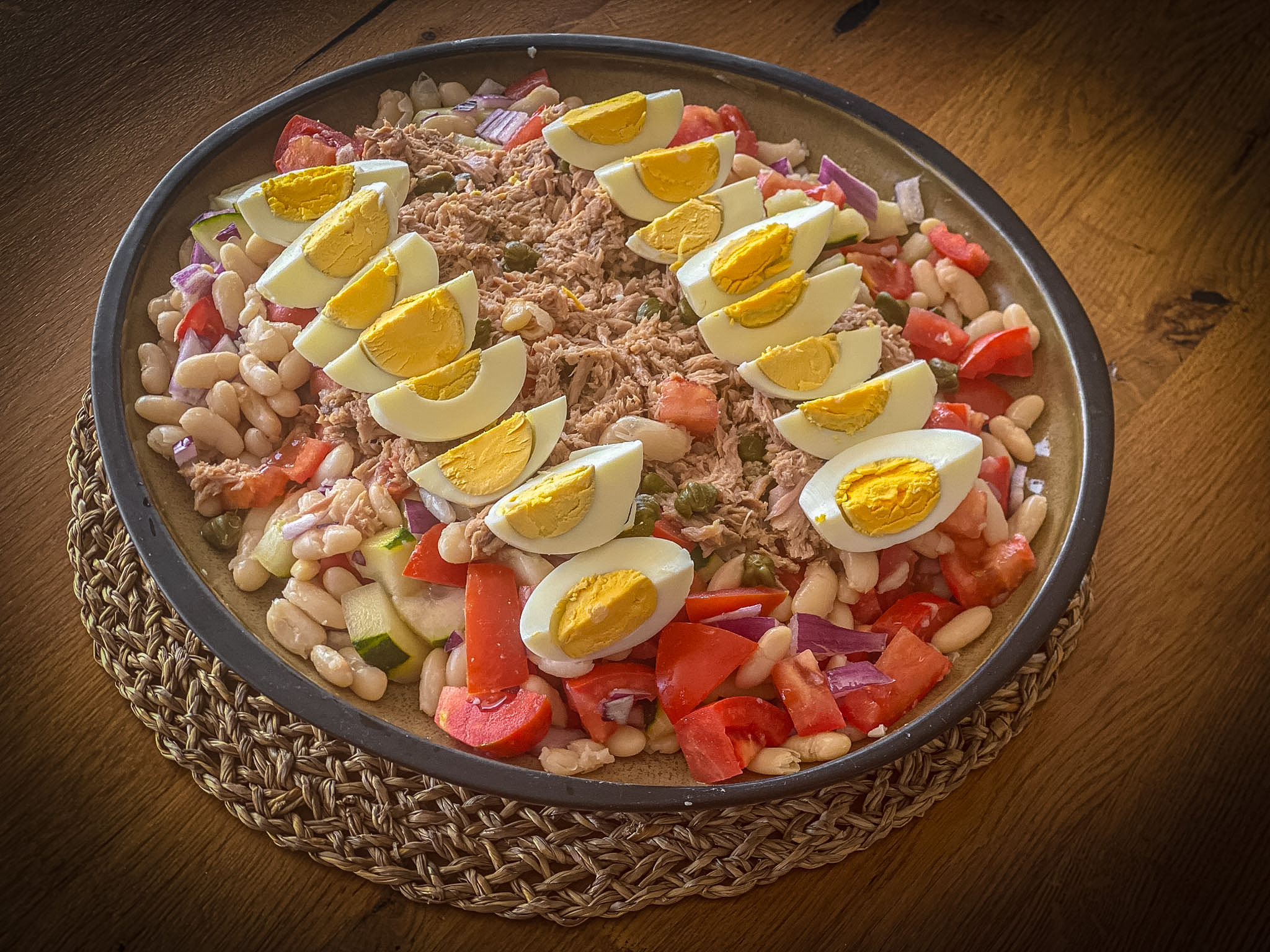
Creamy beans, tuna, and crisp vegetables create a refreshing but satisfying salad that proves legumes are not just for winter stews and hot dishes.
Read the full Mediterranean Bean & Tuna Salad recipe
The Mediterranean Summer Pantry: Fresh Ingredients Meet Convenience
Summer cooking does not mean using only ingredients bought from the market that morning.
In Spain, the summer pantry has always played an important role in creating quick and satisfying meals.
A can of tuna in olive oil, a jar of sweet corn, a few anchovies, olives, or other preserved ingredients can transform a few fresh vegetables into a complete salad in minutes.
Tuna preserved in oil is particularly important in Spanish summer cooking. It appears in mixed salads, rice salads, potato salads, ensaladillas, and countless family recipes.
This combination of fresh and preserved ingredients is not a contradiction. It is part of the practical intelligence of home cooking.
Fresh summer cooking is not about rejecting convenience. It is about knowing how to use convenience well.
The King of Spanish Summer: The Tomato
No ingredient represents the Spanish summer quite like the tomato.
Tomatoes are available throughout the year, but summer is when they truly come into their own. Under the intense Spanish sun and warm temperatures, they develop an extraordinary sweetness, juiciness, and depth of flavor.
And there is no single tomato that defines the Spanish summer.
There are tiny, sweet cherry tomatoes; deeply flavored Raf tomatoes; juicy Canarian tomatoes; classic salad tomatoes; enormous pink tomatoes; pear tomatoes; tomatoes traditionally kept hanging for longer storage; and countless local varieties grown throughout the country.
Some are sweet. Some are intensely savory. Some are incredibly juicy, while others have a firm, meaty texture.
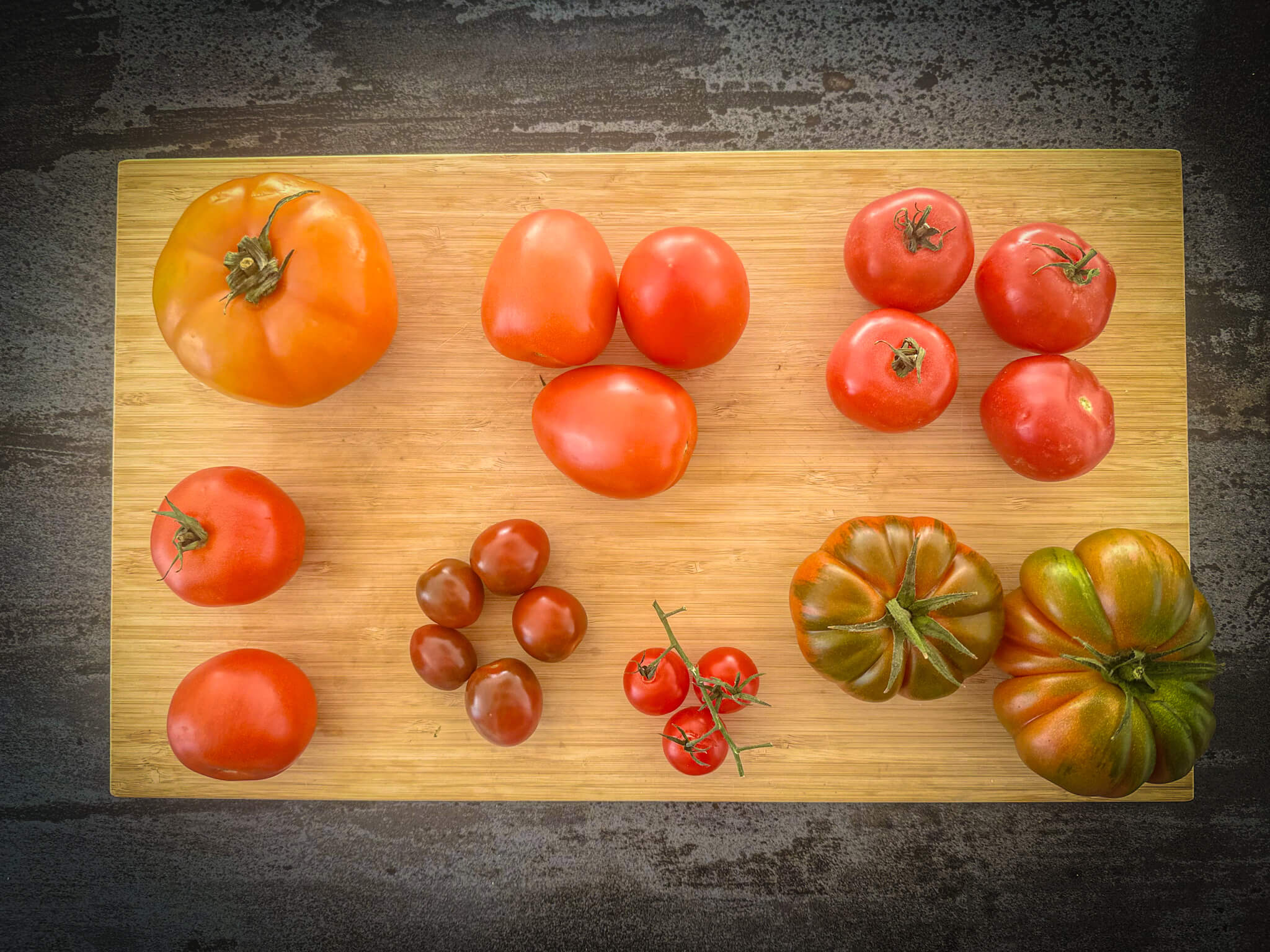
The important thing is that you do not always need to search for the most expensive or fashionable variety. A perfectly ripe summer tomato, grown under the Spanish sun, can be extraordinary simply because it is in season.
This is why a simple tomato salad can be one of the greatest pleasures of summer.
Slice the tomatoes, add a little salt, drizzle generously with extra virgin olive oil, and finish with a splash of wine vinegar or a squeeze of lemon if the dish needs a little extra brightness.
And then there is the part that, as someone who genuinely loves eating, I consider essential.
As the tomatoes rest, their juices collect at the bottom of the plate. Those juices mix with the olive oil, the salt, and the acidity to create something far greater than the sum of its parts.
That liquid is not dressing to be left behind.
Take a piece of good bread and dip it into the bottom of the plate.
That is not simply a way of finishing the meal.
That is happiness.
The Green Foundation: Every Leaf Brings Something Different
A salad does not have to be boring simply because you eat it regularly.
One of the easiest ways to keep salads interesting is to change the leaves that form the foundation.
Different lettuces and green leaves bring completely different textures, flavors, colors, and levels of freshness to the bowl.
Romaine lettuce brings structure and a satisfying crunch.
Iceberg lettuce is incredibly crisp, juicy, and refreshing, with a high water content that makes it particularly enjoyable on the hottest days.
Cabbage brings a firmer texture and a more substantial bite, making it especially useful when you want a salad that will remain crunchy for longer.
Then there are the more colorful varieties, such as red oak leaf lettuce, which add delicate leaves, beautiful color, and a softer texture to the bowl.
And some leaves bring a much stronger personality.
Lamb’s lettuce offers a delicate, slightly earthy character, while arugula brings a more intense, peppery flavor that can completely change the personality of a salad. Baby spinach adds a deeper, more pronounced green flavor and a tender texture that makes it especially good in mixed-leaf salads.
In fact, sometimes a carefully chosen combination of leaves can be enough to create a salad full of flavor, color, and texture before you add anything else.
A mix of crisp iceberg, delicate oak leaf, tender baby spinach, and peppery arugula can already create a completely different experience from a bowl made with a single type of lettuce.
This is what makes salads so versatile.
One day, the base can be crisp and watery. The next, it can be tender and colorful. Another day, you can add a handful of peppery arugula or deep-flavored baby spinach to give the entire bowl more intensity.
By changing the leaves and combining them with different vegetables, cheeses, olives, eggs, legumes, fish, or other ingredients, a salad never has to taste exactly the same twice.
And you do not need complicated sauces to make that happen.
For the kind of Mediterranean salads I love, the dressing can be remarkably simple:
Extra virgin olive oil. Salt. Vinegar or lemon juice.
That is often all you need.
If the salad contains ripe tomatoes, salt helps draw out their natural juices. Extra virgin olive oil carries the flavors across the palate, while wine vinegar or lemon juice adds brightness and balance.
There is no need to cover fresh seasonal ingredients with sugary chutneys, heavy commercial sauces, or complicated dressings that hide the flavor of the vegetables.
The best dressing is often the one that makes good ingredients taste even more like themselves.
The Olive: Small Fruit, Big Spanish Identity
Few ingredients represent the Spanish table as naturally as the olive.
Although olives are harvested later in the year, they are present throughout the summer kitchen. Green or black, with or without stones, stuffed with anchovies, or simply seasoned and preserved, they bring saltiness, texture, and character to countless salads.
Different regions have their own traditions and varieties. There are the dark olives associated with Aragón, the green olives served as a simple tapa, olives stuffed with anchovies, and olives seasoned with herbs and spices in the Andalusian style.
In a salad, olives can be a small ingredient with a surprisingly large impact. Their saltiness can balance sweet tomatoes, their richness works beautifully with tuna and cheese, and their firm texture creates contrast against softer ingredients.
They are also a reminder that Spanish food culture is built around preserving seasonal ingredients and enjoying them throughout the year.
One day, I will prepare a recipe dedicated to preparing, seasoning, and preserving olives at home. For now, they remain one of the essential ingredients in the Spanish summer pantry.
The Creamy Element: Mayonnaise, Feta & Fresh Cheese
Freshness does not mean eliminating richness.
In fact, some of the best summer salads depend on a creamy or fatty element to achieve balance.
Feta is a perfect example. Its salty, tangy, crumbly character gives a Greek salad a depth that vegetables alone cannot provide.
Goat cheese brings a different personality: creamy, earthy, and slightly acidic. Mozzarella is softer and more delicate, while burrata adds an exceptionally rich and creamy texture.
Homemade mayonnaise plays a similar role in Spanish salads. It adds richness and cohesion, especially to potatoes, rice, eggs, and vegetables.
The important thing is balance.
Fresh vegetables bring water, crunch, sweetness, and acidity. Cheese and mayonnaise bring fat, salt, and depth.
The right amount of richness does not hide the freshness of a salad. It helps complete it.
Homemade Mayonnaise

A simple homemade mayonnaise can transform potatoes, eggs, rice, and vegetables into a rich, cohesive, and deeply satisfying summer dish.
Read the full Homemade Mayonnaise recipe
The Mediterranean Art of Dressing a Salad
Many of the best summer dressings are remarkably simple.
Extra virgin olive oil, salt, and an acidic ingredient such as wine vinegar or lemon juice can be enough to transform a bowl of vegetables.
Fresh herbs add another dimension. Parsley, basil, chives, and other aromatic herbs can bring freshness and fragrance without making a dressing complicated.
Pickles and other vinegar-preserved ingredients can contribute acidity and crunch, as they do in my creamy potato salad.
Tzatziki offers another Mediterranean approach, combining cucumber, yogurt, garlic, and lemon into a cool, creamy accompaniment.
Easy Homemade Tzatziki
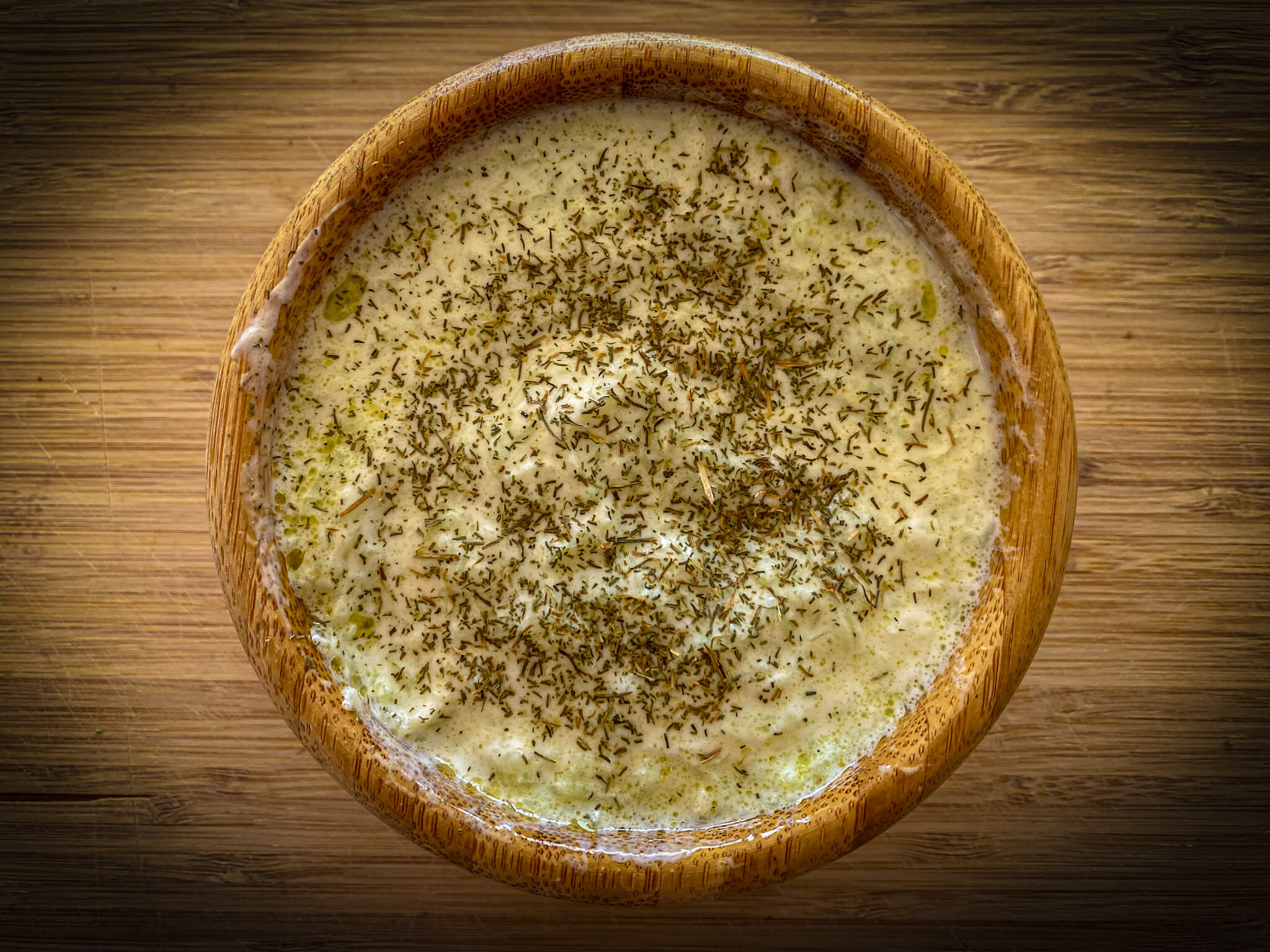
Cool, creamy, and bright with lemon, homemade tzatziki is a refreshing Mediterranean sauce that works beautifully as a dressing, dip, or accompaniment for summer meals.
Read the full Easy Homemade Tzatziki recipe
The principle remains the same: acidity wakes up the ingredients, salt intensifies their natural flavors, and olive oil carries those flavors across the palate.
When vegetables are at their seasonal best, the dressing should support them rather than overwhelm them.
Building a Better Bowl: Beyond Instagram Aesthetics
A beautiful bowl is not necessarily a good meal.
The most successful salads are built around relationships between ingredients.
Soft and crunchy.
Sweet and salty.
Rich and acidic.
Fresh and satisfying.
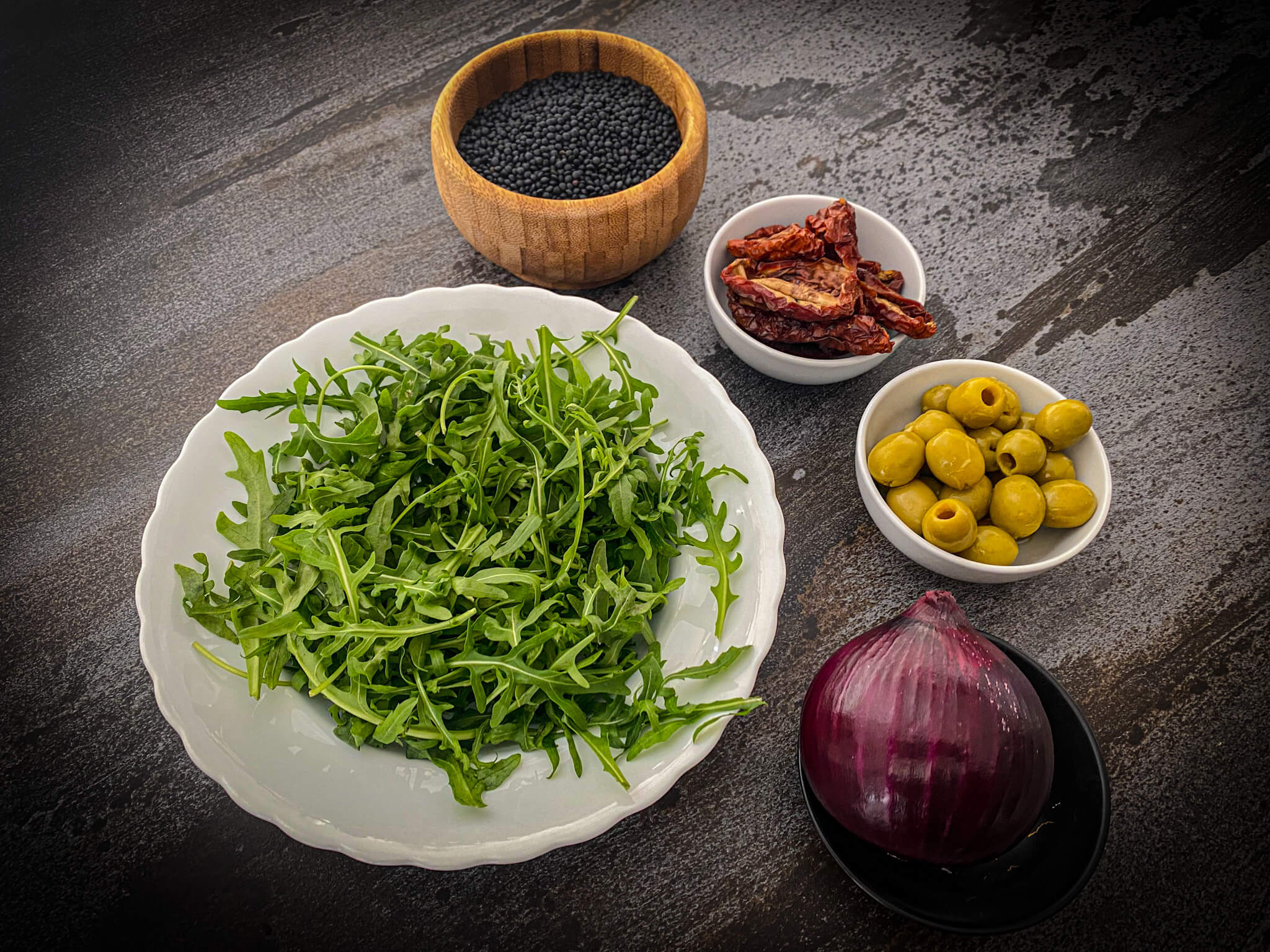
A ripe tomato might need the saltiness of feta or olives. Creamy potatoes might need the sharp acidity of pickles. Beans might need crisp vegetables and a bright dressing. Lentils might benefit from the richness of goat cheese and the intensity of olives.
This is why I prefer to think about complementarity rather than simply collecting ingredients.
I am less interested in creating a bowl that looks spectacular before it is mixed than in creating one that becomes delicious when everything finally comes together.
The aim is not to make the bowl as colorful as possible. It is to make every ingredient earn its place.
Chef’s Tips for Better Summer Salads
The goal is not to make a salad as light as possible. The goal is to make it balanced enough to be satisfying without feeling heavy.
Use the best seasonal produce you can find, especially when the salad is built around raw vegetables. A ripe tomato or a naturally sweet cucumber can make more difference than a complicated dressing.
Give cooked ingredients enough time to cool before assembling the salad. Potatoes, rice, pasta, and legumes all benefit from being properly chilled.
Do not be afraid of good fats. Extra virgin olive oil, homemade mayonnaise, feta, and other cheeses can bring richness and balance to a salad.
Fresh herbs are also one of the easiest ways to add aroma and freshness. Parsley, basil, and chives can make even a simple bowl of vegetables feel more complete.
And, above all, taste before serving. A salad that has rested in the refrigerator may need a final adjustment of salt, acidity, or olive oil.
Common Mistakes When Preparing Summer Salads Ahead
Preparing food ahead is one of the great advantages of summer salads, but not every ingredient should necessarily be combined at the same time.
Some vegetables lose their crunch when exposed to salt and acidic dressings for too long. Pasta, rice, potatoes, and legumes can continue absorbing dressing as they rest in the refrigerator. A salad that was perfectly balanced when first prepared can become dry or overly seasoned the next day.
For this reason, it is sometimes better to prepare the components separately and combine them closer to serving time.
It is also important to cool cooked ingredients properly before assembling a salad. Warm potatoes, rice, or pasta can affect the texture of other ingredients and may make the finished dish feel less fresh.
Another common mistake is overloading the salad. More ingredients do not automatically mean more flavor. A good salad needs contrast and balance, not an endless list of additions.
And finally, remember that the refrigerator changes flavor. Garlic, onions, vinegar, pickles, and other strong ingredients can become more pronounced as a salad rests.
Preparing ahead is a great advantage, but it still requires a little thought.
Cook Once. Eat When You Want.
This may be the real secret behind the popularity of cold summer salads.
You can boil potatoes, rice, pasta, eggs, or legumes in advance. You can prepare a dressing or homemade mayonnaise. You can wash vegetables, prepare ingredients, and assemble a meal that is ready when you are.
Then, instead of spending the hottest part of the day in the kitchen, you can go to the beach, the pool, a picnic, a barbecue, or simply enjoy a long evening outdoors.
That is what makes summer salads so useful. They are not simply cold versions of other meals. They are a way of organizing summer cooking around the season itself.
The market provides the fresh vegetables. The pantry provides the practical ingredients. The refrigerator gives everything time to chill and develop flavor.
And when the weather is hot, there is something deeply satisfying about opening the refrigerator and finding lunch or dinner already waiting for you.
Sometimes, the best summer meal is the one you prepared before you left for the beach.