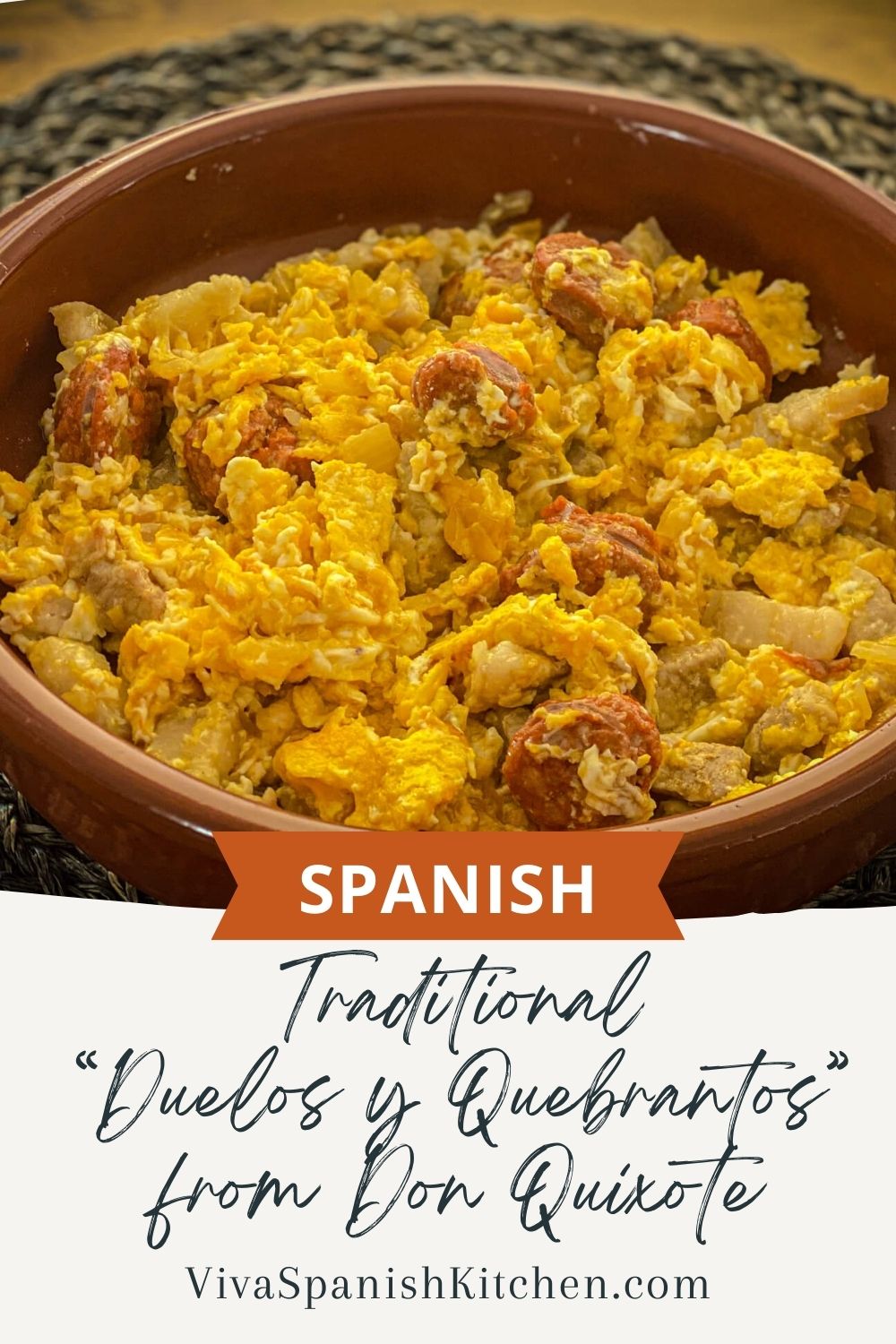
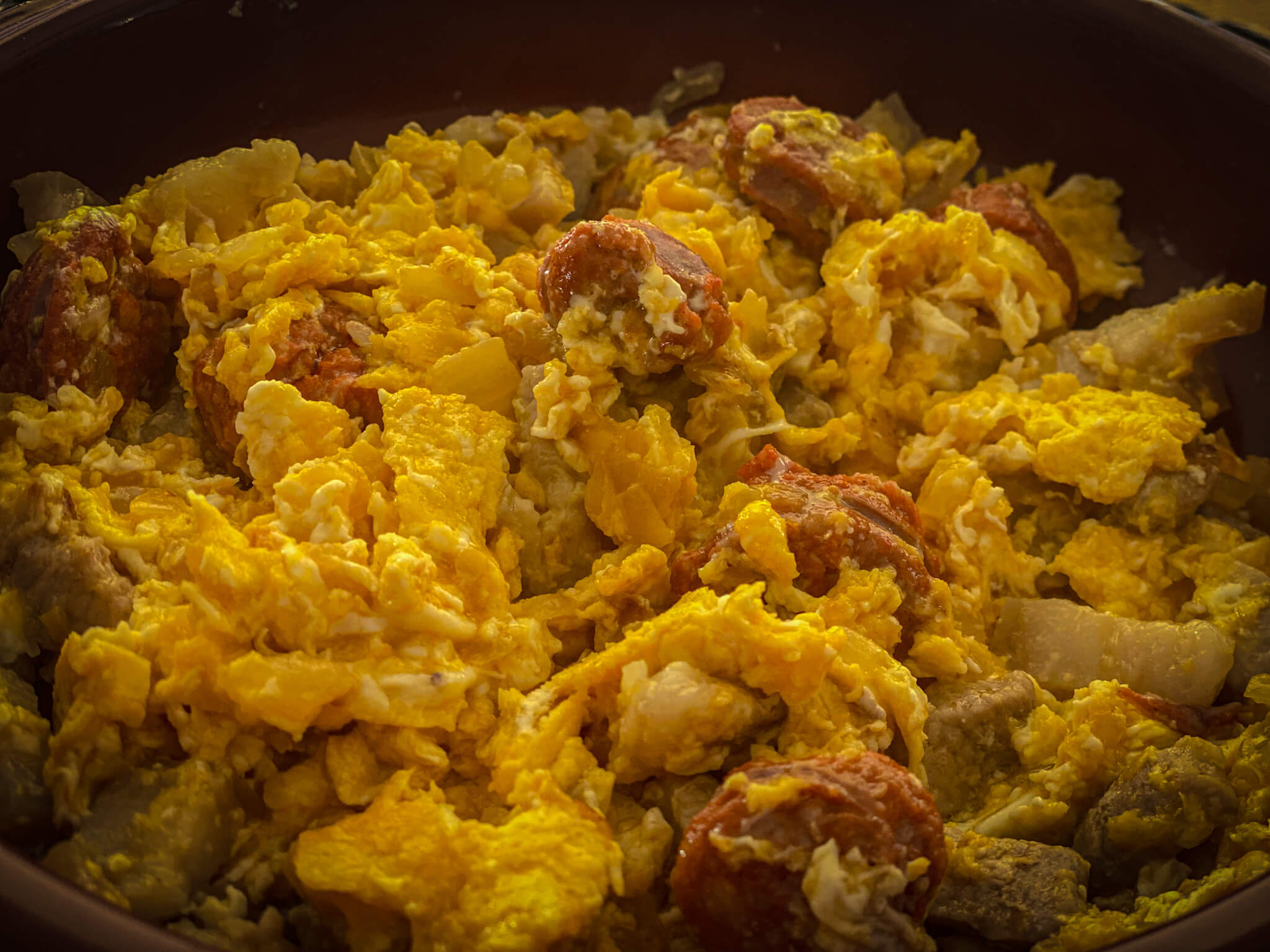
Duelos y Quebrantos is one of Spain’s most iconic rustic dishes, famously mentioned in Don Quixote. Originally prepared with eggs, pork belly, and chorizo, this hearty skillet recipe comes from La Mancha, Cervantes’ homeland. Rich, savory, and irresistibly comforting, it embodies the spirit of old Castilian cooking.
Traditional duelos y quebrantos from Don Quixote
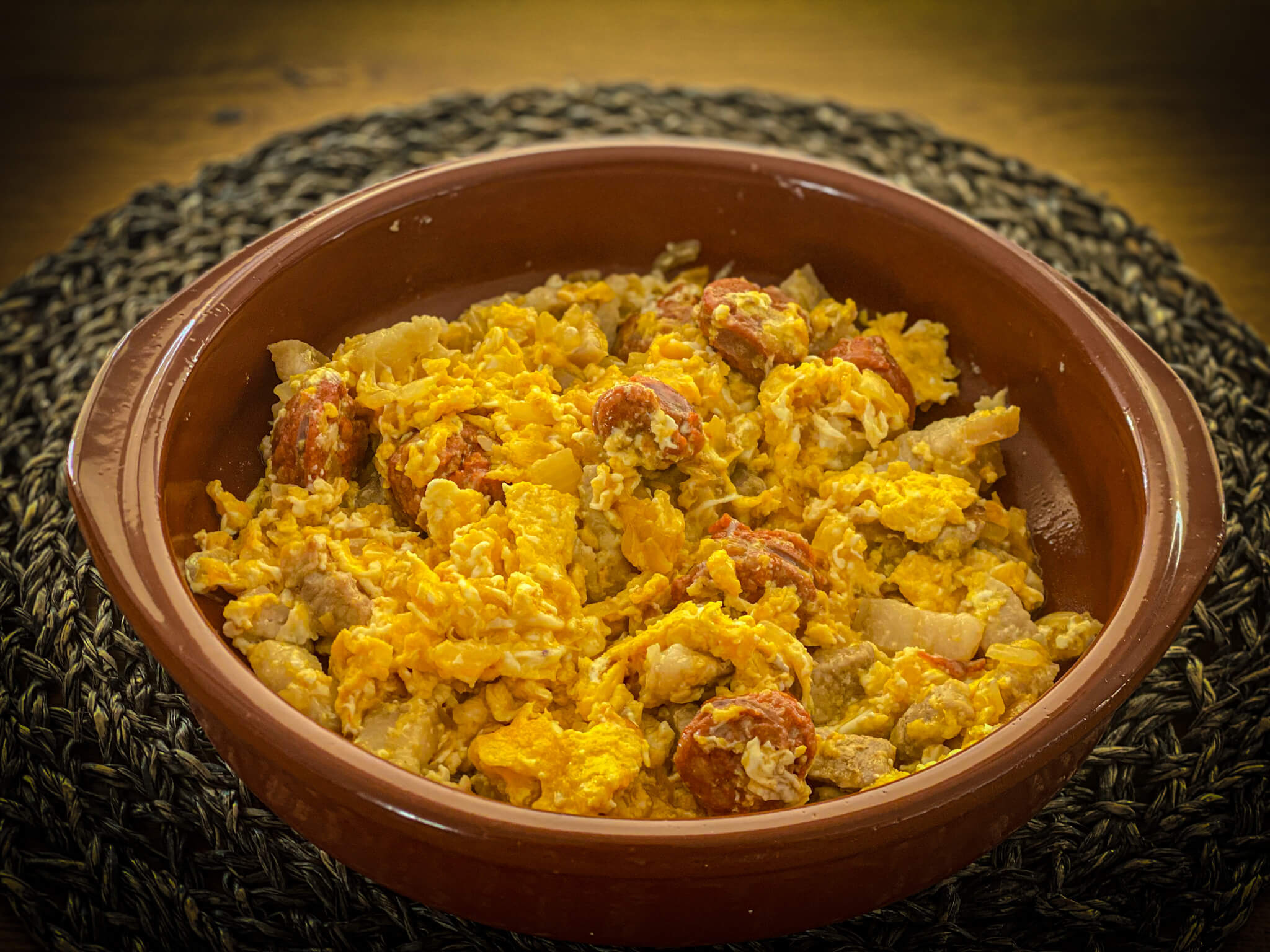
Traditional duelos y quebrantos from Don Quixote Recipe
Duelos y Quebrantos is a classic dish from La Mancha, deeply rooted in Spanish culinary history and immortalized in Don Quixote. Its appeal lies in its simplicity and richness: a few humble ingredients—eggs, chorizo, and pancetta—come together to create a dish bursting with flavor, aroma, and tradition. Each bite evokes the rustic kitchens of central Spain, where meals were crafted to nourish and satisfy.
What makes this recipe particularly interesting is its versatility. While traditionally cooked in a skillet, serving it in a clay cazuela adds authenticity and retains heat, enhancing the dish’s texture and aroma. The gentle cooking of eggs ensures creamy curds that perfectly balance the savory meats. It’s a low-carb and gluten-free recipe that fits modern dietary preferences while staying true to centuries-old Spanish roots.
For those exploring the richness of Spanish comfort food, Duelos y Quebrantos pairs beautifully with other regional favorites. Try it alongside a fresh salad or roasted potatoes, or enjoy it as part of a tapas selection featuring recipes like Patatas Revolconas, Manchego Roasted Pepper Salad, or Spicy Devil Choricitos. These dishes showcase the diversity of Spanish flavors while maintaining a Mediterranean sensibility—simple, rustic, and deeply satisfying.
Cooking Duelos y Quebrantos is more than preparing a meal; it’s a journey into Spanish heritage. It’s hearty, flavorful, and perfect for anyone who appreciates rustic Mediterranean cuisine that celebrates both history and taste.
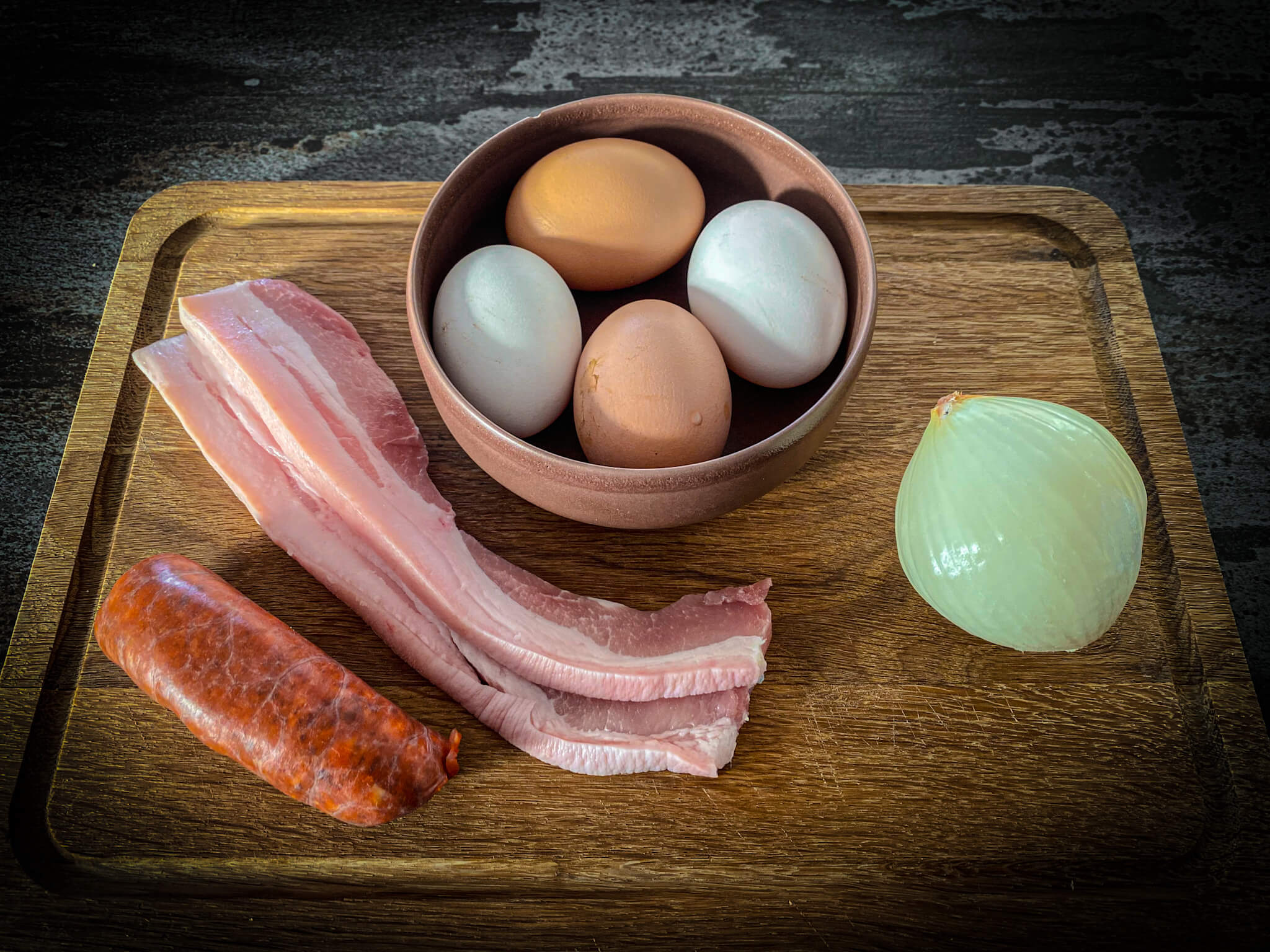
Ingredients (Serves 4)
| Metric Amount | Imperial Amount | Core Ingredient | Preparation |
| For the Savory Meat Base | |||
| 120 g | 4.2 oz | Pancetta | Sliced into small, uniform, bite-size pieces (or cured thick-cut bacon) |
| 90 g | 3.2 oz | Chorizo sausage | Spanish cured chorizo, peeled and sliced into uniform rounds |
| For the Aromatic Base | |||
| 100 g | 3.5 oz | Onion | Cleaned and finely chopped (approx. 1 small onion) |
| 15 ml (1 tbsp) | 0.5 fl oz (1 tbsp) | Olive oil | Extra virgin, used carefully to avoid grease accumulation |
| For the Egg Bind & Finish | |||
| 4 units | 4 units | Eggs | Large, fresh farm eggs, lightly cracked and whisked |
| To taste | To taste | Salt | Added conservatively only at the very end of cooking |
Instructions
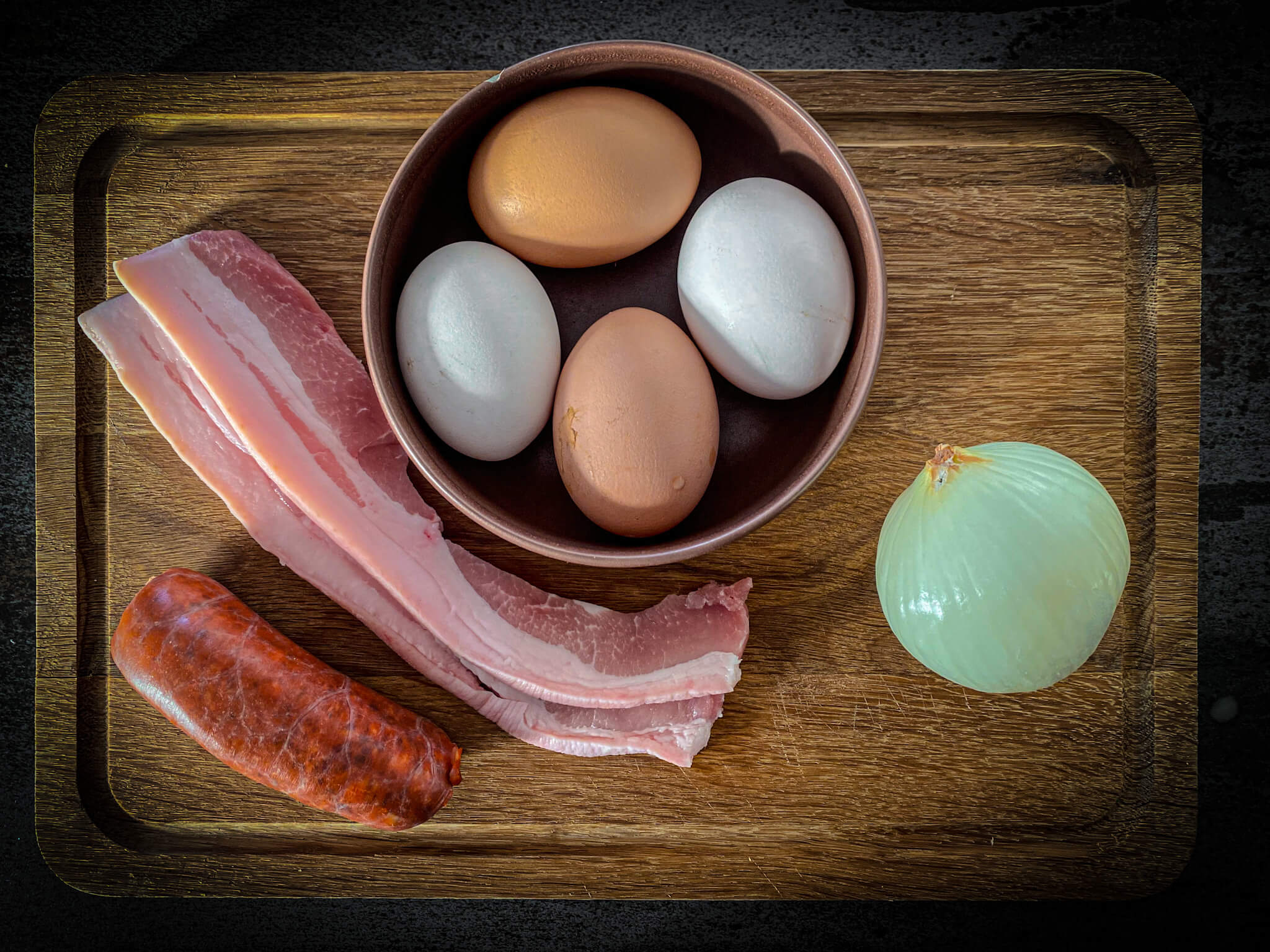
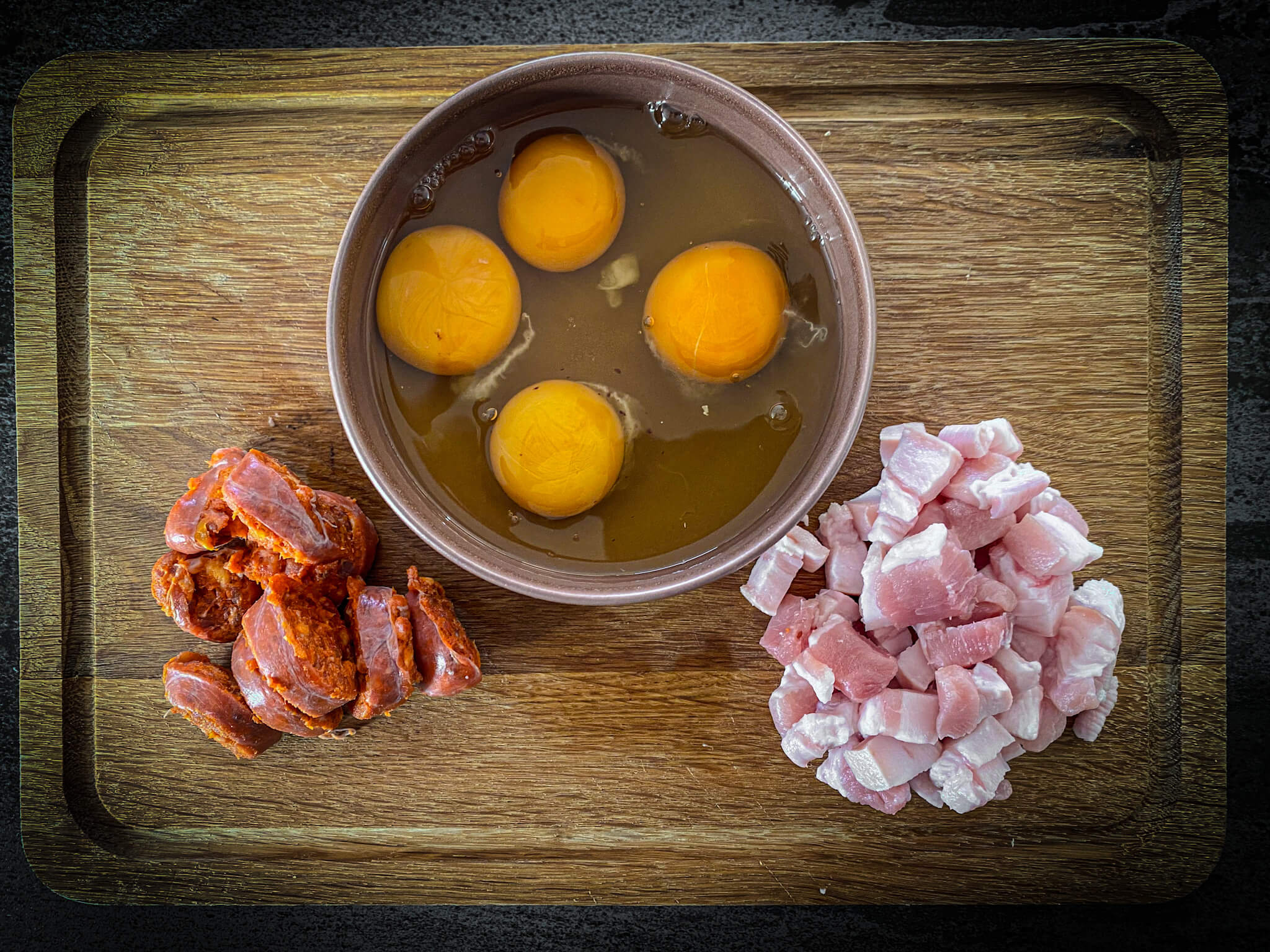
1. Prepare Ingredients
Peel and finely chop the onion.
Slice the chorizo and pancetta into small bite-size pieces.
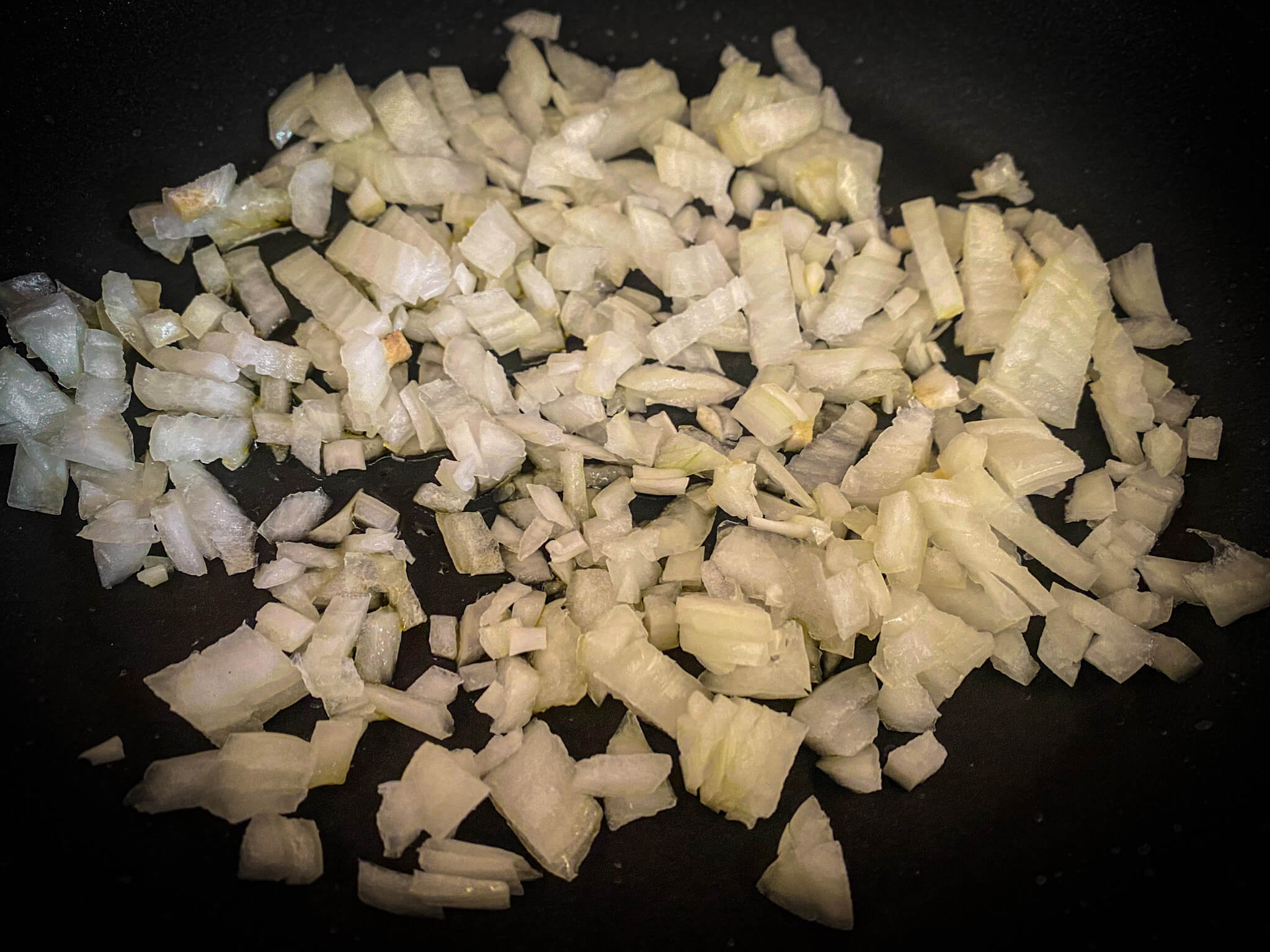
2. Sauté the Onion First
Heat the olive oil in a medium skillet over medium-low heat.
Add the chopped onion and cook for 3–4 minutes, until soft and lightly golden.
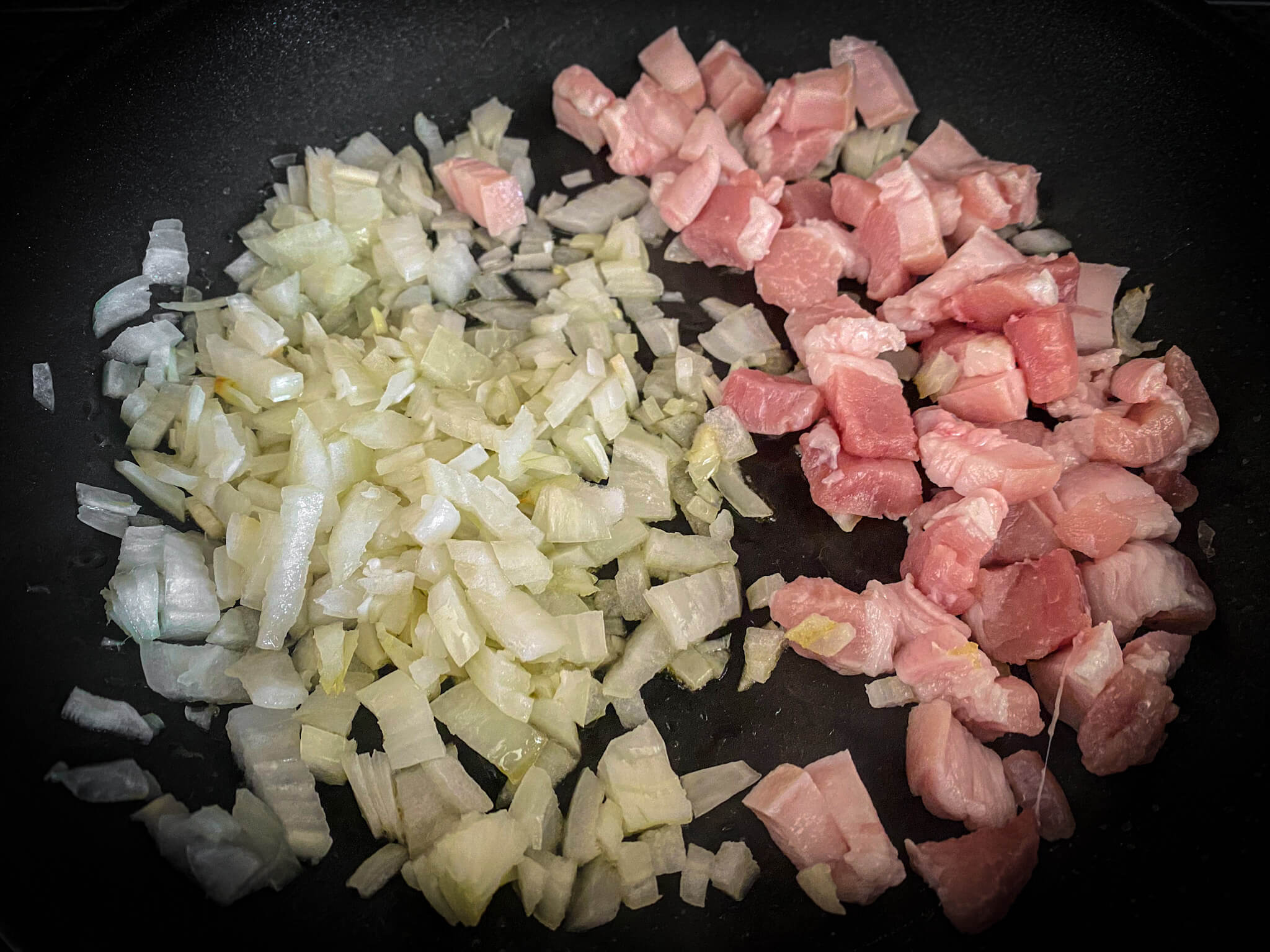
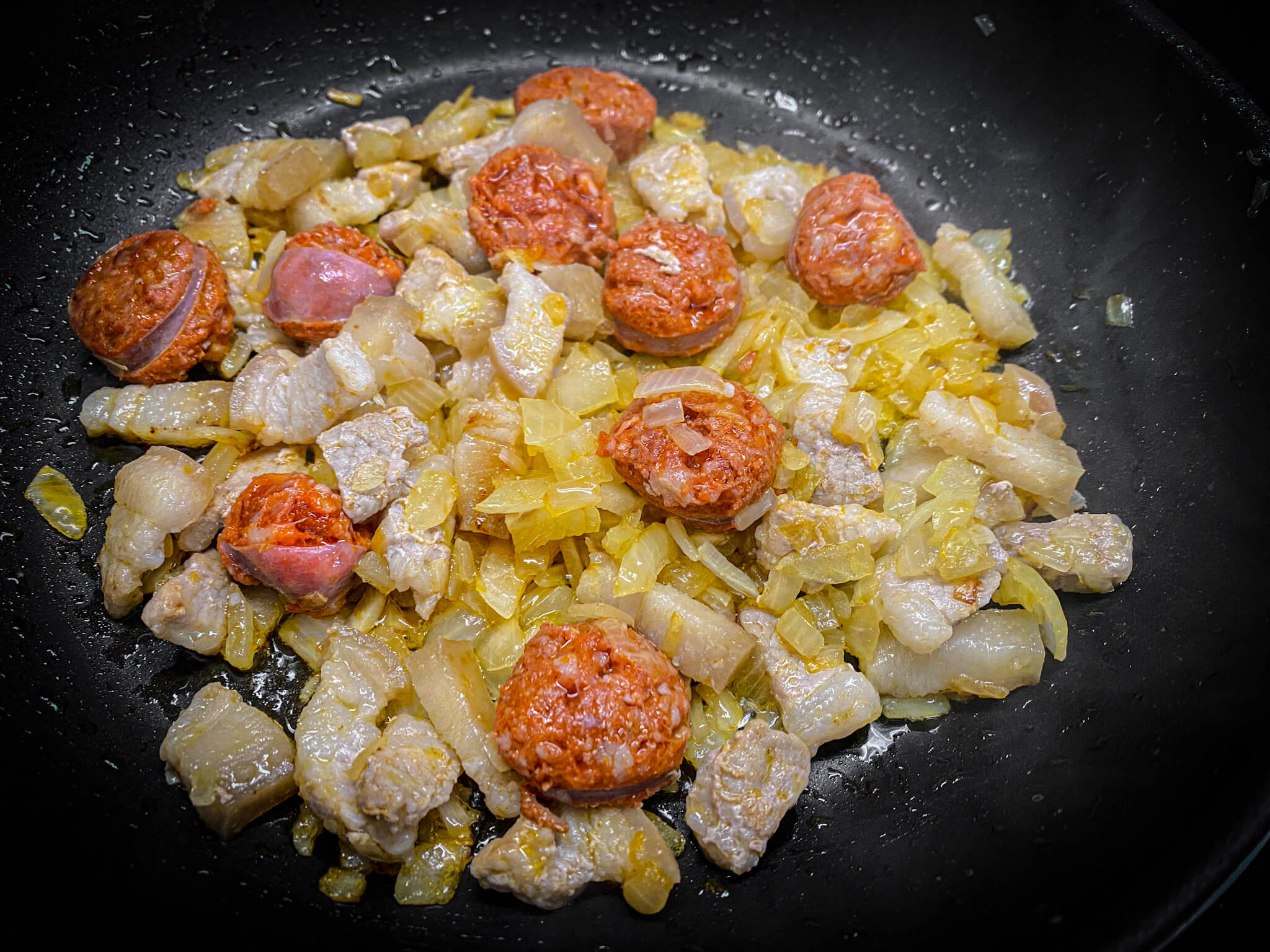
3. Add the Pancetta
Add the pancetta pieces to the skillet.
Cook for 3–4 minutes, allowing them to release their fat and become slightly crispy.
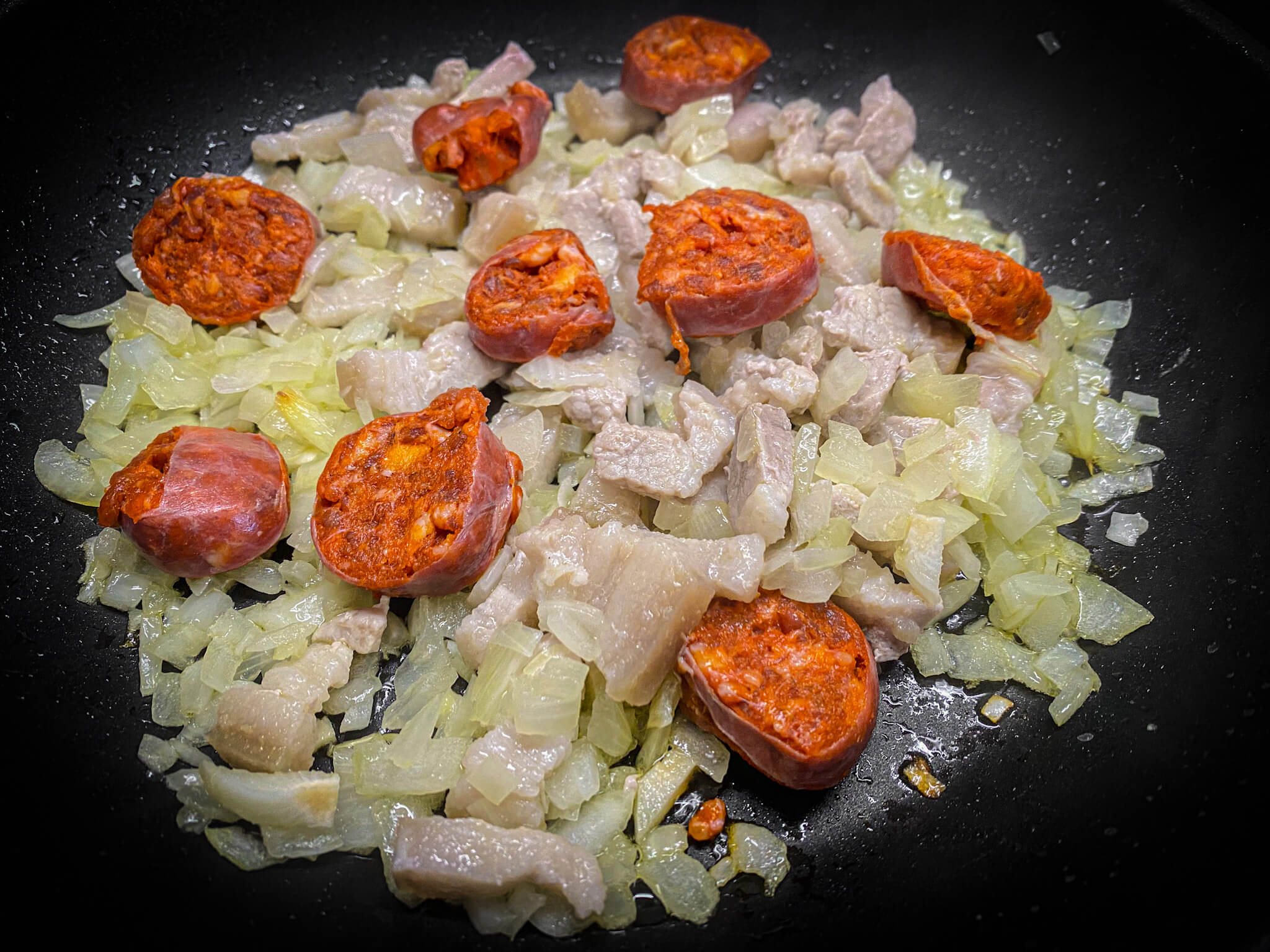
4. Add the Chorizo
Add the sliced chorizo and cook for 2–3 minutes, stirring occasionally.
Let it release its flavor into the onion and pancetta.
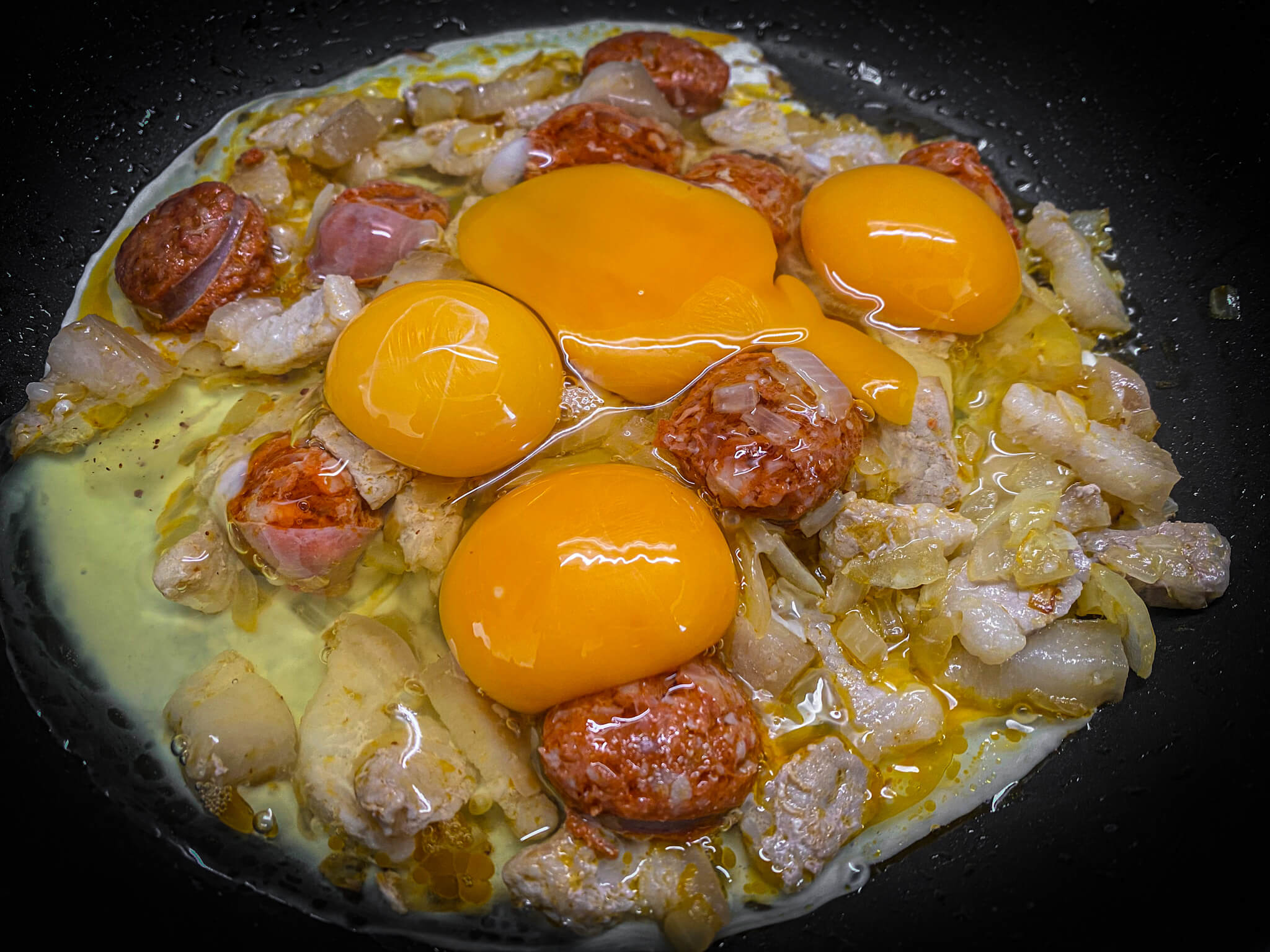
5. Add the Eggs
Reduce the heat to low. Beat the eggs lightly in a bowl, then pour them into the skillet.
Stir gently, forming soft, creamy egg curds.

6. Finish & Serve
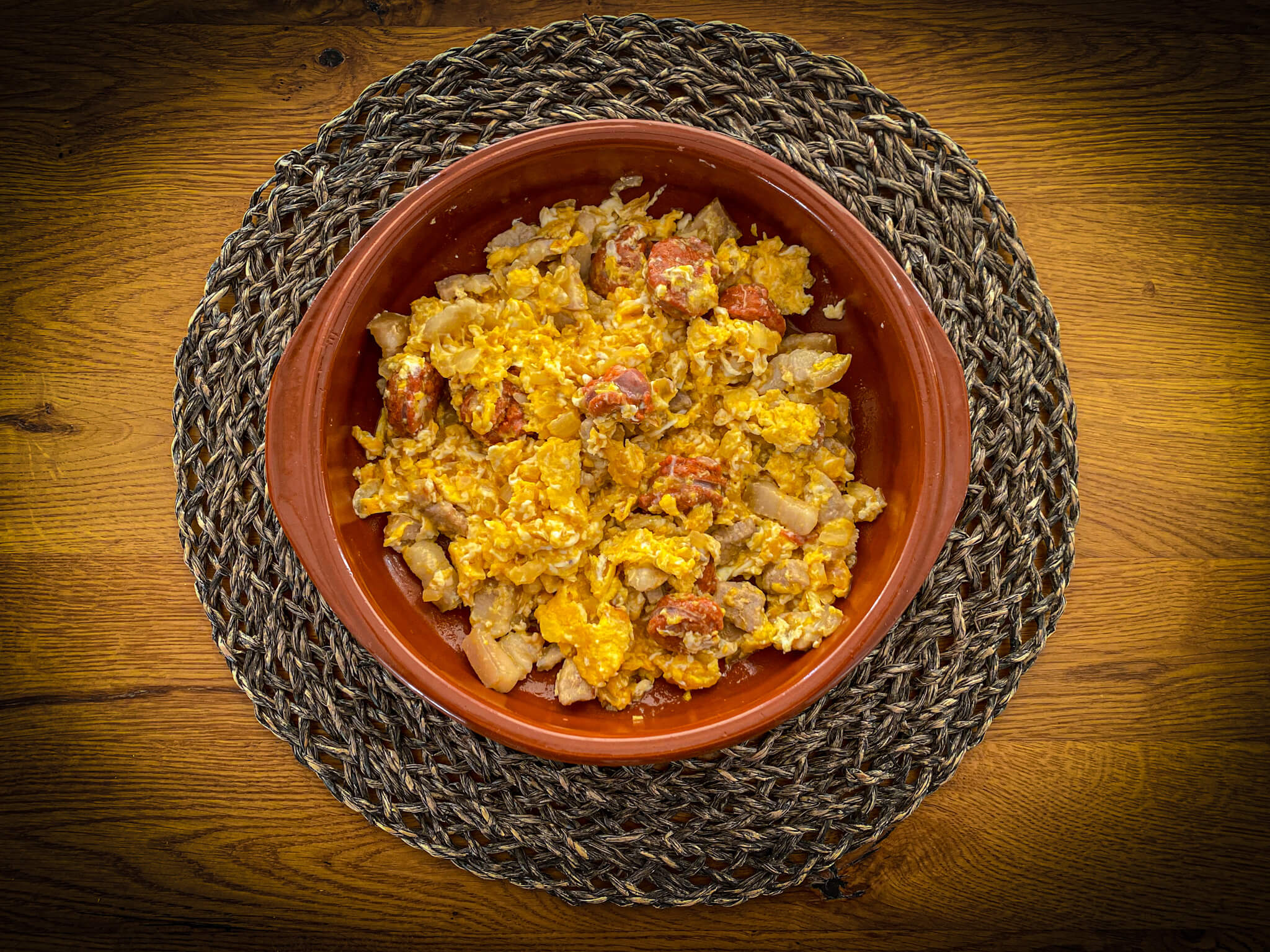
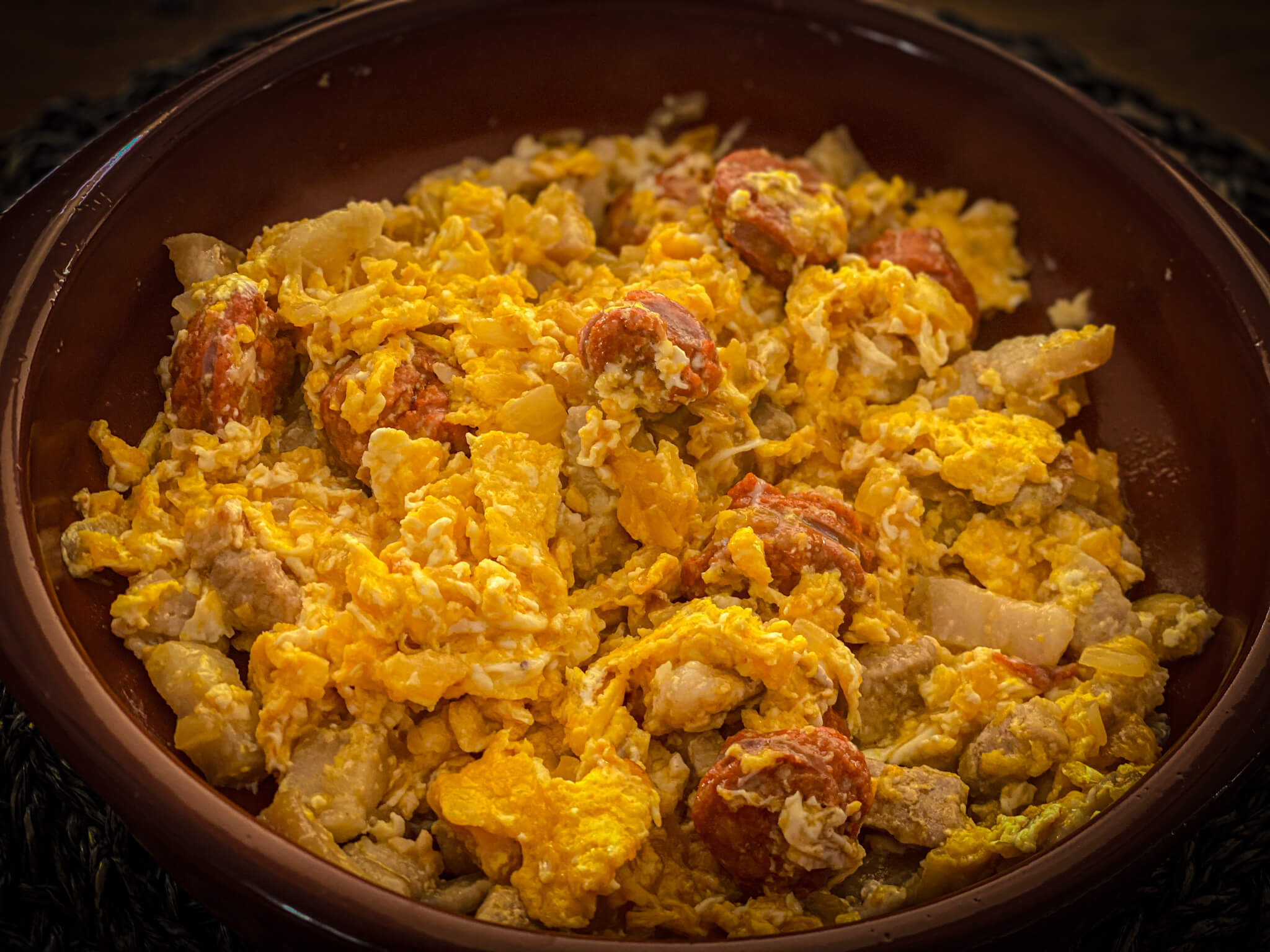
Cook for 2–3 minutes, until the eggs are set but still soft and silky.
Add a pinch of salt at the end (only if needed).
Serve immediately.
Chef’s Notes for Assembling the Perfect Traditional Duelos y Quebrantos
How do I achieve a perfectly creamy, velvety texture instead of ending up with dry, rubbery scrambled eggs? The absolute secret here is strict temperature management and utilizing residual pan heat. The moment your eggs make contact with the hot skillet, they will want to cook rapidly due to the rendered pork fats. By dropping the stove burner to low—or even pulling the pan completely off the live heat source intermittently—you slow down the coagulation process. Keep your spatula moving in slow, folding circles rather than aggressive chopping motions, and pull the dish off the stove while it still looks slightly runny; the dense iron pan will finish setting the eggs perfectly on the way to the table.
Why does my skillet sometimes end up swimming in a puddle of heavy grease rather than a clean, cohesive sauce? This happens when home cooks use too much starting oil or fail to let the pancetta render down at the correct speed. Cured pork belly and authentic Spanish chorizo are packed with beautiful, highly flavored natural fats that liquefy when heated. If you notice your meats have released an excessive pool of oil before you add the eggs, simply tilt the skillet slightly and ladle out a tablespoon or two of the excess fat, leaving just enough glossy residue behind to coat the pan and elegantly flavor the incoming egg mixture.
Can I prepare this historic dish in advance for a busy breakfast or tapas gathering? Because of the delicate nature of soft-scrambled eggs, this specific dish cannot be fully cooked ahead of time without losing its iconic, melt-in-your-mouth texture. However, you can absolutely prep the entire flavor base in advance. Sauté your onions, render the pancetta, and crisp the chorizo the evening before, then store this savory meat mixture in a sealed container in your refrigerator. When your guests arrive, simply warm the meats up in a pan for two minutes until the fats liquefy, drop the heat, and pour in your fresh eggs for a flawless presentation in under five minutes.
Common Mistakes to Avoid When Making This Traditional La Mancha Dish
Adding a heavy hand of salt at the very beginning of the sauté stage: It is incredibly easy to reflexively salt your onions as they sweat, but doing so in this recipe is a major pitfall. Traditional cured pancetta and Spanish chorizo are deeply seasoned and heavily salted during their curing processes, meaning they will naturally transfer a massive amount of salinity into the frying oil. If you add extra salt early on, the reduction of flavors will leave you with an intensely salty, unpalatable dish. Always reserve your seasoning adjustments exclusively for the final ten seconds of cooking after tasting the completed egg mixture.
Rushing the cooking sequence and tossing the chorizo in too early: When you are hungry and looking to move quickly, it is tempting to dump all your prepped meats into the skillet at the exact same moment. This mistake completely destroys the texture of the dish; chorizo contains ground meat and delicate spices like pimentón that dry out, char, and turn bitter if exposed to prolonged heat, whereas pancetta requires extra time to render its dense fat layers. Always follow the historical order: sweat the aromatics, patiently crisp the pork belly, and only add the delicate chorizo rounds during the final two minutes to preserve their juicy tenderness.
Over-beating the eggs into a uniform, pale yellow liquid: When prepping the egg base, many cooks instinctively reach for a vigorous whisk, beating the eggs until they are entirely homogenous and frothy. Doing this strips Duelos y Quebrantos of its rustic, country-style identity. A classic Castilian preparation should display beautiful, distinct streaks of bright white and rich yellow interwoven with the red-hued oils. Break the yolks with a fork using just three or four casual strokes so the components remain beautifully distinct as they slide into the hot skillet.
Traditional Duelos y Quebrantos Ingredient Swaps & Variations
The Wild Mushroom Twist (The Vegetarian-Friendly Alternative): If you are looking to create a meatless adaptation of this La Mancha classic while preserving its intensely savory, rustic depth, swap out the chorizo and pancetta for an equal weight of thick-sliced wild king oyster mushrooms and earthy shiitakes. Sauté them over high heat with a generous tablespoon of extra virgin olive oil, a minced clove of garlic, and a heavy teaspoon of smoked sweet Spanish paprika (pimentón de la Vera) to beautifully mimic that traditional, wood-fired, smoky pork aroma.
The Spicy Tapas Variation: For those who want a bolder, more modern kick that pairs perfectly with cold Mediterranean beers, swap out the standard mild sweet sausage for an authentic Spanish chorizo picante (spicy chorizo) or toss a finely minced cayenne pepper into the olive oil alongside the onions. The localized heat beautifully cuts through the rich, creamy texture of the egg curds, providing an exciting, fiery finish to the historic recipe.
The Quixote Luxury Upgrade: To elevate this simple country skillet into a luxurious weekend brunch centerpiece fit for modern royalty, fold in 50 grams of diced, authentic Jamón Ibérico or a few drops of white truffle oil during the final thirty seconds of folding the eggs. Serve the rich result over thick slices of rustic, sourdough bread that have been heavily toasted in a pan with extra virgin olive oil and rubbed with a raw clove of garlic.
Recipe Card
Traditional Duelos y Quebrantos from Don Quixote

Duelos y Quebrantos is one of Spain’s most iconic rustic dishes, famously mentioned in Don Quixote. Originally prepared with eggs, pork belly, and chorizo, this hearty skillet recipe comes from La Mancha, Cervantes’ homeland. Rich, savory, and irresistibly comforting, it embodies the spirit of old Castilian cooking.
Ingredients
- 90 g chorizo sausage
- 120 g slices pancetta or cured bacon
- 1 small onion
- 4 eggs
- 1 tablespoon olive oil
- Salt to taste
Instructions
1) Prepare Ingredients
Peel and finely chop the onion.
Slice the chorizo and pancetta into small bite-size pieces.
2) Sauté the Onion First
Heat the olive oil in a medium skillet over medium-low heat.
Add the chopped onion and cook for 3–4 minutes, until soft and lightly golden.
3) Add the Pancetta
Add the pancetta pieces to the skillet.
Cook for 3–4 minutes, allowing them to release their fat and become slightly crispy.
4) Add the Chorizo
Add the sliced chorizo and cook for 2–3 minutes, stirring occasionally.
Let it release its flavor into the onion and pancetta.
5) Add the Eggs
Reduce the heat to low. Beat the eggs lightly in a bowl, then pour them into the skillet.
Stir gently, forming soft, creamy egg curds.
6) Finish & Serve
Cook for 2–3 minutes, until the eggs are set but still soft and silky.
Add a pinch of salt at the end (only if needed).
Serve immediately.
Notes
- Let the Pork Release Its Fat First: When cooking pancetta or cured pork belly, allow it to release its natural fat. If too much fat accumulates, reduce the quantity of added olive oil.
- Choose the Right Chorizo: For a rustic, spicier version, use Spanish chorizo picante.
- Follow the Correct Cooking Order: Chorizo cooks faster than pancetta. Always add it after the pork belly to avoid drying it out.
- Cook the Eggs Slowly: Keep the heat low when adding the eggs. The goal is a soft, creamy texture — not dry scrambled eggs.
- Lightly Caramelize the Onion: Let the onions turn light golden only. This delicate caramelization adds sweetness that balances the richness of the meats.
- Serve in a Clay Cazuela: For an authentic La Mancha experience, serve (or even cook) the dish in a clay cazuela, similar to those used in the time of Don Quixote. It holds heat better and enhances the rustic character.
- Stir Gently and Don’t Overcook: Once the eggs are in, mix slowly using wide strokes. Remove from heat while still slightly runny — the residual heat will finish the dish.
- Season Only at the End: The pork and chorizo are naturally salty, so taste first and add salt only if needed.
Nutrition Information:
Yield:
4Serving Size:
1Amount Per Serving: Calories: 330Total Fat: 24gSaturated Fat: 8gUnsaturated Fat: 16gCholesterol: 235mgSodium: 874mgCarbohydrates: 4gFiber: 0gSugar: 1gProtein: 22g