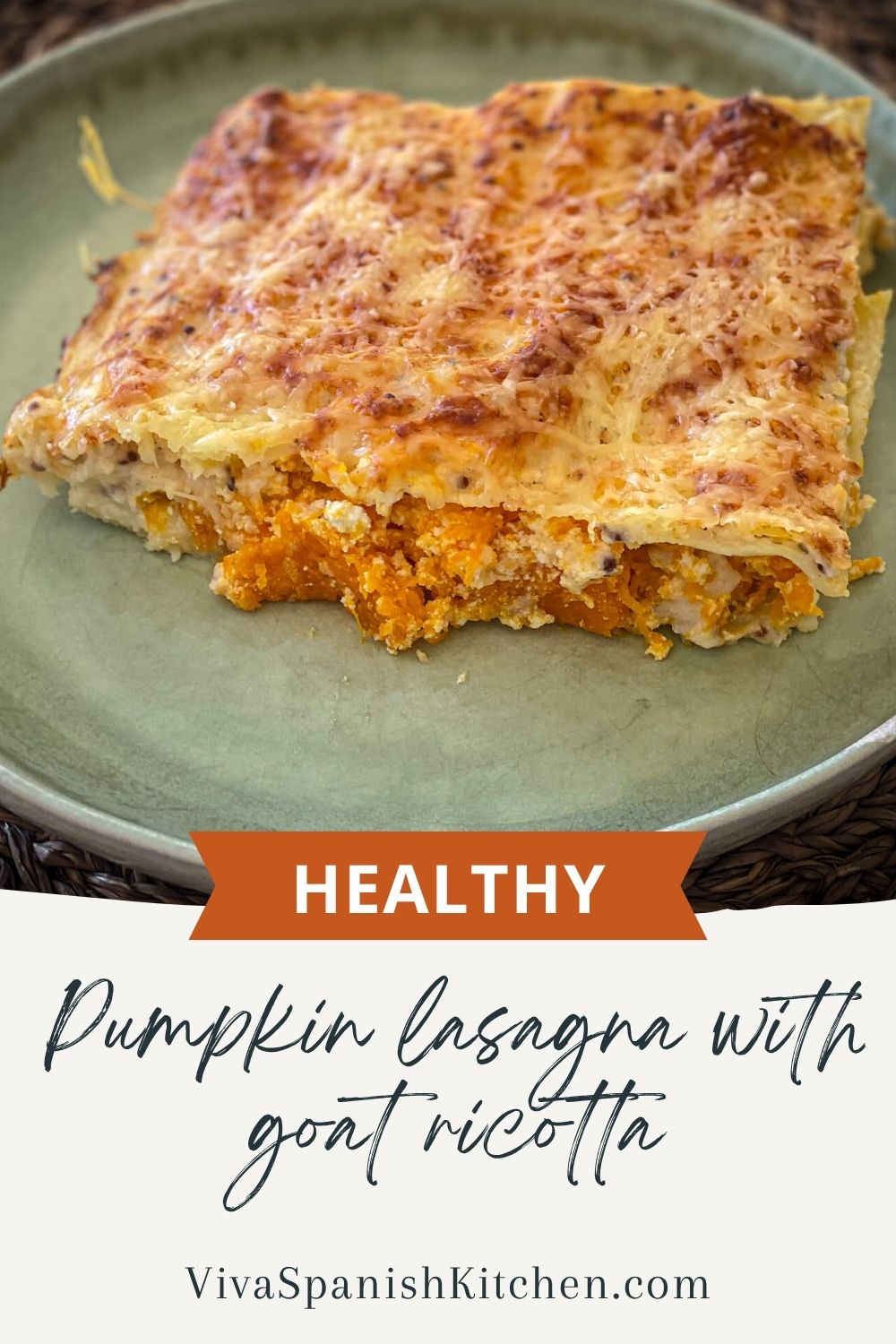
This healthy pumpkin lasagna with goat ricotta and mustard béchamel is a lighter take on a classic comfort dish. Roasted pumpkin brings natural sweetness, balanced by creamy goat cheese and a subtle tang from mustard béchamel. It’s an easy oven-baked recipe perfect for cozy meals without feeling heavy.
Healthy Pumpkin Lasagna with Goat Ricotta and Mustard Béchamel
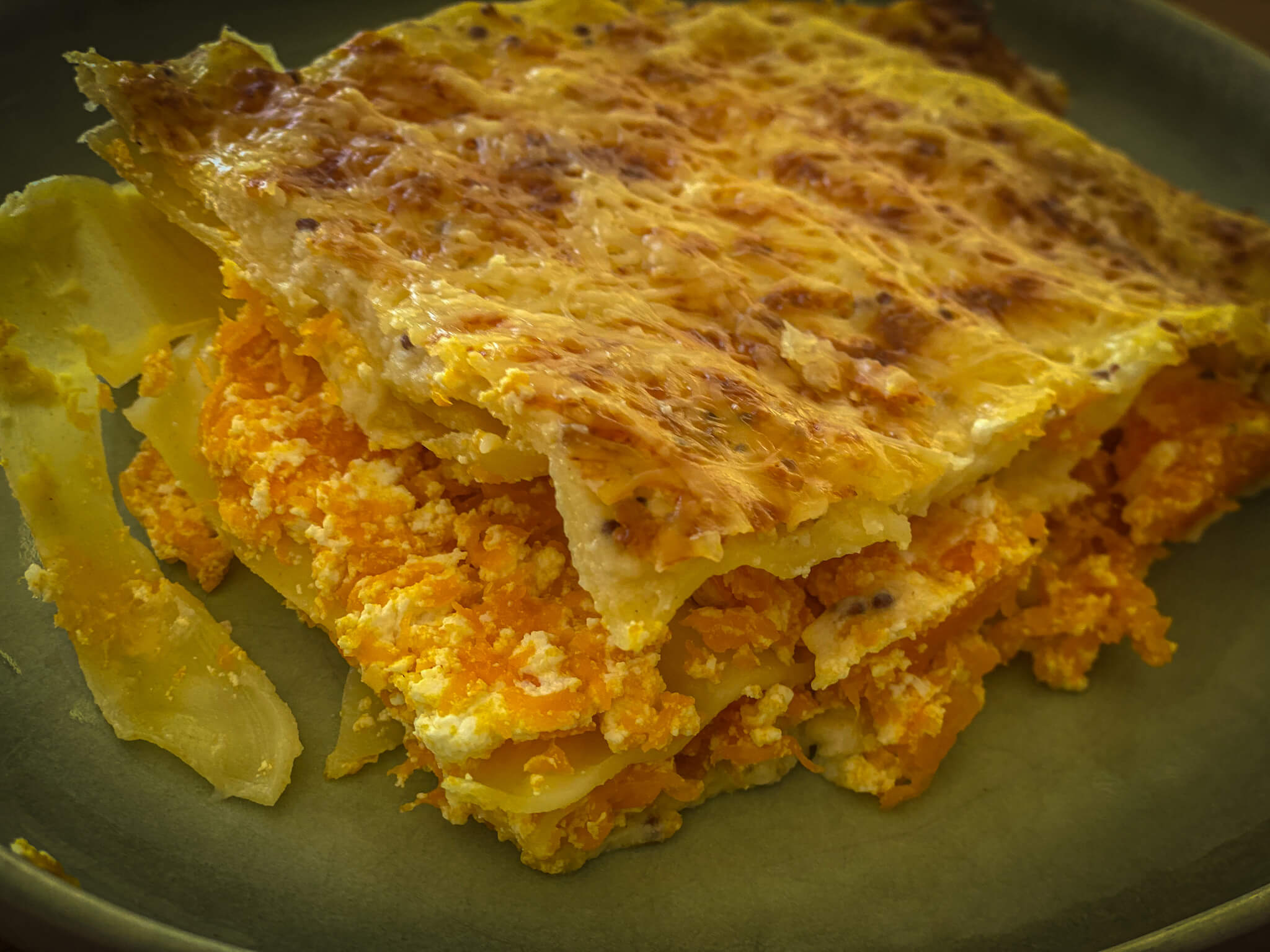
Healthy Pumpkin Lasagna with Goat Ricotta and Mustard Béchamel – Easy Oven Recipe
This healthy pumpkin lasagna is simple but powerful, a perfect example of how where simplicity meets depth, extraordinary results follow. By roasting the pumpkin in large pieces with the skin on, we capture its fresh out of the oven warmth while concentrating its natural sweetness into a rich, velvety texture without the need for heavy additions. It is a dish built on flavor, not complexity, designed for real home cooking.
The goat ricotta introduces a sophisticated tang that cuts through the pumpkin’s sweetness, while the mustard-infused béchamel provides a slow-built depth of flavor. Achieving that silky, rich texture is a matter of technique: using hot milk and constant whisking ensures a stable, lump-free sauce that blankets the layers perfectly. Once baked, the result is a balanced, comforting, and full of character meal—light enough for a weeknight but indulgent enough to feel like a treat.
If you appreciate this light yet satisfying approach to vegetable-forward Mediterranean cooking, you will find a similar soul in our
Mediterranean Chickpea Stew with Seasonal Veggies, which offers a masterclass in plant-based balance. On days when you crave rustic comfort and a more traditional, slower intensity, our Spanish Lentil Stew with Chorizo is the ultimate destination. Of course, the experience is only truly complete when rounded off with a simple homemade dessert to cleanse the palate.


Ingredients
| Metric Amount | Imperial Amount | Core Ingredient | Preparation |
| 600 g | 21.2 oz | Pumpkin | With skin |
| 250 g | 8.8 oz | Goat ricotta | |
| 18 units | 18 units | Lasagna sheets | Oven-ready |
| 100 g | 3.5 oz | Emmental cheese | Grated |
| 1 L | 34 fl oz | Whole milk | Heated |
| 80 g | 2.8 oz | Butter | |
| 80 g | 2.8 oz | Flour | |
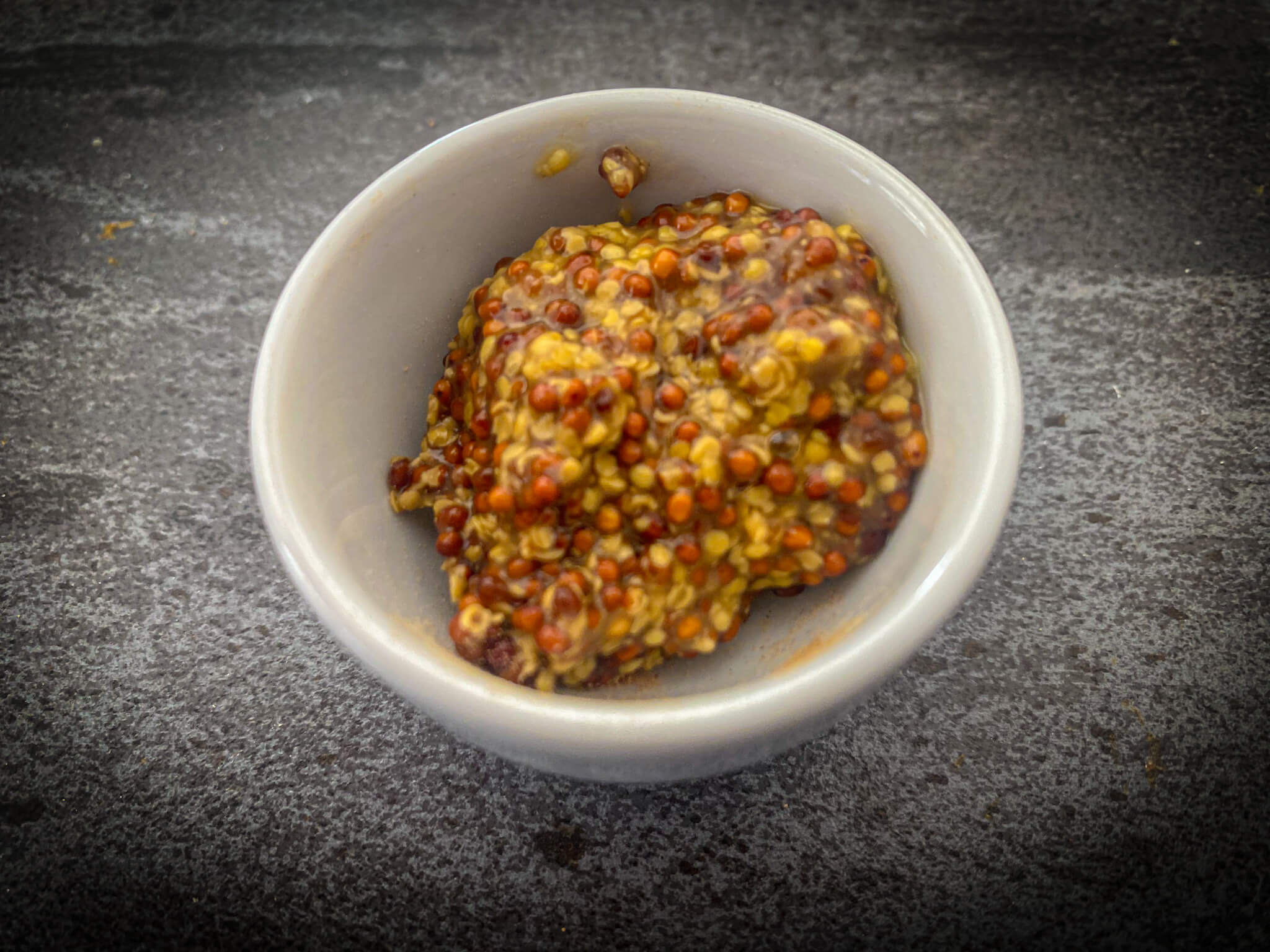
| 15 g | 0.5 oz | Whole grain mustard | |
| 1 tsp | 1 tsp | Ground nutmeg | Approx. 2–3 g |
| QS | QS | Salt | To taste |
Instructions
1. Prepare and roast the pumpkin
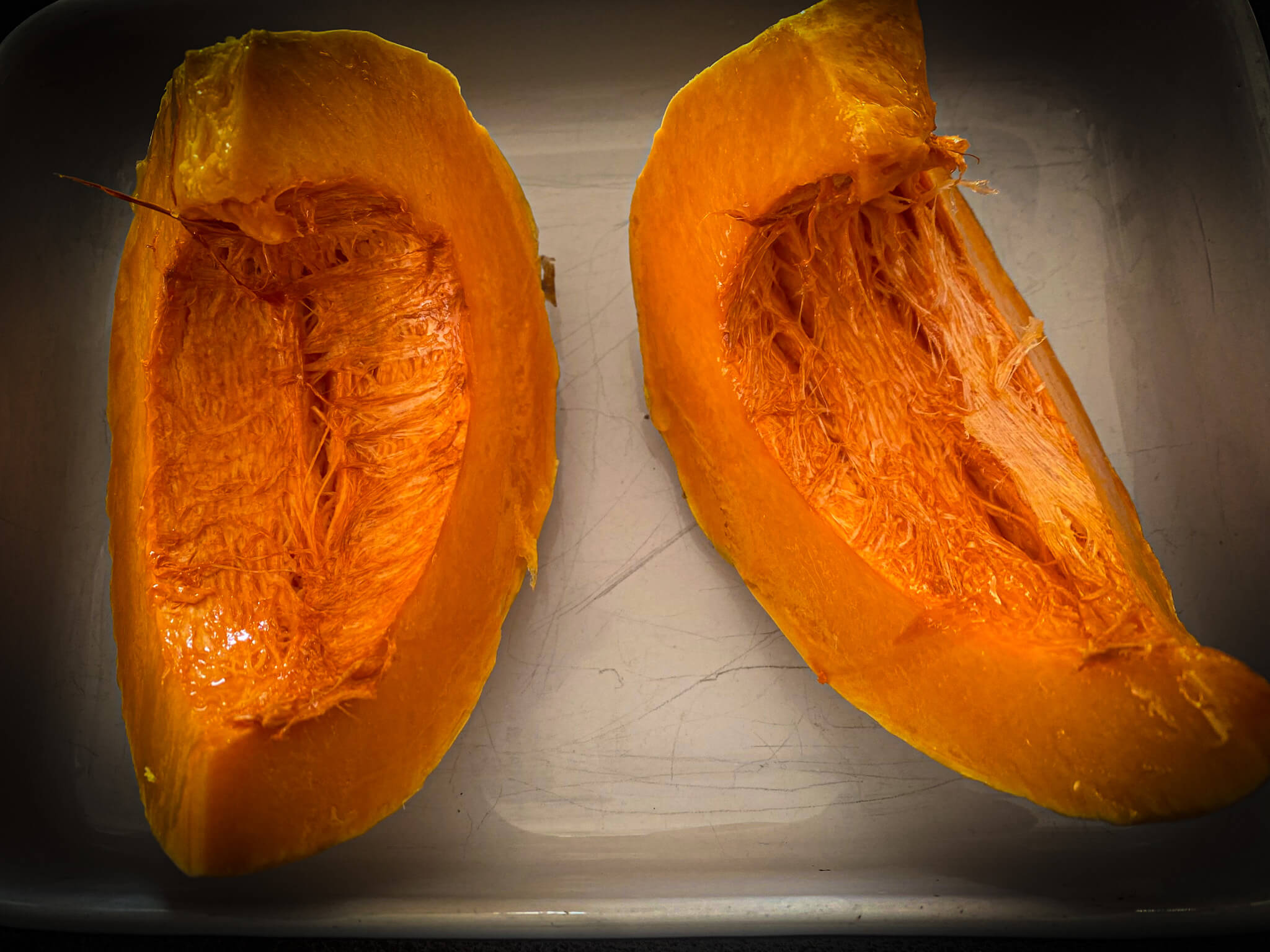
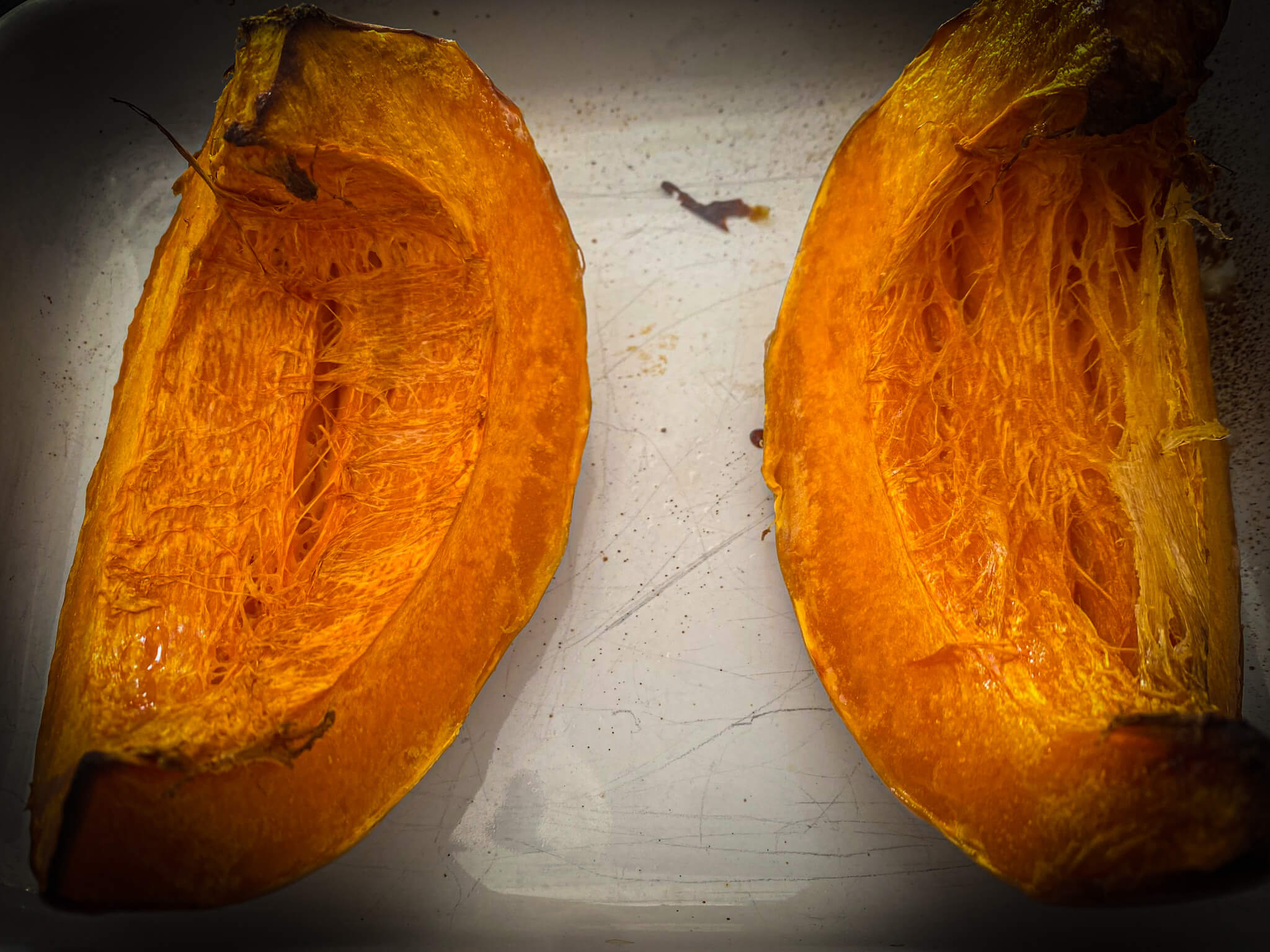
Wash the pumpkin thoroughly and cut it into large chunks with the skin on. Place on a baking tray, drizzle lightly with olive oil, and roast at 200°C (high heat) for 30–35 minutes until fully tender and slightly caramelized. The skin helps retain moisture and concentrate flavor.
2. Extract and prepare the filling
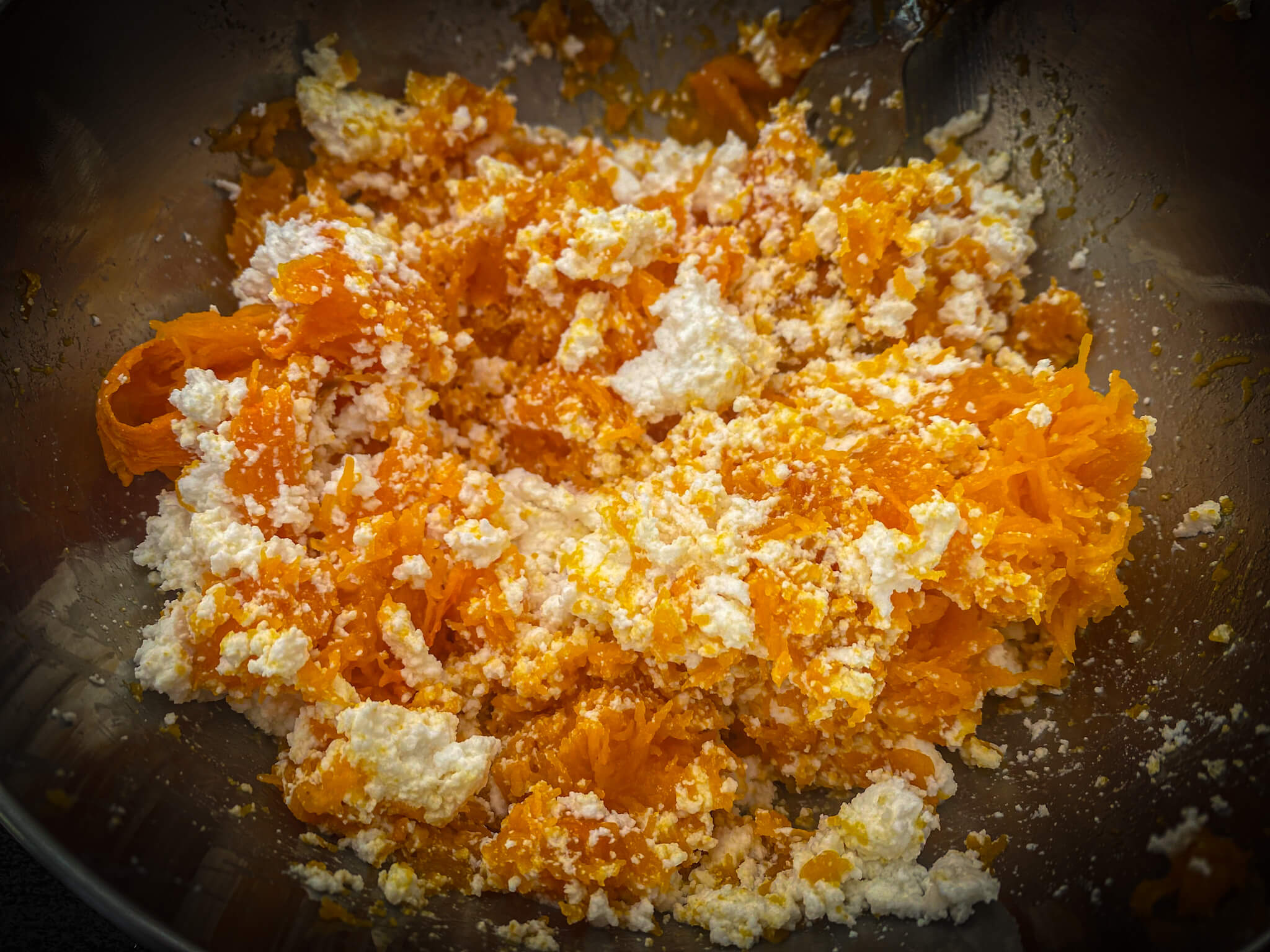
Once roasted, let the pumpkin cool slightly. Using a spoon, scoop out the soft flesh, discarding the skin. Lightly mash the flesh, keeping some texture, and mix with the goat ricotta until creamy and balanced. Adjust salt if needed.
3. Prepare the mustard béchamel
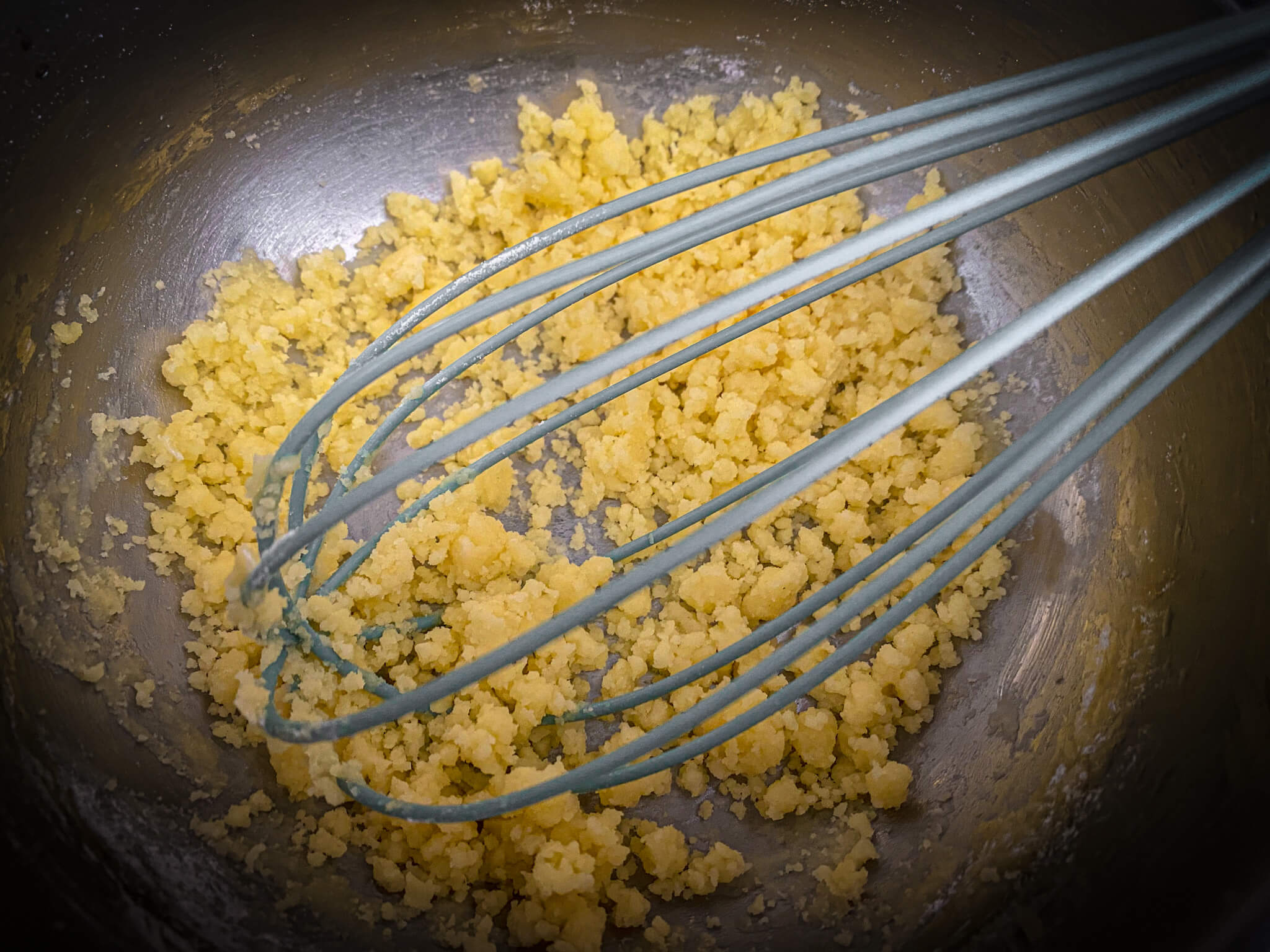
Melt butter over medium heat, then add flour and cook for 2–3 minutes, stirring constantly to form a smooth roux.
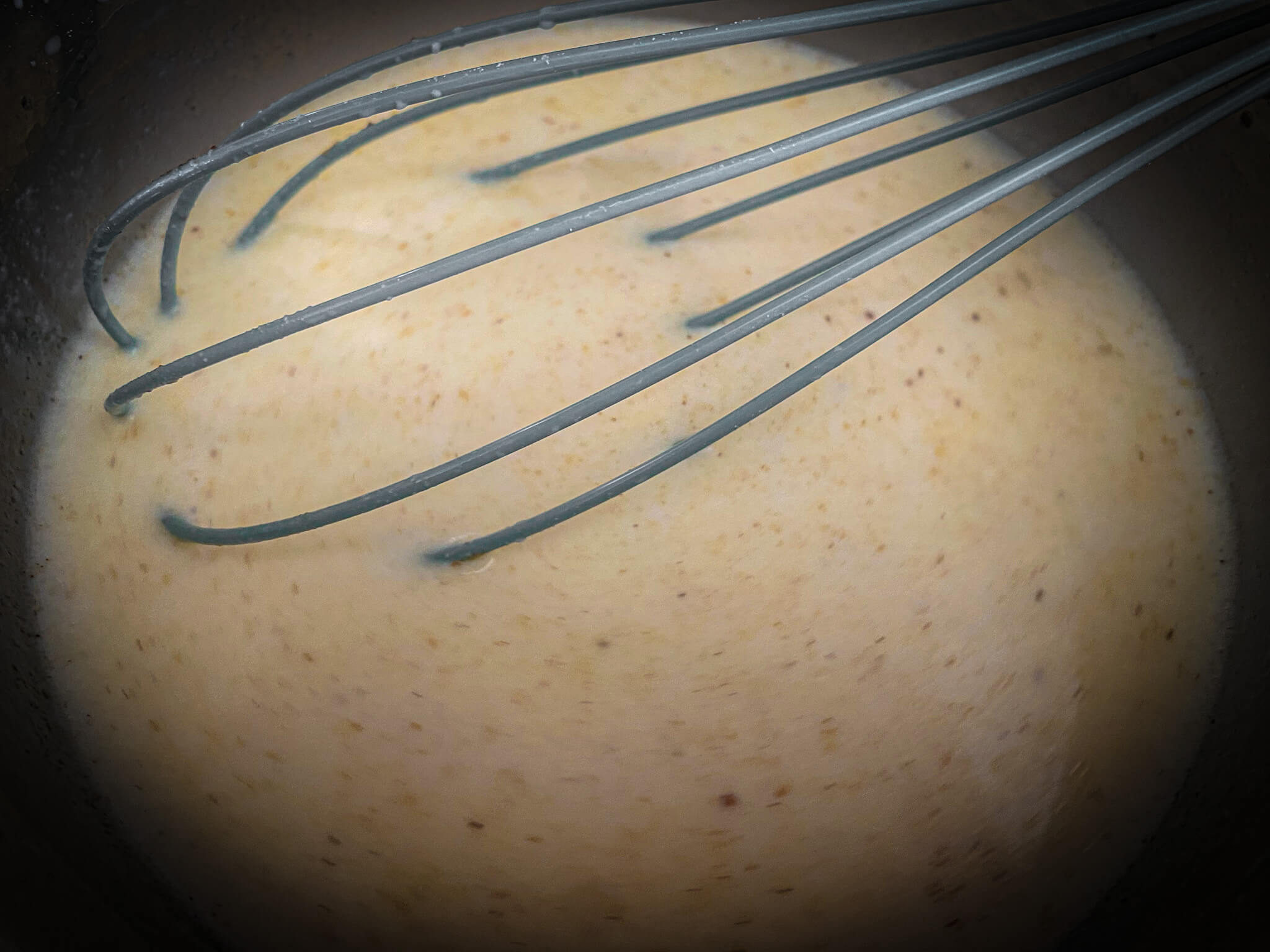
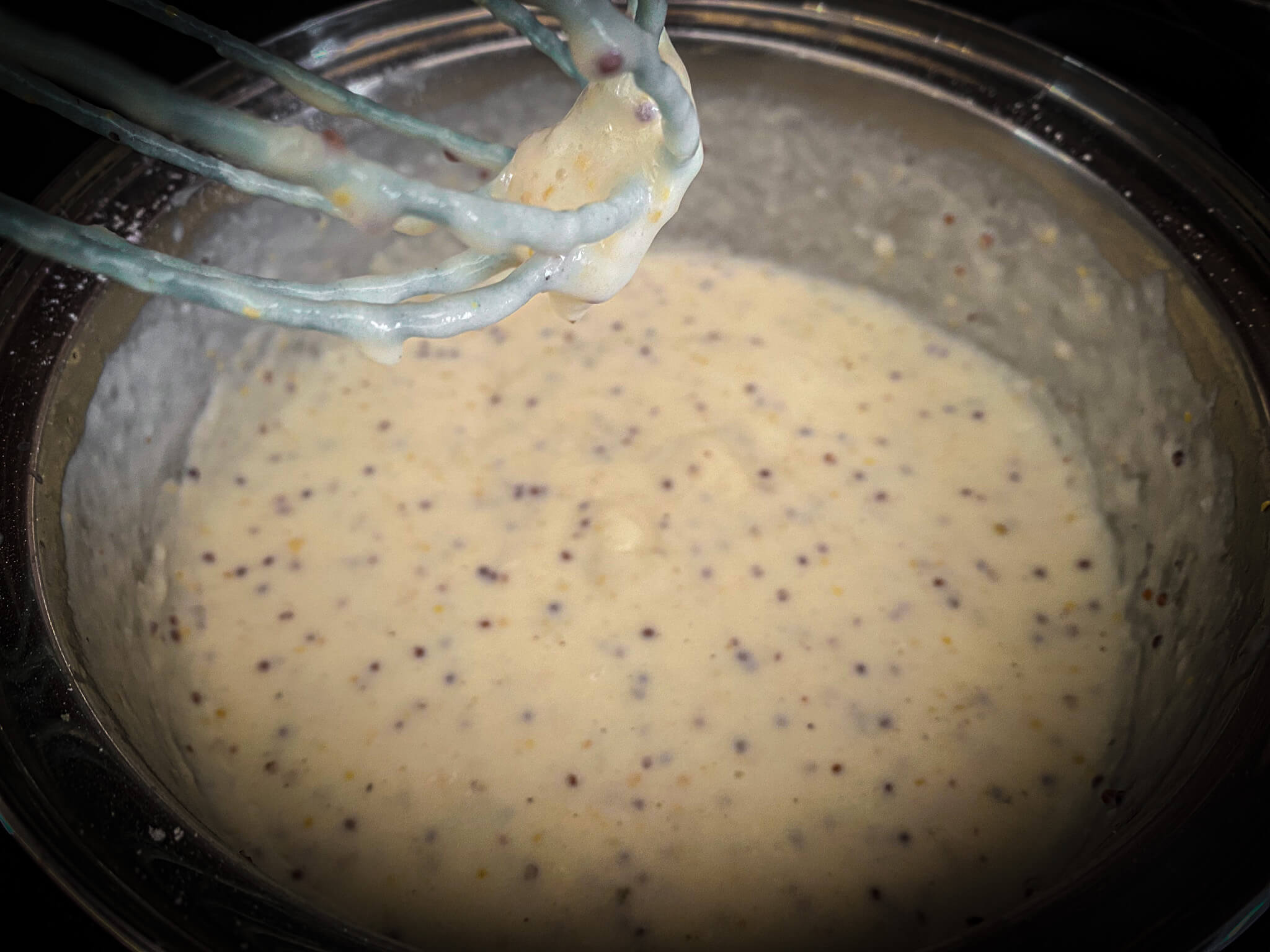
Gradually add hot milk (important: always warm or hot) while whisking continuously. This prevents lumps and ensures a silky texture. Do not stop stirring as the sauce thickens over 8–10 minutes.
Once thickened, add 1 teaspoon of nutmeg (2–3 g) and the whole grain mustard, mixing until fully incorporated.
*Important: once the béchamel reaches the desired thickness, remove it from heat. It will continue to thicken due to residual heat, so stopping early is key to avoiding an overly dense sauce.



4. Assemble the lasagna
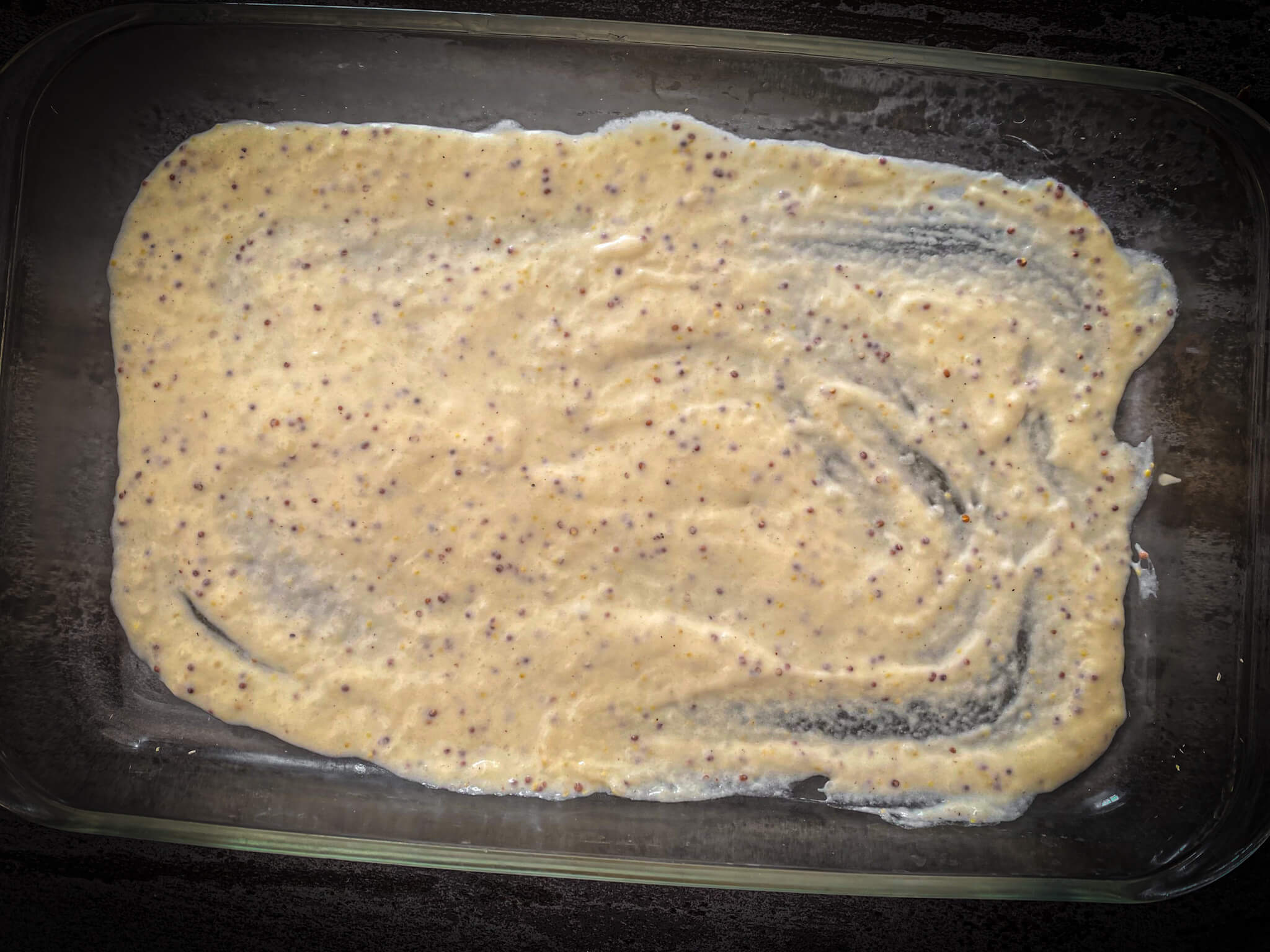
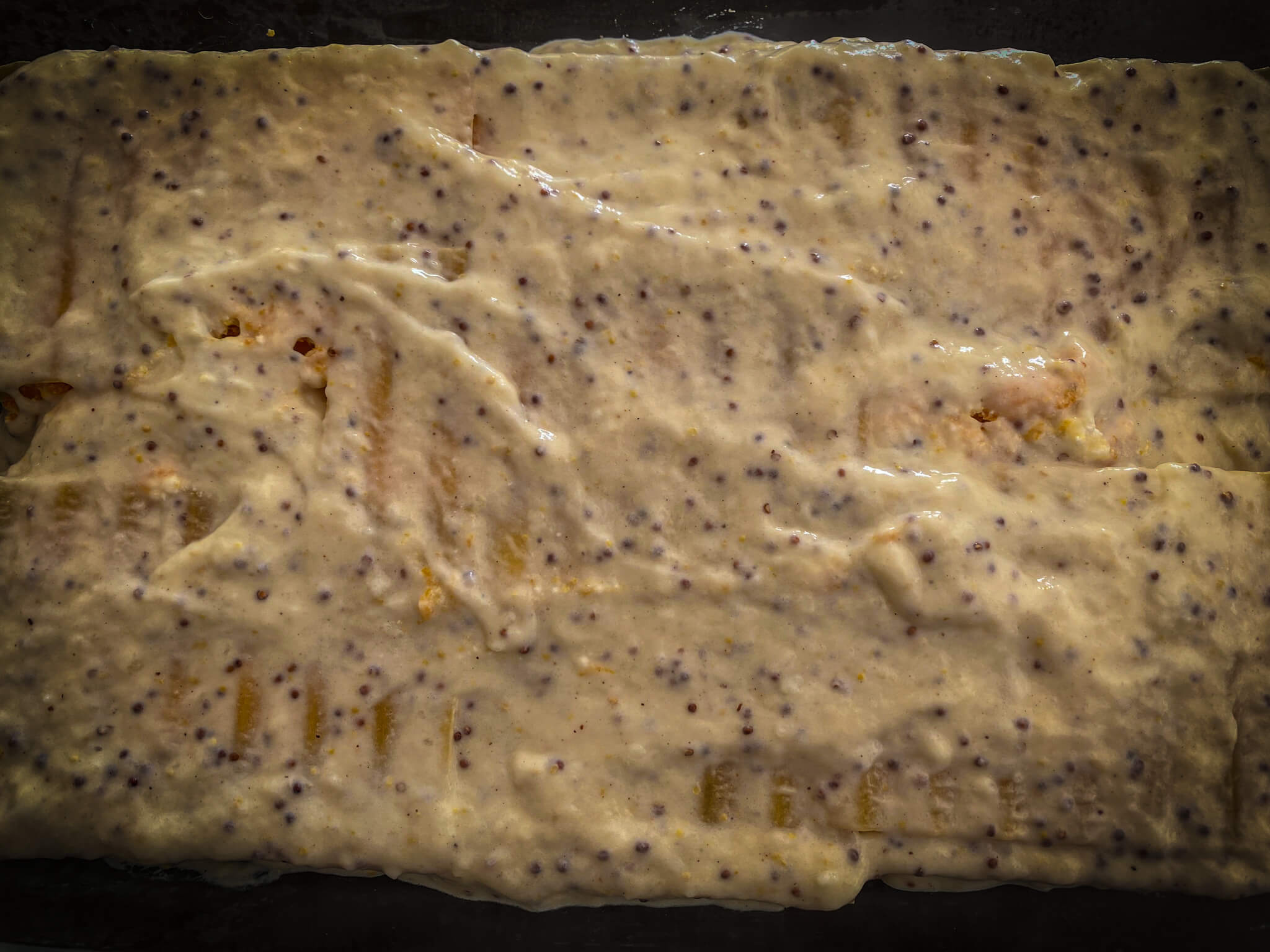
Spread a base layer of béchamel on the bottom of the baking dish to prevent sticking. Place a layer of lasagna sheets, followed by the pumpkin and ricotta mixture, then a layer of béchamel. Repeat the sequence: pasta → filling → béchamel, ensuring even distribution. Finish with a final layer of béchamel on top.

5. Bake the lasagna
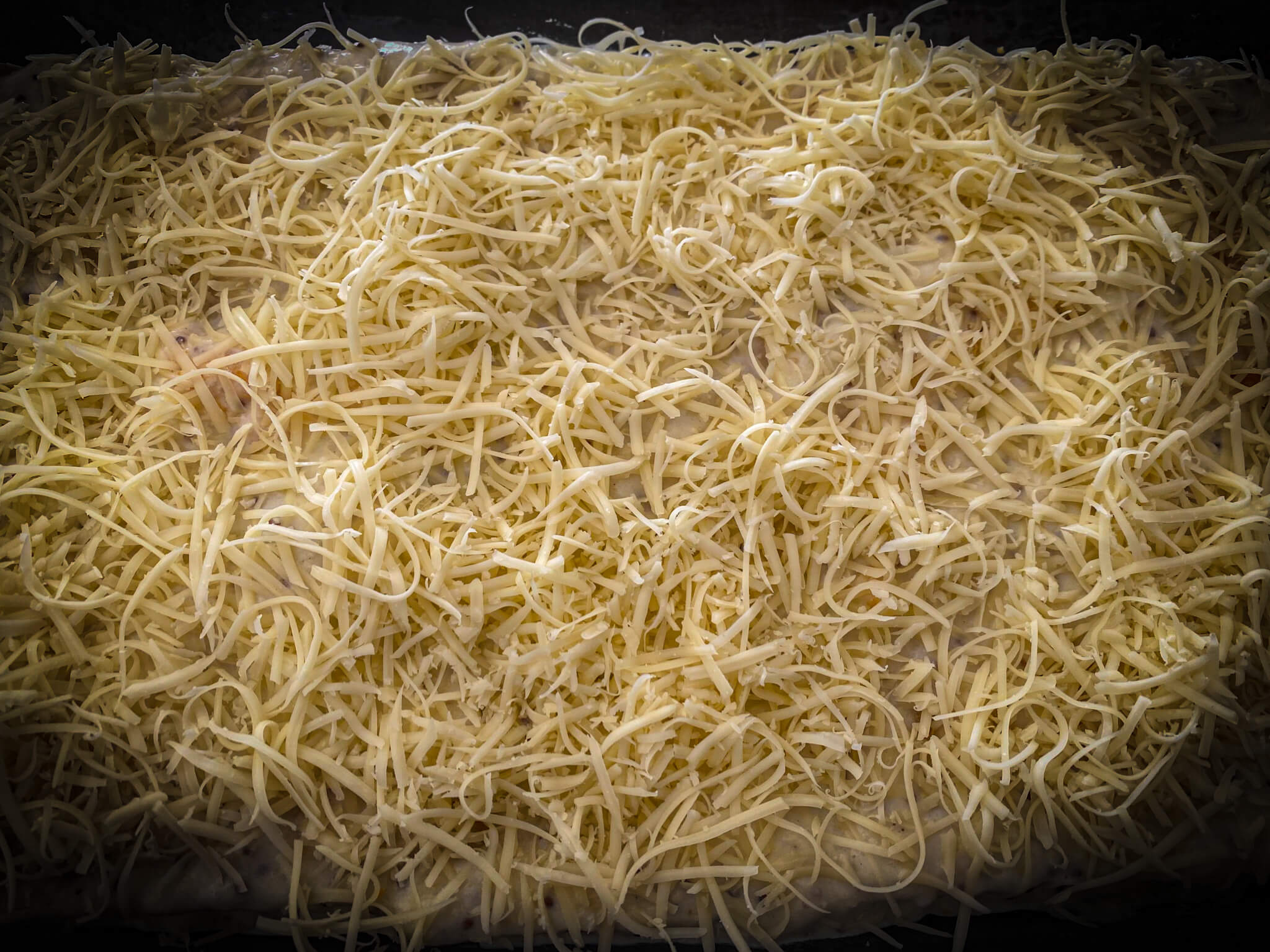
Sprinkle the grated Emmental cheese evenly over the surface. Bake at 180°C for 25–30 minutes until golden and bubbling. If needed, finish with a short grill to achieve a crispy top.

6. Rest and serve
Let the lasagna rest for 10 minutes before cutting. This step allows the layers to set and improves structure when serving.
Serve in clean square portions showing defined layers. The top should be golden and slightly crisp, with a creamy interior.

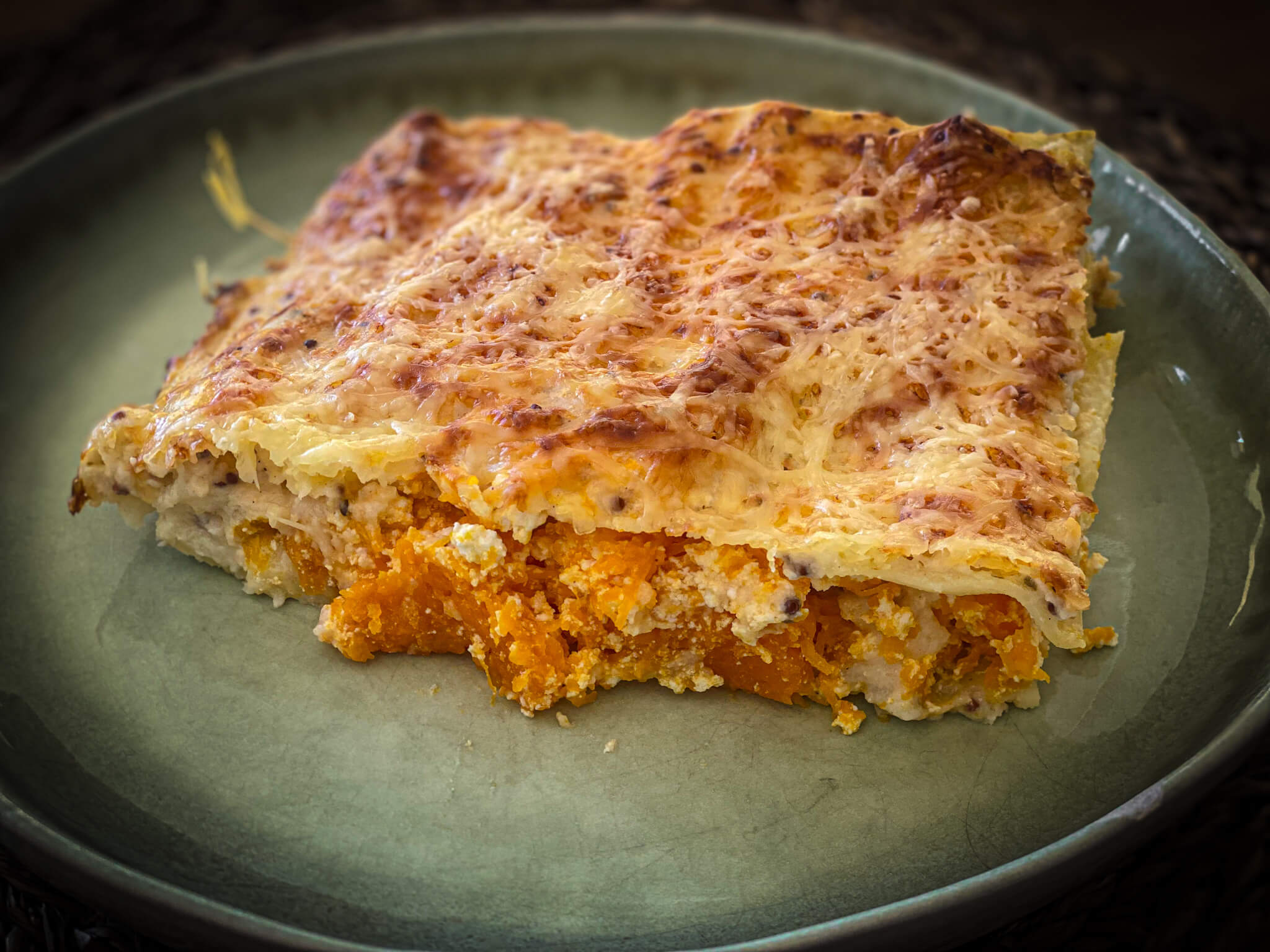
Chef’s Notes for Making an Authentic Healthy Pumpkin Lasagna
Why is it better to roast the pumpkin with the skin on?
Roasting with the skin is a smart way to build depth because it acts as a natural protective seal. It prevents moisture loss during the high-heat process, ensuring the flesh stays succulent while the natural sugars achieve a slow-built depth of flavor. Once roasted, the skin peels away effortlessly, leaving you with a far more concentrated and intense base for your lasagna.
Can I prepare this dish ahead of time for a busy weeknight?
Absolutely. This recipe is designed for real home cooking, meaning you can fully assemble the layers in advance. Simply cover the dish and refrigerate it. When you are ready to serve, let it sit at room temperature for 15 minutes before baking to ensure even heat distribution and that perfect fresh out of the oven warmth.
Is the mustard flavor too dominant in the béchamel?
Not at all. In this dish, the mustard is a “secret ingredient” used to provide subtle warmth and complexity rather than heat. It balances the natural sweetness of the pumpkin and the tang of the goat ricotta, creating a result that is balanced, comforting, and full of character without being overpowering.
Common Mistakes to Avoid When Cooking Pumpkin Lasagna
If there’s one thing I’ve learned with this kind of lasagna, it’s that the pumpkin can easily trick you. When it looks soft on the outside but hasn’t really roasted properly inside, it tends to release water later in the oven. I’ve made that mistake before — and you end up with a filling that feels a bit loose instead of that rich, creamy texture you want. Giving it enough time in the oven until the edges start to caramelize really makes all the difference.
The béchamel is another step where it’s easy to rush things. I’ve definitely ended up with lumps in the past just by pouring the milk too fast or using it cold. Using hot milk and taking your time whisking it in slowly keeps everything smooth and stable. It’s one of those small habits that completely changes the result.
And one last thing — don’t leave the béchamel sitting in the pan thinking it will behave itself. It keeps thickening even after you turn off the heat. I usually take it off a little earlier than I think I need to, just to keep that silky, pourable texture.
Ingredient Swaps and Variations for Pumpkin Lasagna
This is one of those recipes that I’ve tweaked depending on what I had at home, and it always adapts surprisingly well.
Pumpkin and butternut squash are basically interchangeable here. I’ve used both, and the result is very similar — sweet, soft, and perfect once roasted.
If I don’t have goat ricotta, I just use regular ricotta. It’s a bit milder, so I usually add a pinch of salt or even a touch more mustard in the béchamel to bring everything back into balance.
And for the topping, I sometimes switch Emmental for mozzarella when I want that extra meltiness. You lose a bit of that nutty depth, but you gain that stretchy, comforting top layer that people usually love.
Recipe Summary & Resources
Recipe Card
Healthy Pumpkin Lasagna with Goat Ricotta and Mustard Béchamel

This healthy pumpkin lasagna with goat ricotta and mustard béchamel is a lighter take on a classic comfort dish. Roasted pumpkin brings natural sweetness, balanced by creamy goat cheese and a subtle tang from mustard béchamel. It’s an easy oven-baked recipe perfect for cozy meals without feeling heavy.
Ingredients
- 600 g pumpkin
- 250 g goat ricotta (requesón de cabra)
- 18 units lasagna sheets (oven-ready)
- 100 g Emmental cheese (grated)
- 1 L milk
- 80 g butter
- 80 g flour
- 15 g whole grain mustard
- Salt to taste
Instructions
Prepare and roast the pumpkin
Wash the pumpkin thoroughly and cut it into large chunks with the skin on. Place on a baking tray, drizzle lightly with olive oil, and roast at 200°C (high heat) for 30–35 minutes until fully tender and slightly caramelized. The skin helps retain moisture and concentrate flavor.
Extract and prepare the filling
Once roasted, let the pumpkin cool slightly. Using a spoon, scoop out the soft flesh, discarding the skin. Lightly mash the flesh, keeping some texture, and mix with the goat ricotta until creamy and balanced. Adjust salt if needed.
Prepare the mustard béchamel
In a saucepan, melt the butter over medium heat, add the flour, and cook for 2–3 minutes to form a light roux. Gradually add warm milk while whisking continuously to avoid lumps. Cook for 8–10 minutes until thick and smooth. Once ready, add the whole grain mustard and stir well to fully incorporate.
Assemble the lasagna
Spread a base layer of béchamel on the bottom of the baking dish to prevent sticking. Place a layer of lasagna sheets, followed by the pumpkin and ricotta mixture, then a layer of béchamel. Repeat the sequence: pasta → filling → béchamel, ensuring even distribution. Finish with a final layer of béchamel on top.
Bake the lasagna
Sprinkle the grated Emmental cheese evenly over the surface. Bake at 180°C for 25–30 minutes until golden and bubbling. If needed, finish with a short grill to achieve a crispy top.
Rest and serve
Let the lasagna rest for 10 minutes before cutting. This step allows the layers to set and improves structure when serving.
Serve in clean square portions showing defined layers. The top should be golden and slightly crisp, with a creamy interior.
Nutrition Information:
Yield:
8Serving Size:
1Amount Per Serving: Calories: 1598Total Fat: 89gSaturated Fat: 44gUnsaturated Fat: 45gCholesterol: 415mgSodium: 3751mgCarbohydrates: 95gFiber: 10gSugar: 27gProtein: 108g
Pin it