

These Spanish Angel Hair Squash Pastries Pastissets de Cabello de Ángel are traditional homemade pastries from Valencia area, filled with sweet Spanish candied squash and scented with dry anise liqueur, mistela wine, and fresh lemon zest. Their delicate, lightly crisp pastry is made without eggs or added sugar, letting the aromatic dough and sweet filling speak for themselves.
Pastissets de Cabello de Ángel – Spanish Angel Hair Squash Pastries
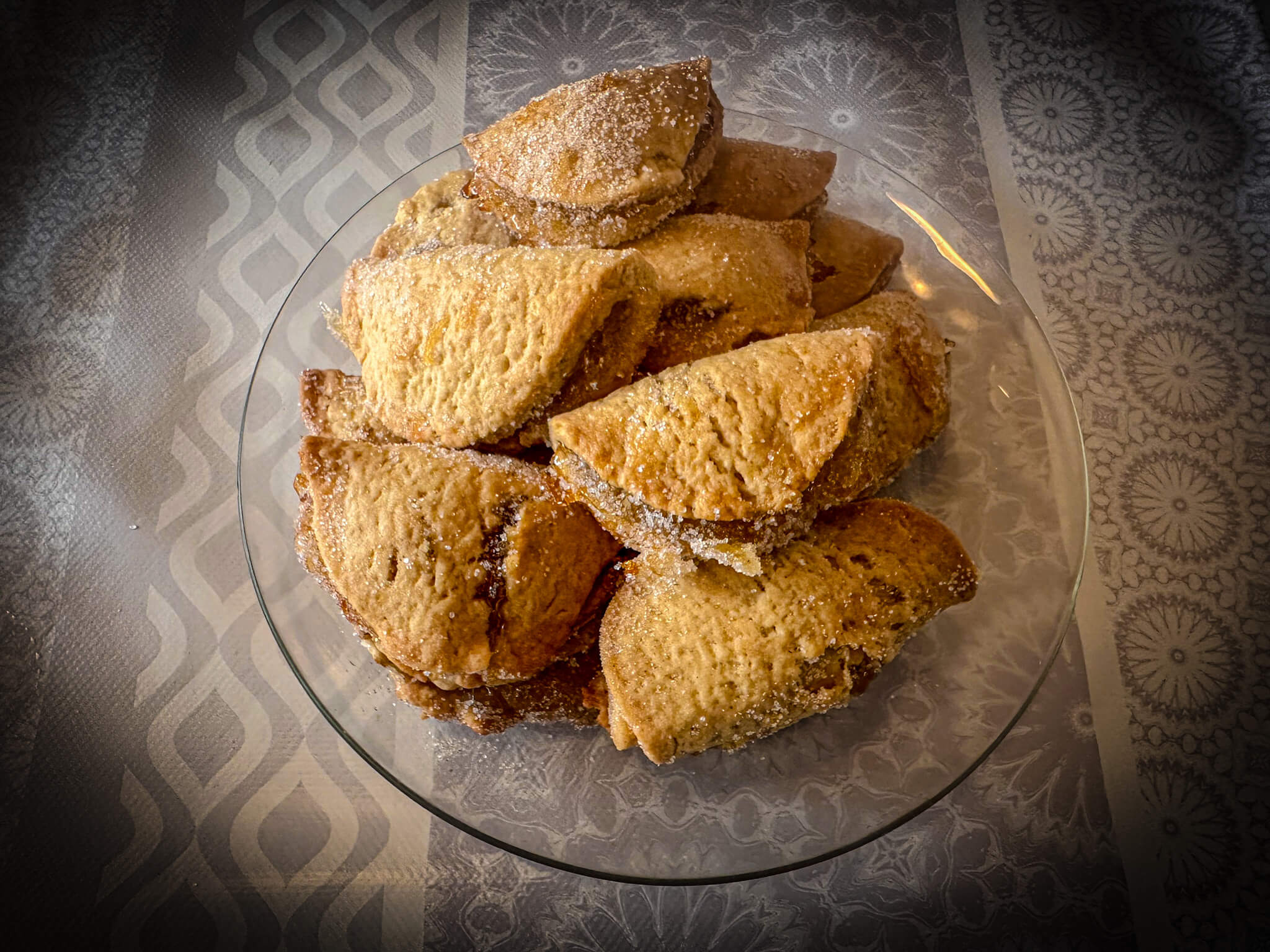
A Little Taste of Home: Pastissets de Cabello de Ángel
Pastissets are small, crescent-shaped pastries that have a special place in the home baking traditions of my area in Spain. They are particularly lovely around festive occasions, family gatherings, or simply when you want something homemade to enjoy with coffee. Although they are simple in appearance, their delicate pastry and sweet filling make them a very special part of our local baking tradition.
Their filling is cabello de ángel, a traditional Spanish preserve made from a variety of winter squash. The squash is cooked with sugar until its flesh separates into fine, translucent strands, giving it a distinctive texture that explains its name, which literally means “angel hair.” It is not made from pasta or ordinary spaghetti squash, but a sweet preserve traditionally used in Spanish pastries. I usually buy it ready-made in a can, making these pastries much easier to prepare at home. If you enjoy cooking with seasonal squash, you can also explore my collection of Easy Pumpkin Recipes.
The pastry is just as characteristic as the filling. Dry anise liqueur gives it a delicate herbal aroma, while mistela, a sweet Spanish fortified wine, adds depth and a gentle sweetness. Olive oil brings everything together into a simple dough that is easy to roll out and shape. There is no egg, no yeast, and no added sugar in the dough itself.
One detail I particularly like about this recipe is that the sweetness comes from the filling and the sugar added to the outside. You can sprinkle the pastries with granulated sugar before baking or coat them in sugar while they are still hot from the oven. Both finishes work beautifully, giving you slightly different textures.
These homemade Pastissets de Cabello de Ángel are crisp, fragrant, and delicately sweet, with a lovely contrast between the aromatic anise pastry and the soft, golden strands of candied squash. They are a wonderful example of how a handful of simple ingredients can create a pastry full of local character and memories of home.

Ingredients
| Metric Amount | Imperial Amount | Core Ingredient | Preparation |
|---|---|---|---|
| 500 g | 17.6 oz | Wheat flour | All-purpose flour, sifted |
| 125 ml | 4.2 fl oz | Olive oil | Extra virgin or mild Spanish olive oil |
| 125 ml | 4.2 fl oz | Dry anise liqueur | Spanish dry anise spirit, such as cazalla |
| 30 ml | 1 fl oz (2 tbsp) | Mistela wine | Sweet Spanish fortified wine |
| 1 lemon | 1 lemon | Lemon zest | Finely grated, yellow part only |
| 300 g | 10.6 oz | Spanish candied squash jam (cabello de ángel) | Ready-made preserve, drained if necessary |
| 40 g | 1.4 oz | Granulated sugar | For sprinkling before baking or coating after baking |
Instructions Step by Step
1. Prepare the Anise and Olive Oil Dough
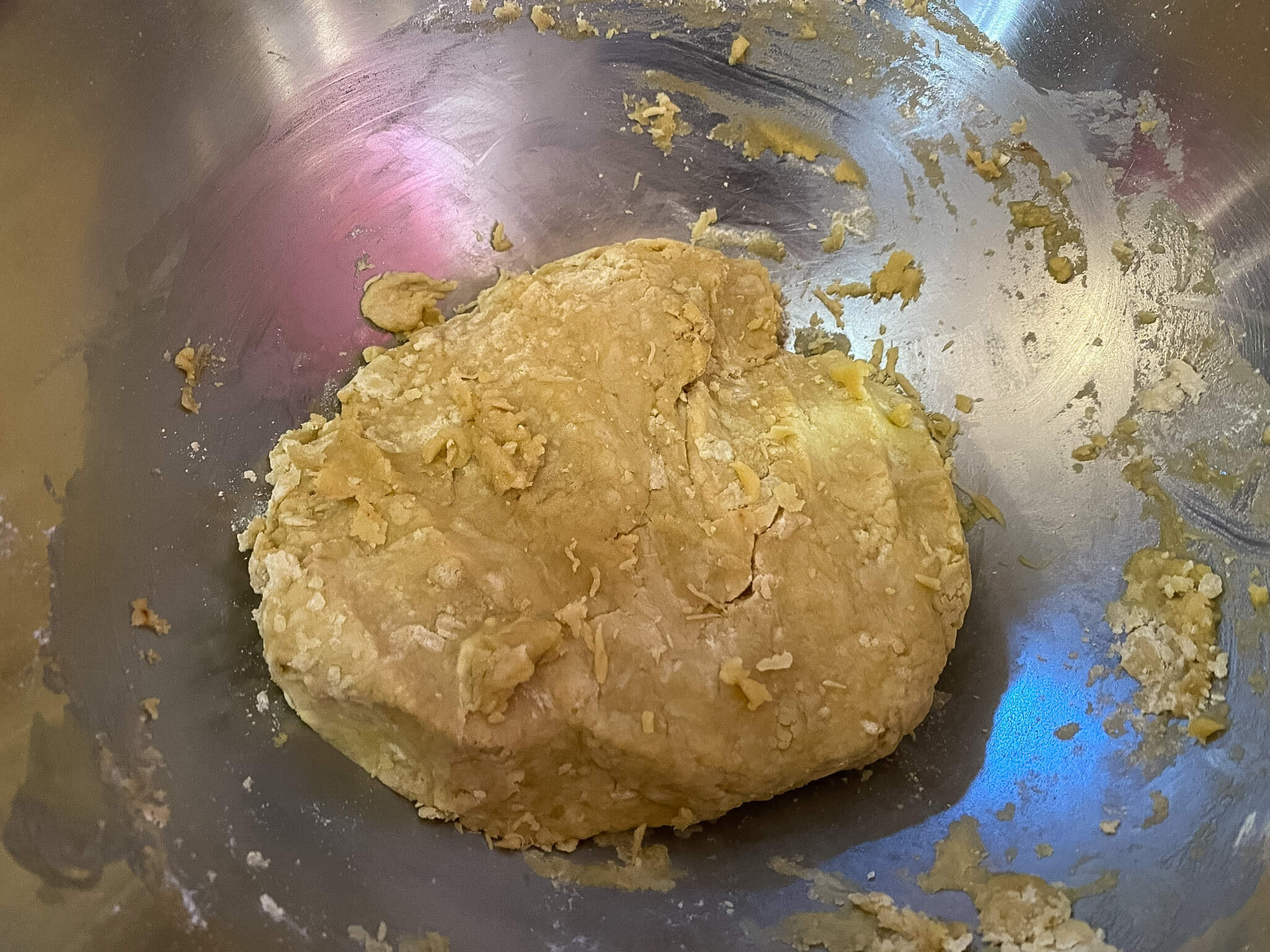
Place the olive oil, dry anise liqueur, mistela, and finely grated lemon zest in a large mixing bowl. Stir to combine. Add the sifted flour gradually, mixing until it is incorporated and a uniform dough begins to form. Bring everything together with your hands into a smooth ball.
There is no need to knead the dough like bread. Work it only until there are no dry patches of flour and the dough holds together. It should be soft, pliable, and easy to handle, without being excessively sticky.
2. Let the Dough Rest
Cover the dough and leave it to rest at room temperature for 20–30 minutes. This short resting period allows the flour to hydrate and the dough to relax, making it easier to roll out without shrinking or cracking.

3. Roll Out the Dough and Cut the Pastry Circles
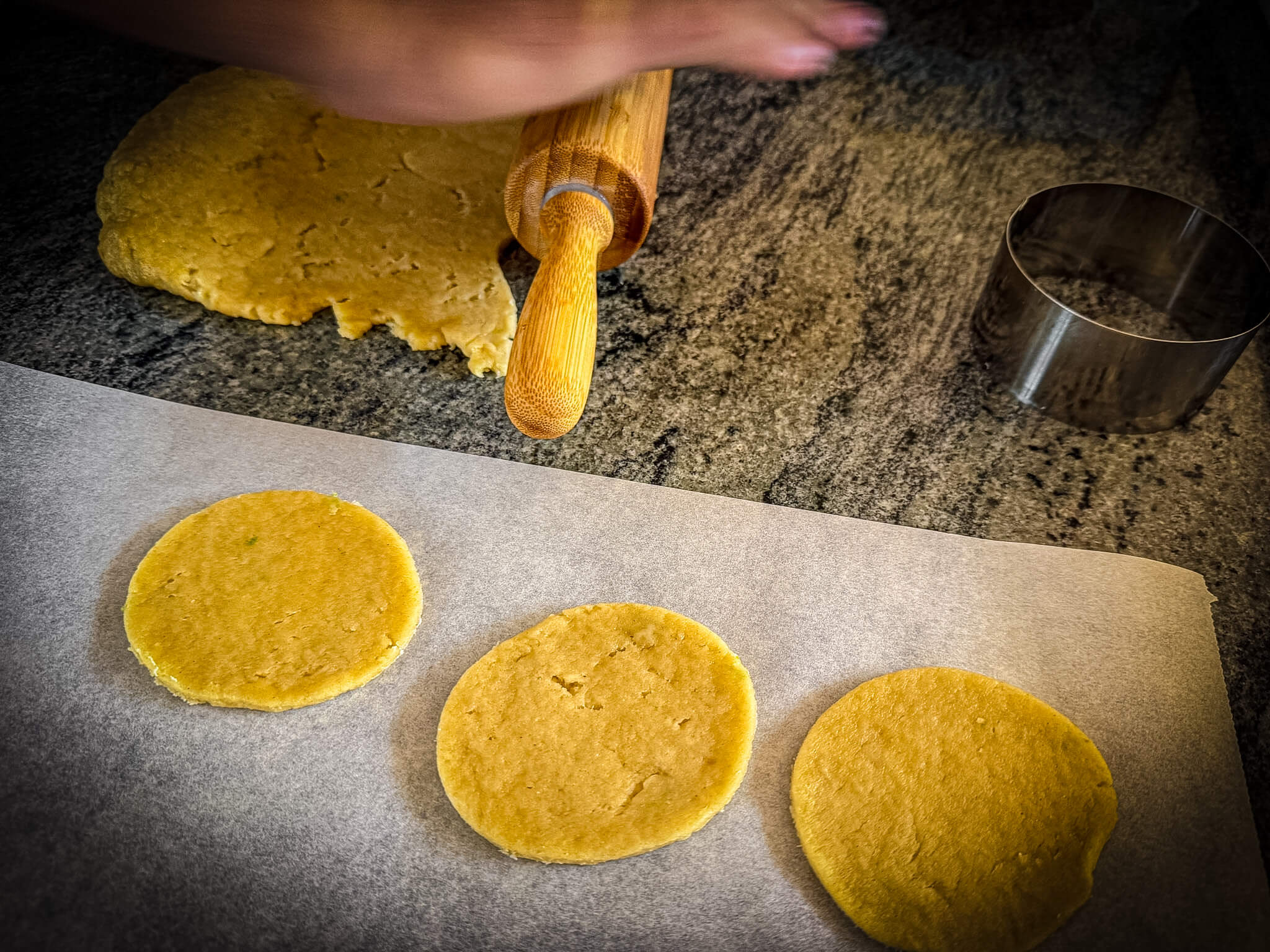
Lightly flour your work surface and roll out the dough with a rolling pin to a thickness of approximately 2–3 mm. Keep the thickness as even as possible so the pastries bake uniformly.
Use a round cutter approximately 10 cm (4 inches) in diameter to cut out the pastry circles. Gather any leftover dough, bring it together gently, and roll it out again until you have used it all. With this cutter size, you should obtain approximately 24 circles, depending on how evenly you roll the dough.
4. Fill the Pastries with Cabello de Ángel
Line a baking tray with parchment paper and arrange the pastry circles on it. Place a spoonful of cabello de ángel on one half of each circle, leaving a clear border around the edge.
Avoid overfilling them. The filling should be generous enough to enjoy in every bite, but there must be enough room to fold and seal the pastry without the sweet squash spilling out.

5. Fold and Seal the Pastissets
Fold each pastry circle in half over the filling to create a crescent shape. Gently press the edges together with your fingertips, making sure no filling is trapped between them. You can then press around the edge with the tines of a fork to seal the pastry securely and create a simple decorative finish.
Check that each pastisset is properly closed before baking. A good seal helps prevent the filling from escaping as the pastry heats up.

6. Sprinkle with Sugar and Bake
Preheat the oven to 180°C (350°F), using conventional top and bottom heat. Arrange the sealed pastries on the prepared baking tray, leaving a little space between them.
For the finish used in this recipe, sprinkle granulated sugar over the top of each pastisset just before baking. Bake for approximately 20–25 minutes, until the pastry is cooked through and lightly golden. They should not become deeply browned; a gentle golden colour is what we are looking for.

7. Cool Before Serving
Remove the tray from the oven and leave the pastries to rest for a few minutes. They will be delicate while hot, so allow them to firm up before transferring them carefully to a wire rack.
Let them cool before serving. The pastry becomes more settled and pleasantly crisp as it reaches room temperature.
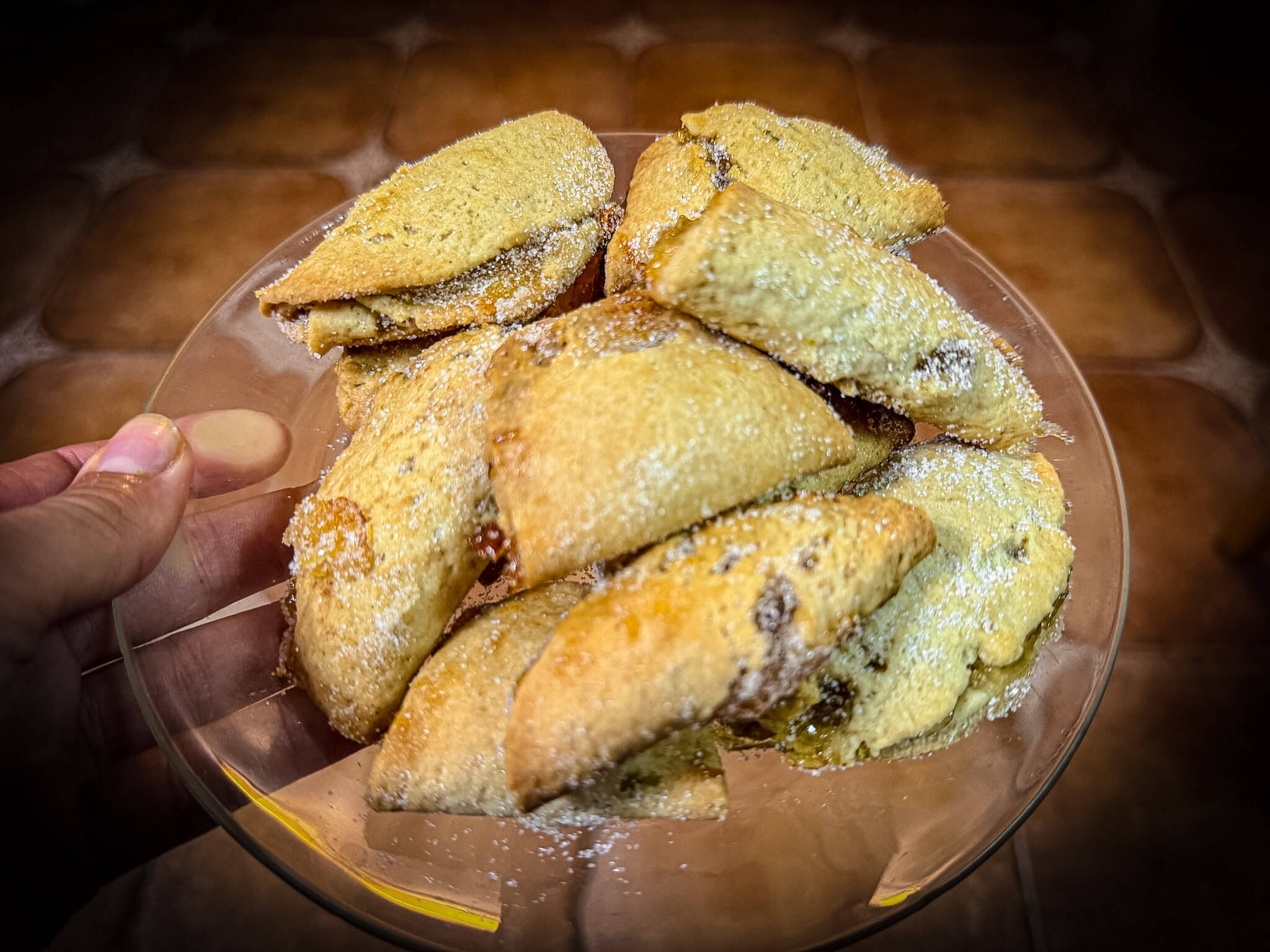
Chef’s Notes for Pastissets de Cabello de Ángel
What is cabello de ángel? Cabello de ángel is a traditional Spanish sweet preserve made from a variety of winter squash. The flesh separates into fine strands when cooked with sugar, creating a glossy, golden filling. It is commonly sold ready-made in cans or jars in Spain and can sometimes be found in Spanish or specialty food shops abroad.
Can I make pastissets ahead of time? Yes. These pastries are convenient for preparing ahead because they keep well for several days in an airtight container. You can bake them the day before serving and allow them to cool completely before storing.
Why does this pastry contain no sugar? The dough is intentionally made without added sugar. The mistela provides aroma, while the cabello de ángel supplies most of the sweetness. Granulated sugar is added to the outside, either before or after baking, depending on the finish you prefer.
How many pastissets does this recipe make? Using a round cutter approximately 10 cm (4 inches) in diameter, this recipe makes around 24 pastries. The final yield depends on the size of your cutter and the thickness of the rolled dough.
Can I use extra virgin olive oil? Yes. A mild extra virgin olive oil works very well and gives the pastry a characteristic Mediterranean flavour. If your olive oil is particularly intense or peppery, you may prefer a milder variety so that it does not overpower the anise and mistela.
Common Mistakes Cooking Pastissets de Cabello de Ángel
Adding too much flour while rolling: A little flour on the work surface prevents sticking, but too much can dry out the pastry. Use only what you need and keep the dough covered whenever you are not working with it.
Overfilling the pastry circles: Too much cabello de ángel makes the edges difficult to seal and can cause the filling to escape during baking. A modest spoonful is enough, provided it is spread over one half of the circle.
Leaving filling on the edges: Even a small amount of sweet filling between the pastry edges can prevent them from sticking together properly. Keep the border clean before folding and sealing each pastisset.
Rolling the dough too thick: Thick pastry takes longer to bake and can overwhelm the filling. Aim for an even thickness of approximately 2–3 mm for a delicate, balanced result.
Handling the pastries while they are very hot: The pastry is fragile immediately after baking. Let the pastissets rest on the tray for a few minutes before transferring them to a cooling rack.
Ingredient Swaps & Variations on Pastissets de Cabello de Ángel
Use candied sweet potato instead of cabello de ángel: Sweet potato cooked slowly with sugar until soft and thick makes a lovely alternative filling. You can prepare it at home and use it once it has cooled completely.
Try Spanish quince paste: Dulce de membrillo, the firm, sweet quince paste popular in Spain, is another delicious option. Cut or spoon small portions onto the pastry circles. Its fruity flavour works particularly well with the anise-scented dough.
Adjust the anise liqueur: Spanish cazalla is the characteristic choice for this recipe. If you cannot find it, use another dry anise-flavoured spirit. Choose a dry version rather than a sweet anise liqueur to keep the balance of the dough.
Replace the mistela: If Spanish mistela is unavailable, a sweet Muscat dessert wine is a good alternative. It provides a similar fruity sweetness and aromatic character.
Choose your preferred sugar finish: There are two lovely ways to finish these pastries. The method in this recipe is to sprinkle granulated sugar over the sealed pastissets before baking. Alternatively, leave them without sugar, then, as soon as they come out of the oven and are still hot, gently coat them in a plate of granulated sugar. Both methods work beautifully: the first gives a delicate baked-sugar finish, while the second creates a more noticeable coating.
How to Store Pastissets de Cabello de Ángel
Allow the pastissets to cool completely before storing them. Place them in an airtight container at room temperature, away from direct sunlight and humidity. They are best enjoyed within 3–4 days, while the pastry is still pleasantly crisp.
Avoid refrigerating them unless your kitchen is particularly warm, as the moisture in the refrigerator can soften the pastry. If you have used the post-baking sugar coating, some of the sugar may dissolve slightly during storage.
You can also freeze the baked pastries once completely cooled. Arrange them in a single layer until firm, then transfer them to a freezer-safe container with parchment paper between layers. Freeze for up to 2 months. Defrost at room temperature and, if you would like to refresh the pastry, warm them briefly in a low oven.
Recipe Card
Pastissets de Cabello de Ángel – Spanish Angel Hair Squash Pastries

These traditional Pastissets de Cabello de Ángel are homemade Spanish pastries from my region, featuring a delicate olive oil dough scented with dry anise, sweet mistela wine, and fresh lemon zest. Each little crescent is filled with cabello de ángel, a sweet preserve made from winter squash, then baked until lightly golden. With their crisp, aromatic pastry and sweet filling, they are a lovely taste of Valencian home baking.
Ingredients
- 500 g (17.6 oz) all-purpose wheat flour, sifted
- 125 ml (4.2 fl oz) olive oil
- 125 ml (4.2 fl oz) dry anise liqueur
- 30 ml (1 fl oz) mistela or sweet Spanish fortified wine
- Zest of 1 lemon
- 300 g (10.6 oz) cabello de ángel (Spanish candied squash jam)
- 40 g (1.4 oz) granulated sugar, for finishing
Instructions
- Combine the olive oil, dry anise liqueur, mistela, and lemon zest. Gradually add the sifted flour and mix until a smooth dough forms.
- Cover and rest the dough for 20–30 minutes at room temperature.
- Roll the dough out to 2–3 mm thick and cut into circles approximately 10 cm (4 inches) in diameter.
- Place a spoonful of cabello de ángel on one half of each circle, leaving the edges clear.
- Fold into a crescent shape and press the edges firmly together. Seal with a fork if desired.
- Sprinkle with granulated sugar and bake at 180°C (350°F) for 20–25 minutes, until lightly golden.
- Cool on the tray for a few minutes, then transfer carefully to a wire rack.
Notes
24 units
Nutrition Information:
Yield:
24Serving Size:
1Amount Per Serving: Calories: 107Total Fat: 1gSaturated Fat: 0gUnsaturated Fat: 1gSodium: 0mgCarbohydrates: 19gFiber: 1gSugar: 2gProtein: 2g
Pin it
