

Spanish Strawberry Tree Jam (Madroño Jam) is a lovely way to make the most of one of Spain’s lesser-known autumn fruits. Made with freshly picked, ripe red madroños, a little sugar, and fresh orange, this homemade jam has a rich fruit flavor, a pleasantly thick consistency, and a naturally rustic texture. No blender, no artificial pectin, just seasonal fruit and a little patience.


A Little Taste of the Spanish Autumn
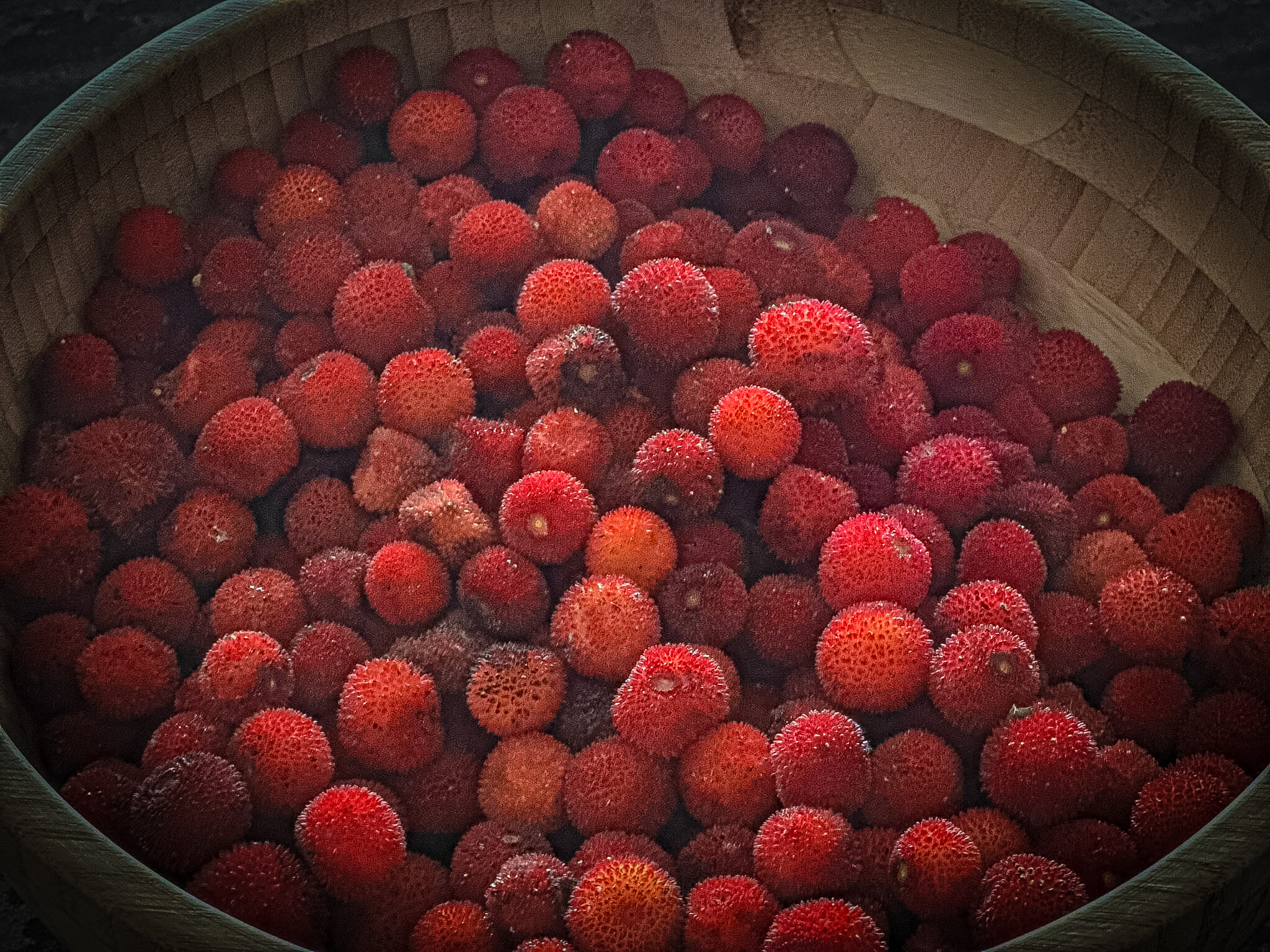
Strawberry tree fruits, known in Spain as madroños, are one of those seasonal treasures that many people outside the Mediterranean may never have come across. They ripen in autumn, turning a deep red when fully mature, and have a distinctive, gently sweet flavor. I made this jam with carefully selected ripe fruits, fresh orange juice, and zest, keeping the amount of sugar relatively modest so the fruit could remain the star. The result is a rustic homemade preserve, with its natural seeds and little pieces of fruit intact rather than a perfectly smooth, jelly-like texture.
If you enjoy discovering seasonal ingredients from Spain, you can also explore my Seasonal Fruits in Spain guide. And don’t limit this jam to toast or fresh bread: it works beautifully in homemade cakes, cookies, pastry fillings, and other sweet bakes. Its unusual fruit flavor adds a subtle, distinctive touch that might leave your guests wondering what makes your dessert taste so special.

Ingredients
| Metric Amount | Imperial Amount | Core Ingredient | Preparation |
|---|---|---|---|
| 2 kg | 4.4 lb | Ripe strawberry tree fruits (madroños) | Carefully sorted, washed and drained |
| 700 g | 3½ cups | Granulated sugar | Ready to use |
| 1 medium | 1 medium | Orange | Juice the whole orange; reserve half for the first cooking stage and the rest for later. Finely grate approximately half the outer zest |
| 100 ml | ⅓ cup + 1 tbsp | Water | Ready to use |
A note about the fruit: Choose fully ripe madroños with a deep red color. Sort through them carefully, removing any unripe, damaged, or spoiled fruit. The quality and ripeness of the berries make a real difference to the final flavor.
A note about the sugar: This recipe uses a relatively moderate amount of sugar compared with conventional full-sugar jam recipes. It allows the natural character of the madroños to shine through rather than making the jam excessively sweet.
Instructions
1. Prepare and Sort the Madroños
Carefully sort through the 2 kg of madroños, selecting ripe, deep-red fruits and discarding any damaged or spoiled ones.
Wash them gently under running water and drain thoroughly.
Place the fruit in a large, heavy-bottomed saucepan. Using a wooden spoon, gently mash the berries. You don’t need to turn them into a purée: simply break down some of the fruit to help release its juices while leaving several berries partially or completely intact.
2. First Cooking: Soften the Fruit
Add the 100 ml of water and approximately half of the freshly squeezed orange juice to the saucepan.
Stir gently and place over medium heat until the mixture begins to boil. Once you see the first bubbles, reduce the heat to medium-low.
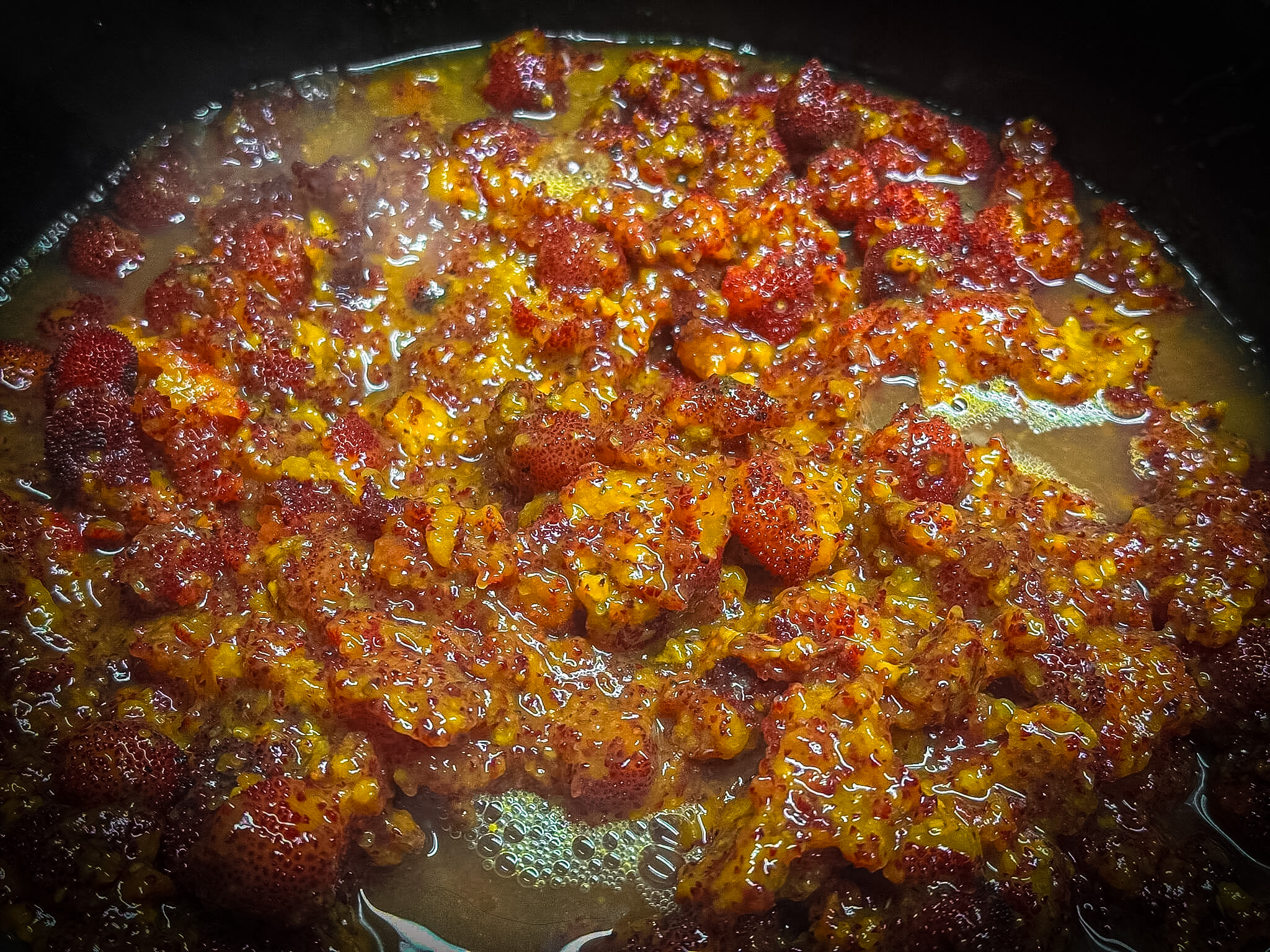
Cook for approximately 15–20 minutes, stirring occasionally with a wooden spoon to prevent the fruit from sticking to the bottom.
During this first stage, the berries will soften, their skins will begin to break down, and their juices will gradually create a thick fruit mixture. Some whole berries should still be visible.


3. Add the Sugar and Remaining Orange Juice
Once the madroños have softened, add the 700 g of sugar and the remaining orange juice.
Stir gently until the sugar has dissolved completely. Keep the saucepan over medium-low heat and allow the mixture to simmer gently.
Avoid increasing the heat too much. A slower cooking process helps the fruit concentrate without scorching the sugar or losing its delicate flavor.

4. Add the Fresh Orange Zest
Wash the orange thoroughly before zesting it.
Finely grate approximately half of its outer peel, using only the colored part and avoiding the bitter white pith.
Add the zest to the saucepan and stir to distribute its fragrant citrus oils throughout the jam.
The orange should complement the madroños rather than dominate their flavor.

5. Second Cooking: Develop the Jam’s Texture
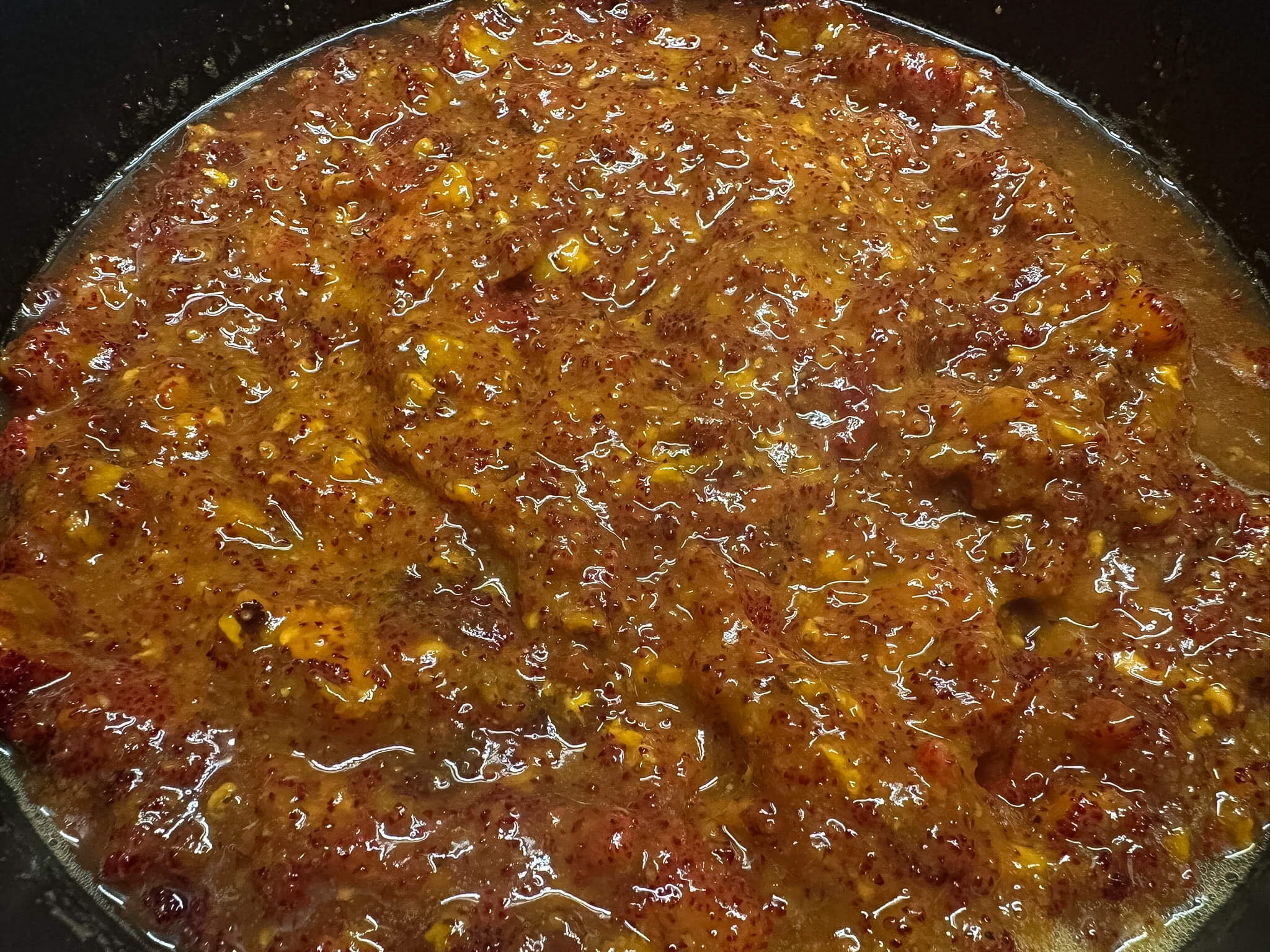
Continue cooking over medium-low heat for approximately 25–35 minutes, stirring frequently as the mixture thickens.
Pay particular attention to the bottom of the saucepan, as the jam becomes increasingly sticky as its moisture evaporates.
You will notice several changes:
- The excess liquid gradually evaporates.
- The color becomes deeper and more intense.
- The seeds remain distributed throughout the mixture.
- The wooden spoon begins to leave visible trails across the bottom of the saucepan.
- The jam becomes thicker and more cohesive.
Don’t worry if it still looks slightly loose while hot. It will continue to thicken as it cools.

6. Test the Consistency
To check whether the jam is ready, use the cold plate test.
Place a small plate in the refrigerator for a few minutes. Spoon a little hot jam onto the chilled plate and leave it for approximately 30 seconds.
Run your finger through the middle of the jam. If the mixture wrinkles slightly and the line remains open rather than immediately filling with liquid, it has reached a good consistency.
If it still seems too runny, continue cooking for a few more minutes and repeat the test.
Remember that this is a naturally textured jam, not a perfectly smooth jelly. Some visible fruit and seeds are part of its appeal.
7. Fill the Jars and Store
Prepare suitable preserving jars, lids and your water-bath canning equipment before you finish cooking.
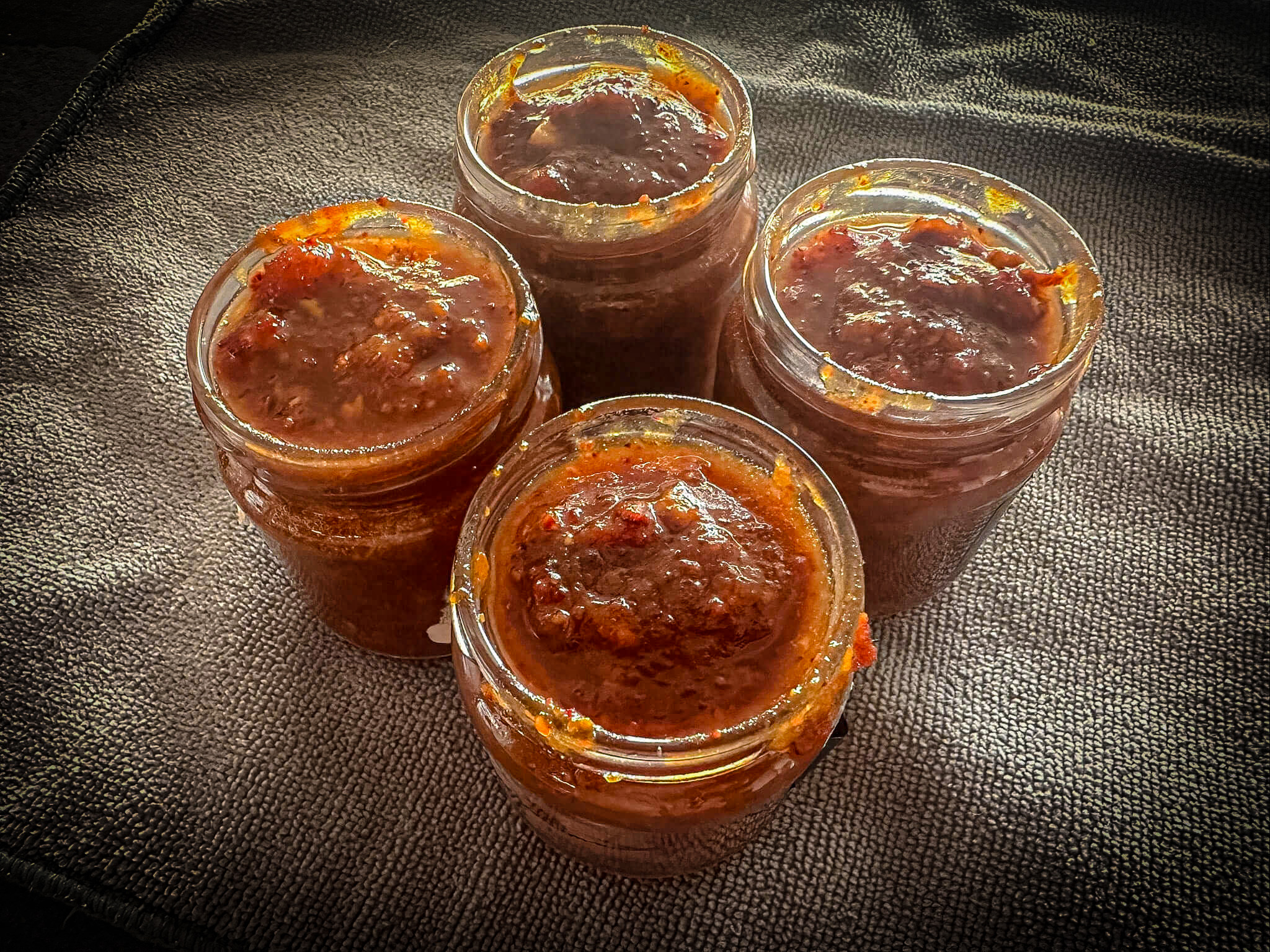
Carefully transfer the hot jam into the prepared jars, taking care not to contaminate the rims. Leave the headspace specified by the tested preserving procedure you are following, fit the lids and process the jars in a boiling-water bath.
The processing time must come from a validated recipe or preservation procedure appropriate for the fruit, acidity, sugar concentration, jar size and altitude. A sealed lid alone does not establish that a preserve is safe for long-term pantry storage.
Allow the processed jars to cool undisturbed, check their seals and label them with the preparation date.

Chef’s Notes for Perfect Strawberry Tree Jam
Can I make strawberry tree jam without a blender? Absolutely! In fact, I recommend it. A wooden spoon is enough to break down the softened berries while leaving some whole fruits and seeds. This gives the jam its characteristic rustic texture.
Why does this jam have seeds? The tiny seeds are naturally present in madroños. I prefer to leave them in rather than strain the fruit because they contribute to the texture and give the jam a more homemade character.
Is strawberry tree jam very sweet? Not particularly. The recipe uses 700 g of sugar for 2 kg of fruit, giving a more balanced sweetness that allows the distinctive flavor of the madroños to come through.
Why do I add orange to the recipe? Orange juice brings a little freshness and acidity, while the zest contributes a delicate citrus aroma. Neither should overpower the strawberry tree fruit.
How do I know when the jam is ready? Use the cold plate test and look for a thick consistency that holds its shape. Remember that the jam will become firmer as it cools.
Can I use frozen madroños? Yes, provided they were ripe and in good condition when frozen. Thaw them in the refrigerator and drain any excess liquid before cooking. Cooking times may vary.
Common Mistakes When Making Madroño Jam
Using underripe strawberry tree fruits: Choose deep-red, fully ripe berries. Their flavor is much more developed.
Blending the fruit: A blender would destroy the lovely rustic texture. Mash gently with a wooden spoon instead.
Cooking over excessively high heat: The sugar can scorch, particularly once the mixture starts to thicken. Keep the heat moderate and stir frequently.
Adding too much orange zest: The orange is there to complement the fruit, not overpower it. Use only the colored outer peel.
Overcooking the jam: It can become excessively thick once cooled. Remember to test it on a cold plate and stop cooking when it reaches the right consistency.
Ingredient Swaps & Variations for Strawberry Tree Jam
This recipe is particularly lovely because it allows the natural flavor of the madroños to take center stage. However, there are a few ways to adapt it:
- A sweeter, more traditional jam: You can experiment with increasing the sugar to 1 kg for every 2 kg of madroños. This produces a sweeter preserve, although it does not by itself establish shelf stability.
- Lemon instead of orange: Use a little fresh lemon juice and a small amount of zest for a sharper citrus note.
- A touch of cinnamon: A small pinch can add warmth, although I personally prefer letting the fruit and orange speak for themselves.
- More rustic texture: Leave a greater proportion of the berries whole during the initial cooking stage.
Important preservation note: Increasing the sugar does not automatically make this particular recipe safe for pantry storage. For long-term room-temperature preservation, use a tested canning recipe with a validated ingredient ratio and water-bath processing time. If following this exact lower-sugar formulation without such validation, refrigerate the jars promptly or freeze the jam instead.
How to Store Strawberry Tree Jam
For this particular lower-sugar formulation, refrigeration or freezing is the conservative storage recommendation unless a validated shelf-stable canning process has been established.
- Refrigerator: Refrigerate promptly and keep opened jars tightly closed. Use within approximately 2 weeks.
- Freezer: Transfer the cooled jam into suitable freezer-safe containers, leaving room for expansion. Defrost overnight in the refrigerator.
- Pantry storage: Only use a tested preservation process appropriate for this recipe. Do not rely solely on hot filling, an inverted jar or a vacuum seal to establish safety.
Card Recipe
Spanish Strawberry Tree Jam (Madroño Jam)

A rustic homemade Spanish strawberry tree jam made with ripe madroños, fresh orange juice, and zest. Naturally textured with its seeds and pieces of fruit, this autumn preserve has a delicate sweetness and a distinctive Mediterranean flavor. Delicious on toast, but also wonderful in cakes, cookies, and homemade desserts.
Ingredients
- 2 kg (4.4 lb) ripe strawberry tree fruits (madroños), carefully sorted, washed and drained
- 700 g (3½ cups) granulated sugar
- 1 medium orange, juice and finely grated zest
- 100 ml (3.4 fl oz) water
Instructions
1. Prepare the fruit: Sort, wash and drain the ripe madroños. Place them in a large, heavy-bottomed
saucepan with the water and half the orange juice.
2. Soften the fruit: Bring to a boil, then reduce the heat and simmer for 15–20 minutes, stirring occasionally, until the berries soften and release their juices.
3. Add the sugar: Gently mash some of the softened berries with a wooden spoon, leaving plenty whole or in pieces. Stir in the sugar and remaining orange juice until dissolved.
4. Add the orange zest: Finely grate the colored outer peel of approximately half the orange, avoiding the bitter white pith. Stir it into the jam.
5. Cook until thickened: Simmer over medium-low heat for another 25–35 minutes, stirring frequently to prevent sticking. Test the consistency on a chilled plate; the jam should wrinkle slightly when pushed with your finger.
6. Fill and process the jars: Transfer the hot jam into clean, sterilized glass jars and follow a tested water-bath canning procedure appropriate for this recipe before storing.
Notes
Servings: Approximately 12 jars (200–250 g each).
Nutrition Information:
Yield:
12Serving Size:
1Amount Per Serving: Calories: 289Total Fat: 1gSaturated Fat: 0gUnsaturated Fat: 1gSodium: 3mgCarbohydrates: 72gFiber: 4gSugar: 67gProtein: 1g
Pin it
