

The Traditional Valencian Quince Tart (Coca de Codony) is a cherished family recipe passed down through generations. In the past, we used to take the tarts to local bakery ovens to bake them, a tradition that brought the neighborhood together and filled the streets with the sweet aroma of quince. With its thin, crisp dough and tender caramelized quince slices, this tart is a perfect example of Mediterranean baking at its most authentic. Naturally vegetarian and vegan-friendly, it’s a delightful treat that carries the warmth and memories of Valencian family kitchens.
Traditional Valencian Quince Tart

Traditional Valencian Quince Tart Recipe
The Coca de Codony, or Traditional Valencian Quince Tart, is a beloved dessert that has been passed down through generations in Spanish families. Traditionally, these tarts were taken to the neighborhood bakery ovens for baking — a charming custom that filled streets with the sweet aroma of quince and brought communities together. Today, making this tart at home is just as special, capturing the same rustic charm and authentic Mediterranean flavor.
What makes this recipe fascinating is its simplicity. With just flour, olive oil, beer, sugar, and fresh quince, you can create a dessert that is naturally vegetarian and vegan-friendly, yet full of character. The thin, crisp dough provides a delicate base, while the tender quince slices caramelized with sugar create a fragrant, flavorful topping. It’s a perfect example of how traditional Spanish cuisine turns simple, local ingredients into something extraordinary.
Coca de Codony is versatile — enjoy it warm or at room temperature as a snack, dessert, or even part of a festive family table. It pairs wonderfully with other classic Spanish treats like Tarta de Santiago, Arroz con leche (Rice pudding), or La Viña Cheesecake, creating a true Mediterranean dessert experience.
This tart is more than just a dessert; it’s a connection to Spanish heritage, family traditions, and the joy of Mediterranean baking. Simple, rustic, and utterly delicious, Coca de Codony is a recipe every Spanish food enthusiast should try. ¡A disfrutar!
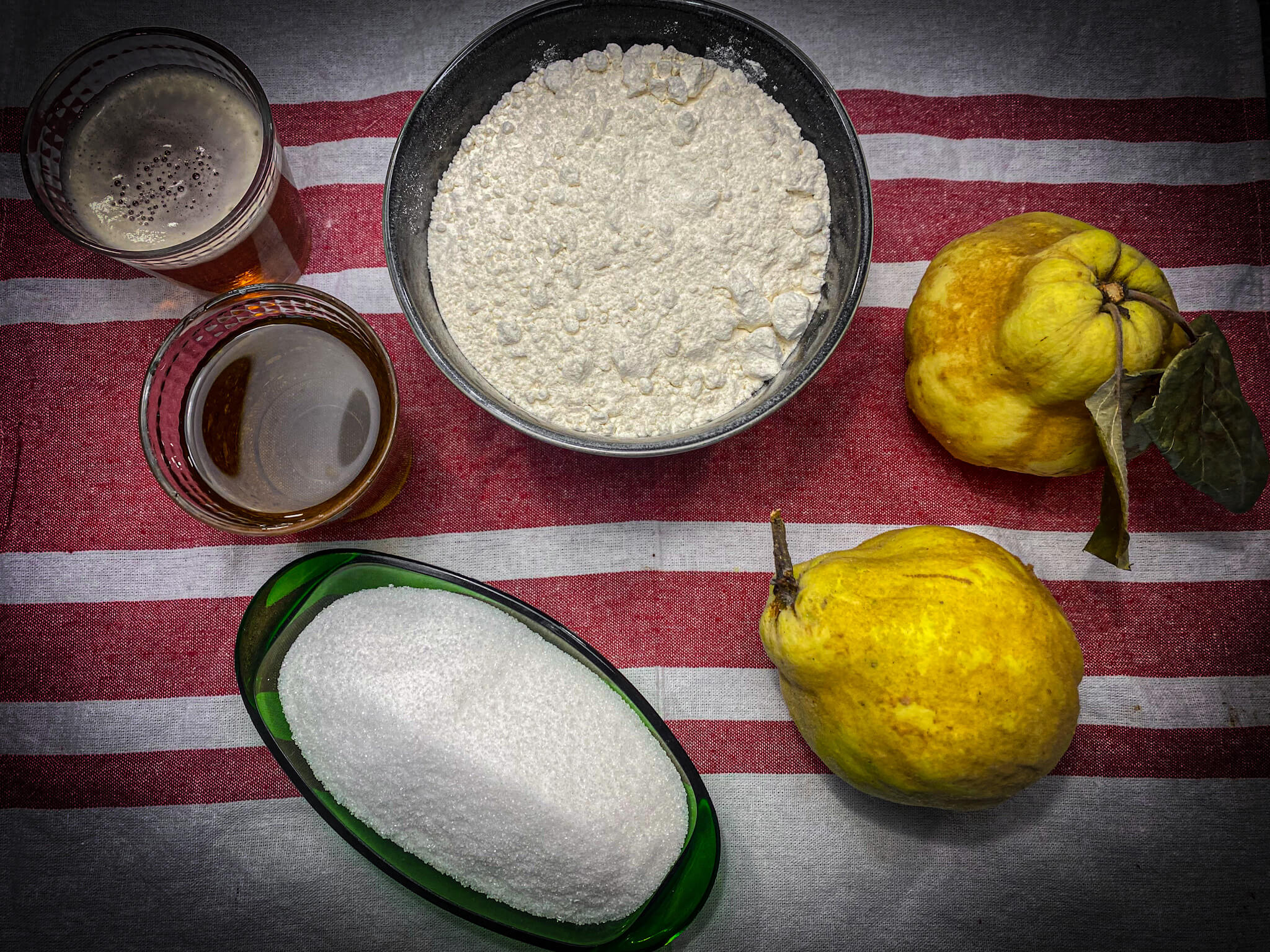
Ingredients
| Metric Amount | Imperial Amount | Core Ingredient | Preparation |
| 175 ml | 6 fl oz | Beer | Room temperature |
| 175 ml | 6 fl oz | Extra Virgin Olive Oil (AOVE) | Spanish variety |
| 500 g | 17.6 oz | Strong bread flour | Sifted |
| 500 g | 17.6 oz | Quince fruit (codony) | Peeled, cored, and cut into thin slices |
| 100 g | 3.5 oz | Granulated sugar | For sprinkling |
| QS | QS | Salt | A tiny pinch |
Instructions
1. Prepare the Dough
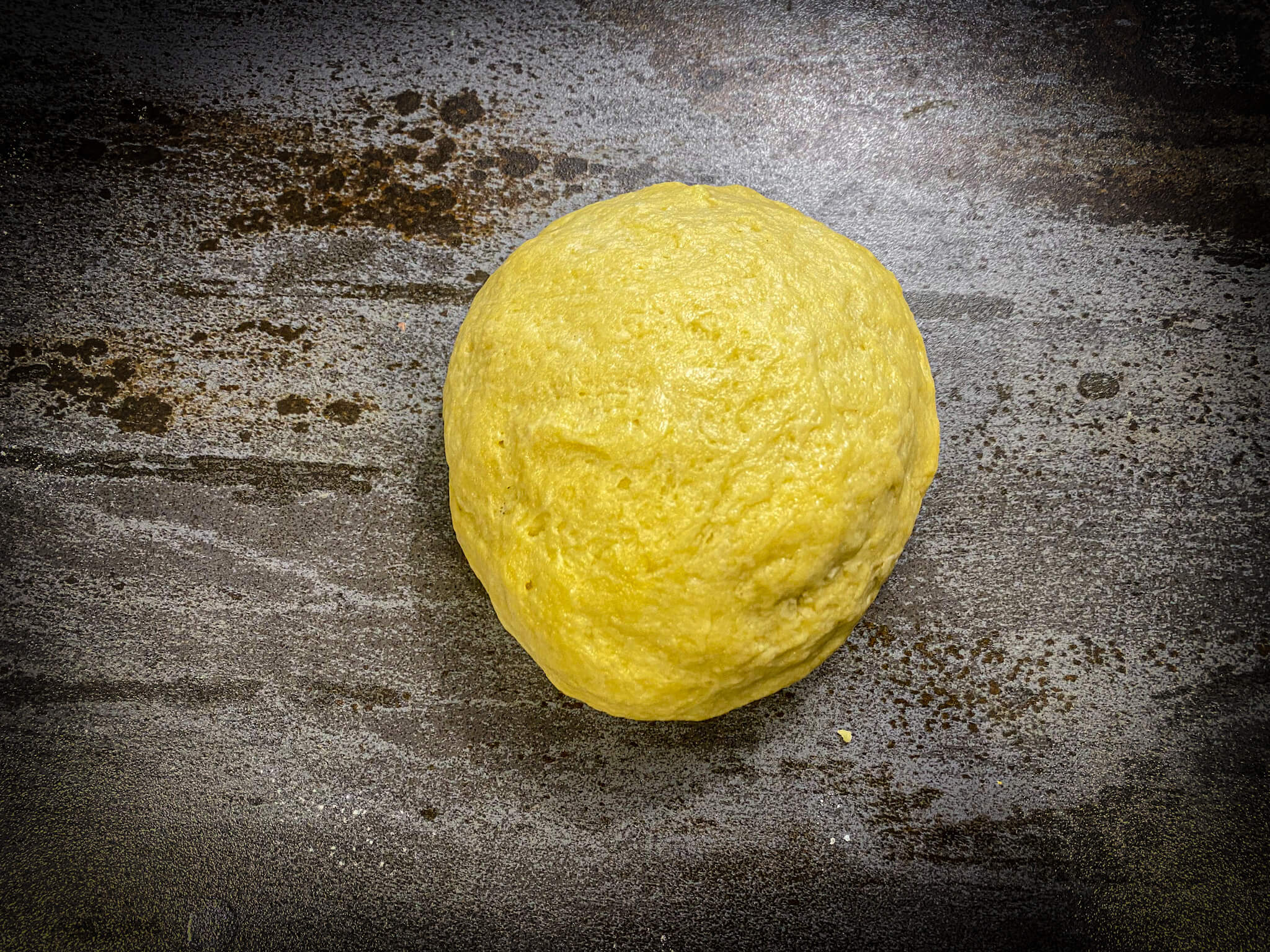
In a large bowl, mix beer, olive oil, flour, and a pinch of salt until a smooth dough forms.
Knead briefly until well combined.

2. Roll Out the Dough
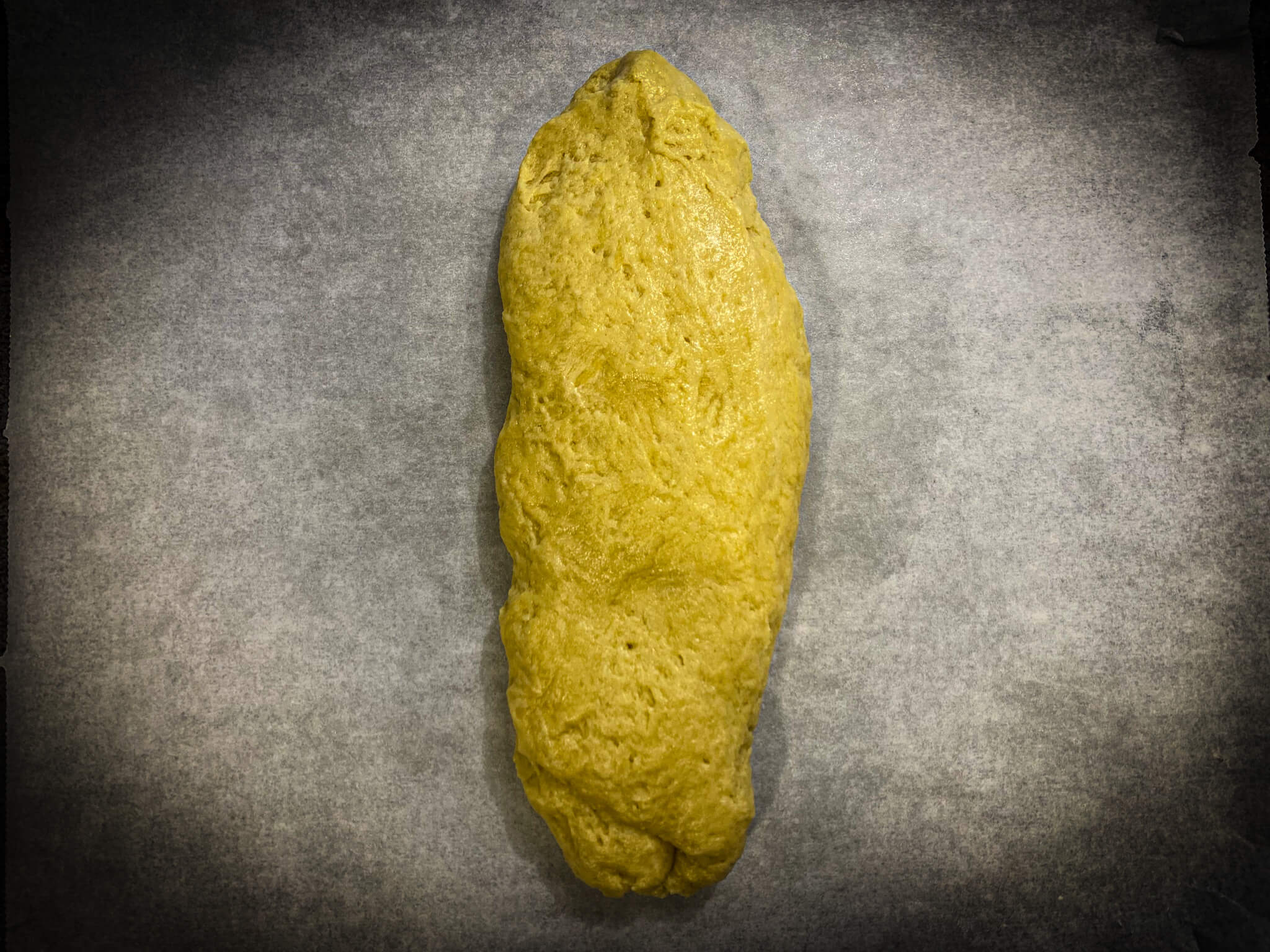
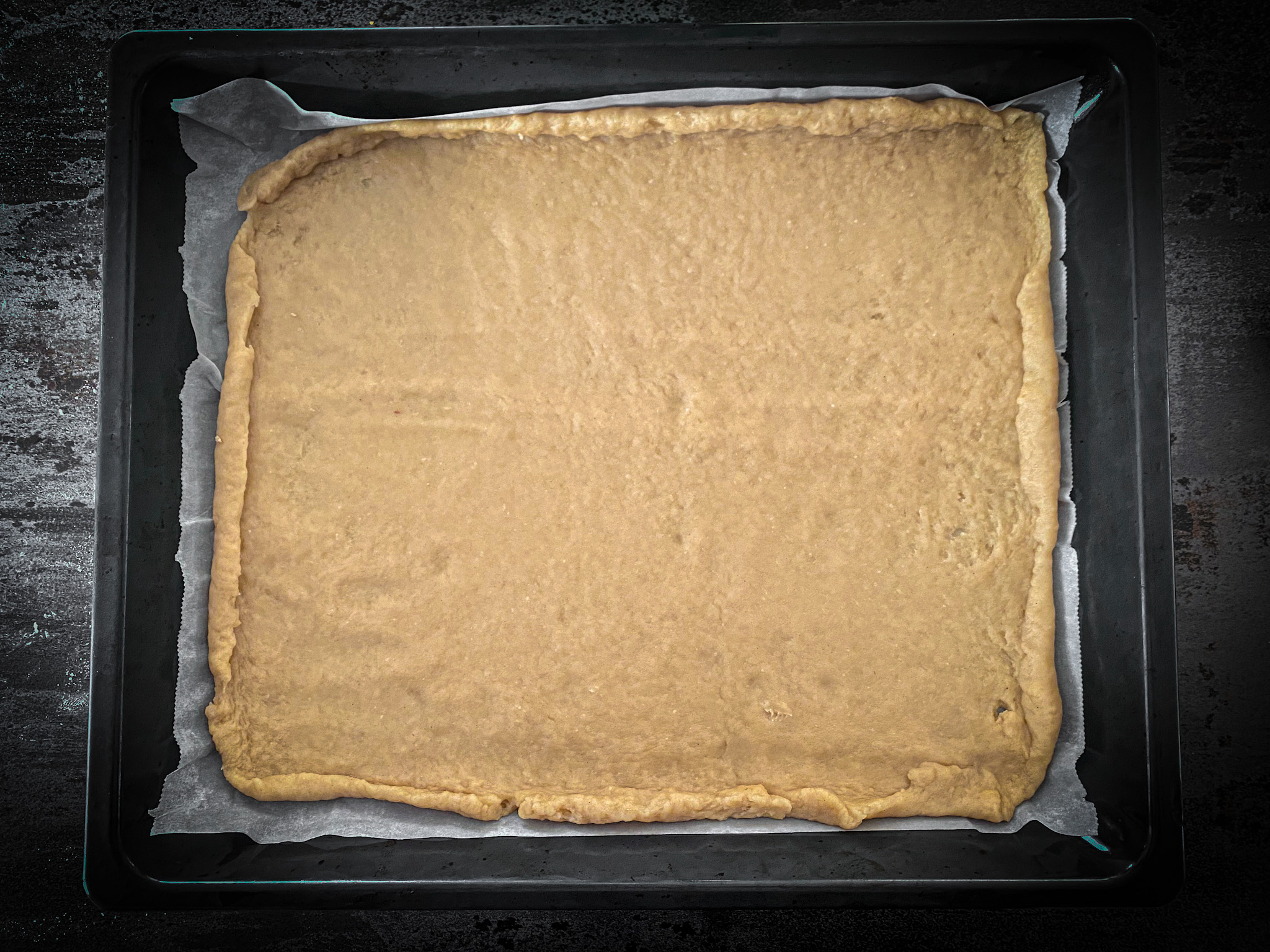
Place the dough between two sheets of parchment paper and roll it thinly with a rolling pin.
Transfer the rolled dough onto a baking tray with the parchment paper.
3. Prepare the Quince
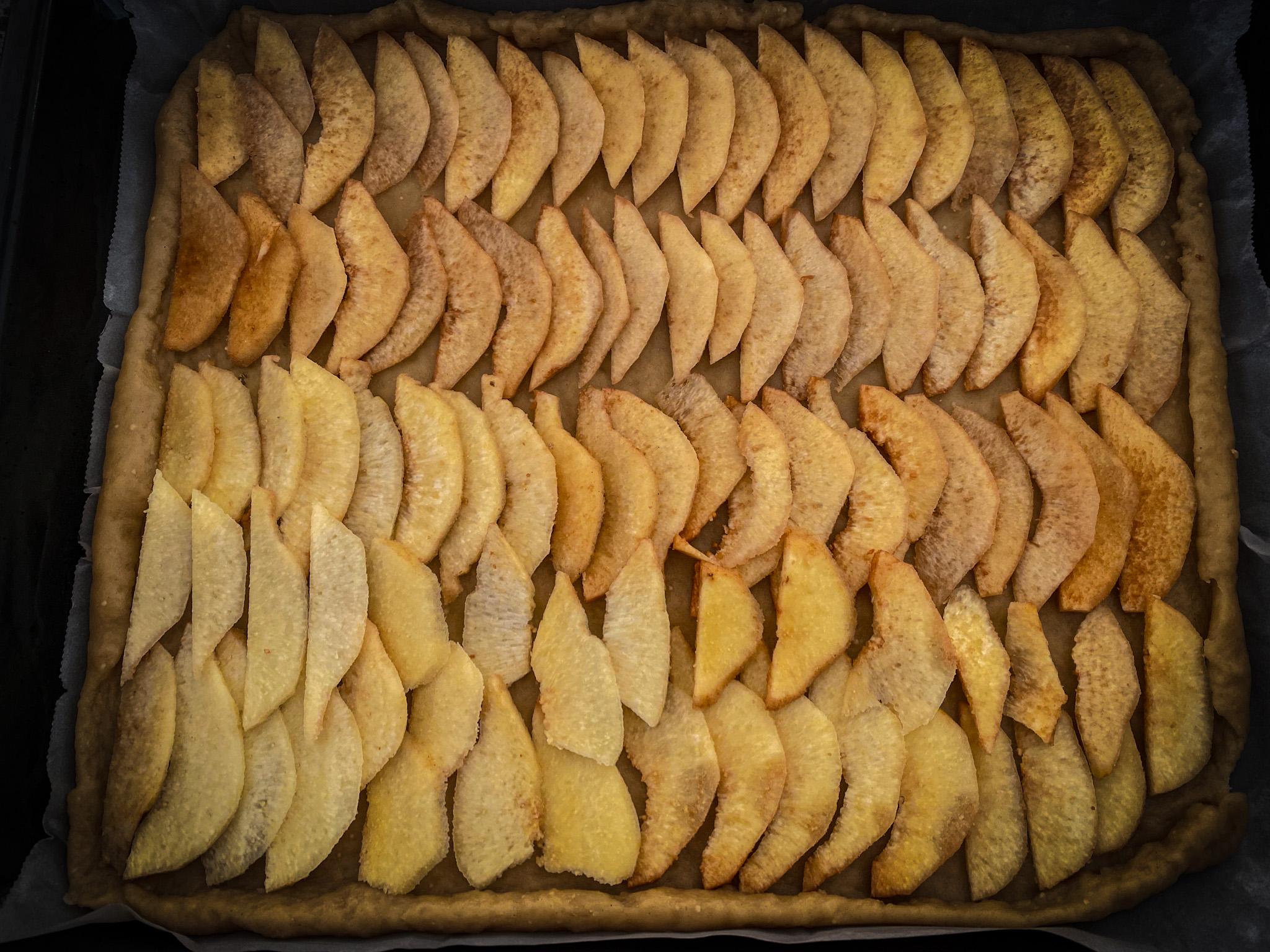
Peel and core the quince. Slice into thin pieces.
Arrange the quince slices evenly over the rolled-out dough.

4. Add Sugar & Bake
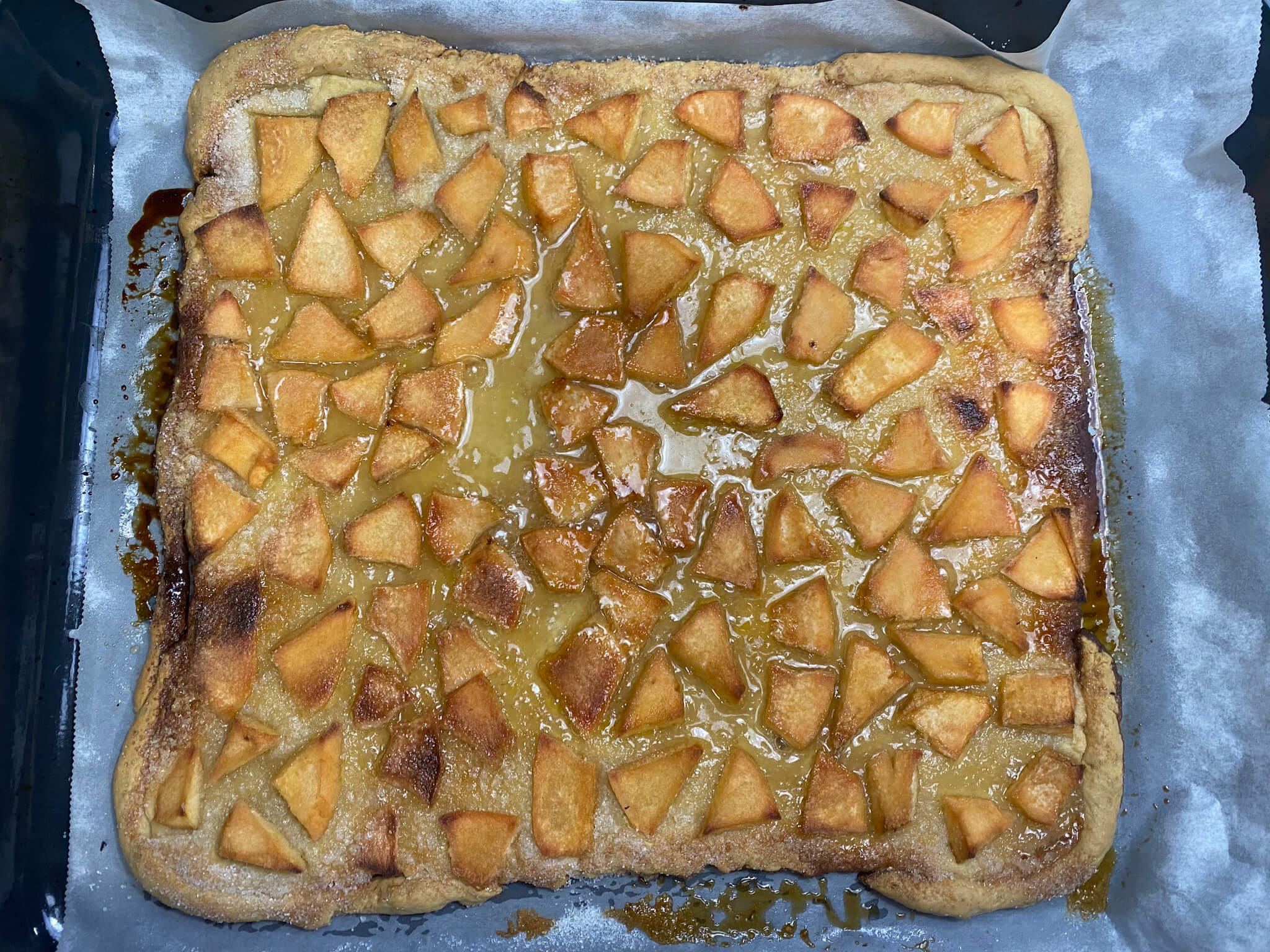
Sprinkle the 100 g of sugar evenly on top of the quince.
Bake in a preheated oven at 180°C (350°F) for 45–50 minutes or until the dough is golden and the quince is tender.

5. Cool & Serve
Allow the tart to cool slightly before slicing and serving.

Chef’s Notes for Mastering Traditional Orchard Pastries
Why is my quince remaining tough or dry after baking, and how do I fix it? Fresh quince (codony) is an incredibly dense, astringent, and moisture-poor fruit compared to apples or pears. If your quince slices are cut too thick, or if the fruit you sourced is highly unripe and woody, the standard baking window won’t be enough to break down its cellular structure, leaving you with dry, rubbery fruit on a fully baked crust. To guarantee a meltingly tender texture, ensure your slices are paper-thin. If you suspect your quinces are exceptionally hard or out of season, poach the slices gently in a simple boiling water and sugar syrup for 5 minutes, draining them thoroughly before placing them onto the raw dough base.
What is the role of beer in this traditional olive oil crust? Using beer in traditional Eastern Spanish cocas and tarts is an ancient baker’s secret that replaces commercial yeast or baking powder. The natural carbonation, gas bubbles, and residual yeasts present in the beer expand instantly when hitting the high heat of the oven. This creates microscopic air pockets throughout the olive oil dough, yielding an incredibly light, flaky, and ultra-crisp texture without requiring a complex laminating or proofing process. It also contributes a subtle, rustic malty undertone that balances the sweetness of the fruit.
Common Mistakes to Avoid When Making Valencian Quince Tart
Overworking the Pastry Dough: Kneading this specific dough for more than two minutes activates the gluten network heavily. This turns a traditional crisp, short pastry into a tough, bread-like crust that shrinks in the oven and becomes unpleasantly hard to chew.
Skipping the Parchment Paper Technique: This dough is rich in premium olive oil and can be fragile to lift when rolled thin. Attempting to roll it directly on a countertop and moving it by hand will stretch or tear the base; always roll it between sheets of parchment paper for a flawless transfer.
Using Low-Quality or Flavorless Oils: The dough relies entirely on olive oil for its rich, aromatic fat profile. Using generic vegetable oil or canola oil robs the coca of its authentic Mediterranean soul. Always use a quality Spanish Extra Virgin Olive Oil (AOVE) for that unmistakable fruity background notes.
Uneven Sugar Distribution: If the sugar is dumped heavily in the center and leaves the perimeter dry, the exposed quince edges will dehydrate and burn under the dry heat of the oven instead of turning into a glossy caramel glaze.
Ingredient Swaps and Variations for Coca de Codony
The Orchard Alternative: When fresh quince is entirely out of season, you can easily substitute it with firm autumn baking apples (like Reinette or Granny Smith) or crisp Bosc pears. Cut them into thin slices and apply the exact same sugar caramelization technique.
A Warm Spiced Twist: For an extra layer of aromatic depth that complements the earthy quince profile beautifully, mix a teaspoon of ground Ceylon cinnamon or freshly grated lemon zest directly into your granulated sugar before sprinkling it over the tart.
Flour Modifications: If you do not have strong bread flour, unbleached all-purpose flour works beautifully as a direct substitute. It will yield an even shorter, melt-in-your-mouth pastry base that handles just as easily.
An Added Nutty Crunch: To introduce a wonderful contrasting texture, scatter a handful of raw split local Valencia almonds or pine nuts across the top of the sugar-coated quince slices during the final 15 minutes of the baking process so they toast to a rich golden brown.
Recipe Card
Traditional Valencian Quince Tart

The Traditional Valencian Quince Tart (Coca de Codony) is a cherished family recipe passed down through generations. In the past, we used to take the tarts to local bakery ovens to bake them, a tradition that brought the neighborhood together and filled the streets with the sweet aroma of quince. With its thin, crisp dough and tender caramelized quince slices, this tart is a perfect example of Mediterranean baking at its most authentic. Naturally vegetarian and vegan-friendly, it’s a delightful treat that carries the warmth and memories of Valencian family kitchens.
Ingredients
- 175 ml beer
- 175 ml olive oil
- 500 g strong bread flour
- 500 g quince fruit
- 100 g sugar
Instructions
1) Prepare the Dough
In a large bowl, mix beer, olive oil, flour, and a pinch of salt until a smooth dough forms.
Knead briefly until well combined.
2) Roll Out the Dough
Place the dough between two sheets of parchment paper and roll it thinly with a rolling pin.
Transfer the rolled dough onto a baking tray with the parchment paper.
3) Prepare the Quince
Peel and core the quince. Slice into thin pieces.
Arrange the quince slices evenly over the rolled-out dough.
4) Add Sugar & Bake
Sprinkle the 100 g of sugar evenly on top of the quince.
Bake in a preheated oven at 180°C (350°F) for 45–50 minutes or until the dough is golden and the quince is tender.
5) Cool & Serve
Allow the tart to cool slightly before slicing and serving.
Notes
Roll the dough thin for a crispier base.
If the quince is very unripe, cook it briefly in water or syrup to soften it.
Optional: sprinkle a little cinnamon or lemon zest for extra flavor.
Serve warm or at room temperature, perfect with a cup of coffee or tea.
Nutrition Information:
Yield:
8Serving Size:
1Amount Per Serving: Calories: 333Total Fat: 1gSaturated Fat: 0gUnsaturated Fat: 1gSodium: 11mgCarbohydrates: 72gFiber: 3gSugar: 19gProtein: 7g
Pin it
