
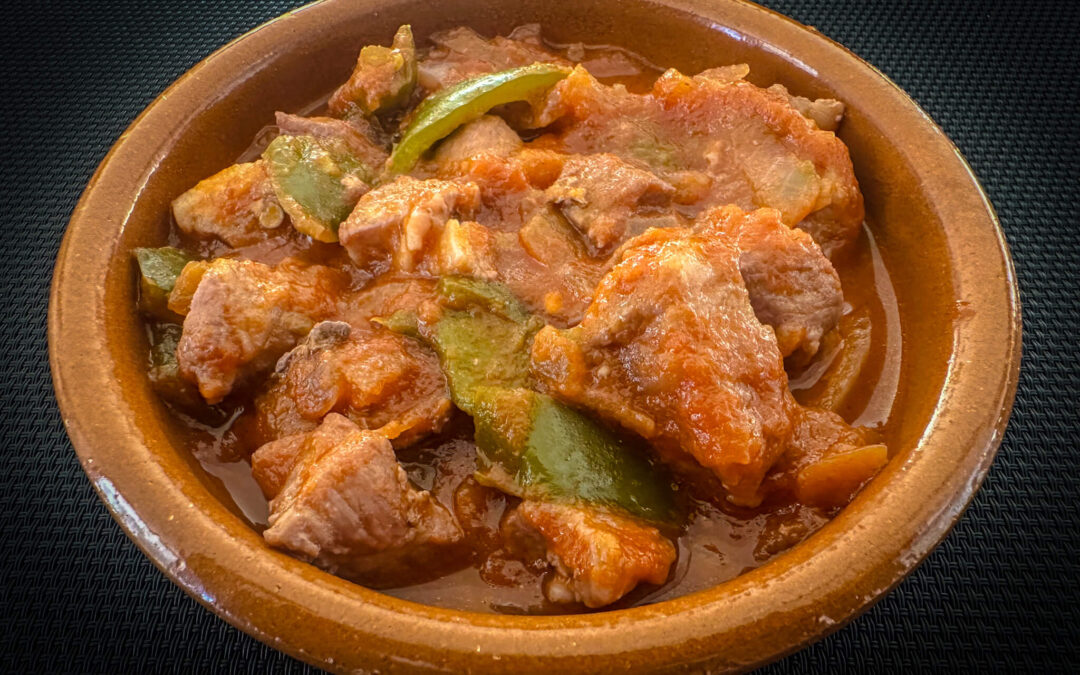
This recipe for Spanish Lean Pork with Tomato (or magro con tomate) is a delicious stew of tender and juicy pork cubes, combined with peppers, onion, and tomatoes, all cooked together until they form a sauce that tastes like caramel.
Spanish Lean Pork with Tomato Recipe

Cooking Lean Pork with Tomato: Magro con Tomate
Lean Pork with Tomato (Magro con Tomate) is one of the most iconic pork dishes in southeastern Spain, especially in the Region of Murcia. This humble recipe combines tender cubes of lean pork with a rich tomato sauce, sweet peppers, extra virgin olive oil, and a splash of red wine to create a meal that is simple, comforting, and full of Mediterranean flavor. Like many traditional Spanish recipes, it proves that a handful of quality ingredients is all you need to create something truly memorable. If you enjoy discovering authentic regional specialties like this one, you may also like exploring my collection of the most famous Spanish dishes from across the country.
Murcia is often referred to as the orchard of Europe thanks to its fertile plains, abundant sunshine, and centuries-old irrigation systems inherited from the Arabs. The region is famous for producing exceptional tomatoes and peppers, two ingredients that are at the heart of this recipe. Their natural sweetness balances the richness of the pork, while slow cooking transforms them into a thick, velvety sauce that captures the essence of Murcia’s Mediterranean cuisine.
One of the reasons Lean Pork with Tomato has remained popular for generations is its incredible versatility. In Murcia, it is commonly served as a tapa alongside a slice of crusty bread, tucked into a warm sandwich, or enjoyed as a hearty main course with rice or fried potatoes. Every family has its own version—some include both red and green peppers, others add a little paprika or bay leaf—but the soul of the dish is always the same: tender pork simmered in a deeply flavorful homemade tomato sauce.
What makes this recipe particularly interesting is the way its flavors develop during cooking. Browning the pork creates a rich, caramelized crust, while the peppers, onions, wine, and tomatoes slowly build layer upon layer of flavor into the sauce. As the pork gently simmers, it absorbs the sweetness of the vegetables and the acidity of the tomatoes, resulting in meat that is juicy, tender, and coated in a sauce that is perfect for dipping bread. Like many traditional Spanish stews, it tastes even better the next day after the flavors have had time to meld together.
Although Lean Pork with Tomato originated in Murcia, it has become a favorite throughout Spain and remains a staple in countless bars and family kitchens. Affordable, easy to prepare, and ideal for making ahead, it’s a recipe that perfectly reflects the spirit of Spanish home cooking: seasonal ingredients, slow-simmered flavors, and simple food meant to be shared around the table.
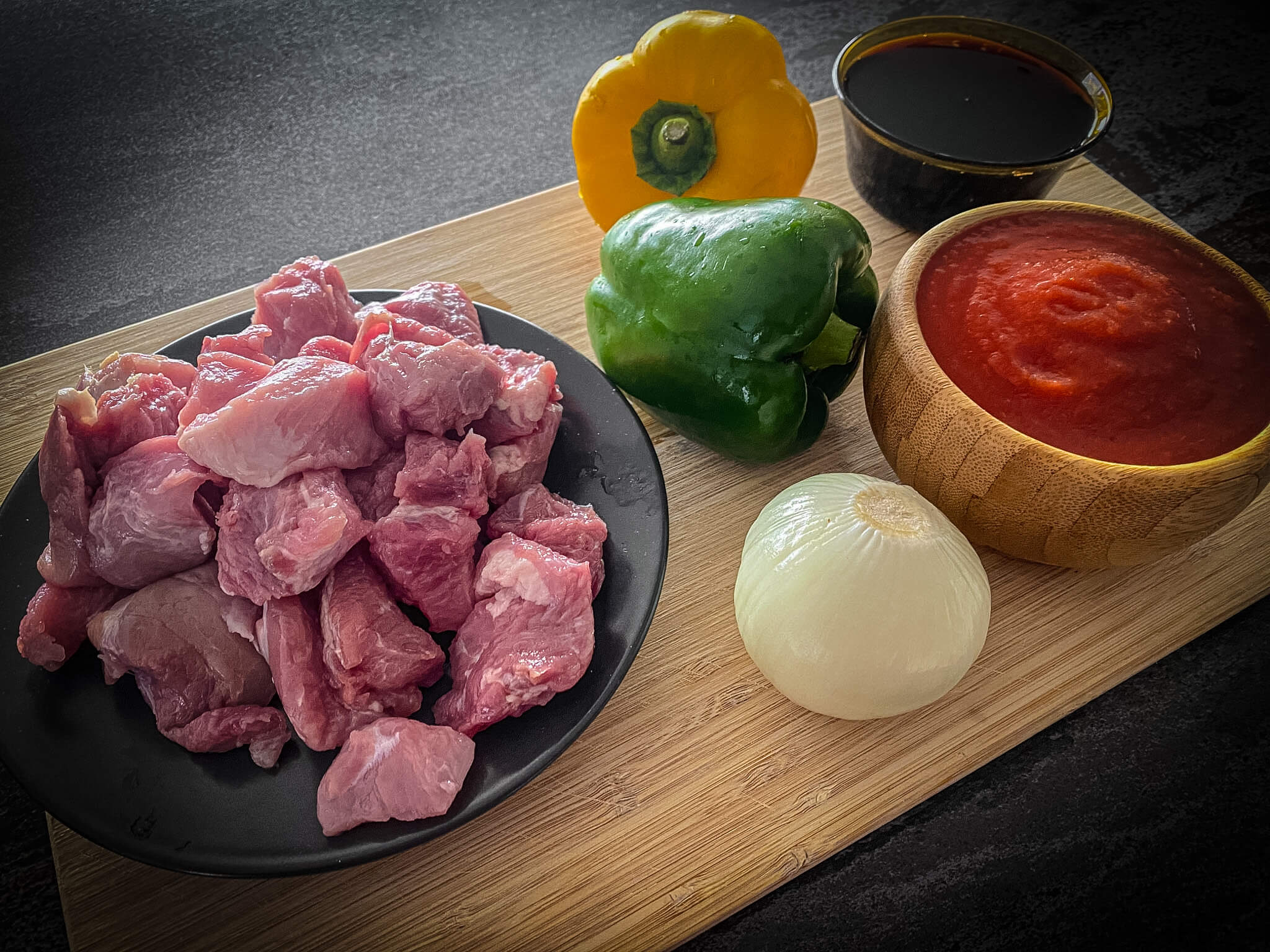
Ingredients
| Metric Amount | Imperial Amount | Core Ingredient | Preparation |
| 500 g | 17.6 oz | Lean pork | Cut into bite-sized pieces |
| 2 units | 2 units | Green peppers | Washed and cut into strips or cubes |
| 1 unit | 1 unit | Onion | Finely chopped |
| 500 g | 17.6 oz | Crushed tomatoes | Natural |
| 120 ml | 0.5 cup | Red wine | Dry |
| 30 ml | 2 tbsp | Olive oil | Extra virgin |
| To taste | To taste | Salt | Fine grain |
| To taste | To taste | Black pepper | Ground |
Instructions
1. Cook the Peppers
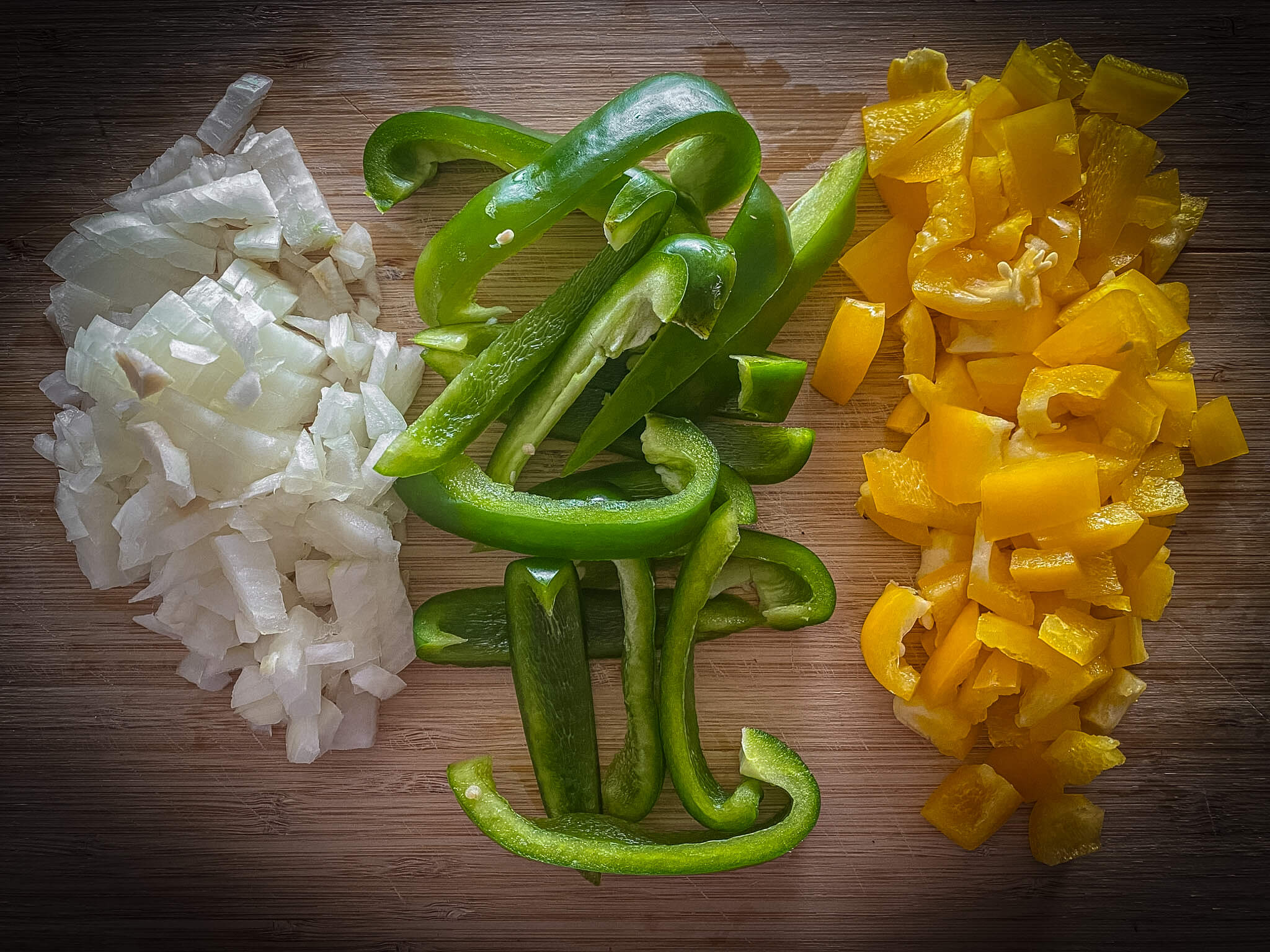
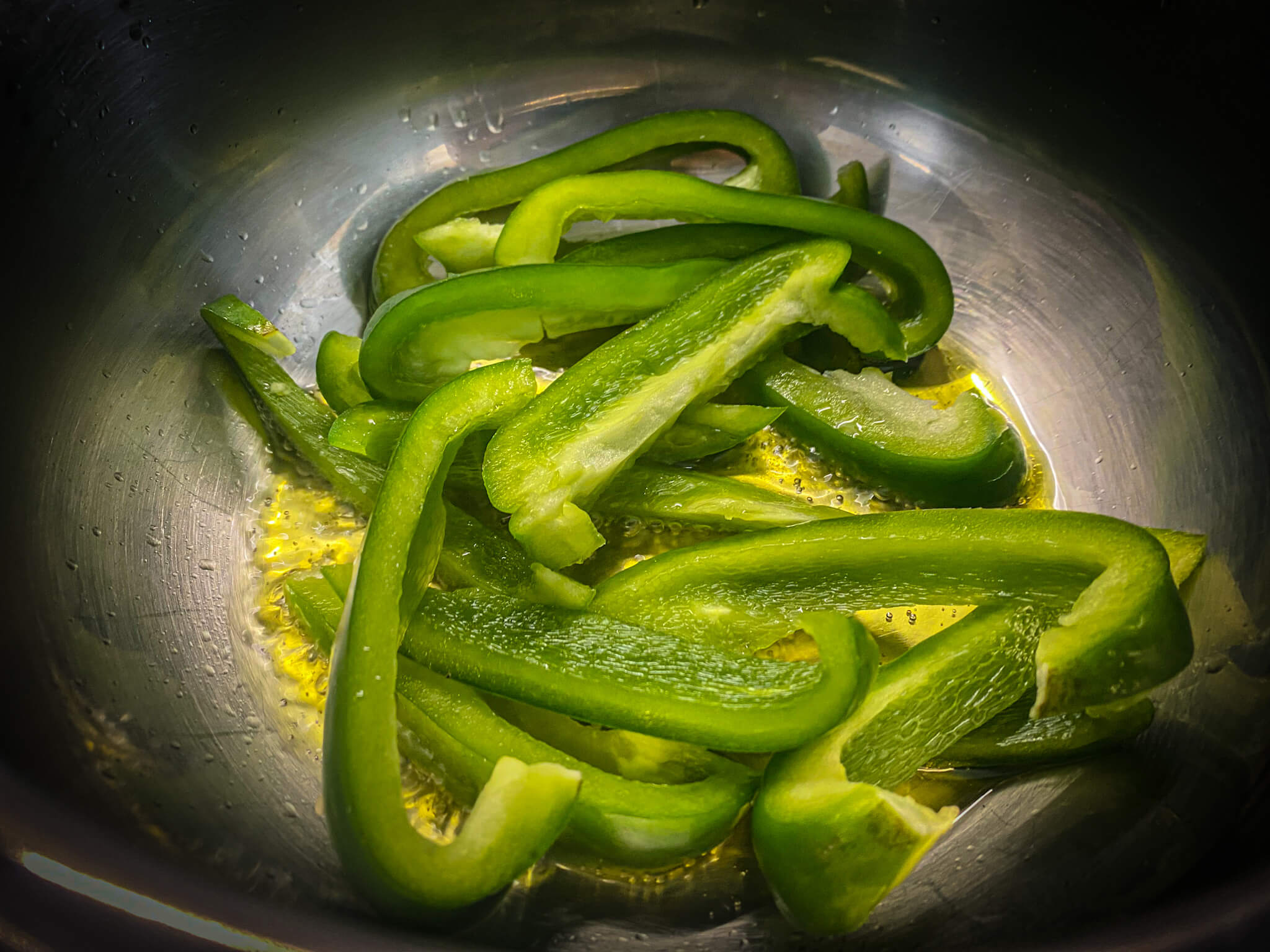
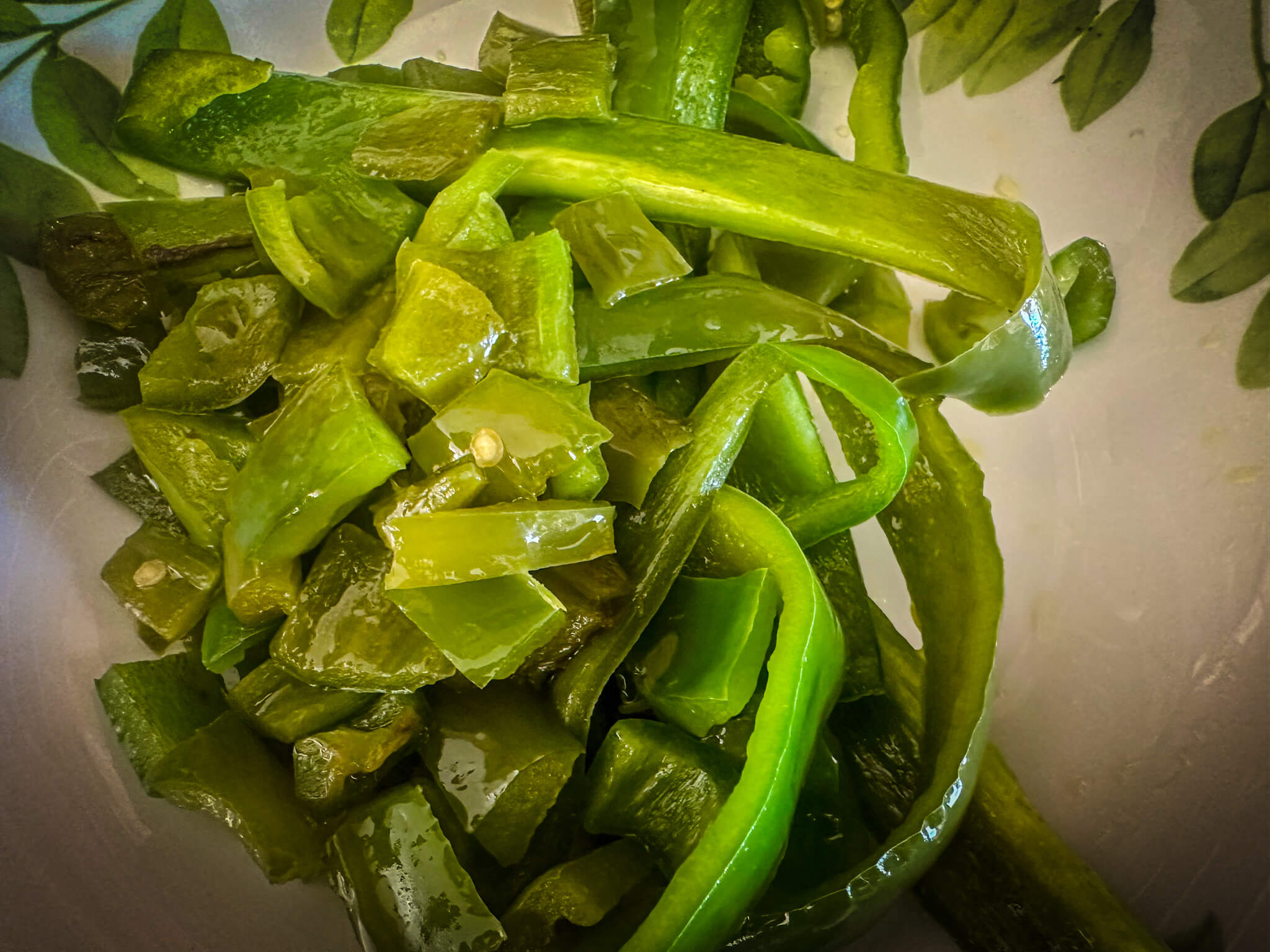
Wash the peppers, remove the seeds, and cut them into strips or bite-sized pieces. Heat a generous drizzle of extra virgin olive oil in a large frying pan over medium heat. Add the peppers with a pinch of salt and cook for 8–10 minutes, stirring occasionally, until tender and lightly caramelized. Transfer them to a plate and set aside.
2. Brown the Pork
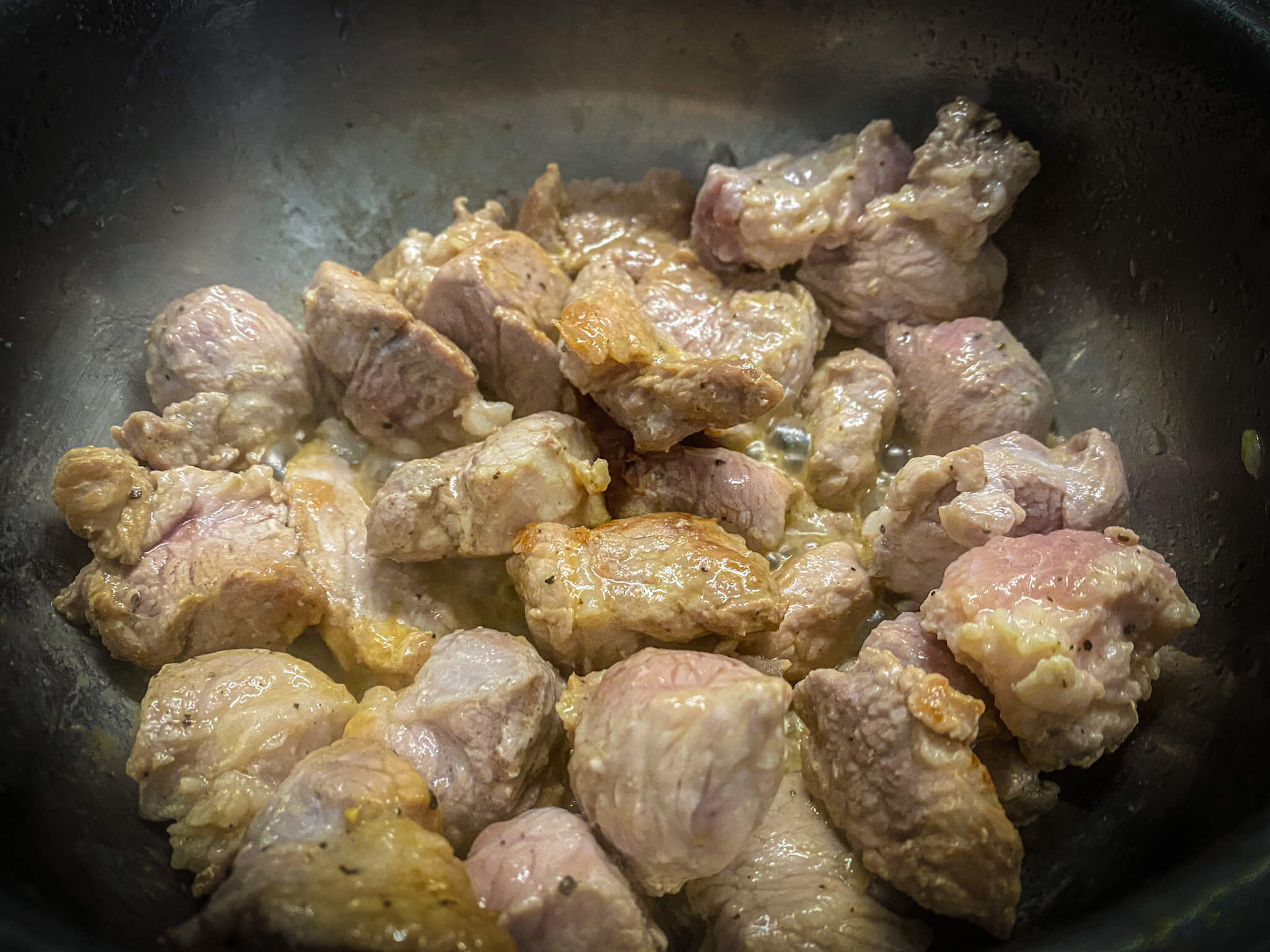
Season the lean pork with salt and black pepper. In the same pan, increase the heat to medium-high and sear the pork for 4–5 minutes, turning occasionally until browned on all sides. Remove the pork from the pan and set it aside.

3. Build the Sauce and Simmer
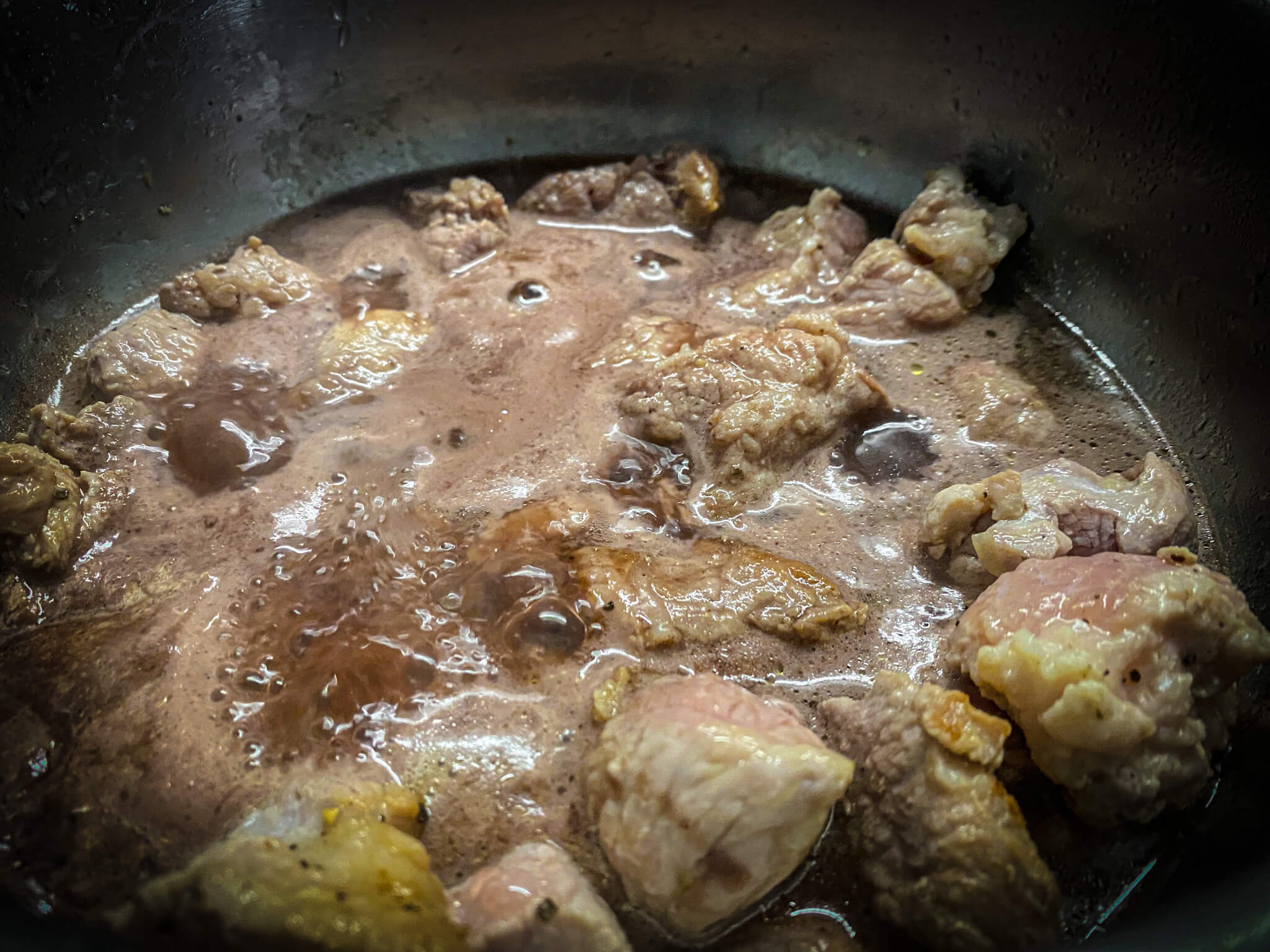
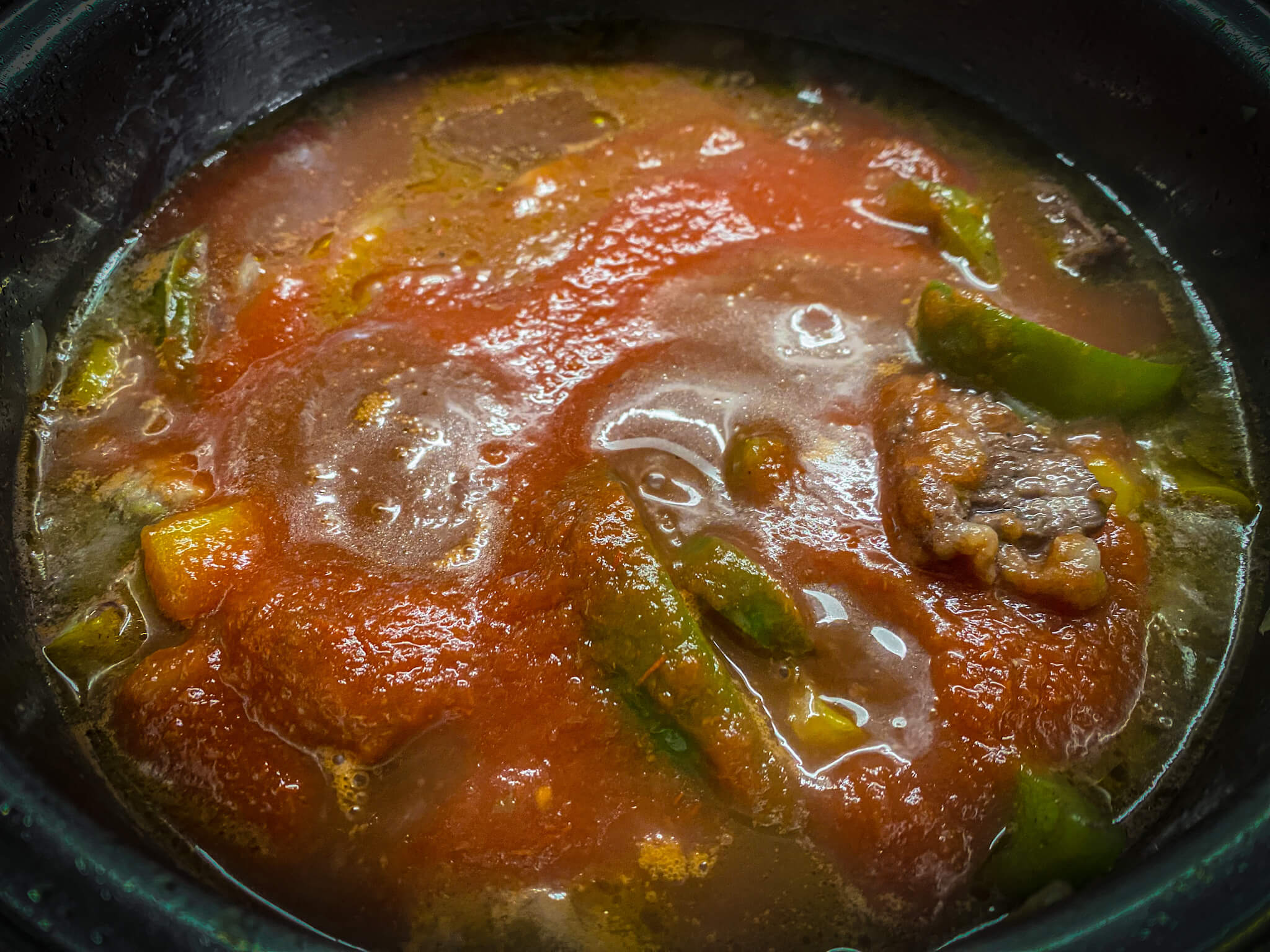
Reduce the heat to medium and add the chopped onion to the same pan. Cook for about 5 minutes, stirring occasionally, until softened and translucent. Pour in the red wine and let it simmer for 3–4 minutes, allowing the alcohol to evaporate while scraping up the flavorful browned bits from the bottom of the pan. Return the browned pork to the pan, then add the grated tomatoes and the reserved peppers. Stir well, cover, and simmer over low heat for 15–20 minutes, stirring occasionally, until the pork is tender and the tomato sauce has thickened. Taste and adjust the seasoning with salt and black pepper if needed.
4. Reduce and Serve
Remove the lid and, if necessary, cook for a few more minutes until the tomato sauce reaches your desired consistency. Serve the Magro con Tomate hot with white rice, fried potatoes, or plenty of crusty bread to soak up every bit of the rich, homemade sauce
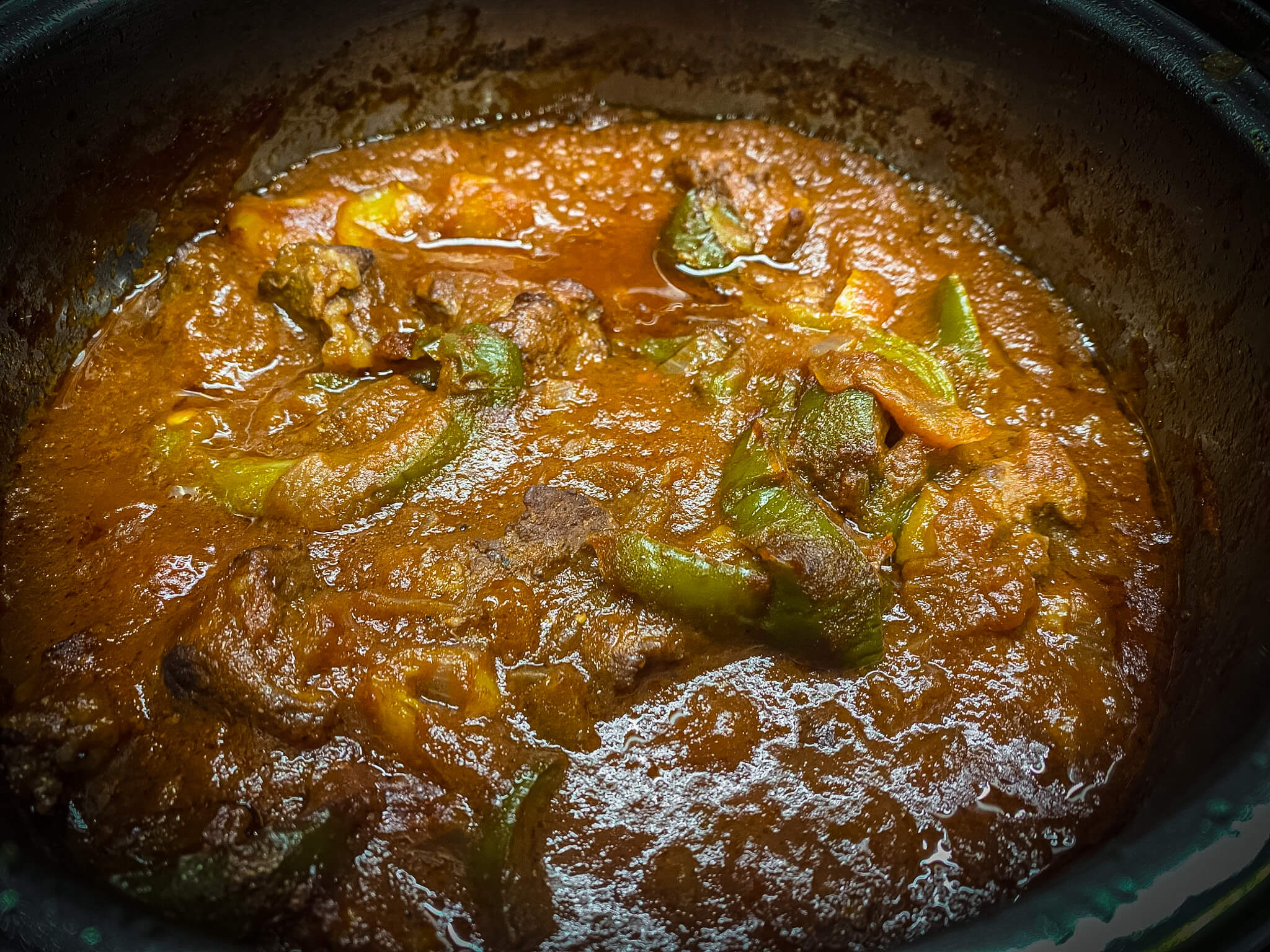

Chef’s Notes for Lean Pork with Tomato
Why is it important to sear the pork after frying the peppers? By using the same oil, the pork absorbs the residual aromatic compounds and the subtle sweetness left by the peppers. This builds a “flavor bridge” between the protein and the vegetables that layering ingredients separately cannot achieve.
What is the best way to ensure the lean pork remains tender during the simmer? Lean cuts lack the connective tissue of tougher meats, meaning they can dry out quickly if overcooked. Keep the heat strictly on “low” once you add the tomatoes, and ensure the pot is covered to retain steam, which gently braises the meat rather than boiling it.
Can I substitute the red wine if I prefer a non-alcoholic version? Absolutely. You can replace the red wine with an equal amount of high-quality vegetable or beef stock mixed with a teaspoon of balsamic vinegar to replicate that necessary acidic depth that balances the richness of the tomatoes.
Common Mistakes cooking Lean Pork with Tomato
Crowding the pan during the searing process If you add all the pork to the pan at once, the internal temperature will drop rapidly, causing the meat to boil in its own juices rather than caramelizing. Sear the pork in small batches to ensure a deep, golden-brown crust, which is essential for developing the complex base flavor of the sauce.
Adding the wine before the pan is hot enough Pouring wine into a lukewarm pan results in a harsh, raw alcohol flavor that never fully mellows. Always bring the wine to a vigorous boil and allow it to reduce by at least half before adding the tomatoes; this ensures you are left with the concentrated essence of the wine rather than its aggressive acidity.
Overcooking the peppers at the initial stage The peppers are added back to the stew to simmer, so they shouldn’t be mushy when you set them aside initially. Cook them just until they brown slightly—they should retain a slight “bite” so that after the final 15-minute simmer with the pork, they have the perfect tender-yet-structured texture.
Variations on Lean Pork with Tomato
The Mediterranean Herb Infusion Elevate the sauce by adding a sprig of fresh rosemary or a teaspoon of dried oregano when you return the peppers to the pan. The piney, earthy notes of these herbs pair exceptionally well with the acidity of the red wine and the sweetness of the peppers.
A Spicier Coastal Twist If you enjoy a bit of heat, add a pinch of chili flakes or a small, finely minced fresh chili along with the onions. The heat cuts through the richness of the pork and enhances the vibrant color of the tomato sauce.
The “Rustic Texture” Upgrade For a thicker, more rustic sauce, finely grate the onion instead of chopping it. The onion will dissolve almost completely into the tomato sauce as it simmers, creating a velvety, cohesive gravy that coats the pork and peppers perfectly, making it even better for serving alongside rice.
Recipe Card
Lean Pork with Tomato

This recipe for Lean Pork with Tomato (magro con tomate) is a delicious stew of tender and juicy pork cubes, combined with peppers, onion, and tomatoes, all cooked together until they form a sauce that tastes like caramel.
Ingredients
- 500g of lean pork
- 2 green peppers
- 1 onion
- 500g of crushed tomatoes
- 1/2 glass of red wine
- 2 tablespoons of olive oil
- 1 pinch of salt
- 1 pinch of pepper
Instructions
1. Cook the Peppers
Wash the peppers, remove the seeds, and cut them into strips or bite-sized pieces. Heat a generous drizzle of extra virgin olive oil in a large frying pan over medium heat. Add the peppers with a pinch of salt and cook for 8–10 minutes, stirring occasionally, until tender and lightly caramelized. Transfer them to a plate and set aside.
2. Brown the Pork
Season the lean pork with salt and black pepper. In the same pan, increase the heat to medium-high and sear the pork for 4–5 minutes, turning occasionally until browned on all sides. Remove the pork from the pan and set it aside.
3. Prepare the Tomato Sofrito
Reduce the heat to medium and add the chopped onion to the same pan. Cook for about 5 minutes until soft and translucent. Pour in the red wine and let it simmer for 3–4 minutes, allowing the alcohol to evaporate and the wine to reduce slightly. Stir in the grated tomatoes and cook for 10–15 minutes, stirring occasionally, until the sauce thickens into a rich, concentrated sofrito. Return the cooked peppers to the pan and mix well.
4. Simmer the Pork
Return the browned pork to the pan and stir until every piece is coated in the tomato sauce. Cover and simmer over low heat for 15–20 minutes, or until the pork is tender and the sauce has thickened. Taste and adjust the seasoning with salt and black pepper if needed.
5. Serve
Serve the Magro con Tomate hot with white rice, fried potatoes, or plenty of crusty bread to soak up the rich tomato sauce.
Notes
This dish has two key factors that influence it. First, sautéing the meat in the same oil used to fry the pepper beforehand allows it to absorb the pepper’s flavors. Second, the lean pork, which can be substituted with any low-fat meat, must be well-cooked and tenderized to ensure it is easy to eat in every bite.
Nutrition Information:
Yield:
4Serving Size:
1Amount Per Serving: Calories: 441Total Fat: 25gSaturated Fat: 7gUnsaturated Fat: 18gCholesterol: 110mgSodium: 451mgCarbohydrates: 16gFiber: 4gSugar: 9gProtein: 36g
